You wake up, scroll through the news, and see it: Yellowstone. Supervolcano. Unusual activity. Your brain does the rest, instantly jumping to apocalyptic ash clouds and global winter. Before you know it, you’re wondering if you should cancel next summer’s plans or start stockpiling canned beans. And then you hit the line that really hooks you: it just did something it hasn’t done in eight years.
Here’s the thing you rarely get told clearly: Yellowstone can absolutely do surprising, dramatic things on the surface without that meaning the supervolcano is gearing up to blow. You’re dealing with one of the most restless pieces of real estate on Earth, where minor “weird” events are normal, and the scary headlines almost always oversell the risk. Once you understand how experts actually read these signals, the whole story looks a lot less like a disaster movie and a lot more like a slow, fascinating science documentary that you’re living inside.
What “Supervolcano” Really Means (And What It Doesn’t)
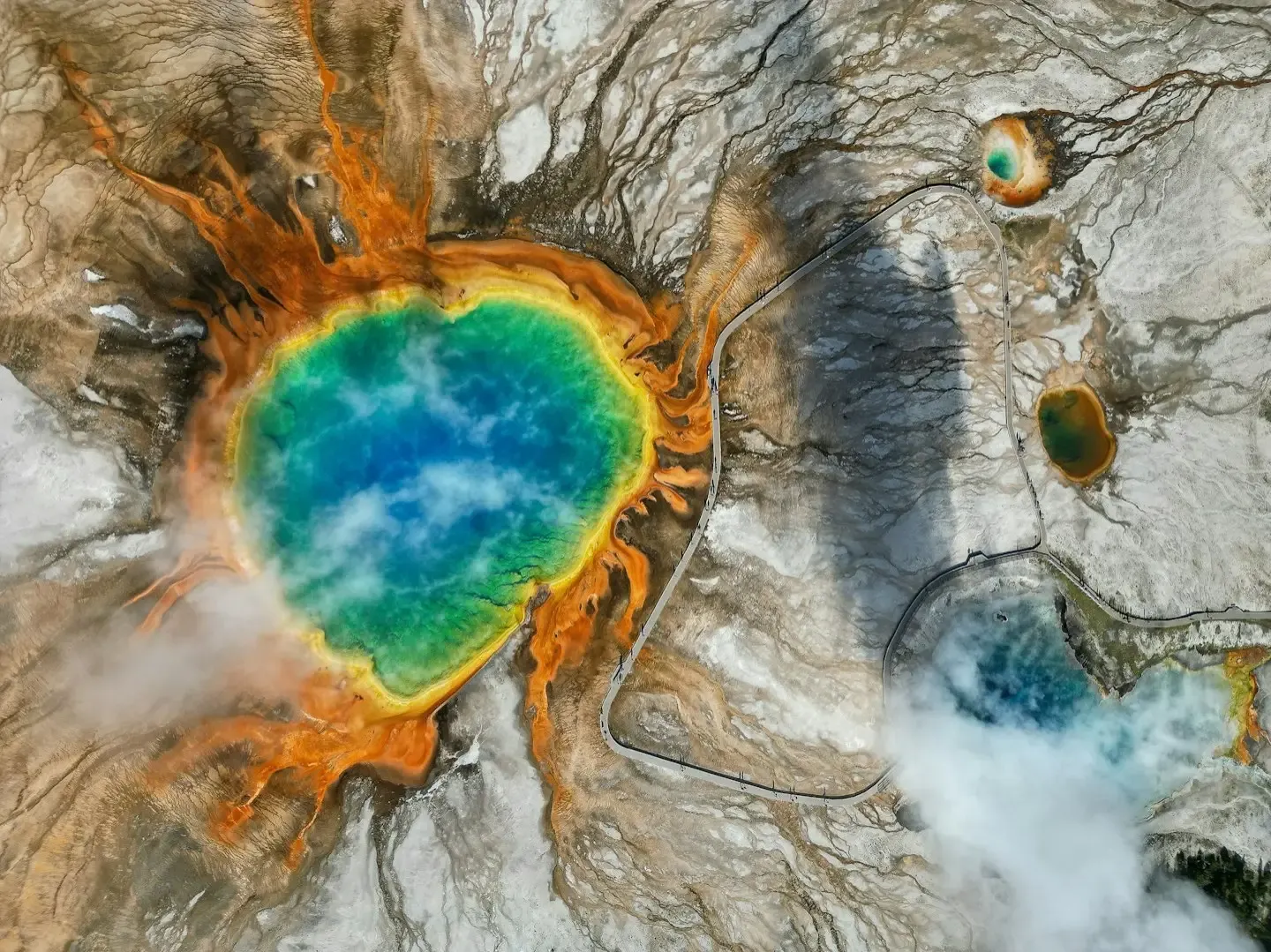
You’ve probably heard Yellowstone described as a ticking time bomb, but in scientific terms “supervolcano” is not code for “about to end civilization.” It’s simply a label for a volcano that has had at least one truly massive eruption in its distant past, big enough to eject more than about one thousand cubic kilometers of material and rank at the top of the Volcanic Explosivity Index. In Yellowstone’s case, those monster eruptions happened hundreds of thousands to millions of years ago, long before humans showed up to worry about them.
That history is wild, but it doesn’t mean you should treat Yellowstone like a delayed doomsday alarm. Experts are blunt about this: a supervolcano is defined by what it did before, not by what it is guaranteed to do again on your timescale. Since the last giant Yellowstone eruption, the system has mostly produced smaller, non‑explosive lava flows and hydrothermal blasts that are dramatic on a park map, not on a global climate chart. When you hear “supervolcano,” what you should really think is “big, complex, long‑lived volcanic system,” not “inevitable end‑of‑the‑world event.”
The “8‑Year Gap” Mystery: Why Rare Hydrothermal Bursts Make Headlines
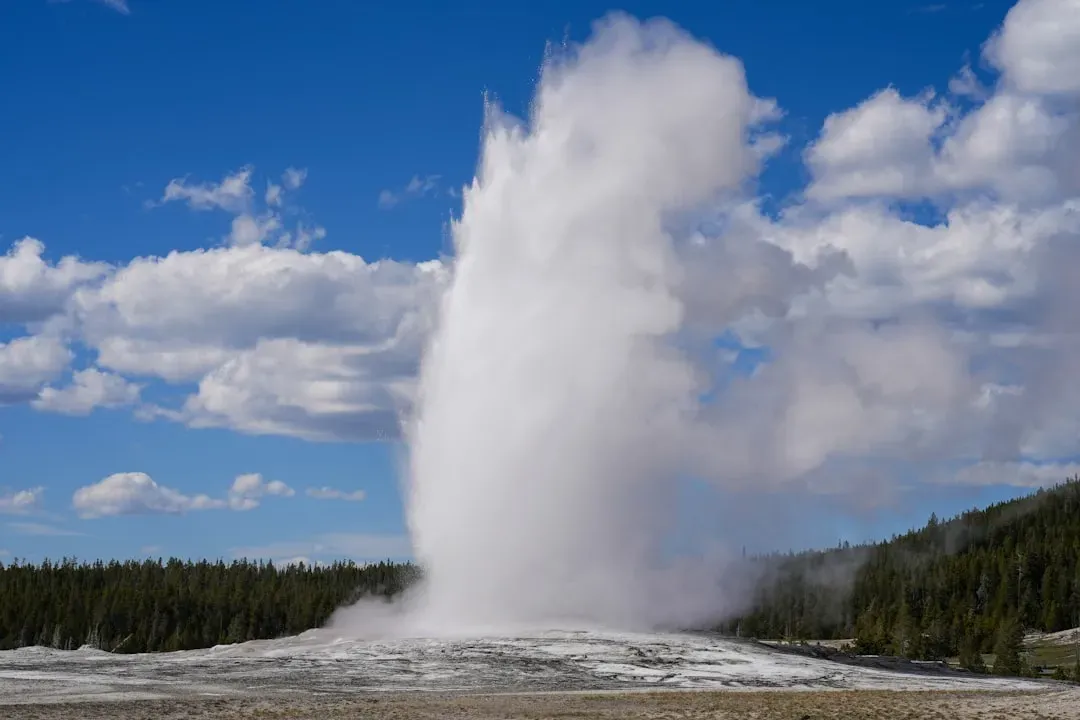
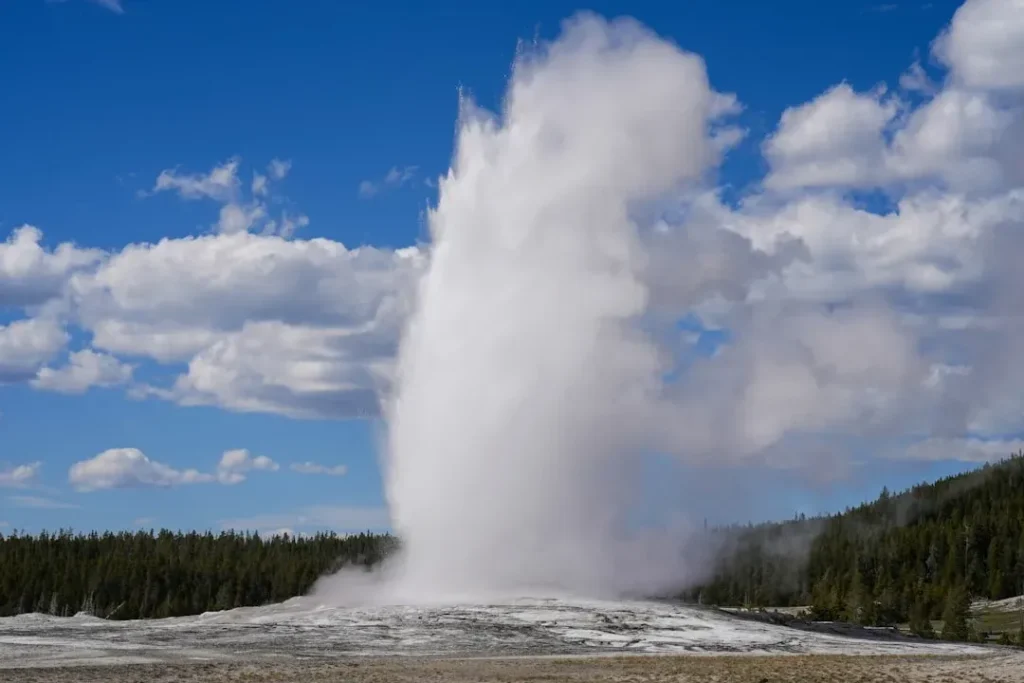
So what about something that “hasn’t happened in eight years”? In Yellowstone, that kind of phrase usually points to a rare surface event in the hydrothermal system: an unusually powerful geyser jet, a sudden new vent, a muddy explosion in a hot spring basin that tosses rocks and water skyward. These blasts can carve craters, rearrange the landscape, and look absolutely terrifying if you happen to be nearby, which is why they instantly become headline material when they occur after years of quiet at that particular spot.
To you, eight years sounds like a long time. To Yellowstone, eight years is basically a coffee break. Geysers and hot springs can switch on and off for years or decades depending on subtle shifts in underground plumbing – minerals clogging a vent, small earthquakes cracking open a new pathway, or water levels changing with seasons and snowmelt. When one of these features suddenly roars back to life after a long pause, it feels shocking, but to a volcanologist, it usually looks like a local pressure release in a shallow hydrothermal system, not a deep magmatic warning shot.
How Scientists Actually Watch Yellowstone (Spoiler: Constantly)
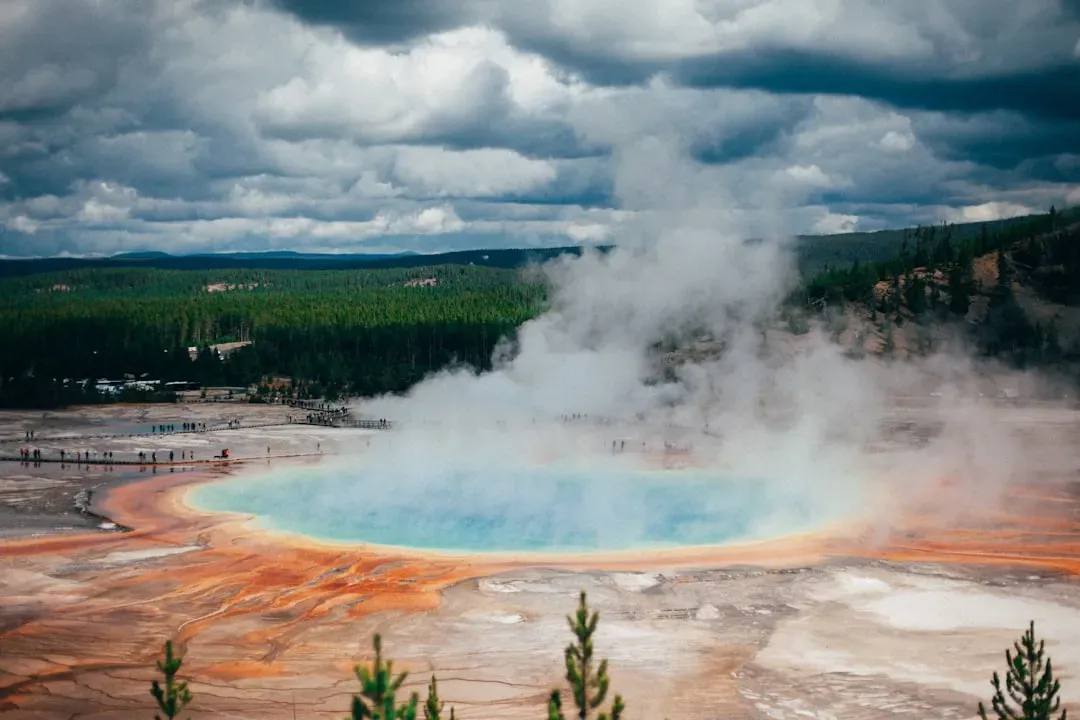
If you picture Yellowstone being checked once in a while, you’re missing the scale of the operation. The Yellowstone Volcano Observatory and partner institutions treat this place like a patient in intensive care: continuous monitoring of earthquakes, ground movement, gas emissions, and temperature changes is happening every hour of every day. Networks of seismometers listen for swarms of tiny quakes, GPS stations measure millimeter‑level uplift and subsidence of the ground, and satellite radar helps map how the land flexes over months and years.
For you, that means any genuine escalation toward a dangerous eruption would not be subtle or easy to miss. Scientists expect a super‑eruption‑scale event to be preceded by very clear, prolonged signs: a sustained surge in seismicity, large and consistent uplift over wide areas, major changes in gas chemistry, and significant temperature shifts. Right now, the expert consensus is straightforward: Yellowstone is active, restless, and interesting, but it is not showing the kind of coordinated, multi‑signal unrest that would suggest magma is racing toward the surface. In other words, the system is being watched more closely than almost any volcano on Earth, and the data simply do not support panic.
“Overdue” Myths vs. Real Risk: What the Timing Actually Tells You
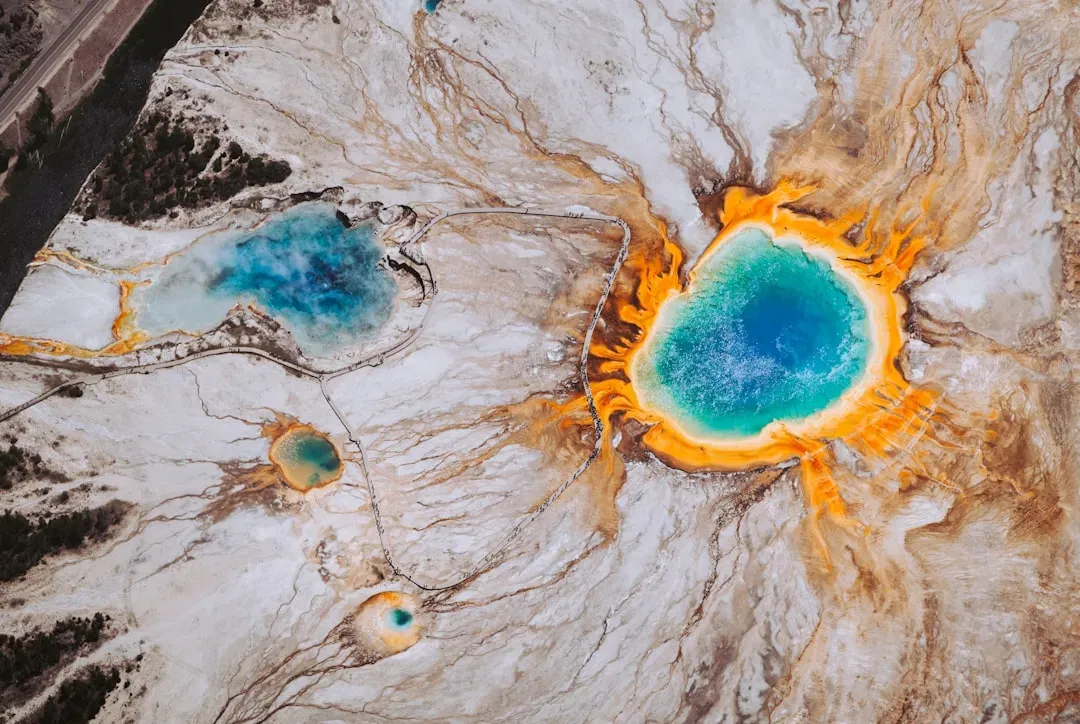
Whenever Yellowstone pops into the news, you’ll see the word “overdue” tossed around like it’s a scientific verdict. You might even see people calculate an average interval between past big eruptions and declare that Yellowstone has already passed its supposed deadline. That sounds convincing on the surface, but experts will tell you that volcanoes do not follow tidy schedules. The intervals between Yellowstone’s known giant eruptions have varied widely, and the sample size is tiny compared to the full lifespan of the system.
What really matters for you is that timing alone is a terrible predictor of what happens next. Geologists focus on current conditions, not calendar math: is magma accumulating? Is the crust deforming in a way that fits a rapidly pressurizing chamber? Are gas emissions climbing in a sustained, unusual way? Right now, the answer to those key questions is no. Future eruptions at Yellowstone are absolutely possible – small lava flows or localized explosions are far more likely than a super‑eruption – but the best evidence points to those being low‑probability events on a human lifetime scale. The “overdue” narrative is catchy, but it just doesn’t match how real volcanic systems behave.
What That Unusual Event Really Means for You (And What It Doesn’t)
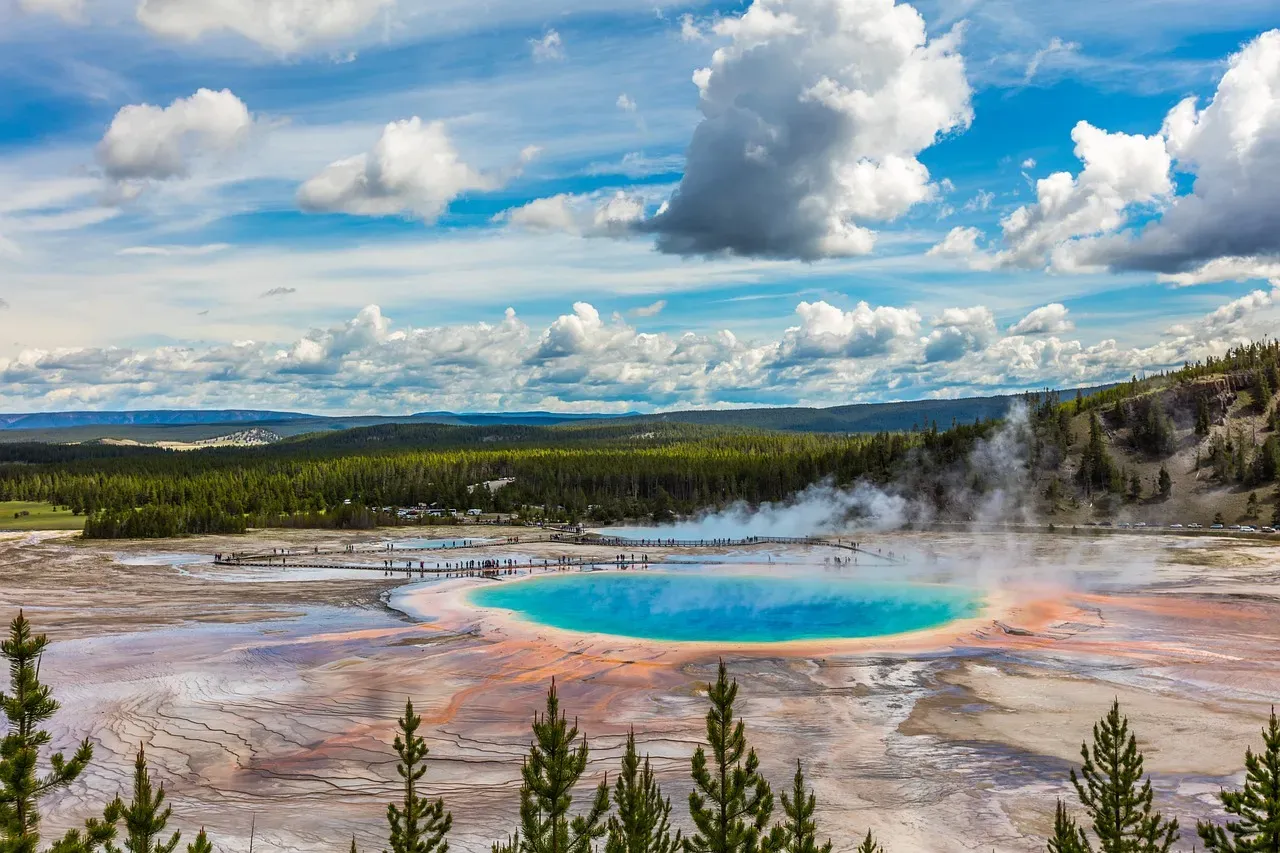
So where does that leave you when you read that Yellowstone “just did something it hasn’t done in eight years”? In practical terms, it almost certainly means the park’s already‑active hydrothermal system expressed itself in a way that is rare for that specific spot, not that the deep magma reservoir suddenly lurched closer to eruption. Think of it like a noisy old house: a new creak in one floorboard might be surprising, but it doesn’t mean the entire building is about to collapse. For scientists, an unusual eruption of a geyser or a strong hydrothermal blast is data to log and compare against a long record, not a siren to hit the global alarm.
For you personally, the immediate implications are mostly local: more restricted areas around unstable ground, updated safety guidance for visitors, and maybe shorter access to certain popular features as rangers and geologists assess the site. What it does not mean is that you need to rethink where you live, brace for continent‑wide ashfall, or assume this is the first domino in a chain leading to a super‑eruption. When something rare happens after an eight‑year pause, the most accurate takeaway is usually that Yellowstone is still very much alive – but alive in ways experts have long expected and thoroughly planned for.
How to Read Future Yellowstone Headlines Without Freaking Out
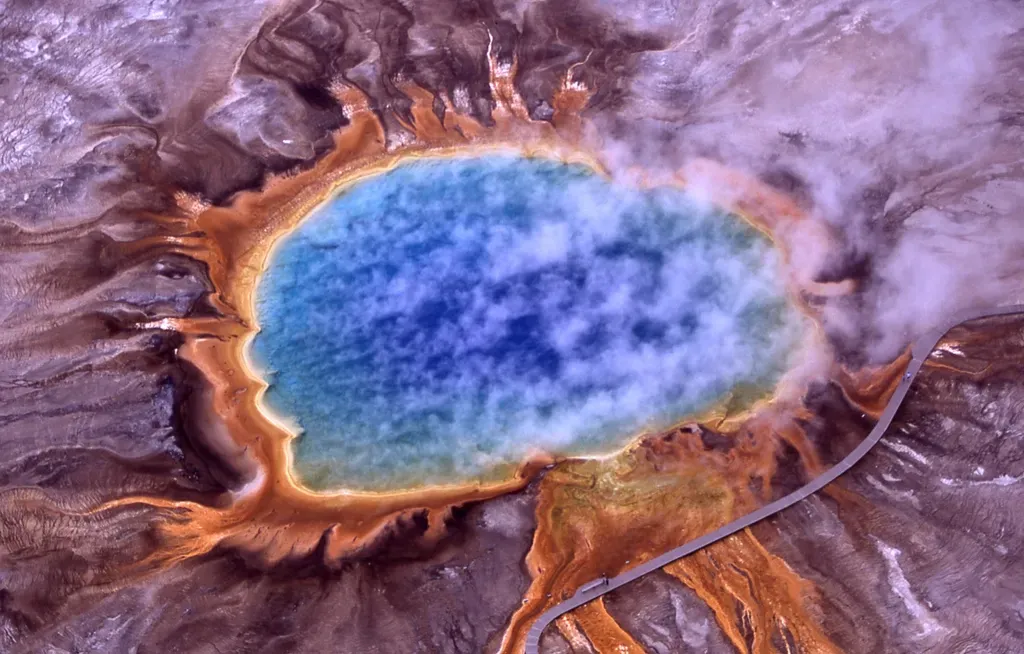
Going forward, you can protect yourself from unnecessary anxiety by learning how to quickly filter Yellowstone stories. When you see a dramatic headline, ask yourself: does it mention concrete changes in earthquake activity, regional ground deformation, gas emissions, and long‑term patterns, or is it zoomed in on one spectacular but isolated event? If the focus is a single geyser, a new hot pool, or one off‑the‑charts spurt of steam and mud, you’re probably looking at a local hydrothermal story being stretched into a global‑scale scare.
You can also pay attention to what scientists on the monitoring teams are actually saying in their public updates. When they describe the overall state as normal for a large volcanic system, emphasize that no unusual unrest is occurring, and explain that activity fits within known patterns, that’s your cue to dial back the doom‑scrolling. If anything were to change in a truly worrisome way, you would see clear, repeated statements about elevated alert levels and well‑defined hazards, not just vague hints and ominous metaphors. Once you start reading Yellowstone news through that lens, most of the fear‑laden stories lose their sting, and you’re left with what’s really there: an incredible natural laboratory that is noisy, complex, and surprisingly well behaved.
Why Yellowstone Is Still Worth Your Awe, Not Your Panic
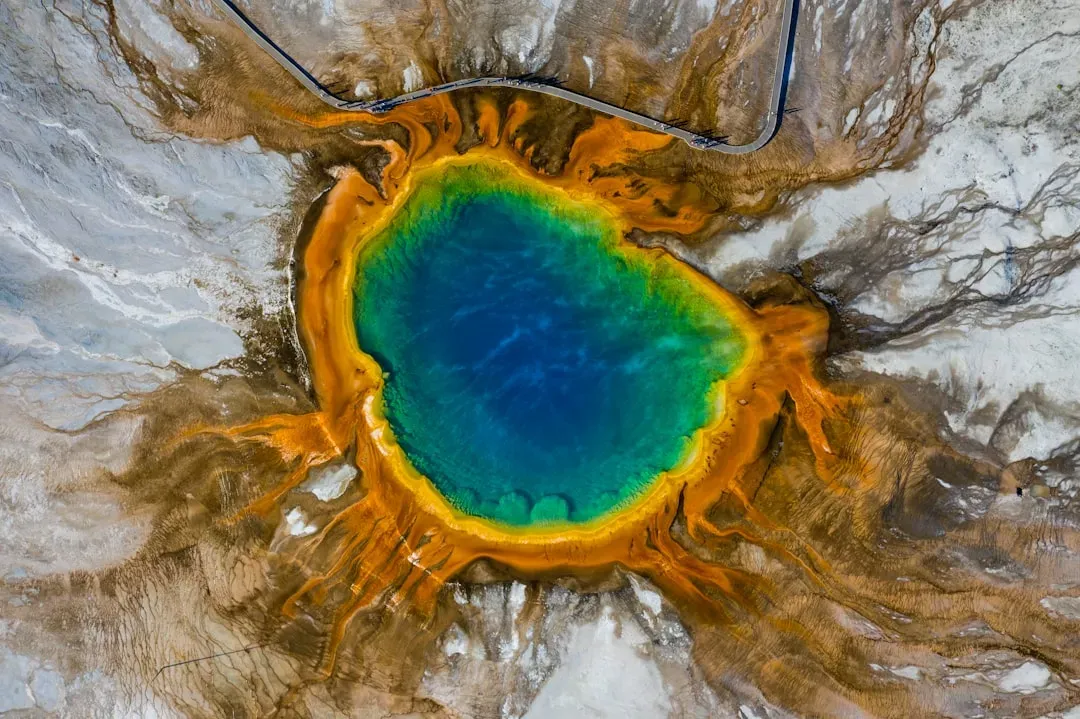
It’s easy to let the word “supervolcano” hijack your imagination, but if you actually visit Yellowstone or even just study it from afar, you start to see it less as a threat and more as a living, breathing reminder of how dynamic the planet is. The geysers, hot springs, and steaming vents that tourists crowd around are not warning signs of imminent doom; they’re the visible edge of a deep engine that has been working for millions of years. You get to witness the steam leaks and pressure valves of that system in real time, which is both humbling and strangely comforting.
Instead of thinking of Yellowstone as a countdown clock, you can treat it as a crash course in Earth’s inner workings, taught by some of the best‑monitored rocks on the planet. Yes, the risk of future eruptions exists – just as it does at many volcanoes worldwide – but your daily life is far more likely to be shaped by ordinary weather, economics, or a random life decision than by a single, colossal blast. The more you learn about how carefully Yellowstone is watched and how rare truly catastrophic events are, the easier it becomes to let the fear go and keep the fascination. In the end, the biggest shift you can make is this: see Yellowstone not as the villain of a disaster story, but as a wild, restless character in a much larger, slower tale of a planet that is constantly changing beneath your feet.
So when you hear that Yellowstone just did something it hasn’t done in eight years, you can pause, take a breath, and ask a better question: is this a sign of danger, or simply another reminder that Earth is alive and busy in ways you’re only just beginning to understand?