If you see a headline like that, your pulse probably jumps for a second. Yellowstone is one of those words that instantly pulls your attention, like a sudden crack in the pavement beneath your feet. You know there is a massive volcano under those postcard-perfect geysers, and somewhere in the back of your mind lives the question: what if it wakes up?
Here’s the twist: right now, there is no credible evidence that Yellowstone has suddenly crossed some terrifying new threshold or done something unseen in hundreds of thousands of years. But there is a very real story behind why headlines like this keep appearing, why scientists keep such a close eye on the caldera, and what you actually should be paying attention to when Yellowstone makes the news. You’re about to walk through what’s real, what’s hype, and what it honestly means for you.
You’re Sitting Above a Monster You Can’t See
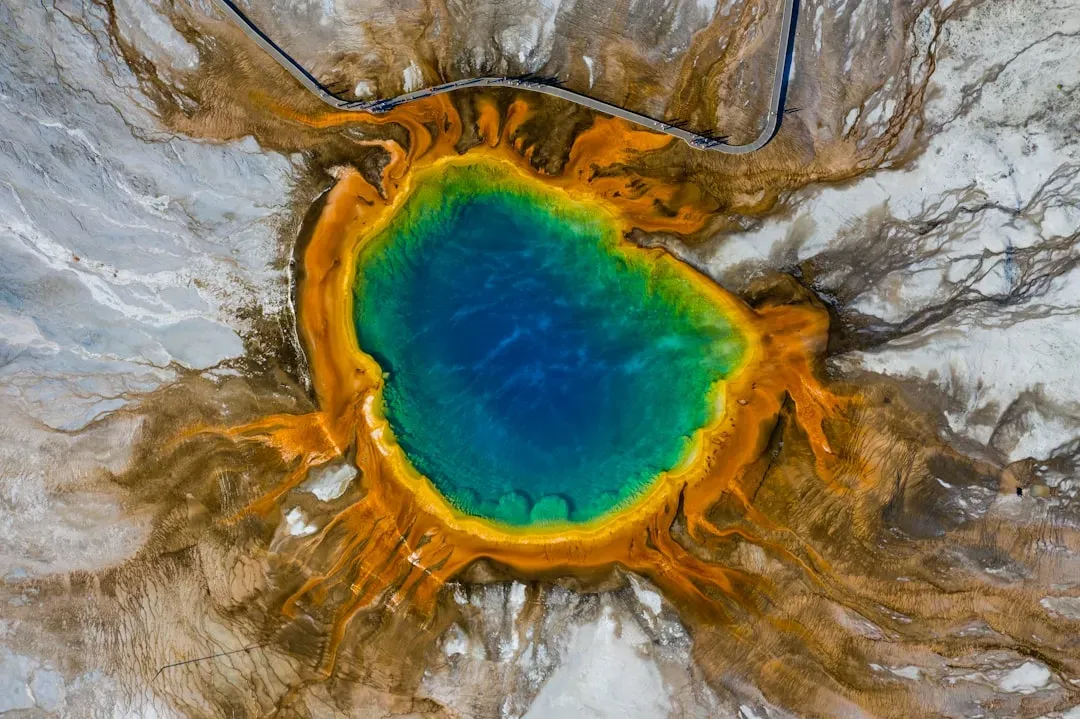
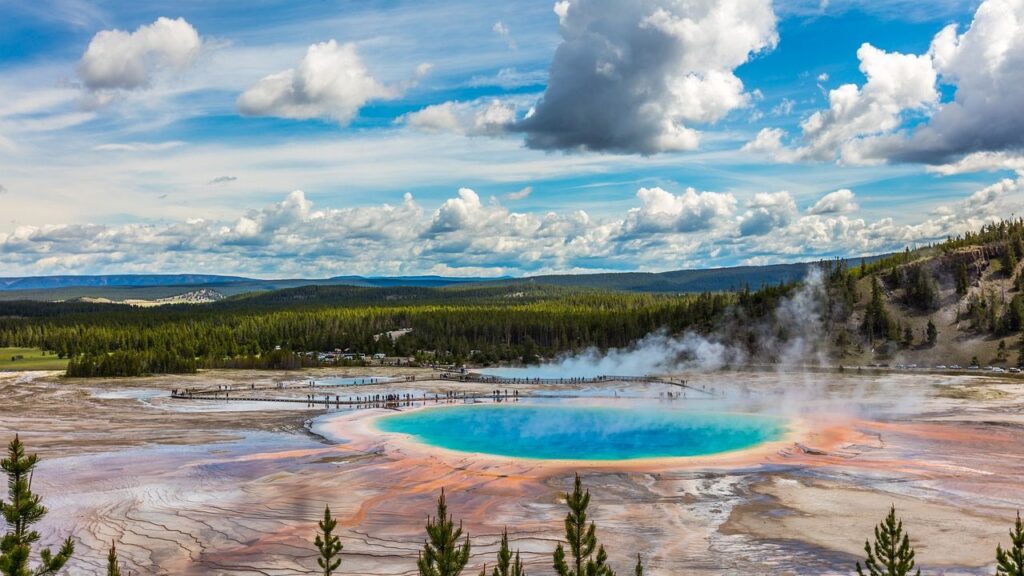
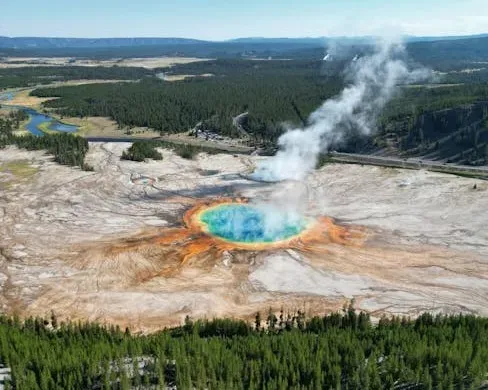
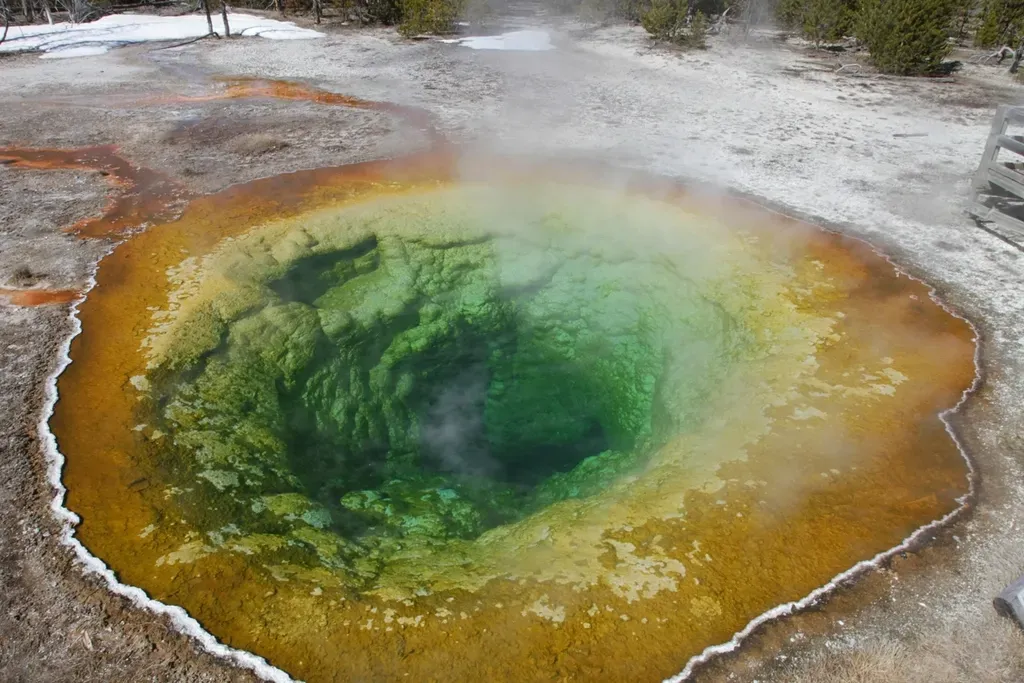
When you hear the word “Yellowstone,” you probably picture hot springs, bison, and tourists dodging geyser spray, not a colossal magma system stretching quietly beneath your feet. Yet that’s exactly what lies below the park: a vast volcanic complex that has produced a few of the largest eruptions in North America’s history. You can think of it less like a conical volcano and more like a giant dent in the crust, a buried scar from past explosions.
The last truly massive eruption happened roughly about 640,000 years ago, which is where that dramatic number in the headline comes from. Since then, Yellowstone hasn’t been asleep; it has simply changed gears. Instead of planet-altering blasts, it has produced smaller lava flows and hydrothermal explosions and spent most of its time slowly breathing in and out, with the ground rising and falling in pulses. You live in a world where the monster is not gone; it is just behaving more like a simmering stew than an exploding pressure cooker.
The “640,000 Years” Number Is Not a Countdown Clock
If you’ve ever read that Yellowstone erupts “every 600,000 to 700,000 years,” it’s tempting to think you’re overdue and living on borrowed time. But that line of thinking quietly tricks you into believing volcanoes keep a neat schedule, like trains pulling into a station. In reality, volcanoes are messy, and their past timing does not act like a subscription renewal date for future eruptions.
Geologists look at Yellowstone’s big eruptions and see a rough pattern, but they don’t see a metronome. There have been long quiet gaps, smaller events in between, and changes in the magma system that break any simple rhythm. When you hear that “it hasn’t done X in 640,000 years,” you’re not hearing a prediction; you’re hearing a reminder of just how long humans have lived in the shadow of something we barely caught onto in the last slice of our history. The number is awe-inspiring, but it’s not a timer counting down over your head.
What Yellowstone Actually Does All the Time (And Why That’s Good)
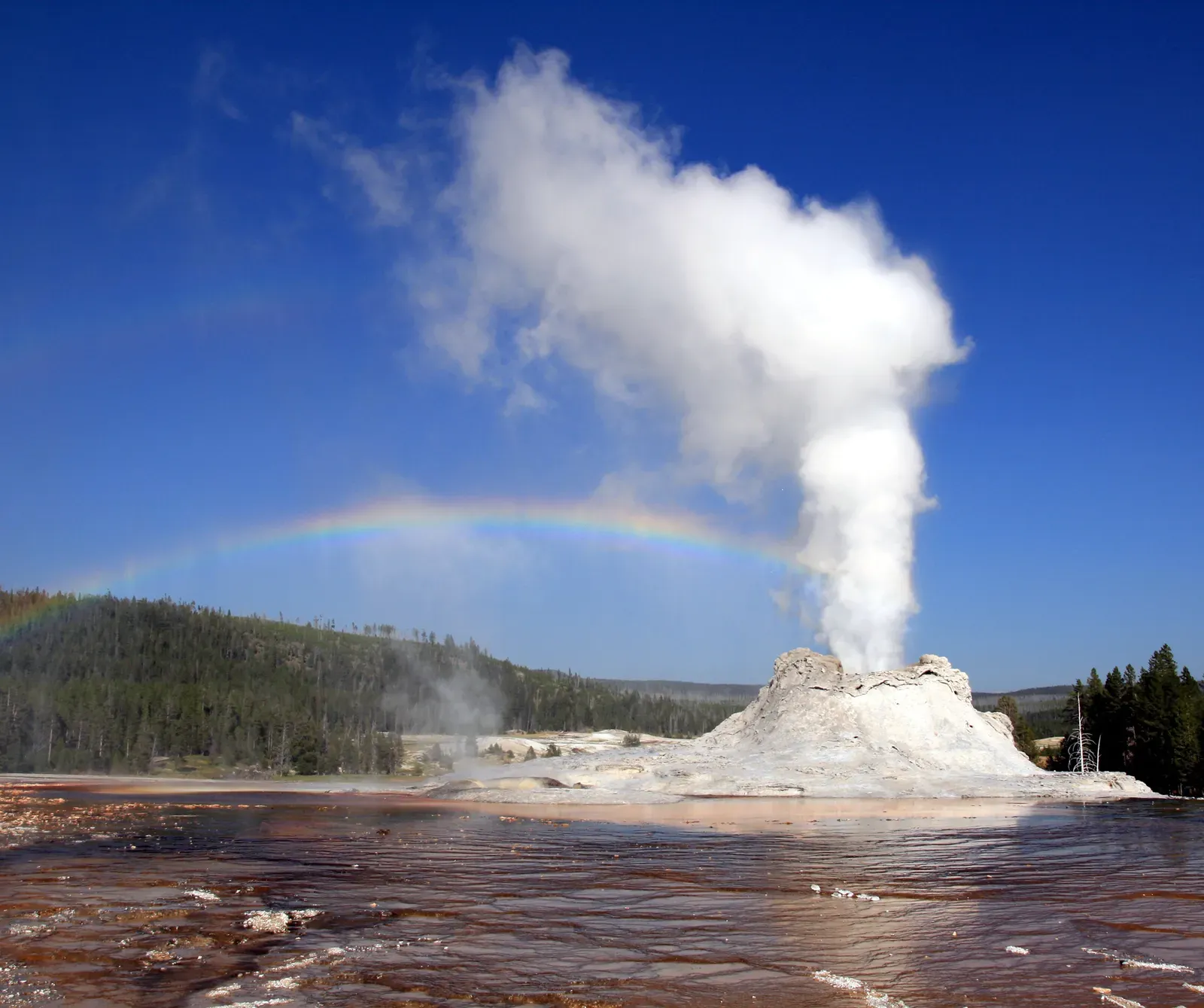
Instead of giant eruptions, what Yellowstone does constantly is rumble, heat, shift, and leak gases. You get swarms of small earthquakes, slow swelling and sinking of the ground, and changes in geyser activity. At first glance, this can sound like Yellowstone is always doing something scary, but in volcanology, constant activity is not necessarily bad news. It can actually be a sign that the system is releasing energy gradually rather than bottling it up.
Imagine a pressure cooker with a steady steam vent versus one that stays silent until the lid blows off. Lots of the Yellowstone “weirdness” you hear about – like uplift one decade and subsidence the next – is more like that steady venting. When you see headlines about new geysers waking up or changes in hydrothermal areas, what you’re often seeing is the system rearranging plumbing, not gearing up for a civilization-ending blast. You live in an age where instruments record every tiny twitch, so you notice things your grandparents would never have known were happening.
How You’d Actually Know If Something Truly Unprecedented Was Happening
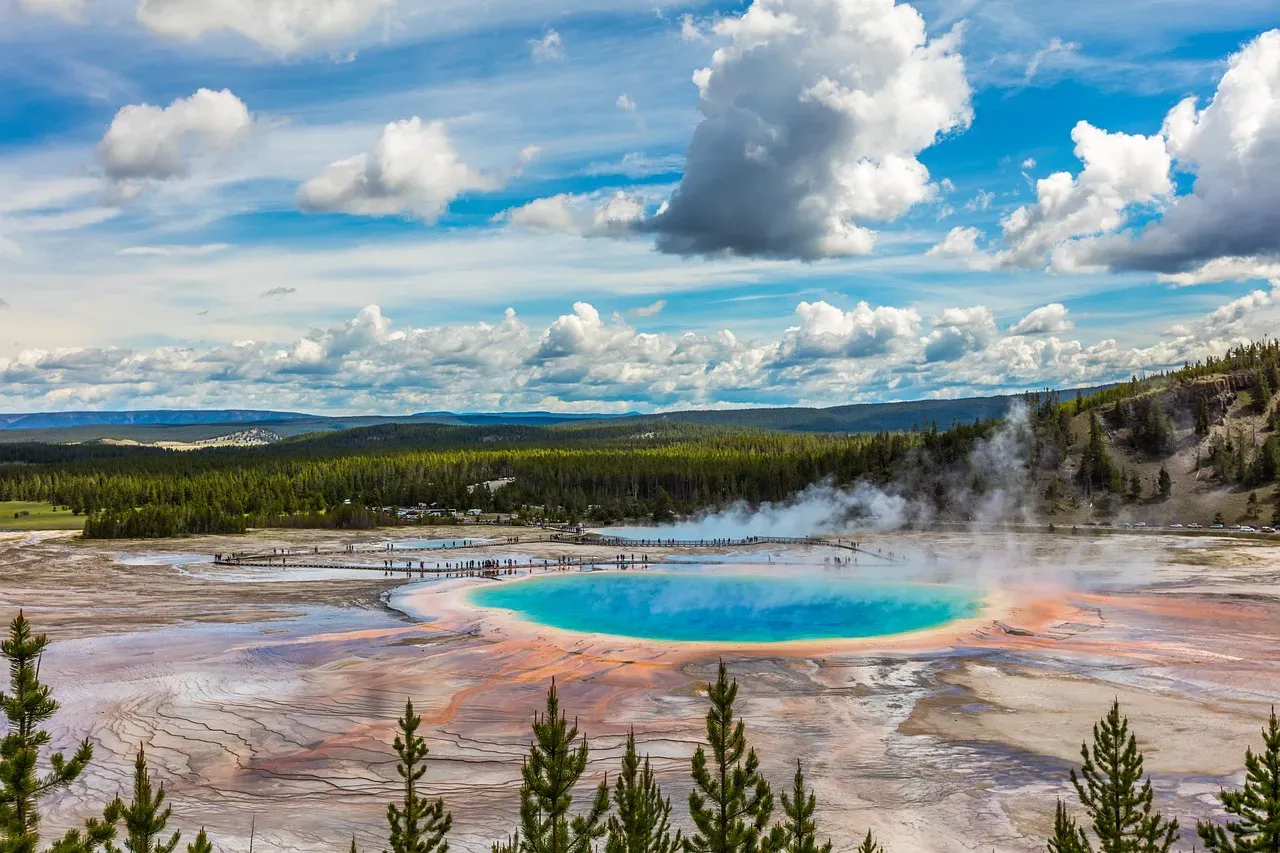
You might assume that if Yellowstone ever did something genuinely unprecedented, you’d only find out from a shocking headline. In reality, long before that, you’d see scientists talking about it openly, because the activity would be hard to hide. You have a dense web of seismometers, GPS stations, gas sensors, and satellite data pointed at the caldera, updating constantly. Those instruments turn Yellowstone into one of the most watched volcanoes on Earth.
If the system started to change in a way that truly had no modern parallel – say, rapidly escalating earthquake swarms of unusual depth, dramatic uplift over a short period, and big changes in gas output at the same time – you wouldn’t be relying on rumor. You’d see official updates, technical briefings, and likely measured, sober explanations from experts. When you do not see that, and all you see is a sensational line like “it just did something it hasn’t done in 640,000 years” with no clear data behind it, that’s your cue to be skeptical rather than scared.
Why Sensational Yellowstone Headlines Keep Finding You
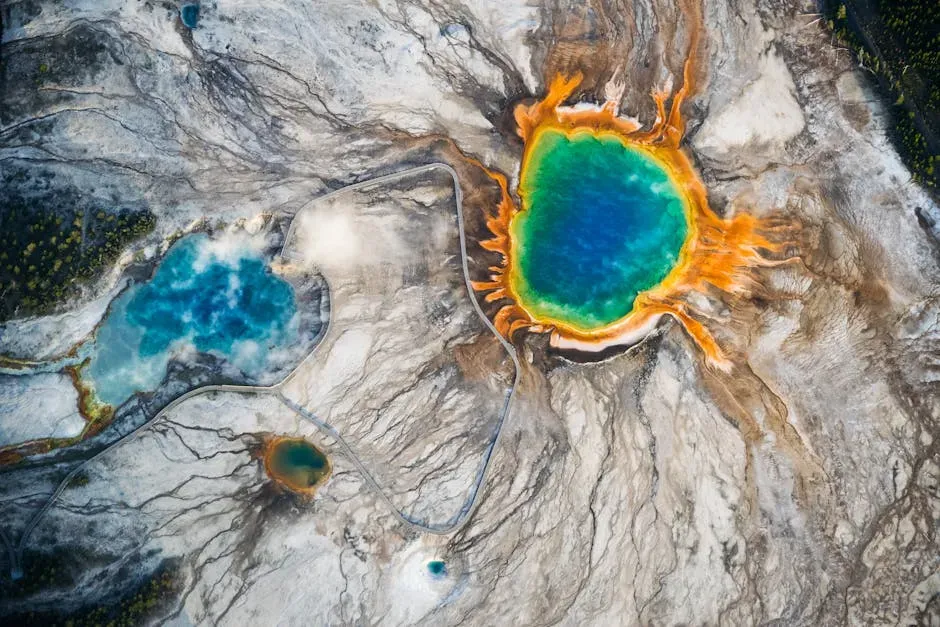
You live in a media environment where fear travels faster than nuance. Yellowstone ticks every box for a viral story: it’s huge, it’s mysterious, it’s tied to the word “supervolcano,” and it hints at global disaster. That combination makes it a magnet for exaggerated claims. Some outlets lean into the drama, knowing that you’re more likely to click if you think something wildly new and dangerous might be unfolding under your feet.
Once you understand that, you start to read those headlines differently. Instead of asking, “Is this the one?” you can ask, “What specific thing actually changed, and how unusual is it really?” When experts talk about the caldera, they tend to focus on probabilities, timescales, and data, not once-in-a-quarter-million-year catchphrases. The more you look past the wording and into the details, the more you realize that most Yellowstone “shockers” are simply normal volcanic behavior dressed up to sound like a cliffhanger.
What Realistic Risk Looks Like for You

Even if a gigantic Yellowstone eruption is possible in a geological sense, it sits in the category of events that are extremely unlikely on a human timescale. That does not mean the risk is zero; it means that, for your lifetime, other volcanic and natural hazards are far more likely to affect you directly. Smaller eruptions, regional ash events from other volcanoes, earthquakes, hurricanes, floods, and heat waves all sit much closer to your day-to-day life than a Yellowstone super-eruption.
If you want to be genuinely prepared for geological surprises, you’re better off understanding your local hazards, knowing evacuation routes, and having a basic emergency kit than obsessing over rare doomsday scenarios. You do not reduce danger by worrying about the most cinematic version of it; you reduce it by quietly stacking small, practical steps that help in many different situations. Ironically, the calm, unexciting work of preparedness makes you safer than any dramatic Yellowstone headline ever will.
How to Read the Next Big Yellowstone Story Without Panicking
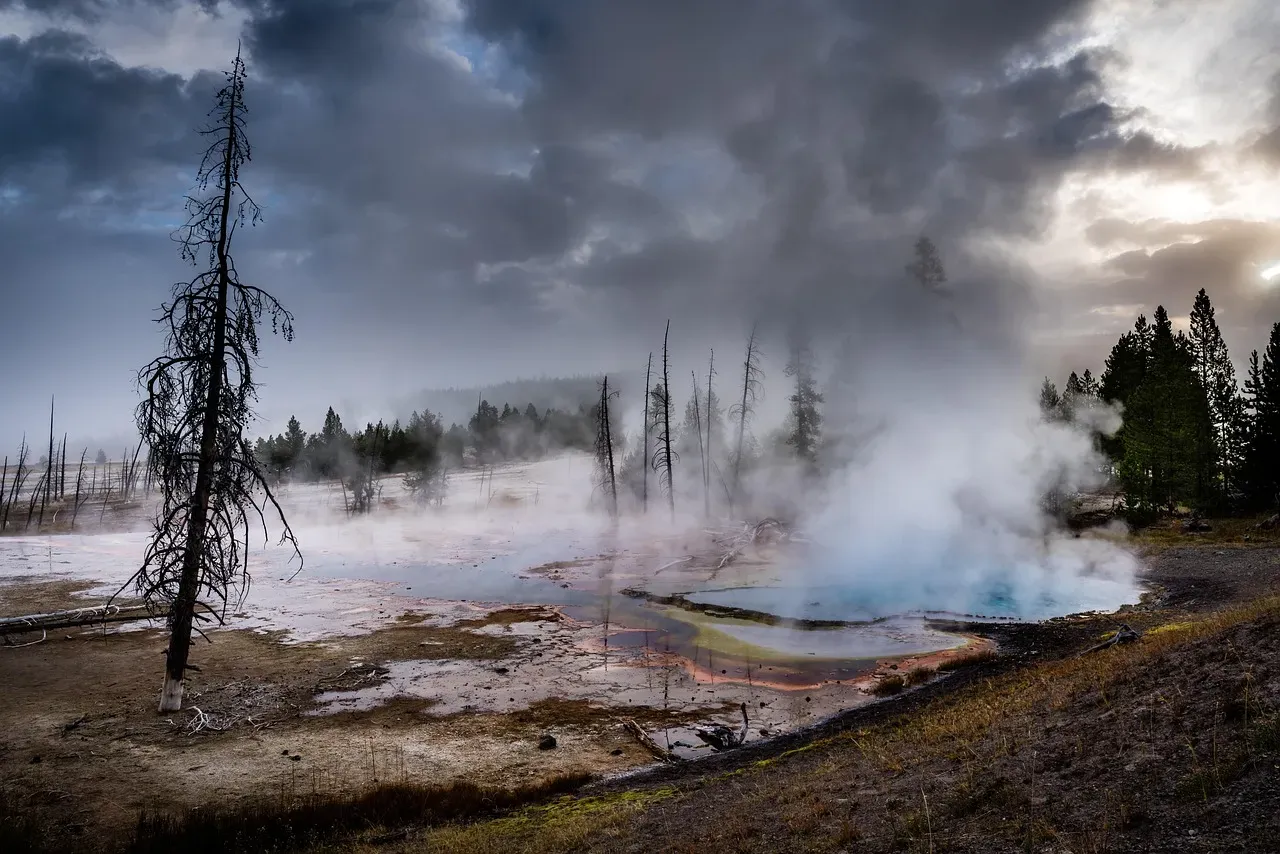
The next time you see a claim that Yellowstone has done something for the first time in 640,000 years, you can walk through a quick mental checklist. Ask what specific measurement changed: was it ground uplift, earthquake rate, gas emission, or geyser activity? Then ask how big that change is compared with past decades of data, not hundreds of thousands of years. Often, you’ll discover that the “first time” is really just “first time we have seen it with our current instruments” or “first time in the relatively short modern record.”
You can also pay attention to what trusted scientific agencies say, not just what attention-grabbing headlines scream. If the tone from experts is calm and technical, you can probably match that mood. If they ever truly sound alarmed, it will be because the data is extraordinary, not because someone found a more dramatic way to phrase routine activity. In a way, learning to read Yellowstone coverage is like learning to read your own medical test results: once you understand the basics, those scary-sounding numbers lose most of their power over you.
Conclusion: Awe Without Panic
When you step back, Yellowstone is less a ticking time bomb and more a reminder that you live on a restless planet. The fact that its last colossal eruption was roughly about 640,000 years ago does not mean you’re standing on the edge of the next one; it means you’re sharing a world with forces that move on timescales far bigger than your own. You can feel awe, even a little chill, without letting that turn into constant dread.
If anything, knowing the facts lets you trade vague fear for grounded curiosity. Instead of asking whether Yellowstone “just did something it hasn’t done in 640,000 years,” you can ask better questions: what is it doing now, how do scientists know, and what can you reasonably expect in your lifetime? In the end, maybe the real shift is not in the volcano at all, but in you – choosing to meet big, scary stories with clear thinking instead of panic. Did you expect Yellowstone’s most powerful change to be the way you see it?