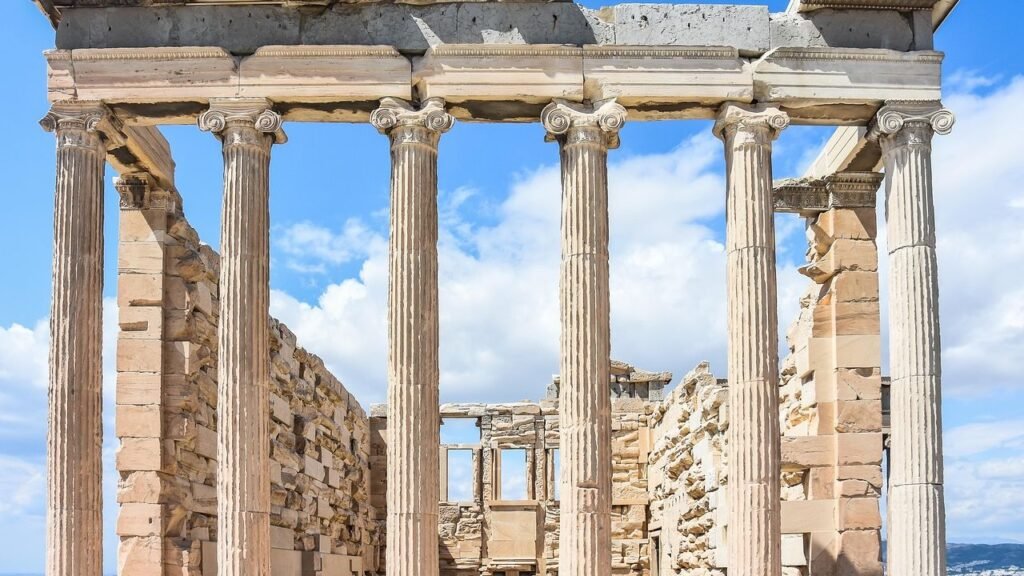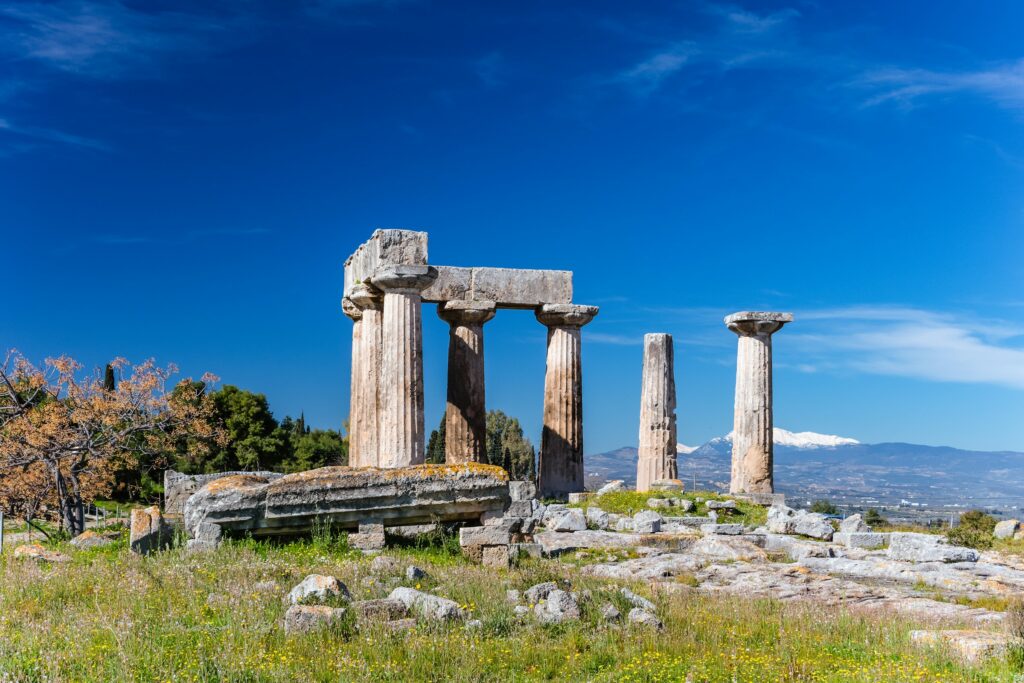

Every so often you bump into an ancient structure that quietly asks an uncomfortable question: who on earth organized all of this? When you really dig into the numbers – stone weights, quarry distances, manpower, food logistics – you start to realize that the visible monument is only half the story. The other half is invisible: planning, coordination, and a level of social organization that seems way ahead of anything we think those societies were “supposed” to have.
This is where ancient engineering gets genuinely thrilling. Some projects look less like simple royal vanity projects and more like national moon landings carried out without steel, engines, or formal bureaucracies as we’d recognize them. Below are nine cases where the scale and coordination appear to outrun the official political structures we know about from texts and archaeology. In other words, the stones suggest a more capable system than the written records admit.
1. The Great Pyramid of Giza: A National Project in a World Without Nations
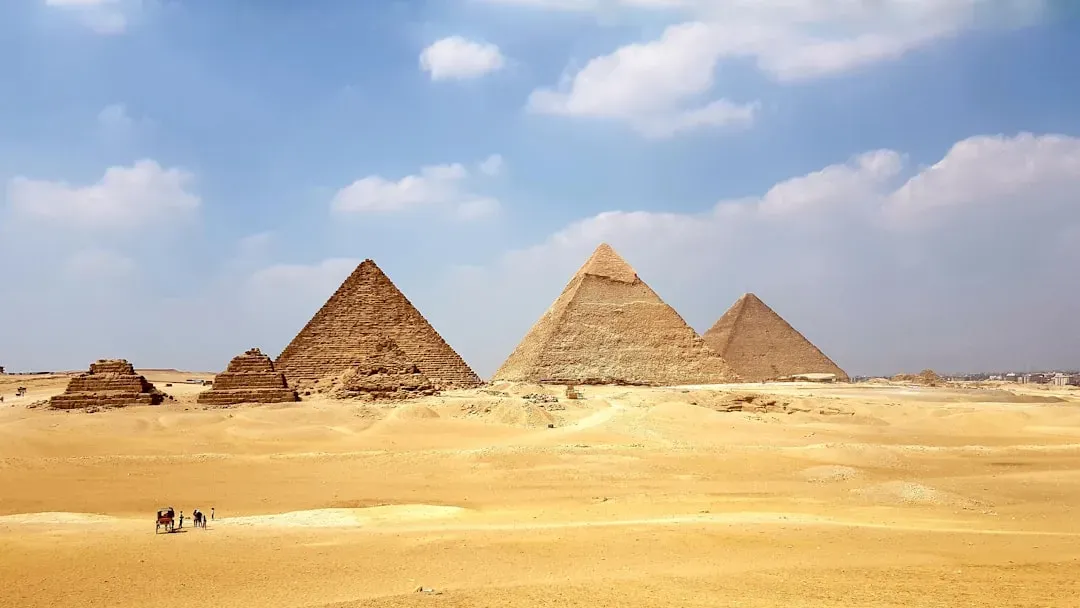
The Great Pyramid of Giza is so over-familiar that it’s easy to forget how insane it is as an organizational problem. You are talking about millions of stone blocks, some weighing several tons, cut with tight tolerances, moved from quarries, ferried across the Nile, and assembled into a 146‑metre‑high monument over only a few decades. The usual image of a single all-powerful pharaoh barking orders actually underestimates what this required: layers of planners, surveyors, logistics specialists, scribes, foremen, and support staff who turned a desert plateau into a carefully managed construction campus.
What makes it especially striking is that Old Kingdom Egypt did not yet have the kind of sprawling written bureaucratic archive you see in later empires. Taxes and labour corvée existed, but the administrative machinery we know from later dynasties is comparatively thin. Yet the pyramid implies something close to a nation‑scale mobilization of food, tools, clothing, housing, and medical care for thousands of workers over years. In modern terms, it feels like a coordinated public works program that outstrips the documented, palace‑centric political structure we can currently reconstruct.
2. Stonehenge and Its Landscape: A Megaproject for a Society Without Cities
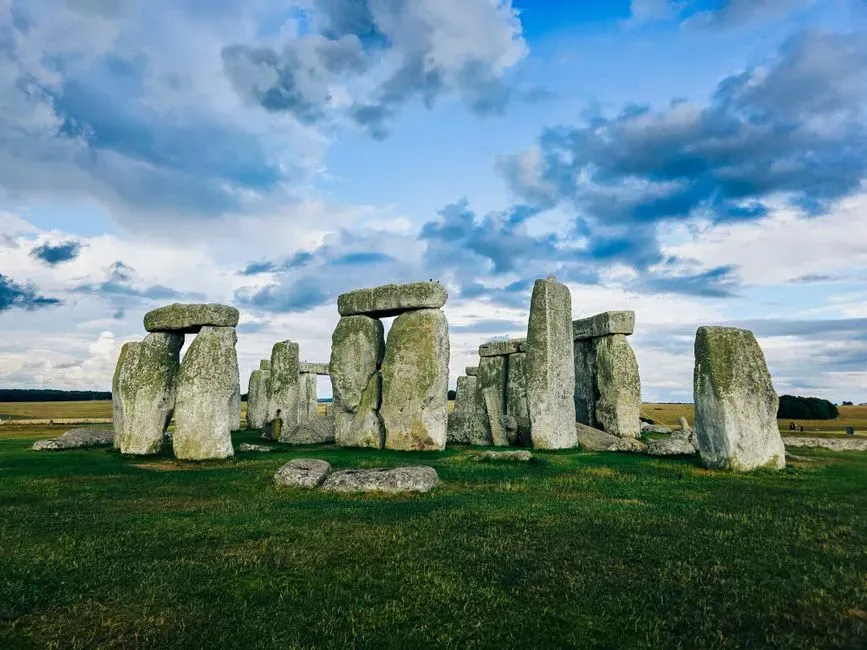
Stonehenge is not just a ring of stones; it is the centrepiece of a massive ritual landscape built by people who, as far as we can tell, had no cities, no writing, and no formal state. Moving multi‑ton sarsen stones and exotic bluestones from distant quarries required carefully scheduled labour over long distances, across rivers and rough ground. Someone had to coordinate when people left their home regions, who supplied food along the way, and where everyone slept, in a world where even roads as we think of them did not really exist.
Equally wild is the long timeline and the repeated redesigns. Stonehenge evolved over centuries, with phases of ditch digging, timber structures, stone alignments, and later rearrangements. That means different generations bought into a shared project plan and ritual purpose, without any permanent capital city or standing bureaucracy to enforce continuity. For a loosely organized, village‑based society, maintaining that kind of long‑term, multi‑regional cooperation feels like a level of coordination their simple political structures alone cannot explain.
3. The Nazca Lines: Giant Designs in a Landscape of Small Communities
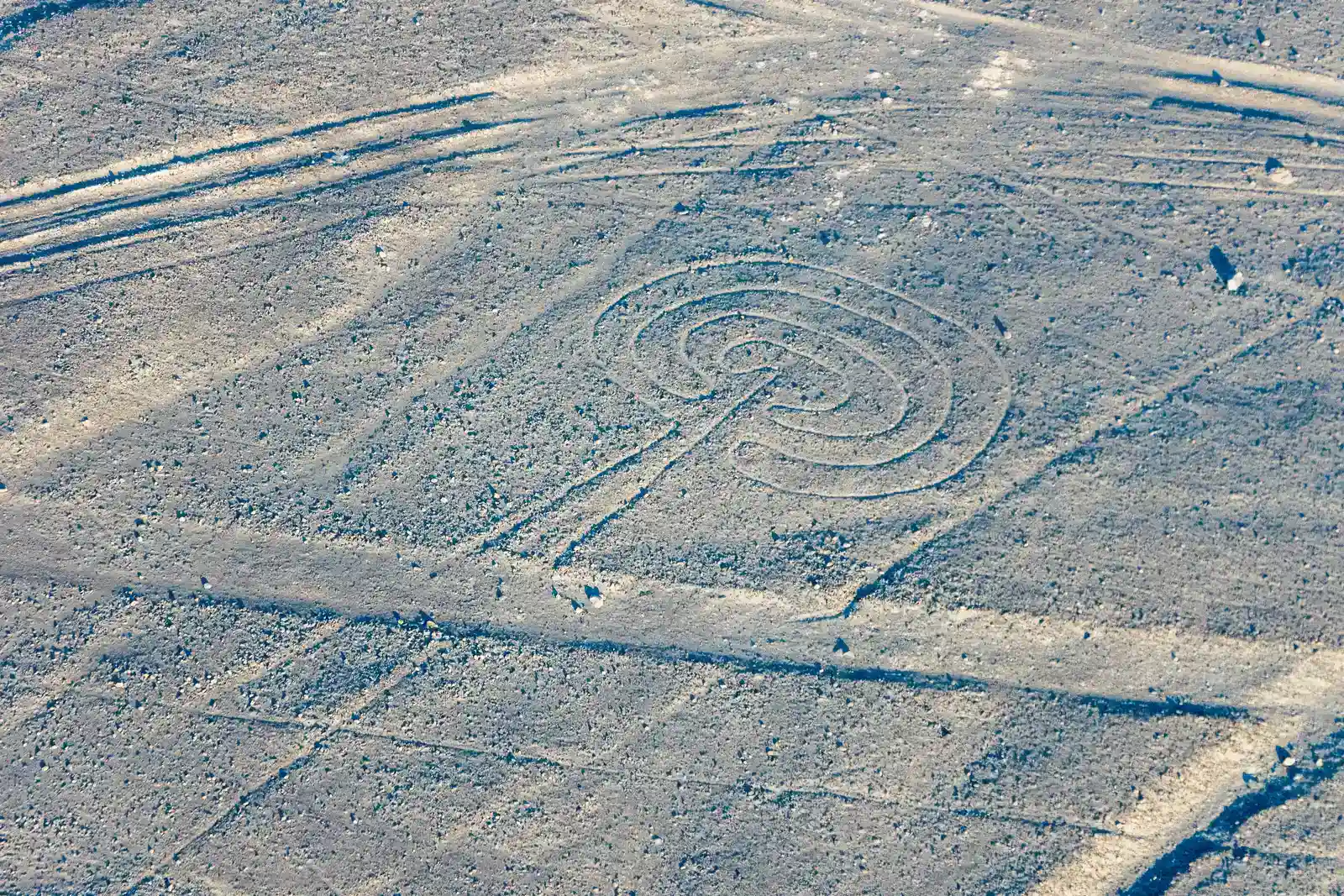
The Nazca Lines in Peru are one of those projects that look simple at first glance and maddeningly complex once you think about execution. Scraping off a thin layer of desert pavement to reveal lighter soil underneath is easy for a single line; designing and maintaining entire geoglyphs – some larger than modern sports stadiums – that still read clearly from the air is not. You need survey techniques, shared design conventions, and synchronized teams who know where to walk and where not to walk, across kilometers of flat, unforgiving terrain.
Archaeology paints the Nazca world as a patchwork of relatively small communities rather than a sprawling centralized empire. No strong evidence points to a single capital city bristling with powerful bureaucrats issuing land‑art orders. Yet the Lines cut across valleys and hills, linking different watersheds and ceremonial centres, suggesting some overarching religious or ritual system that coordinated labour across political boundaries. The geoglyphs hint at a region‑wide project management capability that outpaces the modest local power structures usually reconstructed for this culture.
4. Göbekli Tepe: Monumental Stone Circles Before Farming Villages
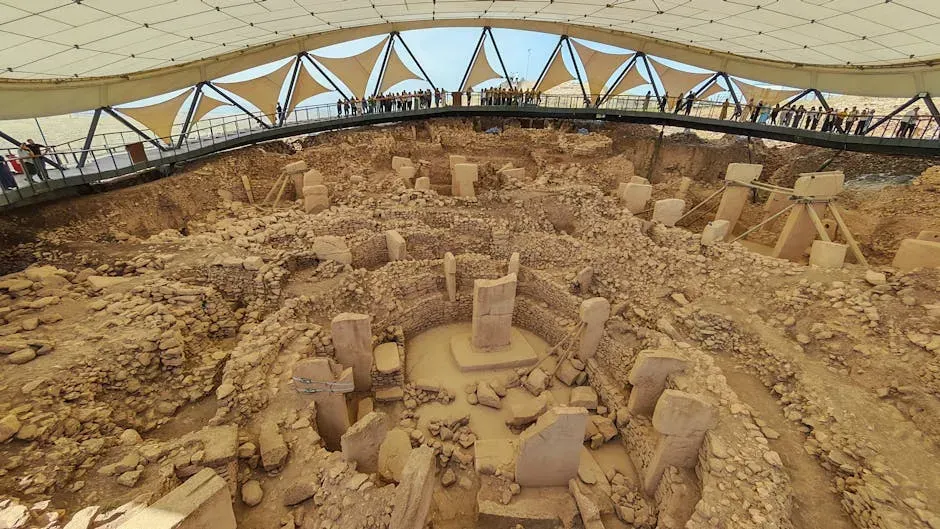
Göbekli Tepe in southeastern Turkey is one of the most unsettling sites in archaeology because it shows big stone architecture appearing before settled, farming villages become the norm. Massive T‑shaped pillars, some weighing many tons, were quarried, carved with intricate animal reliefs, and arranged in large circular enclosures by communities that were still largely foragers. That means groups who, on paper, should have been small, mobile, and politically simple somehow orchestrated seasons of cooperative labour on a scale usually associated with later chiefdoms or early states.
There is no clear sign of palaces, kings, or dense urban neighbourhoods associated with the site. Instead, it looks like people converged from a wide area at specific times, worked together under shared ritual expectations, and then dispersed again. Organizing that kind of intermittent but repeated mass gathering, with all the food, tools, and social negotiations it implies, suggests a hidden coordination network. The political forms we use to describe early Holocene societies feel blunt compared to the social complexity this single hilltop sanctuary clearly required.
5. Mohenjo‑Daro’s Urban Grid: City‑Scale Planning Without Obvious Kings
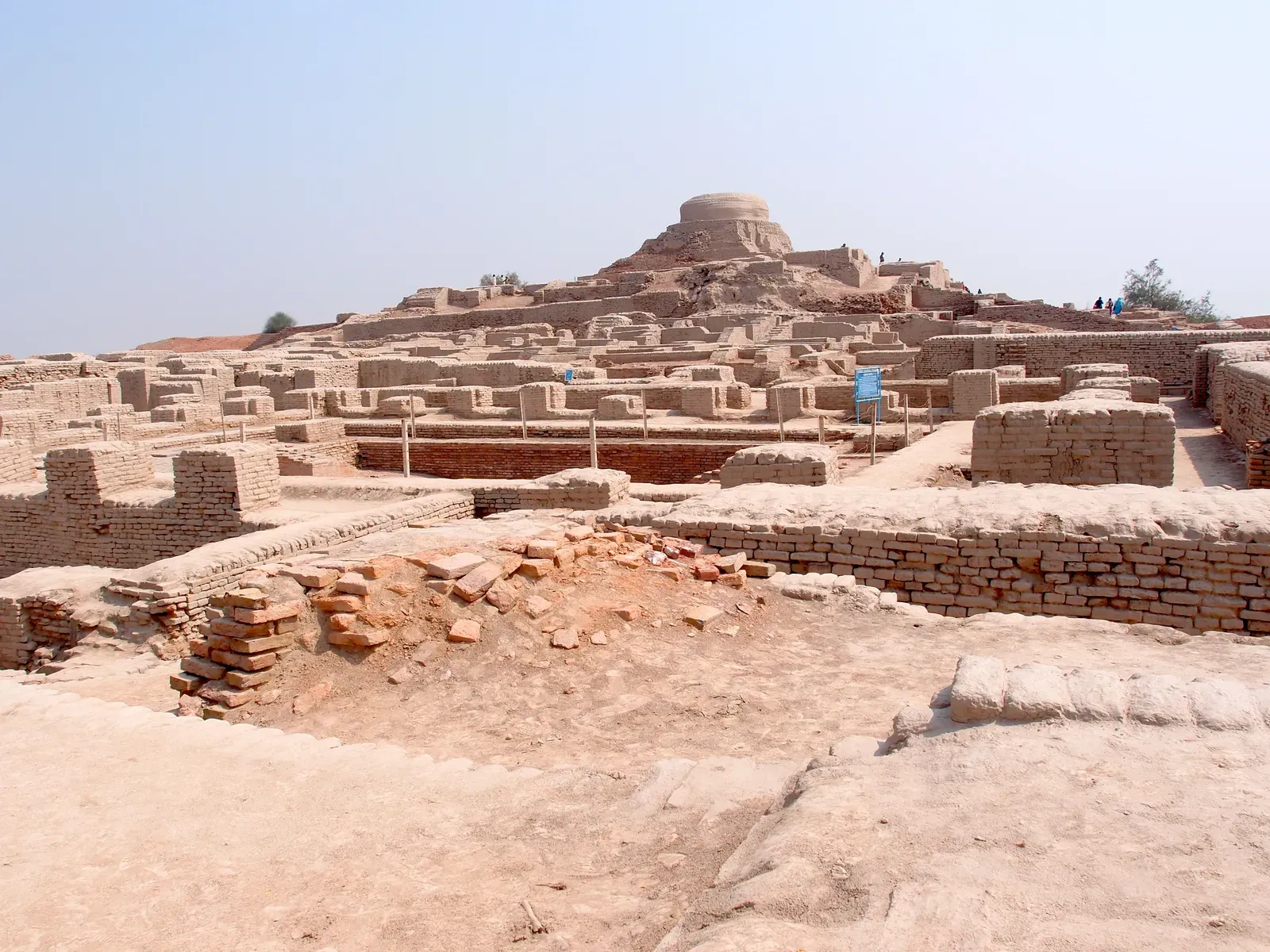
The ancient city of Mohenjo‑Daro in the Indus Valley is a quiet masterpiece of urban planning. Straight streets run at right angles, standardized bricks are used across wide areas, and sophisticated drainage systems channel wastewater away from houses and neighbourhoods. On a practical level, that means some authority was able to impose standards on builders, coordinate sequential work by different craftspeople, and maintain infrastructure over decades. Urban grids do not emerge from purely local decisions; they require somebody to be thinking at the scale of the whole city.
Yet the Indus civilization stubbornly refuses to give us the usual signs of centralized monarchy: no grand royal palaces, no glorifying statues of rulers, no clear depictions of kings conquering enemies carved across temples. Their script remains undeciphered, and so far we lack the administrative archives that would reveal a controlling bureaucracy. The physical city, however, screams coordination: common building modules, aligned street plans, and integrated water systems. It is hard to avoid the conclusion that their capacity to organize labour and enforce technical standards surpassed the political hierarchy we currently see in the archaeological record.
6. Teotihuacan’s Avenue of the Dead: An Imperial‑Scale Vision Without Named Emperors
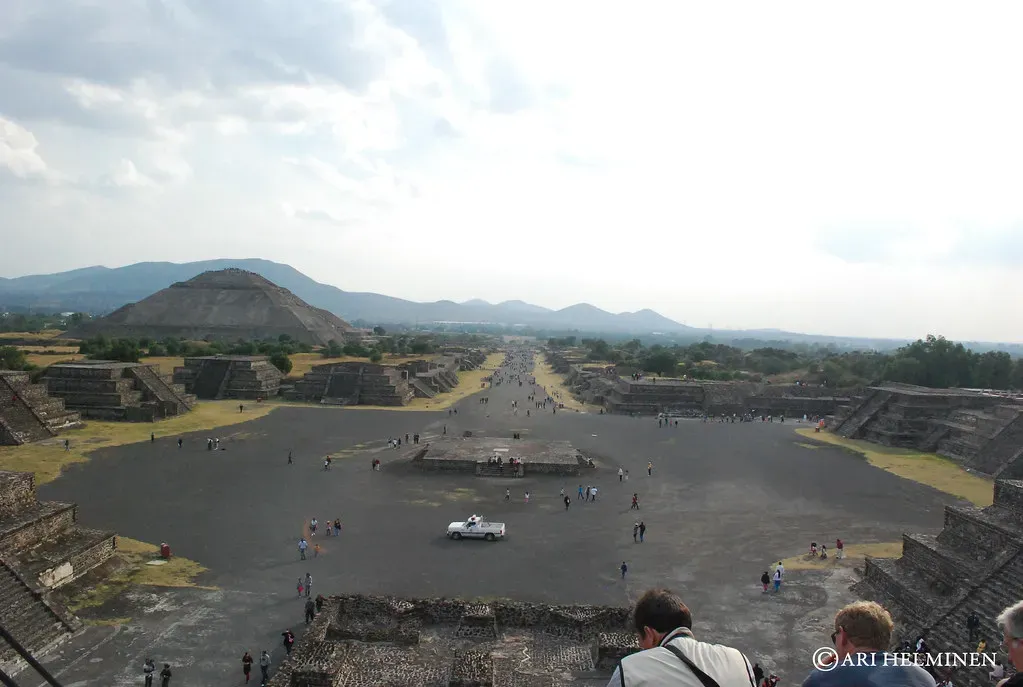
Teotihuacan in central Mexico was once home to tens of thousands of people, dominated by the monumental Avenue of the Dead and vast pyramids. Laying out a multi‑kilometre central axis, aligning it astronomically, and building huge stepped pyramids and apartment compounds along its length required top‑down planning at a regional, maybe even supra‑regional, scale. Work crews needed to be scheduled, raw materials had to be brought from quarries and distant mountains, and food had to be redistributed to keep workers fed over decades of construction.
What is odd is how little we know about the political structure that orchestrated all this. Unlike the later Aztecs, who loudly advertised their rulers and conquests, Teotihuacan left surprisingly few obvious depictions of named kings. Iconography emphasizes gods, warriors, and symbols rather than personalized monarchs. The city’s layout, though, points to a sophisticated, almost technocratic governance that could standardize apartment blocks, synchronize shrines, and control a complex economy. The construction record hints at an organizing apparatus more cohesive and far‑reaching than the elusive, almost faceless elite we can currently identify.
7. The Ahaggar and Tassili Rock Art Landscapes: Coordinated Imagery Without Visible Capitals

Across the central Sahara, in regions like Tassili n’Ajjer and the Ahaggar, thousands of rock art panels depict cattle, hunters, herders, and complex ritual scenes. Carving and painting these images required repeated visits to the same cliffs and shelters over generations, in an environment where water and pasture were already precious resources. The art is not random graffiti; stylistic conventions, recurring themes, and shared motifs spread over hundreds of kilometres suggest some kind of cultural coordination beyond single clans or camps.
What you do not see is evidence for dense towns, royal courts, or bureaucratic centres directing the imagery. Instead, mobile pastoralists appear to have maintained a sprawling visual tradition that linked scattered groups into something like a shared ideological space. That kind of soft coordination – aligning beliefs, rituals, and even artistic techniques over a huge, harsh landscape – implies networks of negotiation and agreement that go way beyond the simple, kin‑based political units usually assigned to early herding societies. The art galleries recognize a social order that our current political labels gloss over.
8. The Olmec Colossal Heads and Earthworks: Heavy Stone, Light Political Footprint
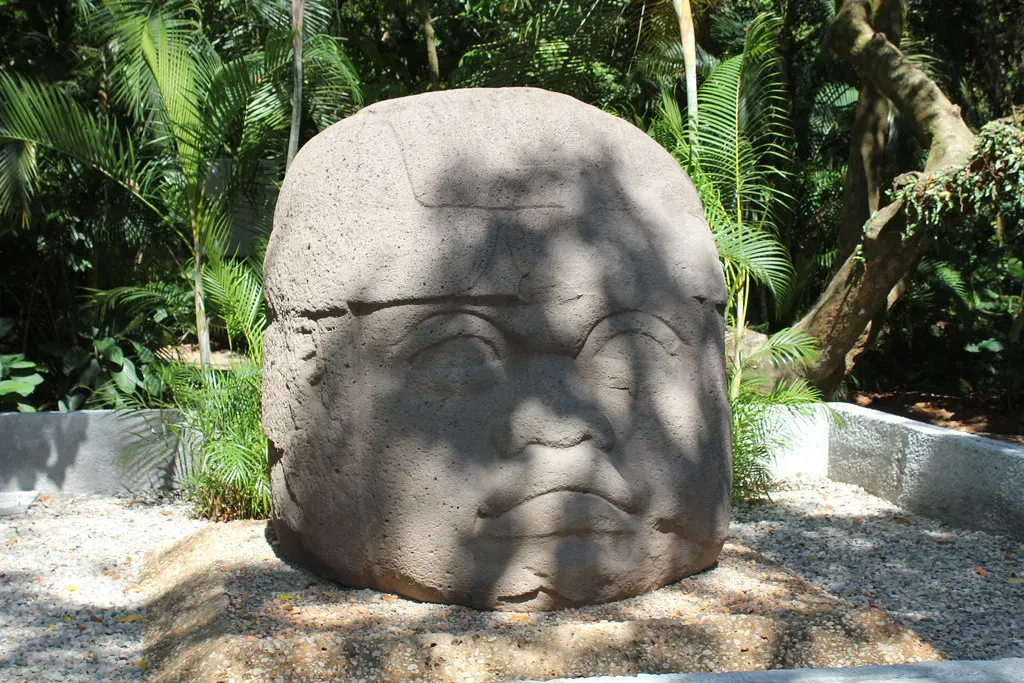
The Olmec civilization along the Gulf Coast of Mexico is known for its colossal stone heads, some weighing many tons and carved from basalt moved over substantial distances. Shaping, transporting, and erecting these sculptures required crews of labourers, skilled artisans, and a logistical chain linking quarries, rivers, and ceremonial centres. Add in the earthen platforms, plazas, and drainage features at major sites, and you are looking at region‑wide projects that had to be timed with agricultural cycles and ritual calendars.
Yet the political picture of the Olmecs remains oddly faint. We do not have long narrative inscriptions naming dynasties, as you see in later Maya or Zapotec cities. The heads suggest important individuals, but they do not come with detailed texts boasting of conquests or empire‑building. In that sense, the physical evidence of their engineering capacity – coordinated earth moving, standardized sculpture styles, and shared religious architecture – outshines the minimal political footprint visible in the record. It feels like the infrastructure of a state whose constitution we have lost.
9. Easter Island’s Moai: Island‑Wide Labour in a Fragmented Society
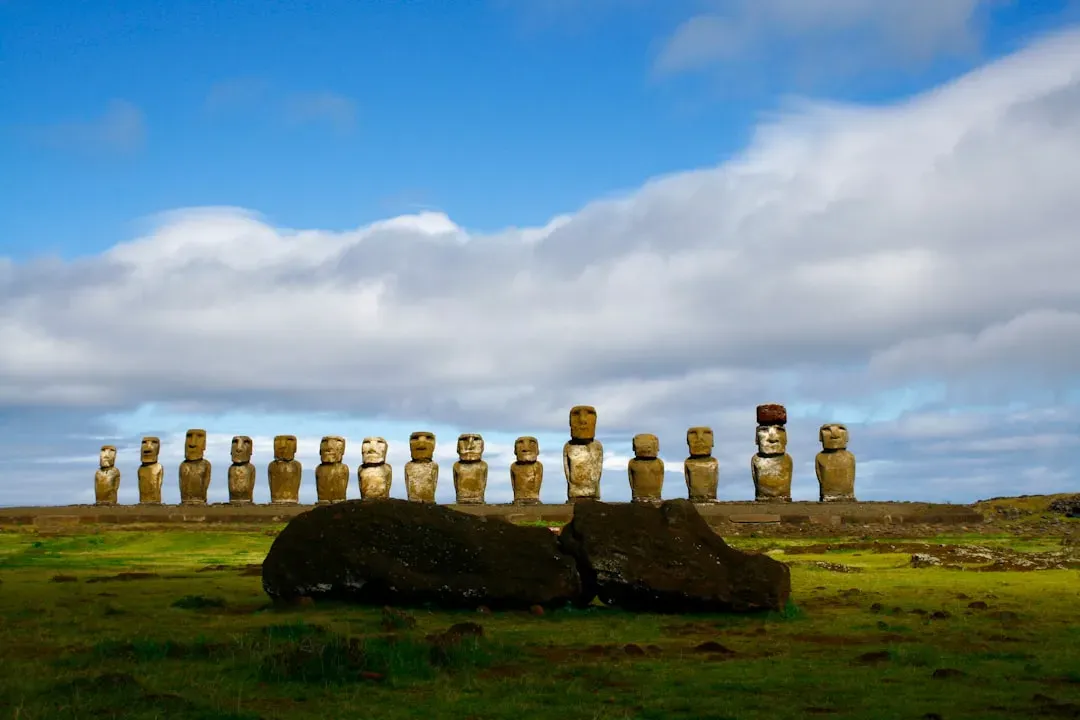
On Rapa Nui, better known as Easter Island, hundreds of moai statues were carved from volcanic tuff, then transported around the island and erected on stone platforms. The usual focus is on how the statues were moved, but the deeper story is organizational: different clans across a limited and fragile landscape had to coordinate quarry access, share techniques, and maintain roads and platforms. This happened in an environment where soils were thin, resources constrained, and social tensions likely simmered beneath the surface.
The political system we understand from later ethnographic accounts and archaeology is fragmented, with competing lineages and shifting alliances rather than a single, long‑lived centralized state. Despite that, the island‑wide distribution of moai and platforms points to a shared ritual logic and technical knowledge that transcended rivalry. Even if competition played a role, the outcome is a landscape‑scale engineering achievement that demanded inter‑group agreements about where statues stood, how platforms were built, and how labour was scheduled. The stones suggest a more sophisticated, island‑level coordination than the fragile, clan‑based politics alone can easily explain.
Conclusion: Stones That Outgrow Their States
When you line these projects up, a pattern emerges: again and again, the physical evidence of labour coordination outmuscles the official story of political organization. We have pyramids that look like national enterprises emerging from king‑centred courts, cities that feel rationally planned without clear monarchs, and vast ritual landscapes apparently managed by people who, on paper, should barely be able to coordinate beyond a few villages. In many cases, the stones and earthworks are the only surviving “archives” of social capacity, and they tell a more ambitious story than our sparse texts and scattered artefacts.
My own bias is that we routinely underestimate how flexible and powerful non‑modern, non‑bureaucratic systems can be. Kin networks, ritual obligations, seasonal gatherings, and shared mythologies may have functioned as invisible institutions, coordinating labour as effectively as later ministries and departments. The headline claim may sound bold, but that is exactly the point: the monuments feel like they belong to political structures more capable, more layered, and more experimental than anything we can currently name. If anything, the real mystery is not how they moved the stones, but how they convinced so many people, for so long, to move in the same direction; what would your own society have to believe in to pull off something like that?