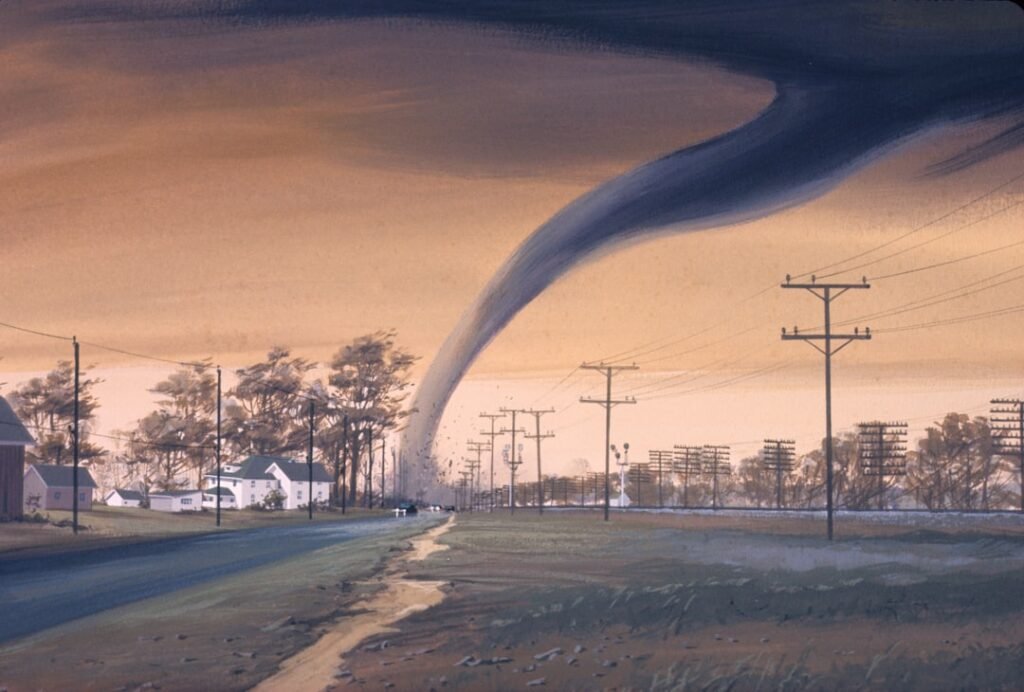

At some point, usually late at night or after a health scare, a strange thought hits: one day, this brain that’s thinking these thoughts will be gone. And yet, as soon as we try to really feel what that means, it slips away like smoke. The idea of being dead is easy to say out loud, but almost impossible to truly imagine from the inside.
That gap between what we know intellectually and what we can emotionally grasp is not a failure of imagination – it is a feature of how the human brain evolved. Our minds are astonishingly good at solving problems, predicting danger, and simulating tomorrow, but when it comes to our own permanent disappearance, the whole system glitches. To understand why, we have to look at how the brain builds a sense of self, how it processes time, and how it fiercely protects us from overwhelming truths.
The Brain Was Built to Stay Alive, Not Contemplate Death
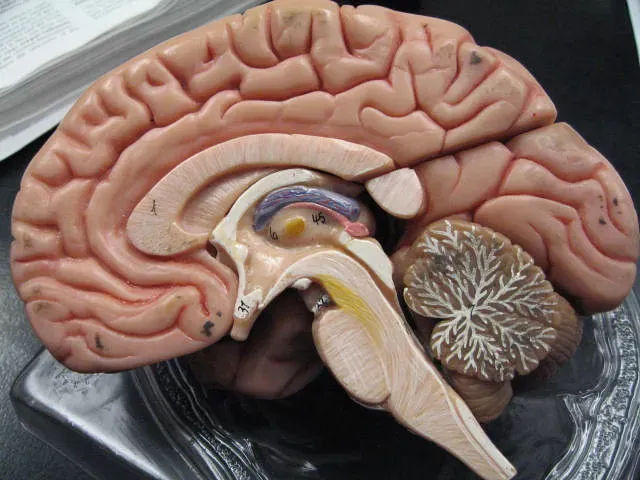
If you think about evolution like a brutal audition, the brains that survived were the ones that focused on staying alive long enough to reproduce, not pondering their eventual extinction. Natural selection favored minds that detected threats early, remembered danger, and stayed motivated to keep going. A brain that spent too much time vividly picturing its own nonexistence would be, frankly, at a disadvantage.
So our neural hardware leans heavily toward survival-oriented thinking: scanning for risk, planning for the future, and finding reasons to persist even when life is hard. We inherited a bias toward hope and forward momentum, because those traits made our ancestors more likely to endure famine, war, and illness. Death, in that framework, is something to avoid, not calmly analyze from a detached philosophical angle.
Consciousness Cannot Simulate Its Own Absence
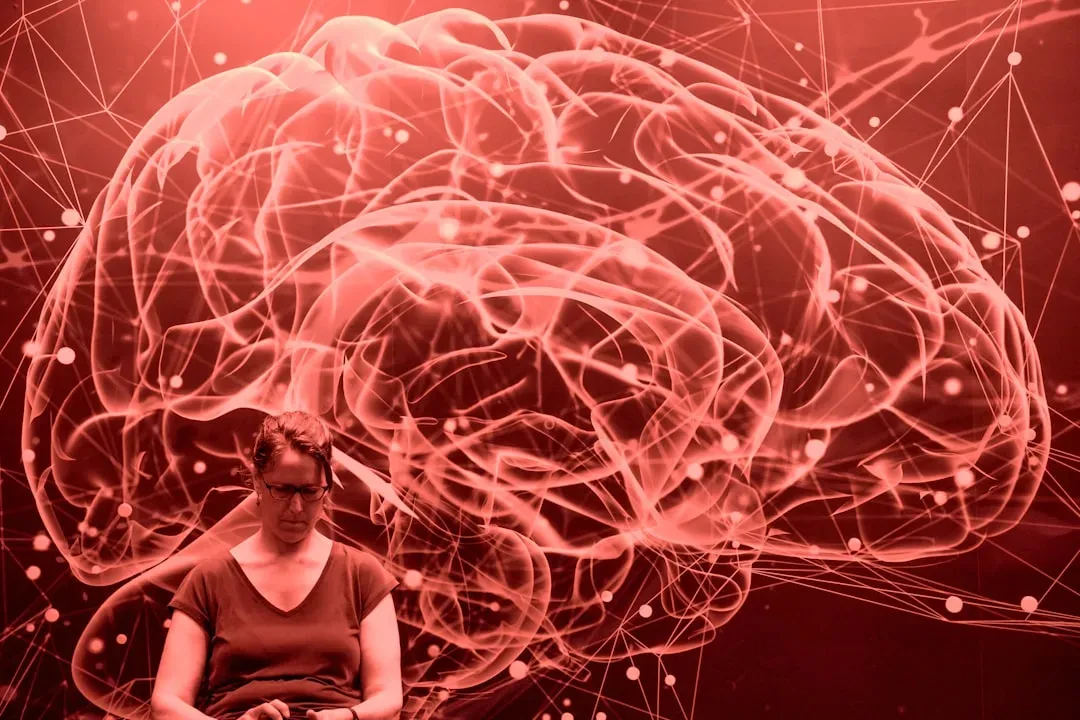
There’s a weird logical paradox hiding in plain sight: your consciousness is the thing doing the imagining, so it can’t really imagine a state where it isn’t there. When you try to picture being dead, you almost always end up picturing some version of yourself watching the scene, floating above it, or experiencing darkness like a movie fade-out. But in all those mental images, there is still a “you” having the experience.
The brain runs on mental simulations – little internal movies of possible futures – and every simulation has to include a point of view. Even when you think about sleep or anesthesia, you remember them as a kind of before and after, a gap that you, now awake, can look back on. Total nonexistence has no point of reference, no anchor, so the brain keeps sneaking a silent observer back into the story. It is like trying to see your own eyes without a mirror.
Denial and Defense: How the Mind Softens the Blow
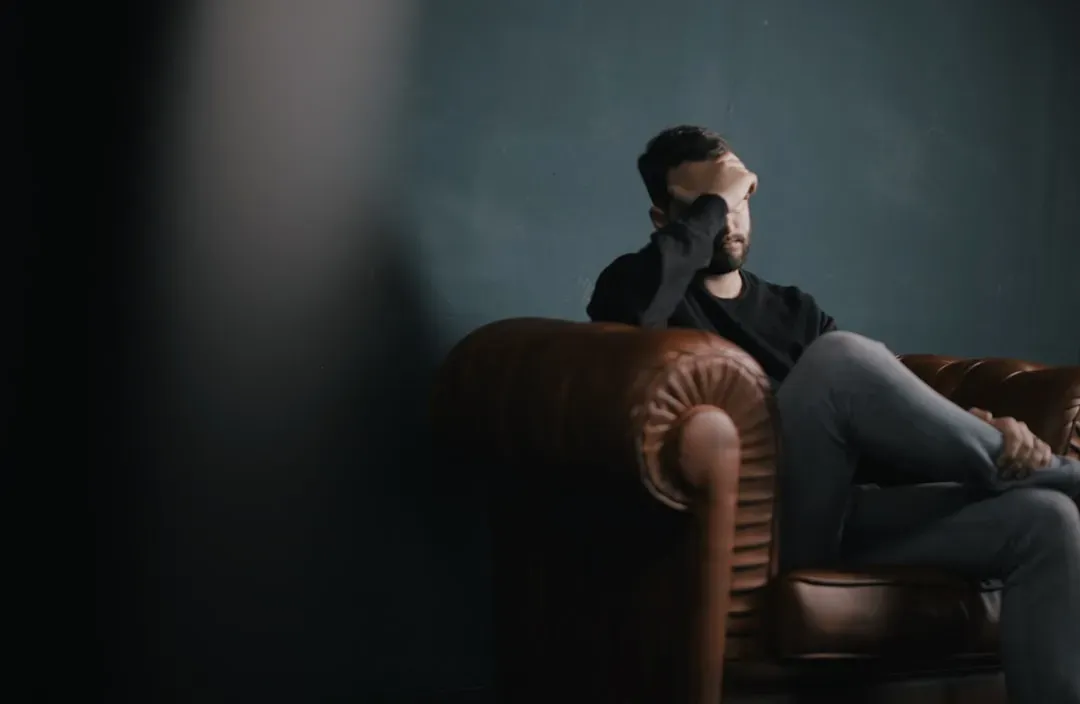
Because the idea of permanent nonexistence is so destabilizing, the mind leans hard on psychological defense systems. Denial is the obvious one: we push thoughts of our own death aside, distract ourselves with work, entertainment, or routine, and treat mortality like background noise. This is not just emotional weakness; it is the brain protecting mental stability so we can function day to day.
Other defenses are more subtle. We rationalize risks by telling ourselves we are healthier, more careful, or luckier than other people. We cling to routines and identities that make life feel predictable, because unpredictability is a constant reminder that we are vulnerable. I’ve noticed in my own life that stressful news about accidents or illness often triggers a quick, almost automatic story in my head about why that would not happen to me – like the brain gently placing cushions around a hard truth.
The Story of “Me” Feels Too Solid to Vanish
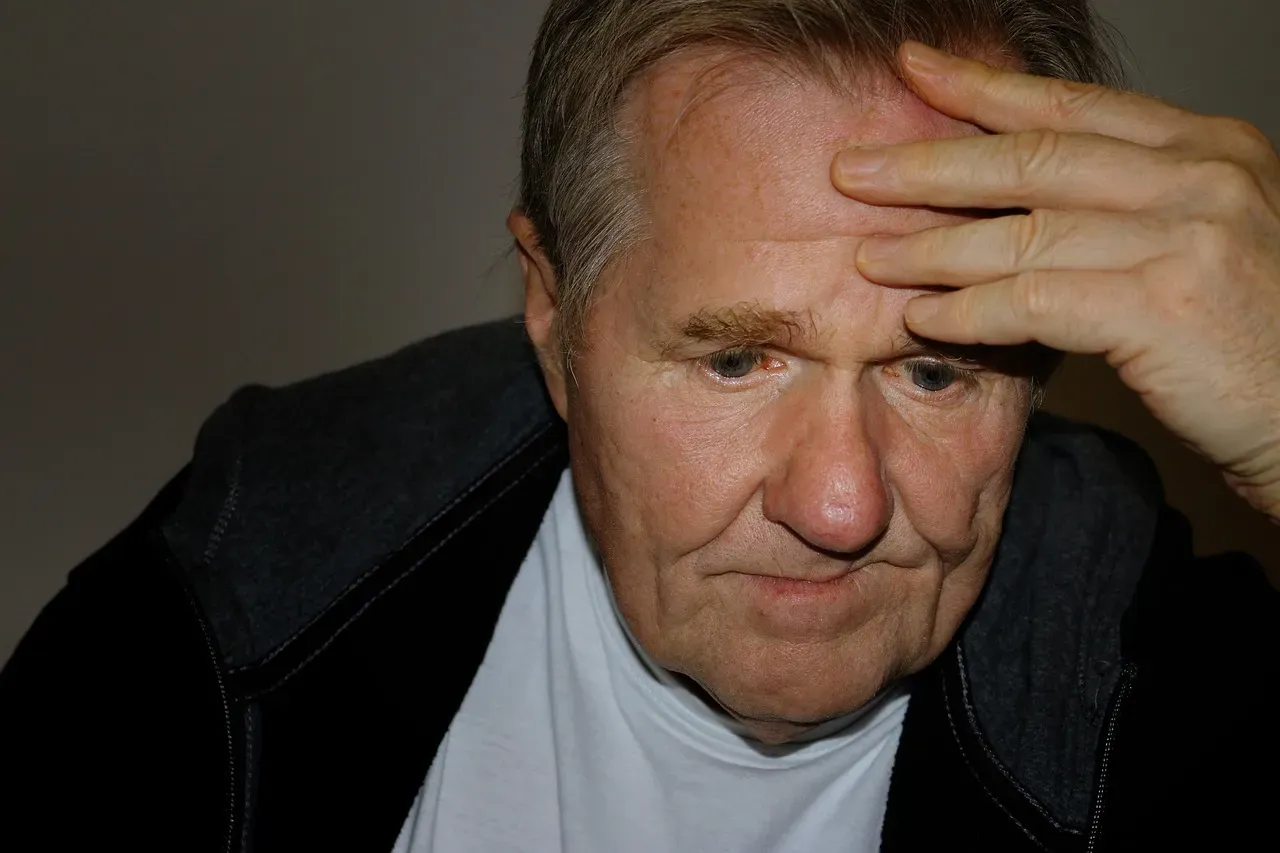
From early childhood, your brain has been building a story about who you are: your name, your memories, your preferences, your roles. This narrative self, the feeling of being a continuous “me,” is held together by brain systems that link past, present, and imagined future into one coherent arc. Walking away from that story is not just scary; it goes against everything your brain is wired to do.
So when you try to imagine your own end, your mind instinctively keeps the story going – through fantasies about legacy, imagined conversations after you are gone, or some version of an afterlife where you still think and feel. Even people who are not religious often catch themselves thinking in narrative terms: who will come to my funeral, what people will say, what I will leave behind. The plot keeps running, even when you try to place a hard stop at the final page.
Time Feels Like a Tunnel, Not a Wall
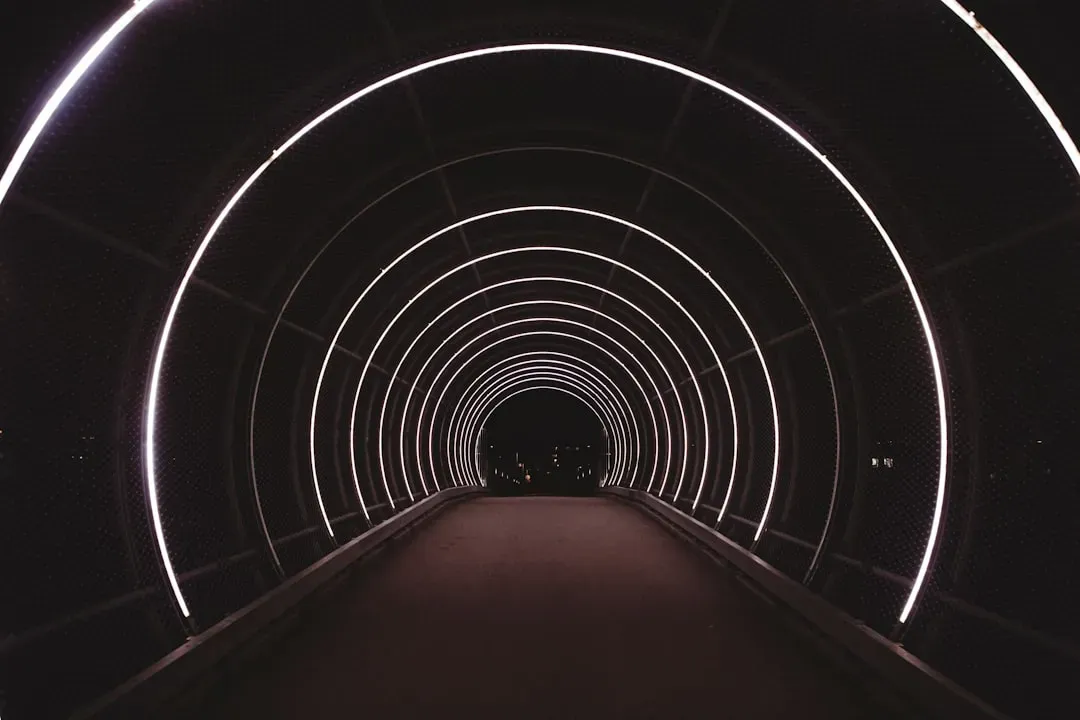
Our brains are natural time travelers – but only in one particular direction. We constantly project ourselves into the future, planning next week’s tasks, next year’s goals, or decades-ahead dreams. This mental time travel gives death a strange quality: it always feels like it belongs to some farther point down the tunnel, never right where we are standing.
Even when we intellectually know that death can be sudden and random, our felt experience of time is very different. The brain tends to treat the self as a character continuing through tomorrow, next month, and beyond, so the idea of “no more tomorrows for me” keeps sliding away. It is a bit like walking on a treadmill with a wall painted in the distance; no matter how far you walk, the wall never seems to get closer in your body’s sense of movement.
Culture, Religion, and the Comfort of Bigger Stories

Across history and across the world, humans have leaned on cultural and religious stories to make sense of death. Whether it is belief in an afterlife, reincarnation, spiritual continuity, or simply being remembered by one’s community, these narratives give the brain something it can work with. They turn a blank, unimaginable void into a structured storyline, which is far easier to emotionally process.
Even in more secular societies, people often adopt softer ideas about death: that energy continues somehow, that loved ones are “looking down,” or that a person lives on through their impact. These views do not always match strict scientific descriptions, but they play a powerful psychological role. They allow the brain to hold mortality without having to fully stare into the raw idea of absolute nothingness, which it is not well equipped to do anyway.
When Mortality Becomes Impossible to Ignore

Of course, there are moments when all the defenses crack a little: a diagnosis, a near accident, the loss of someone young. In those times, thoughts of death can surge into conscious awareness with an intensity that feels almost unbearable. People describe a sense of unreality, like suddenly waking up inside their own life and realizing the stakes are much higher than they usually admit.
Interestingly, those same jolts can reshape priorities in a lasting way. Many people report that a brush with mortality made them appreciate small pleasures more, cut out toxic relationships, or finally pursue long-delayed dreams. It is as if the brain, briefly forced to look at the end, comes back to everyday life with a recalibrated sense of what actually matters. The awareness still fades again, but some of that clarity tends to stick.
Can Facing Death Make Life Feel More Alive?
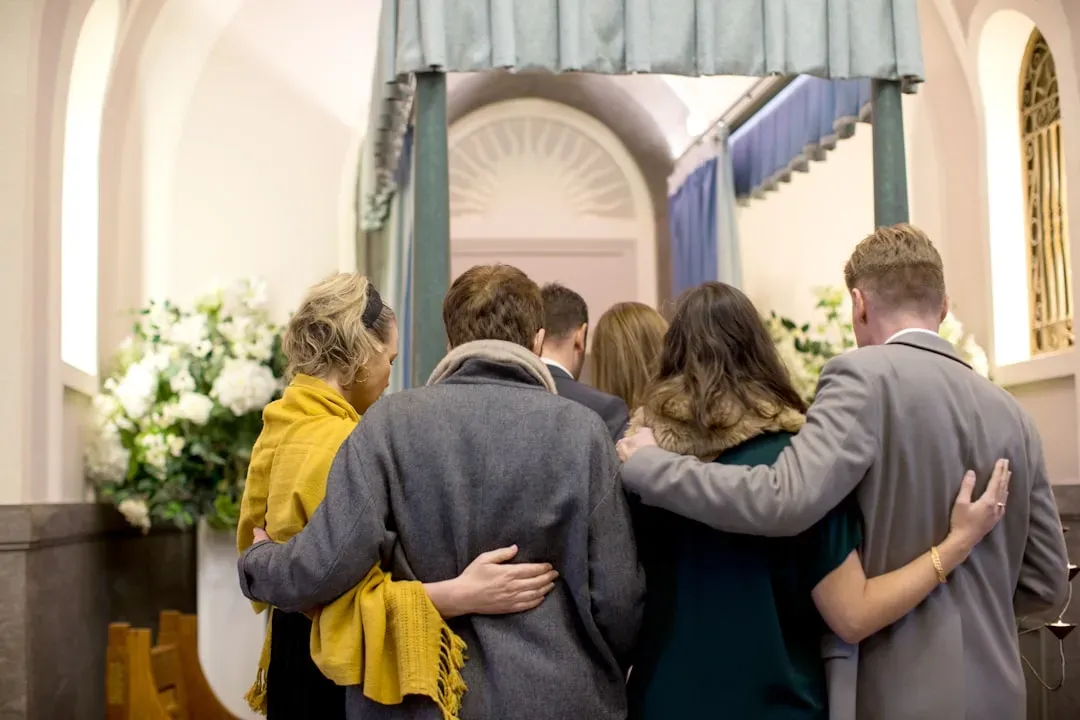
There is a quiet argument running through philosophy, psychology, and even personal diaries: maybe the very thing our brain struggles with – its own mortality – is also what can make life feel more vivid. When we remember that time is finite, a normal day can suddenly glow with meaning: a morning coffee, a shared joke, a random sunset all feel less disposable. The same brain that avoids thinking about death can, in smaller doses, turn that awareness into fuel for gratitude and urgency.
At the same time, there is a limit. Obsessing over death can slide into anxiety, paralysis, or numbness, which helps no one. In my view, the sweet spot is learning to glance at mortality often enough that it shapes choices, but not so often that it crushes joy. Our brains may never fully grasp their own endings, and that is probably for the best. The real question is how we use that partial understanding: as a reason to hide, or as a nudge to live more honestly while we are still here.
Conclusion: The Beautiful, Awkward Blind Spot in Our Minds
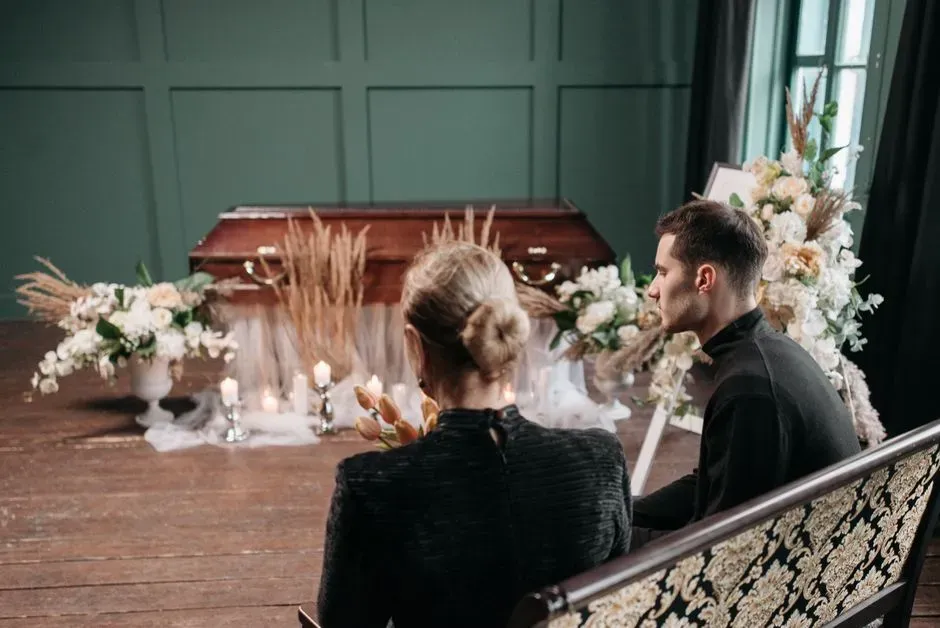
The brain’s inability to truly is not a bug to fix; it is an odd side effect of a system built to keep going at all costs. Evolution gave us minds that cling to the story of “me,” stretch time forward, and soften the hardest truths with culture, belief, and small daily distractions. That same machinery that makes death hard to grasp also makes love, creativity, ambition, and hope possible in the first place.
Personally, I see this blind spot as both humbling and strangely comforting. We will never be able to think our way into a complete picture of our own end, and that means we are always slightly in the dark about the biggest fact of our lives. But maybe that gap is also where courage lives – the courage to keep planning, loving, and trying, knowing the story will one day stop mid-sentence. The brain cannot fully imagine its final silence, but it can choose how to fill the pages until then; how do you want your remaining chapters to read?