
Imagine opening a medieval manuscript and reading a description of a bizarre creature that sounds uncannily like a dinosaur, a trilobite, or a giant sloth – centuries before any scientist dug such fossils out of the ground. It feels like the setup for a conspiracy theory video or a late‑night forum thread, and that alone makes the idea incredibly tempting. If ancient writers really nailed detailed descriptions of extinct animals long before modern paleontology, that would shake a lot of what we think we know about history, science, and even religion.
But here’s the twist: once you actually chase down the evidence, the story gets a lot murkier – and in some ways, much more interesting. Rather than a neat list of twelve slam‑dunk matches, you find a mix of partial overlaps, half‑remembered fossils, myth layered over real bones, and modern people over‑reading old texts. So instead of forcing fake examples to match the headline, this article walks through twelve of the best‑known or most intriguing “cases,” and looks honestly at how well, or how badly, they really correspond to animals in the fossil record.
1. The “Dragon” of Wucheng and Early Dinosaur Bone Discoveries in China
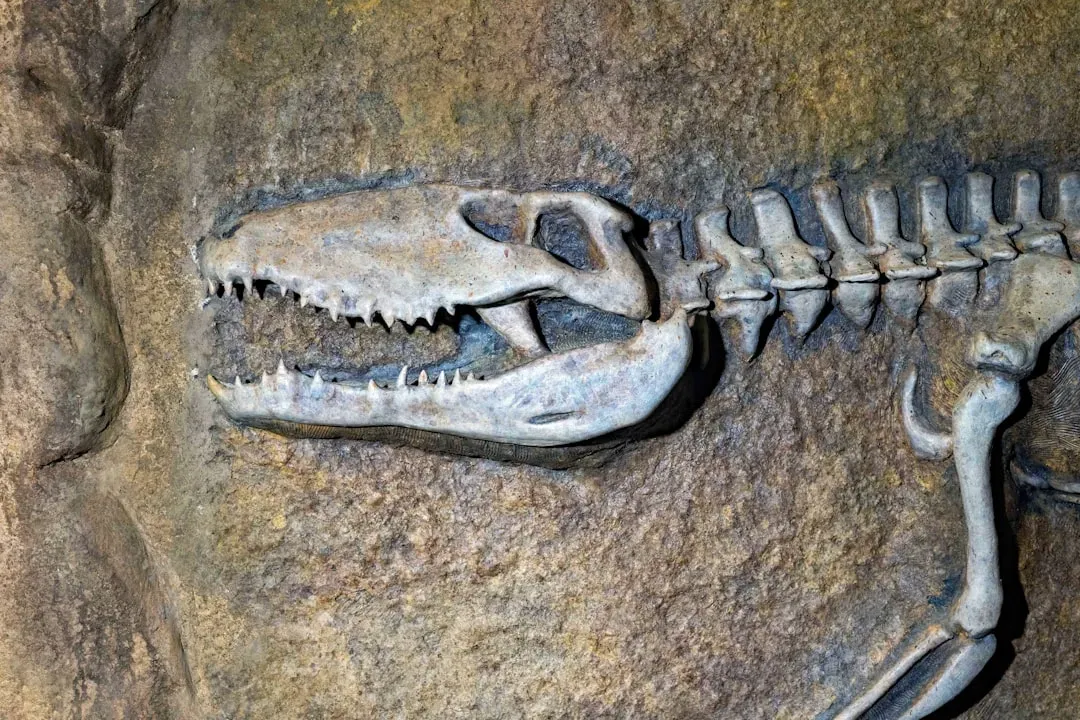
One of the strongest real‑world threads connecting old creature stories to actual fossils runs through China, where people have been collecting “dragon bones” for traditional medicine for many centuries. These bones often turned out, under modern study, to be dinosaur remains such as hadrosaurs and sauropods. In some regions, local stories described huge, long‑bodied creatures with powerful limbs and a tail, sometimes associated with mountains or riverbeds where fossils naturally erode out of the rock.
That said, those descriptions rarely map neatly onto a specific dinosaur species the way modern enthusiasts sometimes claim. Yes, there was a cultural awareness that enormous, unfamiliar bones came from great beasts of the past, and the dragon myth absorbed that imagery. But the creatures in those tales were usually winged, fire‑breathing, or imbued with supernatural powers rather than being straightforward accounts of, say, a particular hadrosaur. The link to the fossil record is real, but the correspondence is loose and symbolic, not an “exact” pre‑scientific field guide entry.
2. Cyclopes and the Skulls of Ancient Elephants
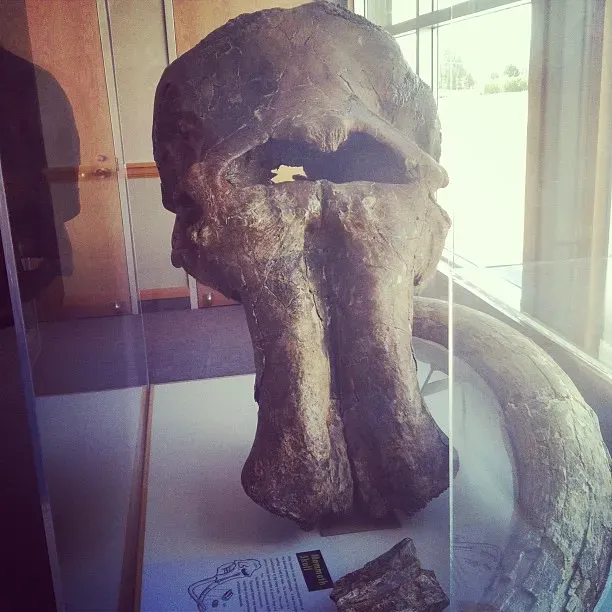
The ancient Greek stories of one‑eyed giants, the Cyclopes, are often brought up as an example of myth matching fossil reality. In parts of the Mediterranean, people really did dig up large, unfamiliar skulls with a single big opening in the center of the face. Today we know those skulls belonged to extinct elephants or their relatives, with the central hole being the nasal cavity for the trunk. To someone who had never seen such an animal, that cavity could easily be mistaken for one enormous eye socket.
This is a case where the skeleton plausibly inspired the creature, but again the “exact correspondence” claim quickly falls apart under close inspection. Cyclopes in the myths are smiths for the gods, build thunderbolts, and act as fearsome, human‑shaped giants, not elephantine mammals. The basic narrative – people discovered huge skulls, misread the anatomy, and spun them into a legend – is perfectly reasonable. Still, it does not give us a carefully observed, anatomically correct account of a fossil animal so much as a distorted, imaginative response to surprising bones.
3. Griffins and Protoceratops: A Half‑Right, Half‑Wrong Match
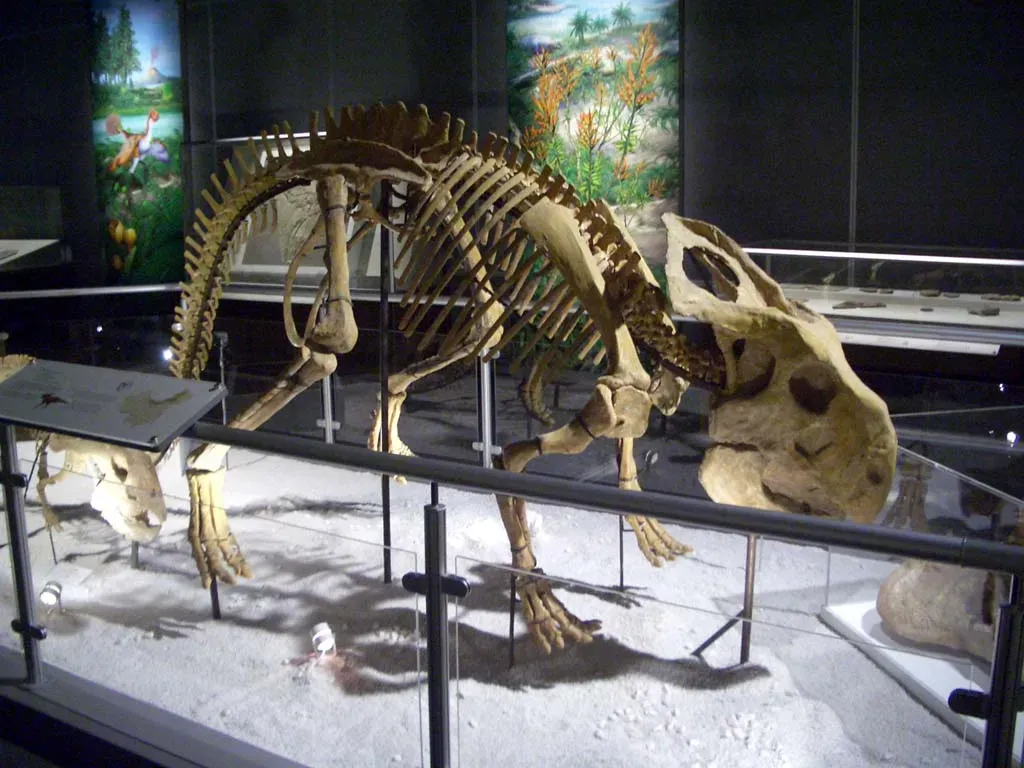
One of the trendiest supposed examples in recent decades is the idea that ancient stories of griffins – lion‑bodied, eagle‑headed hybrids guarding gold in the deserts of Central Asia – came from encounters with Protoceratops fossils. These small ceratopsian dinosaurs, found in what is now Mongolia, have beaked skulls and four‑legged bodies that, squinting hard enough, could be seen as something between a lion and a bird. Some scholars have suggested that nomads traveling through fossil‑rich badlands saw skeletons weathering out and built the griffin story around them.
There might be a grain of truth here, but the evidence is thinner than internet summaries make it sound. The original griffin tales were already fantastical, and the “exact” details rarely line up with what a Protoceratops actually looked like. Wings, for example, are central to griffins, yet there is no sign on a Protoceratops skeleton that would scream “winged creature” to an observer. What we actually have is a clever hypothesis: people may have glimpsed odd, beaked skeletons and folded them into a pre‑existing imagination of hybrid beasts. It is interesting and plausible, but far from a precise paleontological description.”
4. “Thunderbirds” and Ice Age Megafauna in Indigenous North American Traditions
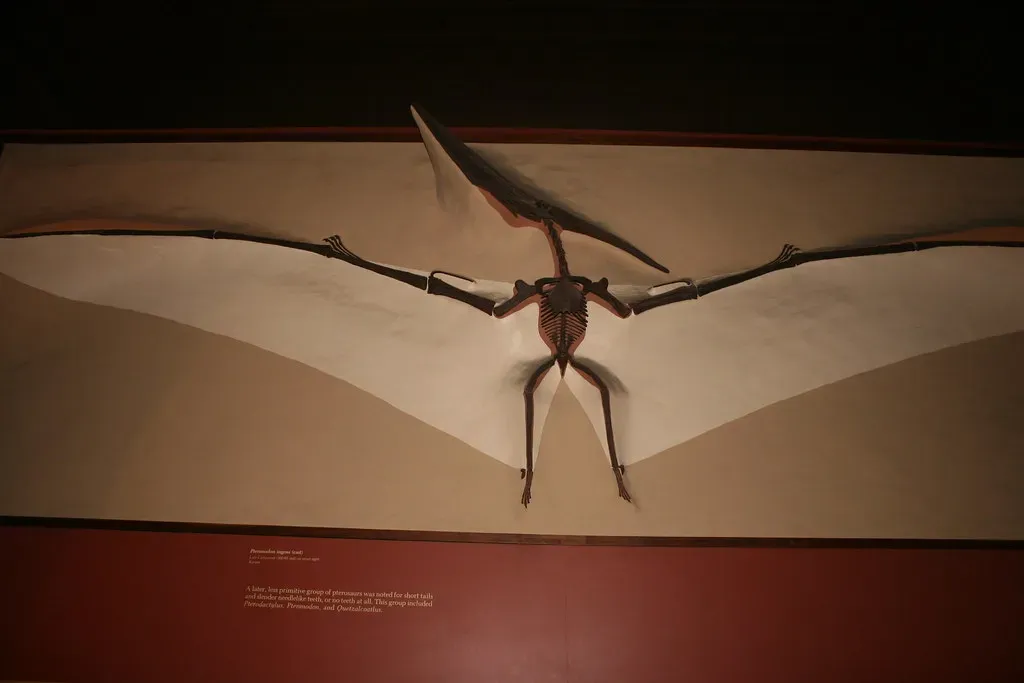
Indigenous cultures across North America hold powerful stories about enormous birds often called thunderbirds – beings associated with storms, lightning, and cosmic power. Modern commentary sometimes tries to equate these beings with large prehistoric birds like Argentavis or even giant Pleistocene condors and eagles. There is also speculation that scattered fossil remains of large Ice Age animals, including huge birds, may have fed into these traditions over very long time spans.
However, thunderbirds in the stories are fundamentally spiritual entities, not simple animals roaming the landscape. They are shapeshifters, storm bringers, or sky powers, and their descriptions are deeply embedded in ceremony, ethics, and cosmology. While some details, such as immense wingspans or nests of unusual size, might faintly echo what a giant prehistoric bird would be like, the thunderbird accounts are not straightforward biological reports. Trying to force them into a neat one‑to‑one match with a particular extinct species risks flattening the depth and meaning of those traditions.
5. Biblical “Behemoth,” “Leviathan,” and the Temptation to See Dinosaurs
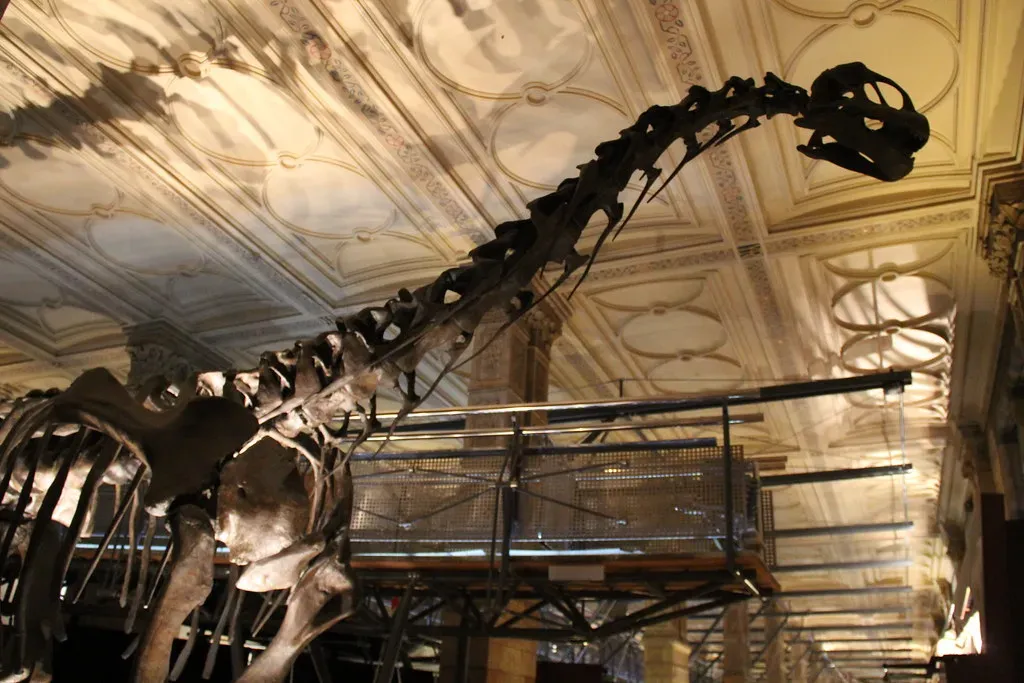
Few passages have fueled more speculative dinosaur talk than the biblical descriptions of Behemoth and Leviathan. Modern enthusiasts sometimes claim Behemoth was a sauropod dinosaur because of references to a tail like a great tree and massive size, while Leviathan is cast as a marine reptile or some extinct sea monster. It is emotionally satisfying to imagine these as hidden dinosaur cameos in an ancient text, especially if someone already wants confirmation that humans and dinosaurs overlapped.
But most scholars who actually work with the original languages and historical context see it very differently. Behemoth likely refers poetically to a powerful land animal familiar in the ancient Near East, such as a hippopotamus or an exaggerated composite of large beasts. Leviathan appears more like a mythic sea chaos creature, drawing on images of crocodiles, storms, and primordial waters. These are rich symbolic portraits, loaded with theological meaning, not systematic descriptions of specific fossil animals. The resemblance to dinosaurs is retrofitted by modern readers, not encoded by ancient observers of the fossil record.
6. Medieval “Sea Serpents” and Fossil Whales
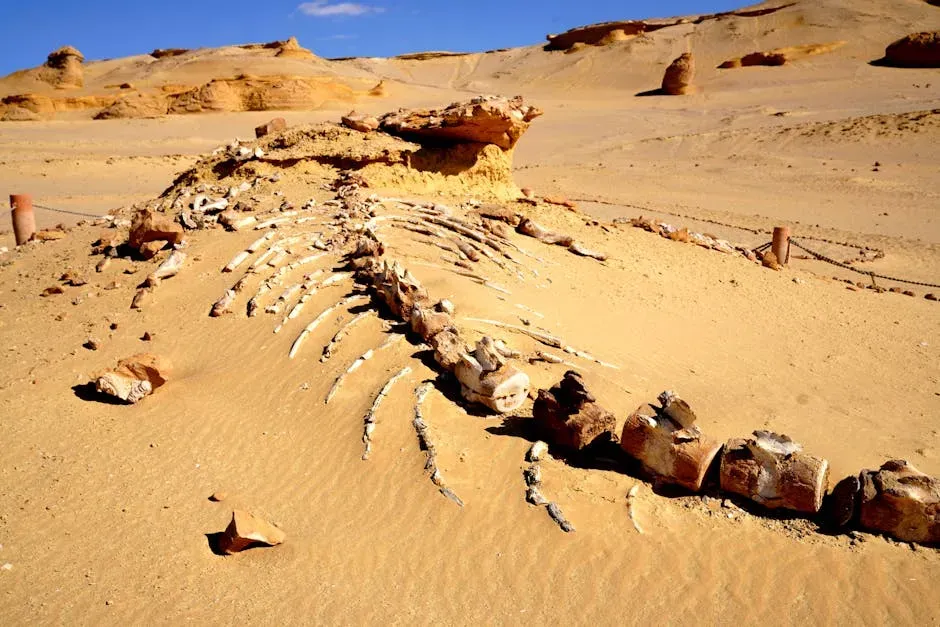
European and Scandinavian reports of long, snakelike creatures in the ocean – sea serpents said to coil around ships or stretch for astonishing distances – show up again and again in travelogues and sailors’ stories. Some modern interpreters have tried to connect these tales to fossilized remains of early whales or giant marine reptiles, whose elongated vertebrae and skulls might provoke dramatic reactions if washed ashore or exposed on cliffs. In theory, a chain of vertebrae could look eerily like the skeleton of an immense serpent.
In practice, these stories blend everyday misidentifications (like oarfish, squid, or floating debris) with outright tall tales and literary flourish. The written descriptions usually fixate on behavior – attacking boats, spouting water, wrapping around islands – while offering very few anatomical details that clearly match a known fossil marine species. If ancient people did occasionally stumble on marine fossils, they might have contributed background material to sea serpent lore, but the texts themselves are a long way from careful, pre‑scientific fossil field reports.
7. The “Dragon’s Teeth” of Europe and Early Mammoth Fossils
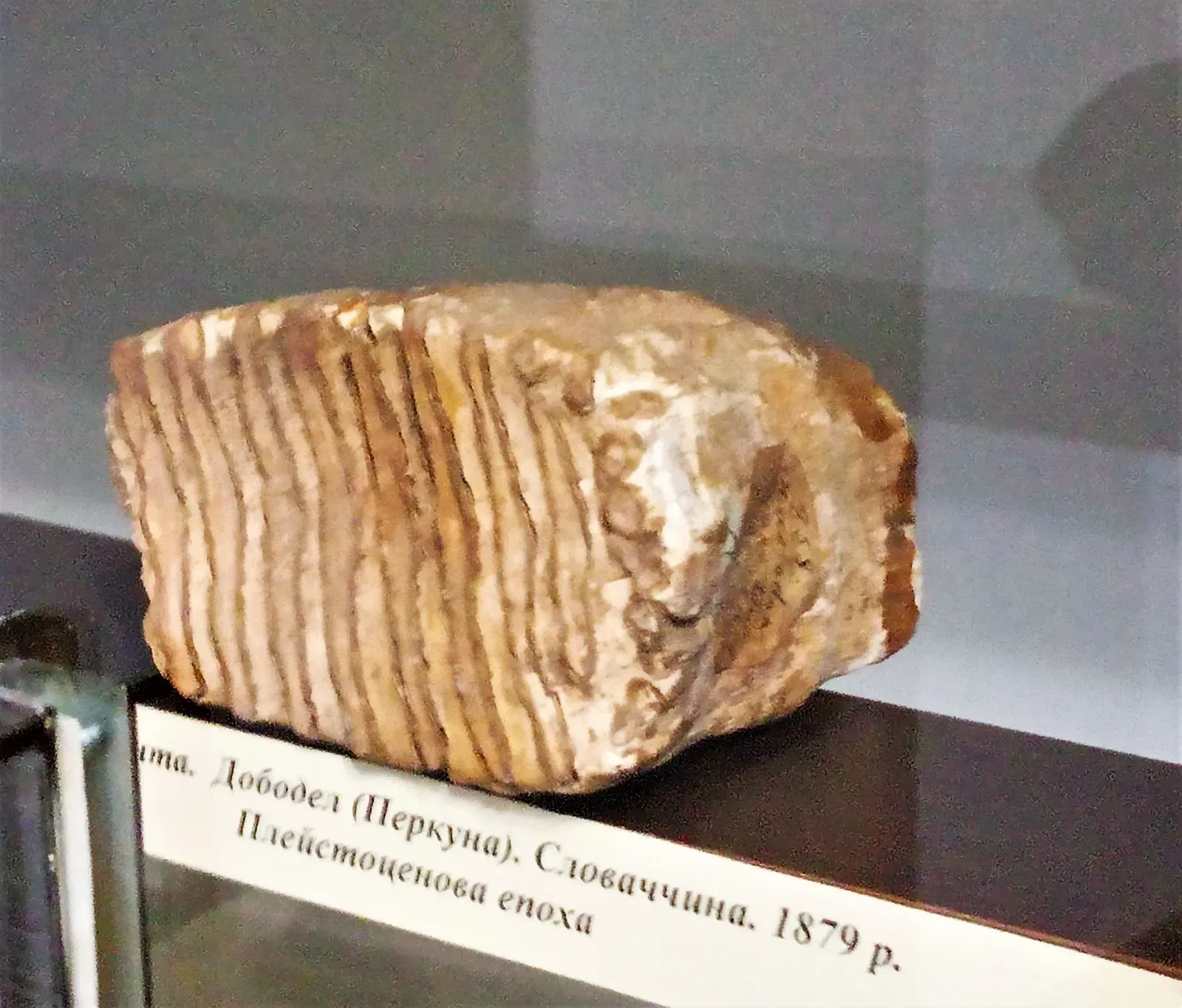
In parts of Europe, especially before the rise of paleontology in the eighteenth and nineteenth centuries, large fossil teeth were often kept as curiosities and labeled as dragon’s teeth or sometimes giant human remains. Many of these have since been recognized as belonging to mammoths, mastodons, or large extinct rhinos. The size and shape of the teeth were dramatic enough to inspire awe and likely helped sustain legends of dragons and giants lurking somewhere in the distant past.
Still, the ways people wrote about these objects generally stayed vague and mythic. A tooth might be described as belonging to a dragon slain by a saint, but the creature’s overall appearance would be painted with standard dragon tropes rather than unusual, bone‑based specifics. There are no medieval or early modern documents that precisely sketch a mammoth from fossils alone. Instead, you see real bones feeding into existing stories of monsters, with imagination doing most of the work and anatomy playing a distant supporting role.
8. The Moa, Māori Tradition, and the Edge of Human Memory
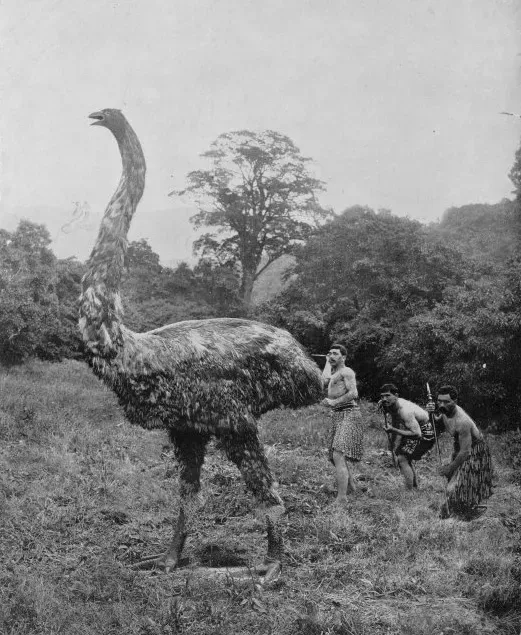
In New Zealand, the case of the giant flightless birds known as moa is particularly striking because humans actually overlapped with them in time. Māori oral traditions contain references to large birds that match what we know about moa in a general way: tall, powerful, and once hunted. European scientists later unearthed moa bones and reconstructed these birds formally, long after some of the traditions had been recorded. This can feel eerily like an ancient account perfectly matching a fossil species later “discovered” by Western science.
But there is an important difference here from most other examples: Māori ancestors lived alongside moa, so these are direct cultural memories, not guesses from fossil scraps. The birds eventually went extinct after human arrival, and the stories persisted. When Europeans later encountered both those bones and those narratives, they were not tapping into mysterious, fossil‑based prophecy, but into the last echoes of real ecological history. It is a fascinating intersection of oral tradition and paleontology, yet it sits outside the idea of fossils inspiring mythical creatures before science “caught up.”
9. “Living Fossils” and Stories of Strange but Still‑Existing Creatures
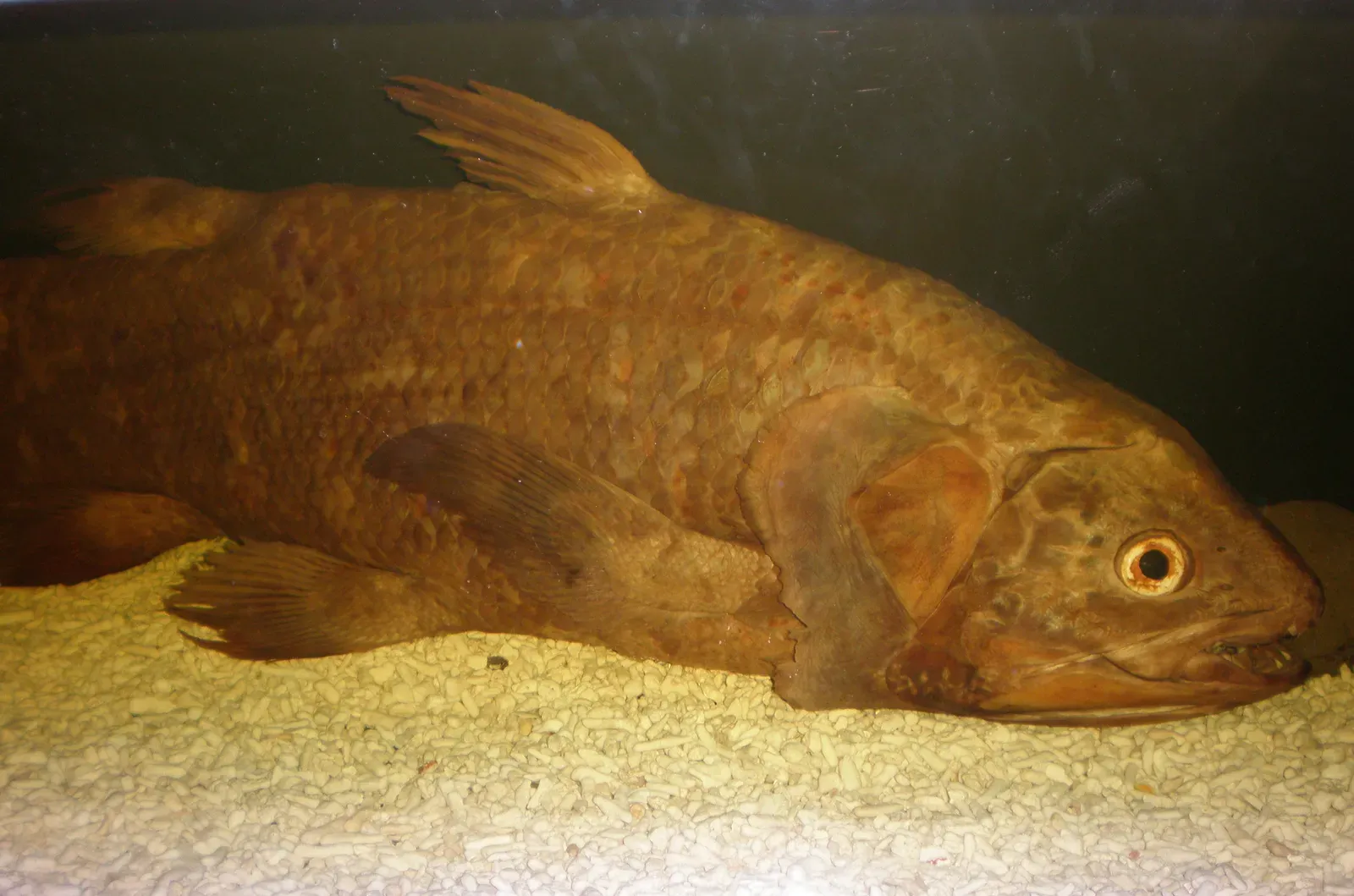
Sometimes people point to reports of strange animals in remote regions that later turn out to match so‑called living fossils – species known from both fossils and modern specimens. The coelacanth, a deep‑sea fish once thought to have vanished tens of millions of years ago, was rediscovered alive in the twentieth century, and some claim that older seafaring stories might have hinted at its presence. Likewise, tales from isolated communities about odd, armored fish or bizarre reptiles sometimes get reinterpreted as accounts of ancient lineages persisting to the present.
The difficulty is that such stories are almost always vague, short on detail, and filtered through translation and outsider assumptions. Without clear descriptions that distinguish a coelacanth from any other big, mysterious fish, or a tuatara from a more familiar lizard, the supposed correspondence is more wishful thinking than solid evidence. It is entirely possible for local people to be familiar with rare, scientifically “surprising” creatures long before Western papers describe them, but that is not the same as pre‑modern writers describing a fossil animal that no longer exists.
10. Misread Monsters: When Modern Creationism Projects Dinosaurs into Old Texts
One of the loudest forces keeping the “ancient records of dinosaurs” idea alive today is a particular strain of modern creationism. Within that framework, humans and dinosaurs are believed to have coexisted recently, so any old story featuring a large reptile, a serpent, or a dragon is quickly rebranded as an eyewitness account of a dinosaur. Medieval art with a knight fighting a dragon becomes a “depiction of a dinosaur,” and any long‑tailed creature in a mural is treated as crucial evidence.
When you step back from that lens, the pattern becomes obvious: the interpretation starts with a conclusion and works backward, mining legend and art for anything that looks remotely dinosaur‑like. There is almost never precise anatomical detail that would distinguish, say, a theropod from a crocodile, nor any sign that the original author or artist saw fossils or living dinosaurs. Instead, we see universal human monster motifs retroactively squeezed into a modern debate about evolution and the age of the Earth. It is more about ideology than honest historical correspondence.
11. The Allure of Pattern‑Seeking: Why We Want These Matches So Badly
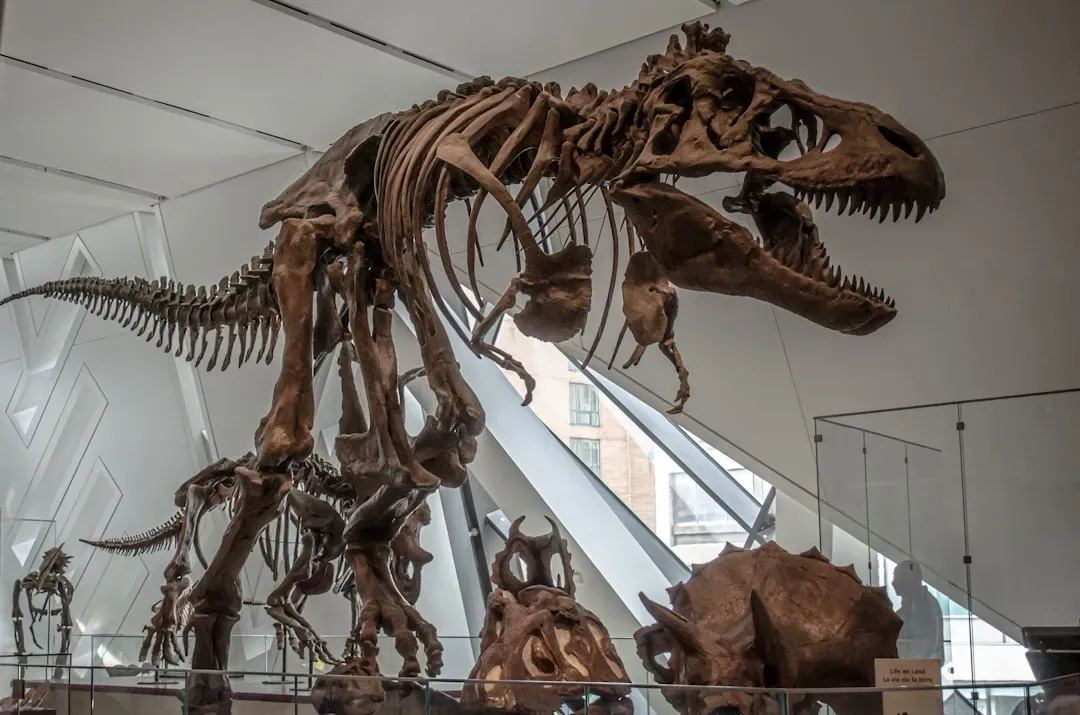
Here’s where it gets personal: I remember, as a teenager, being completely hooked by a book that claimed ancient writings proved humans saw dinosaurs. It felt thrilling, like I had stumbled onto a secret that “mainstream” science was ignoring. Only later, after digging into what historians and paleontologists actually say, did I realize how selective and strained those supposed matches really were. The texts were ambiguous, the fossils were interpreted loosely, and a lot of the “evidence” evaporated under basic scrutiny.
That experience made something clear: our brains are desperate to connect dots, especially when the pattern promises to make us feel special or in on a hidden truth. A dragon that just symbolizes chaos is less exciting than a dragon that secretly encodes a sauropod fossil. The trouble is that this excitement can drag us away from what the sources really say. Recognizing that urge in ourselves is uncomfortable, but it is also freeing. We can still enjoy the mystery without forcing the past to agree with our favorite modern narratives.
12. So Do Any Historical Creatures “Correspond Exactly” to Fossil Animals?
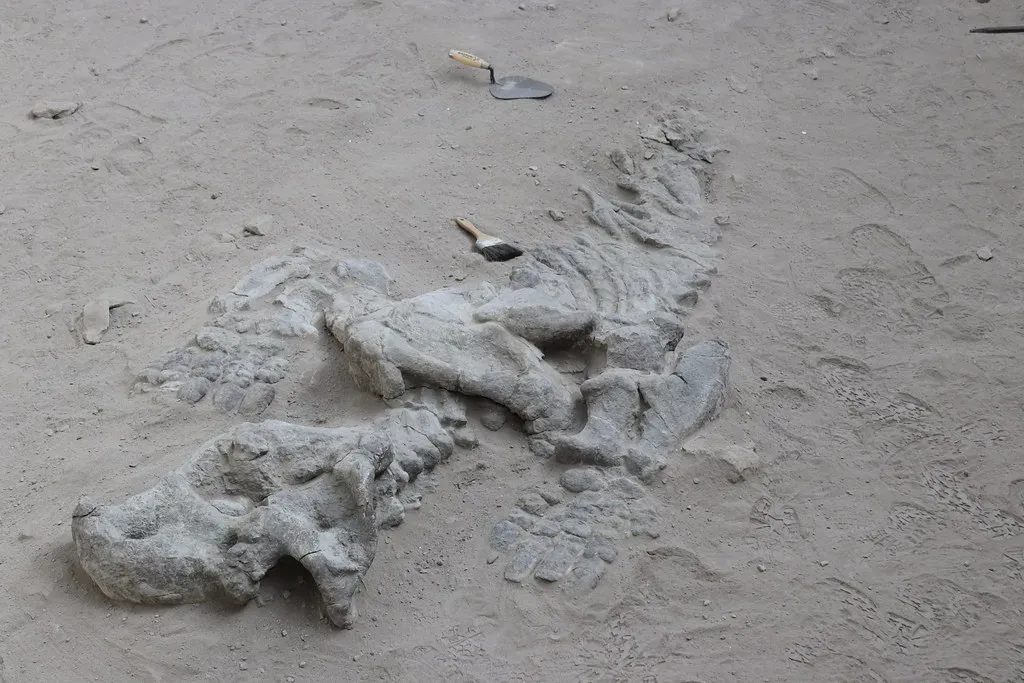
After walking through the most commonly cited examples, a blunt but honest conclusion emerges: no, we do not have solid, verifiable cases where a historical account exactly matches a fossil animal that was unknown to science at the time. We do have scattered, fascinating overlaps – people puzzling over giant bones, oral traditions preserving memories of recently extinct species, and myths likely nudged by encounters with old remains. But those overlaps are rough sketches, not detailed field notes. The “exact correspondence” that headlines love to promise simply is not there once you read the sources carefully.
That might sound like a letdown, but I think it is the opposite. The real story is richer: humans everywhere have been noticing weird bones, strange footprints, and unsettling remains for as long as we have walked the planet, and we did what humans always do with the unknown – wrapped it in story, ritual, fear, and wonder. Modern paleontology did not erase those stories; it added another layer of understanding. Maybe the better question is not “Did ancient people secretly describe dinosaurs?” but “What do our monster stories reveal about how we grapple with the deep past?” And if you are honest with yourself, which answer would you rather explore?