
Imagine stumbling upon a fossil so bizarre, so alien-looking, that even the world’s top scientists are left scratching their heads. That’s the mystery still swirling around a peculiar discovery from the Ediacaran Hills, deep in the heart of Australia. Some call it the strangest fossil ever found—an ancient relic that refuses to fit into any familiar category of life on Earth. As paleontologists dig deeper into the red soils of South Australia, they’re confronted with a puzzle that could rewrite everything we thought we knew about life’s early history. What exactly is this enigmatic fossil, and why does it continue to baffle experts across the globe?
A Glimpse into the Ediacaran Hills
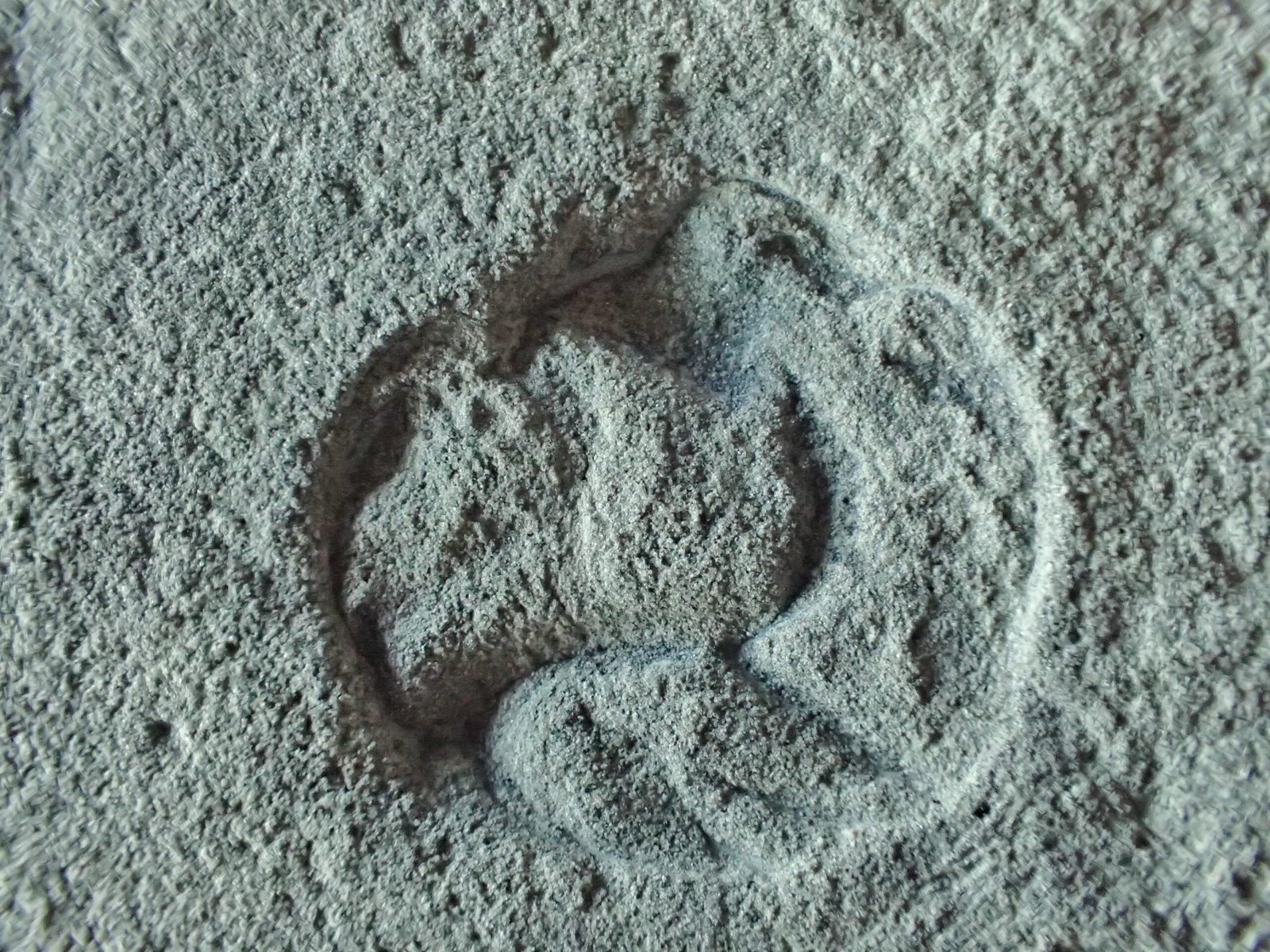
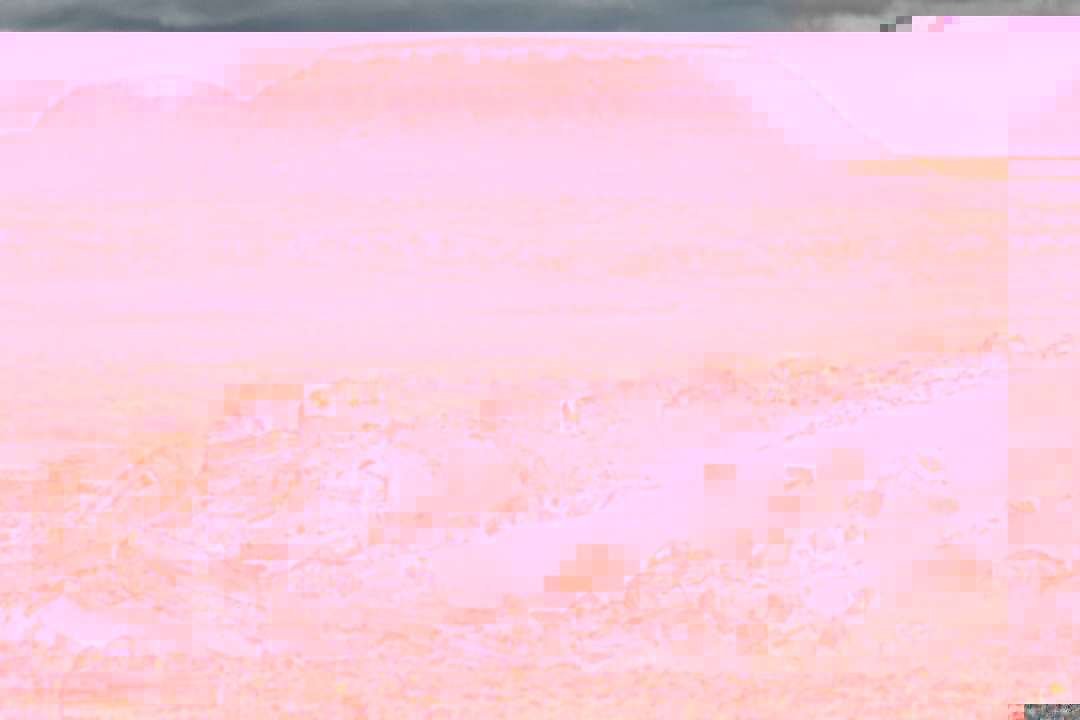
The Ediacaran Hills are not just another stretch of the Australian outback—they’re a window into a lost world more than half a billion years old. These hills, with their sun-baked rocks and rolling terrain, have become famous for yielding fossils unlike any others. Discovered in the 1940s, they represent the birthplace of the Ediacaran Period, a time long before the dinosaurs roamed the Earth. Here, ancient sea beds have preserved the faint imprints of life forms that defy easy description, their ghostly outlines frozen in time. Scientists flock to these hills, hoping to catch a glimpse of Earth’s earliest creatures, but often leave with more questions than answers. The region’s fossil beds are so unique that they’ve sparked heated debates and inspired entire research careers.
The Ediacaran Period: Life Before Animals as We Know Them
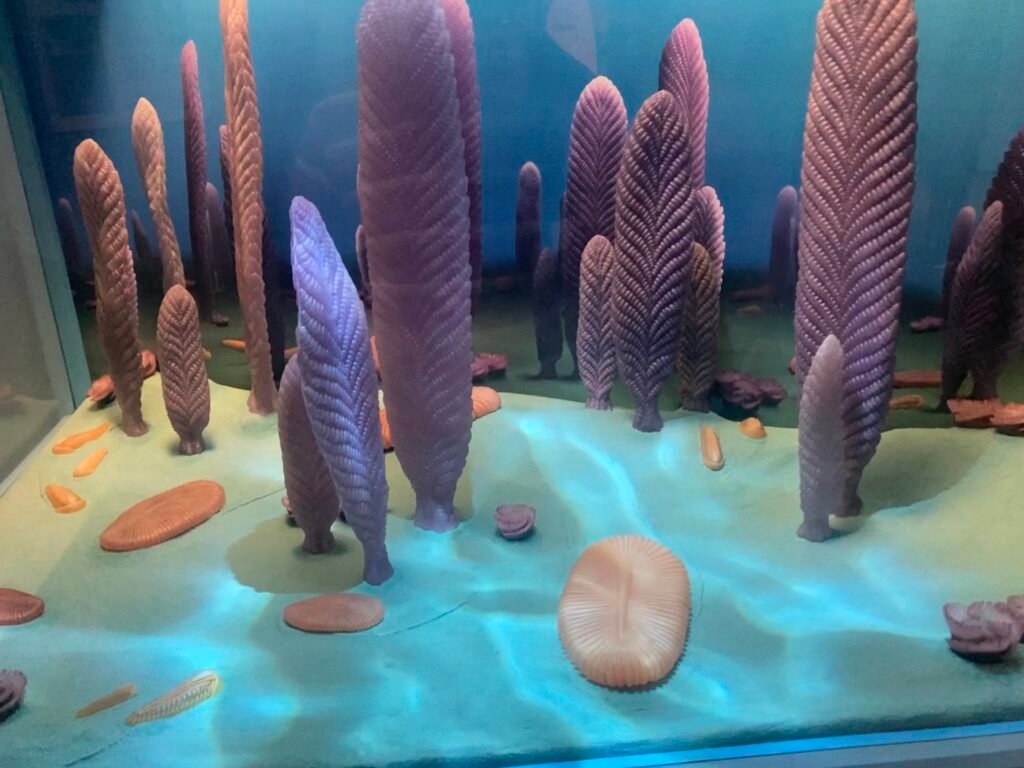
Spanning from about 635 to 541 million years ago, the Ediacaran Period remains one of the most mysterious chapters in the history of life. This era predates the Cambrian explosion, that sudden burst of animal diversity often celebrated in textbooks. But the creatures of the Ediacaran were nothing like the animals we know today. Some looked like flat discs, others like frilly mattresses or quilted leaves pressed into stone. Their bodies lacked hard parts, making them difficult to preserve and even harder to interpret. They were neither plants nor animals in the traditional sense, and their place on the tree of life remains hotly contested. As scientists uncover more fossils from this age, the Ediacaran continues to challenge our deepest assumptions about where we came from.
The Discovery That Changed Everything
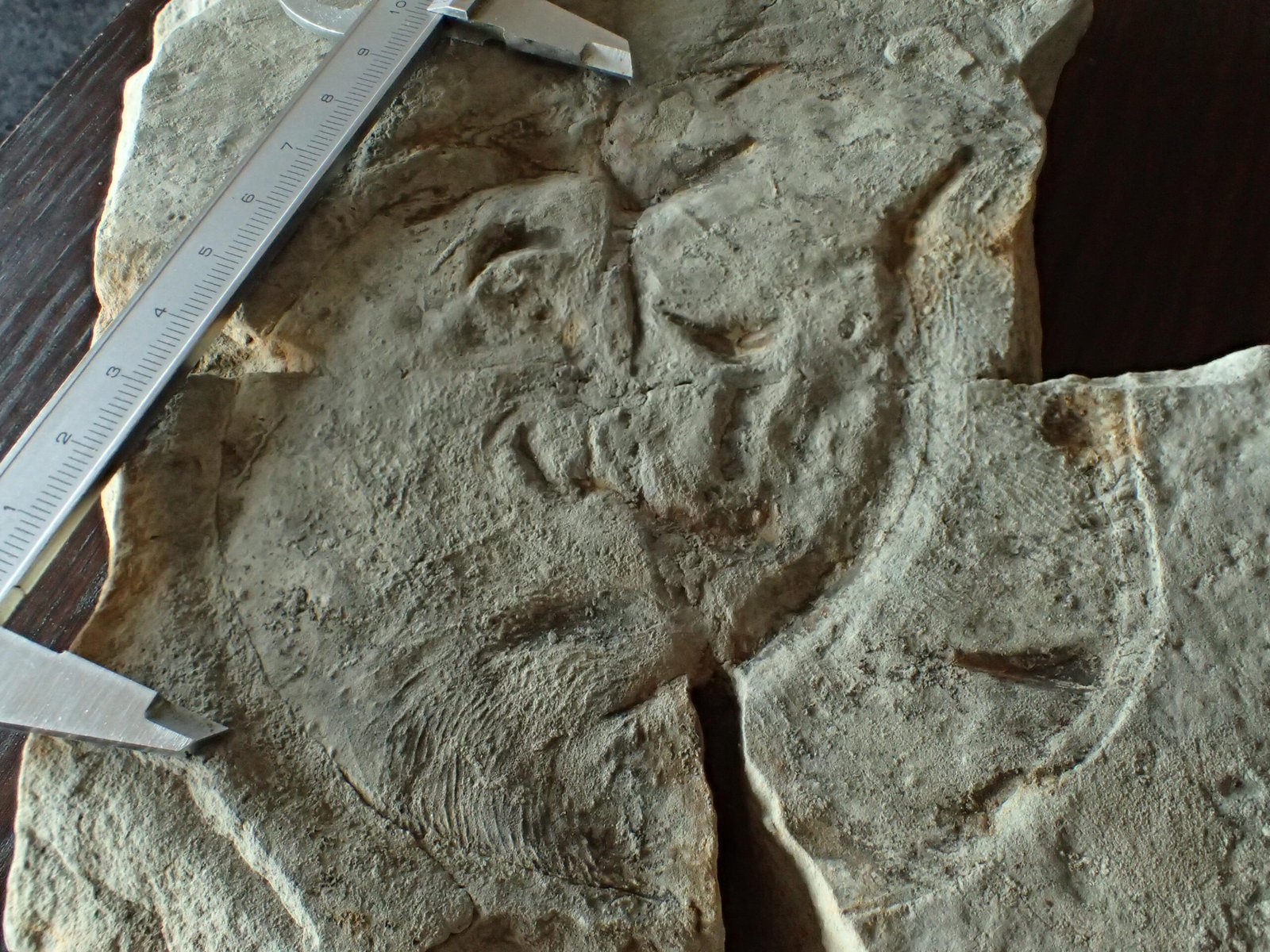
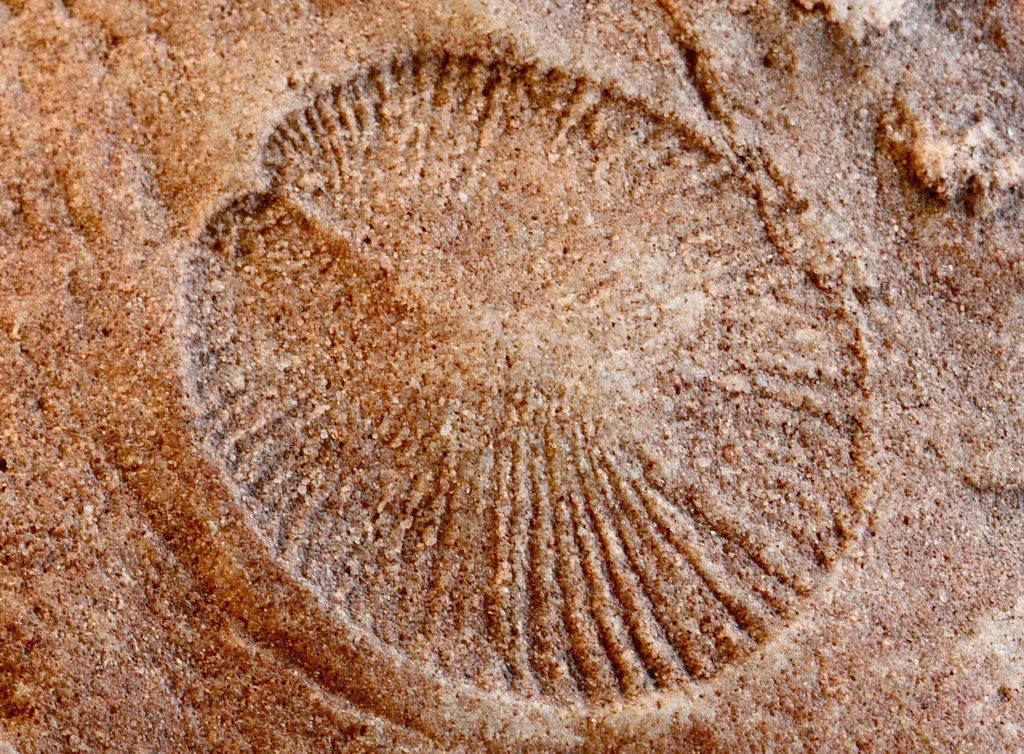
In the late 1940s, an Australian geologist named Reg Sprigg made a discovery that would shake the foundations of paleontology. While exploring an old quarry in the Ediacaran Hills, he noticed strange, oval impressions in the rocks. At first, they seemed like simple markings, but closer inspection revealed intricate patterns and textures—evidence that these were something alive, long ago. Sprigg’s fossils, later named Dickinsonia, would go on to become icons of the Ediacaran Period. Their ambiguous shapes and lack of obvious features left experts divided: were they giant amoebas, primitive animals, or something else entirely? The discovery forced scientists to reconsider the limits of life and opened the floodgates for further exploration.
Dickinsonia: The Strangest Fossil of All?
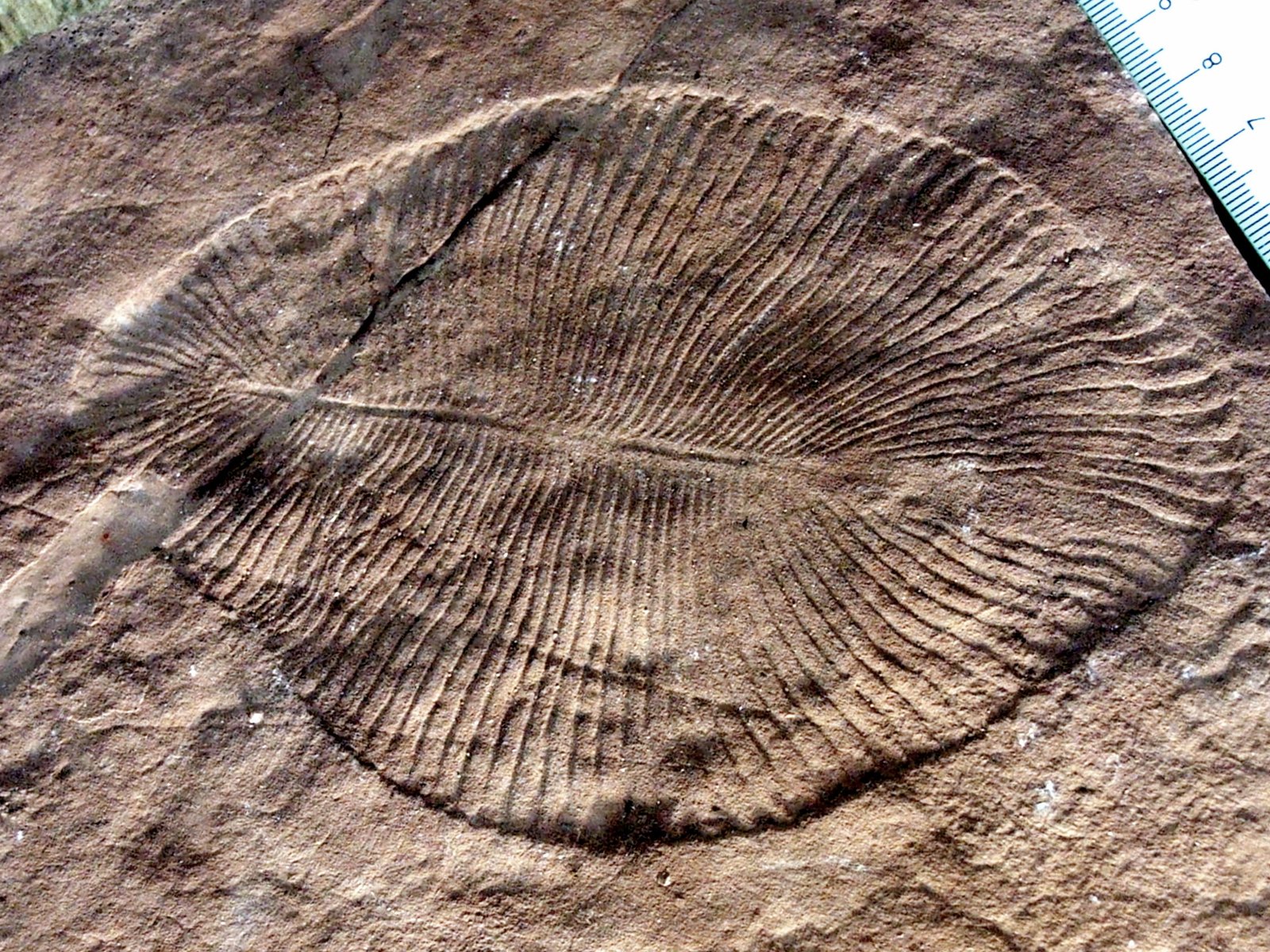
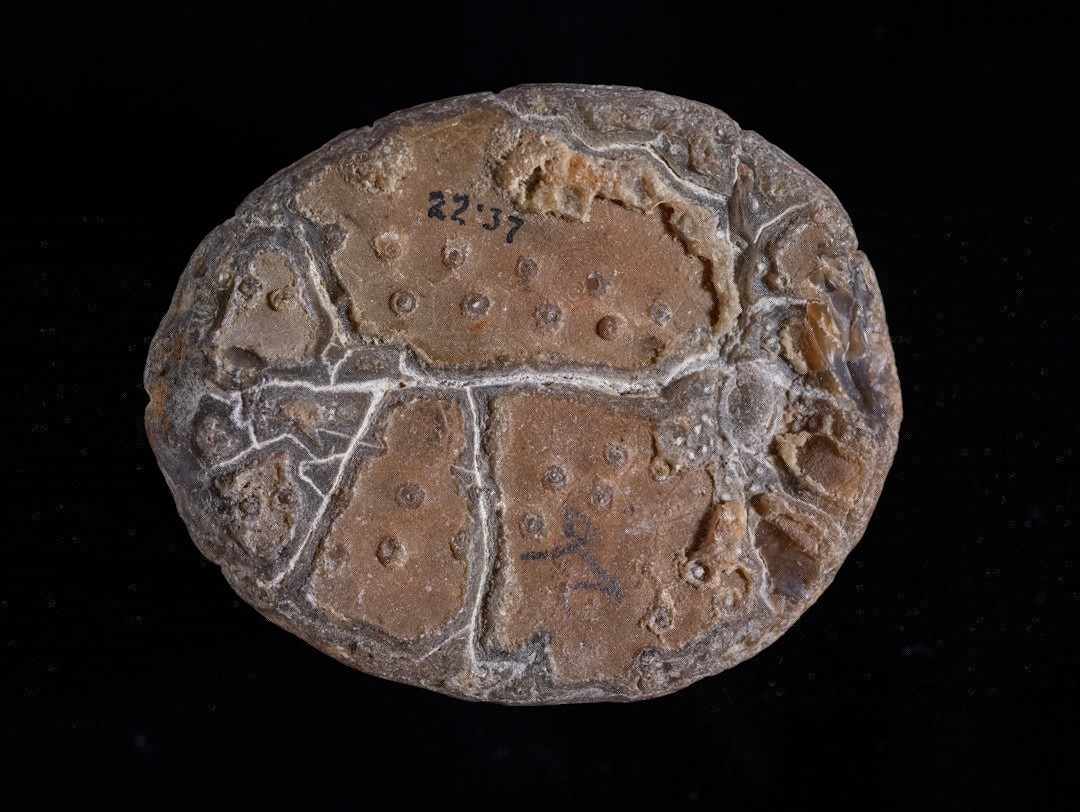
Dickinsonia stands out as the poster child for paleontological weirdness. Measuring anywhere from a few centimeters to over a meter in length, these creatures were flat, segmented, and almost symmetrical—like a living bath mat pressed into mud. Yet, unlike anything alive today, their bodies lacked eyes, mouths, or any sign of internal organs. Some paleontologists have compared Dickinsonia to a living pancake or a soft, undulating rug. The fossil’s simple yet puzzling form has led to wild speculation about its identity: was it an ancient fungus, a lichen, or perhaps a totally extinct branch of life? Decades after its discovery, Dickinsonia continues to resist easy classification, its mystery deepening with every new study.
Other Oddballs from the Ediacaran Hills
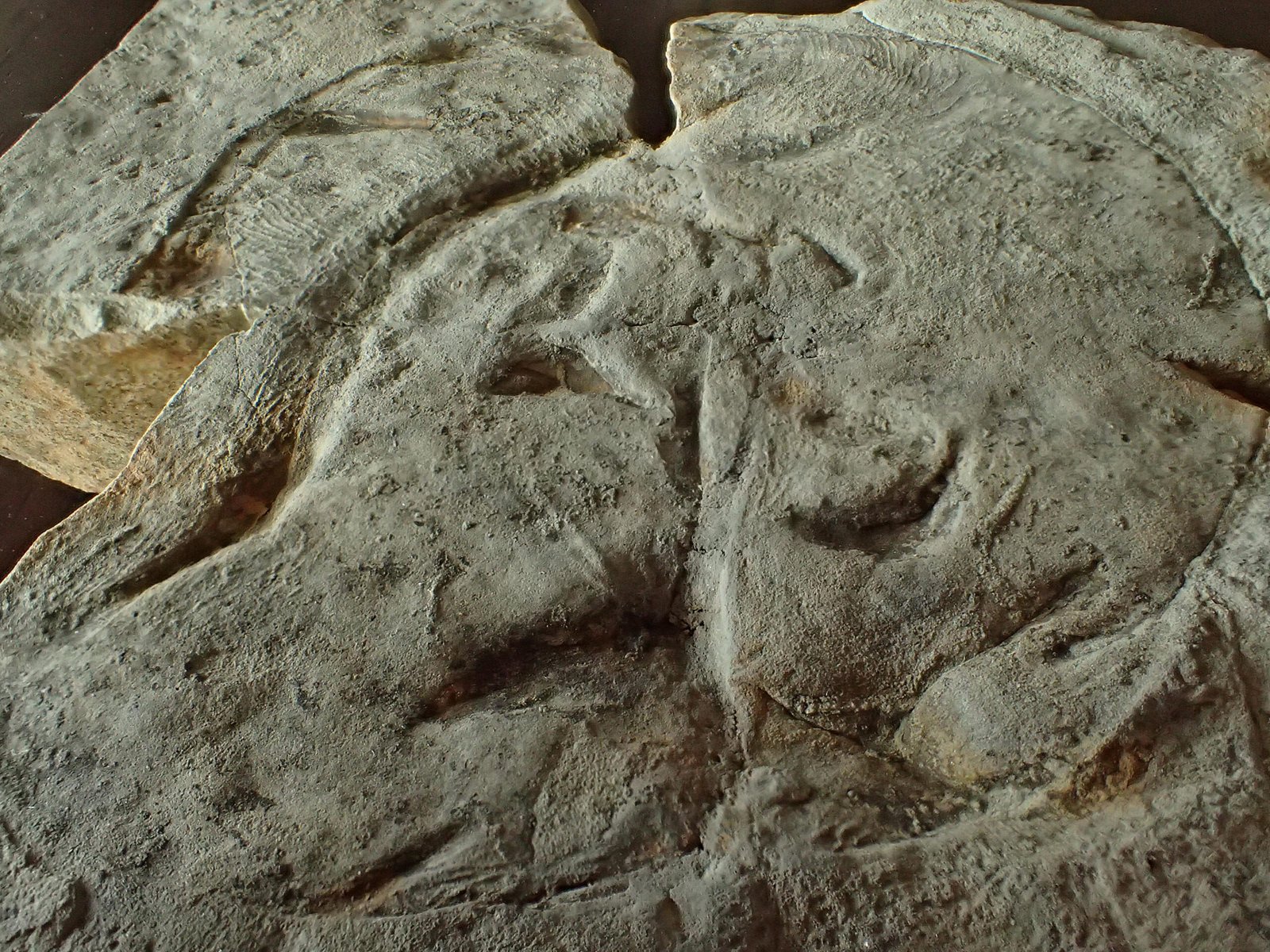
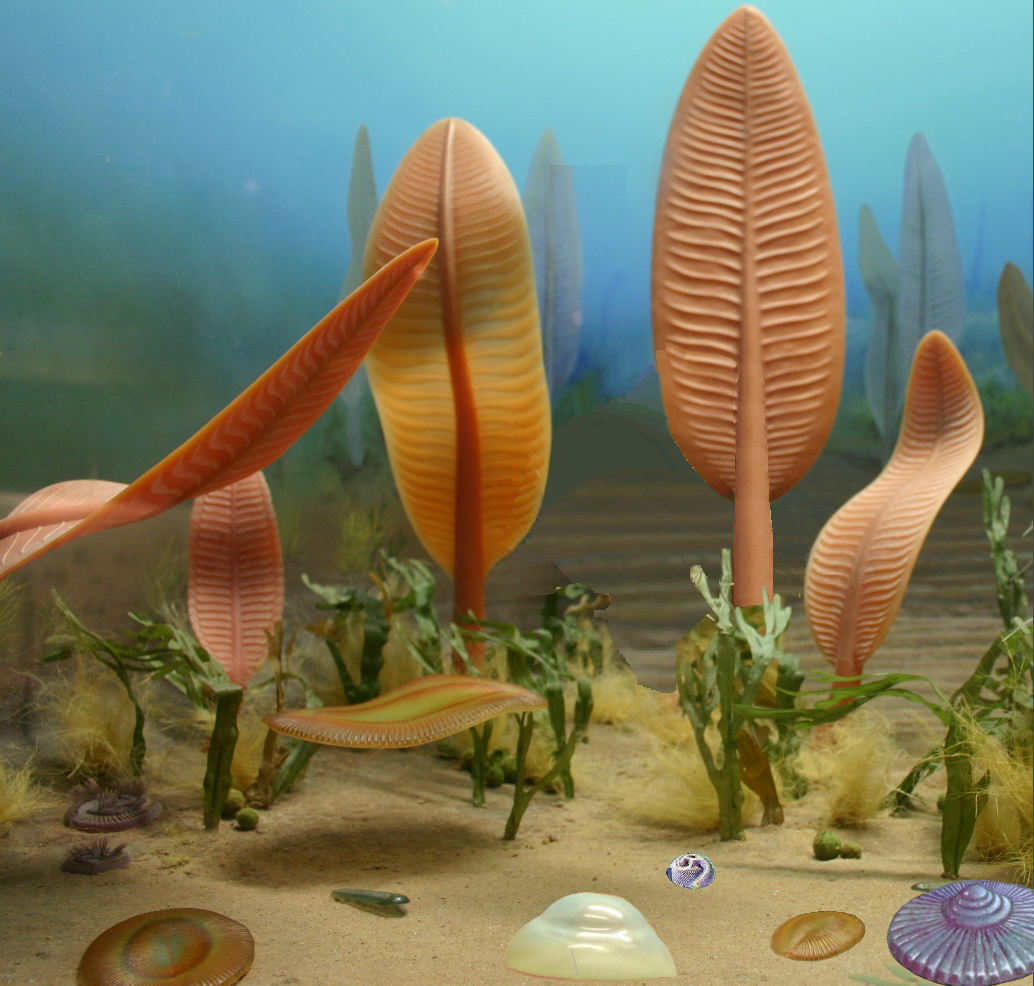
Dickinsonia may be the star, but it’s hardly alone in its strangeness. The Ediacaran Hills have yielded a whole menagerie of oddball fossils with names like Spriggina, Tribrachidium, and Charnia. Spriggina looked like a segmented worm with a head, but no one can agree on whether it’s more closely related to modern worms, arthropods, or something else. Tribrachidium resembled a three-armed pinwheel, spinning its way through scientific debates. Charnia was shaped like a feather or frond, rooted to the sea floor and swaying in ancient currents. Each fossil adds a new layer to the puzzle, making the Ediacaran one of the most bewildering periods in Earth’s history.
Why Are These Fossils So Hard to Classify?
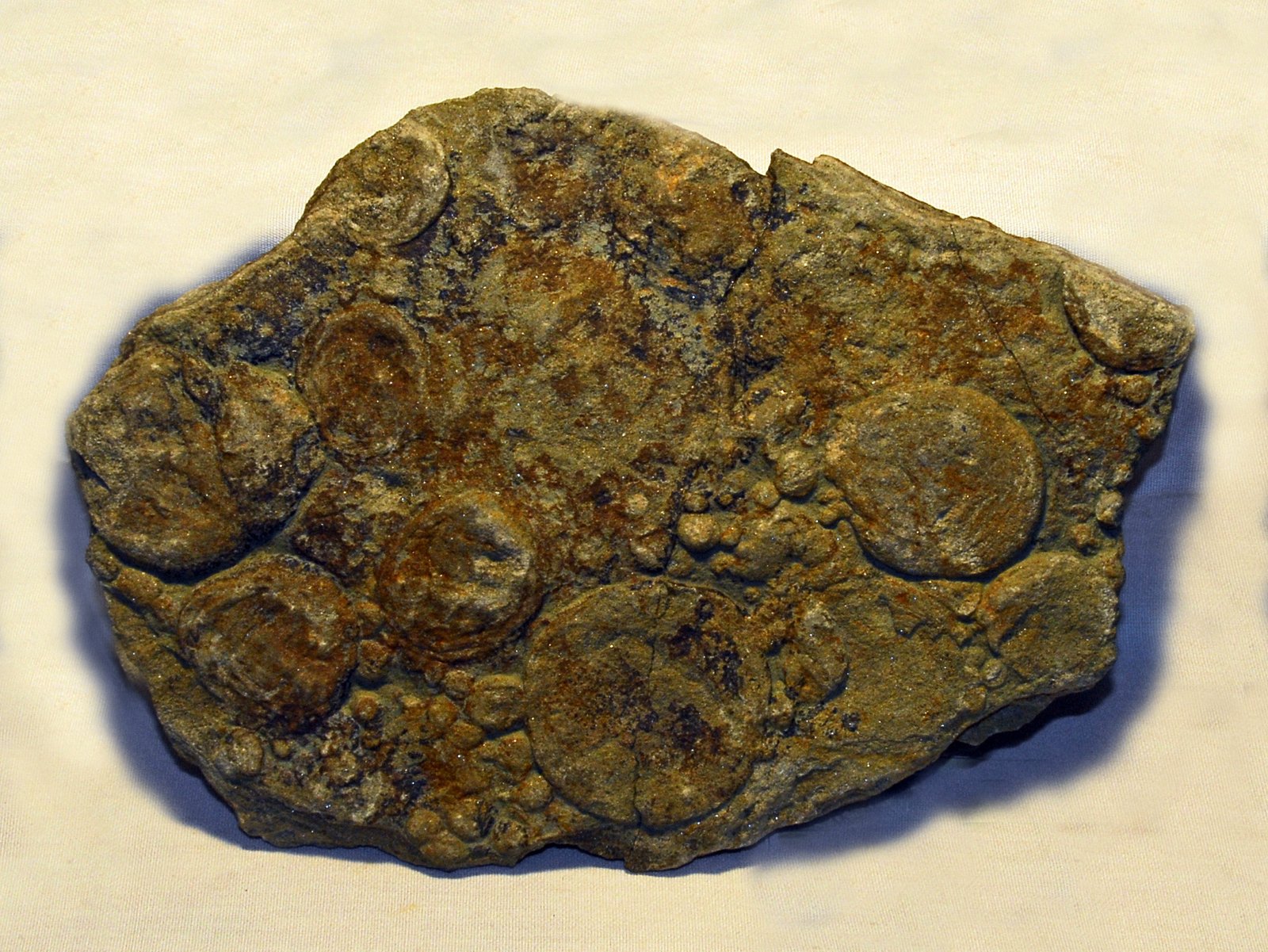
Classifying Ediacaran fossils is like trying to solve a jigsaw puzzle with missing pieces. Most of these creatures had soft bodies, which rarely fossilize well. Without hard shells, bones, or teeth, all that remains are faint impressions—often little more than shadows in stone. To make things trickier, these fossils have no clear modern relatives. Their anatomy doesn’t match anything alive today, leaving scientists to rely on guesswork and creative thinking. Some experts suggest that Ediacaran organisms represent a “failed experiment” in evolution—branches of life that flourished briefly before vanishing forever. Others argue that these forms may hold the secrets to the origins of animals, making each new find a potential game-changer.
The Science Behind the Mystery
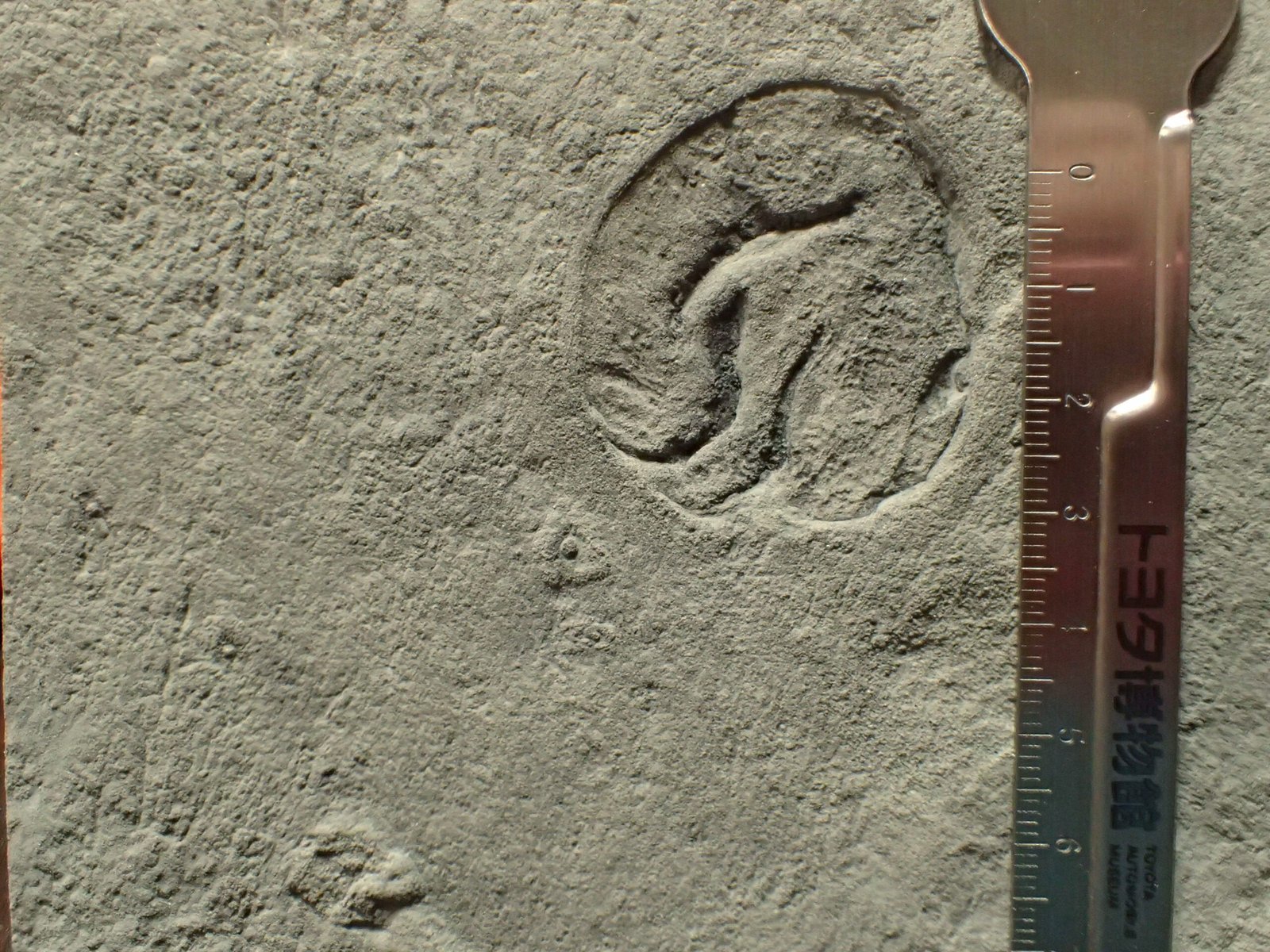
Modern technology has breathed new life into the study of Ediacaran fossils. Using high-resolution imaging, chemical analysis, and even 3D scanning, researchers are peeling back the layers of these ancient organisms. In 2018, a team of scientists detected traces of cholesterol in Dickinsonia fossils, suggesting that they might be among the earliest animals. Yet, not everyone is convinced, and the debate rages on. New discoveries continue to blur the lines between plants, animals, and something entirely different. Each scientific breakthrough is met with excitement, skepticism, and, sometimes, complete astonishment. The pursuit of answers has become as fascinating as the fossils themselves.
What Were the Ediacaran Creatures Like?
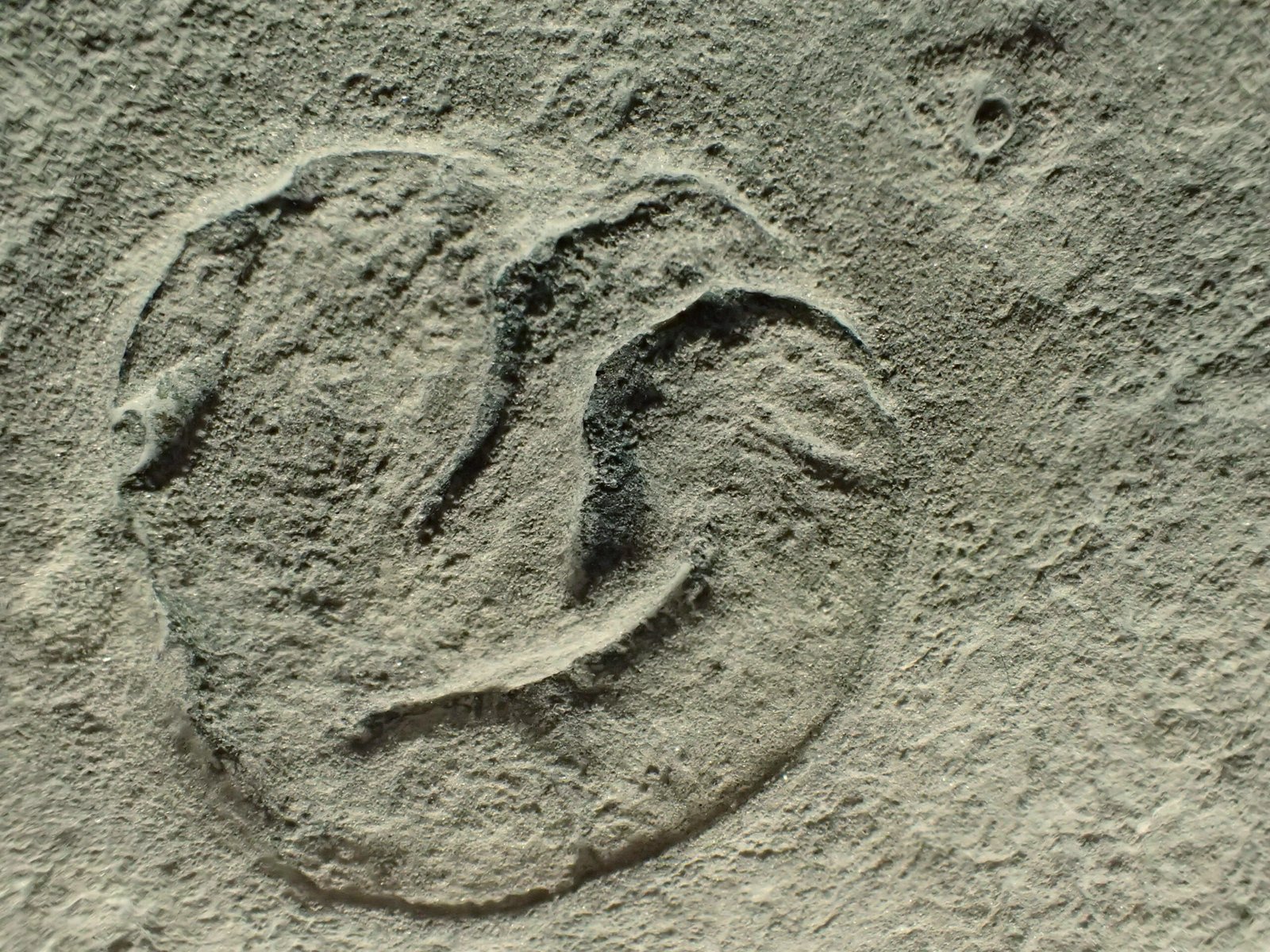
Trying to imagine Ediacaran life is like picturing an alien world right here on Earth. These organisms lived in shallow seas, drifting or creeping along the muddy ocean floor. There were no fish, no predators, and no complex food webs—just simple, flat creatures soaking up nutrients from the water or the sediment beneath them. Some, like Dickinsonia, may have glided slowly over the sea bed, while others anchored themselves to the ground. Their strange shapes and lifestyles hint at a time when life experimented wildly, unconstrained by the rules that would govern later animals. The Ediacaran landscape was a place of endless curiosity and wonder.
The Ongoing Debate: Animal, Plant, or Something Else?
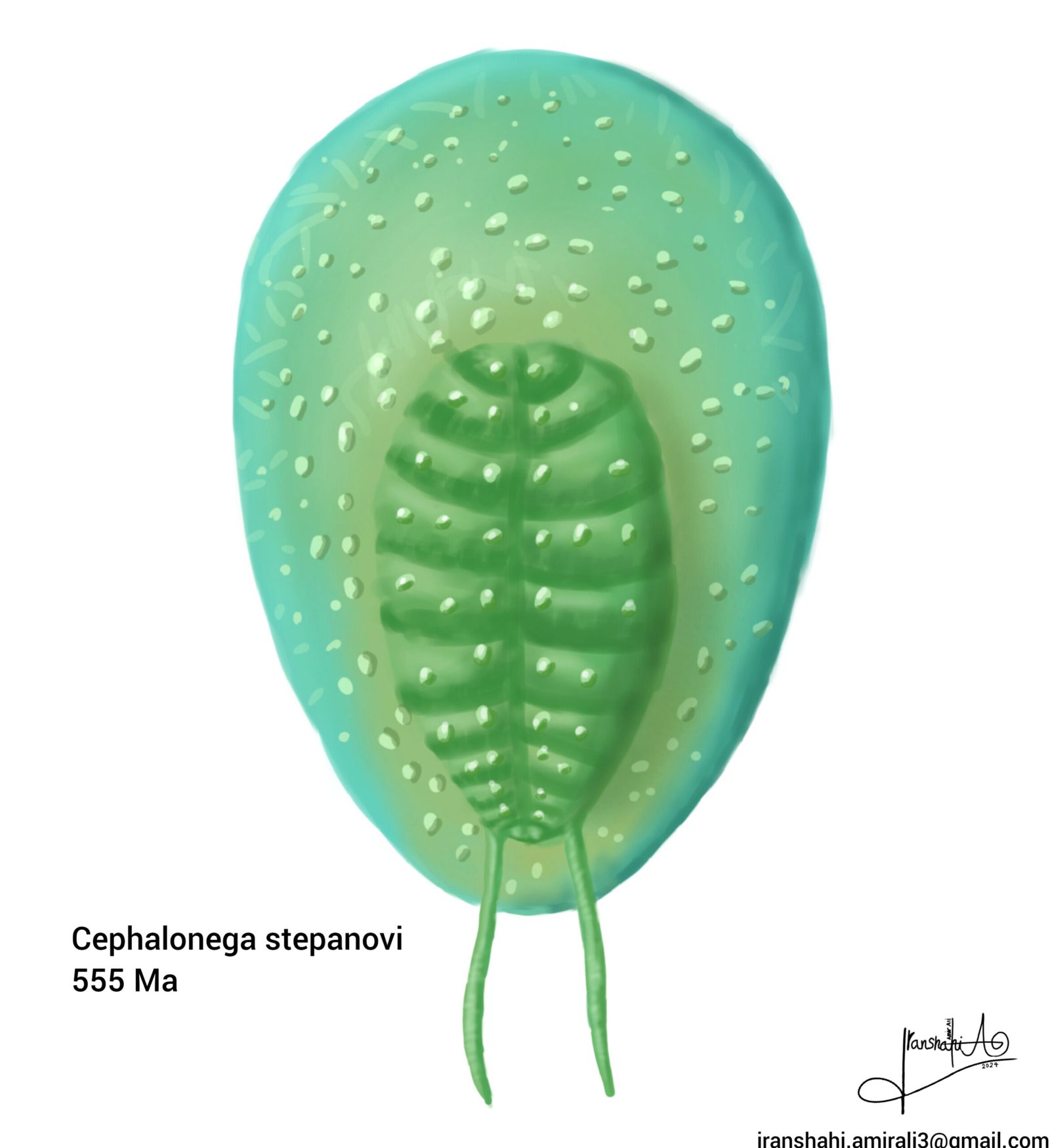
Few fossils have sparked as much debate as those from the Ediacaran Hills. As new evidence emerges, the lines between categories blur further. Some paleontologists see Dickinsonia and its kin as early animals, pointing to chemical traces and growth patterns reminiscent of modern creatures. Others argue that they might be giant single-celled organisms, fungi, or even a completely unique form of life, now extinct. The lack of modern analogues makes it nearly impossible to settle the argument. Every new study seems to overturn previous ideas, proving just how little we know about our planet’s distant past.
How the Ediacaran Fossils Changed Science Forever
The discovery of Ediacaran fossils forced scientists to rewrite the story of life’s origins. Before their discovery, the Cambrian explosion was seen as the dawn of complex life, but the Ediacaran showed that the roots go much deeper. These fossils challenged the notion that evolution moves in straight lines, instead revealing a tangled web of experimentation and dead ends. The Ediacaran Hills became a symbol of the unknown, reminding us that Earth’s history is full of surprises. Today, these strange fossils continue to inspire new theories, fresh debates, and a renewed sense of wonder about our own beginnings.
The Future of Ediacaran Research
With every passing year, new tools and discoveries bring us closer to unlocking the secrets of the Ediacaran Hills. International teams scour the outback, hoping to find more fossils that might fill in the gaps. Museums and universities around the world have made these ancient organisms a priority, dedicating entire departments to their study. As technology advances, the hope is that we’ll finally understand what these bizarre creatures were, how they lived, and why they disappeared. The search is ongoing, and each breakthrough brings a mix of excitement, confusion, and awe.
What Can We Learn from the Weirdest Fossil?
The mystery of the Ediacaran fossil isn’t just a scientific puzzle—it’s a reminder of how much we still have to learn. These ancient creatures challenge our assumptions, push the limits of our imagination, and invite us to see the world with new eyes. They show that life on Earth has taken many unexpected turns, and that the story is far from finished. In a way, the weirdest fossil from the Ediacaran Hills is a testament to the power of curiosity and the thrill of discovery. Who knows what other secrets are hiding beneath our feet, waiting to be uncovered?