Earth’s story intertwines with the cosmos in ways that often escape everyday notice. Massive collisions and solar outbursts have rewritten the planet’s geology, sparked mass extinctions, and even nudged the path of life itself. These events remind us how fragile yet resilient our world remains amid the vastness of space.
From ancient cataclysms that birthed the Moon to looming close calls in our near future, celestial forces continue to influence our past and destiny. Scientists track these occurrences through craters, ice cores, and orbital data, revealing patterns that demand vigilance today.[1][2]
Theia Collision: Forging the Moon
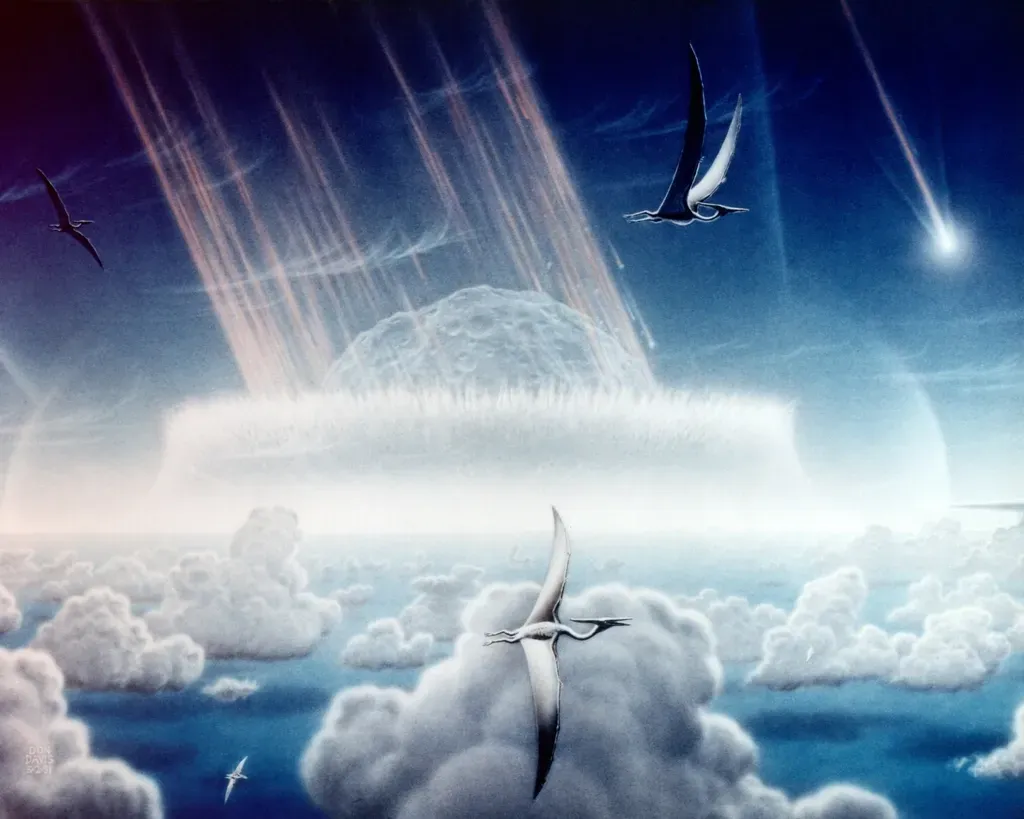
About 4.5 billion years ago, a Mars-sized body called Theia slammed into early Earth. The impact hurled debris into orbit, which coalesced into the Moon. This event stabilized Earth’s axial tilt, creating predictable seasons essential for life.[2]
The Moon’s gravity also stirs ocean tides, fostering coastal ecosystems over eons. Without this cosmic accident, Earth’s climate might swing wildly, hindering complex life. Rocks from both bodies mingle in the Moon’s crust, preserving the crash’s evidence.[2]
Vredefort Impact: Ancient Mega-Crater
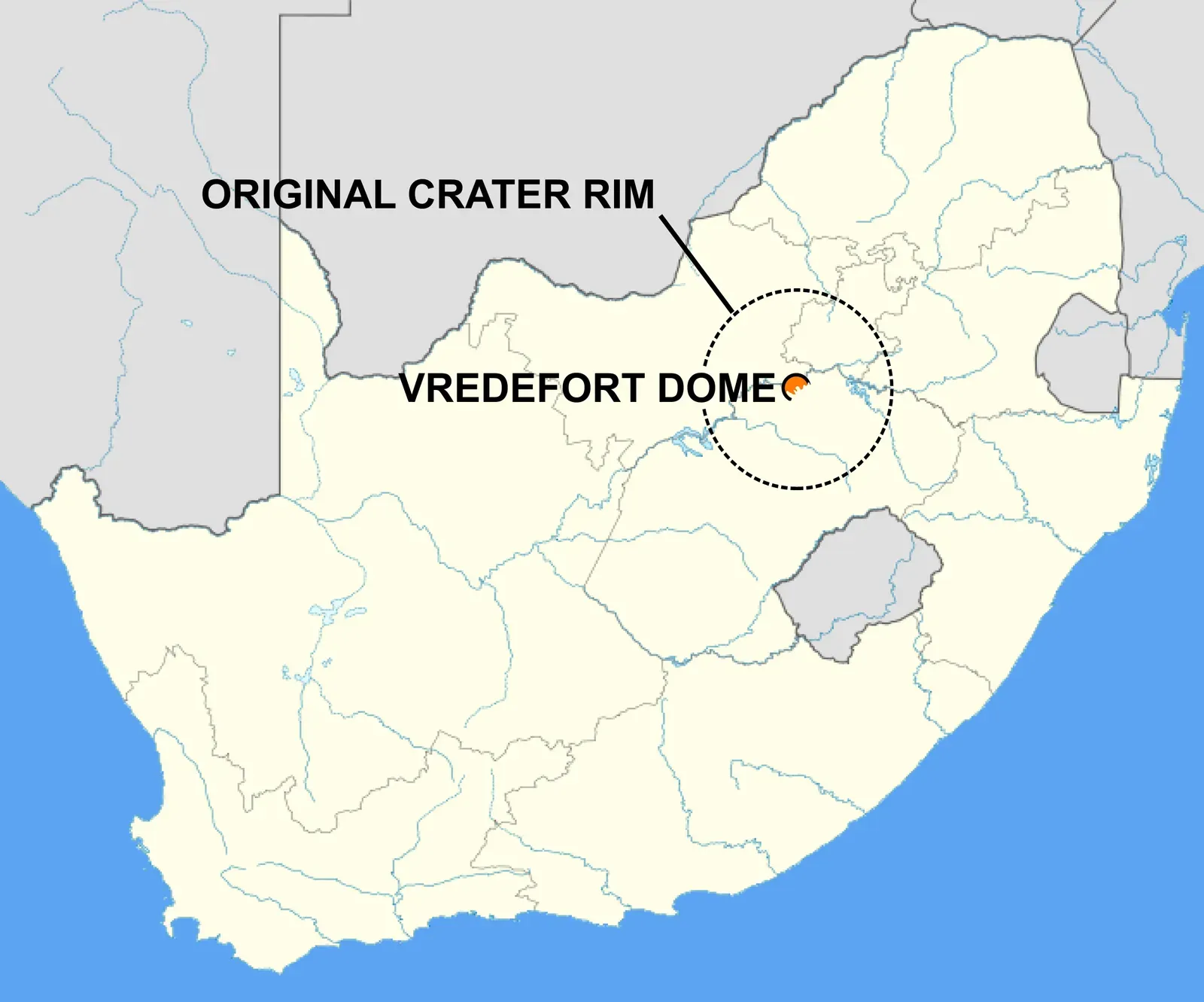
Roughly two billion years ago, a 10 to 15 kilometer-wide asteroid carved the Vredefort crater in South Africa, the largest verified on Earth at 160 to 300 kilometers across. The blast reshaped continents and injected heat into the crust, influencing regional geology for millions of years.[3]
This event occurred during a time of microbial life, possibly altering early atmospheres through vaporized rock. Seismic waves from the impact rippled globally, fracturing deep Earth layers. Today, the eroded dome exposes some of the planet’s oldest rocks, a testament to cosmic violence.[3]
Chicxulub Impact: Dinosaur Extinction
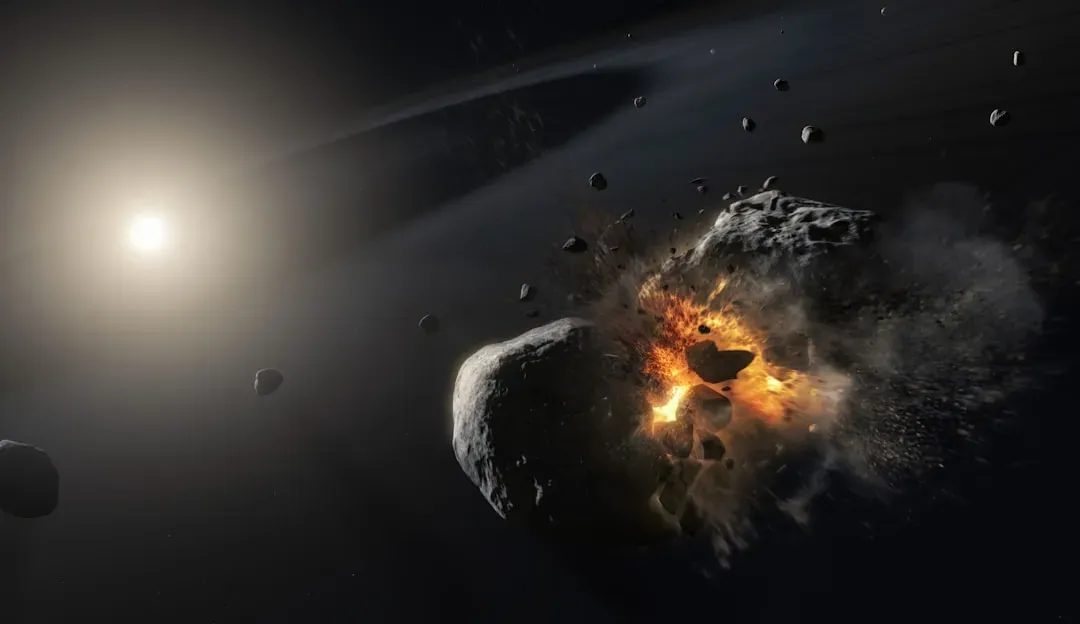
Sixty-six million years ago, a 10 to 15 kilometer asteroid struck Mexico’s Yucatán Peninsula, forming the Chicxulub crater. It triggered mega-tsunamis, wildfires, and a dust shroud that blocked sunlight, collapsing food chains worldwide. Nearly three-quarters of species vanished, paving the way for mammals.[1][2]
Sulfur aerosols cooled the planet for years, etched in rock layers globally. The iridium spike from the asteroid marks this boundary in sediments everywhere. This single strike reshaped evolution, setting the stage for humanity.[3]
Chesapeake Bay Crater: Oceanic Assault
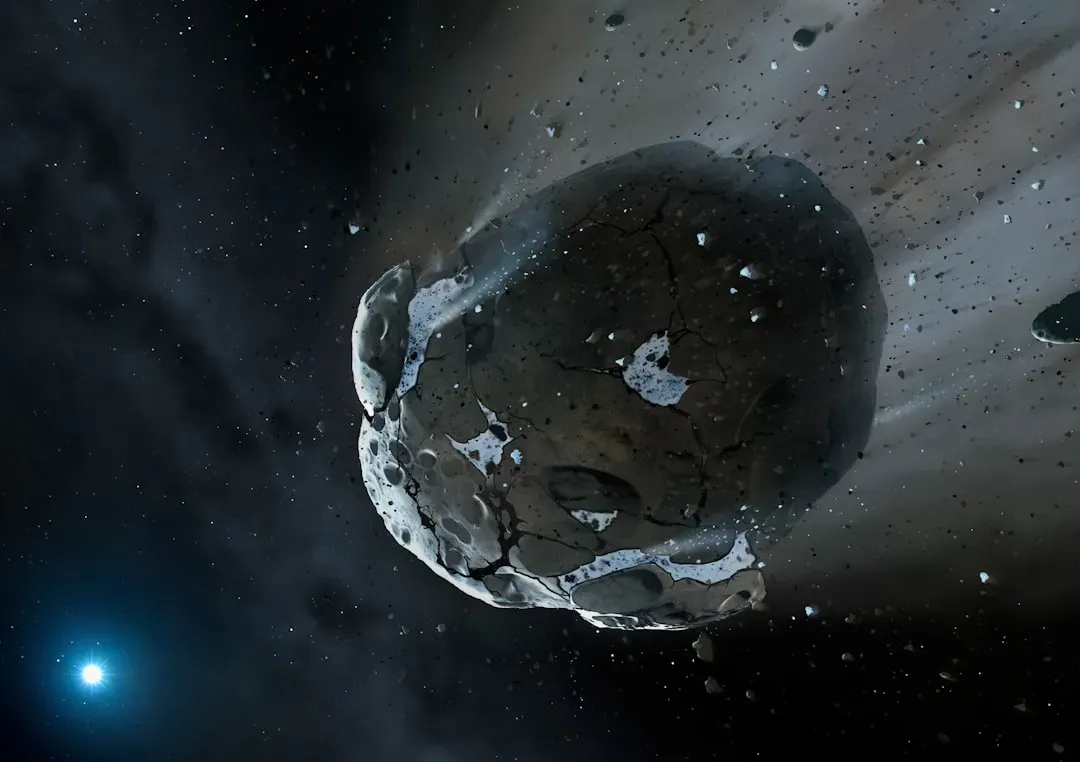
Thirty-five million years ago, a 5 to 8 kilometer asteroid plunged into the Atlantic near Virginia, excavating a 53-mile-wide crater. Tsunamis surged inland, reshaping coastlines and depositing debris far afield. Tektites, glassy impact beads, litter the seafloor as clues.[2]
The event disrupted Eocene marine life, with shocked quartz confirming the violence. Sediments filled the crater swiftly, preserving its structure beneath sediment. It stands as America’s largest known impact scar, highlighting ocean strikes’ subtlety.[2]
Tunguska Event: Airburst Over Siberia
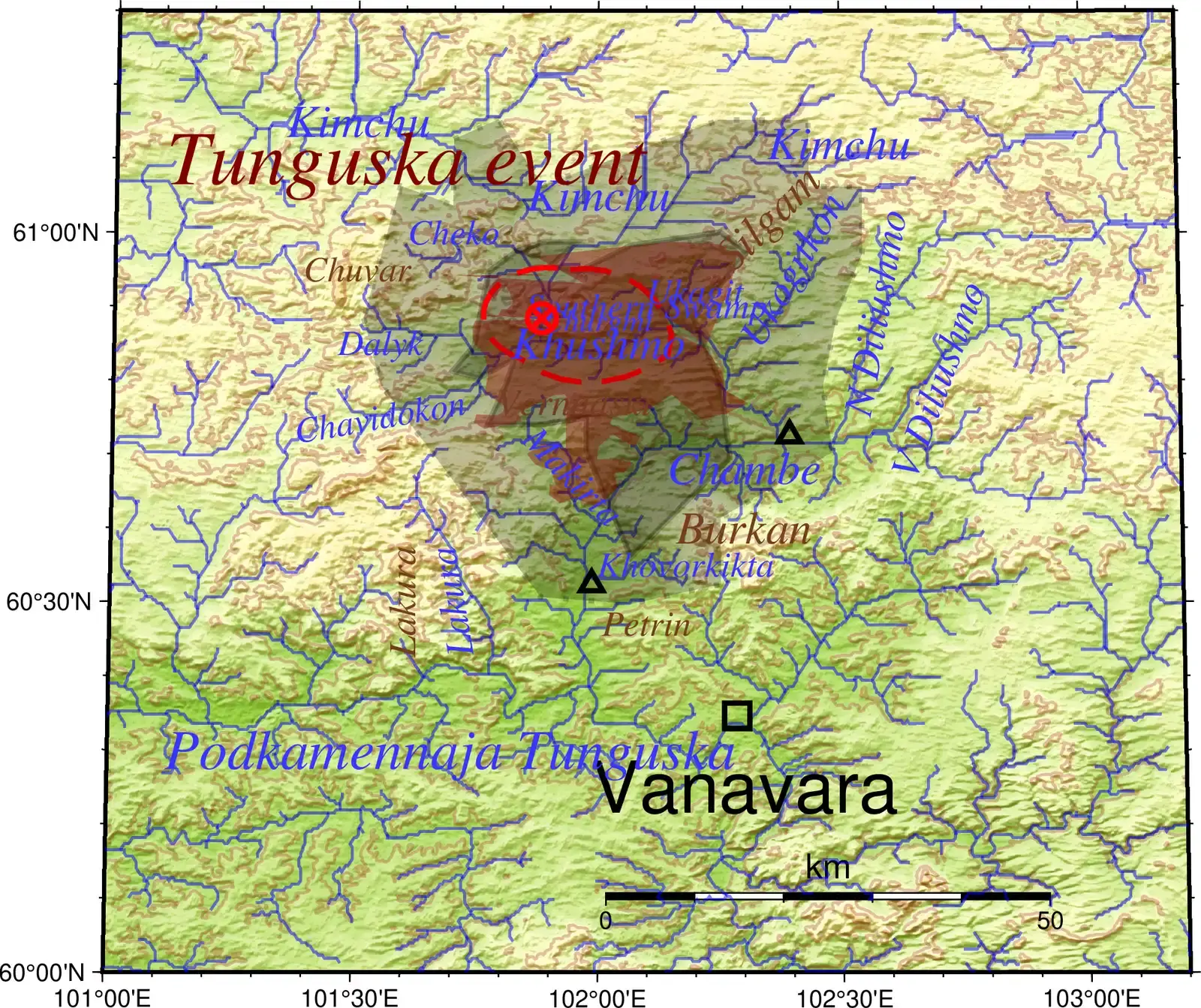
On June 30, 1908, a 30 to 100 meter object exploded 5 to 10 kilometers above Russia’s Tunguska region. The blast felled 80 million trees across 2,150 square kilometers, equivalent to a thousand Hiroshima bombs. No crater formed, but seismic stations worldwide registered the shock.[1][2]
Dust lingered, painting skies red and brightening nights. Remote location spared lives, though reindeer herds perished. Expeditions decades later found flattened forests, underscoring airbursts’ stealthy power over land.[1]
Carrington Event: Solar Storm Onslaught
September 1, 1859, saw the Sun unleash a massive coronal mass ejection, sparking the strongest geomagnetic storm recorded. Auroras danced over the tropics, and telegraph wires sparked, shocking operators and igniting papers. Currents flowed unplugged, scrambling messages.[4]
This event exposed technology’s vulnerability to space weather. Modern grids and satellites could face blackouts lasting weeks from a repeat. It marked humanity’s first brush with solar fury in the electric age.[4]
Chelyabinsk Meteor: Modern Wake-Up
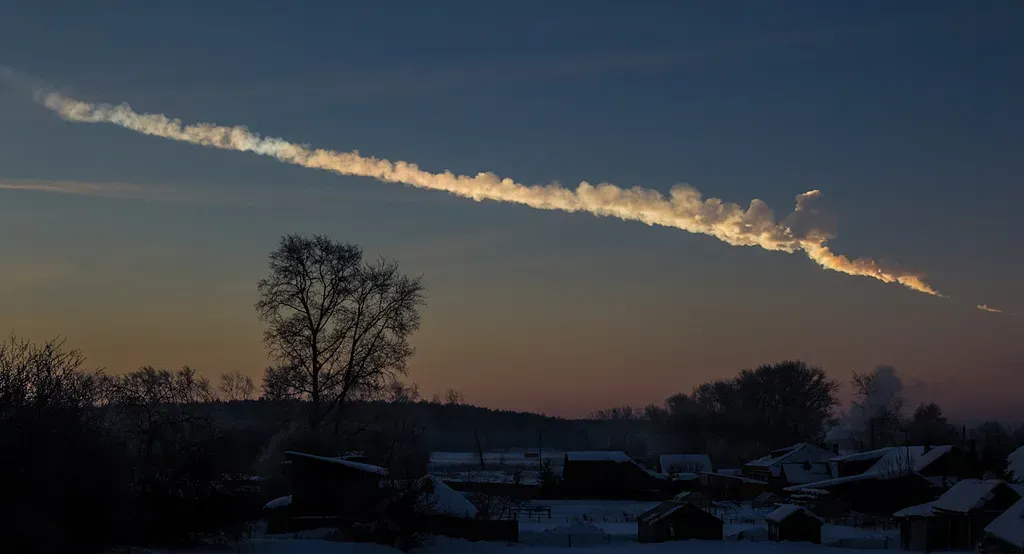
February 15, 2013, a 20-meter asteroid detonated over Russia’s Chelyabinsk, releasing 500 kilotons of energy. The shockwave shattered windows across cities, injuring 1,500 mainly from glass. Dashcam footage captured the blinding streak.[1][2]
Fragments plunged into a frozen lake, the largest 600 kilograms. It highlighted undetected threats, spurring NASA’s planetary defense efforts. No deaths occurred, but the blast rivaled small nukes, a stark reminder in the smartphone era.[1]
Apophis Flyby: 2029 Close Shave
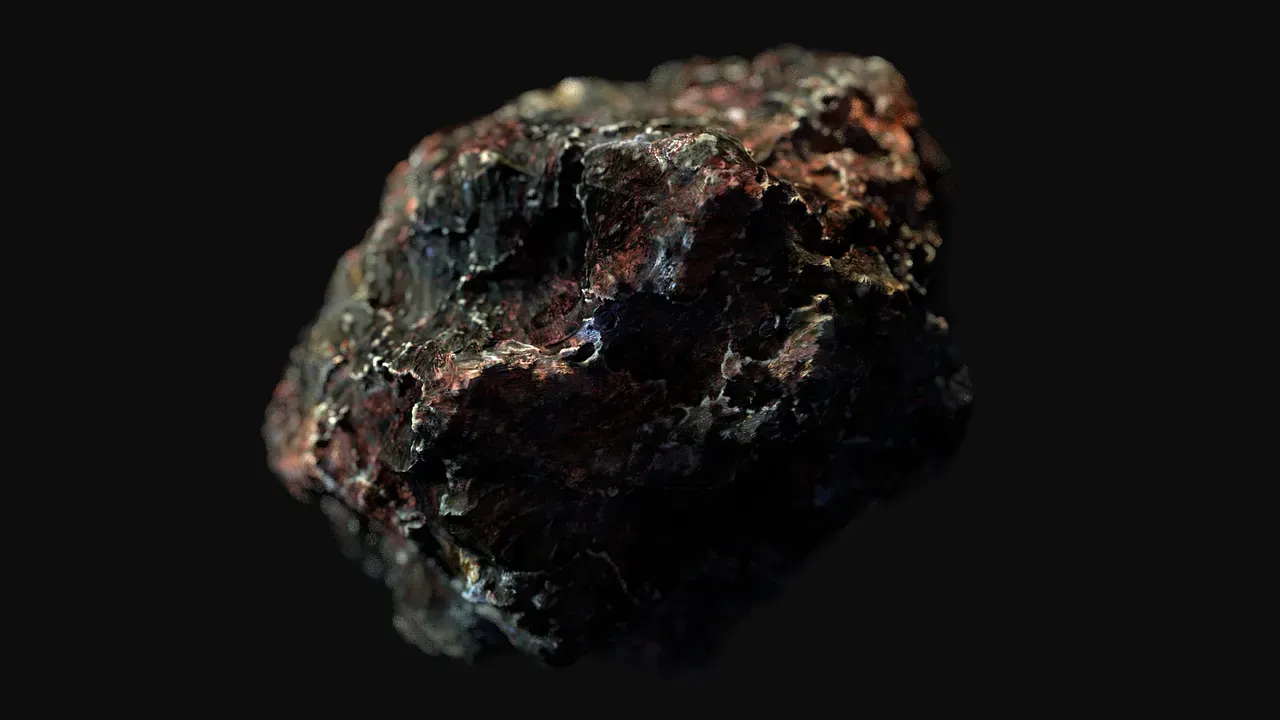
In April 2029, asteroid 99942 Apophis will zip within 31,200 kilometers of Earth, closer than many satellites. At 370 meters wide, it poses no impact risk but could alter its path via gravity. Telescopes worldwide will track this rare spectacle.[5]
The event tests deflection tech like NASA’s DART mission. Visible to the naked eye in dark skies, it captivates millions. Such flybys refine orbit predictions, safeguarding against future threats.[5]
Bennu Threat: 2182 Uncertainty
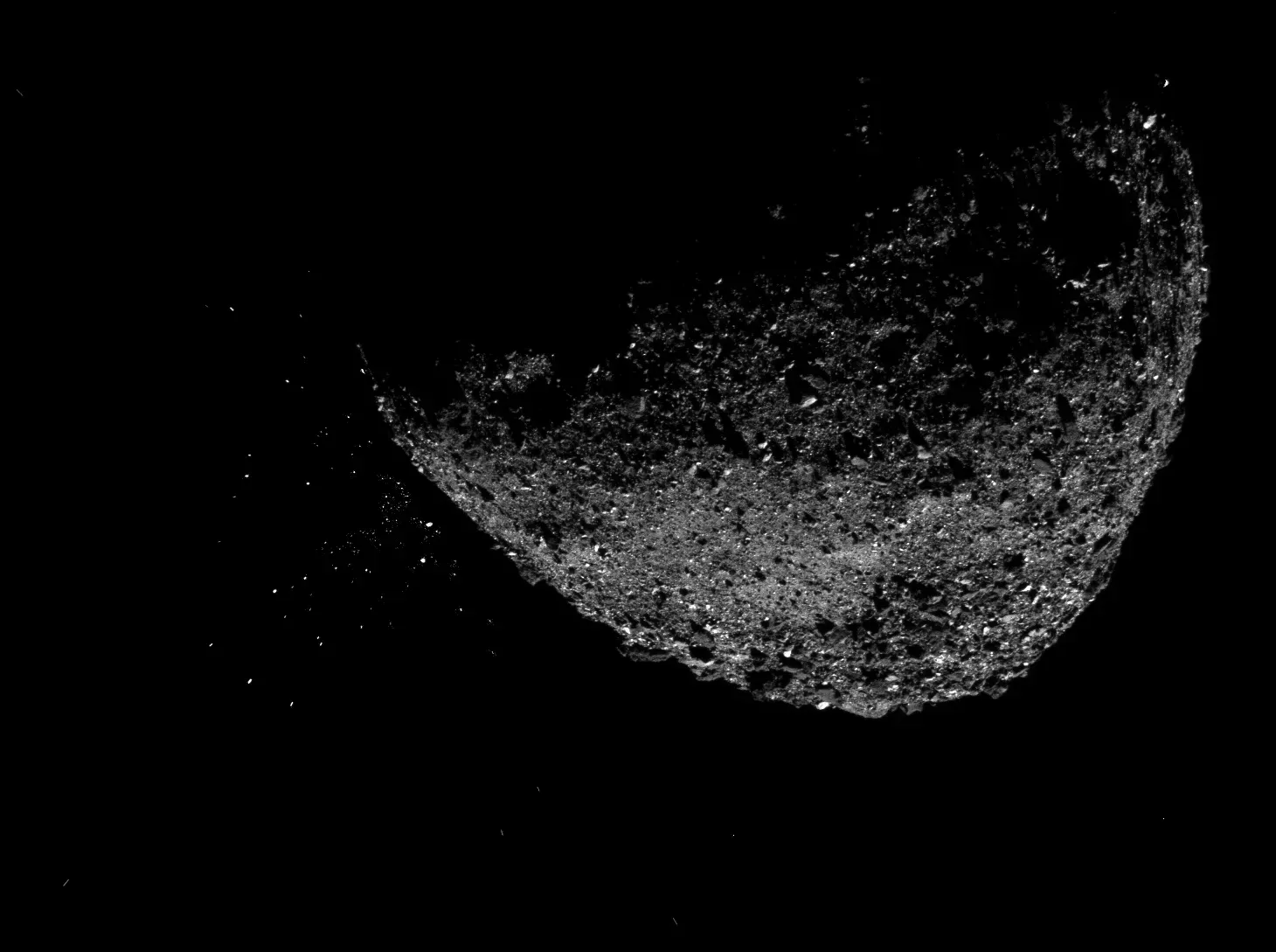
Asteroid 101955 Bennu holds a slim 0.04% chance of striking Earth on September 24, 2182. Sampled by NASA’s OSIRIS-REx, this 500-meter rock could unleash city-scale devastation if it hits. Ongoing monitoring narrows the odds yearly.[5]
Its carbonaceous makeup hints at water and organics delivered long ago. Missions like this build deflection strategies for descendants. Probability shrinks with data, yet it underscores long-term vigilance.[5]
1950 DA Impact Risk: Distant Shadow
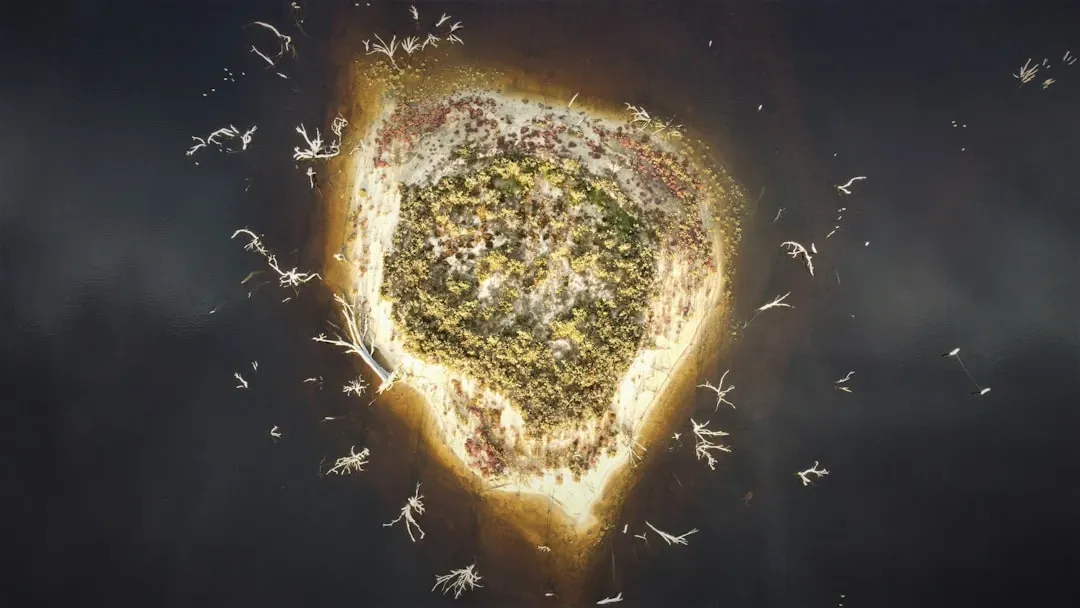
March 16, 2880, might see asteroid 29075 1950 DA collide, with a 1-in-8,300 odds. Roughly one kilometer across, an impact would rival Chicxulub in global effects. Radar observations refine its path over centuries.[5]
Its tumbling motion complicates predictions, demanding advanced tracking. Future tech could nudge it aside if needed. This far-off prospect drives today’s investments in space guards.[5]
Conclusion: Guardians of the Cosmos
These ten events span billions of years, from cradle-shaping crashes to tomorrow’s whispers of peril. They reveal Earth’s dynamic dance with the heavens, where destruction births renewal. Humanity now wields tools to foresee and perhaps forestall cosmic whims.
Gazing upward, we inherit both scars and stars. Preparedness turns threats into triumphs, ensuring our story endures amid the eternal void.