

Almost everyone has had that eerie moment of waking up from a dream that felt more real than real life. Your heart races, your palms might be sweaty, and for a split second, it is hard to remember which world you actually belong to. Then the day pulls you in, the dream dissolves, and you are left with a strange mix of curiosity and nostalgia for something that never really happened.
Dreams sit at this weird crossroads between science and soul. Neuroscientists can track brainwaves and map out sleep cycles, but they still cannot fully explain why your brain insists on running a nightly theater inside your head. I remember waking from a dream where I was calmly chatting with a childhood friend who has long passed away, and for the entire morning I felt as if I had actually visited him. That feeling of emotional truth, in a story your brain simply invented, is exactly what makes dreams so mysterious and so compelling.
The Sleeping Brain: What Happens When We Drift Off

Have you ever noticed how the world seems to slowly fade out and then, suddenly, it is morning? Under the surface, sleep is anything but quiet. Your brain cycles through different stages, from light drowsiness to deep, slow-wave sleep and finally into rapid eye movement, or REM sleep, where most vivid dreaming happens. Instead of shutting down, your brain is buzzing with activity, just in a different pattern than when you are awake.
During REM sleep, the parts of the brain involved in emotion and imagery light up, while regions responsible for logical decision-making go somewhat quiet. It is a bit like giving the keys of the car to your inner artist while your inner accountant takes a nap in the back seat. This mismatch between vivid sensory activity and lowered rational control helps explain why dreams can feel so intense, yet break every rule of logic and time without you questioning them until you wake up.
REM Sleep: The Stage Where Dreams Come Alive

One of the most surprising facts about REM sleep is how similar your brain activity can look to wakefulness. Researchers see fast, desynchronized brainwaves, rapid eye movements under closed lids, and bursts of neural firing in visual and emotional centers. Your body, however, is effectively paralyzed from the neck down, thanks to a safety switch in the brainstem that keeps you from acting out your dreams. It is as if the brain goes to the movies while the body is gently strapped into its seat.
Most people cycle through REM several times a night, with longer and more intense episodes in the early morning hours. That is why you are more likely to remember a dream if you wake up around dawn or just after an alarm interrupts REM. When I started keeping track of my own sleep, I noticed that the wildest, most cinematic dreams almost always came right before I had to get up, like my brain wanted to squeeze in one last strange episode before sending me back to reality.
Why We Dream: The Leading Theories
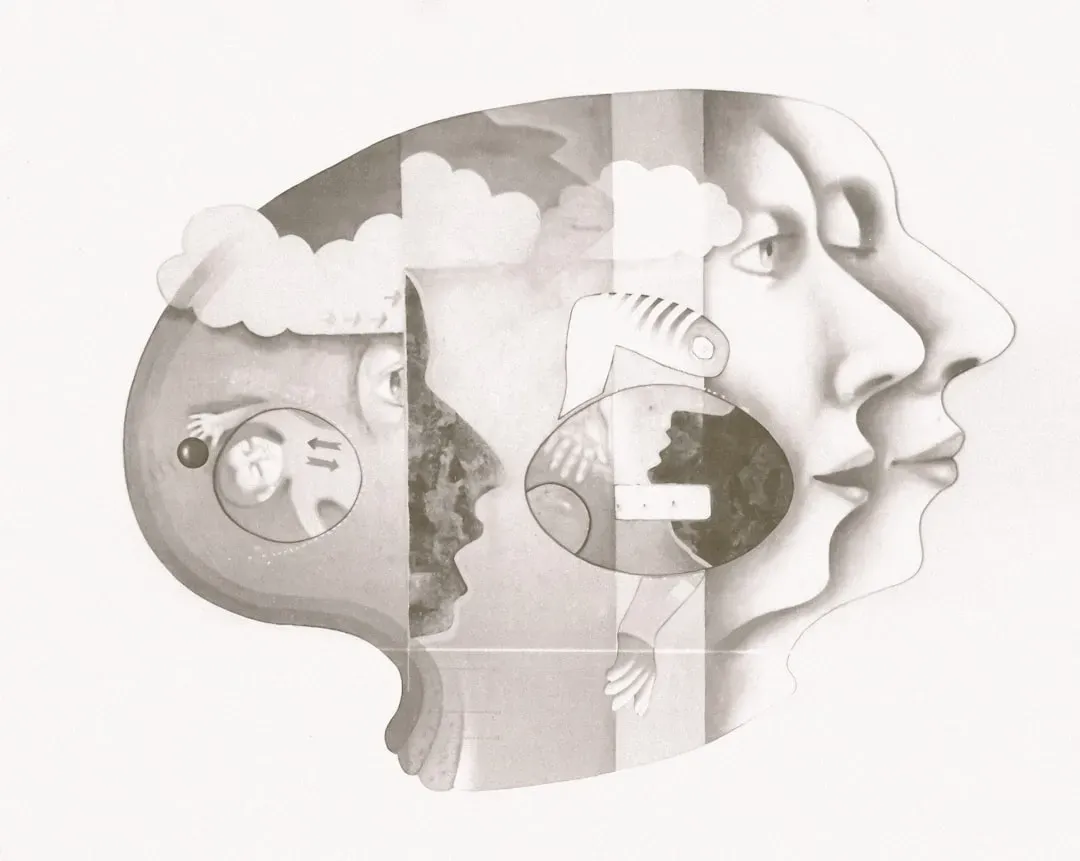
The honest answer to why we dream is that science has not nailed down a single, definitive explanation. Instead, researchers work with several overlapping theories, each capturing part of the truth. One idea is that dreams help the brain process emotions, replaying and reshaping experiences so they feel less overwhelming. Another suggests that dreams help consolidate memories, sorting through the day’s events and deciding what is worth keeping.
There is also a more evolutionary angle: dreams might serve as a kind of virtual training ground, letting us rehearse threats, social situations, or problem-solving in a safe, simulated space. Think of it like your brain running stress tests on your emotional and cognitive systems overnight. Personally, I have noticed that when I am wrestling with a tough decision, my dreams often spin out exaggerated versions of the same scenario, almost as if my mind is trying on different futures while the rest of me is asleep.
Dreams and Memory: Nightly Editors in Our Heads

Memory researchers often describe sleep as a kind of editing room, where the raw footage of your day is reviewed, clipped, archived, or tossed. During certain phases of sleep, especially deep sleep and REM, the brain replays patterns of activity that occurred while you were awake. Dreams may be the conscious side effect of this process, like accidentally seeing the behind-the-scenes montage instead of the finished movie.
You might notice this when you start a new skill, like learning a language or practicing a sport, and then dream about stumbling through phrases or repeating movements. Many people report that after a night of such dreams, the skill feels a little more natural the next day. Even though the science is still working out the fine details, the general picture is clear: sleep, dreams, and memory are tightly woven together, and skimping on sleep can quietly sabotage your ability to remember and learn.
Emotions in Dreams: Why They Feel So Intense

Dreams have a way of turning the emotional volume knob all the way up. A small disagreement becomes a screaming argument, a simple worry transforms into a full-blown catastrophe, and a minor crush suddenly feels like an epic love story. Brain imaging studies suggest that regions tied to fear, pleasure, and emotional significance become especially active during REM sleep, while the areas that would usually keep your reactions in check are less engaged.
This imbalance helps explain why you can wake up from a nightmare with your heart pounding, even when the plot seems absurd in the cold light of day. It also sheds light on why recurring dreams often revolve around unresolved emotional themes – being chased, failing an exam, losing someone, or arriving unprepared. In my own life, I have noticed that when I am ignoring stress or grief, it has a habit of resurfacing in my dreams, louder and weirder, as if my mind refuses to let the feeling go unprocessed.
Nightmares and Trauma: When Dreams Turn Dark

While most dreams are strange but harmless, nightmares sit at the darker end of the spectrum. They can be triggered by stress, illness, certain medications, or eating too close to bedtime, but they also show up more often in people who have experienced trauma. For some, these distressing dreams replay events with haunting detail; for others, the trauma shows up in symbolic, shifting forms that still carry the same emotional punch.
Interestingly, some therapeutic approaches now work directly with nightmares, helping people rewrite or rescript the frightening scenarios while awake. Over time, this can sometimes reduce the frequency or intensity of the nightmares, suggesting that the brain is not fixed in how it chooses to replay fear. It is a reminder that even though dreams can feel uncontrollable, our waking choices – seeking support, processing memories, learning coping tools – can gradually reshape what happens at night.
Lucid Dreaming: Waking Up Inside the Dream

Lucid dreaming is the rare but fascinating state where you realize you are dreaming while still inside the dream. For some people, that awareness simply means watching the dream unfold with a little more curiosity. Others learn to gently influence the storyline, flying over cities, visiting imagined places, or confronting recurring fears with a new sense of control. It is like suddenly finding out you have the remote control to your own inner cinema.
Research suggests that lucid dreaming blends features of wakefulness and REM sleep, with some higher-order brain regions becoming more active than in typical dreams. There are techniques people use to encourage lucidity – like reality checks during the day or keeping detailed dream journals – but success varies widely. I tried lucid dreaming for a while and only occasionally managed a fleeting moment of clarity, yet even that brief realization that the world around me was made of thought felt strangely liberating.
Recurring Dreams: Messages or Mental Loops?

Many people report having the same dream theme over and over across months or even years: teeth falling out, being late for an exam, wandering through an endless house, or trying to run while stuck in slow motion. From a scientific perspective, these recurring dreams likely reflect unresolved emotional patterns or ongoing stressors rather than hidden prophecies. The brain keeps returning to the same scenario because the underlying feeling has not been fully worked through.
That said, the personal meaning of a recurring dream can still be powerful. When you start paying attention, patterns emerge: the dream might flare up during career changes, family conflicts, or health worries, then fade when life feels more stable. In my case, I used to constantly dream of missing flights until I finally admitted to myself how anxious I was about letting people down. Once I addressed that head-on in my waking life, those airport panic dreams slowly lost their grip.
Sleep Disorders and When Dreaming Goes Off Track

For most of us, strange dreams are just part of the nightly show, but sometimes the machinery behind dreaming misfires. Conditions like sleep paralysis, REM sleep behavior disorder, or certain parasomnias can lead to frightening experiences where the boundaries between dreaming and waking blur. Someone might feel awake but unable to move, sense a presence in the room, or physically act out their dreams because the usual muscle paralysis fails.
These disorders remind us that dreaming is not just a poetic idea – it is a concrete biological process that can be measured, disrupted, and treated. If dreams routinely leave someone exhausted, injured, or terrified, it is not just a quirky personality trait; it is a reason to seek professional help. Understanding the science behind these conditions has already led to practical treatments, and it also underscores how delicate the balance of brain chemistry and sleep architecture really is.
Culture, Meaning, and the Temptation to Over-Interpret

Across history and cultures, people have seen dreams as messages from gods, ancestors, or the deepest parts of the self. Even in a scientific age, it is tempting to treat every dream as a coded message that needs decoding. The danger is that we can read too much into ordinary brain activity, forcing neat symbolic explanations onto something messier and more fluid. A dream about falling might not be an ancient omen; it might just be your brain playing with gravity and fear.
Still, that does not mean dreams are meaningless. They reflect what your brain is busy with – fears, hopes, half-formed thoughts, random memories – and sometimes that reflection can nudge you toward insight. The key is to hold dream interpretation lightly: curious, but not obsessed; open, but not gullible. In my own experience, a dream has rarely handed me a life-changing revelation, but it has often highlighted a feeling I was trying very hard to ignore when I was awake.
Can We Hack Our Dreams? What Science Is Exploring Next

In recent years, researchers have begun experimenting with ways to gently influence dreams from the outside. Soft sounds, scents, or cues delivered during certain sleep stages can sometimes shape the emotional tone or content of dreams. Early work in this area hints that it might one day help with nightmare treatment, memory enhancement, or even creative problem-solving. It is still early days, and the results are far from magical, but they show that the dream world is not completely sealed off.
At the same time, wearable sleep trackers and home devices have made people more curious about what happens at night, even if the consumer tech often oversimplifies the complex science. There is a risk of turning sleep into another performance metric to optimize, rather than a natural, restorative state. The most grounded advice still sounds almost disappointingly simple: protect your sleep, lower your stress, and your dreams will likely follow. Future research may give us new tools, but the fundamentals of a healthy sleeping mind remain surprisingly old-fashioned.
How to Build a Healthier Relationship With Your Dreams

The Photographic journal of America, 1920, Public domain)
You do not have to become a lucid dreamer or decode every symbol to make your dream life more supportive. A basic step is just to start remembering them: keeping a small notebook by your bed, jotting down a few brief lines when you wake, or telling a friend or partner about the most striking ones. Over time, this simple habit can make your dreams feel less like random noise and more like a natural extension of your inner world.
It also helps to treat disturbing dreams as signals rather than verdicts. If the same anxious themes keep showing up, ask gently what in your waking life feels similar, and what you might change to ease the pressure. When I began seeing my own nightmares as emotional weather reports instead of fate, they stopped feeling like enemies. You might not be able to fully control your dreams, but you can absolutely change the conditions under which they are born.
Conclusion: The Quiet Mirror of the Sleeping Mind

Dreams sit at the edge of what science can neatly explain and what still feels profoundly mysterious. We know far more than we did a century ago about brainwaves, REM cycles, and emotional processing, yet that moment of waking from a powerful dream still carries a kind of quiet awe. Your sleeping mind weaves together memory, emotion, and imagination into stories that vanish by breakfast, yet somehow leave fingerprints on your mood and decisions.
Maybe the most helpful way to think about dreams is as a mirror that works in soft focus. They do not predict the future or hand you easy answers, but they can reveal what your brain is wrestling with when you are too busy or guarded to notice. If you listen to them with curiosity instead of fear or obsession, they can become one more way of getting to know yourself. The next time you wake up from a strange, vivid scene, you might ask yourself: what is my sleeping mind trying to show me that my waking mind keeps looking away from?