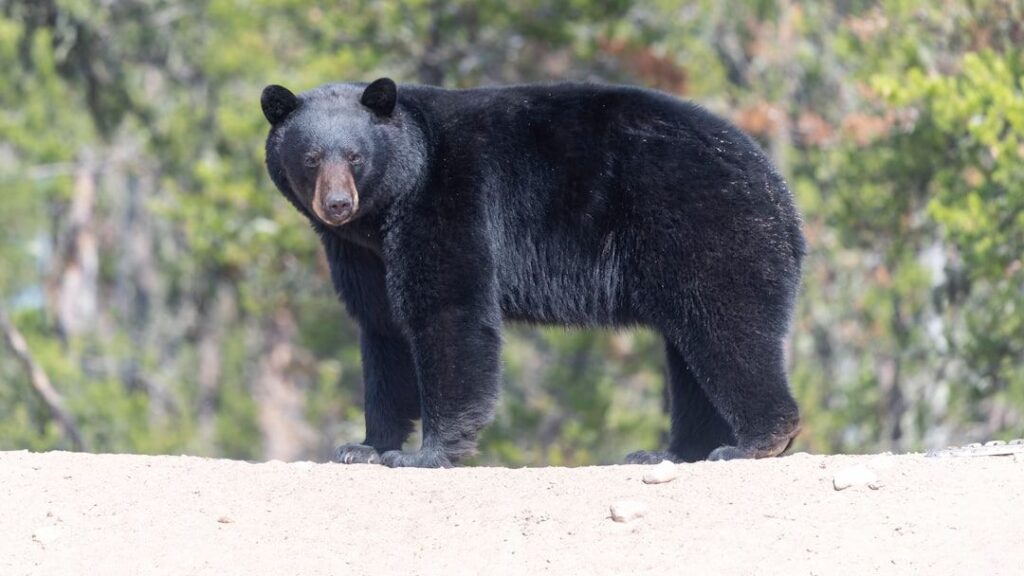
If you spend enough time in black bear country, you realize something quickly: you’re not just visiting their world, you’re walking through their living room. Some US states hold huge numbers of these animals, with healthy populations that quietly shape forests, campgrounds, and even suburban backyards. When you know where black bears are most common, you start to see maps differently, almost like wildlife heat charts instead of simple state outlines.
In this article, you’ll walk through the states most associated with black bears, what makes them so bear-friendly, and what that means for you if you live in or visit those regions. You’ll see how factors like forest cover, hunting regulations, food sources, and human development all collide to create real bear strongholds. Along the way, you’ll also pick up practical tips: where you’re most likely to run into one, how to avoid trouble, and how to read the land the way a bear might.
Alaska: The Wild Superpower Of Black Bear Country
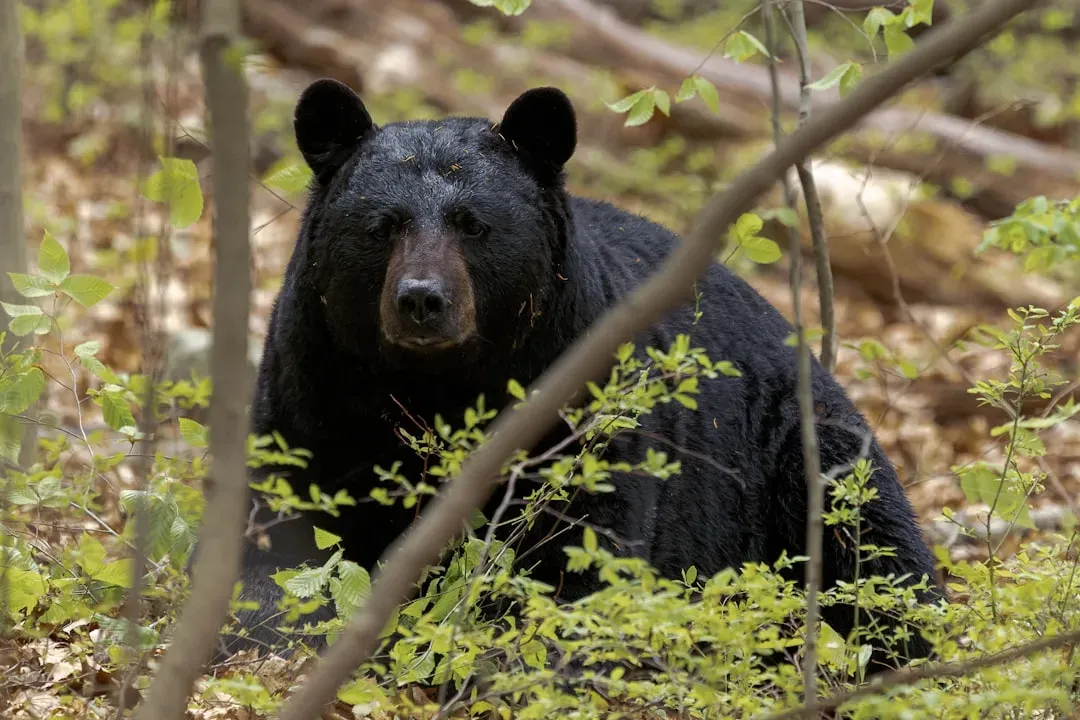
When you think about sheer wildness, Alaska usually lands at the top of your mental list, and black bears are a huge part of that story. You’re looking at a state with vast stretches of coastal rainforest, endless mountains, and thick timber where black bears thrive, often far from roads or people. While exact numbers are tough to pin down because of the remote terrain, wildlife managers generally estimate a large, robust population spread across much of the state’s forested areas. You’re not just dealing with a lot of bears; you’re dealing with a lot of space for them to disappear into.
If you travel through Southeast Alaska, especially along the coastal zones and islands, you’re solidly in black bear stronghold territory. Fishing streams choked with salmon, berry-filled slopes, and relatively mild coastal climates give bears a long, productive season to feed and pack on fat. For you, that means extra care with food storage, especially in small communities and remote cabins where a single cooler on a porch can feel like a dinner bell. Alaska shows you what happens when low human density and high-quality habitat line up: bears become a normal part of the backdrop.
Maine: The East Coast’s Black Bear Giant
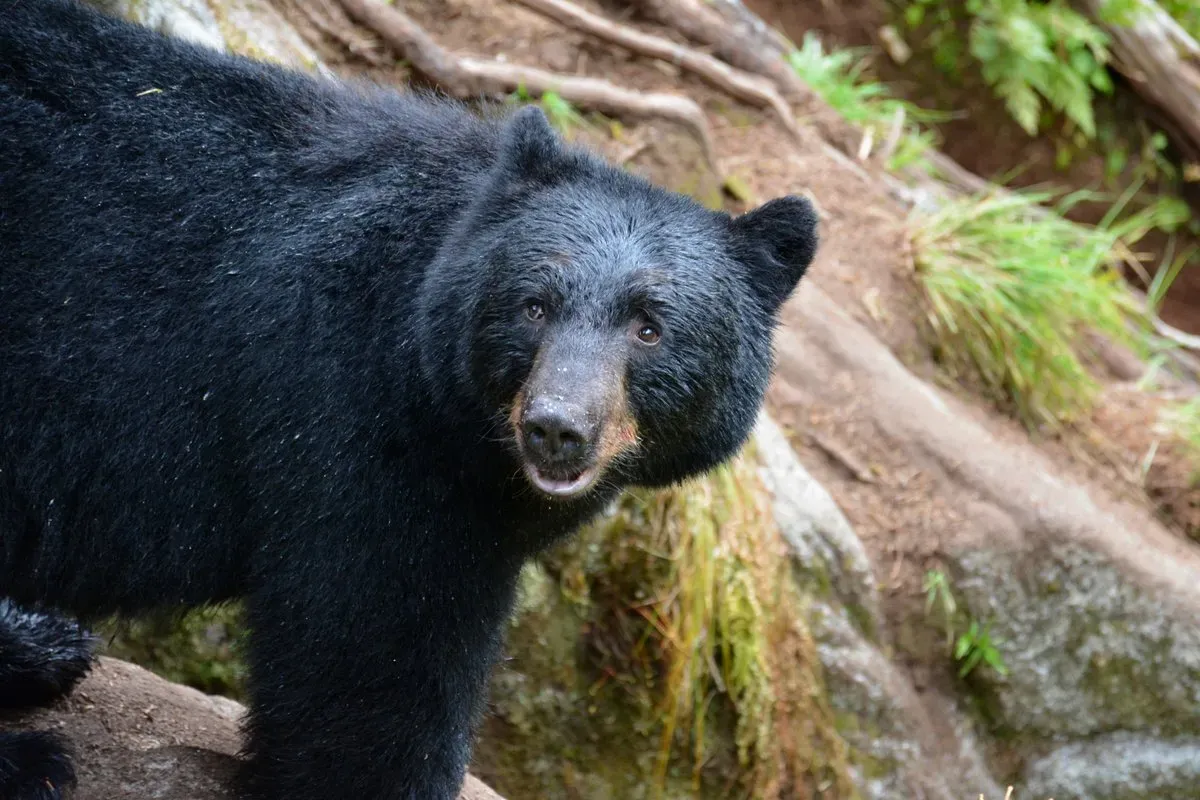
If you had to guess which state in the eastern US holds , your first thought might be somewhere in the Appalachians, but Maine quietly dominates that list. A massive portion of the state is heavily forested, with big commercial timberlands, remote dirt roads, and huge tracts of spruce and hardwoods that create ideal cover. Biologists recognize Maine as having one of the largest black bear populations in the lower forty‑eight, with bears spread across most of the state except the more heavily settled southern and coastal zones. When you drive inland, you’re practically entering a bear landscape by default.
For you as a visitor or resident, that means black bears are deeply woven into everyday outdoor life: hunting seasons are carefully managed, baiting (where legal) is tightly regulated, and camp owners pay close attention to cabins, trash, and game coolers. If you spend time in northern or western Maine, especially around lakes and remote camps, you’re sharing the same space where bears roam for berries, insects, and carrion. Living or vacationing there nudges you into better habits – like securing garbage, cleaning grills, and storing food properly – because if you don’t, a curious bear might teach you the hard way.
Pennsylvania: A Surprising Powerhouse In The Northeast
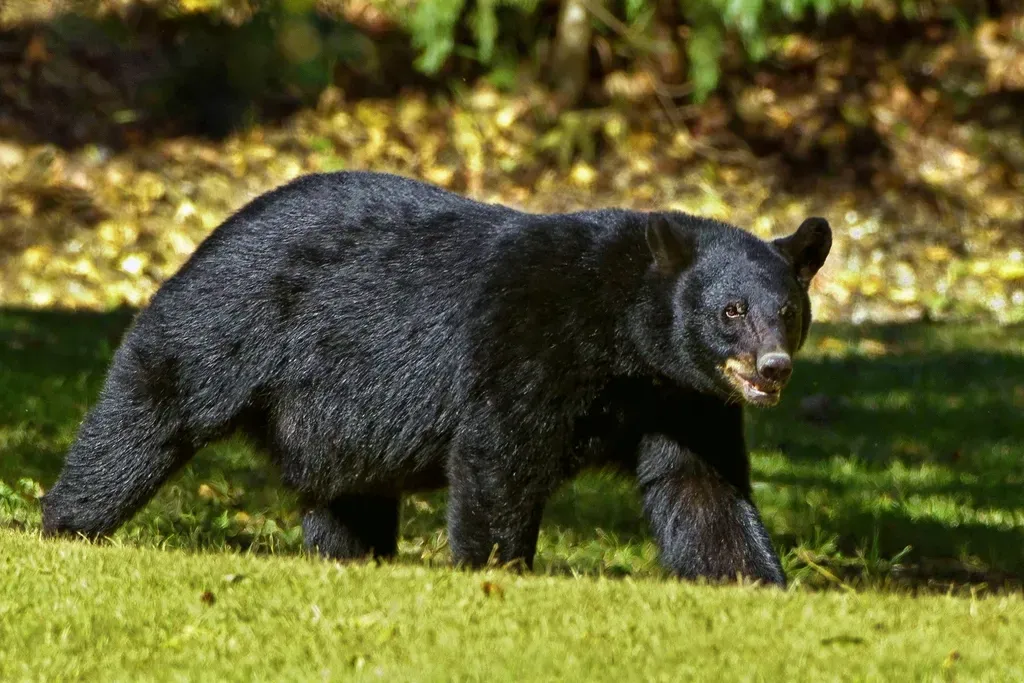
At first glance, Pennsylvania might not strike you as a black bear heavyweight, especially when you picture its cities and interstates, but its forests tell a different story. Large portions of northern and central Pennsylvania are thickly wooded, with rolling ridges, state forests, and game lands that create perfect bear habitat. Over recent decades, careful management and regrowing forests have allowed the bear population to expand and stabilize, making the state one of the standouts in terms of bear numbers east of the Mississippi. You end up with a blend of wild country and small towns where bear sightings are not rare at all.
If you hike or hunt in Pennsylvania’s big forest blocks, especially in the north-central region, you’re in some of the best black bear habitat on the East Coast. Bears move along ridges, feed on mast crops like acorns and beechnuts, and sometimes wander near rural communities looking for easy meals. Because of that, Pennsylvania has become known for both large bears and fairly consistent encounters, especially during hunting seasons and fall food shortages. For you, that means being mindful not only in backcountry campsites but also at suburban bird feeders and garbage cans, where a hungry bear can appear overnight like an uninvited neighbor.
New York: More Bears Than You Might Expect
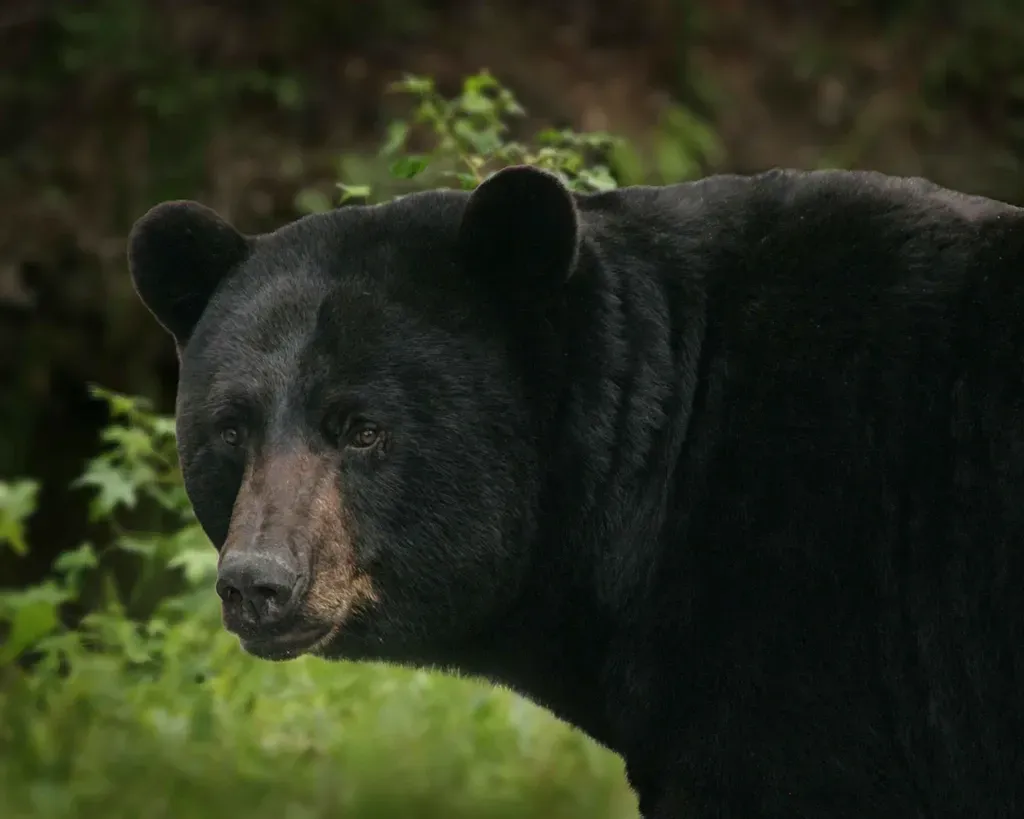
When someone mentions New York, your brain probably jumps to skyscrapers and subways, not black bears, but the state holds a notable and growing bear presence. Large populations live in the Adirondacks, Catskills, and parts of the Southern Tier, where big forested regions provide the food and cover bears need. Over time, improved habitat conditions and regulated hunting have helped the population expand into new areas, including some places that are surprisingly close to human development. You might never see a bear from Times Square, but a few hours’ drive north puts you squarely in bear country.
If you spend time hiking in the Adirondacks or camping in the Catskills, you’ll see how normal bear precautions have become part of everyday outdoor routines. Backcountry campers use bear canisters, hang food, and treat a left-out snack the same way you might treat leaving a door wide open at home. Bears, for their part, have learned to cruise campsites and suburban edges for easy calories, especially when natural food sources are patchy. For you as a visitor, understanding that mix of wild and developed land helps you avoid conflicts and also makes bear sightings feel less like a freak occurrence and more like a predictable part of the ecosystem.
North Carolina: A Coastal And Mountain Stronghold
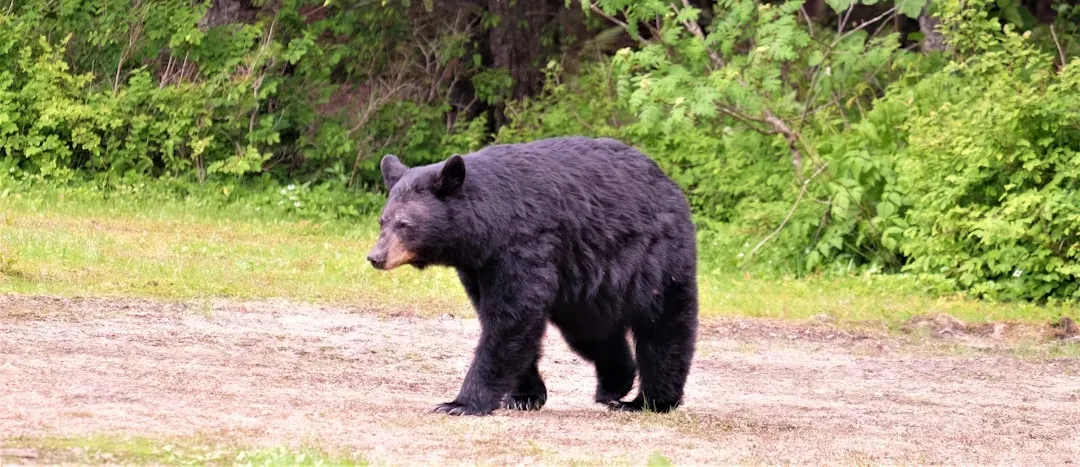
North Carolina gives you an interesting split: thriving black bear populations in both its coastal plain and its western mountains. The coastal region, with its swamps, farms, and thick bottomland forests, supports some remarkably dense bear populations, especially in areas with large wildlife refuges and rich food sources. In the west, the Appalachian Mountains and the forests around the Great Smoky Mountains create another stronghold, with rugged terrain and plenty of natural forage. You end up with a state where bears are not just tucked away in one remote corner but present across very different landscapes.
If you drive through coastal North Carolina, you might see bear crossing signs near farm fields or wildlife areas, which hints at how common they really are. Farmers sometimes deal with crop damage from bears, while coastal communities have learned the importance of managing trash, livestock feed, and even backyard birdseed. In the mountains, hikers and campers encounter bears frequently enough that proper food storage is drilled into nearly every park brochure and trailhead sign. For you, whether you are fishing in the east or hiking in the west, it means treating black bears as routine neighbors rather than rare visitors.
Wisconsin: A Northern Forest Haven
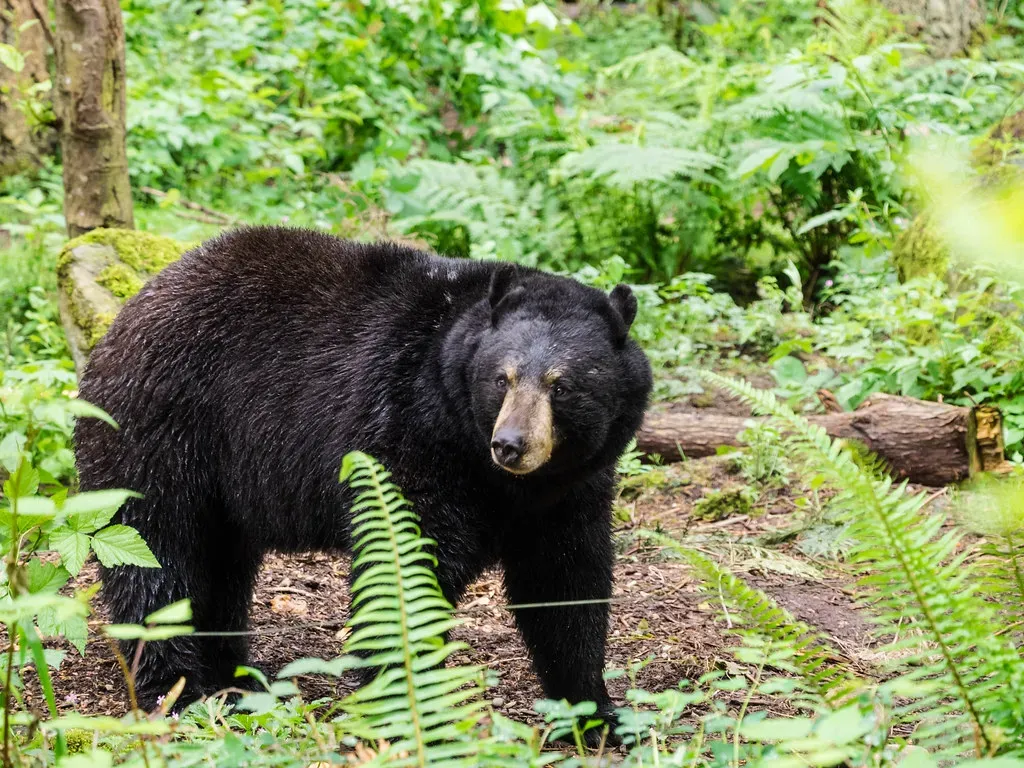
When you look at a map of Wisconsin, your eyes might go to the lakes first, but the northern part of the state is also a classic black bear stronghold. Dense forests, rugged terrain, and relatively low human population create an ideal mosaic of cover and food. Bear numbers have been carefully monitored and managed for years, and the population has expanded well beyond the farthest northern fringe into central regions. If you spend time in the Northwoods, you’re in territory where it’s perfectly normal to see bear tracks on sandy roads or scat along berry-filled clearings.
For you as a camper, angler, or cabin owner, this means black bear awareness is simply part of living or vacationing in northern Wisconsin. Hunters and wildlife managers pay close attention to baiting regulations, harvest limits, and habitat conditions to keep the population healthy and stable. Residents learn quickly that unsecured trash, pet food, or fish remains can draw bears into backyards or camp driveways. When you visit, treating your cooler, grill, and garbage like high-value bear magnets is one of the easiest ways to avoid those tense late-night encounters.
Michigan: Upper Peninsula And Beyond
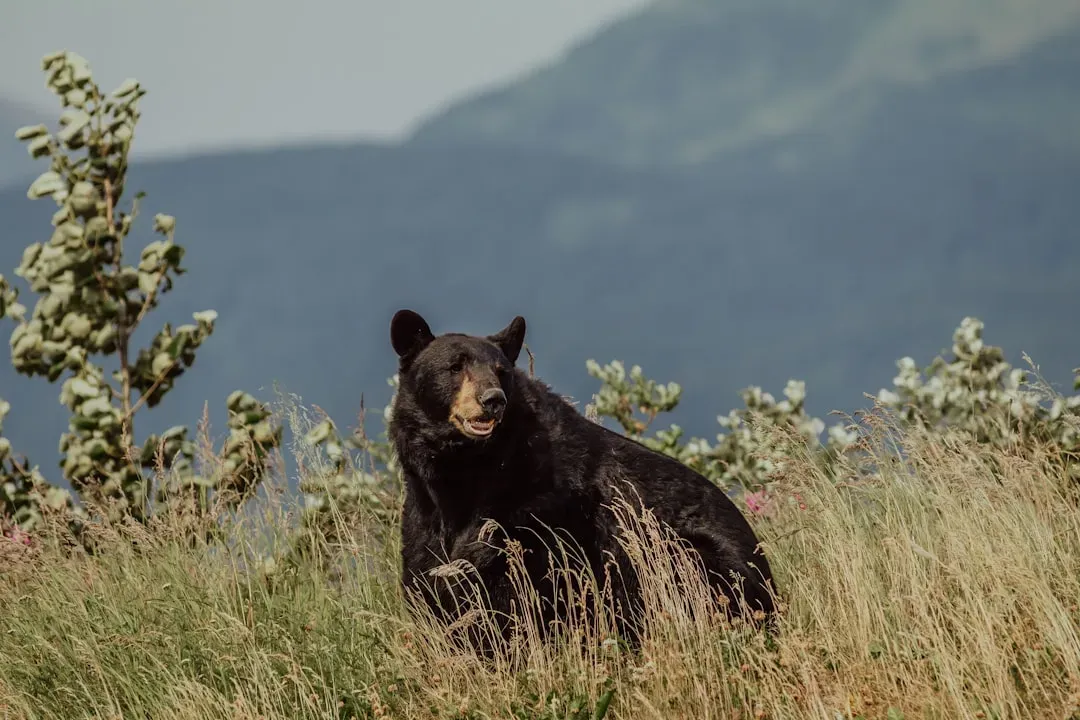
Michigan’s Upper Peninsula (the U.P.) is one of those places where you can drive for miles under thick forest canopy and never see a major town, and that is exactly the sort of landscape black bears love. The U.P. holds a large share of the state’s bear population, with extensive public and private forests, swamps, and low human density. Over time, bears have also established and maintained populations in parts of the northern Lower Peninsula, creating a two-part distribution across the state. If you roam those regions, you are walking through some of the Midwest’s most reliable bear habitat.
For you, that means black bears are a realistic part of both backcountry trips and cabin weekends near lakes or hunting camps. Michigan’s bear management strategies, including controlled hunting seasons and close monitoring, are aimed at keeping populations healthy while limiting conflicts. Still, if you leave garbage accessible, store fish remains carelessly, or keep pet food on a porch, you are offering a powerful incentive for a bear to come closer. When you treat every food smell like a broadcast signal, you start thinking the way a bear might, and that mindset goes a long way toward peaceful coexistence.
New Jersey: Small State, Big Bear Presence
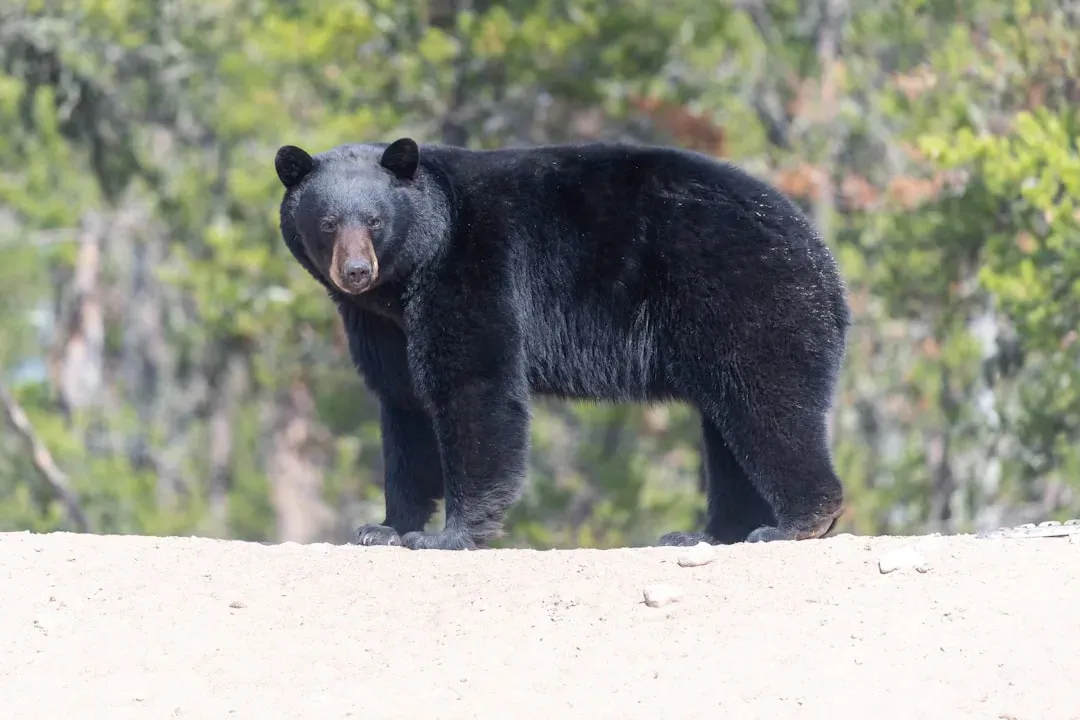
New Jersey might be one of the most surprising entries on any list of states with lots of black bears, simply because people tend to associate it with dense suburbs and highways. Yet the northern part of the state, with its forests, hills, and connected green spaces, has supported a growing and notable bear population. Over the years, as habitat improved and bears rebounded, sightings became more common not just in remote areas but also in residential neighborhoods. You end up with a compact state where bears and people live in much closer proximity than many residents ever expected.
If you live or travel in northern New Jersey, you might hear about bears raiding bird feeders, checking out garbage cans, or wandering through backyards captured on home security cameras. For you, that means you can’t rely on the old assumption that bears only live far away in remote mountains. Being smart about attractants – locking up trash, bringing in feeders, cleaning grills – is not just a rural concern but a suburban one too. New Jersey shows you how black bears can adapt quickly to fragmented landscapes, and how important it is for people to adjust their habits just as fast.
Living Safely And Respectfully In Bear Country
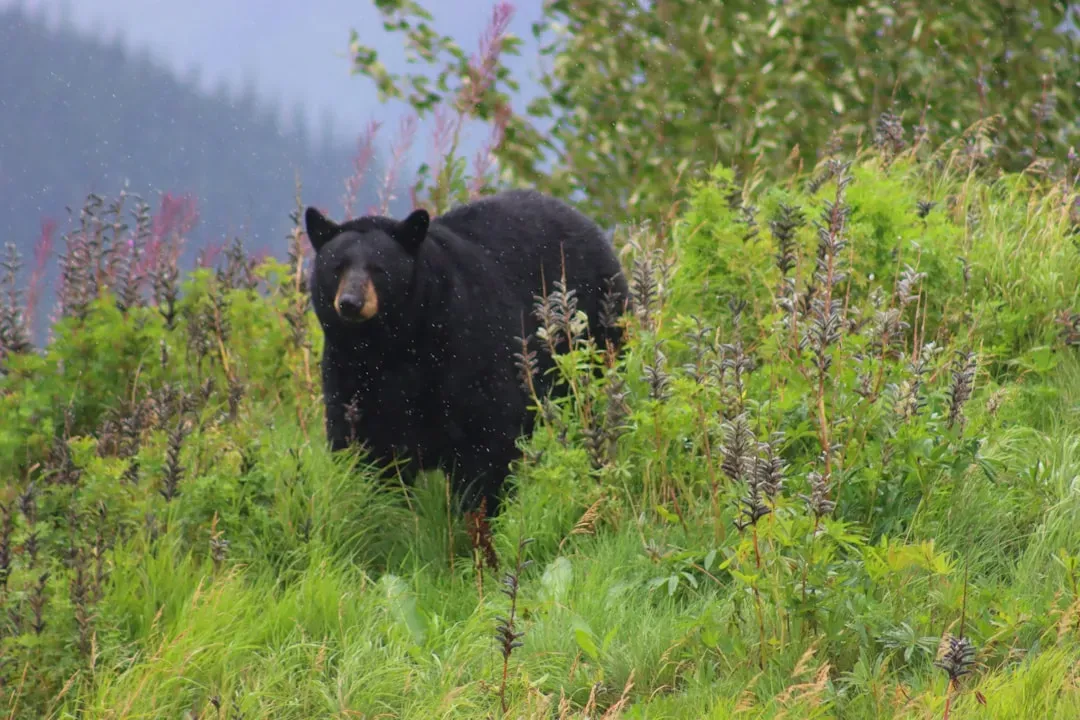
When you step back and look at these states together, a pattern starts to emerge: where there are big forests, decent food sources, and somewhat manageable human pressure, black bears find a way to thrive. Whether you are hiking in Alaska, camping in Maine, or grilling in a New Jersey backyard, the core lessons barely change. You keep food locked away, secure your trash, avoid feeding wildlife, and give any bear you see plenty of space. If you treat bears as powerful, curious animals instead of cartoon characters or monsters, your risk of conflict drops dramatically.
The real takeaway for you is that sharing space with black bears is not about fear; it is about respect and awareness. These states with the most bears are living examples that people and large wild animals can coexist when both sides are given room and clear rules. As forests regrow in some regions and human development expands in others, you are likely to see more overlap between your world and theirs. The question is not whether black bears belong there – they do – but how you choose to behave in their home. Knowing that, what will you do differently the next time you step into bear country?