

You walk past them every day without giving them a second thought. They’re beneath your feet, coating your skin, residing in your gut, even floating through the air you breathe. Yet, these microscopic beings are hardly insignificant. They’re among the most powerful forces on Earth.
I know it sounds crazy, but the real architects of our planet aren’t the towering trees or the mighty blue whales. They’re organisms so small you’d need a microscope just to catch a glimpse. While we go about our daily routines, oblivious to their presence, they’re busy regulating the atmosphere, cycling nutrients, influencing our moods, and essentially making life as we know it possible. The story of microbes is a story that’s been unfolding for billions of years, and honestly, we’re only just beginning to understand how deeply our fates are intertwined with theirs.
The Ancient Engineers of Our Atmosphere
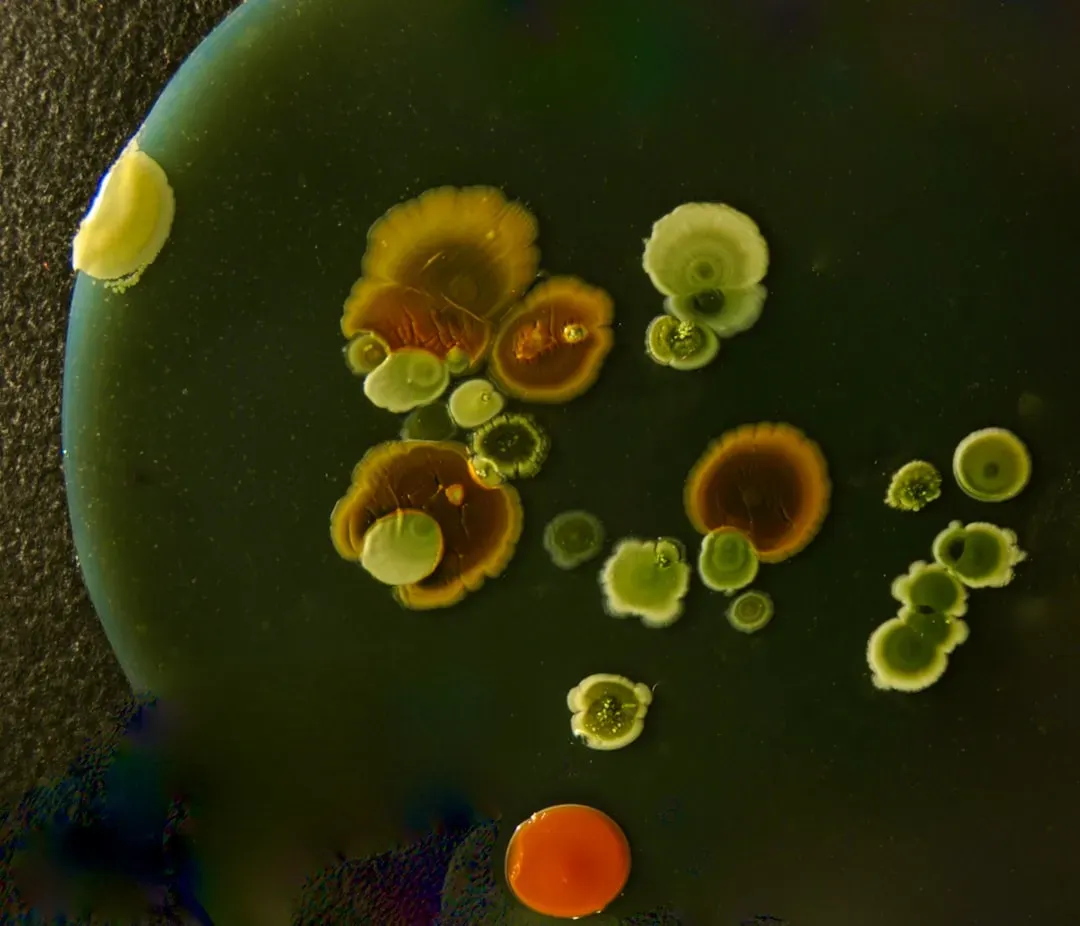
Life on Earth began with simple microorganisms in shallow water environments, and over time, these tiny organisms reshaped the planet in enormous ways, including helping fill the atmosphere with oxygen. Think about that for a moment. Every breath you take is a gift from ancient bacteria that transformed a toxic, oxygen-free world into one where complex life could flourish.
Microorganisms have shaped our planet and its inhabitants for over three and a half billion years. Before plants even existed, microbes were hard at work photosynthesizing, releasing oxygen as a byproduct, and fundamentally altering Earth’s chemistry. Without these early pioneers, we simply wouldn’t be here. Scientists are now identifying more than 16,000 new species each year, and many species remain undiscovered, especially insects and microbes.
Climate Controllers Hidden in Plain Soil
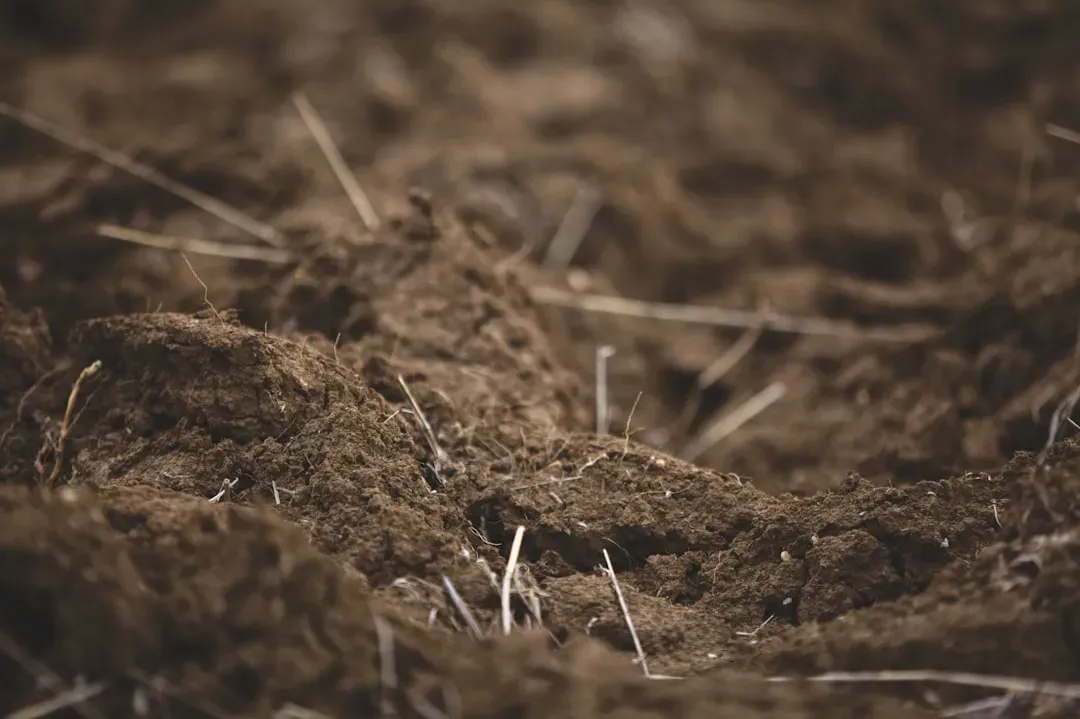
Though individually small, microbes greatly influence climate change through nutrient cycling and greenhouse gas production and consumption. The soil beneath your feet isn’t just dirt. It’s a thriving metropolis of microbial life, buzzing with activity that directly affects the global climate.
Mycorrhizal fungi allocate around thirteen gigatons of carbon dioxide a year to soil fungi around the globe, equal to roughly one third of annual global emissions from fossil fuels. Let’s be real, that’s staggering. These underground networks are carbon storage heroes working silently to stabilize our climate. Microbes with slower growth rates are surprisingly efficient in using carbon, allowing them to store more of this key element in the soil, which enhances the ability to predict how microbes impact changes to the global carbon cycle.
Soil bacteria also play fascinating roles. One group of bacteria, Actinomycetes, can produce a filamentous structure that stores carbon underground and can survive extreme conditions. Meanwhile, soil microbes can be harnessed to make ecosystems more resilient to climate change, with certain microbial communities providing protection against pathogens for plants or conferring resilience to ecosystems after droughts.
Ocean Microbes: The Invisible Carbon Pump
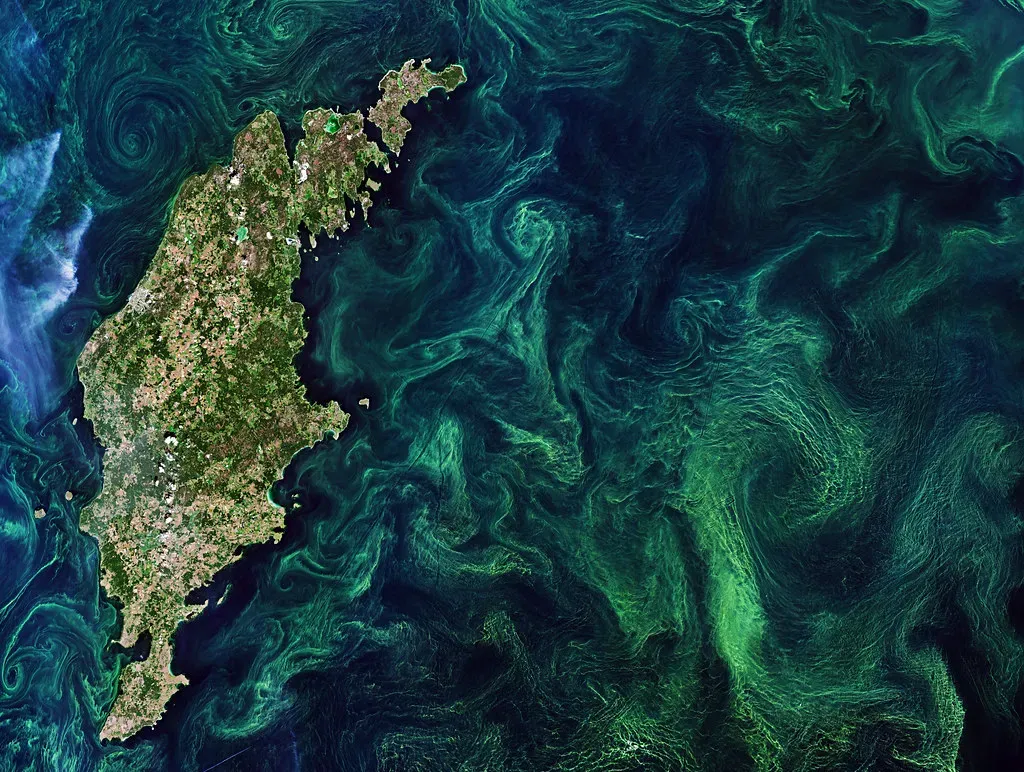
Here’s the thing about the ocean: what you see on the surface is only a fraction of the story. Below those waves exists an intricate microbial world that’s absolutely critical to our survival. Although phytoplankton account for less than one percent of the photosynthetic biomass on Earth, they contribute almost half of the world’s total primary production. Half! That’s as much as all terrestrial plants combined.
Without the biological carbon pump, the atmospheric carbon dioxide concentration would be twice as high as the current concentration. These microscopic algae floating near the ocean surface absorb carbon dioxide through photosynthesis, and when they die, they sink, carrying that carbon to the deep ocean where it can be stored for centuries. This biological carbon pump transfers about ten gigatonnes of carbon from the atmosphere to the deep ocean each year.
Recycling bacteria play an important role in regulating how much of the planet’s carbon dioxide is stored in the oceans. It’s a delicate balance. Warming ocean waters threaten to disrupt these microbial communities, which could have cascading effects on the entire carbon cycle.
Your Personal Microbiome: A Hidden Organ
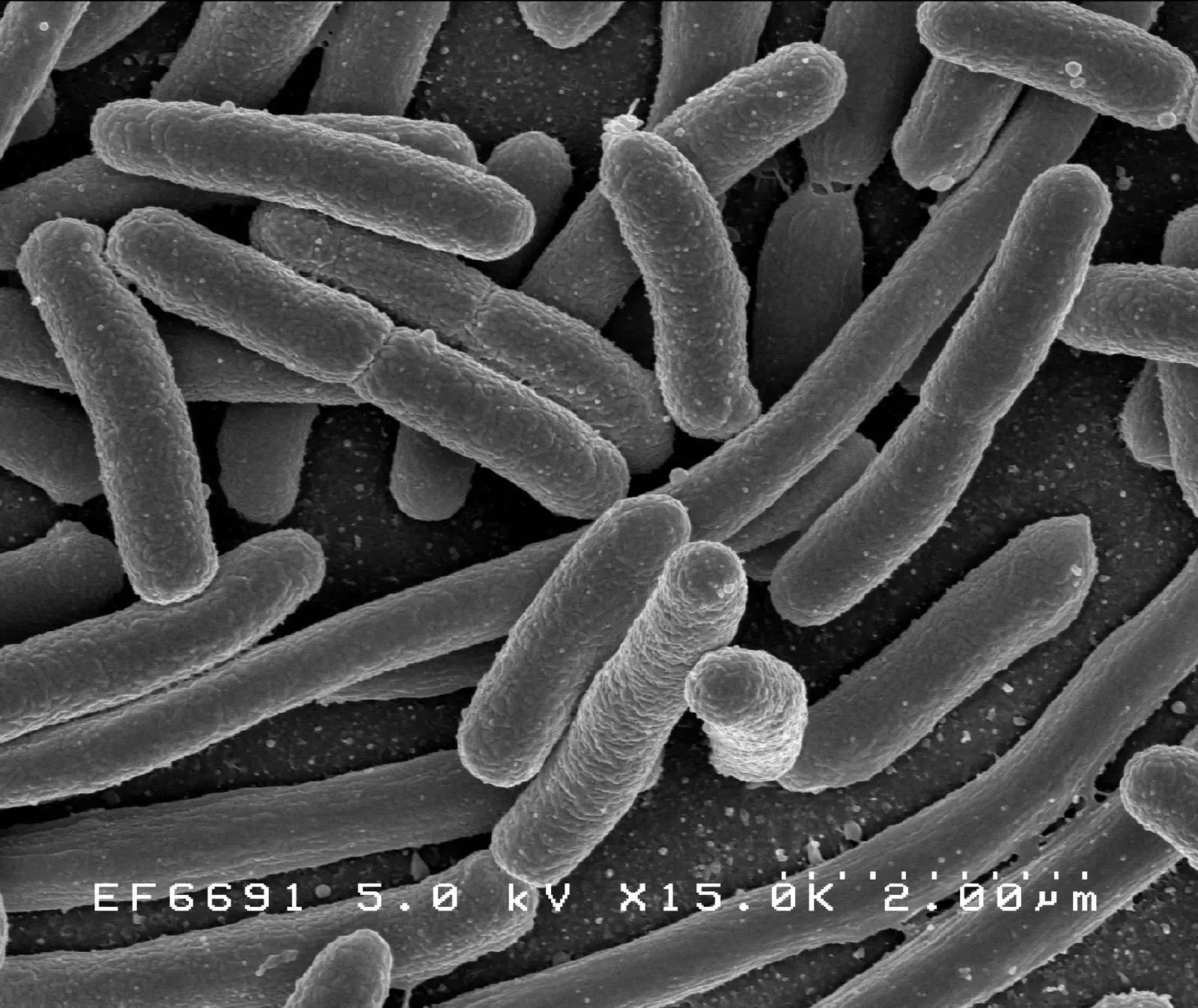
Microbes, which include bacteria, fungi, archaea, and viruses, inhabit our body and form complex ecosystems, and it is estimated microbes outnumber human cells by ten to one. You’re not just you. You’re a walking ecosystem, a collaborative effort between human cells and trillions of microscopic residents.
The human microbiome is the collection of microbes and their associated genes that live on or inside the human body, and the microbial communities are considered as unique to each individual as their fingerprints. We have a personal microbiome that is incredibly important for our own metabolic and immune health, with metabolic and immune health also greatly affecting our microbiome. Your particular mix of microbes influences everything from how you digest food to how your immune system functions.
The Gut-Brain Highway You Never Knew Existed
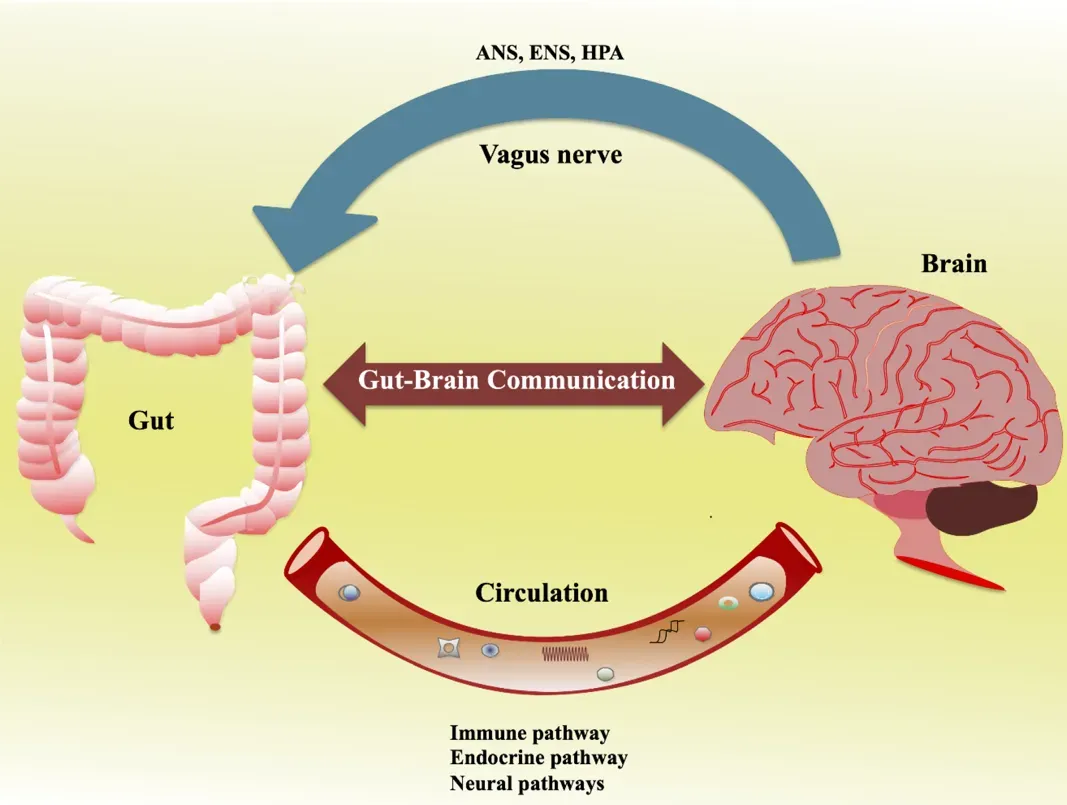
This one really surprised me when I first learned about it. The bidirectional communication between the central nervous system and gut microbiota, referred to as the gut-brain axis, has been linked to causing several mental illnesses including anxiety and depression. Your gut bacteria are essentially chatting with your brain, influencing your mood, emotions, and even behavior.
Gut microbes produce or help produce many of the chemical neurotransmitters that convey messages between your gut and brain, and they also produce other chemicals that can affect your brain through your bloodstream. When your gut microbiome is out of balance, it doesn’t just cause digestive issues. Several gut microbiota, especially Firmicutes and Bacteroidetes, affect mental health through the microbiota-gut-brain axis, and gut microbiota dysbiosis can be related to mental disorders.
The gut provides approximately ninety-five percent of total body serotonin, and although serotonin has roles in the intestines, it is capable of activating nerve endings connected directly to the central nervous system. It’s hard to say for sure, but this connection might explain why what we eat has such a profound effect on how we feel.
Agricultural Allies in a Changing World
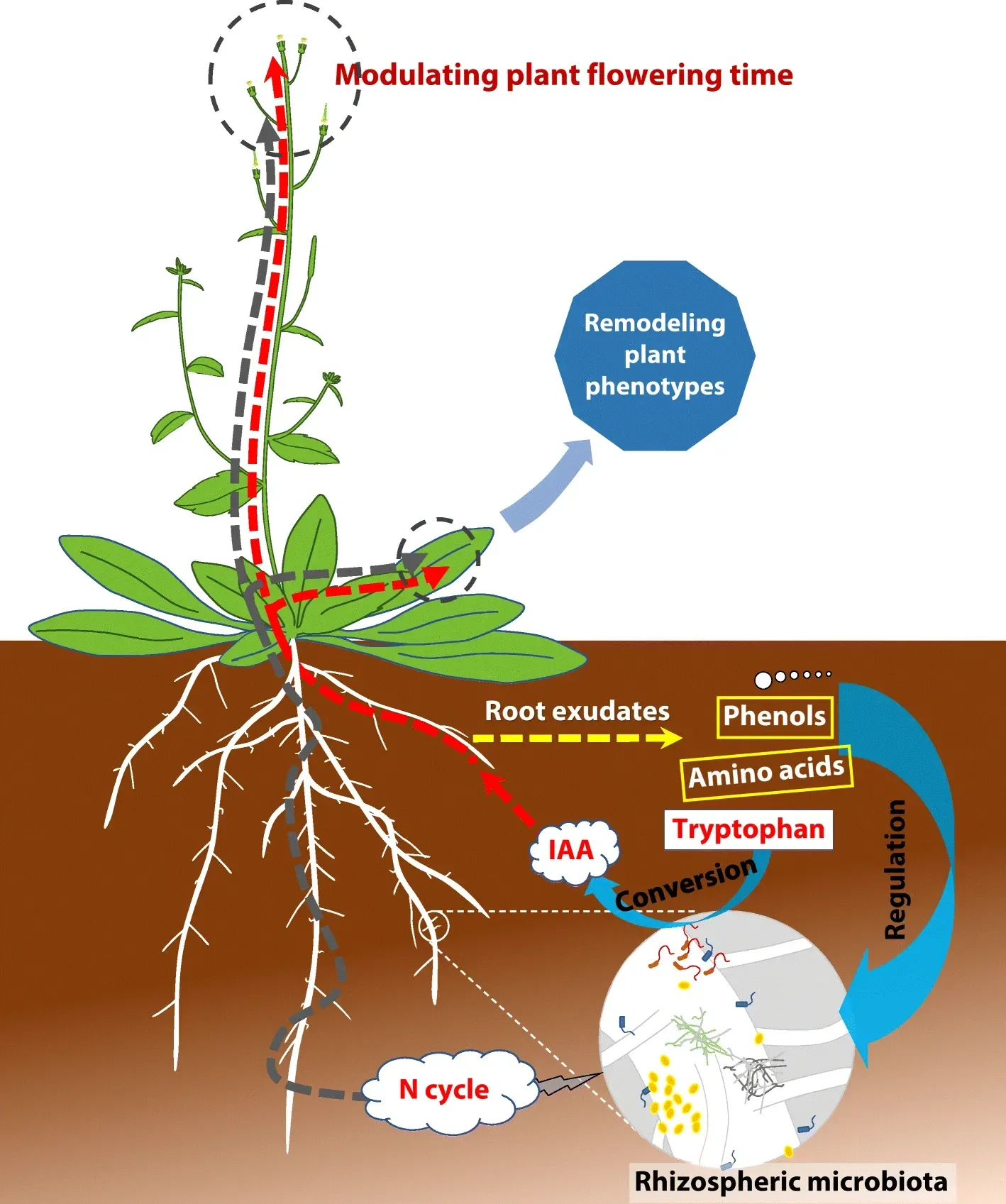
Microbes can improve plant resilience to environmental stressors, as plants attract stress microbiomes through chemical signals, which allows plants to adapt to conditions such as drought. In an era of climate uncertainty, these microbial partnerships could be the difference between crop failure and food security.
Soil microbes drive nutrient turnover needed for crop growth and can make crops more resilient to environmental stress. They fix nitrogen from the atmosphere, making it available to plants. They break down organic matter, releasing essential nutrients. Methanotrophs, which are bacteria and archaea that consume methane, are being investigated for their ability to reduce emissions when introduced to methane-producing systems.
The potential applications are exciting. Farmers could use specific microbial treatments to help crops withstand drought, resist disease, or grow in degraded soils. It’s like having an invisible workforce tirelessly supporting agriculture from beneath the ground.
Disease, Diversity, and the Microbial Balance

Not all microbial stories are positive, though. Microbial dysbiosis is associated with the onset and progression of many diseases such as inflammatory bowel diseases, obesity, metabolic disorders, and mental disorders. When the balance tips, problems emerge. Overuse of antibiotics, poor diet, chronic stress – all these factors can disrupt our microbial communities.
People with Type 2 diabetes showed a less stable and less diverse microbiome. Diversity seems to be key. A high gene count microbiome group had a decreased risk of both metabolic disease and obesity, with important functions including increased butyrate producing organisms. The more varied your microbial community, the more resilient your health appears to be.
As the environment changes, so do microbes, and microbes’ fast growth rates, large population sizes and ability to share genetic information allow them to adapt quickly to environmental variability. This adaptability is both a blessing and a concern, as pathogens can also evolve rapidly in response to changing conditions.
The Future Written in Microscopic Code
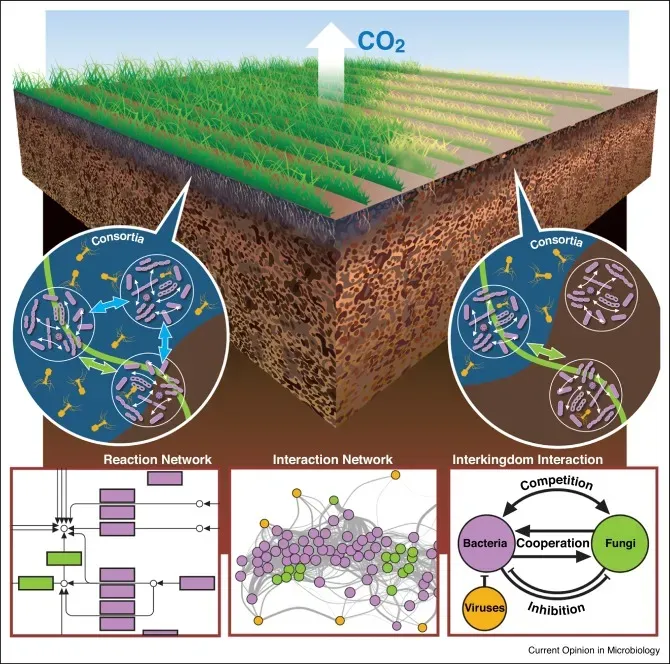
Microorganisms are essential to achieving the United Nations Sustainable Development Goals, as they play key roles in biochemical processing of elements, synthesizing new materials, supporting human health, and facilitating life in managed and natural landscapes. The implications are profound. From climate mitigation to disease treatment, from agriculture to mental health, microbes are central players.
A coordinated, cross-disciplinary effort is required to understand, predict, and harness microbiome function. We’re entering an era where we can potentially engineer microbial communities to solve some of humanity’s greatest challenges. Imagine custom probiotics tailored to your specific health needs, or microbial treatments that could sequester carbon more efficiently than any technology we’ve devised.
The science is moving fast. Researchers are developing new tools to study these invisible ecosystems in unprecedented detail, revealing connections we never imagined. Yet, with all this knowledge comes responsibility. We must consider the ethical implications of manipulating these ancient life forms and tread carefully as we learn to work with, rather than against, the microbial world.
Conclusion
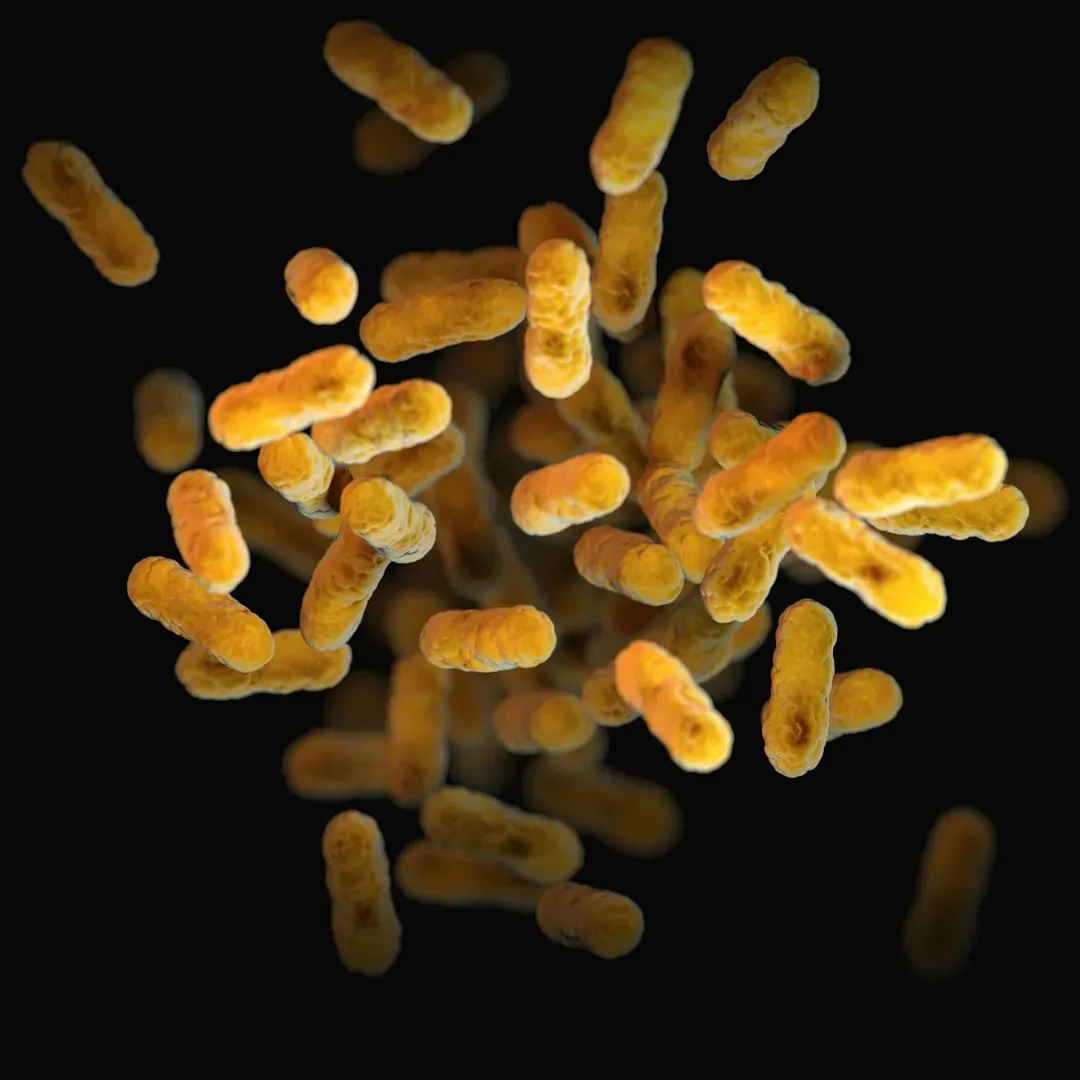
The invisible world of microbes surrounds us, sustains us, and in many ways, defines us. From the oxygen we breathe to the thoughts we think, from the crops we grow to the climate we’re struggling to stabilize, microbes are there, working tirelessly in the background. They’ve been here for billions of years, long before humans arrived, and they’ll likely be here long after we’re gone.
What’s remarkable is how much we’ve learned in just the past few decades, and how much more there is to discover. Every new study reveals another layer of complexity, another unexpected connection between these tiny organisms and the world we inhabit. As we face the challenges of the 21st century, from climate change to public health crises, perhaps the solutions we seek have been right under our noses – or rather, right inside our guts – all along.
Did you ever imagine that your mood, your health, and even the air you breathe depended so heavily on creatures you can’t even see? What do you think about our invisible microbial partners? Tell us in the comments.