You live next to a star that is quietly shaping your entire existence, yet most of the time you barely notice it. The Sun rises, sets, and you go about your day, forgetting that this familiar yellow disk is a nuclear powerhouse that will one day transform so dramatically that Earth itself may not survive. Thinking about the Sun’s far future is a bit like looking down from a great height: dizzying, unsettling, and strangely addictive.
When you zoom out from your daily life and think in billions of years, your sense of time snaps and stretches in ways your brain is not designed for. Still, by piecing together physics, stellar evolution, and a lot of careful observation, you can get a surprisingly detailed picture of what your star will do next. Some of what you discover is beautiful, some of it is frightening, and all of it reminds you how small and fragile your world really is.
You Are Orbiting a Middle-Aged Star Right Now
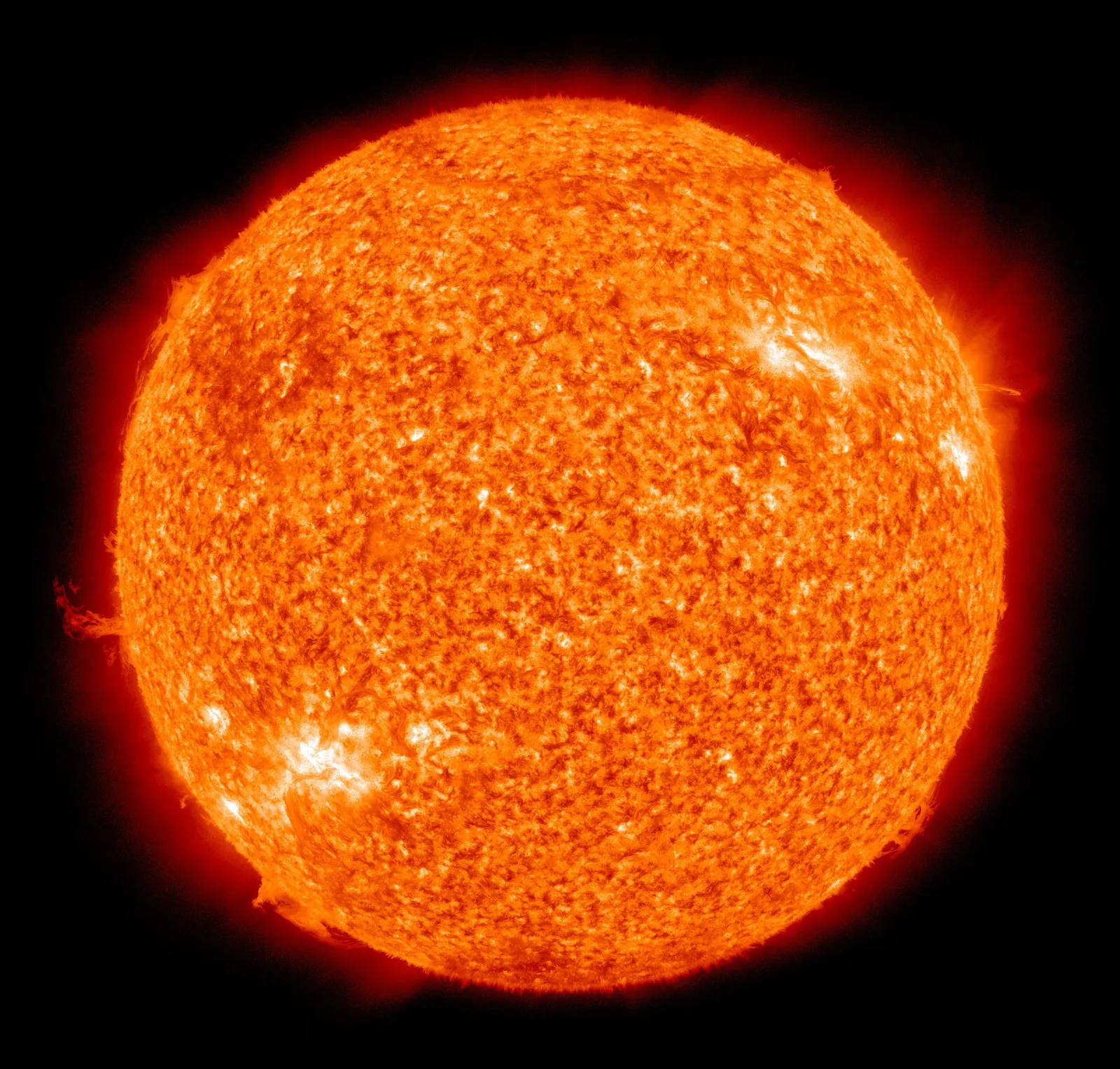
It might surprise you to learn that, in stellar terms, you live with a very average, middle-aged star. The Sun is roughly four and a half billion years old and is expected to shine in its current form for about another five billion years or so. That means you are not at the beginning of its story or near the very end, but somewhere around the comfortable, stable middle of its life.
Right now, the Sun is a main-sequence star, quietly fusing hydrogen into helium deep in its core. This steady nuclear burning is what keeps its brightness relatively stable and its size fairly constant, making life on Earth possible. You benefit from that calm, predictable behavior every single day, even if you rarely think about it when you reach for sunscreen or open your blinds in the morning.
The Sun Is Slowly Getting Brighter (And That Spells Trouble)
Even though the Sun feels steady to you, it is not perfectly constant. Over hundreds of millions of years, it has been slowly increasing its brightness. As more helium accumulates in the core, the Sun’s center contracts and heats up, allowing nuclear fusion to run slightly faster, which makes the Sun a bit more luminous over time. You do not notice this during a human lifetime, but stretched across geological ages, the change becomes dramatic.
This slow brightening means Earth’s future climate is on a ticking clock, independent of anything humans do. At some point in the next one to two billion years, the Sun’s increased output will likely push Earth into a runaway greenhouse state, boiling away the oceans and stripping the planet of its habitability. So even in the Sun’s “quiet” phase, the long-term forecast for your planet is headed toward dangerous heat that no technology today could possibly handle.
Before the Red Giant Phase, Earth Becomes a Hostile World
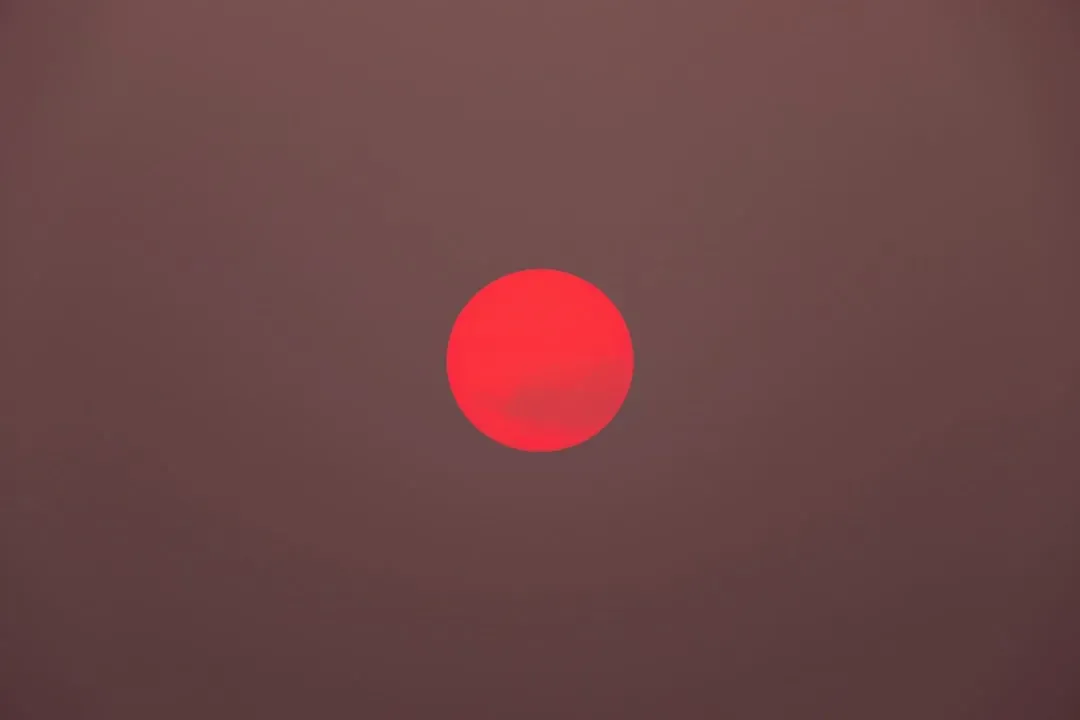
You might imagine that Earth stays mostly comfortable until the Sun suddenly swells into a red giant, but that is not how it plays out. Long before the Sun physically engulfs anything, its growing brightness will dramatically reshape Earth’s atmosphere, oceans, and surface. As sunlight intensifies, more water vapor will build up in the atmosphere, trapping even more heat, and setting off a harsh feedback loop.
Eventually, Earth is expected to lose its oceans entirely as water molecules in the upper atmosphere are broken apart and hydrogen escapes into space. At that point, you would be left with a world that has more in common with Venus than the blue planet you know now: scorching, dry, and hostile to life as you experience it. Long before the Sun looks strange in the sky, your home world would have already become unrecognizable.
The Red Giant Sun: Beautiful from Afar, Terrifying Up Close
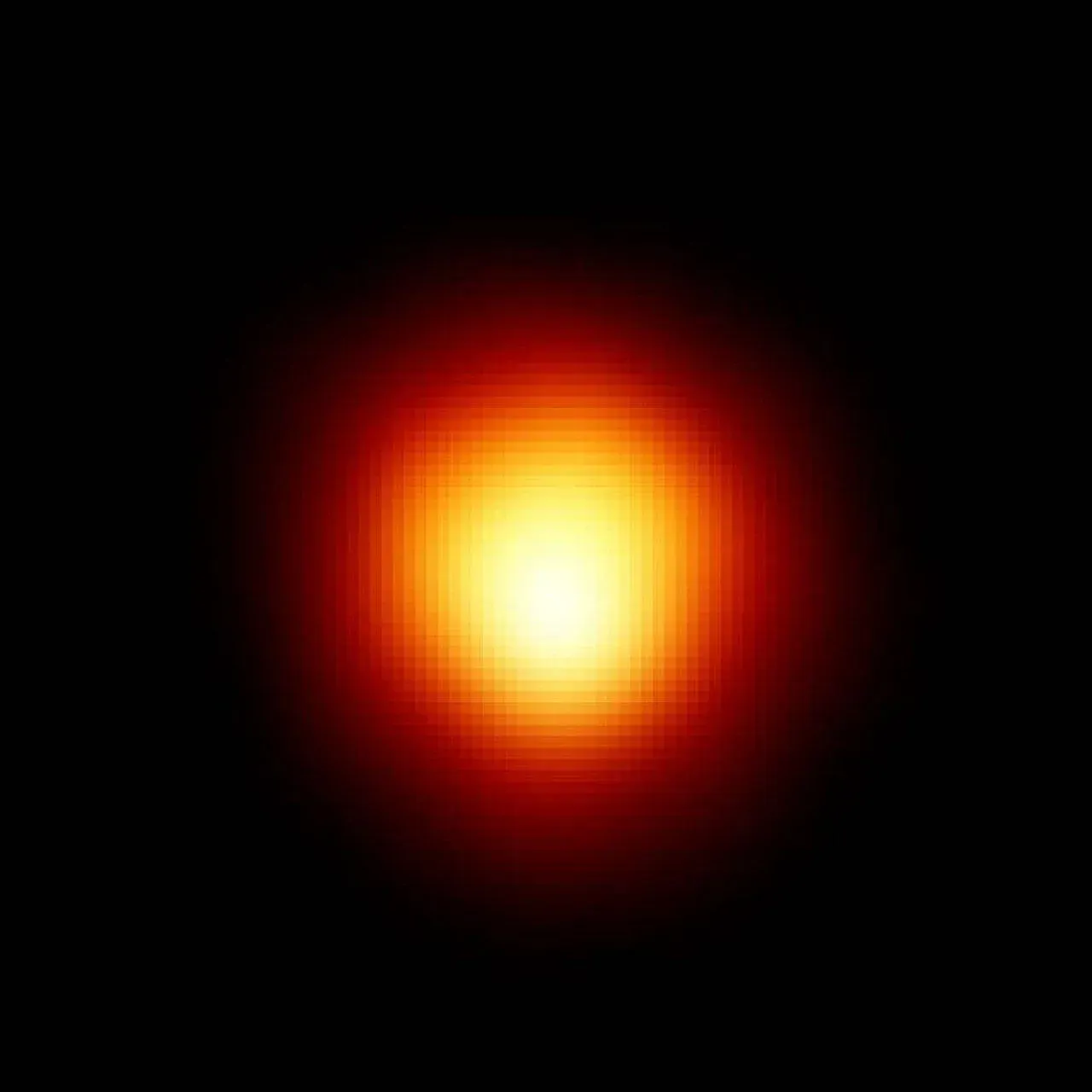
In roughly five billion years, the Sun will leave its stable main-sequence phase and transform into a red giant, and this is where things get truly wild. When this happens, the Sun’s outer layers will expand outward to many times its current size, possibly reaching or even extending beyond the present orbit of Earth. From a safe distance, a red giant star can look haunting and majestic, a swollen ember glowing in deep red hues.
From your current orbit, though, that phase would be catastrophic. As the Sun expands, it will shed huge amounts of mass in stellar winds, while blasting nearby space with searing heat and intense radiation. Whether Earth is swallowed entirely or left as a scorched, airless rock is still an open question, but either way, it will no longer be a place for you to call home. The same star that once gently nurtured life will become a force of almost unimaginable destruction.
Mercury and Venus Are Doomed, Earth’s Fate Is on the Edge
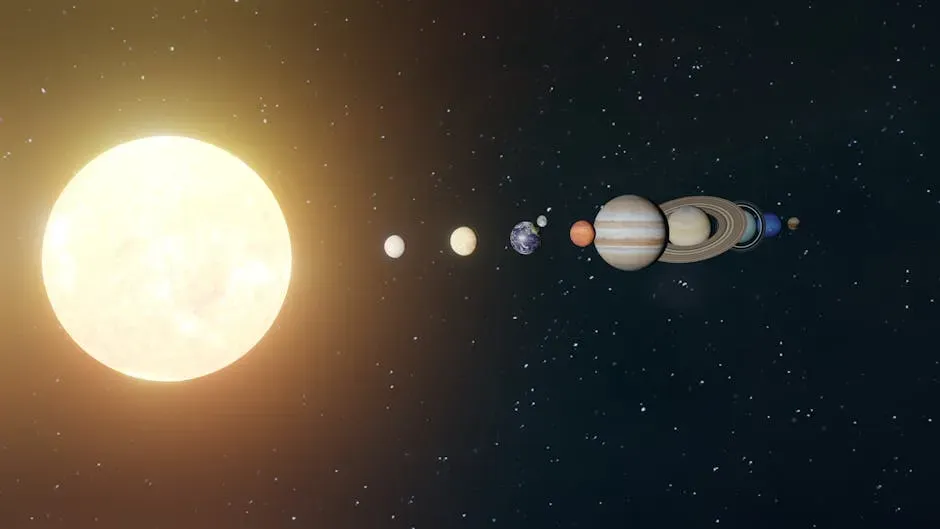
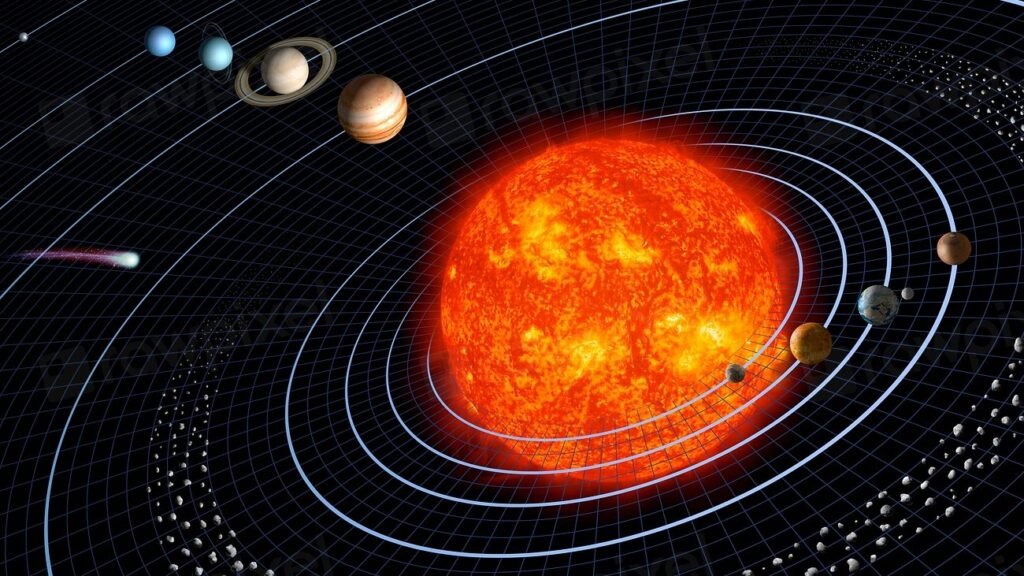
If you could fast-forward to the height of the red giant phase, the inner solar system would look brutal. Mercury, the closest planet to the Sun, will almost certainly be destroyed, either fully engulfed or torn apart by intense heat and tidal forces. Venus, already a hellish world today, is also expected to suffer a similar fate, with its orbit dragged inward by the bloated star’s outer layers and its surface completely devastated.
Earth sits in a more uncertain position. Current models suggest its orbit may expand slightly as the Sun loses mass, which could save it from full engulfment. But that does not mean safety: the surface would likely be melted, the atmosphere stripped, and any evidence of seas, cities, or forests erased. The outcome is almost like a cosmic coin toss between being swallowed whole or baked into a bare, glowing rock.
The Sun’s Last Trick: A Planetary Nebula and a White Dwarf Core
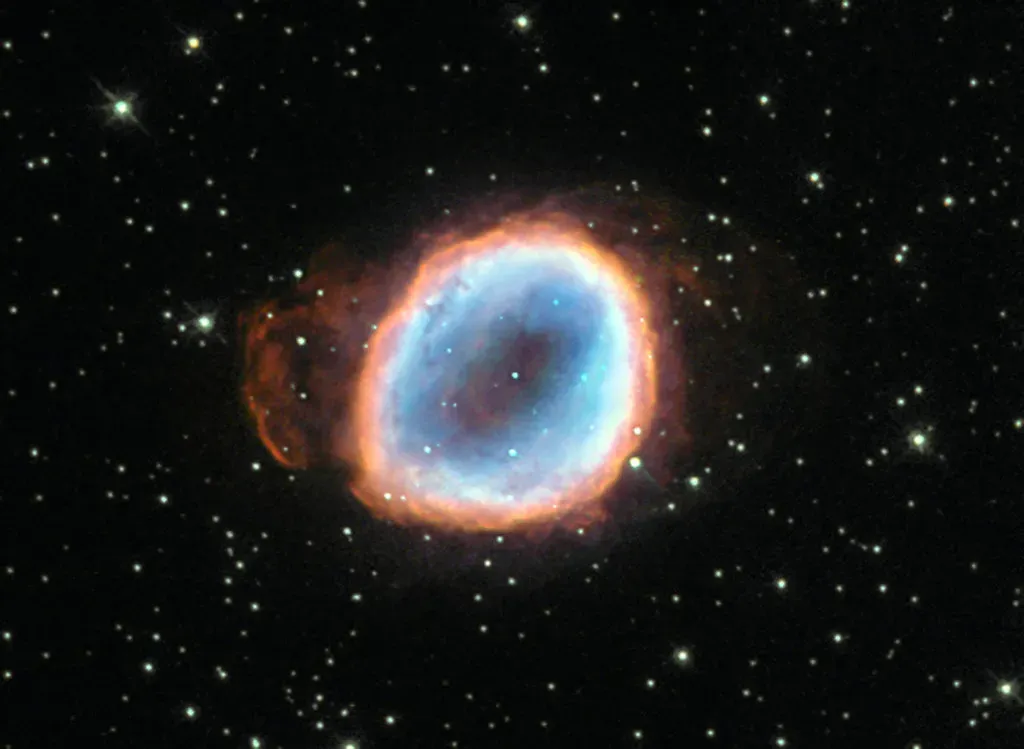
After the red giant drama, the Sun will not go supernova; it is simply not massive enough for that kind of finale. Instead, it will gently but steadily blow off its outer layers, forming what astronomers call a planetary nebula. If you were looking from a distant star, you would see a delicate bubble of glowing gas shining in different colors, with the Sun’s exposed core in the center, like a pearl inside a transparent shell.
That core will cool and shrink down into a white dwarf: a dense, Earth-sized remnant that packs about half the Sun’s mass into an object no bigger than your planet. It will be unimaginably dense and hot at the start, slowly cooling over billions, maybe trillions, of years. At that stage, your Sun will no longer be a typical star but a cosmic ember, shining faintly as it gradually fades into darkness.
The Outer Planets and Kuiper Belt Will See a Very Different Sky
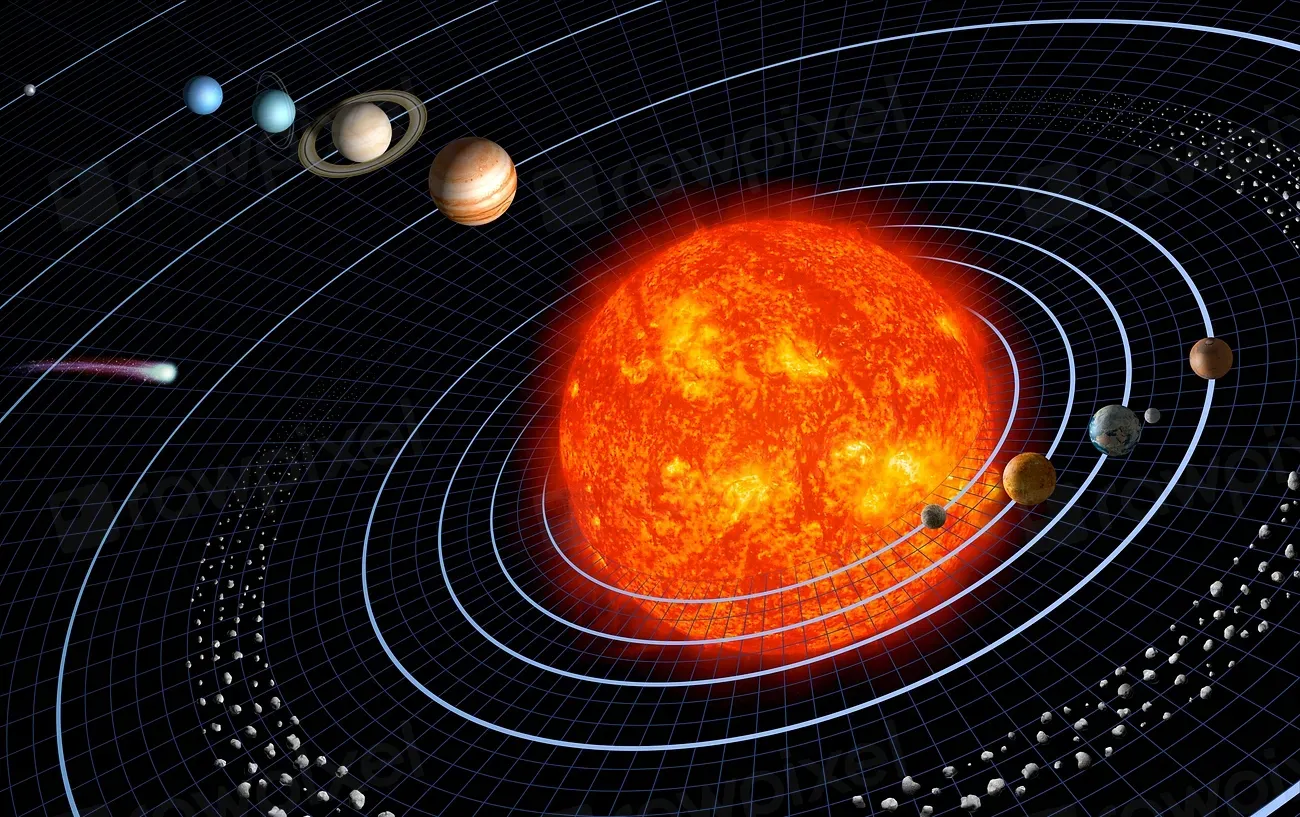
While the inner planets get battered, baked, or destroyed, the outer parts of the solar system will tell a different story. As the Sun loses mass during the red giant and planetary nebula phases, its gravity will weaken, and the orbits of the surviving planets will drift outward. If you were on Jupiter’s moons or beyond, you would feel the Sun shrink to a smaller, redder, and later whiter point in the sky over astronomical timescales.
Places like the Kuiper Belt and the distant scattered objects on the edge of the solar system could become strangely more comfortable in relative terms. For a time, icy worlds might receive enough warmth to wake up geologically, possibly growing thin atmospheres or experiencing bursts of surface activity. You would be watching the outer solar system have its brief moment in the spotlight just as the inner regions are losing everything familiar.
Life’s Future: Escape, Adaptation, or Extinction
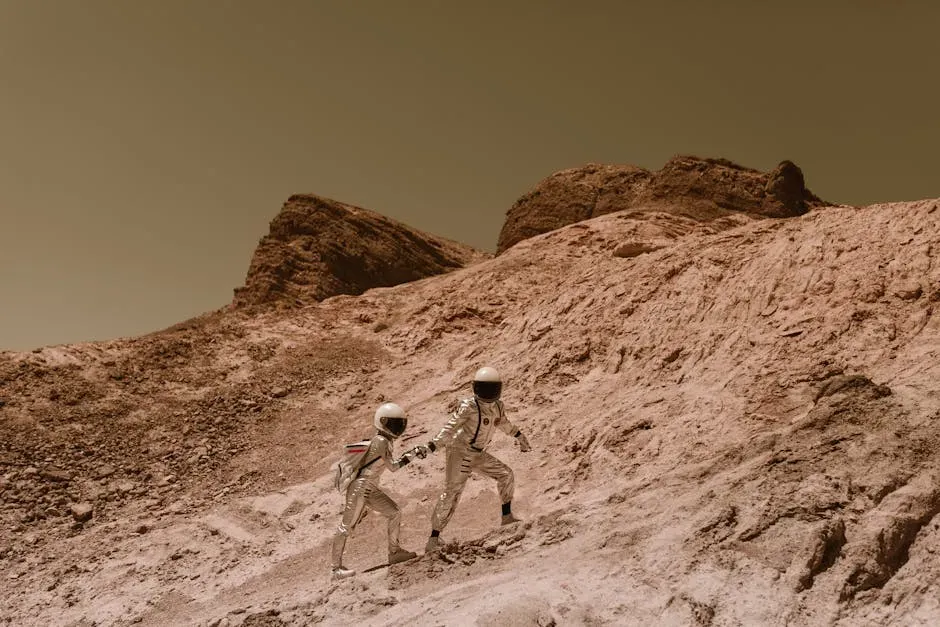
When you step back and see the Sun’s long-term story, one unavoidable conclusion rises to the surface: if life like yours is going to survive in the very distant future, it cannot stay put. In a billion or so years, even advanced technology would have to work fantastically hard to keep Earth habitable under a brightening Sun. Realistically, any future civilization would need to adapt in extreme ways, move to more distant orbits, or leave for other stars entirely.
That thought can feel unsettling, but it also highlights how every moment you have now sits in a narrow, precious window of stability. You live at a time when the Sun is bright but not too bright, active but not too violent, and distant enough to allow liquid water to flow across Earth’s surface. The future story of life under the Sun is a tension between danger and ingenuity, and your species is writing the opening chapter without fully realizing how the final acts will unfold.
Solar Storms: The Short-Term Dangers You Actually Need to Worry About
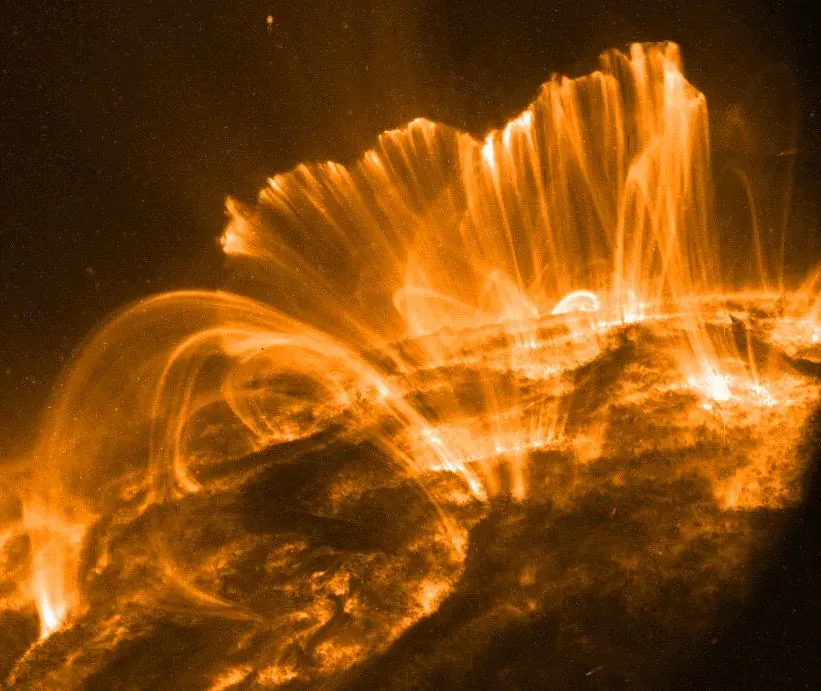
When you think of the Sun’s dangers, far-future red giant scenarios might feel too distant to bother you. But there are more immediate risks that matter to your lifetime and the next few generations, and they come from solar activity like flares and coronal mass ejections. These powerful outbursts can hurl charged particles and magnetic fields toward Earth, disturbing your planet’s magnetic shield and upper atmosphere.
In your daily life, strong solar storms can disrupt power grids, satellite communications, navigation systems, and even aviation routes. While Earth’s atmosphere protects you from the worst direct radiation, your modern technology is far more vulnerable. That means your growing dependence on satellites and global electrical infrastructure makes you more exposed to the Sun’s moods than you might think, even while the star itself feels as steady as ever in the sky.
What the Sun’s Future Teaches You About Your Present

When you put all of this together, the Sun suddenly stops being just a warm backdrop to your life and becomes a reminder of how temporary everything is. Your days, your buildings, your nations, even your planet’s oceans and mountains are all caught up in a long-term evolution that you cannot stop. Knowing that Earth’s habitability has an expiration date, set by the physics of your star, can shift how you think about your place in the universe.
At the same time, that knowledge can make the present feel even more meaningful. You are living in a rare slice of cosmic time when a rocky planet orbits a stable star at just the right distance for complex life and technology to flourish. The Sun’s future holds wonders and dangers you can barely grasp, but right now, you get to stand in the narrow glow of its most life-friendly moment. What will you choose to do with that brief, golden window?
In the end, the Sun’s story is your story too. You are tied to this star whether you like it or not, depending on its warmth for every breath, every harvest, every quiet morning and blazing sunset. One day it will swell, shed, and fade, taking Earth’s familiar face with it, leaving only a quiet ember behind. Until then, you have front-row seats to a cosmic drama that has already begun, and the question that really matters is simple: now that you know how it ends, how does that change the way you live today?