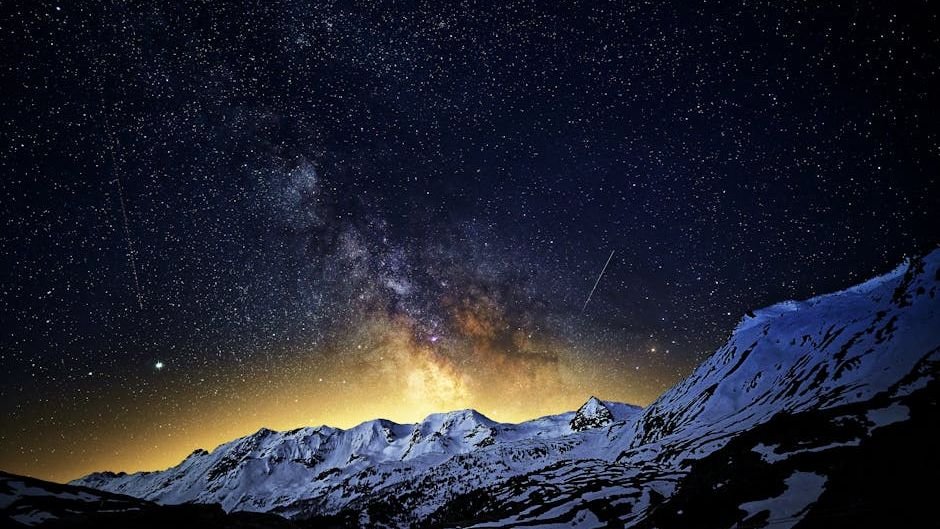
Imagine hiking back to camp at night, only to glance up and see the mountain itself faintly glowing, as if it’s breathing light. It sounds like something out of a fantasy novel, but around the world people really do report mountains, cliffs, and rocks that seem to shine after sunset. For centuries these glowing slopes were blamed on spirits, ancient curses, or hidden treasure, because honestly, what else could possibly make stone look alive in the dark?
The real story is stranger and far more beautiful than any legend. When mountains glow, it isn’t magic, but it also isn’t boring science either; it’s often a delicate mix of rare minerals, microscopic life, atmospheric tricks, and sometimes even human pollution. Once you understand the forces at work, those pale green glows and ghostly blue streaks start to feel less like monsters in the night and more like the planet quietly showing off. Let’s walk through the weird ways rock can light up, and why the truth is even wilder than the myth.
Glowing Rocks: The Difference Between Fluorescence and Phosphorescence
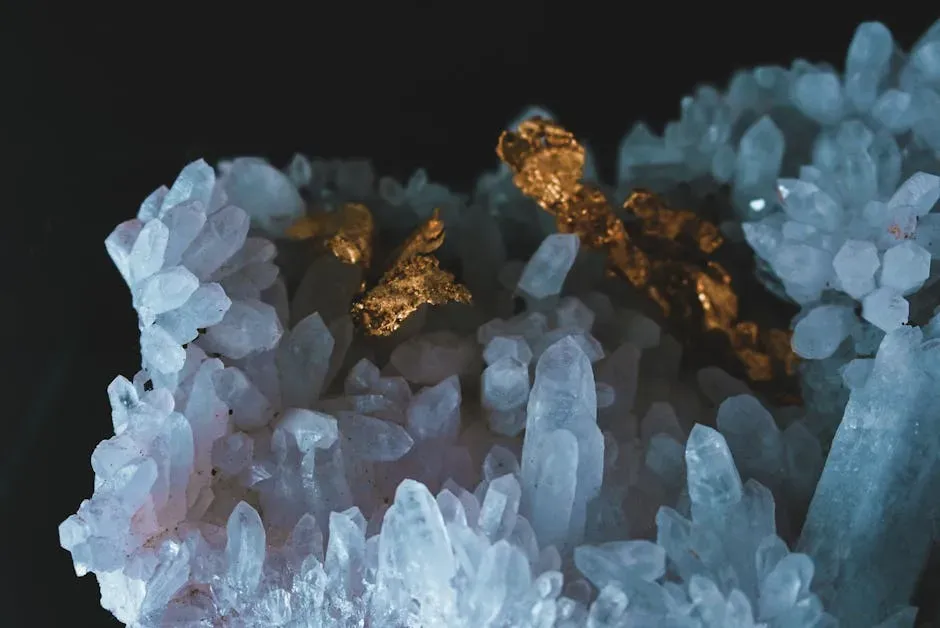
The first strange truth is that many “glowing” mountains don’t actually glow on their own; they simply react to light in a way our eyes aren’t used to noticing. Fluorescent minerals light up when they are hit with high-energy light, especially ultraviolet light, and stop the moment that light source is removed. If you’ve ever seen a mineral display under blacklight, that intense neon green or hot pink glow is fluorescence in action, the rock briefly re-emitting energy as visible color.
Phosphorescence, on the other hand, is what people imagine when they think of “glow in the dark.” Some minerals can hold onto that energy and release it slowly, so they continue to faintly shine even after the light is gone. In nature, this effect is usually subtle, more of a soft afterglow than a headlamp beam, and it can be easy to miss unless your eyes are adapted to the dark. When hikers say they saw a faintly glowing cliff face long after sunset, they might be witnessing minerals that absorbed sunlight all day and are lazily letting it go, like embers refusing to cool.
Minerals That Make Mountains Look Haunted
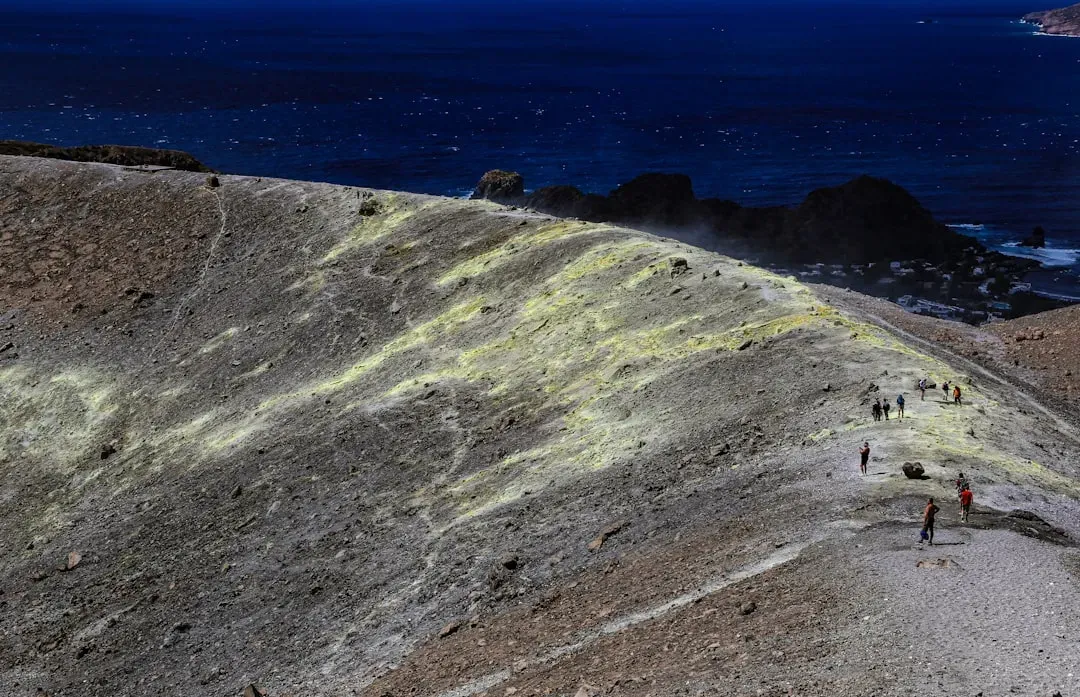
Not every chunk of rock can glow, even under perfect conditions; the magic lies in specific minerals and trace elements hidden inside them. Fluorite, calcite, willemite, scheelite, and some forms of opal and apatite are known to fluoresce in bright hues, especially when they contain small amounts of metals like manganese or rare earth elements. In some mountain ranges, seams of these minerals run through the rock, turning whole walls into potential light shows when exposed to ultraviolet light.
On a moonless night, even the faint UV coming from starlight, auroras, or distant artificial sources can be enough to nudge these minerals into a barely visible glow. To the naked eye, this might show up as a strange greenish cast on a cliff, or isolated streaks that seem to hover on the edge of vision. It feels eerie because our brains don’t expect stone to answer the sky like that. If you’ve ever had the sense that a rock face was “looking back” at you in the dark, glowing minerals might be the quiet reason why.
Cosmic and Ultraviolet Light: When the Sky Switches the Mountains On
Ultraviolet light is mostly invisible to us, but mountains are constantly bathing in it, even when we think it’s fully dark. The atmosphere filters a lot of UV during the day, and at night only a small amount makes it through, but even that tiny trickle can be enough to gently excite sensitive minerals. Add in faint UV from stars, occasional auroras, or even lightning flashes beyond the horizon, and the mountains are basically living under a slow, dim blacklight.
Because our eyes adapt slowly and we’re usually shining bright headlamps or phone screens, we rarely give ourselves a true chance to see this faint fluorescence. People who deliberately sit in total darkness in mineral-rich areas often report the experience of watching shapes slowly float out of the blackness. It’s not that the mountain suddenly “turns on,” it’s that your vision finally shifts enough to notice the low whisper of light that has been there the whole time, like a secret conversation between stone and sky.
Bioluminescent Life on Rock Faces: The Living Glow
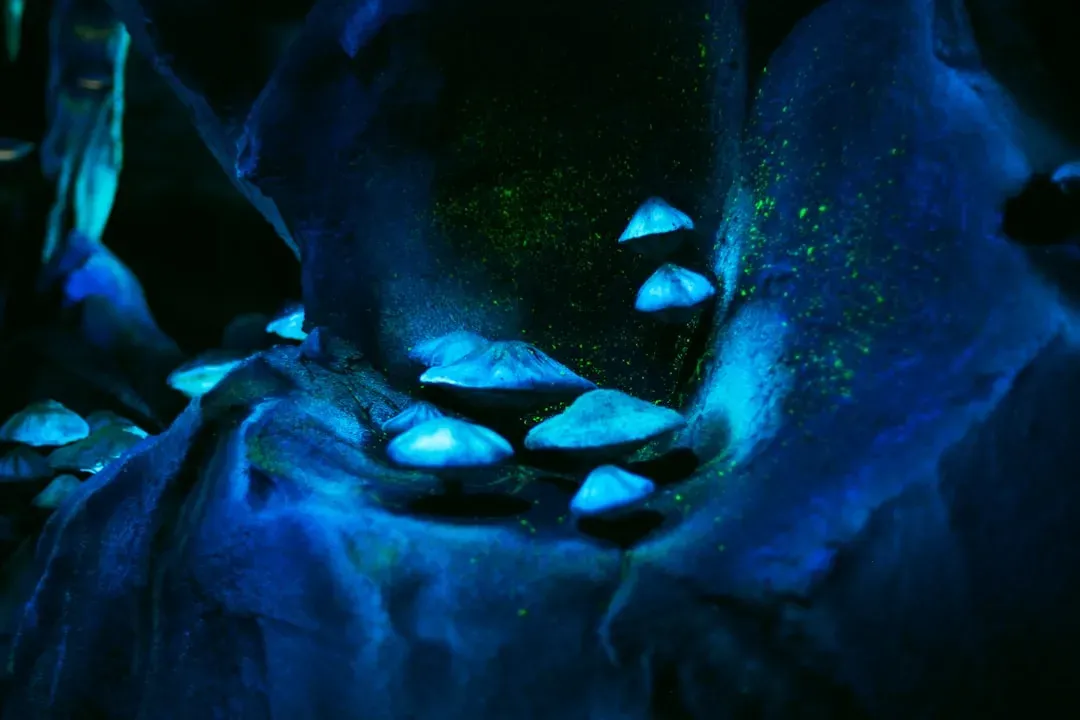
Sometimes, the glowing part of a mountain isn’t the rock at all, but the living film crawling over it. Some species of fungi, bacteria, and even a few lichens can produce their own light in the dark through chemical reactions inside their cells. In damp, shaded cliffs or forested mountain slopes, these organisms can colonize rock surfaces, cracks, and fallen logs, creating eerie smears and dots of greenish light known as “foxfire” or simply glowing fungus.
The glow they produce is usually gentle but can appear surprisingly bright once your eyes adapt, creating the surreal impression that the rock itself is alive. I remember walking a forest trail once and spotting a faint, ghostly shimmer on a hillside, only to realize up close it was a thin patch of glowing fungus hugging the stone. In some humid mountain regions, dozens of tiny bioluminescent patches can turn a cliff into a scattered galaxy, making it easy to see why people once blamed spirits or mythical creatures for the light.
Electricity in the Earth: Piezoelectric and Triboluminescent Surprises
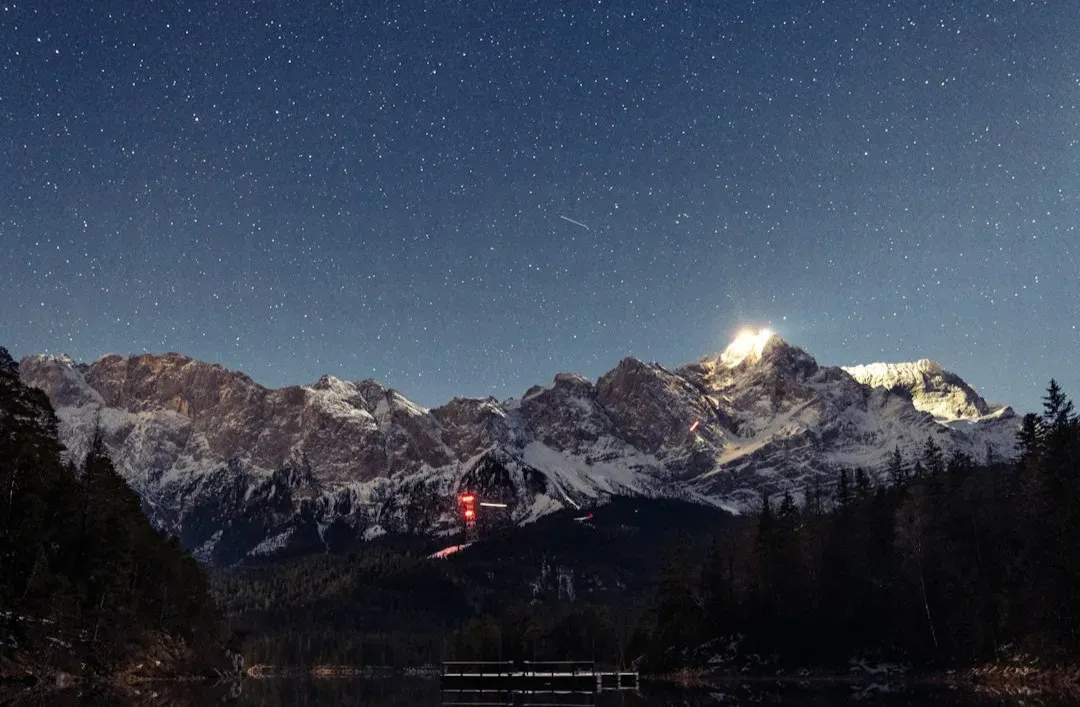
There’s another kind of glow tied not to light from above, but to stress and movement inside the rocks themselves. Certain crystals, especially quartz, have what’s called piezoelectric or triboluminescent properties, meaning they can generate electrical charges or light when they are squeezed, twisted, or fractured. When this happens on a grand scale during earthquakes or landslides, those small charges can sometimes produce brief flashes or glimmers known as earthquake lights.
These eerie lights are still not fully understood, but they have been reported for centuries near fault zones: glowing streaks along cliff faces, flickers on ridgelines, or sudden halos of light over mountains just before or during seismic activity. It’s not that entire mountains are shining steadily like lanterns; it’s more like the rock momentarily sparks as it cracks under stress. If you were unlucky or lucky enough to be watching the right crag at the right time, you might swear the mountain itself had woken up and was sending some kind of electric warning into the night.
Atmospheric Tricks: Moonlight, Snowfields, and Optical Illusions
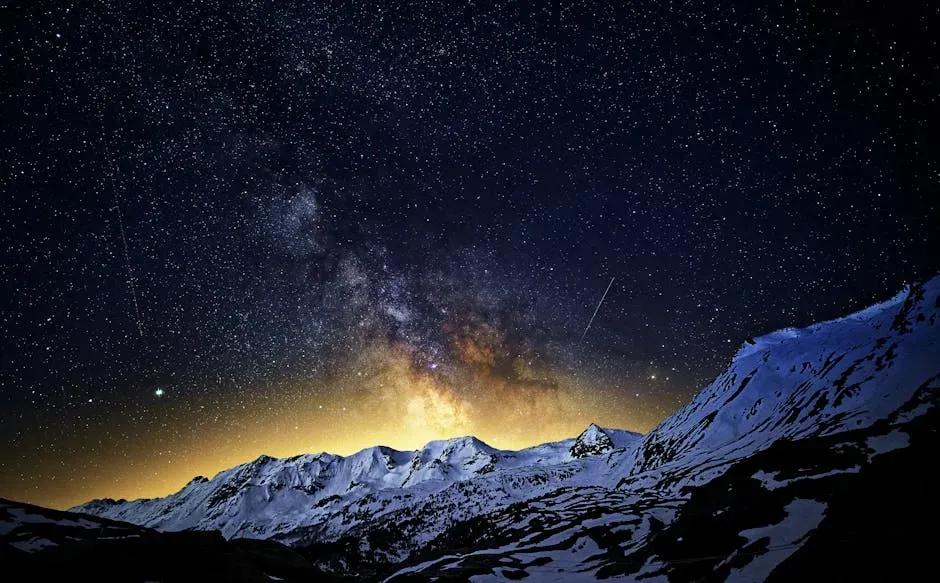
Sometimes the mountain’s glow is less about the mountain and more about the way light and air play games with your brain. Fresh snow, ice, and even certain dust-coated rock surfaces can reflect and scatter faint moonlight or starlight in a way that looks brighter than you’d expect. A snow-covered peak under a thin veil of clouds can seem to light up from within, especially when the clouds bounce city light or moonlight back downward onto the slopes.
Our night vision is surprisingly easy to fool, especially when strong contrasts are involved: deep valleys in total shadow can make slightly lit slopes look almost self-luminous by comparison. Thin layers of fog or ice crystals can halo that light, making mountain ridges appear to glow softly at the edges, like they’ve been traced with a luminous pen. When people swear a dark peak was glowing even though the moon was “barely there,” what they often felt was this subtle amplification, a quiet optical illusion that still feels powerful and a little supernatural.
Radioactivity and Naturally Luminescent Minerals
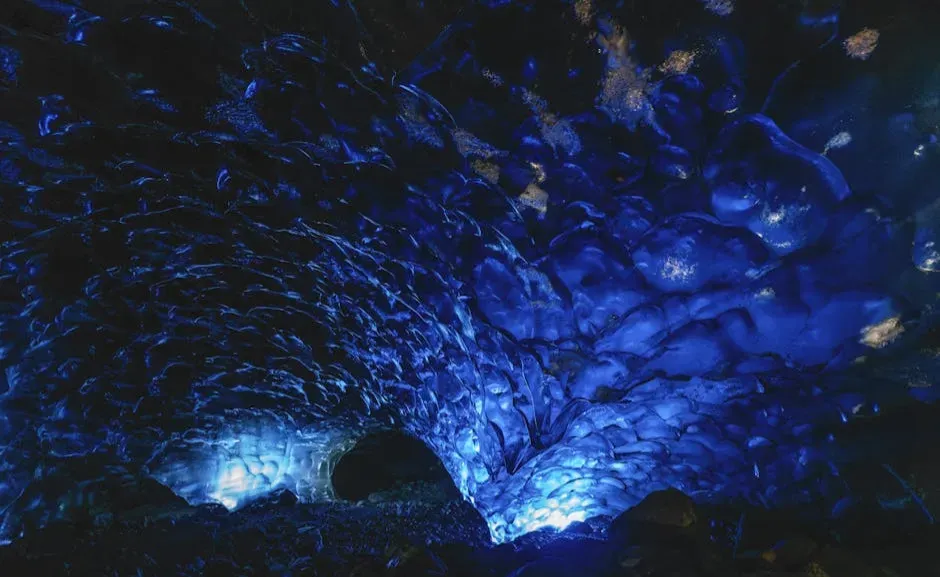
Whenever people hear about glowing rocks, they quickly jump to radiation, and there is a tiny grain of truth in that. Some minerals in mountain regions, such as certain forms of uranium-bearing rocks, can be slightly radioactive and also contain compounds that fluoresce under ultraviolet light. Under the right conditions, these minerals can glow brightly when exposed to UV, and weakly even under ambient light from the night sky.
However, the idea of mountains shining because they are dangerously radioactive is usually more science fiction than reality. In most natural settings, the levels of radiation are low, and the glow, if any, is only visible with special lamps or cameras that enhance low-light conditions. The rare cases where people report an obvious greenish glow from rocks are almost always tied to fluorescence rather than direct radiation itself. It’s less like the toxic sludge glow in old cartoons and more like a highlighter mark that only becomes clear when you know what wavelength to shine on it.
Human Light Pollution: When Cities Make Peaks Look Ethereal
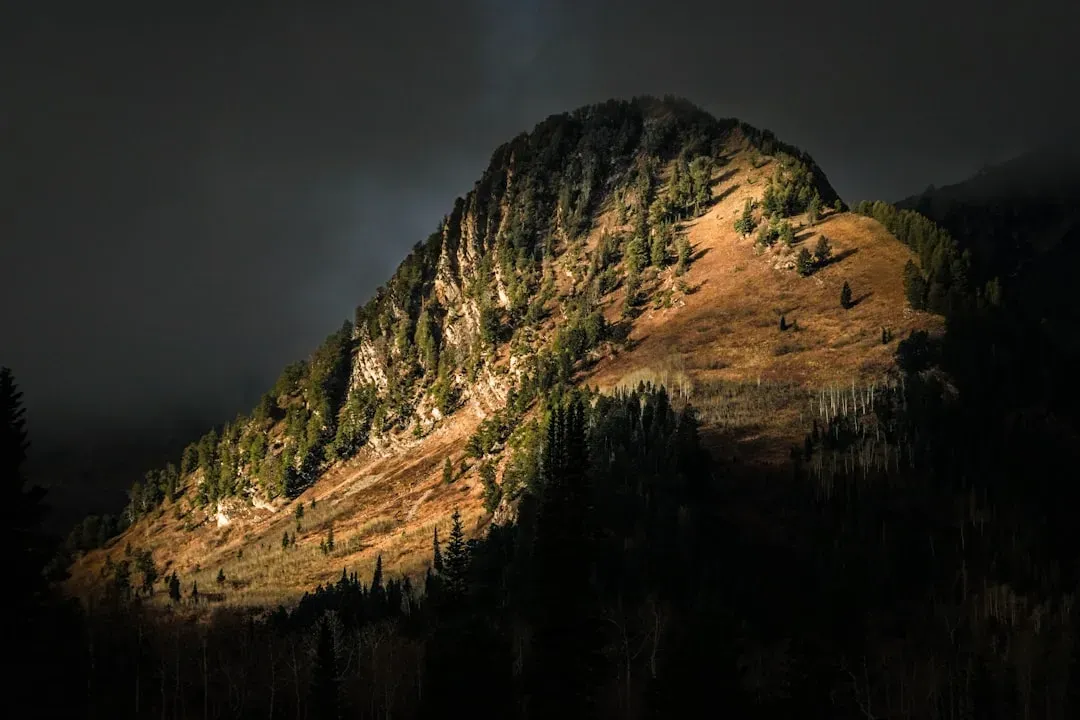
Ironically, one of the most common reasons modern mountains seem to glow is not nature at all, but us. Light from cities, highways, ski resorts, and industrial sites spills into the night sky, scattering off particles, moisture, and snowfields. High peaks and ridges can catch this stray glow and reflect it back, creating the impression that the mountain itself is softly lit from within, especially when low clouds act like a glowing ceiling above it all.
If you’ve ever driven toward a big city at night and noticed distant hills turning into silent silhouettes edged with warm light, you’ve seen this effect. In some tourist areas, spotlights or decorative illumination are deliberately aimed at mountains, making them visible landmarks after dark but also adding to the sense that they mysteriously glow. It’s strangely beautiful but also a reminder that truly dark skies are becoming rare. What feels magical at a distance is, up close, part of a much bigger story about how human light drowns out the quieter glows of the natural world.
Legends, Myths, and the Human Need to Explain the Glow
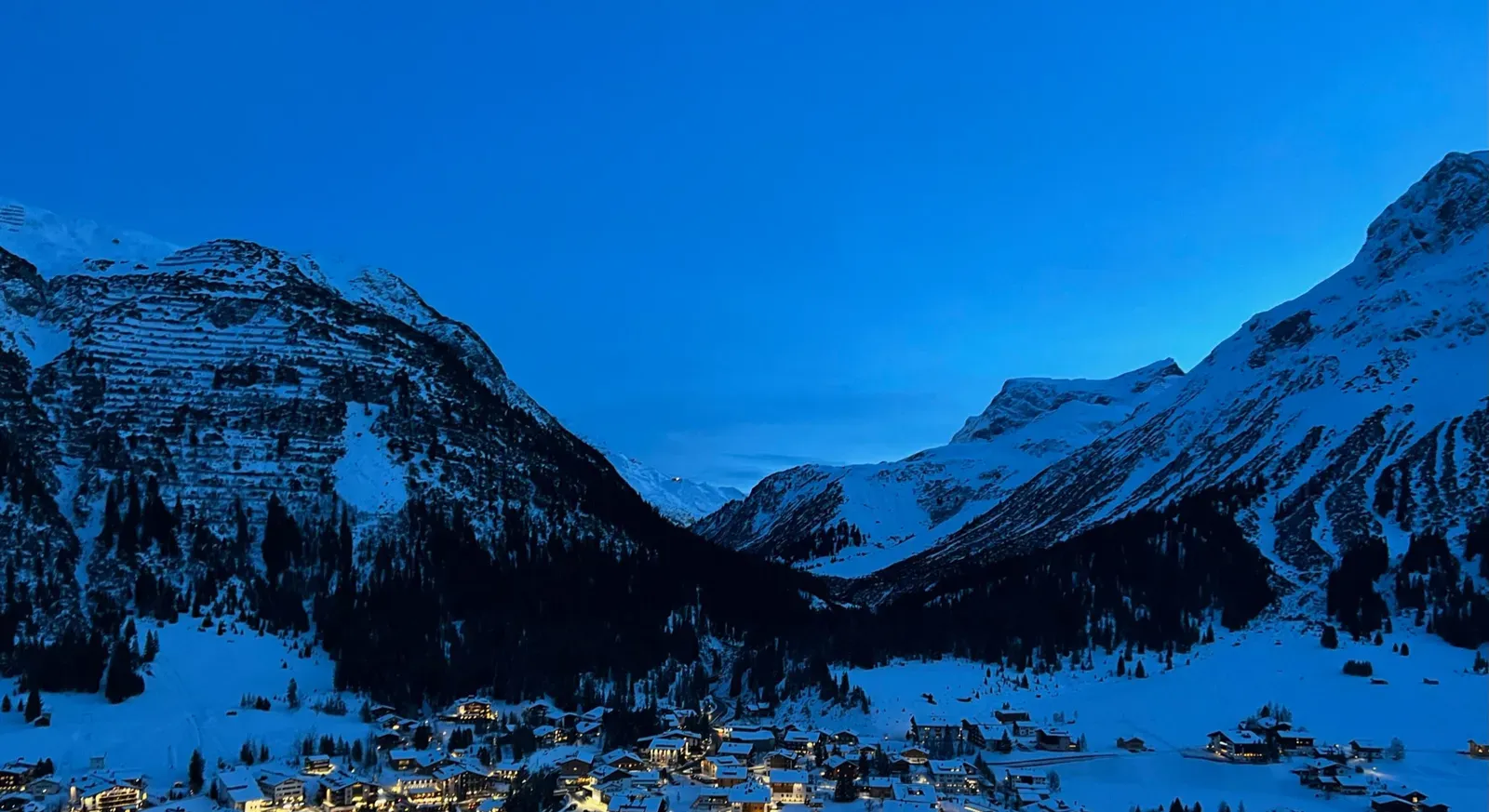
Long before anyone talked about electrons, crystals, or ultraviolet light, people still had to make sense of glowing peaks staring down at their villages. Folktales in various cultures turned glowing cliffs into the homes of spirits, guardians, or lost souls, and mountains with unusual light phenomena often became sacred places or sources of fear. When you imagine standing in a world without electricity, looking up at a faintly luminous ridge, those stories start to feel less naive and more deeply human.
What’s striking is how often the old myths match the modern science in tone, even if not in detail. Stories of mountains warning of danger echo the idea of earthquake lights, while tales of cursed treasure or enchanted stones fit uncannily well with fluorescent mineral veins. In a way, the real physics hasn’t killed the wonder; it has just given us a new language for the same awe. The glow was always real, even if our earlier explanations were wrapped in superstition, and you can still feel that ancient shiver when you catch a mountain shining back at you in the dark.
How to See Glowing Mountains for Yourself (Safely and Respectfully)
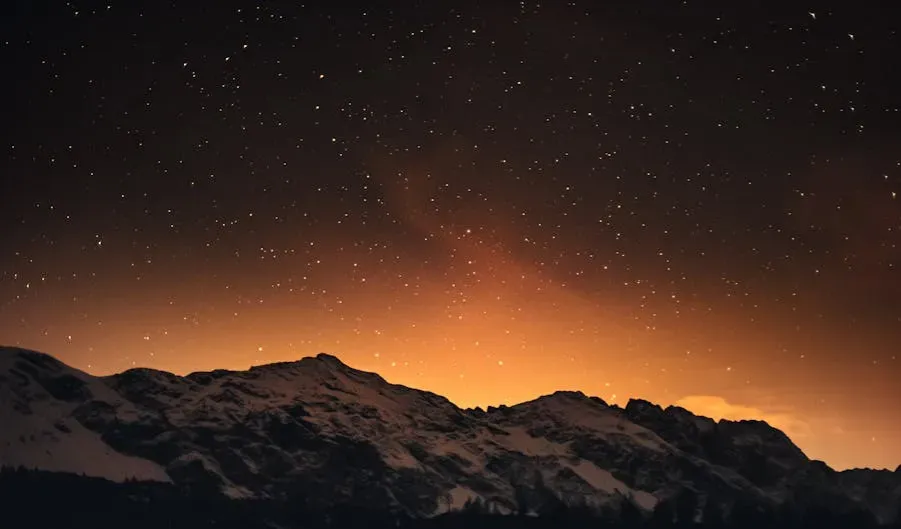
If you’re curious to witness these subtle light shows, the key is patience and the right tools rather than blind luck. Areas known for fluorescent minerals, such as some old mining districts or limestone and marble terrains, can be especially rewarding; a small handheld UV flashlight can suddenly reveal stripes, patches, and dots of color that were invisible by day. Give your eyes time to adjust in a safe, stable spot, turn off bright headlamps, and let the darkness settle until even faint glows start to emerge.
At the same time, it’s important to stay grounded and respectful: never chip rocks or damage cliffs in protected areas just to “hunt” for glowing minerals, and be cautious around steep or unstable terrain at night. Your best moments might actually be the quiet ones, sitting still on a ridge while a snowy peak catches the last of the twilight or distant town lights. In those pauses, you start to notice how easily stone can look alive, and how thin the line is between cold geology and what feels like magic. That’s the real thrill: realizing the mountain was never dead to begin with, just speaking in a wavelength you hadn’t learned to hear yet.
Conclusion: Light, Stone, and the Stories We Tell in the Dark
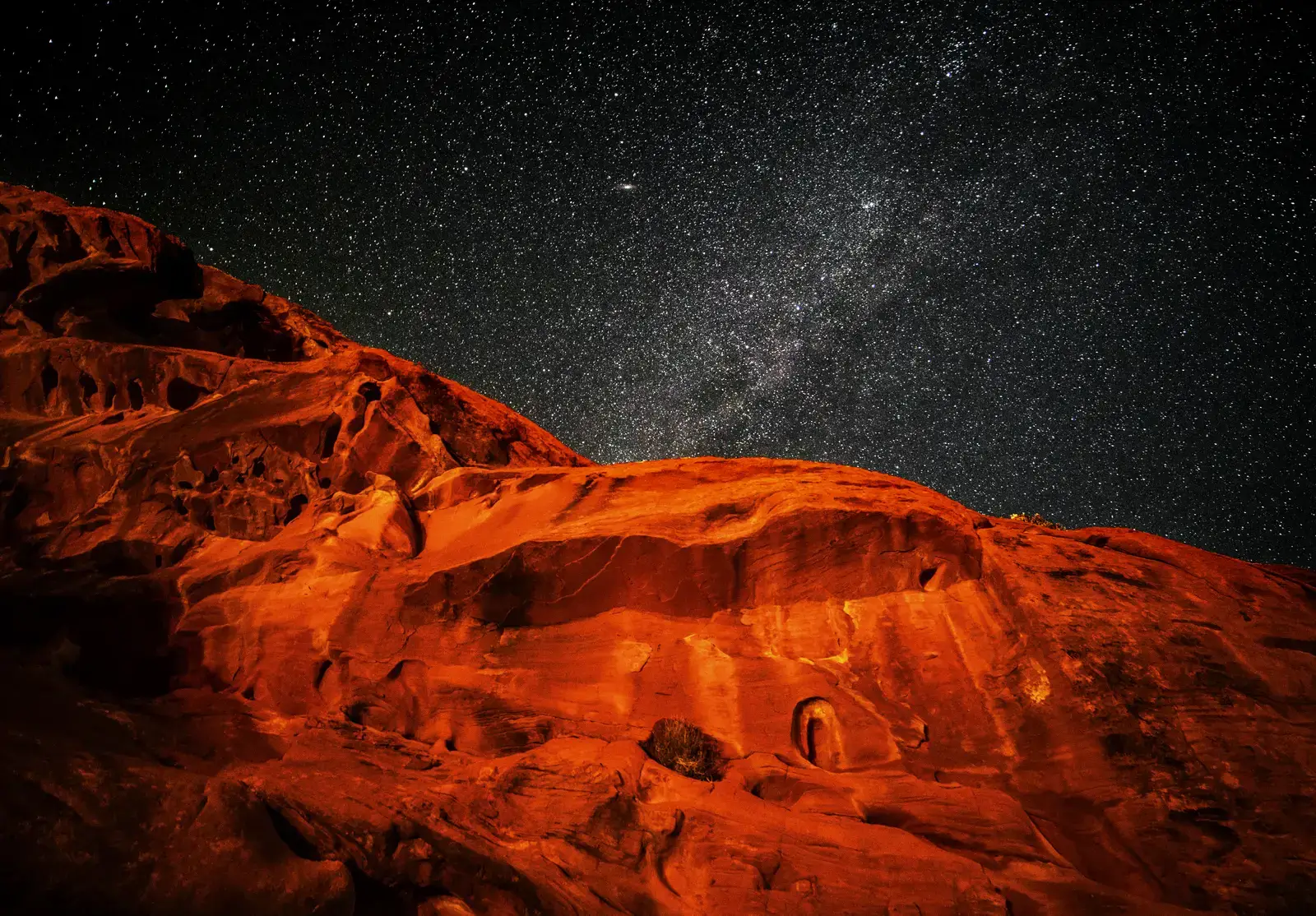
The strange truth behind glowing mountains is that there isn’t just one truth at all. Sometimes it’s fluorescent minerals storing up sunlight like tiny batteries; sometimes it’s fungi quietly shining on damp rock, static charges sparking during quakes, or the sky painting peaks with borrowed city light. Each glow has its own tempo and cause, but together they remind us that the line between solid, silent stone and a living, changing world is thinner than we think.
Next time you see a ridge that looks a bit too bright or a cliff that seems to carry its own faint halo, try resisting the urge to dismiss it as a trick of the eye. Let yourself feel a bit of the old fear and wonder, then layer on what you now know about minerals, microbes, and light. Science has not stripped the mountains of their mystery; it has just added new shadows and new colors to the picture. When you stand there in the dark, with the rock glowing ever so slightly back at you, which explanation will feel more powerful in your bones: the myth, the physics, or that uneasy space between the two?