
There is a quiet moment in many dying journeys that almost no one talks about. After weeks or months of fear, confusion, and struggle, some people suddenly soften. They become peaceful, surprisingly clear, even gently amused, as if they’ve stepped into a different kind of weather while everyone around them is still caught in the storm.
If you have ever watched someone reach this strange calm, you know how unsettling and moving it can be. It can feel almost mystical, yet there are also very real medical, psychological, and social pieces of the puzzle. Let’s unpack what we actually know about this end‑of‑life calm, without romanticizing it, but also without pretending it is just another symptom.
The “Last Rally”: Why Some People Seem Better Right Before They Die

One of the most startling experiences for families is the so‑called “last rally” or “terminal lucidity.” A person who has been sleepy, confused, or withdrawn may suddenly wake up, recognize loved ones, speak clearly, ask for favorite foods, or start giving instructions about practical matters. It can feel like they are turning a corner, when in reality they may be very close to the end.
Clinicians see this more often than most people realize, yet science still does not fully understand why it happens. Theories suggest it may be related to short‑lived changes in brain chemistry, shifts in blood flow, or how the body redistributes its limited energy as systems begin to fail. Whatever the mechanism, the pattern is common enough that hospice teams often gently warn families: this surge of clarity can be a gift, but it is usually not recovery.
Brain, Body, and Biochemistry: The Physiology Behind the Calm
As the body shuts down, the brain is not simply switching off like a light. It is constantly adjusting to changes in oxygen levels, blood pressure, medications, and the chemical signals of pain and stress. Over time, certain stress hormones drop, pain is better controlled, and the brain may enter states that feel more dream‑like than sharply alert. From the inside, that can feel like letting go of a heavy backpack you’ve been carrying for too long.
Many dying people receive opioids, sedatives, or anti‑anxiety medications that ease suffering. These drugs do not create the deeper psychological peace by themselves, but they often remove the sharp edges of physical distress. When the body is no longer screaming for attention, the mind sometimes has enough quiet to settle. It is not that the dying process becomes easy; it is that the noise level of pain and panic drops enough for a different emotional tone to emerge.
Psychological Acceptance: When the Fight Quietly Ends

On the emotional side, there is a shift many people go through that psychologists describe as acceptance. It does not mean the person is happy about dying or would choose it. It means they are no longer spending all their inner energy fighting the reality of what is happening. The mental struggle loosens, and with it, the constant churn of fear and “what if” thinking can soften into something more spacious.
This acceptance often develops slowly: through hard conversations with doctors, honest talks with family, spiritual reflection, or simply the exhaustion of resisting what cannot be changed. By the time someone reaches the last days, they may be much more focused on saying goodbye, resolving regrets, or savoring small comforts instead of clinging to cure. That re‑orientation can look like calm from the outside, but on the inside it is more like finally dropping into the truth you’ve been circling for a long time.
Letting Go of Roles and Responsibilities: The Relief of Not Holding It All Together
For many people, especially caregivers, parents, or those who have always been “the strong one,” death is not only a medical event but a massive shift in identity. Letting others take over decisions, finances, and everyday tasks can be unexpectedly liberating. Once they see their family can manage without them, some people visibly relax, as if they have been holding up a ceiling for years and are finally allowed to step out from under it.
That release of responsibility can be one reason the final stretch feels calmer. When someone has said the hard things, made the necessary plans, and entrusted the people they love to one another, there is less psychic weight to carry. The body may still be working through pain and decline, but the mind is no longer constantly scanning for what might fall apart. I have heard more than one person in hospice say, in their own way, that the hardest part was not dying but trusting that life for everyone else would go on.
Spiritual and Existential Meaning: How Beliefs Shape the End

Another powerful source of end‑of‑life calm is spiritual or existential meaning. For people with religious faith, approaching death can feel like moving toward a long‑imagined destination rather than into a void. Rituals, prayers, sacred texts, and the presence of clergy or spiritual friends can all reinforce a sense of being held within something larger than one’s own body and biography.
Even without formal religion, many people find comfort in ideas of connection, legacy, and continuity. They may talk about “becoming part of everything,” living on through their children, or being remembered in stories. Humans are meaning‑making creatures; when we can frame what is happening in a story that feels coherent and not purely random, our nervous systems usually respond with less agitation. The strange calm, in this sense, is partly the calm of a story that, however painful, finally makes some kind of sense to the person living it.
What Families See and Feel: Confusion, Comfort, and Mixed Emotions
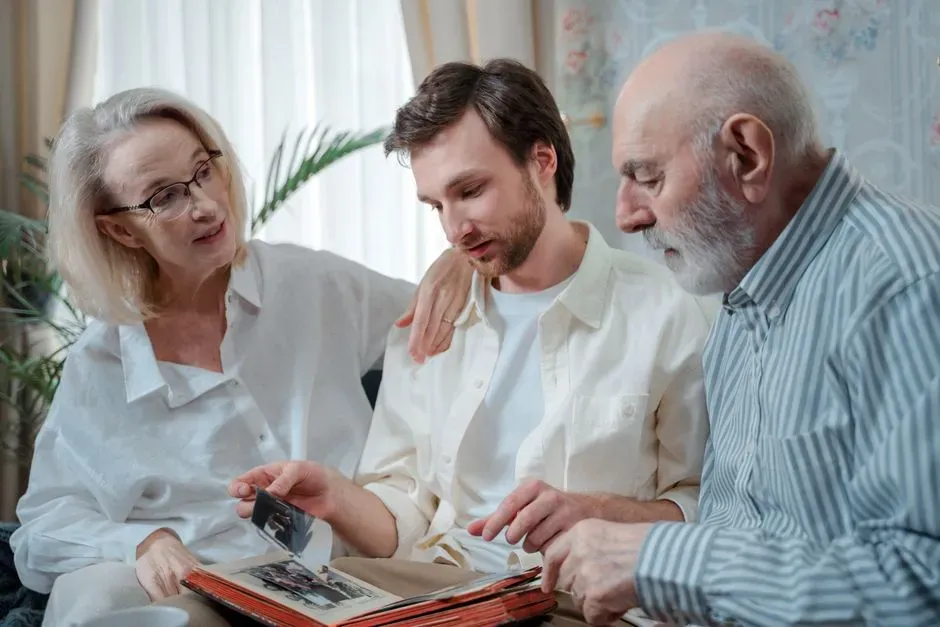
For families, this late calm can be disorienting. One week, their loved one is frightened, restless, or in agony; the next, they are serene, saying farewell, or even cracking jokes. It is common for relatives to think things are improving and to be shocked when death follows soon after. The emotional whiplash of hope and loss can be enormous.
At the same time, many people later describe that calm as a gift. It can become a cherished last memory: the final conversation where someone said what they needed to say, or the quiet moment holding hands without panic between them. The tricky part is that families are often trying to interpret what it means in real time. This is where clear communication from clinicians matters: that calm is real, but it usually means a different phase of dying, not a cure.
When the Calm Never Comes: Why Every Dying Process Is Different

It is important not to turn this strange calm into a new expectation or moral ideal. Not everyone feels peaceful before they die, and that does not mean they are doing it “wrong.” Some people experience ongoing pain, delirium, or anxiety despite excellent care. Others may be haunted by unresolved trauma, conflict, or fear that never fully settles. Their experience is just as valid and deserves the same compassion.
Medical factors also make a difference. Sudden deaths, rapid deteriorations, and certain neurological conditions simply do not allow time or clarity for a tranquil phase. Personality, culture, and previous mental health matter too. The last days of life are shaped by a lifetime of biology and experience; some endings are quiet, some chaotic, some both within hours of each other. The peaceful narrative is comforting, but it is only one of many real stories.
How We Can Support a Peaceful End: Care, Honesty, and Presence

If there is one consistent theme across many end‑of‑life stories, it is that calm rarely appears out of nowhere. It is more likely when pain is actively treated, when people feel heard, and when frightening topics are not pushed into the shadows. Honest conversations about prognosis, options, and wishes can feel brutal in the moment, but they often open the door to deeper connection and, eventually, more peace.
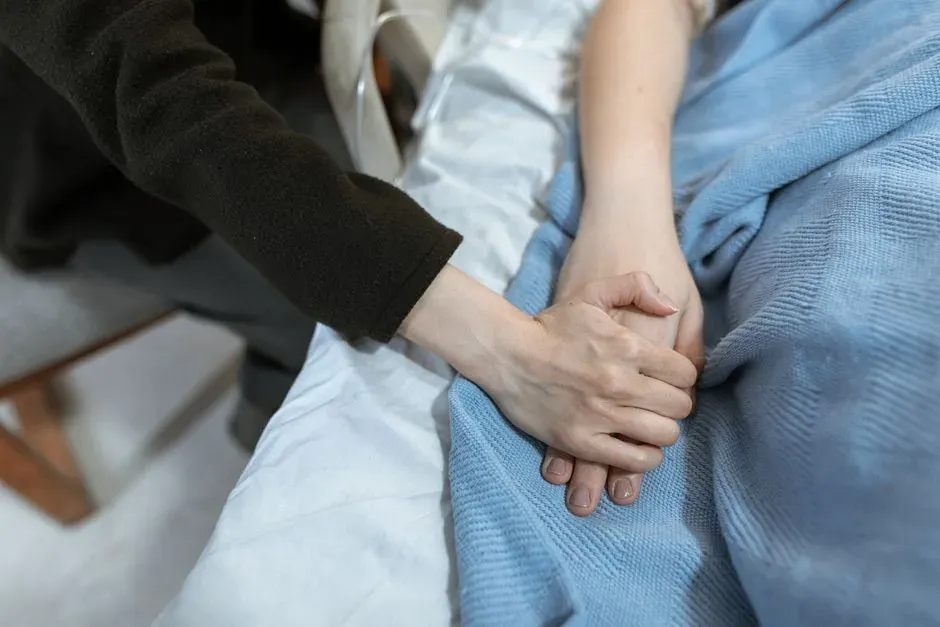
Equally important is simple presence. Sitting at the bedside, listening without rushing to fix, allowing tears and silence, and respecting the dying person’s pace can all create an emotional environment where acceptance can take root. We cannot manufacture that strange end‑of‑life calm, but we can certainly make it harder or easier for it to emerge. In my view, the real measure of a good death is not perfect serenity, but whether the person was met with as much honesty, tenderness, and respect as possible.
Conclusion: The Quiet Truth About Calm at the Edge of Life

is not a miracle cure, nor is it mere wishful thinking. It sits at the crossroads of biology, psychology, relationships, and meaning. Bodies winding down, minds loosening their grip, roles being released, and stories finding some kind of closure can all converge into a moment that feels unexpectedly gentle, even in the middle of profound loss.
Personally, I think we underestimate how much humans can grow, even in their final days. The calm that sometimes appears at the end is not proof that death is easy; it is proof that people are capable of making peace in situations that are anything but simple. Rather than chasing a perfectly serene death, we might do better to focus on honest care, good pain control, and brave conversations that give space for whatever arises. And if calm does come, for a few minutes or a single clear sentence, maybe the most radical thing we can do is notice it, receive it, and let it change how we live while we still have time.