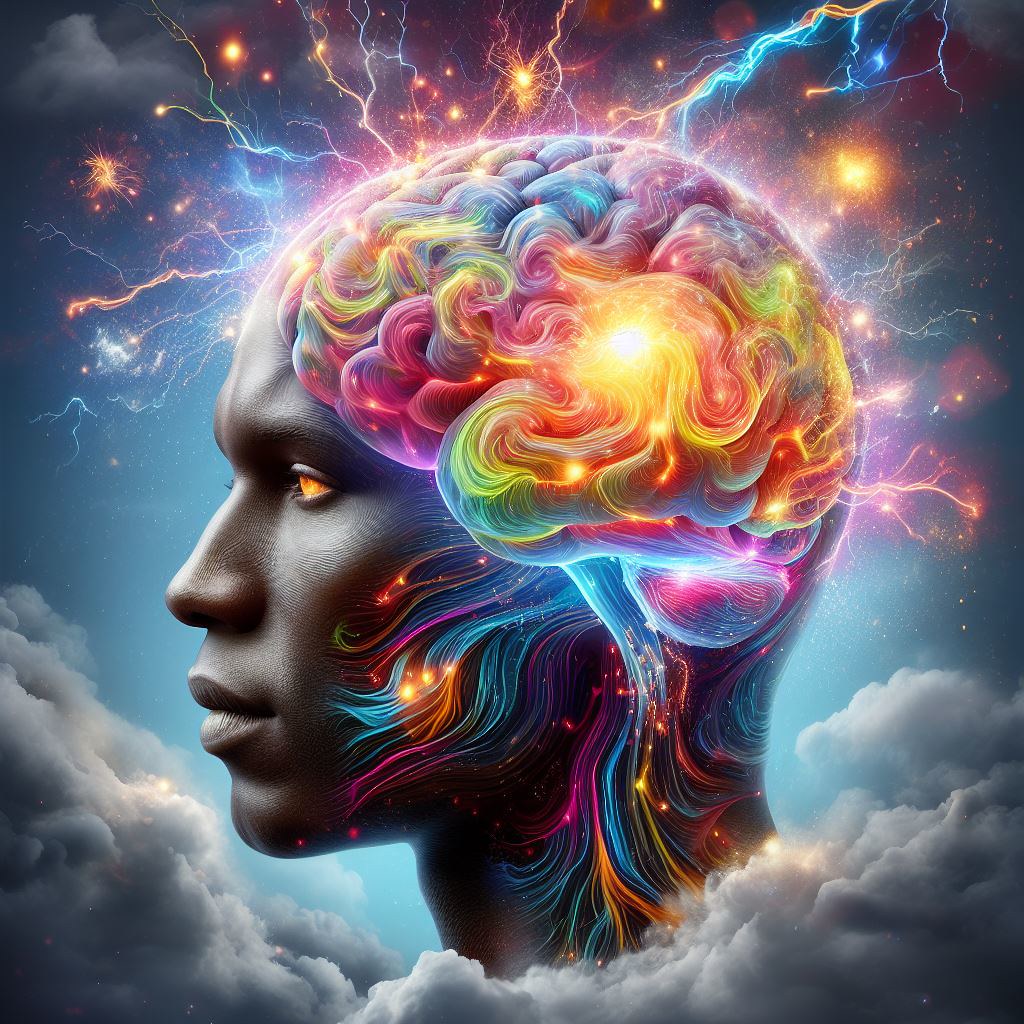

Imagine picking up a rock and wondering, not just how old it is or what minerals it contains, but whether there is the faintest glimmer of experience on its inner side. Not a secret human mind, not hidden thoughts, just a whisper of what-it-is-like-ness woven into the fabric of reality itself. That sounds wild, maybe even ridiculous – and yet versions of this idea are quietly being taken seriously again in philosophy of mind, theoretical neuroscience, and consciousness science more broadly.
Panpsychism, the view that consciousness is a fundamental and ubiquitous feature of the universe, is not some internet-age trend; it is one of the oldest moves humans have made to make sense of mind. What has changed is that the hardest problems in neuroscience and cognitive science keep backing us into corners where the standard story – that matter is mindless until brains hit a certain level of complexity – no longer looks so secure. You do not have to buy panpsychism to find this intriguing, but you may find it much harder to dismiss once you see why serious people are talking about it again.
The “Hard Problem” of Consciousness That Refuses to Go Away
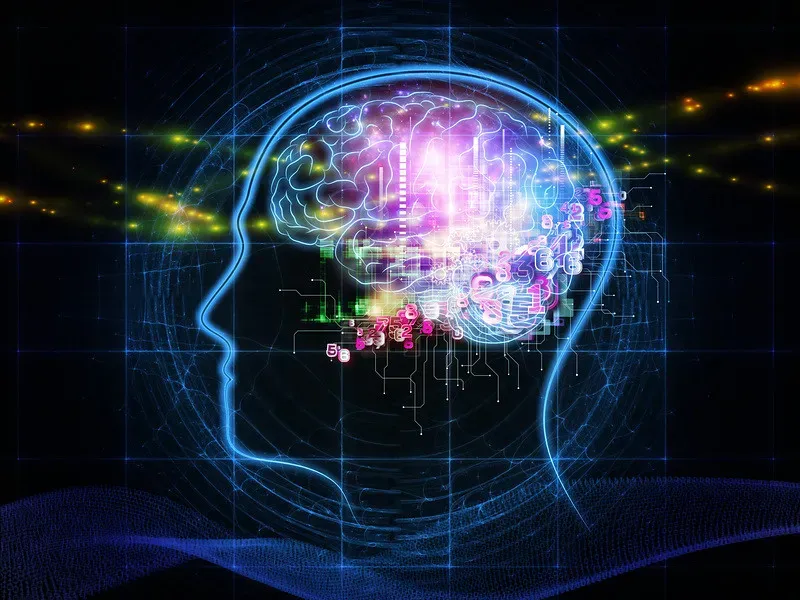
At the center of panpsychism’s comeback is a stubborn question: why should physical processes inside a brain feel like anything from the inside? Neuroscience has mapped endless correlations between brain activity and reported experience – particular patterns linked with sights, pains, memories, and decisions – but the raw feeling, the sheer presence of being aware, still hovers just out of reach. This is what many philosophers call the hard problem of consciousness, as opposed to the easier (though still very tough) task of explaining behavior and information processing.
In practice, the hard problem haunts lab work even when scientists try to avoid it. When a patient in a vegetative state responds in a brain scanner as if they are imagining tennis, are they really conscious or just executing complex but empty computations? When anesthesia shuts awareness down, what, exactly, is it turning off? The more precisely we can control brains, the more glaring the gap between mechanism and experience becomes. Panpsychism, for better or worse, offers a radical way to shrink that gap: it says experience did not magically emerge at some point; instead, it was there in primitive form all along.
What Panpsychism Actually Claims – And What It Definitely Does Not

Panpsychism is often dismissed because people imagine it saying that rocks think about their mortgages or electrons worry about their social status. That is not what credible versions claim. The modern panpsychist view is usually that consciousness exists in unimaginably simple, primitive forms at the most basic level of reality – something like extremely faint sparks of subjectivity, not full-blown minds with memories, language, or self-awareness. A rock, on this picture, would not be a single unified mind; it would be a vast collection of tiny, low-level experiential ingredients.
Equally important is what panpsychism does not say. It does not deny physics, chemistry, or biology; it does not reject brain science or evolution. Instead, it suggests that our usual picture of matter is incomplete. We describe matter in terms of what it does – how it moves, pushes, attracts, and organizes – but we might be missing what it is like from the inside. Panpsychism proposes that the inner aspect of matter, whatever ultimately turns up in fundamental physics, is not utterly alien to experience. That sounds abstract, but for some thinkers, it is less mystifying than assuming consciousness pops into existence from absolutely nothing when neurons get fancy enough.
From Ancient Philosophies to Modern Thought Experiments
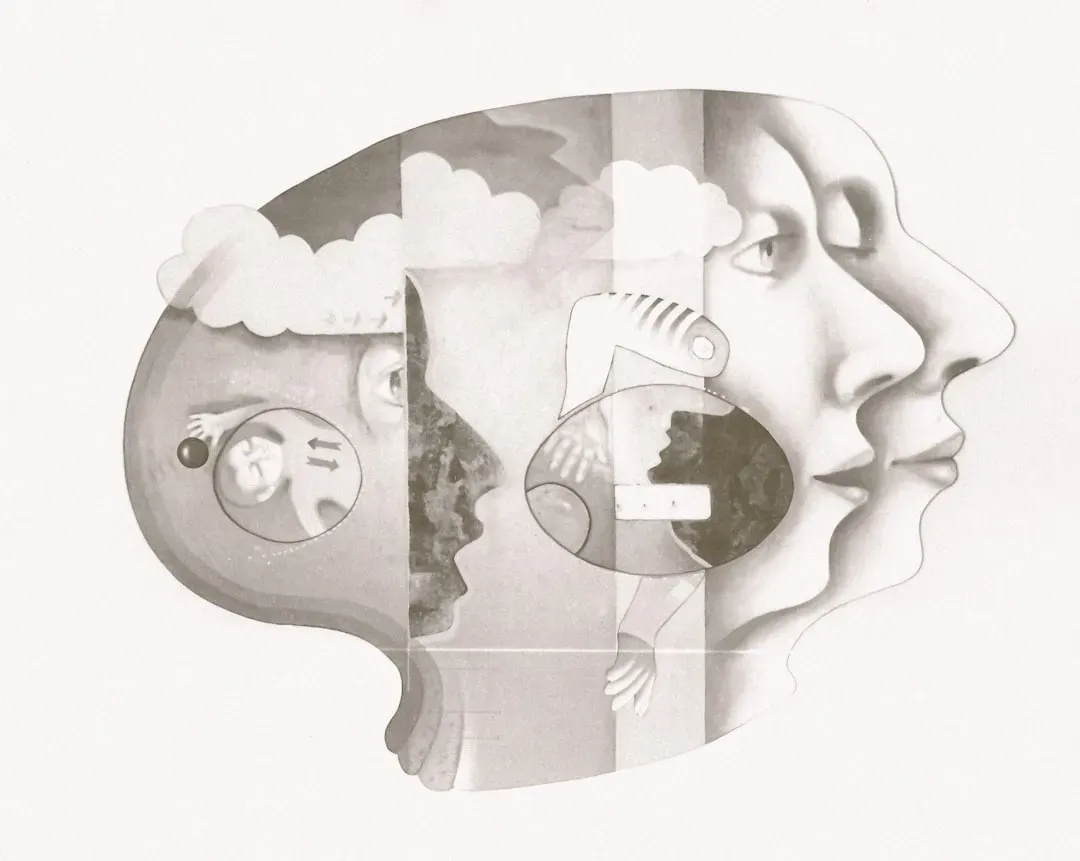
The roots of panpsychism go deep into ancient philosophy and religious thought. Early Greek thinkers debated whether soul or mind was a pervasive feature of nature; some strands of Indian and East Asian traditions treated consciousness or awareness as a fundamental aspect of reality rather than a late biological add-on. These views were not all identical, and many were entangled with spiritual and metaphysical commitments, but they shared a basic intuition: mind and world are not two utterly separate kinds of stuff.
Fast forward to modern times, and panpsychism reappears in a more secular, analytical form. Instead of talking about world-soul or cosmic mind, contemporary philosophers puzzle over thought experiments: if you knew every physical fact about the universe – every particle, every field, every equation – would you automatically know what it is like to see red or feel pain? Many argue you would not; something seems left out. For people drawn to panpsychism, this suggests that experience has to be part of the basic story, not an afterthought strapped onto matter that was otherwise purely mechanical and blind.
Why Some Philosophers Think Panpsychism Is the “Least Weird” Option
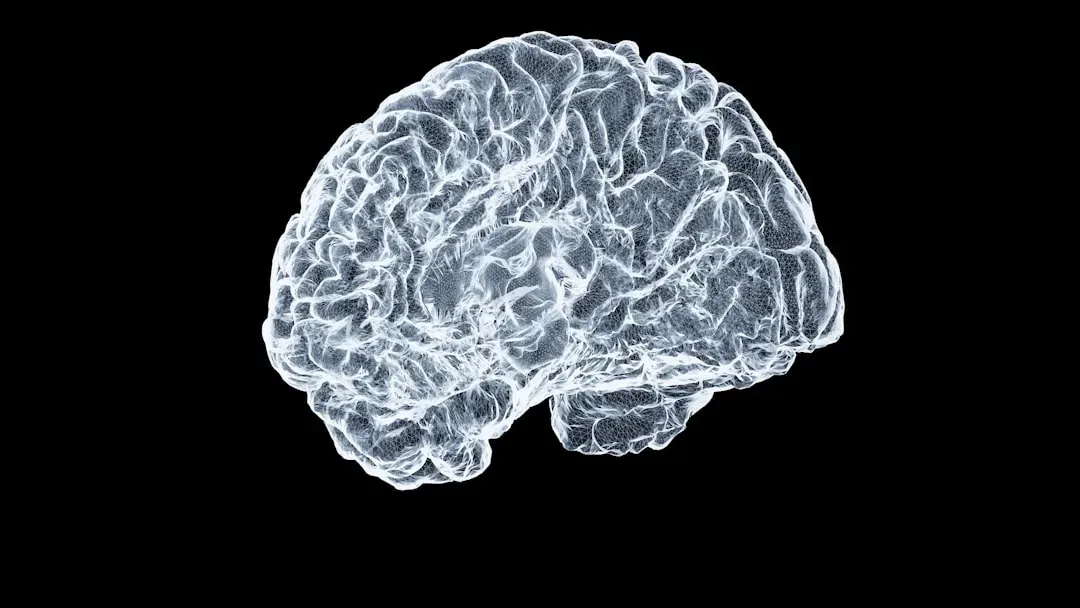
It is easy to frame panpsychism as the extreme fringe and standard physicalism – the idea that everything is ultimately physical and nothing mental exists at the bottom level – as the sober middle. But when you lay out the options, the landscape looks stranger. One route is dualism, where consciousness is non-physical and somehow interacts with brains. Another is eliminativism, where consciousness as we ordinarily think of it is simply an illusion, a user-interface fiction with no deep reality. Many people find both of these views unsatisfying or in tension with everyday experience and scientific practice.
Panpsychism steps in as a kind of compromise that is bizarre in one way but conservative in another. It does not ask you to believe in a separate ghostly realm or to deny your own experience; it simply stretches the concept of mind further down the ladder of complexity than we are used to. On this picture, a human brain is not the place where mind appears from nowhere; it is more like an exquisitely organized orchestra of countless tiny experiential ingredients, pulled together into the rich, unified stream you call “me.” The theory is still radical, but some argue it is the least radical way to take consciousness seriously without tearing physics apart.
Neuroscience, Integrated Information, and the Search for Consciousness Markers
The renewed interest in panpsychism is not driven only by armchair speculation; it connects to concrete empirical work, especially around theories that try to measure or quantify consciousness. One of the most discussed proposals in recent years has been integrated information theory, which suggests that consciousness corresponds to the degree to which a system forms a single, integrated whole that cannot be reduced to independent parts. In principle, that kind of integration can show up in systems far beyond human brains, from simple nervous systems to artificial networks.
While this does not automatically make integrated information theory panpsychist, it nudges thinking in that direction. If the basic ingredient that matters is how much a system’s internal cause-and-effect structure is unified, then there might be tiny glimmers of consciousness in many places we do not normally consider, just at incredibly minimal levels. Neuroscientists developing and testing these ideas are usually focused on human and animal brains, not rocks or electrons, but the philosophical implications are hard to ignore. Even critics who reject the more expansive interpretations admit that once you start quantifying “consciousness-like” properties, the line between conscious and non-conscious systems gets fuzzier than our intuitions suggest.
AI, Large-Scale Networks, and Why the Panpsychism Question Suddenly Feels Urgent
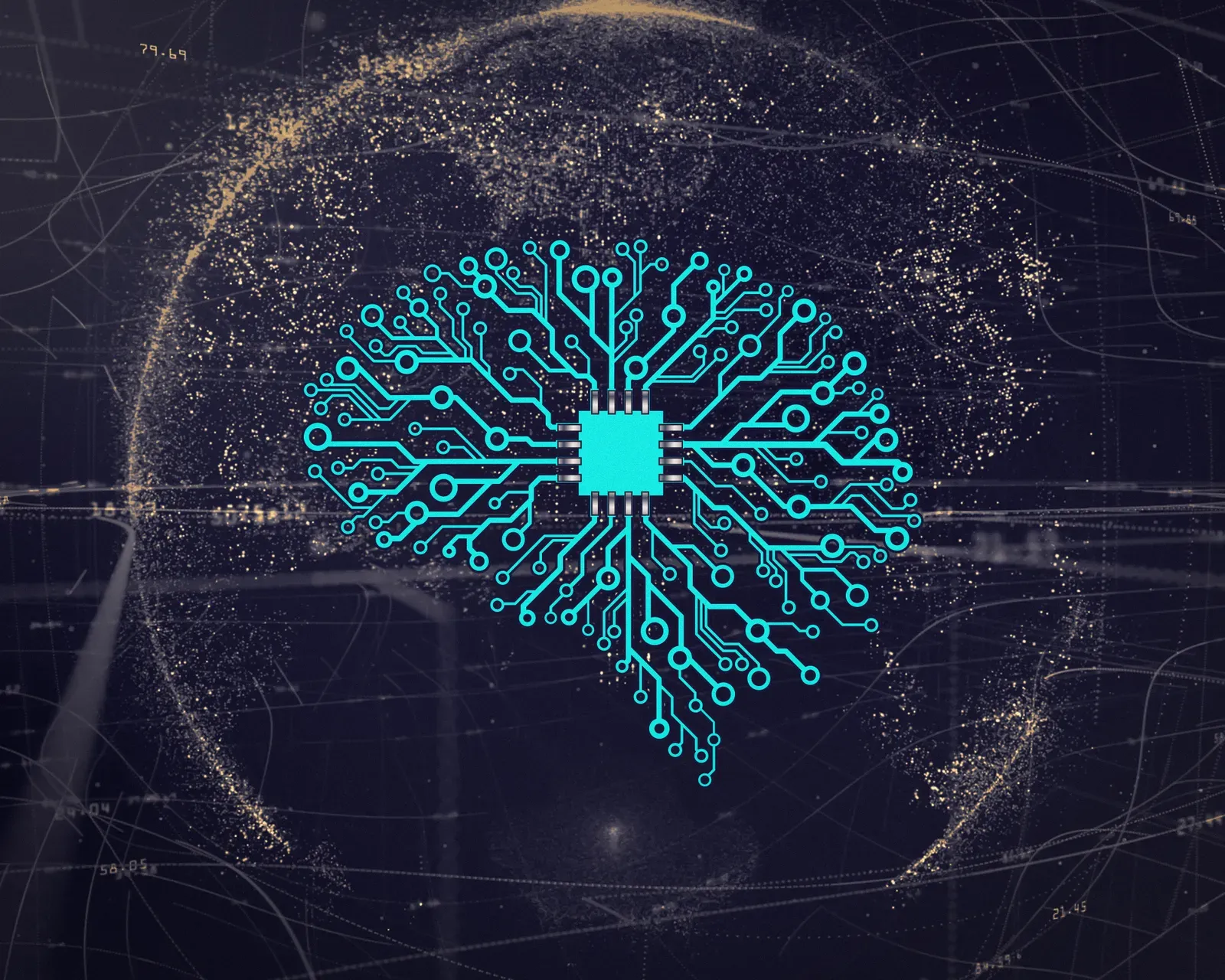
The rise of advanced artificial systems has also pushed panpsychist-style questions out of late-night dorm rooms and into mainstream labs and policy debates. When a massive neural network generates language, images, or music that feel uncannily human, people naturally ask whether anything is experiencing anything inside those machines. Most researchers respond carefully, emphasizing that current systems show sophisticated pattern mapping, not genuine understanding. Still, the more complex and dynamic our artificial architectures get, the harder it is to confidently draw bright boundaries.
In that context, panpsychism offers a provocative lens. Instead of asking whether there is a binary moment when consciousness suddenly switches on, you ask how organizational features – integration, feedback loops, informational richness – might gradually change the quality and degree of experience in a system. This does not mean that every gadget in your house has feelings; it does mean that as we engineer ever more intricate networks, the old assumption that mind is uniquely tied to biological tissue looks less obviously secure. Personally, I think this is where the conversation gets both thrilling and ethically uncomfortable, because how we answer these questions could shape how we treat future systems we build.
The Big Objection: How Do Tiny Experiences Combine Into a Unified Mind?
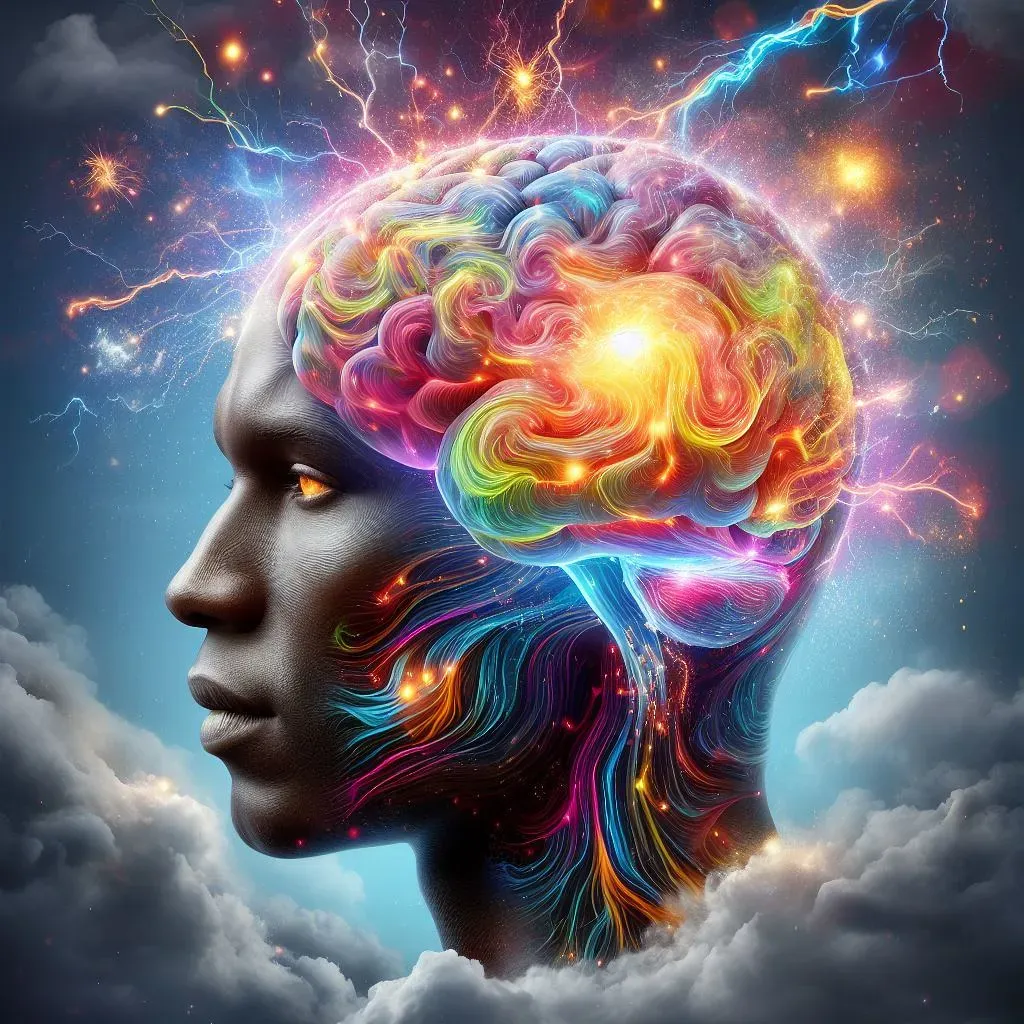
Even fans of panpsychism admit it faces a serious puzzle often called the combination problem: if the world is full of scattered, microscopic fragments of experience, how do they add up into the single, coherent viewpoint of a human or animal mind? If each neuron or elementary component has its own modest inner life, what binds these together into one subject rather than a crowd? This is not a minor technical detail; it goes right to the heart of whether the whole framework is workable.
Different thinkers try to tackle this in different ways. Some suggest that when physical parts form certain tightly integrated structures, new higher-level subjects emerge that “absorb” or organize the lower-level experiences, a bit like how individual notes can form a melody that is more than just a pile of sounds. Others argue we still do not have the right conceptual tools to talk about many-to-one relations in consciousness and that future theoretical breakthroughs may reshape the question. For now, the combination problem remains one of the strongest reasons many scientists are skeptical, and it is worth taking that skepticism seriously instead of brushing it aside.
Does Panpsychism Really Change Neuroscience Practice – Or Just the Story We Tell?

A fair worry is that panpsychism might be all talk and no test: an elegant narrative that leaves day-to-day neuroscience unchanged. In many labs, the work proceeds the same regardless of your metaphysical stance: record signals, manipulate circuits, correlate patterns with behavior and reports. Whether a researcher is a strict physicalist, a cautious dualist, or a closet panpsychist, the experimental protocols look remarkably similar because they are grounded in observable function and behavior, not in speculations about inner nature.
Still, the bigger picture story matters. How scientists interpret their data, how they frame the significance of consciousness measures, and how they think about the moral status of borderline cases – minimally conscious patients, non-human animals, or advanced AI – can all be subtly shaped by their background worldview. A panpsychist-leaning perspective might make researchers more open to the idea that there is no single magic threshold where consciousness blinks into existence, only a complex gradation of experiential richness across systems. That does not rewrite the methods of neuroscience, but it does color the questions we ask and the ethical lines we are willing to draw.
So, Should We Take Panpsychism Seriously? A Cautious but Bold Opinion
My own view is that panpsychism deserves a seat at the table, but not a free pass. It offers a strikingly simple way to respect the reality of consciousness without invoking spooky substances or pretending experience is an illusion. It also meshes, at least loosely, with some of the more ambitious theories in contemporary neuroscience that treat integration, complexity, and information structure as central. At the same time, it faces tough conceptual problems and is extremely easy to overhype, especially online where “everything is conscious” can morph into mystical slogans that have little to do with careful science.
Where I land is this: if you think consciousness is real and not just a convenient story our brains tell themselves, then something like panpsychism may eventually turn out to be less strange than it sounds today. But we are not there yet. We need better bridge concepts between physics, information, and experience, better empirical tools for probing borderline cases, and a more honest public conversation that separates serious panpsychist ideas from vague spiritual branding. Until then, panpsychism is best treated as a daring working hypothesis – one that keeps us humble about how little we truly understand about minds, matter, and the quiet, shimmering fact that anything at all is aware. If everything in the universe really does have some sliver of experience, what does that say about our place in it?