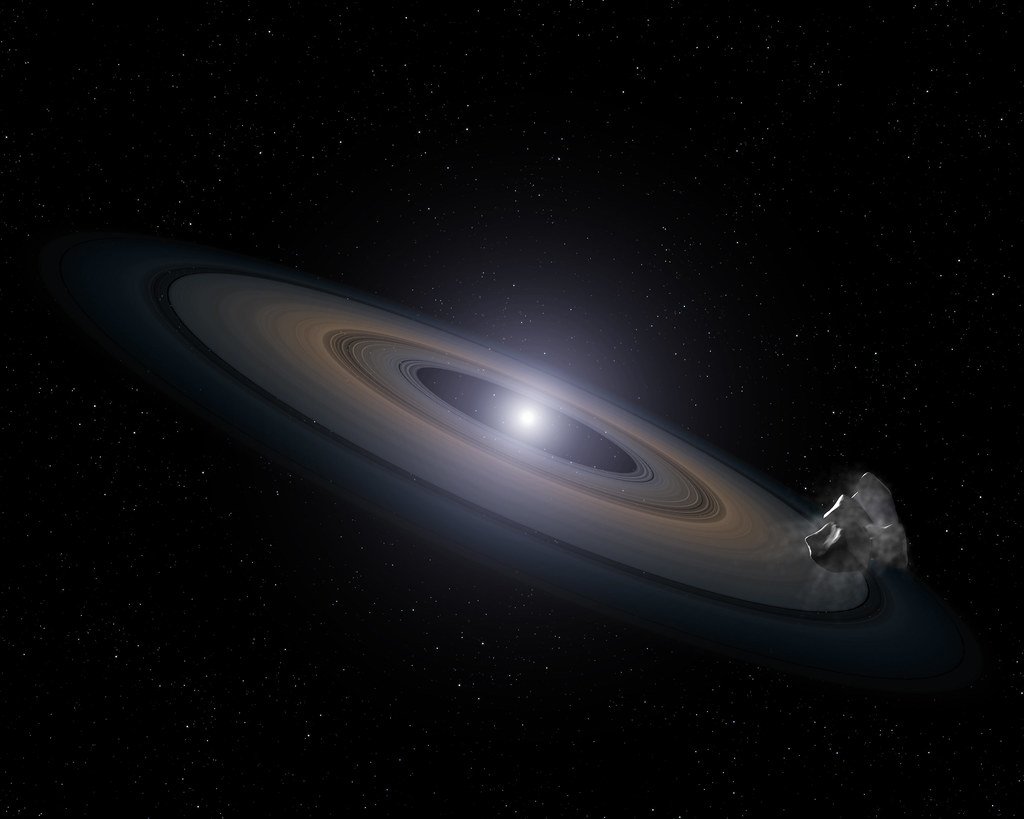

Look up at the night sky. Among the sparkling stars and wandering planets, a silent threat grows with each passing day—a chaotic cloud of human-made debris swirling above our heads. The once-pristine arena of Earth’s orbit is now cluttered with fragments of old satellites, rocket parts, and forgotten experiments. This isn’t just a technical nuisance; it’s quickly becoming one of the greatest conservation challenges of our time, echoing the urgency of ocean plastic or rainforest deforestation. What happens when the very space that connects us all becomes a graveyard of our own making?
The Birth of a New Environmental Crisis

Space debris, also called “space junk,” didn’t happen overnight. Since the dawn of the space age in 1957, every satellite launch, every spent rocket stage, and every accidental collision has left behind traces—sometimes tiny flecks of paint, sometimes entire dead satellites. These scattered remnants remain in orbit, circling the Earth at breathtaking speeds. Unlike plastic in the ocean, this trash doesn’t drift with the currents; instead, it whips around our planet at up to 17,500 miles per hour. The sheer speed and quantity of these objects have transformed orbital space from a boundless frontier into a hazardous dumping ground.
How Much Debris Are We Really Talking About?

It’s not just a handful of screws and bolts floating above us. As of 2025, scientists estimate there are around 35,000 pieces of debris larger than a softball, over 1 million pieces bigger than a marble, and more than 130 million tiny fragments too small to track. Each of these objects, no matter its size, possesses enough energy to damage or destroy vital spacecraft. Imagine driving down a highway in the dark, with millions of invisible stones hurtling toward you—this is the reality faced by satellites and astronauts alike.
Why Space Debris Is a Conservation Issue

Space conservation may sound odd, but the logic is clear: just as we protect forests or oceans from pollution, we must now safeguard the orbital environment. The buildup of debris threatens scientific missions, communication networks, weather forecasting, and even military operations. The risk is not just technical—if left unchecked, the debris cloud could make certain orbits unusable for decades or centuries, closing off vital pathways for research and exploration. The ripple effects would be global, affecting everything from disaster response to everyday banking and navigation services.
The Dangers of the Kessler Syndrome

Perhaps the most alarming scenario is the so-called Kessler Syndrome—a runaway chain reaction where pieces of junk collide, creating even more debris and making further collisions inevitable. It’s like smashing one glass in a room full of mirrors, only to watch each new shard cause more destruction. This domino effect could trigger a catastrophic loss of low Earth orbit, rendering it impassable for future generations. The threat is not hypothetical; several minor collisions have already demonstrated how quickly the situation can spiral out of control.
Real-Life Accidents and Close Calls

History is peppered with chilling examples. In 2009, an active Iridium communications satellite smashed into a defunct Russian satellite, producing thousands of new fragments. The International Space Station (ISS) has had to perform dozens of maneuvers to dodge debris, and astronauts have occasionally taken shelter in escape capsules during close shaves. Each incident serves as a stark reminder—space is no longer the tranquil void we imagined.
Environmental Impact Beyond Earth

Space debris isn’t just a problem for engineers and astronauts. The growing cloud of junk affects Earth’s environment, too. When larger objects re-enter the atmosphere, they can rain down metal fragments or release harmful chemicals. There’s also growing concern over the light pollution caused by mega-constellations of satellites and debris, which interferes with astronomical observations and even disrupts animal migration patterns. Our actions in orbit are beginning to echo back to the surface in surprising ways.
International Collaboration: A Race Against Time

No single country owns outer space, which makes the cleanup effort incredibly complex. The United Nations and organizations like the European Space Agency have set forth guidelines for responsible behavior, but enforcement is tricky. Some countries have started to require satellites to deorbit after their missions, while others test anti-satellite weapons, ironically creating even more junk. It’s a race against time, where global cooperation is not just helpful—it’s absolutely necessary.
Innovative Solutions for a Cleaner Orbit

Scientists and engineers are hard at work dreaming up ways to clean up the mess. Some ideas sound like science fiction: giant nets to snag debris, harpoons to spear rogue satellites, and even lasers to push objects into the atmosphere to burn up safely. While a few demonstration missions have shown promise, large-scale cleanup remains a technical and financial challenge. The hope is that new technologies, paired with stricter regulations, can turn the tide before it’s too late.
The Role of Private Companies in the Debris Dilemma

With companies like SpaceX, OneWeb, and Amazon launching thousands of satellites, the private sector is now a major player in the orbital ecosystem. While these companies promise faster internet and global connectivity, they also add to the congestion. Some are taking responsibility by designing satellites that can self-destruct safely or be easily deorbited, but not everyone is following suit. The future of space conservation may hinge on how industry leaders choose to balance profit with planetary stewardship.
What Can Individuals and Communities Do?

It might seem like a distant problem, but ordinary people have a role to play. Supporting policies that promote responsible space activity, championing science education, and staying informed are vital steps. Grassroots movements have changed the course of environmental issues on Earth, from banning plastic bags to preserving rainforests—why not aim for the stars? As awareness grows, so does the demand for action, proving that even the smallest voice can echo through the cosmos.
A Call to Protect Our Final Frontier

The space debris crisis is more than an engineering headache; it’s a wake-up call for humanity’s relationship with the universe. Our ability to explore, communicate, and understand the world is now tied to our stewardship of the orbital environment. Will we learn to treat space with the same care we strive for on Earth, or will we leave a legacy of chaos in the skies? The next chapter is still unwritten—what role will you play in shaping it?