Puffins, with their striking appearance and quirky behavior, have long captured the imagination of wildlife lovers worldwide. Ireland’s rugged coastal cliffs provide a crucial breeding ground for these seabirds, making their conservation a pressing concern. This article delves into the fascinating lives of puffins, the threats they face, and the efforts to safeguard their future.
Understanding the Puffin’s Unique Characteristics
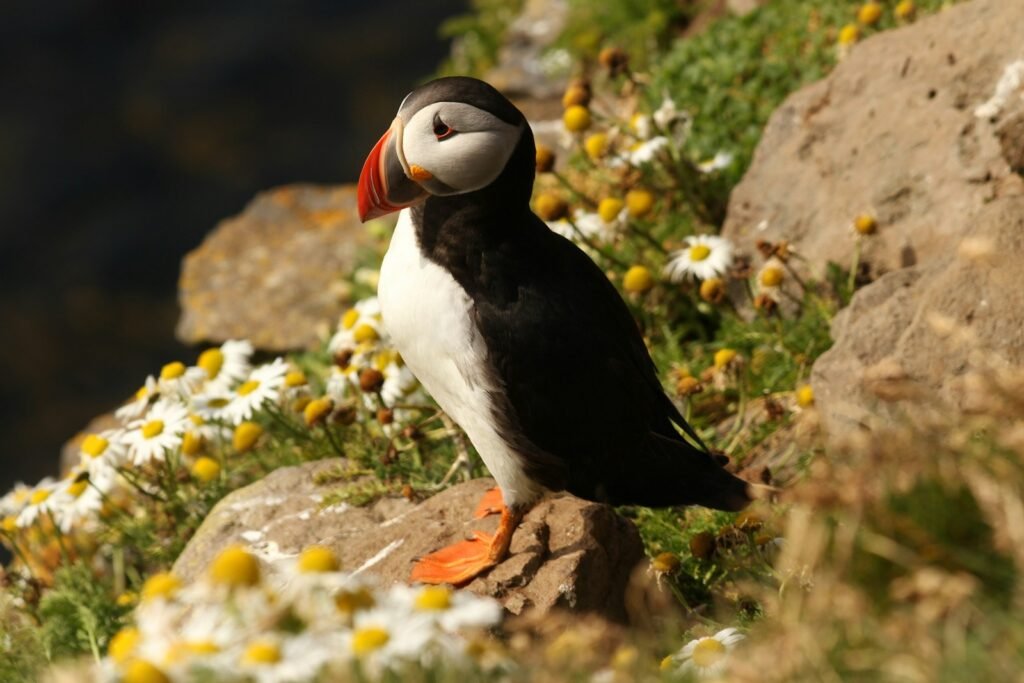
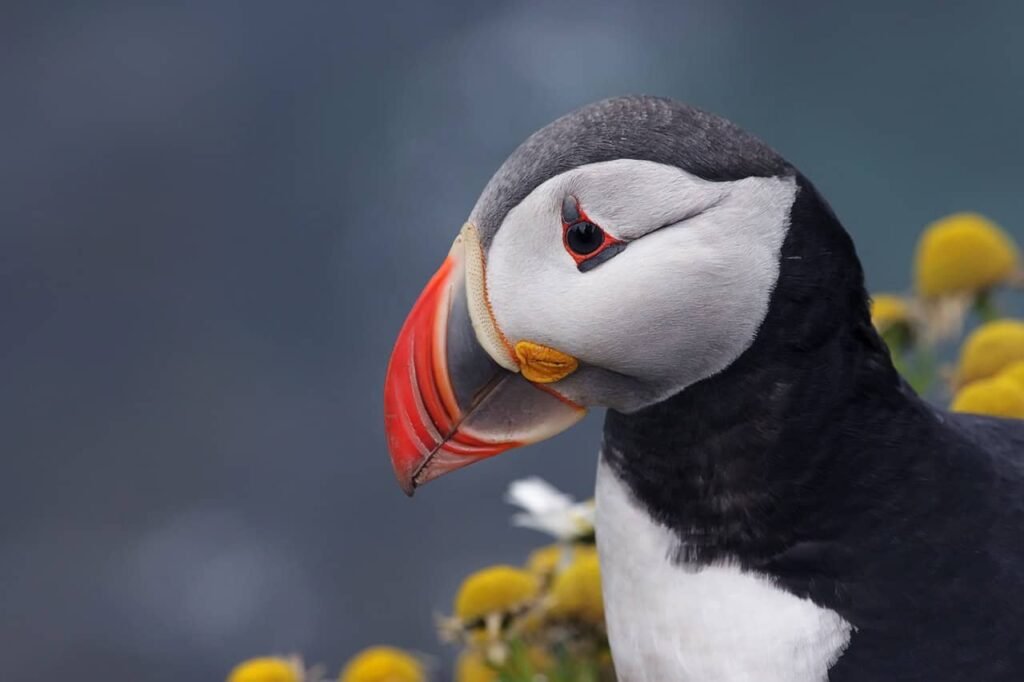
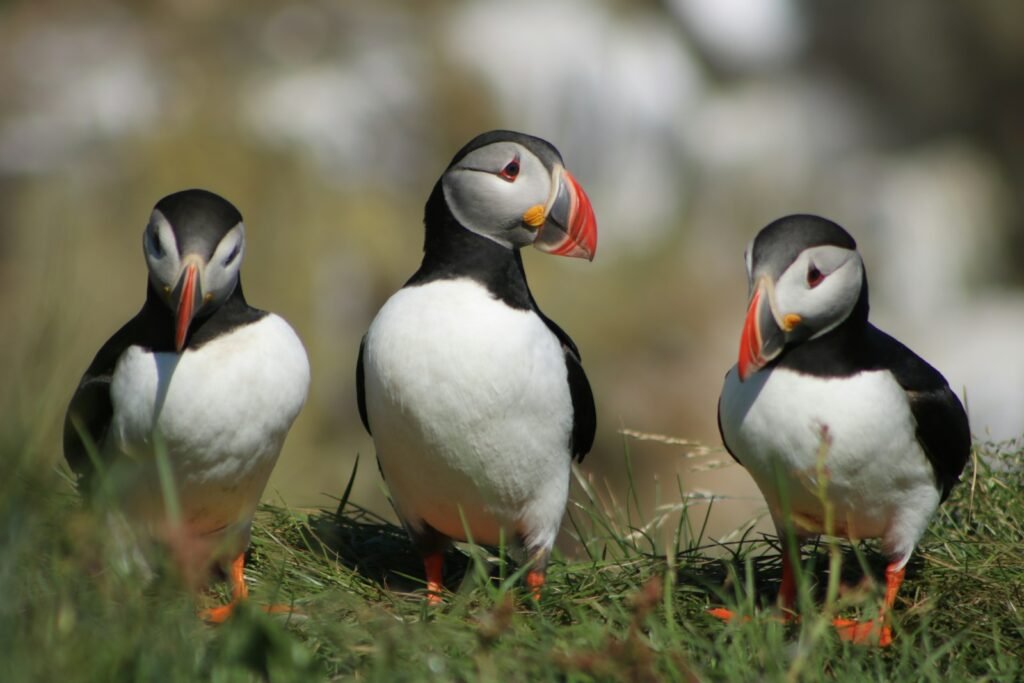
Puffins, often recognized by their colorful beaks and waddling gait, are members of the auk family. These small seabirds, measuring about 25 centimeters in height, are adapted to both flying and diving. Their black back and white underbelly are complemented by a vividly colored, triangular beak. During the breeding season, their beak becomes even more vibrant, which plays a significant role in their mating rituals.
Life in the Coastal Colonies
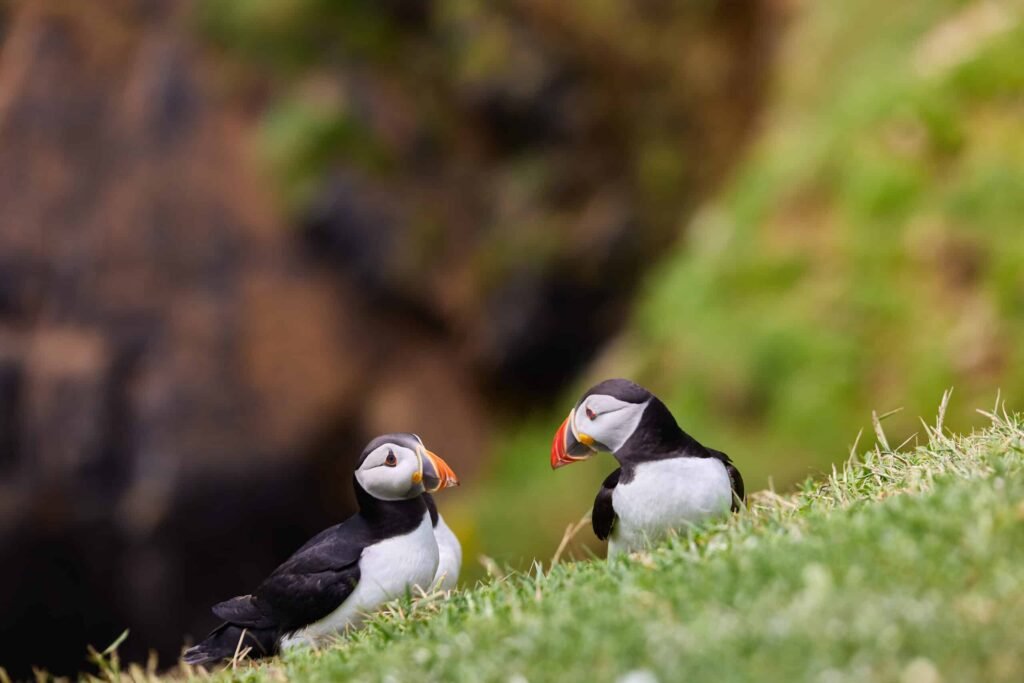
Ireland’s jagged coastline, peppered with safe, secluded cliffs, serves as the ideal breeding environment for puffins. These birds are colonial nesters, meaning they return each year to the same general area to breed. However, unlike some birds that build nests in trees, puffins prefer to dig burrows in soil-rich cliff tops where they’ll lay a single egg annually.
The Puffin’s Diet and Foraging Behavior
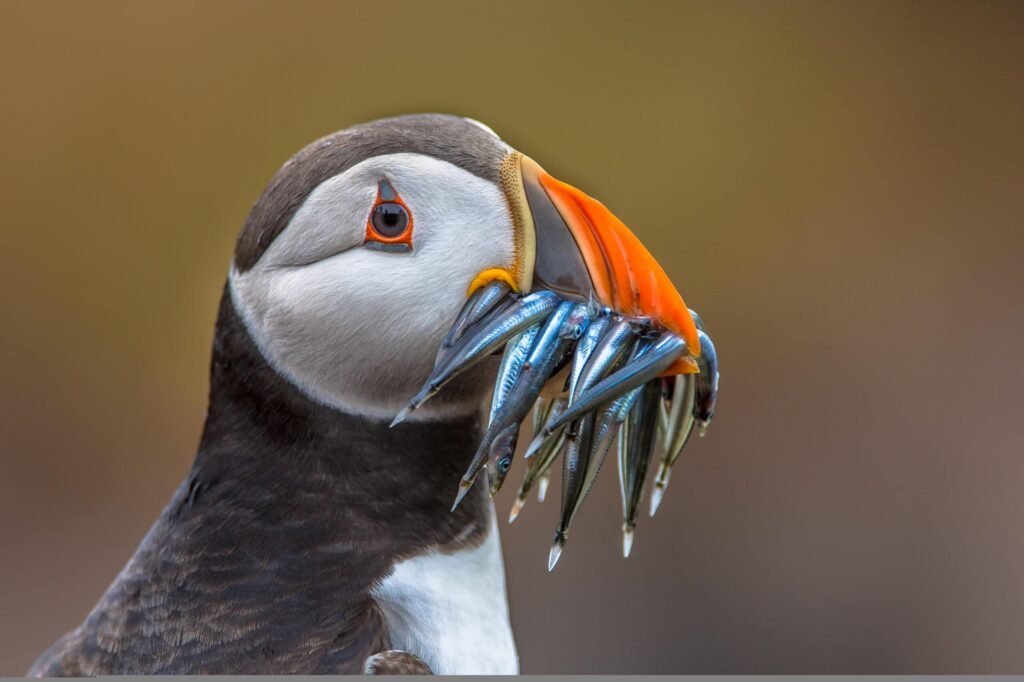
Puffins primarily feed on small fish like sand eels, herring, and capelin. Expert divers, they can reach depths of up to 60 meters, using their wings to “fly” underwater in pursuit of their prey. Their beaks are uniquely adapted to hold several fish at once, positioned crosswise which enables them to carry more back to feed their chicks.
Breeding and Raising the Next Generation
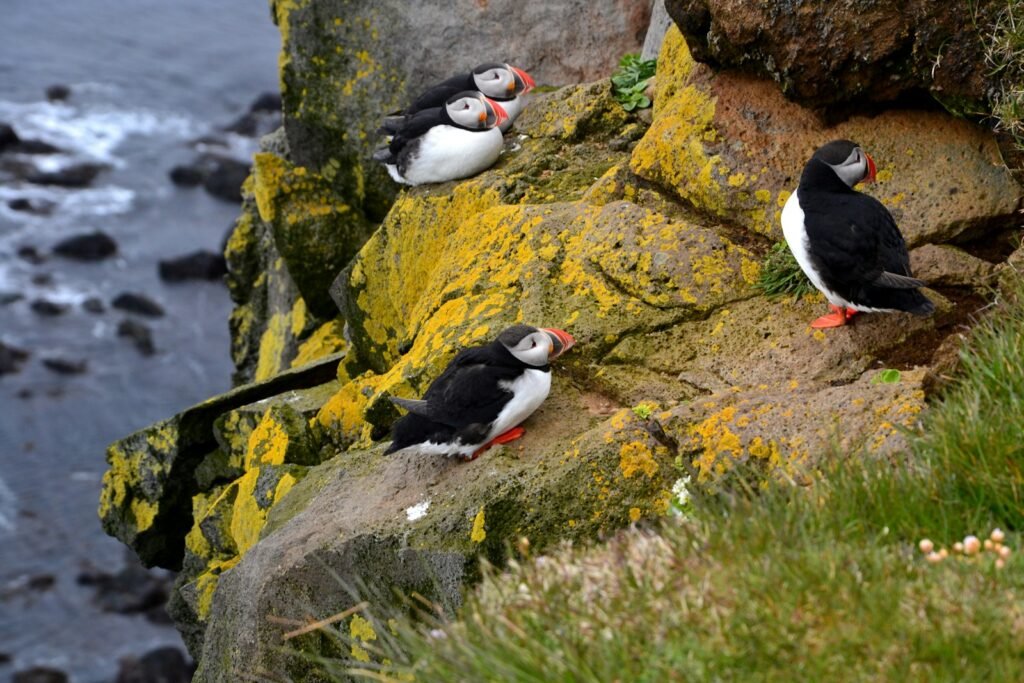
Both puffin parents share the responsibility of incubating the egg, which takes about 6 weeks to hatch. Once the chick, or “puffling,” emerges, it is fed by both parents for up to 6 weeks until it’s ready to fledge. These baby birds then venture to sea, not returning to land for several years until they are mature enough to breed.
Threats Facing Puffin Populations
Puffins face several existential threats that have caused their numbers to decline, classifying them as vulnerable. Climate change has altered sea temperatures, affecting fish stocks and thereby food availability. Overfishing exacerbates this issue, while pollution and human disturbances pose additional risks to their habitats.
Conservation Efforts in Ireland

Efforts to conserve puffin populations in Ireland include habitat protection, sustainable fishing practices, and scientific studies to understand their ecology better. Organizations and local communities work hand-in-hand to monitor puffin colonies and implement measures that mitigate human impact like regulating tourism during breeding seasons.
Engaging the Public in Puffin Conservation

Public awareness and engagement play critical roles in puffin conservation. Initiatives like eco-tourism not only educate visitors about these fascinating birds but also foster a sense of stewardship for their protection. Volunteer opportunities and citizen science projects, such as bird counts and habitat restoration, enable people to contribute directly to preservation efforts.
The Role of Legislation and Policy
Government policies are crucial for protecting puffins and their habitats. National and EU-level regulations set frameworks for conservation, mandating protections for coastal areas and enforcing sustainable fishing practices. These policies need continuous updating to adapt to the changing environmental landscape and scientific understanding.
Future Outlook for Ireland’s Puffins
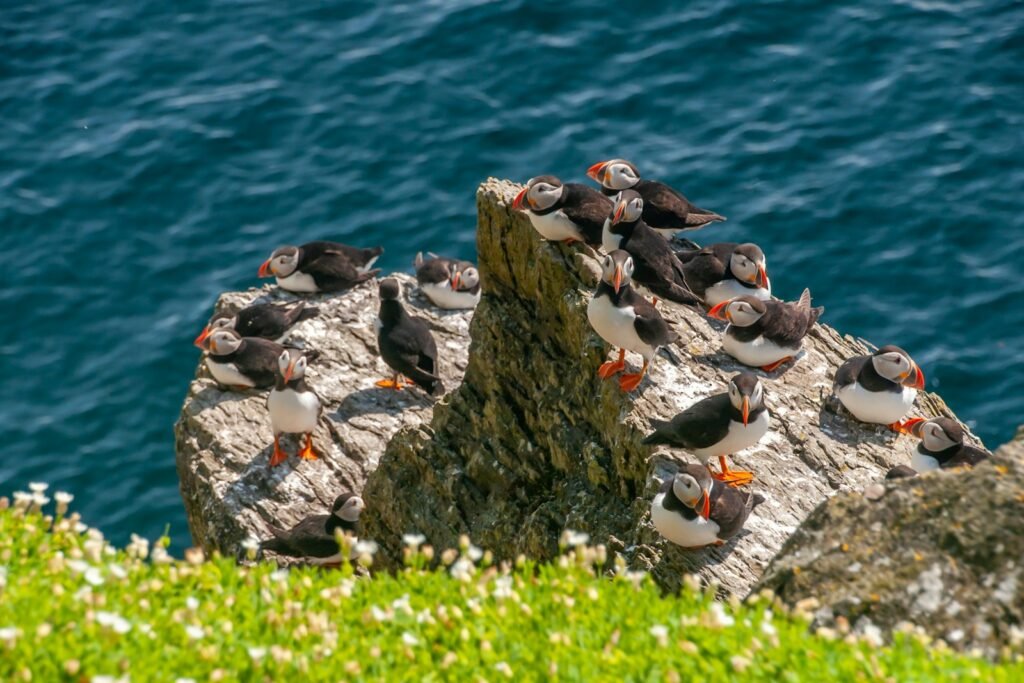
The future of puffins in Ireland hinges on continued conservation efforts and climate mitigation strategies. With climate change being a multifaceted challenge, international collaboration is essential to address the root causes of these environmental shifts. Innovative approaches, such as geo-fencing and digital monitoring, also hold promise for enhancing conservation practices.
Conclusion: The Fragmented Yet Persistent Call for Protection
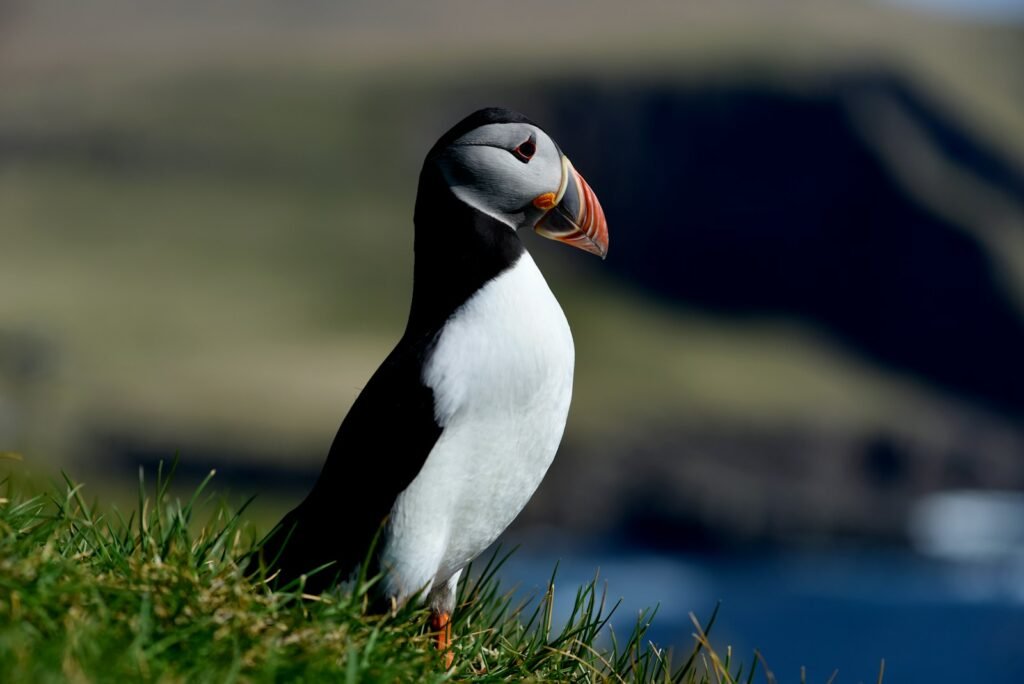
Puffins embody both the fragility and resilience of Ireland’s coastal ecosystems. By understanding the unique characteristics of these charming birds and the challenges they face, we can better appreciate the importance of protecting their habitats. As stewards of the environment, our collective efforts are vital in ensuring that puffins continue to thrive for generations to come, enriching Ireland’s natural heritage and bringing joy to those who witness their wondrous lives.