You probably trust your memories more than almost anything else. They feel vivid, personal, and real, like a mental video you can hit play on whenever you want. But here’s the unsettling twist: your brain is not a perfect recording device. It is more like a skilled storyteller that constantly edits, updates, and sometimes quietly rewrites the past without telling you.
When you remember something, you are not pulling a file out of storage; you are re-creating it in the moment. In that re-creation, the brain can mix real details with guesses, suggestions, and emotions. Over time, those guesses can harden into memories that feel absolutely true to you, even when they are not. Understanding why this happens does not just help you spot mistakes in your own memory; it can change the way you see arguments, eyewitness accounts, and even your own life story.
The Brain Does Not Record, It Rebuilds
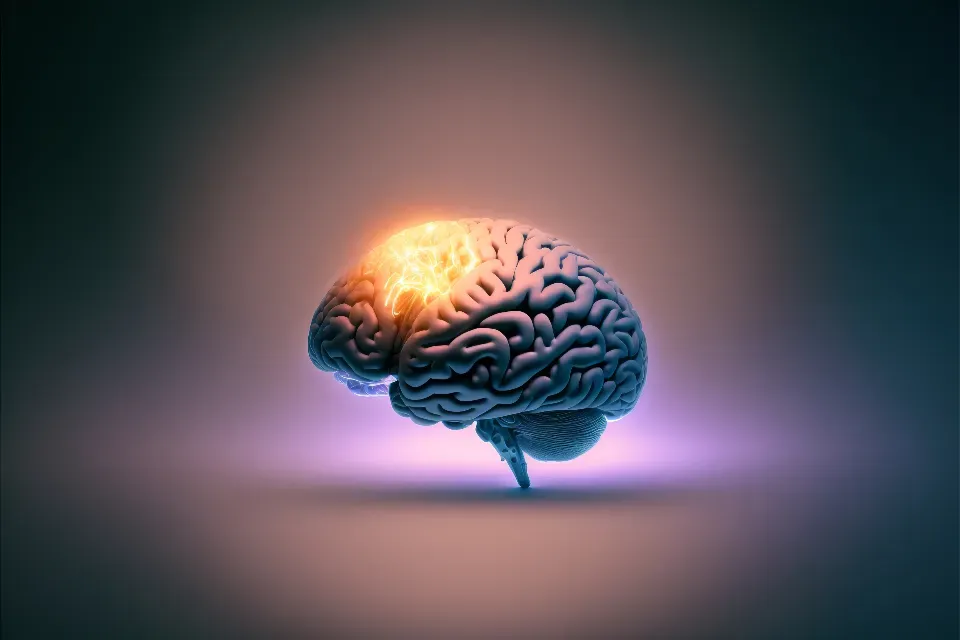
When you think of a memory, you might imagine a mental video clip stored somewhere in your brain, ready to be replayed. In reality, your brain stores fragments: sights, sounds, feelings, meanings, and associations scattered across different regions. When you recall an event, your brain pulls these fragments together and reconstructs the scene, almost like rebuilding a puzzle every time you think about it. That reconstruction is powerful, but it is also fragile.
Because your brain rebuilds memories instead of replaying them, every act of remembering becomes a chance for change. You might fill in missing pieces with what usually happens, what you wish had happened, or what someone else later told you. The next time you remember that event, you are partly remembering the original and partly remembering your last reconstruction. Over many rounds, your memory can drift, and those tiny edits turn into solid “facts” that feel as real as anything you actually lived.
How Suggestion Quietly Rewrites Your Past

You are more suggestible than you think. When someone confidently tells you, “You were really upset that day,” or “You loved that trip,” your brain may start to weave their words into your own memory. If you see edited photos, leading questions, or even repeated stories about an event, your brain can gradually blend those external details into what you believe you experienced. Eventually, you may swear you remember something that actually started as someone else’s idea.
This is especially true in situations where you feel uncertain, emotional, or eager to agree. Your mind wants coherence and social harmony, so it tends to favor details that fit the story everyone else seems to believe. A simple leading question like, “Do you remember the red car that hit the tree?” nudges your brain to create a red car, even if there never was one. Once that imagined car appears in your mental scene, it can stay there, gaining color and confidence every time you recall it.
Emotions: The Double-Edged Sword of Memory

Big emotions can make a memory feel carved in stone, but strong feelings do not guarantee accuracy. When something shocking, terrifying, or thrilling happens, your brain tags the moment as important. You may remember certain fragments with intense clarity, like someone’s face or the sound of a scream, while other details stay fuzzy or never truly form. To make the event feel complete, your brain may later “fill in” those fuzzy parts with what seems plausible, turning guesses into facts.
You may also re-edit memories based on how you feel now. If you are angry with someone today, your brain might highlight past moments when they frustrated you and dim moments when they were kind. Over time, the emotional weight of your current feelings can shift how you remember the entire relationship. In a sense, your memories do not just reflect what happened; they quietly adjust to match how you feel about your life and your relationships today.
Attention, Gaps, and the Brain’s Love of Shortcuts
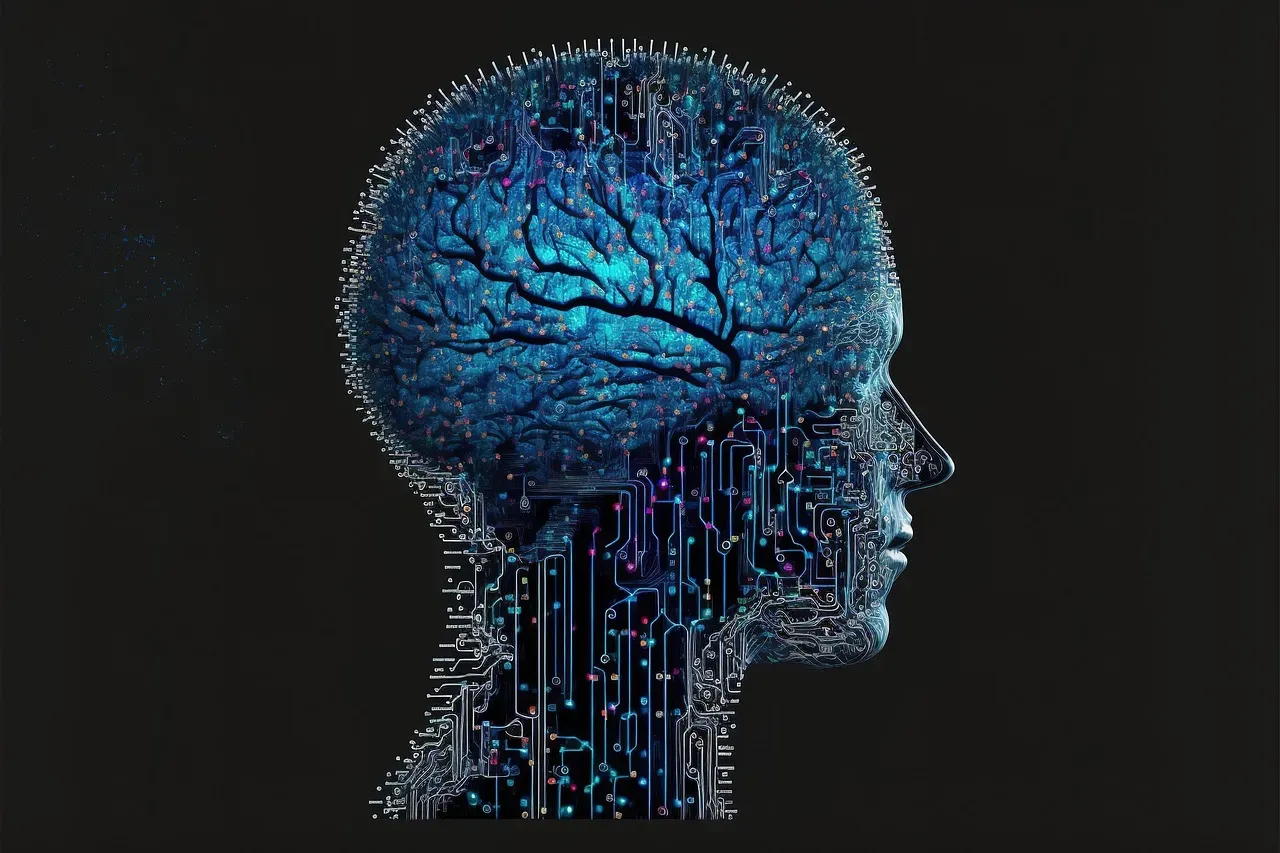
Your brain is constantly taking shortcuts because paying attention to every detail all the time would be exhausting. In any event, you only notice and encode a small slice of what is actually happening. Later, when you try to recall the full moment, your brain leans on patterns and expectations to fill in the rest. If you always park in the same spot at work, your brain might “remember” that you parked there on a particular day even if you actually parked somewhere else.
These shortcuts are not a flaw; they help you move through life efficiently. But they also create openings for false memories. When you cannot remember exactly who said what, or where something was placed, your brain quietly inserts the most likely answer. Usually, that works fine. Sometimes, though, you end up defending a memory that feels completely certain but is actually your brain’s best guess dressed up as reality.
Social Stories and Shared (But Inaccurate) Memories

Your memories do not live in isolation; they are constantly shaped by conversations, photos, videos, and shared stories. When you swap memories with friends or family, you may unconsciously absorb their version of events. Over time, groups can build a shared narrative where everyone “remembers” the same scene, even if that scene has drifted far from what originally happened. You might think you recall an event from childhood, when really you have pieced it together from stories and pictures you have heard for years.
Social media and digital photos can make this even more intense. When you repeatedly see the same image or clip from an event, your brain may elevate that one angle into the definitive memory. Whole parts of the experience that were never captured on camera can fade, while the posted version becomes your mental truth. You might start to remember yourself smiling because that is the photo you always see, even if you were actually stressed or upset most of that day.
Why Some People Are More Prone to False Memories

You and someone else can walk through the exact same experience and still come away with very different memories of it. Some people’s brains are naturally more imaginative, more open to suggestion, or more likely to blur the line between thoughts and experiences. If you tend to daydream vividly, mentally rehearse scenarios, or picture things in rich detail, those mental images can later feel just as real as things that truly happened. That makes it easier for imagined scenes to slip into your memory as “real.”
Factors like stress, fatigue, age, and even how often you talk about an event can also shift how accurate your memories are. When you are exhausted or overwhelmed, you pay less careful attention in the moment and rely more heavily on reconstruction later. If you repeatedly tell a story in a certain way, you may gradually polish or bend it for effect, and your brain will start to store that polished version as the true one. Over time, you are not lying; you are simply remembering the version you have practiced the most.
How You Can Protect Yourself From False Memories
You cannot completely eliminate false memories, but you can make your mental landscape more reliable. One powerful strategy is to document important events as close to real time as you can: jot notes, record voice memos, or write brief journal entries. That gives your brain something concrete to anchor to later, instead of relying purely on reconstruction. You can also pause in the moment to really notice what is happening – what you see, hear, and feel – so more accurate details get encoded in the first place.
It also helps to develop a healthy skepticism about your own certainty. Instead of thinking, “I remember this perfectly,” you can tell yourself, “This is how I remember it, but I might be missing pieces.” When memories clash with someone else’s version, you can be curious instead of defensive and treat both of your accounts as imperfect lenses on the same event. Ironically, by admitting that your memory is fallible, you end up closer to the truth than if you insist your mind is a flawless camera.
Conclusion: Living Wisely With an Imperfect Memory
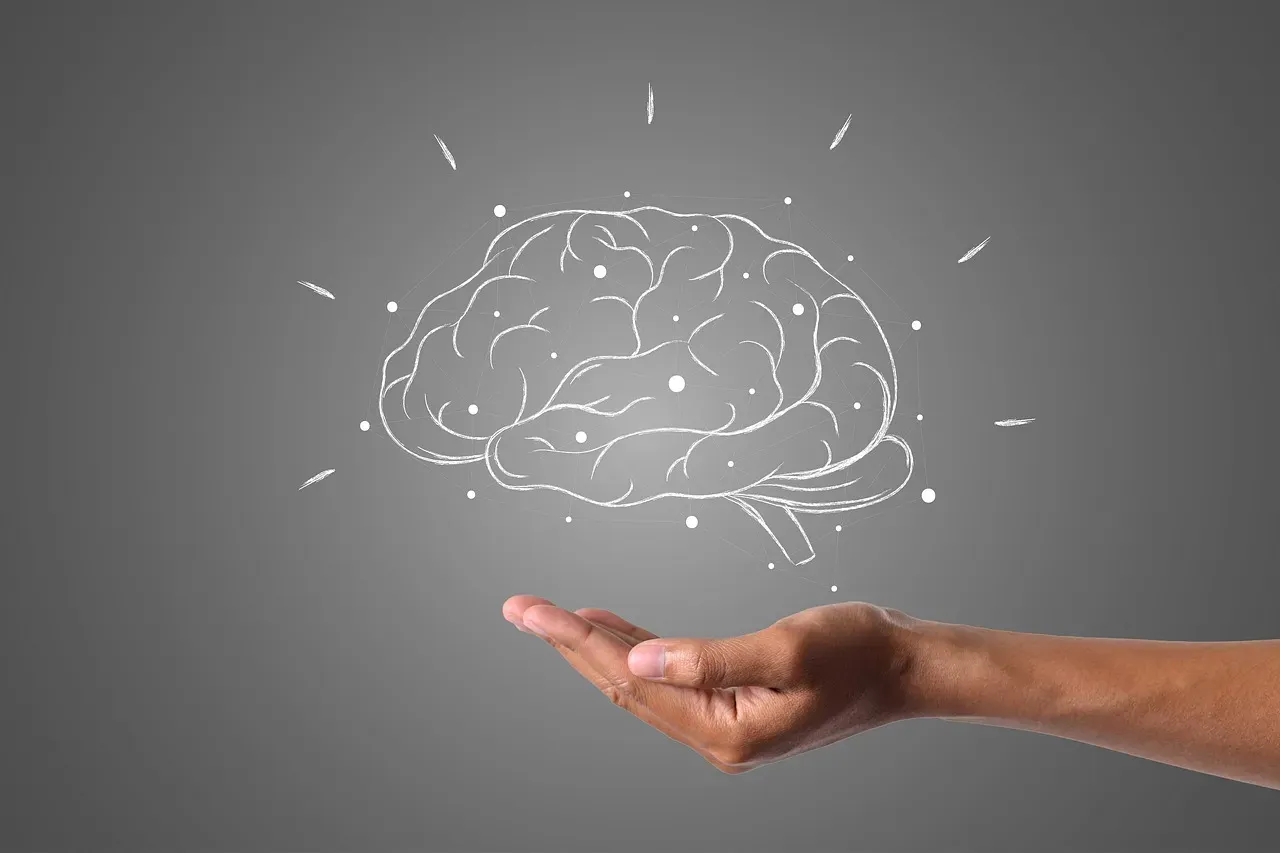
Once you realize how easily your brain can create false memories, you might feel a bit unsettled, maybe even betrayed by your own mind. But there is another way to look at it: your memory is not a cold storage system, it is a living, breathing storyteller that keeps trying to make sense of your life. Sometimes it gets the details wrong, but it is usually doing that in service of building a story that feels coherent and meaningful to you.
By understanding how suggestion, emotion, attention, and social influence shape what you remember, you give yourself more power. You can hold your memories a little more gently, leave room for correction, and be slower to judge others when their version of the past does not match yours. In a world where everyone walks around carrying their own edited story, maybe the most important question is not who is perfectly right, but who is willing to admit that their mind, like yours, is doing its best with incomplete pieces. How might your relationships change if you treated every memory as a story under revision instead of an unquestionable fact?