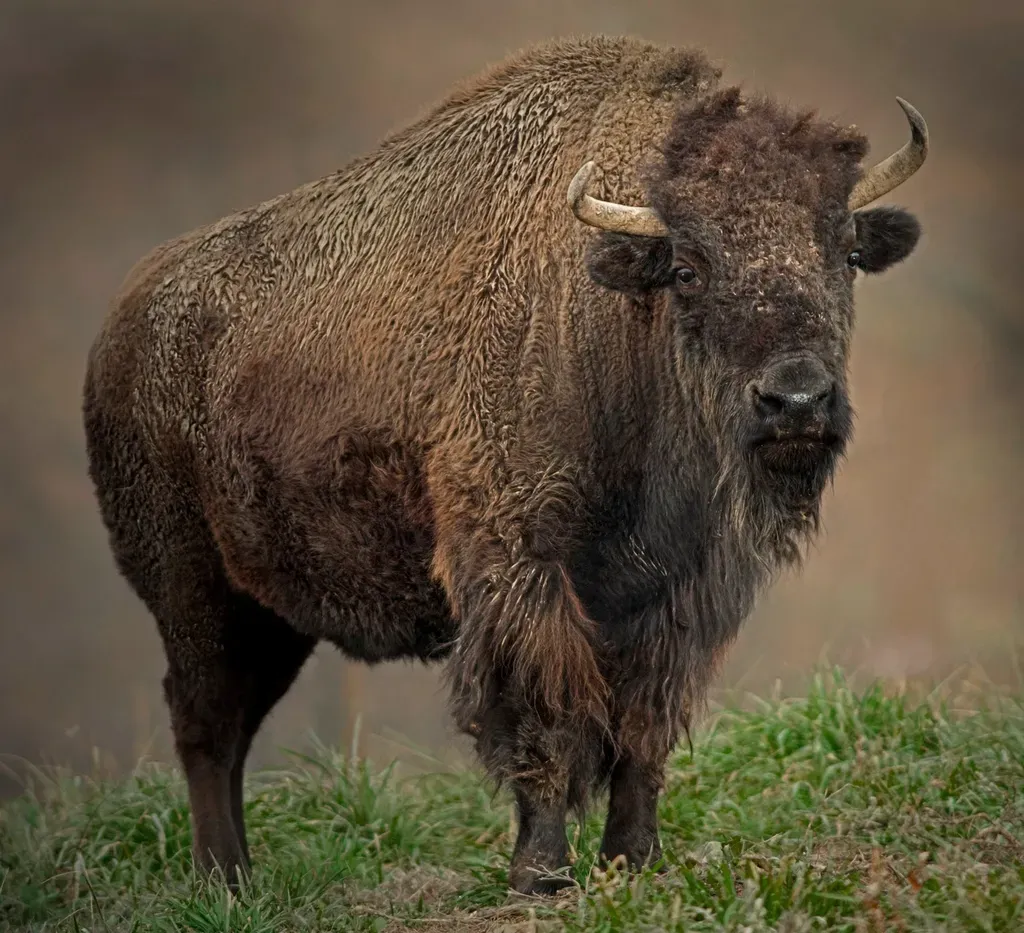

Picture this: you round a bend in Yellowstone, steam rising from a nearby hot spring, and suddenly there he is – a massive bison, bigger than your car’s hood, staring straight through you. Your heart jumps, your brain starts racing, and for a split second you feel both thrilled and very, very small. That mix of awe and fear is exactly what wild Yellowstone is supposed to feel like, but it’s also the moment when your choices really matter.
Every summer, videos of tourists getting way too close to bison make the rounds online, and they’re equal parts jaw-dropping and infuriating. The truth is, most of those scary encounters are completely avoidable. With a little understanding of bison behavior, some basic distance rules, and a calm game plan, you can walk away with an incredible story instead of a trip to the hospital. Let’s walk through what to do – step by step – if you find yourself eye to eye with a wild bison in Yellowstone.
Understand Just How Big – And Dangerous – Bison Really Are
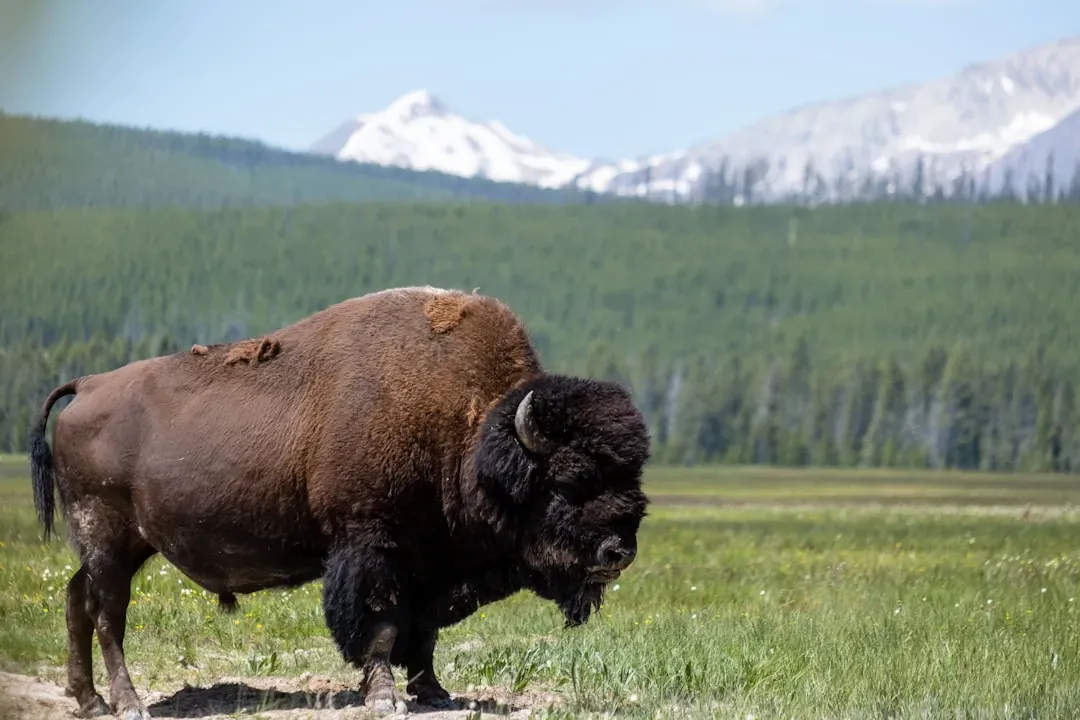
It’s easy to look at a bison and think of a shaggy cow with a bad haircut, but that mental shortcut can get you hurt. Adult bulls can weigh more than a small car, and even the “smaller” cows can outweigh an offensive lineman. They can sprint faster than a human can run, change direction in a heartbeat, and pivot on those heavy shoulders like they’re on ball bearings. When you realize you’re basically staring at a horned, fur-covered tank with legs, their potential power becomes a lot more real.
The other misconception is that bison are slow, chill grass-mowers that just shuffle around being photogenic. Yes, they graze a lot and look pretty relaxed, but they go from zero to full charge in shockingly little time. People are injured by bison in Yellowstone more often than by bears, and usually it’s because they walked too close, ignored warning signs in the animal’s body language, or treated it like a farm animal instead of a truly wild one. Respecting their size and abilities is the foundation of every smart decision you’ll make around them.
Know the Distance Rules Before You Ever See One
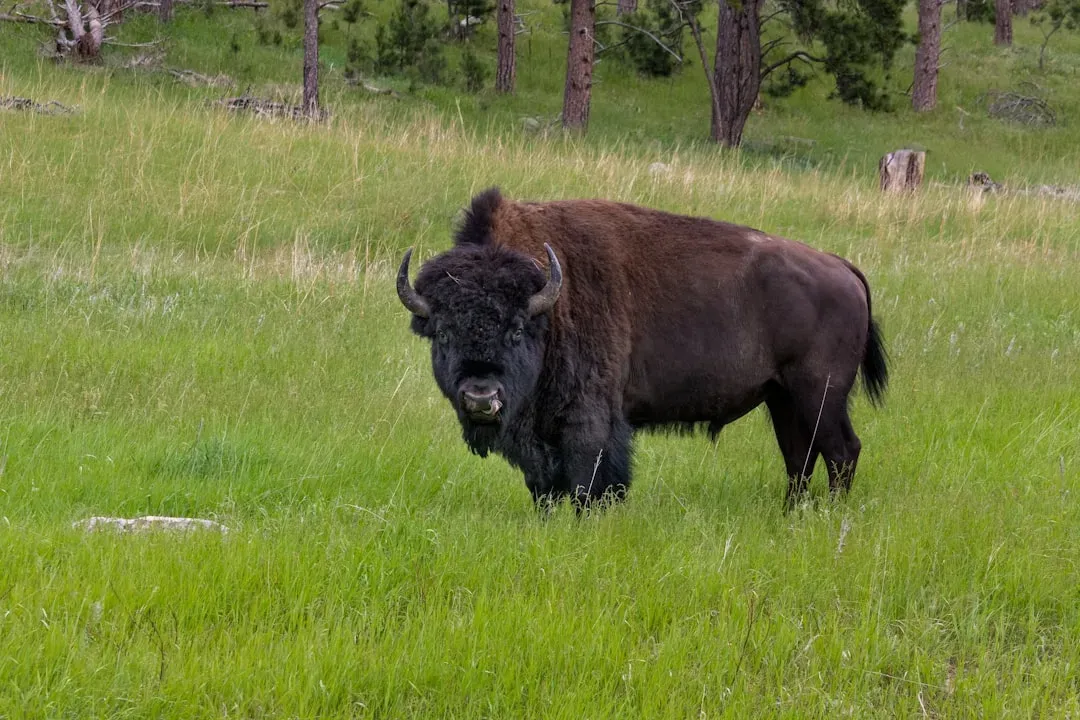
If there’s one rule to tattoo on your brain before you step into Yellowstone, it’s this: stay at least the length of a good-sized swimming pool away from bison. The park recommends a minimum distance that, in simple terms, is about the width of a large backyard or half a city block. That sounds like a lot until you remember how fast they move; by the time a charging bison covers that space, you wouldn’t even have time to say anything clever. Distance isn’t about being dramatic; it’s about giving both you and the animal room to make mistakes safely.
Think of the distance guideline as your “invisible fence.” If you find yourself closer than that, your first thought should be how to calmly expand that gap. Use landmarks to check yourself: if your phone’s camera can fill the frame with a bison without zoom, you’re too close. If people around you are whispering “Wow, that’s close” instead of “Zoom in more,” you’re probably also too close. Respecting that buffer isn’t just about self-preservation; it also keeps the bison from feeling crowded, cornered, or forced to react defensively.
Read Bison Body Language Like Your Safety Depends on It (Because It Does)
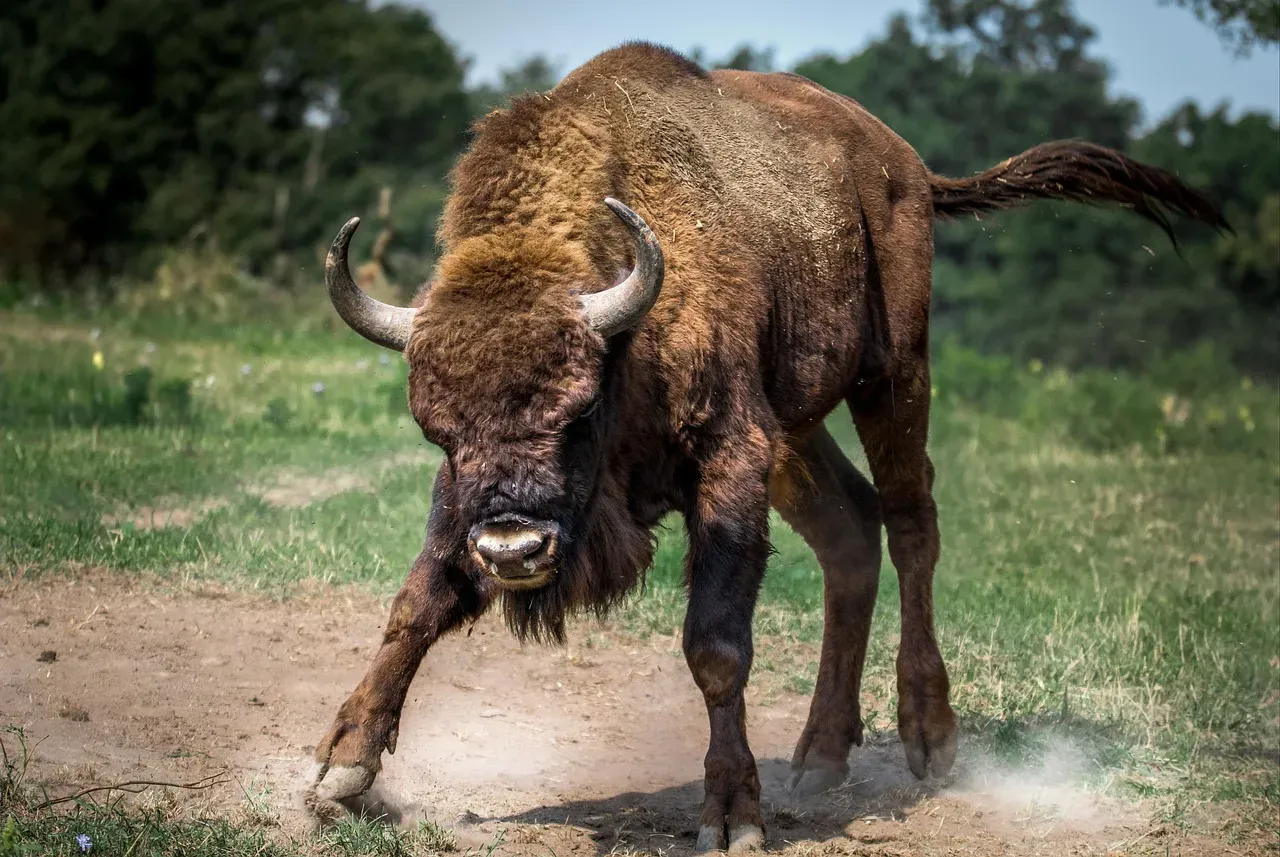
Bison do not speak English, but their body language might as well be neon warning signs once you learn what to look for. Tail position is a big clue: a tail hanging loosely usually means relaxed, while a tail raised high can signal agitation or alertness. Snorting, huffing, or repeatedly swinging their head are like warning shots across the bow, their way of saying you are on thin ice. If dirt starts flying because they’re pawing or rolling it up with their hooves, that’s not them “playing” – that’s frustration boiling over.
Another subtle but important sign is how intently they’re watching you. A bison that glances your way and then goes back to grazing is probably not too concerned, but one that locks onto you, squares its body, and keeps facing you is telling you it’s paying very close attention. Think of it like an argument with someone right on the edge of yelling: the volume might still be low, but the tension is obvious. The key is to act early – if you see those agitation signals starting, you move away before the situation escalates, not after the charge begins.
What To Do If You Suddenly Find Yourself Too Close
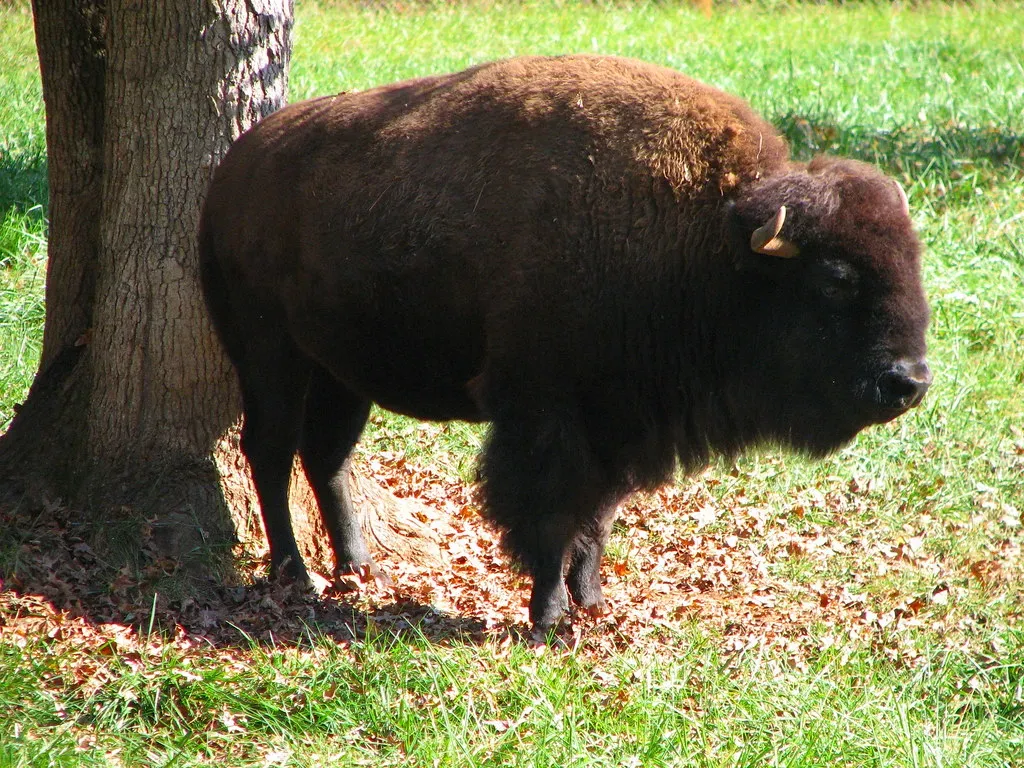
Sometimes, despite your best intentions, you turn a corner on a trail or rise over a hill and there’s a bison much closer than you’re comfortable with. In that moment, the worst thing you can do is panic and bolt. Running triggers chase instincts in many large animals, and you are not going to outrun something built like a bulldozer on springs. Instead, you want to become boring: turn sideways, avoid direct eye contact, and slowly start increasing the distance between you and the animal in a calm, predictable way.
Move away diagonally rather than straight toward or directly away from the bison, keeping an eye on the ground so you do not trip and on the animal so you can see any change in behavior. Talk quietly if that helps you stay calm, but keep noise and sudden gestures to a minimum. If you are with a group, stick together and retreat as a unit rather than scattering – many bodies moving in different directions can confuse or stress the animal further. Your goal is simple: show the bison that you are not a threat and that you are already leaving.
How To Safely Watch and Photograph Bison Without Becoming a Headline
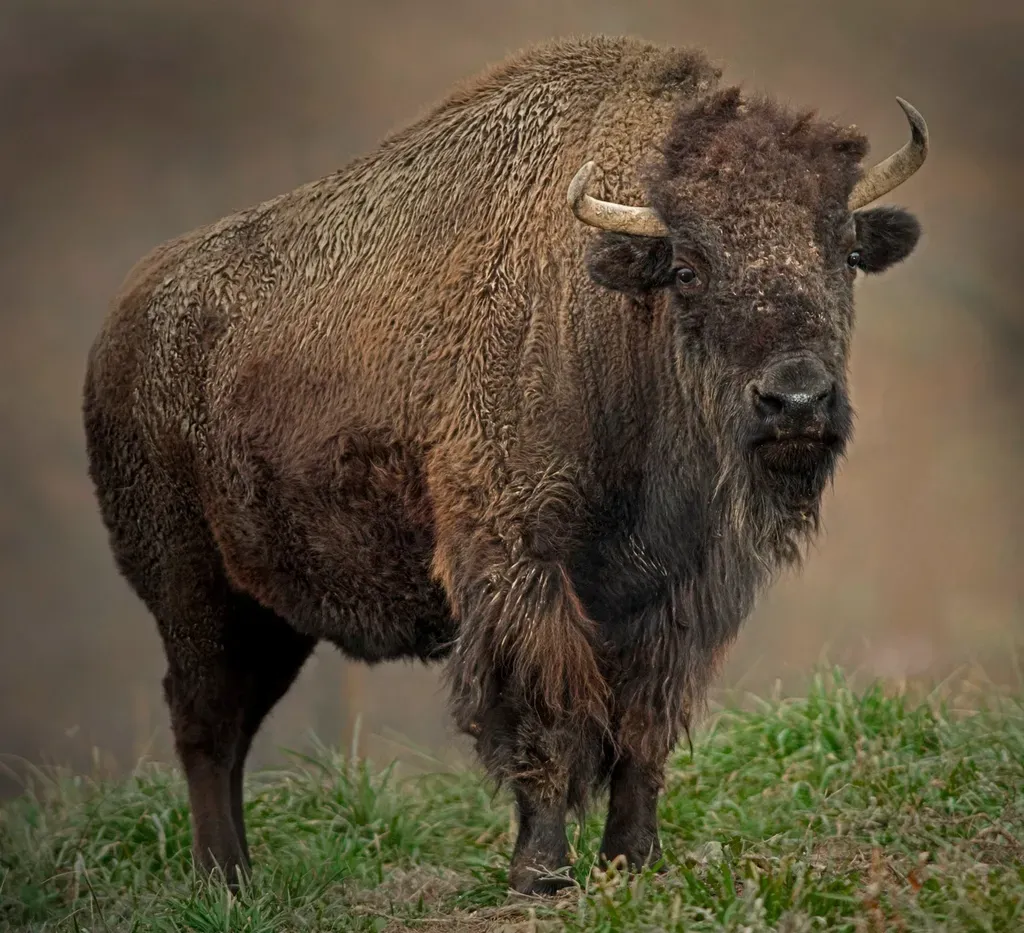
Everyone wants that perfect Yellowstone photo – the massive bison with steam rising behind it, the golden grass, the dramatic sky. You can absolutely get those shots without risking a trip on a gurney, but you have to prioritize safety over likes. That means using zoom lenses instead of your feet to “get closer,” staying on boardwalks and designated pullouts, and letting the animal come into your view rather than you going into theirs. If your camera lens fogs up from the bison’s breath, you have broken every sensible rule.
Another underrated tactic is simply patience. Bison often move along predictable routes – across valleys, along roads, near riverbanks – and if you wait at a safe spot, one will usually wander into view eventually. I once sat in my car for nearly an hour watching a small group graze their way slowly past rather than trying to sneak up on them, and the shots I ended up with were better than anything I could have grabbed while rushing. Treat photography as a passive activity, not a pursuit, and you will avoid the dangerous temptation to shave off a few yards “just for one quick picture.”
Dealing With Bison Jams on Roads and Boardwalks
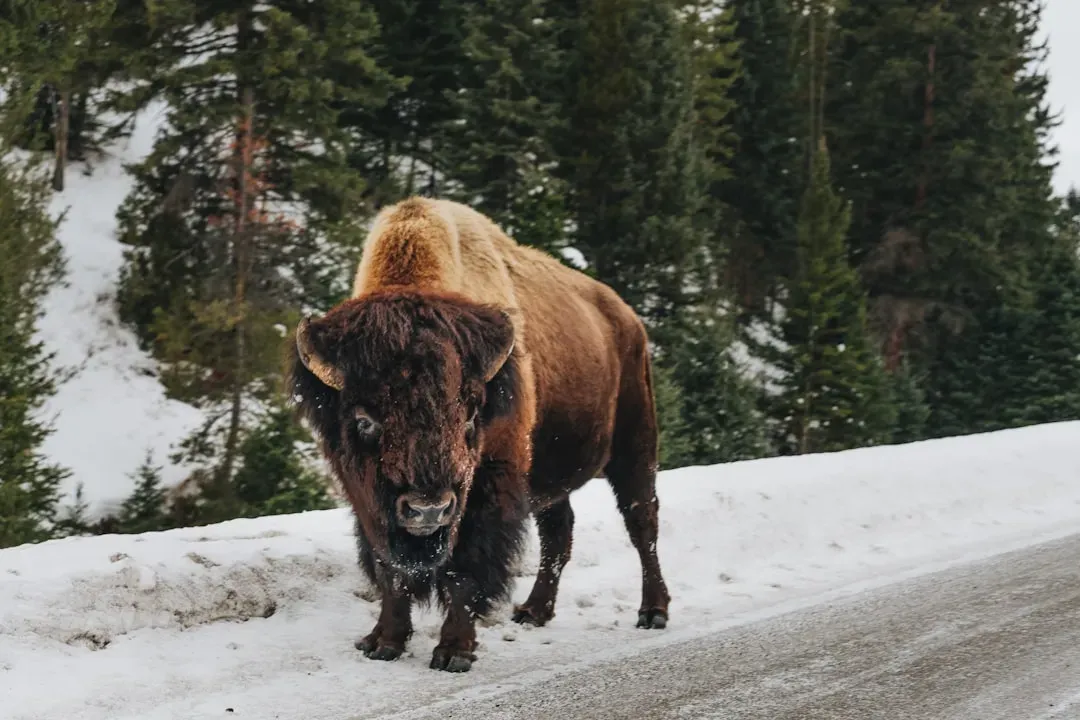
If Yellowstone had an unofficial mascot besides the bison itself, it would be the “bison jam” – those long lines of idling cars stuck behind animals strolling casually down the road. It is tempting to lean out the window, creep your car right up behind them, or try to slip by with just a few feet to spare, but that closeness can cause sudden, unpredictable reactions. A bison that seems fine with traffic one second can swing its head, kick, or veer into a lane the next, and your bumper or door panel is no match for a horn or hoof.
On boardwalks and narrow trails, bison jams get even trickier. If a bison steps onto a path you’re on, the best move is usually to backtrack the way you came, even if it means a longer walk. Do not try to squeeze past or push others to “hurry through.” Remember that bison own the right of way everywhere in the park – roads, trails, and especially thermal areas where they may be more stressed by the environment. Waiting it out or detouring might be annoying in the moment, but it is nothing compared to the consequences of a bison feeling trapped on a tight walkway full of humans.
Special Situations: Calves, Rutting Bulls, and Herd Behavior
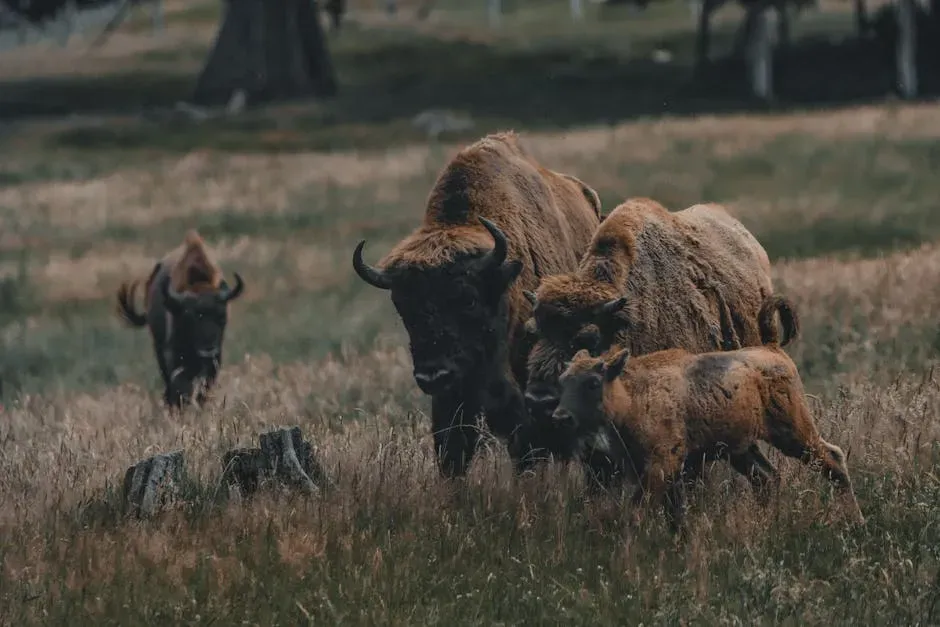
Not all bison encounters are equal; some situations are far more dangerous than others, even at what might seem like a safe distance. In spring and early summer, calves are born, and protective mothers are on high alert for anything that looks like a threat to their babies. Getting between a cow and her calf, even accidentally, is a guaranteed way to take her stress level from cautious to explosive. Something as simple as standing too long on a direct line between them can set off a charge.
Later in the summer, during the rut, big bulls are cranked up in a different way – full of hormones, energy, and competition. You might see them jousting, bellowing, or chasing each other, and that chaos can spill over if you are standing too close to the action. Herd dynamics matter too: when many animals are grouped together and moving, there is a kind of collective momentum that makes individuals less predictable. In all these cases – babies, mating season, big herds – the smartest move is to double your usual caution, give extra space, and assume their tolerance for humans is much lower than usual.
What If a Bison Actually Charges?
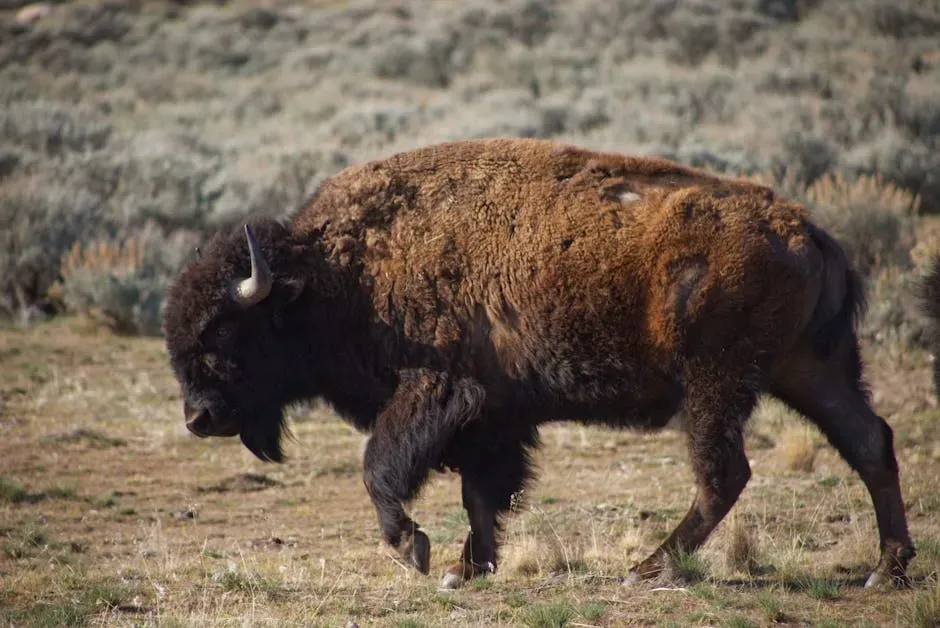
The honest truth is that if a bison decides to fully commit to a charge at close range, you are in a very bad spot, which is why all the earlier precautions matter so much. But if you catch that first second or two where it lowers its head, paws, and starts toward you, dropping anything in your hands and moving behind cover is your best bet. Trees, cars, large rocks, and structures can all break the line of attack or at least give the animal something else to hit besides you. Standing still and hoping it stops is more of a gamble than a strategy.
If there is no obvious cover, running in a straight line is rarely effective – they are simply too fast. Some experts suggest angling sharply away or changing direction quickly to reduce a direct collision, but this is a last-ditch move, not a reliable plan. The real protective decisions happen well before that moment: keeping your distance, reading body language, and backing off at the early warning signs. I know it is not the dramatic survival hack people hope for, but when it comes to bison, prevention beats heroics every single time.
Why Your Choices Matter for Bison, Too
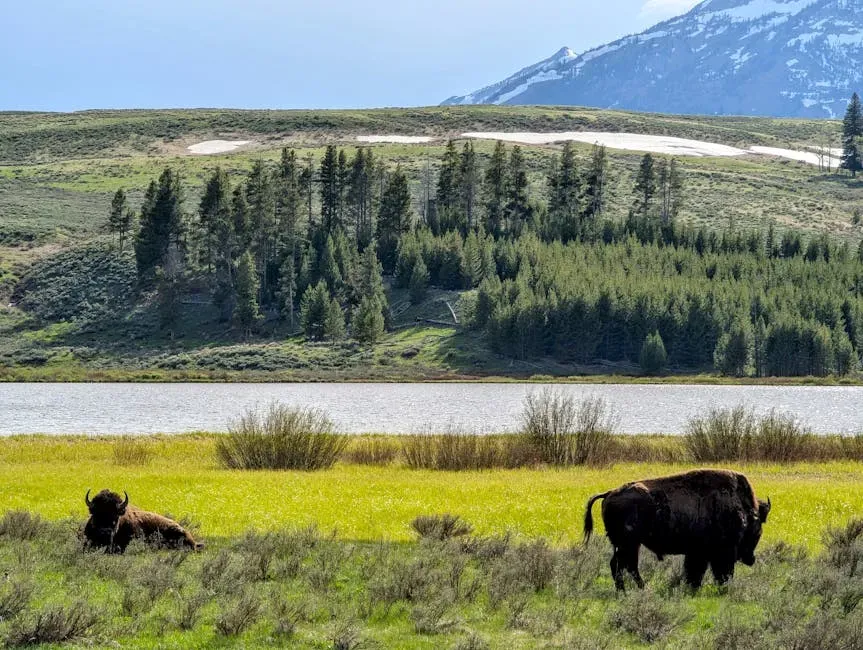
Staying safe around bison is not just about protecting yourself; it is also about protecting the animals and the wild character of Yellowstone. When tourists harass, crowd, or provoke bison, rangers sometimes have to intervene, and in extreme cases animals may be relocated or even killed for public safety. That means a human’s craving for a close photo or an adrenaline rush can literally cost a wild animal its life. Treating bison respectfully helps ensure they can keep living wild, not managed like a problem.
There is also a quieter, more personal angle to this: how you act in Yellowstone says something about how you see the world. Are you the main character, with animals as props in your vacation story? Or are you a guest in a place that belongs first to its wildlife and ecosystems? Choosing to slow down, stay back, follow guidelines, and walk away when something feels off is a kind of humility in action. It is a way of saying that your curiosity does not outrank another creature’s right to space and safety.
Conclusion: Choosing Respect Over Recklessness
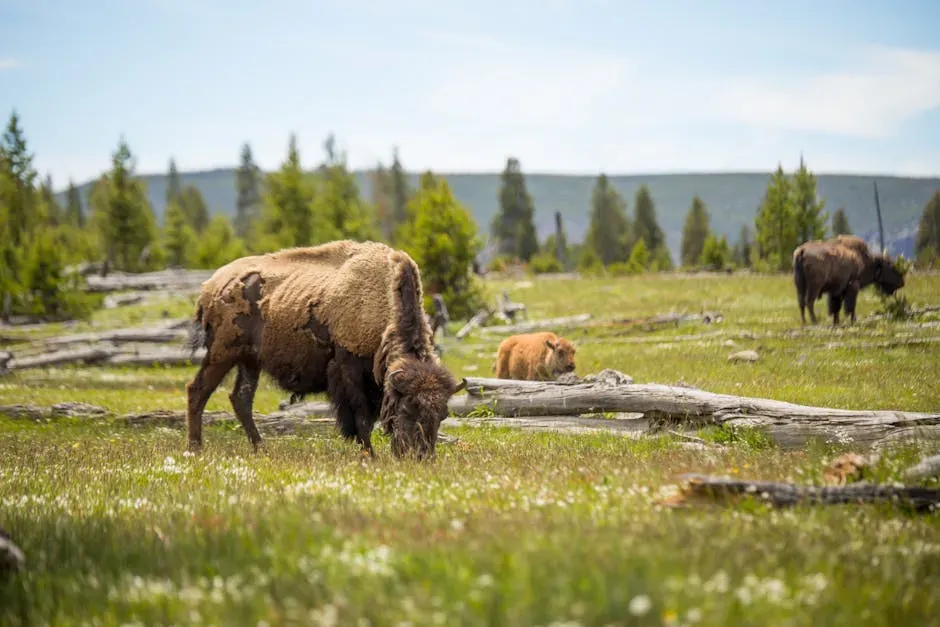
Standing near a wild bison in Yellowstone can feel like touching the very edge of a different world – raw, ancient, and not built for us. You feel that thrum of power in your chest, and it is incredibly tempting to step just a little closer, push your luck for a better photo, or prove you are not afraid. But the hard truth is that bravery is not what keeps people safe around bison; humility and good judgment do. In my opinion, the bravest Yellowstone visitors are the ones who are willing to back off, miss the close-up shot, and live with the knowledge that they chose respect over a risky story.
When , everything comes down to a simple equation: distance, awareness, and restraint. Understand what these animals are capable of, read their signals early, give them more space than you think you need, and be willing to walk away even when your ego or your camera wants you to stay. That quiet, careful choice might not look impressive on social media, but it is what keeps both you and the bison alive and free. Next time you see one of those viral videos of someone getting tossed for getting too close, ask yourself honestly: which kind of visitor do you want to be?