Every once in a very long while, humanity stumbles on something so powerful that it feels like someone flipped a light switch on our entire way of life. Of course, none of these changes literally happened overnight, but compared to the thousands of years of slow trial and error before them, some discoveries hit like lightning. One moment, people are fumbling in the dark; the next, they have fire, metal, writing, or a way to cross an ocean they once thought was the edge of the world.
What makes these ancient breakthroughs so gripping is not just their ingenuity, but how shockingly modern they still feel. Fire is early chemistry, writing is ancient data storage, coins are analog blockchain, and even the first cities are like beta versions of the social networks we live in today. As you read through these discoveries, try to imagine the people who first realized, in real time, that the world they knew had just changed forever. How would you have reacted if you were standing next to them?
1. Fire: The Original Technology That Rewired Our Brains

It is hard to overstate how world‑shattering the controlled use of fire was for early humans. Long before cities or writing, our ancestors learned to capture wild flames from lightning strikes or natural fires and eventually to make fire on demand. Once that happened, nights got longer, food got safer, predators kept their distance, and cold climates suddenly became livable rather than lethal.
Cooking alone may have quietly rewired human evolution. Cooked food is softer and easier to digest, which likely meant our ancestors could extract more energy from the same amount of meat and plants, freeing up calories for brain growth instead of constant chewing. Fire also created a shared circle of light in the darkness, a natural stage for stories, planning, and teaching. In that warm glow, language, memory, and culture had a place to stretch out and grow.
2. Stone Tools: The First Step Beyond Bare Hands
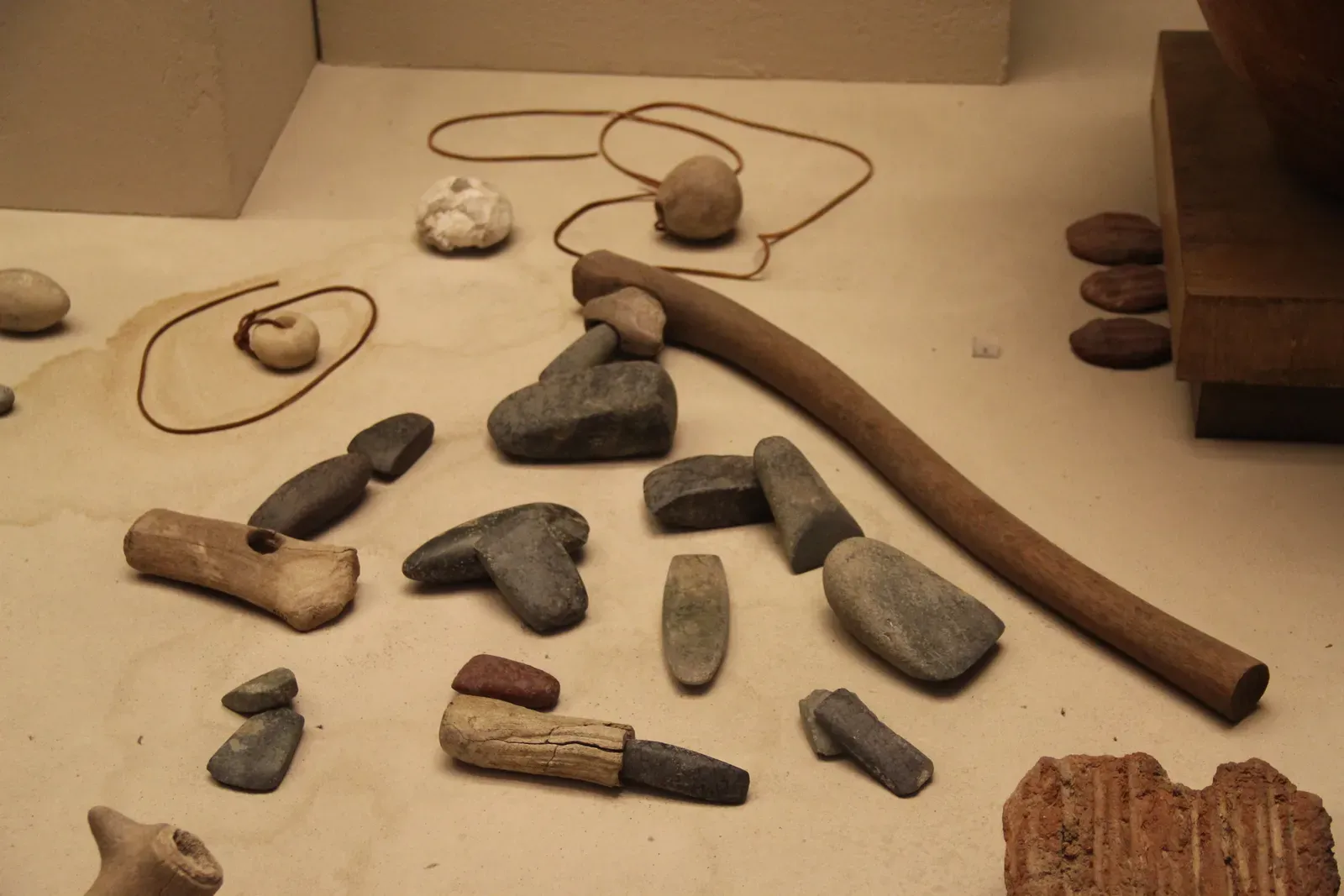
Long before bronze and iron, shaping stone into cutting edges was the first big leap beyond the limits of the human body. When early humans figured out how to knock flakes off rocks to create sharp blades and points, they unlocked a new world of hunting, butchering, scraping, and building. Suddenly, a small group of people could take down animals far larger than themselves and process more meat and hide than bare hands could ever handle.
Stone tools also mark the beginnings of something very modern: standardization and teaching. Specific tool styles spread across wide regions, which means people were copying each other and passing down methods through generations. You can almost picture an early maker patiently showing a curious teenager exactly how to strike a core stone at just the right angle, the same way someone today teaches a friend how to use a 3D printer or edit a video.
3. Agriculture: The Day We Stopped Wandering

For most of human history, people moved with the seasons, following herds and gathering what wild plants they could find. Then, in different regions of the world, humans began to experiment with planting seeds and deliberately raising crops like wheat, barley, rice, and maize. When those experiments started working reliably, the rules of life changed. Life no longer depended solely on where animals roamed or what grew by chance.
Agriculture made food more predictable, but it came with a trade‑off. People became tied to specific plots of land, and that stability allowed populations to grow, families to settle, and entire communities to form. With stored grain and domesticated animals, there were finally surpluses – extra food beyond daily survival. Those surpluses were the fuel that powered everything from specialized crafts to religious elites and early governments.
4. The First Cities: When Humans Learned to Live in Crowds
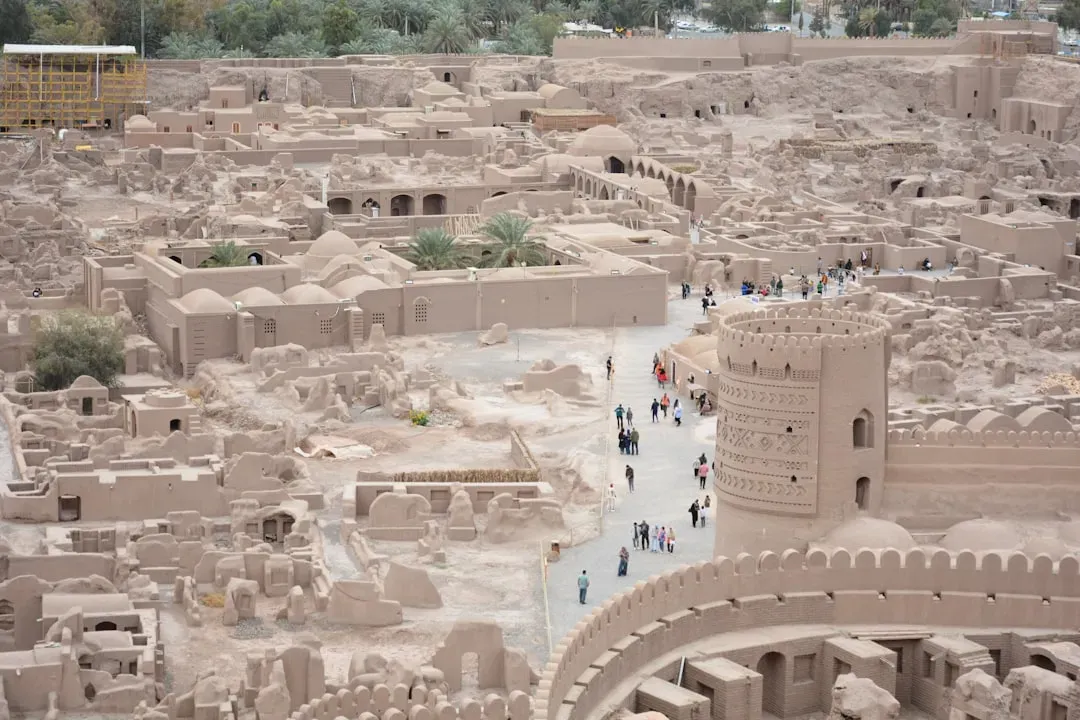
Once farming created a reliable food base, some settlements started swelling into something new: cities. Places like Uruk in ancient Mesopotamia or early urban centers in the Indus Valley were not just big villages. They had distinct neighborhoods, temples, workshops, markets, and administrative districts. Thousands of people lived close together, sharing walls, water systems, and public spaces, in a level of density the human species had never really tested before.
Cities amplified everything – good and bad. Ideas, crafts, and technologies spread faster when you could walk down a street and see potters, metalworkers, and scribes all in a row. At the same time, living in crowds meant more conflict, disease, and political tension. Ancient cities were basically prototypes of modern urban life, with all its noise, opportunity, inequality, and constant negotiation over who gets to control shared space and shared resources.
5. Writing: Turning Memory into Something You Could Touch

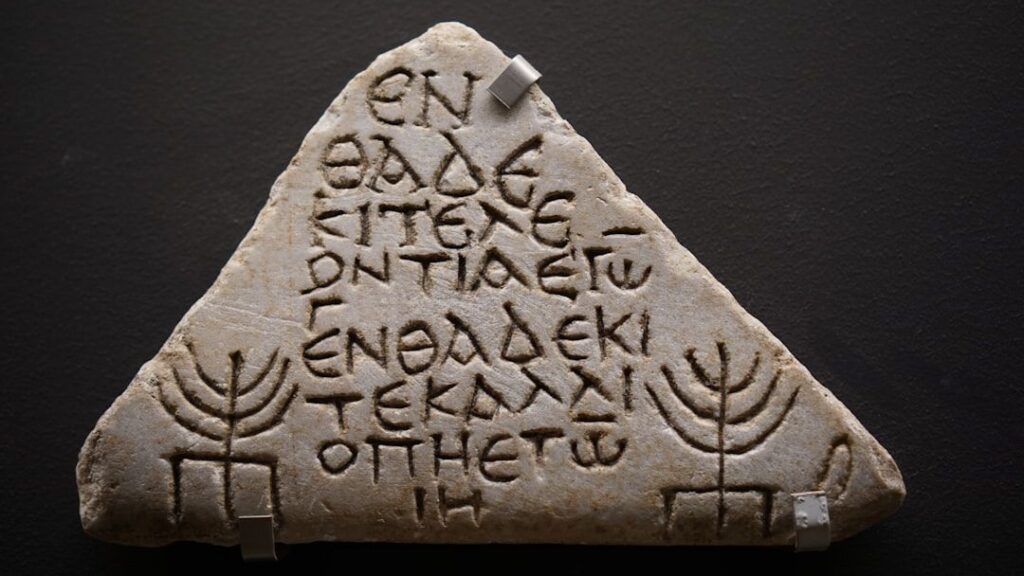
Imagine a world without lists, contracts, or written laws – where everything depended on memory and reputation. Early writing systems, like cuneiform in Mesopotamia or hieroglyphs in Egypt, were invented to keep track of things like grain deliveries, taxes, and temple offerings. At first, they were practical tools for administrators, more like spreadsheets than poetry. But from those simple marks on clay or stone, a revolution in how humans think took off.
Writing allowed information to live longer than any one person and travel farther than any voice could shout. Stories, myths, medical recipes, mathematical tables, and royal decrees could be preserved, copied, and argued over. It turned knowledge into an object that people could study, critique, and improve. In a sense, writing was the original cloud storage, and once it existed, no complex society could really go back to a purely oral world.
6. The Wheel: A Simple Shape That Reshaped Movement
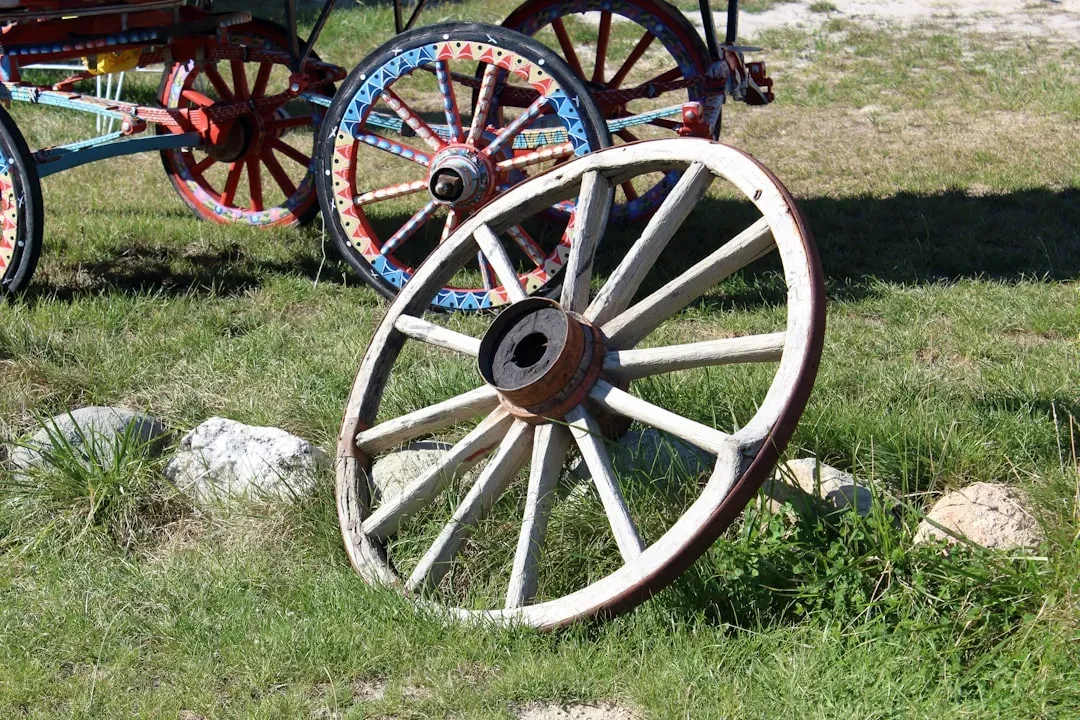
The wheel looks so obvious that it is tempting to assume it was always around, but it took an enormous conceptual leap to create it. Early wheels were not toys; they were heavy, carefully crafted discs attached to axles and used for carts and wagons. Once someone figured out how to join rotating parts to a fixed frame, moving heavy goods became far more efficient, especially over land routes that would have been punishing on human backs and animal packs alone.
The wheel did not just transform transport; it also appeared in pottery and in simple machines like pulleys. These rotating systems paved the way for more advanced engineering, from water wheels grinding grain to complex mechanical devices centuries later. When archaeologists find early wheel tracks or clay models of wagons, they are basically looking at humanity’s first experiments with scalable logistics and mechanical motion.
7. Bronze: The Metal That Supercharged War and Work
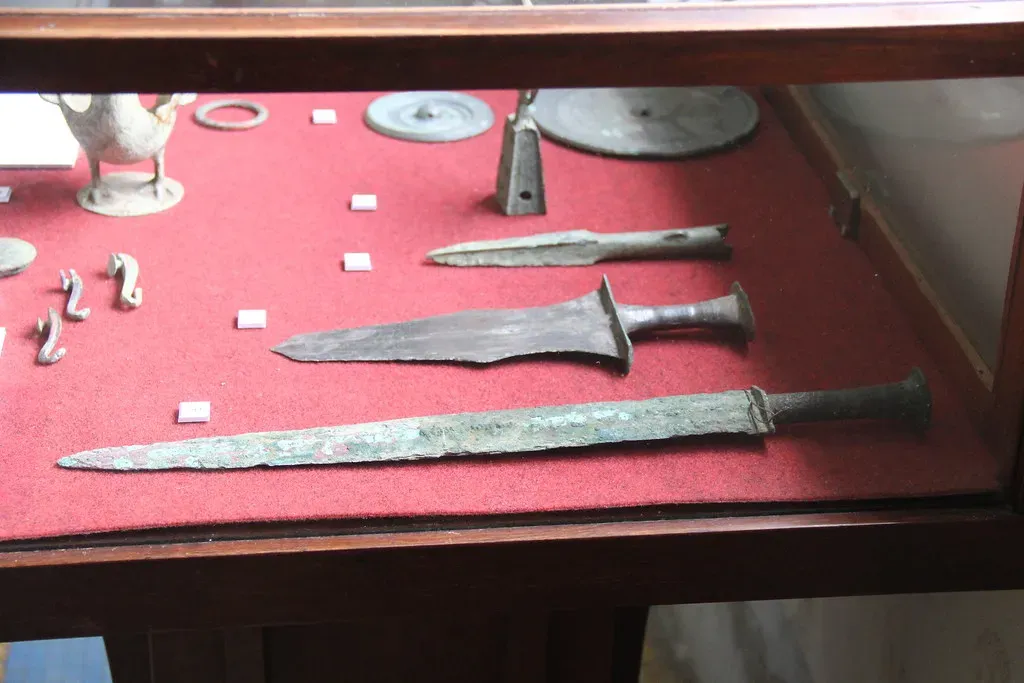
Mixing copper with tin to create bronze was an early exercise in applied chemistry, and people did it long before anyone formally understood elements or alloys. Bronze weapons held sharper edges and lasted longer than stone blades, and bronze tools could chop, carve, and cut more efficiently. The communities that mastered bronze production early had a terrifying advantage in both warfare and everyday labor.
But bronze was not just about sharper swords; it required entire economic and trade networks. Tin is relatively rare and is often found far from copper sources, so people had to organize long‑distance exchanges to get the right ingredients. That need for raw materials tied distant regions together into fragile but powerful bronze economies. When those trade routes broke down, some societies collapsed almost as quickly as they had risen.
8. Iron: The Affordable Metal That Armed the Masses
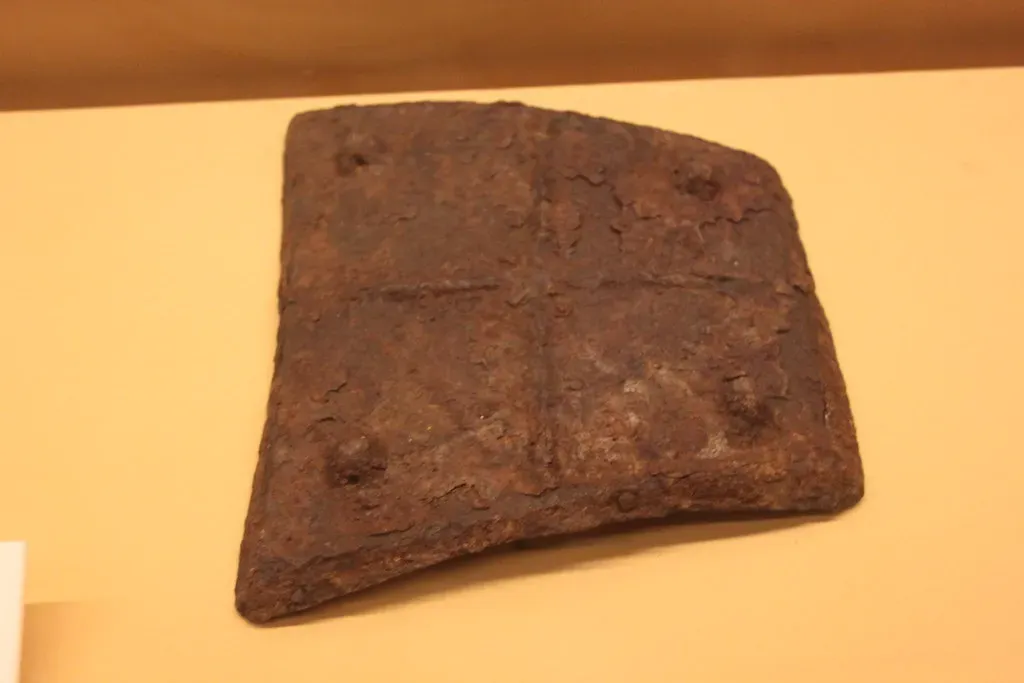
Iron came later than bronze, and it was harder to work at first, but it changed the balance of power in a very different way. Iron ore is much more common than tin, so once people figured out how to smelt and forge it reliably, metal tools and weapons were no longer luxuries for a narrow elite. Iron axes, plows, and swords spread widely, putting durable metal into the hands of farmers, soldiers, and craftspeople who had never had such access before.
This shift had enormous social consequences. Stronger iron plows could bite into tougher soils, opening new farmland and supporting growing populations. In warfare, iron weapons meant that larger armies could be equipped without depending on rare trade goods. Iron, in many ways, democratized the power that bronze had concentrated, and that more ordinary distribution of durable tools helped drive waves of migration, conquest, and cultural mixing.
9. The Alphabet: Reading and Writing for Ordinary People

Early writing systems were complex, with hundreds of symbols that often took years of training to master. Then came alphabetic systems, with a small set of signs representing sounds rather than whole words or syllables. This shift, which developed in the ancient Near East and spread via cultures like the Phoenicians and Greeks, sliced through the barrier that had long kept literacy as a specialty skill for scribes and priests.
An alphabet made it far easier for a wider portion of the population to learn to read and write, even if most people still did not. It lowered the cognitive and educational cost of accessing written information. As a result, laws, letters, business records, and later philosophy and science could circulate more freely. If writing itself was the invention of external memory, the alphabet was a massive software update that optimized user access.
10. The Calendar: Taming Time for Farming and Faith
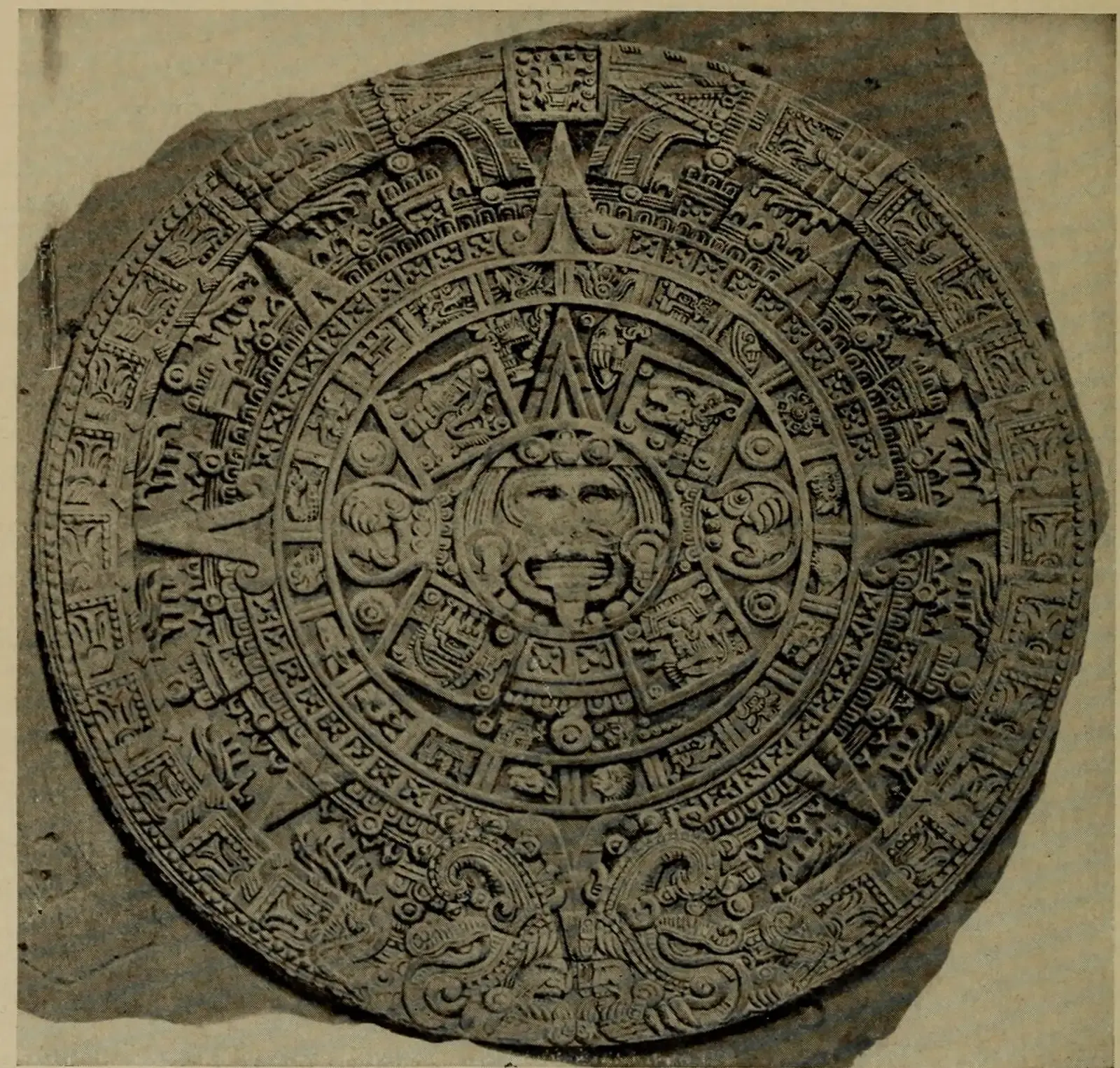
Ancient people were obsessed with the sky for a very practical reason: survival depended on knowing when seasons would shift. Over time, careful observers tracked the cycles of the sun, moon, and stars to create calendars. Whether it was the solar systems of Egypt, the complex calculations of Mesopotamia, or early Mesoamerican calendars, these tools turned the chaotic flow of days into structured, predictable time.
That predictability did more than help with planting and harvesting. Calendars underpinned religious festivals, tax schedules, political rituals, and royal legitimacy. When a priest or ruler could announce eclipses in advance or tie their authority to cosmic cycles, it created an aura of control over the universe itself. In a way, building a calendar was the first serious attempt at long‑term data analysis, using the sky as both dataset and clock.
11. Navigation and the Open Sea: When “Here” Got Bigger
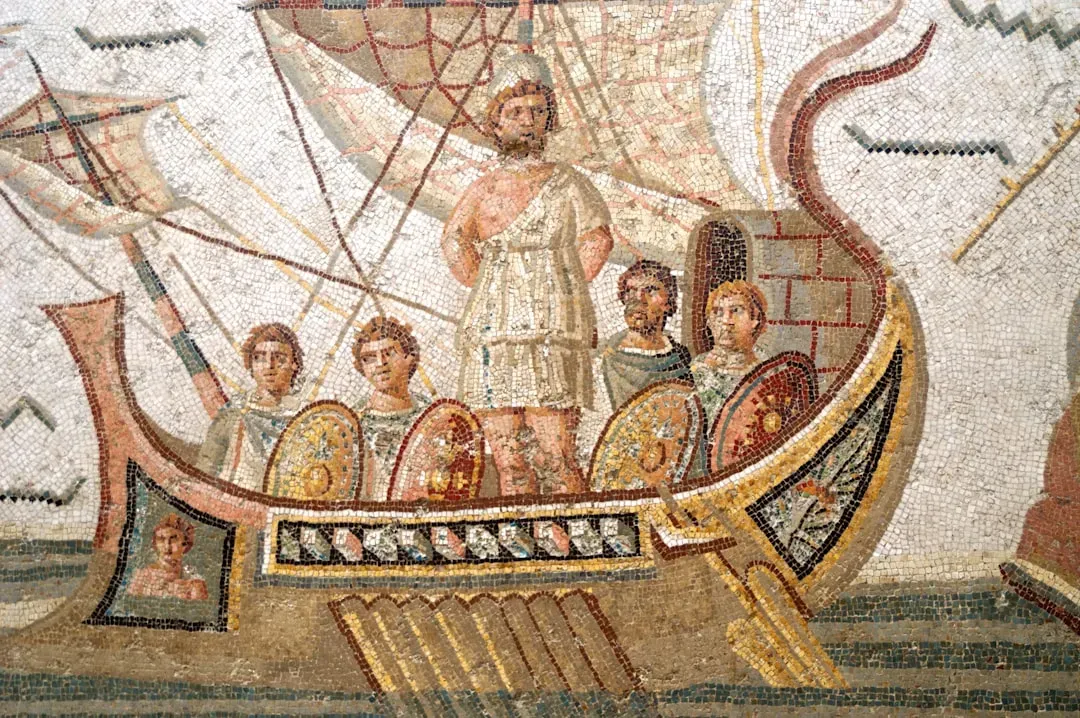
For inland people, the sea can look like a hard border, but ancient sailors slowly turned it into a highway. Early navigators learned to read coastlines, stars, winds, and waves, gradually pushing farther from shore. Cultures around the Mediterranean, the Indian Ocean, and the Pacific developed different techniques and vessels, from sturdy merchant ships to agile canoes that could cross astonishing distances.
Each successful voyage stretched the mental map of the world. New islands, coasts, and trade partners appeared, along with foreign ideas, goods, and sometimes diseases. Long‑distance sea travel also demanded better tools, such as more accurate star lore, wind charts, and later simple navigation devices. The world did not suddenly become smaller; people simply discovered how big it really was and how connected it could be.
12. Paper and Early Books: Making Ideas Cheap to Copy
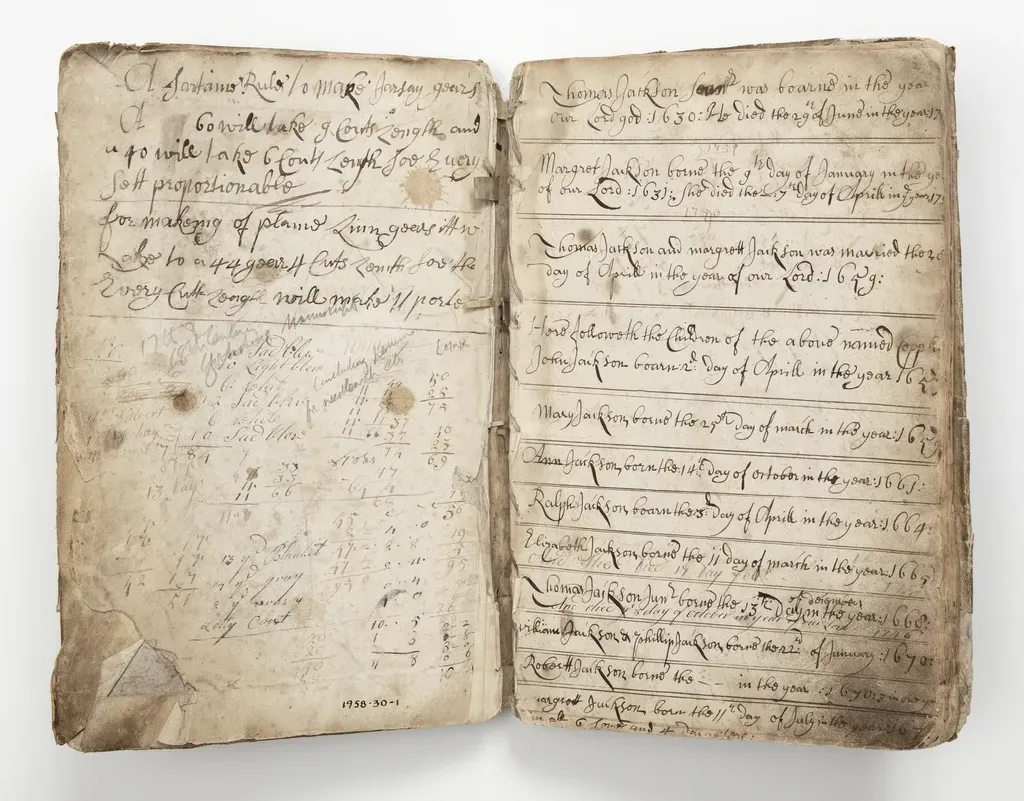
Writing on stone, clay, or carved wood is durable, but it is slow and heavy. The introduction of lighter writing materials, such as papyrus, parchment, and especially paper, made it possible to produce documents that were easier to store, carry, and duplicate. With paper, texts could circulate more widely, from government records and religious texts to personal letters and technical manuals.
When sheets were bound into scrolls and, later, codex‑style books, the structure of reading itself changed. Instead of unrolling long strips, readers could flip pages, jump around, and annotate margins with more freedom. This seemingly simple shift in material turned the written word into something closer to what we know today: portable, flexible, and scalable. In effect, it lowered the cost of copying ideas, long before digital technology pushed that cost down to almost zero.
13. Law Codes: Writing Down Power and Justice
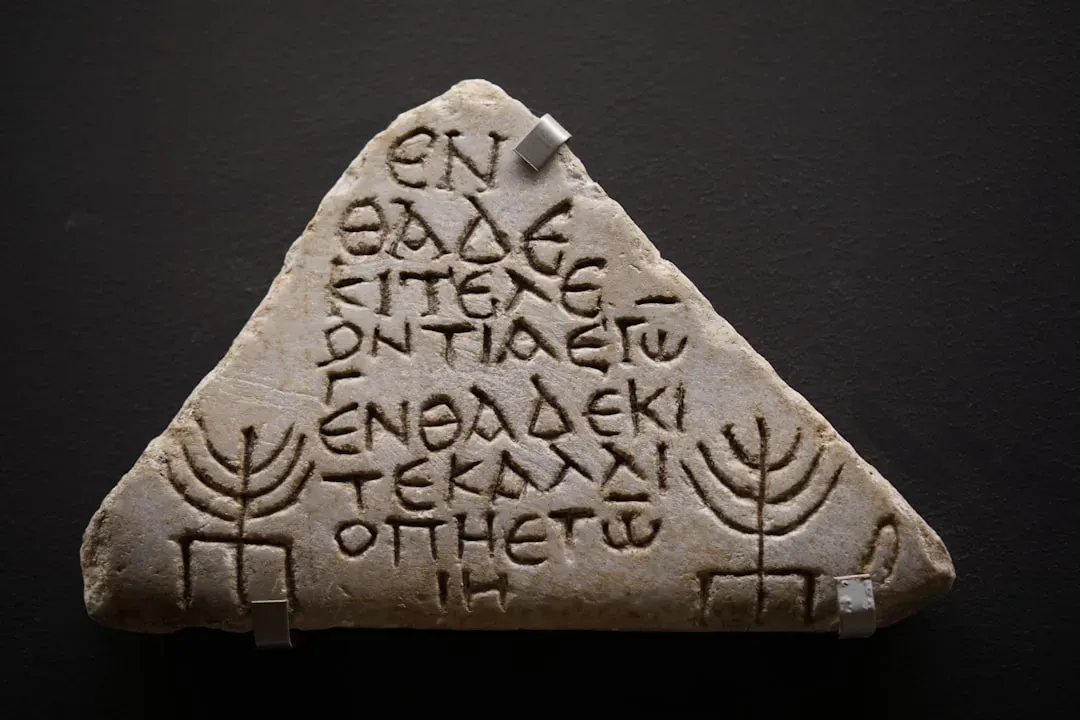
Human groups have always had rules, but formal, written law codes were a radical step. When early societies carved their laws onto stone steles or inscribed them on tablets, they were making a statement: rules were not only in the mouths of elders or rulers but also recorded in a lasting, visible way. Even if only a minority could read, the existence of a public code changed how people thought about fairness and authority.
Of course, these laws were often harsh and unequal, but they still represented a leap toward the idea that disputes should be resolved by reference to a set of known principles, not just the mood of whoever held power. Recording laws made them open to interpretation, debate, and sometimes reform. That tension between written rules and real practice still shapes every modern legal system, from local ordinances to international courts.
14. Early Mathematics: Turning the World into Numbers

Once people began keeping serious accounts – of land, grain, debts, and trade – they needed consistent ways to count and measure. Ancient mathematics grew out of this need, with early systems for arithmetic, geometry, and later more abstract calculations. Farmers needed to divide fields, traders needed to convert weights, and builders needed to ensure structures would not crumble. Numbers became a shared language for value, space, and structure.
Over time, mathematical thinking stretched beyond simple bookkeeping. Astronomers used geometry and arithmetic to predict celestial movements. Architects and engineers relied on ratios and measurements to construct grand temples, pyramids, and city walls. What began as a tool for splitting loaves and tallying livestock quietly turned into one of humanity’s most powerful ways of modeling reality, laying foundations for everything from physics to engineering.
15. Domestication of the Horse: Speed, Power, and Empire
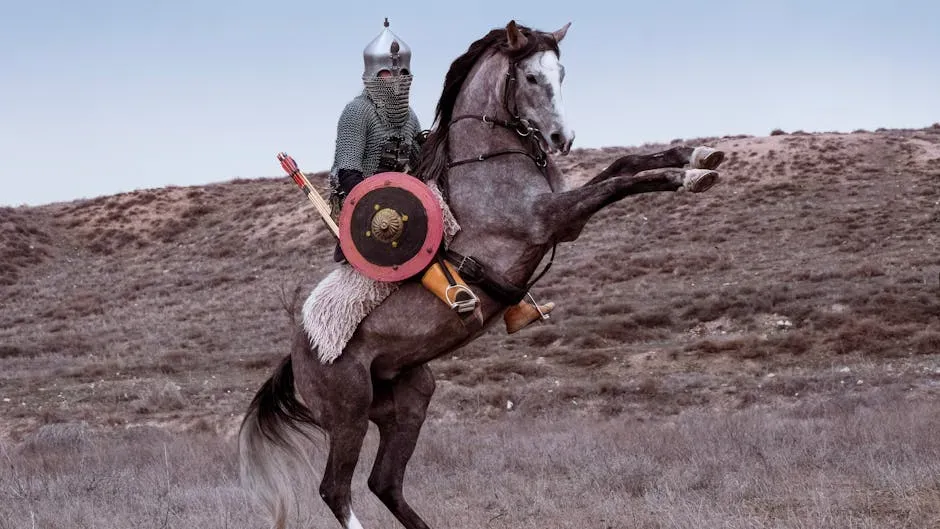
Domesticating animals like sheep, goats, and cattle changed food and labor, but horses changed distance itself. Once people learned to ride horses and harness them to chariots and later heavier vehicles, the speed of communication, warfare, and migration jumped dramatically. Messages could travel across vast territories in days rather than weeks, and armies could move with a swiftness that stunned slower, on‑foot opponents.
Horses stitched together territories into early empires and connected distant regions through trade and diplomacy. On the open steppe, horse‑riding cultures remade political maps over and over again. It is no exaggeration to say that the rhythm of history changed pace once humans and horses formed their uneasy partnership, a blend of control and dependence that still echoes whenever we talk about horsepower or speed.
Conclusion: Ancient Revolutions in Slow Motion
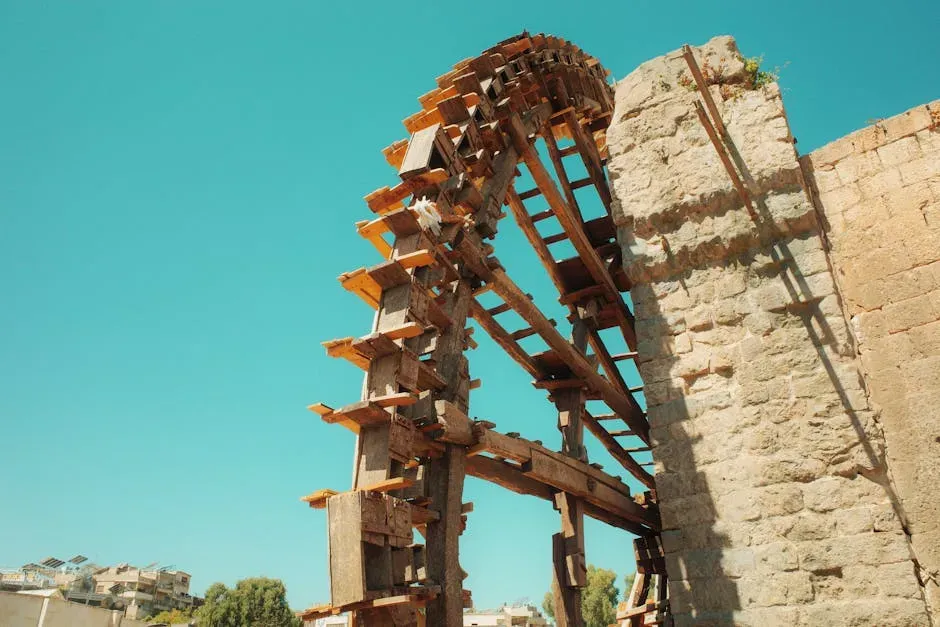
Looking back, these discoveries can feel inevitable, as if humanity was simply destined to invent fire, writing, or metalworking the way a story unfolds toward its final chapter. I think that is a comforting illusion. In reality, each breakthrough depended on fragile chains of luck, curiosity, stubborn tinkering, and sometimes pure desperation. A different storm, a failed harvest, or a lost trade route could have delayed or derailed entire trajectories of human development.
What strikes me most is how often the biggest changes began as small, practical solutions to immediate problems – how to cook food, track grain, move goods, or survive winter – and only later turned into engines that reshaped whole civilizations. That should make us more humble about what feels “ordinary” in our own time; today’s niche tool can become tomorrow’s world‑shifter. When you think about your phone, the internet, or genetic engineering, do they still feel inevitable, or do they look a little more like the flicker of an ancient fire someone nearly failed to keep alive?