
Not long ago, it felt like America’s wild heart was fading. Iconic animals were slipping into the background, pushed out by highways, suburbs, and a century of overhunting and pollution. Many of us grew up hearing that certain species were “almost gone,” like a sad refrain playing quietly behind our daily lives.
But something remarkable has been happening over the last few decades. Thanks to a messy mix of science, stubborn local activists, Indigenous leadership, smarter laws, and everyday people who simply refused to give up, some rare species are returning. Not perfectly, not everywhere, and not fast enough – but clearly enough that you can feel a quiet sense of hope. Let’s walk through ten of the most inspiring comebacks happening right now in the United States, and what they reveal about how wild this country still wants to be.
Bald Eagle: From National Symbol to Near Extinction and Back
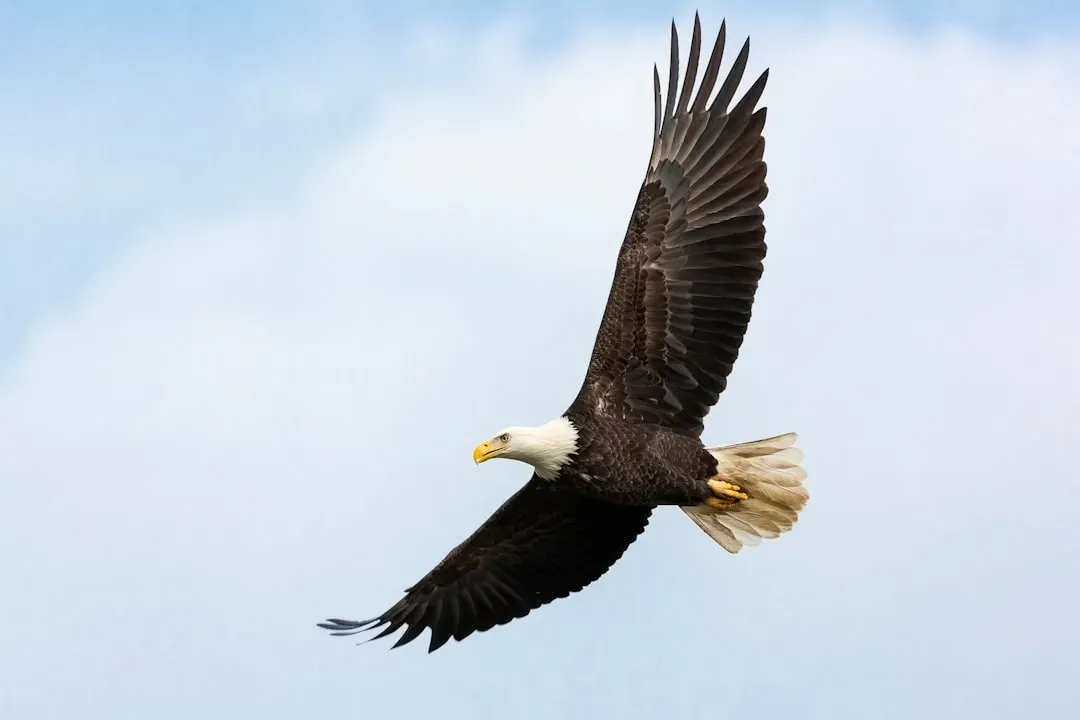
It is honestly shocking how close the bald eagle came to vanishing from the Lower 48. By the mid twentieth century, widespread use of the pesticide DDT was thinning their eggshells so badly that many would break right under the parents’ weight, and in some states there were only a handful of nesting pairs left. Add in habitat loss and people shooting them out of ignorance, and the national symbol was hanging by a thread.
When DDT was finally banned and strong protections kicked in, the bald eagle became one of the most powerful comeback stories on Earth. Today, thousands of nesting pairs are spread across the country, and it is no longer unusual to see them soaring over rivers, lakes, and even busy highways. I still remember the first time I saw one perched on a cell tower near a shopping center; it felt like wildness was quietly reclaiming a little space in the middle of our noise. Their return is proof that when we stop poisoning the world and give nature a bit of breathing room, recovery can be much faster than anyone expected.
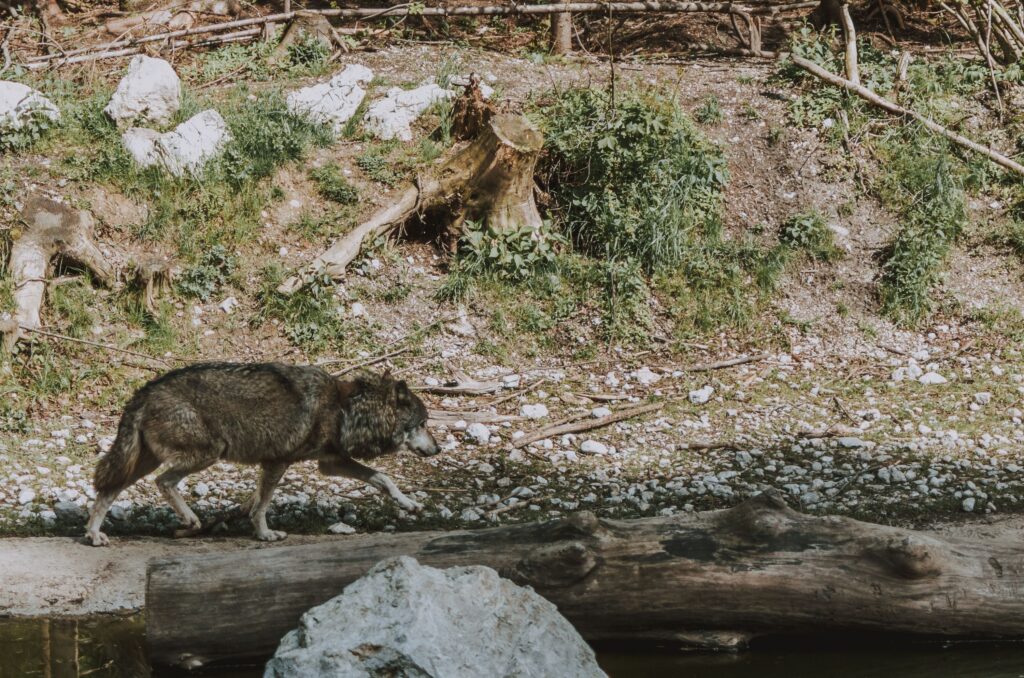
Gray Wolf: The Controversial Return of an Apex Predator
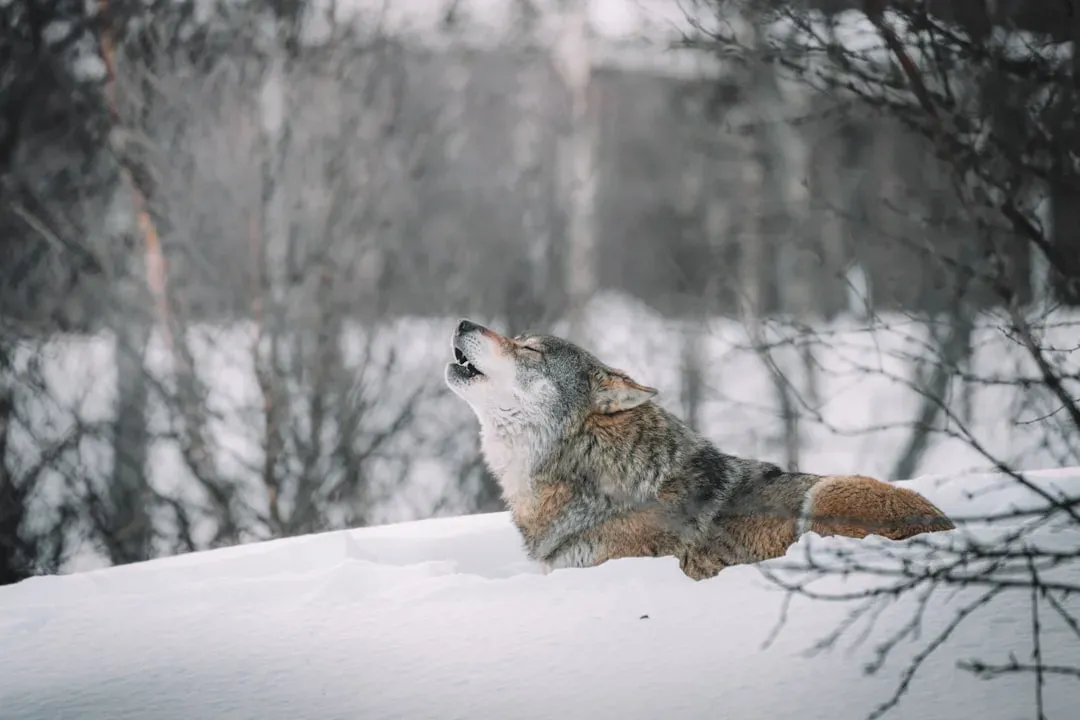
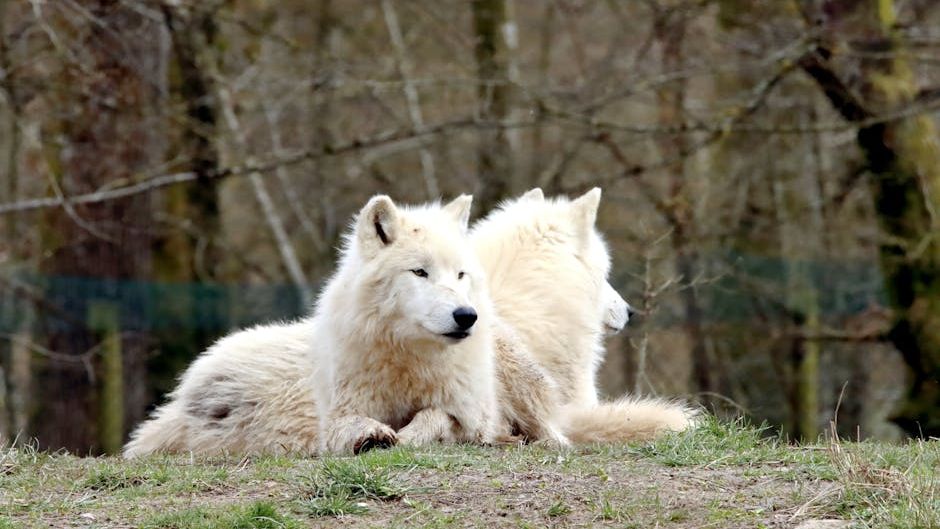
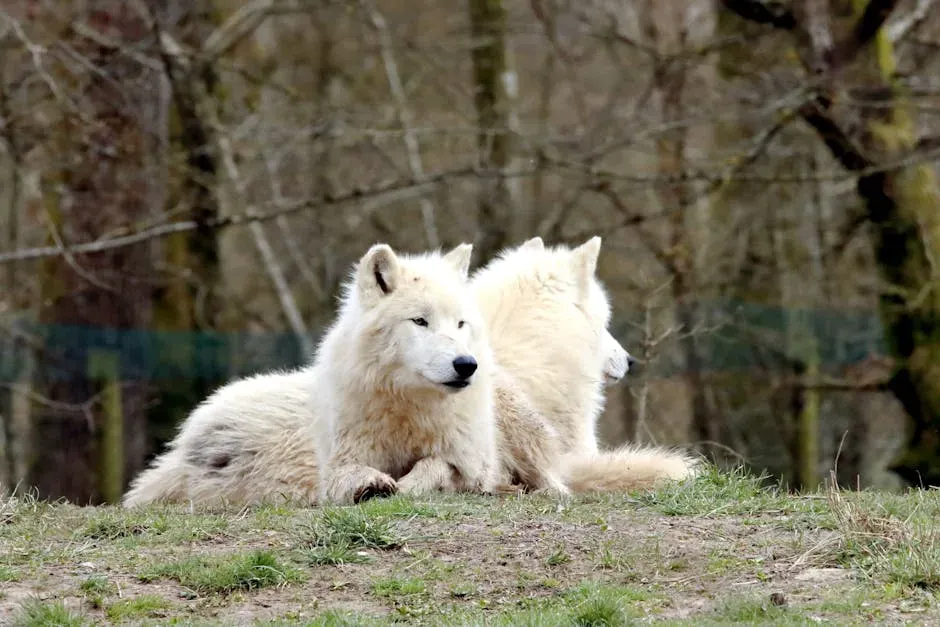
The gray wolf might be the most emotionally charged animal on this list. By the early 1900s, government-sponsored extermination campaigns had wiped them out from most of the continental United States, leaving only a small population in the far north. Ranchers saw them as pests, and folklore turned them into villains, even though healthy ecosystems need top predators to keep everything else in balance. For decades, America’s landscapes were missing this crucial piece of their ecological puzzle.
Reintroduction efforts, especially in places like Yellowstone and the northern Rockies, began turning that around in the late twentieth century. Today, wolves have slowly re-established themselves in parts of the West and upper Midwest, reshaping ecosystems by keeping deer and elk populations in check and changing how those animals use the land. Their comeback is still fragile and incredibly controversial, with bitter fights over hunting, livestock conflicts, and state-level management. But the simple fact that wolves are once again howling in places where they had been silent for generations is a reminder that coexistence is possible, even if it is messy and imperfect.
American Bison: Rewilding the Great Plains, One Herd at a Time
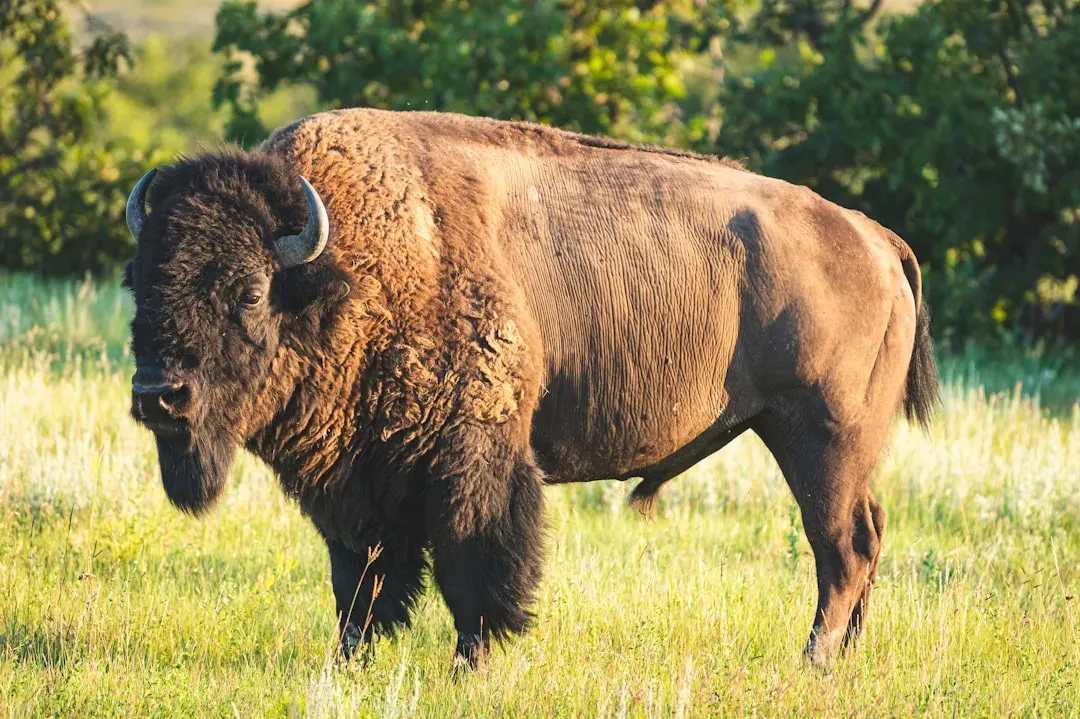
It is hard to wrap your head around how many bison once roamed North America – tens of millions, darkening the plains in living, moving waves. Industrial-scale slaughter in the nineteenth century nearly erased them, both as a species and as a cornerstone of Indigenous cultures and prairie ecosystems. By the time people started to panic, only a tiny fraction of the original population remained in scattered remnant herds.
Thanks to a mix of conservationists, tribal nations, and even a few forward-thinking ranchers, bison numbers have rebounded from the brink. They are nowhere near their former glory, but there are now hundreds of thousands across public, private, and tribal lands, with some herds managed more like wild animals than livestock. On a windy day on the plains, watching a herd move through native grass while prairie dogs chirp and hawks circle overhead, you get a glimpse of what the land used to be – and what it could become again. Their comeback is not just about one species; it is about reconnecting an entire landscape with its original heartbeat.
California Condor: Giant Scavenger Pulled Back from Zero
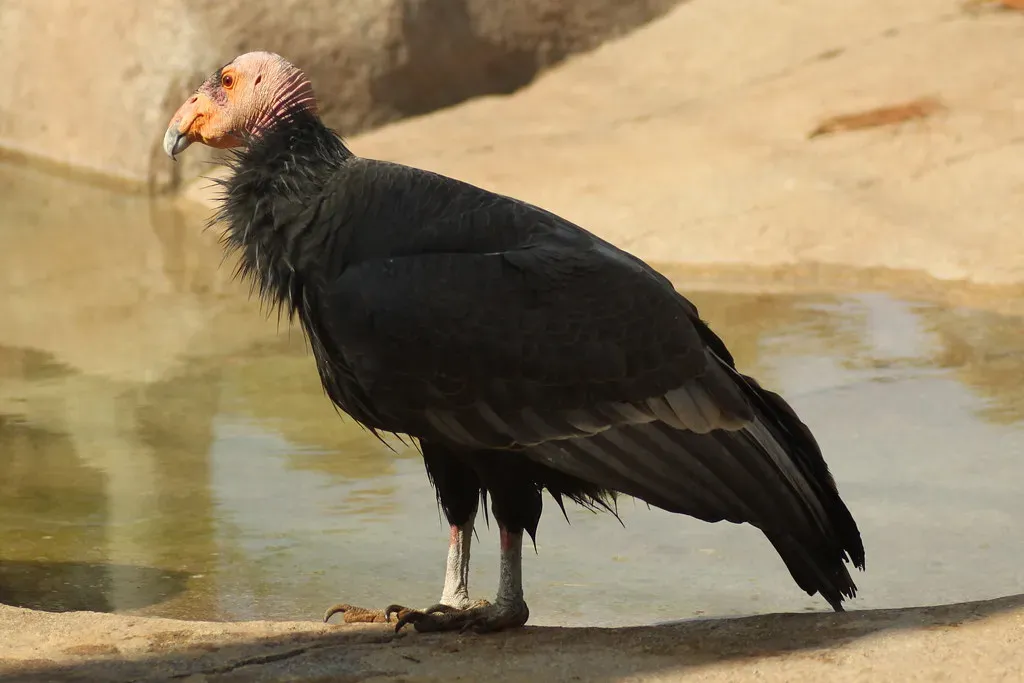
The California condor story reads almost like science fiction. By the 1980s, there were only a couple of dozen left in the wild, poisoned mainly by lead fragments in the carcasses they fed on and squeezed by shrinking habitat. The last wild birds were captured in a desperate, controversial move, leaving zero condors in the skies for a time while biologists tried to breed them in captivity. It was a massive gamble with a lot of public skepticism.
Decades later, that gamble is paying off – slowly, painfully, but undeniably. Carefully raised condors have been released back into the wild in parts of California, Arizona, Utah, and Baja California, and the population has climbed from a handful of birds to several hundred. They are still monitored intensely, some wear wing tags and transmitters, and lead poisoning has not disappeared as a threat. Yet seeing a condor, with its enormous wingspan, circling over cliffs and canyons again feels almost like seeing a lost chapter of natural history being rewritten in real time.
Florida Manatee: Gentle Giants in Warmer, Cleaner Waters
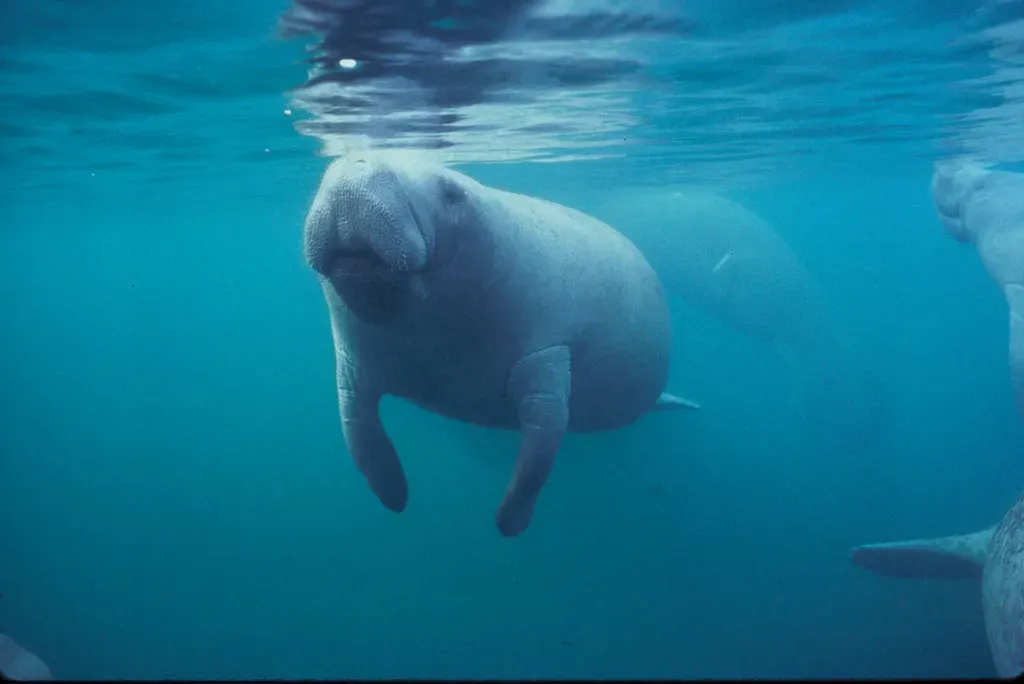
For a long time, Florida’s manatees were in quiet trouble from multiple directions: boat strikes, water pollution, and the loss of warm-water refuges in winter. These gentle, slow-moving plant eaters were often scarred and injured by propellers, and the seagrass beds they rely on were collapsing in some places from nutrient runoff and algal blooms. It is a brutal combination for an animal that already lives a pretty vulnerable, slow-paced life.
Stricter boat speed zones, better public awareness, and efforts to protect and restore critical habitats have helped manatee numbers climb overall from their historic lows. They are far from safe – recent years have brought alarming die-offs in some areas linked to seagrass loss and cold stress – but the difference between the brink and where they are now is enormous. When you spot a manatee surfacing near a busy marina, its nose poking up like a curious gray potato, you can see the tension between human recreation and wild survival. Their partial comeback shows both what we can fix and how quickly neglect can undo that progress if we are not careful.
Black-Footed Ferret: The Ghost of the Prairie Returns
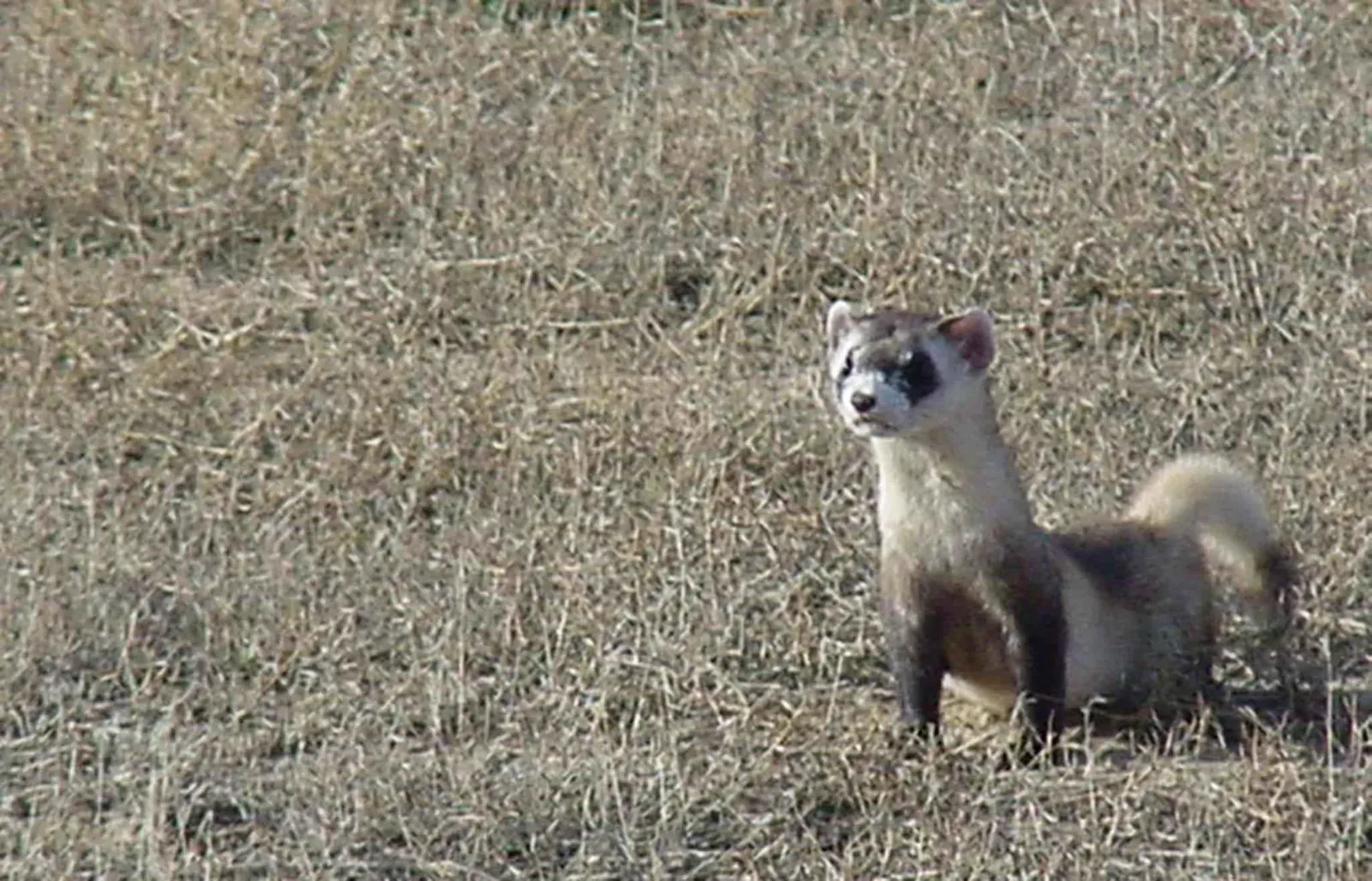
The black-footed ferret might be the rarest animal most Americans have never heard of. This small, nocturnal predator depends almost entirely on prairie dog colonies for food and shelter, so when prairie dogs were poisoned and plowed over, ferrets nearly disappeared with them. By the late twentieth century, they were thought to be completely extinct in the wild, the kind of quiet extinction that hardly makes headlines.
Then a tiny remnant population was rediscovered, and an intensive captive-breeding and reintroduction program began. Ferrets have since been released into protected grasslands in several western states, and biologists now track and vaccinate them to help them survive threats like disease. Their comeback is still precarious and patchy, but the very fact that you can walk across a nighttime prairie and know there might be a black-footed ferret hunting somewhere nearby feels like a small miracle. It is a reminder that saving a species sometimes means saving its entire supporting cast of plants, prey, and landscape.
Peregrine Falcon: The Urban Sky Hunter
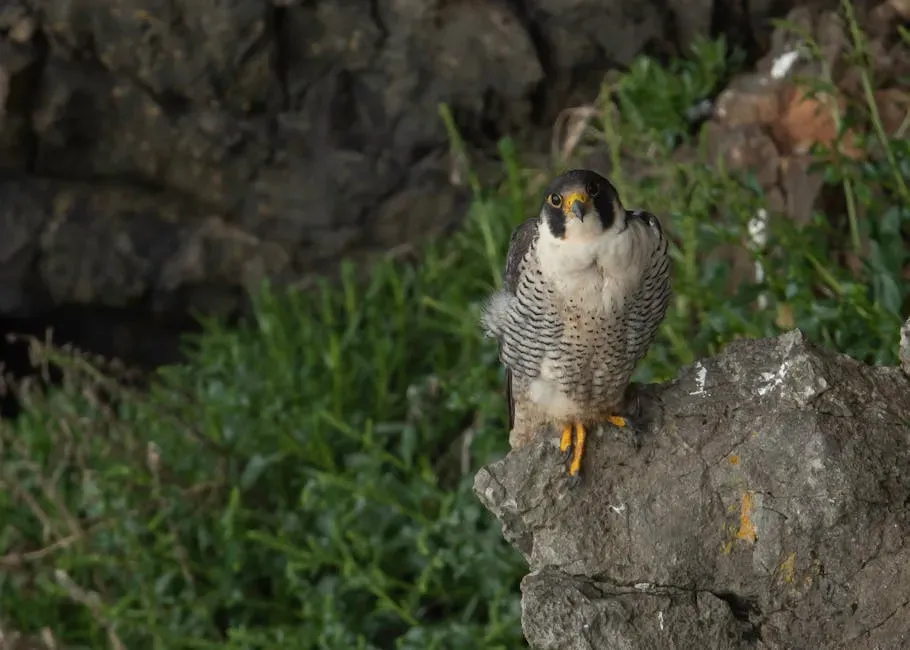
The peregrine falcon, once hit hard by DDT just like bald eagles, has engineered one of the more surprising comebacks in American wildlife. Their eggshells had become so thin that nesting success crashed, and in many regions they vanished completely. For a bird that was once known as the fastest animal on the planet, it was a stunningly rapid collapse driven entirely by human chemicals.
After DDT was banned and captive-bred birds were released, peregrines not only recovered but discovered a new niche: city life. Today, they nest on skyscrapers, bridges, and office towers, hunting the endless supply of pigeons and other urban birds. I love that a species once confined to cliffs and remote ledges now thrives in the middle of downtown traffic and glass. Their recovery is a perfect example of how some wildlife, given a second chance, can adapt to the human world in ways no one really predicted.
Gray Whale (Eastern North Pacific): A Coastal Comeback Story
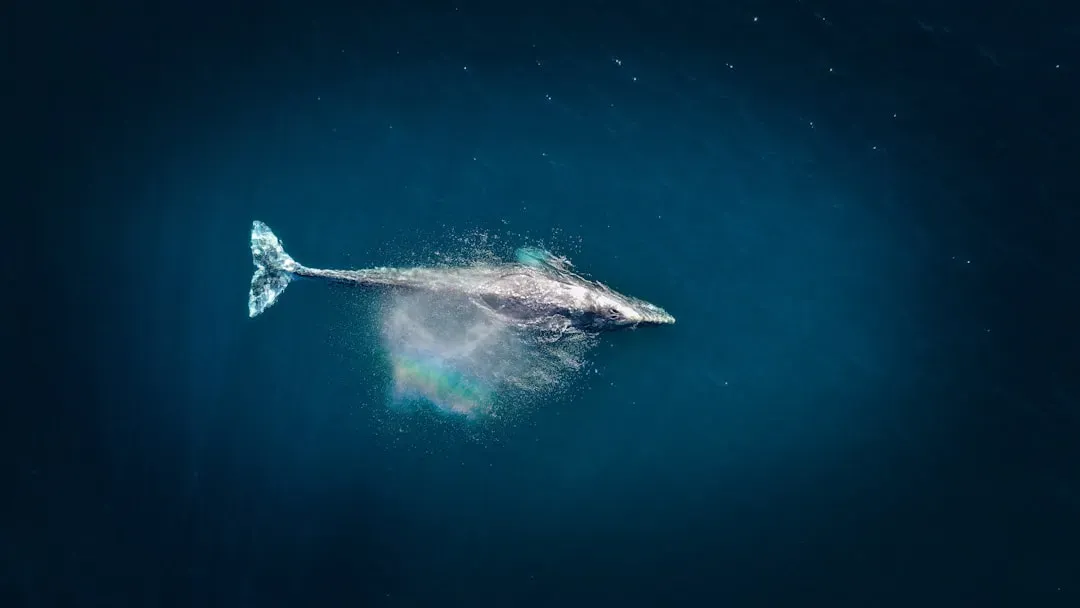
Industrial whaling once drove many whale populations to the edge, and gray whales in the eastern North Pacific were no exception. These massive mammals migrate thousands of miles between feeding grounds in the Arctic and breeding lagoons off Mexico, passing along the coasts of western North America. When they were hunted relentlessly, their numbers crashed, and the idea of seeing them regularly from shore seemed almost like a memory from another age.
Protections that ended commercial whaling for this population allowed a steady, long-term recovery, and they became a conservation success story that whale enthusiasts love to tell. Today, it is entirely possible to stand on a bluff in California, Oregon, or Washington and watch gray whales cruise by, spouting and rolling just offshore. In recent years, they have faced new challenges like changing food availability in a warming Arctic and unusual mortality events, so the story is not a simple happy ending. Still, their return to coastal waters in substantial numbers is a powerful reminder that stopping direct killing can give even very large, slow-reproducing animals a fighting chance.
Sea Otter: Restoring Kelp Forest Guardians
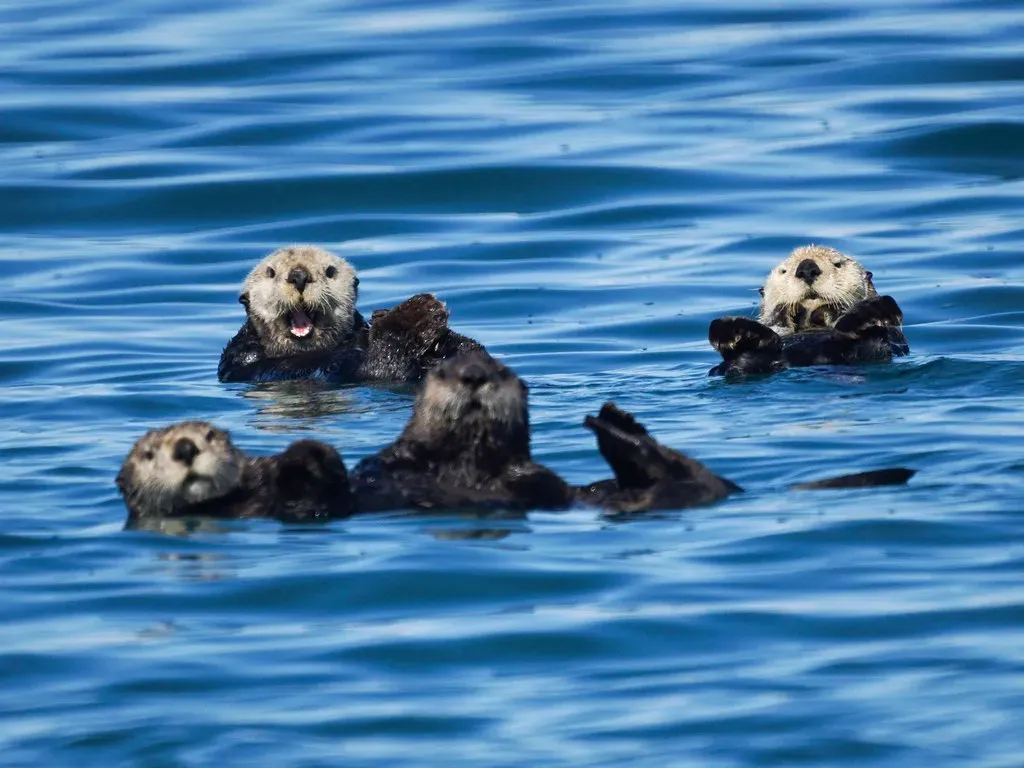
Sea otters were once nearly wiped out along much of the Pacific coast due to the fur trade, hunted for their incredibly dense, luxurious pelts. Without otters, sea urchin populations exploded, overgrazing and sometimes devastating kelp forests, which are underwater nurseries for all kinds of marine life. The loss of one small, fuzzy predator quietly unraveled entire coastal ecosystems in ways people did not fully understand at the time.
Legal protection and reintroduction efforts have helped sea otter populations rebound in parts of Alaska, British Columbia, Washington, and especially along the central California coast. Where otters return, kelp forests often begin to recover as they keep urchin numbers in check, and with that come fish, invertebrates, and a whole cascade of biodiversity. Watching an otter float on its back, cracking open a shell on its chest, feels cute and almost cartoonish, but the ecological impact is serious and profound. Their comeback shows how restoring one keystone species can heal an entire network of relationships in the ocean.
Whooping Crane: Teaching a Migration Back to the Skies
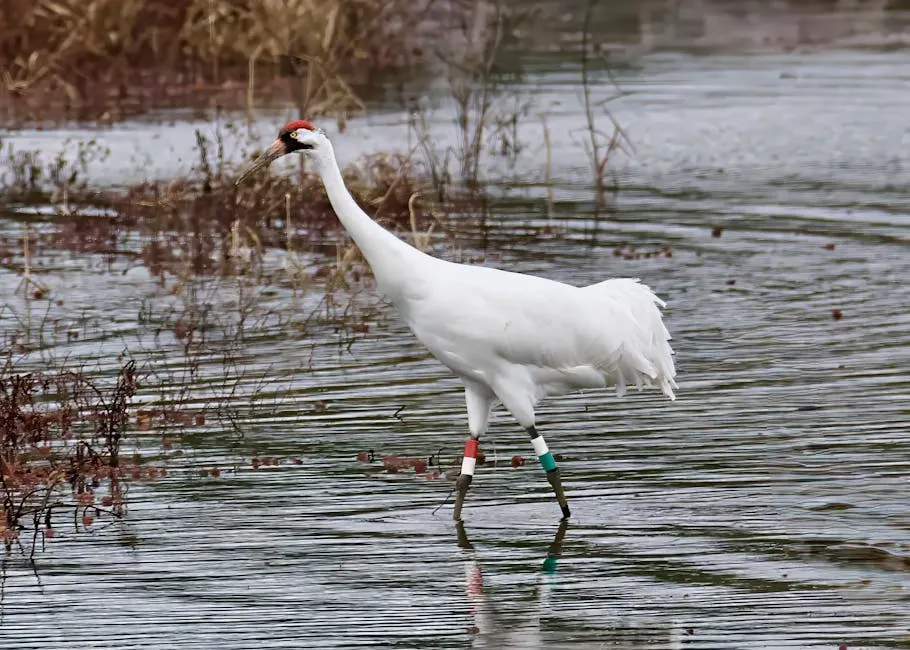
Whooping cranes are among the tallest, most striking birds in North America, and they came incredibly close to disappearing. By the mid twentieth century, only a tiny wild flock remained, its future hanging on a single fragile migration route between Canada and the Gulf Coast. Habitat loss and hunting had done nearly all the damage, leaving conservationists scrambling to figure out how to keep this species from winking out entirely.
Since then, a combination of habitat protection, captive breeding, and even creative methods like guiding young cranes with ultralight aircraft has helped build multiple populations. While their numbers are still relatively small and threats from development, storms, and human disturbance are very real, they are no longer teetering on the absolute edge. Seeing a whooping crane standing in a marsh, bright white with a streak of red on its head, feels almost unreal, like a relic that somehow made it through. Their slow comeback is a testament to long-term commitment and a willingness to use both high-tech tools and old-fashioned patience.
American Alligator: From Hunted Hide to Southern Icon
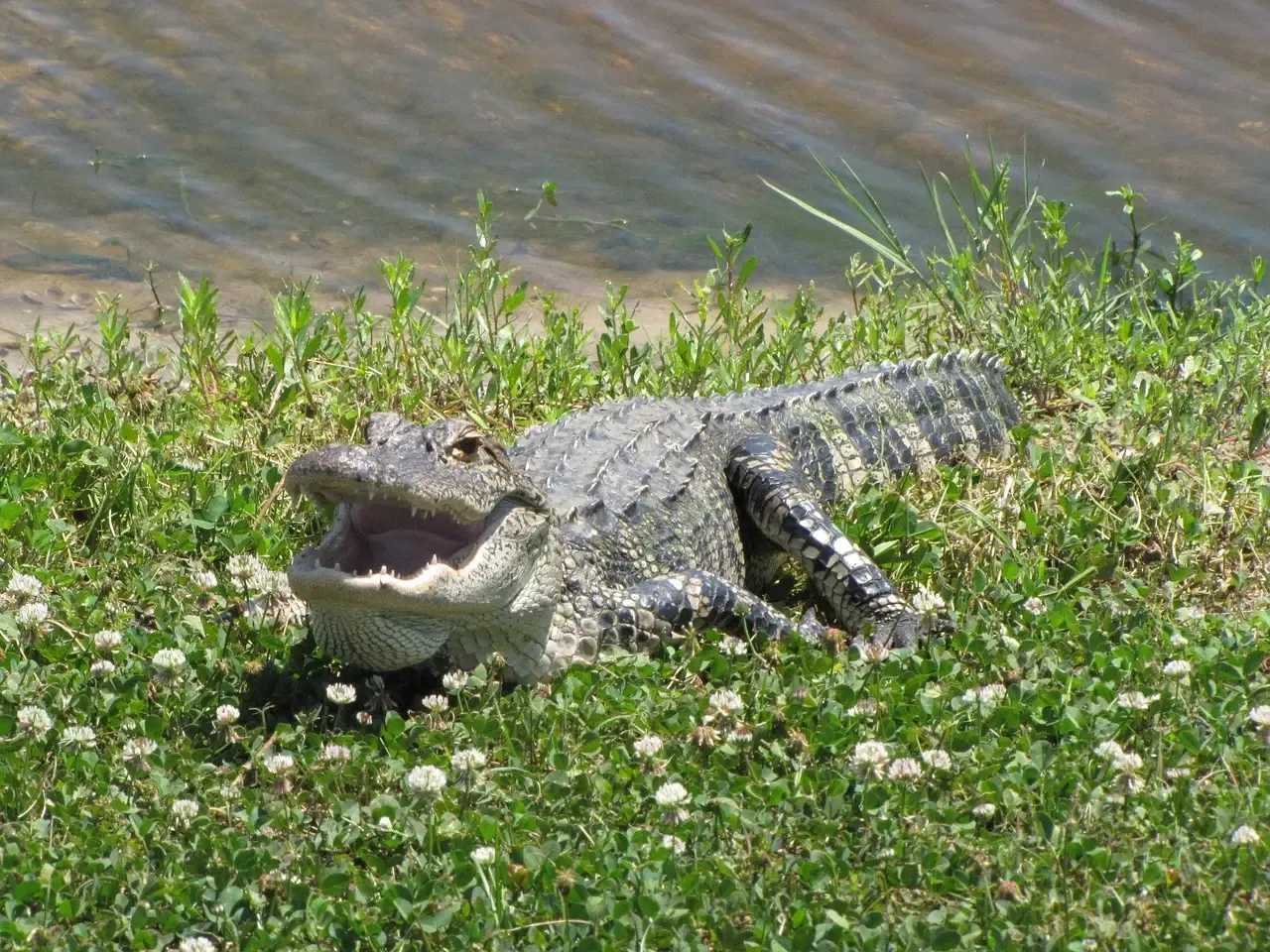
The American alligator may not seem rare if you have spent time in the Southeast lately, but that is exactly the point. For years, relentless hunting for hides and unregulated killing pushed them into serious decline, and by the mid twentieth century they were in deep trouble. Swamps and wetlands were being drained, and the cultural mindset toward reptiles was basically that the only good one was a dead one.
Strong legal protections, combined with better enforcement and habitat conservation, flipped the script for alligators. Their numbers have rebounded so successfully that they are now a familiar sight in many southern states, sunning on banks, gliding through marshes, and occasionally turning up in places that make headlines, like backyard ponds and golf courses. Their story is not just about abundance but about a shift in perspective: people now recognize them as an integral part of wetland ecosystems, not just as leather with teeth. In a strange way, the alligator has become a symbol that endangered species laws, when taken seriously, can do more than just slow loss – they can fully reverse it.
Conclusion: Recovery Is Possible, but Only If We Stay Stubborn
Looking across these ten species, a pattern jumps out: none of these comebacks happened by accident. They took decades of science, political fights, cultural shifts, and thousands of unglamorous daily decisions by people who chose to care. Bans on toxic chemicals, restrictions on hunting, Indigenous land stewardship, habitat restoration, and relentless monitoring all layered together into slow, hard-won progress. The animals do the actual surviving, but we are the ones who decide whether they get the chance.
At the same time, it would be dishonest to pretend everything is fixed. Climate change, habitat fragmentation, pollution, and short political attention spans are still pushing countless other species in the wrong direction. My own opinion is that these success stories should not make us relax; they should raise our standards. If we can bring bald eagles, bison, sea otters, and condors back from the edge, then accepting continued decline for less famous species starts to feel like a choice, not an inevitability. The real question now is whether we are willing to treat recovery not as a rare headline, but as the default expectation for how we live with the wild world around us – what do you think we will decide?