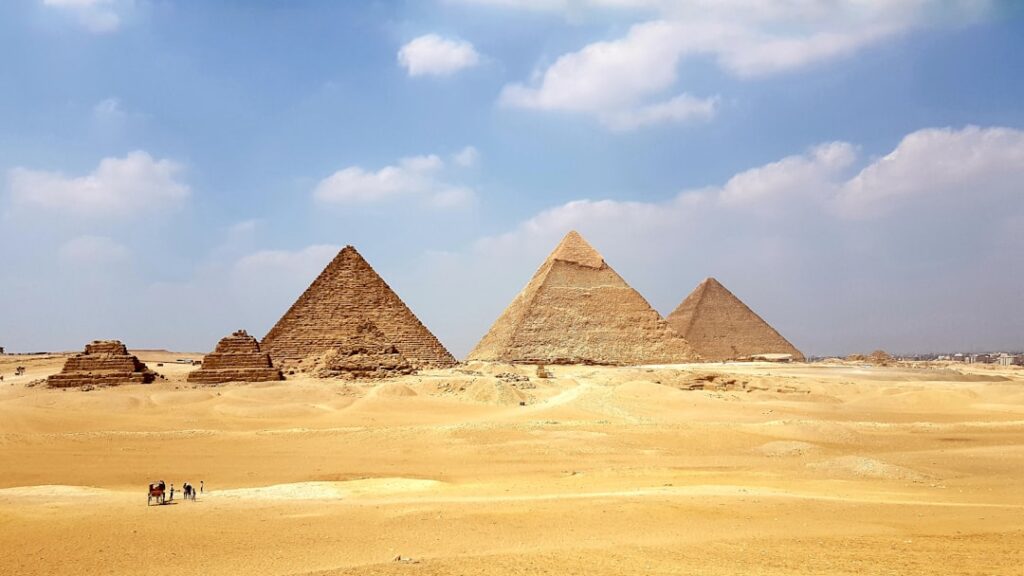
Every time someone stands in front of the Great Pyramid of Giza, the same question quietly sneaks in: how on earth did ancient people pull this off without cranes, engines, or modern computers? These monuments are so big, so precise, and so old that it almost feels easier to believe in wild theories than in human sweat, math, and clever engineering. Yet when you dig into the actual science, a far more interesting story appears – one where organized labor, simple tools, and sharp minds beat brute technology.
In the last few decades, archaeologists, engineers, physicists, and even materials scientists have been slowly closing in on the mechanics behind pyramid building. New excavations, satellite images, chemical analyses, and computer simulations have replaced a lot of guesswork with testable models. The real picture is still incomplete, but it is detailed enough to push aside the idea of mysterious lost civilizations and highlight something much more compelling: what ordinary people can do with limited tools and a lot of coordination. Let’s unpack how this actually worked.
Who Really Built the Pyramids? The Workforce Behind the Stone
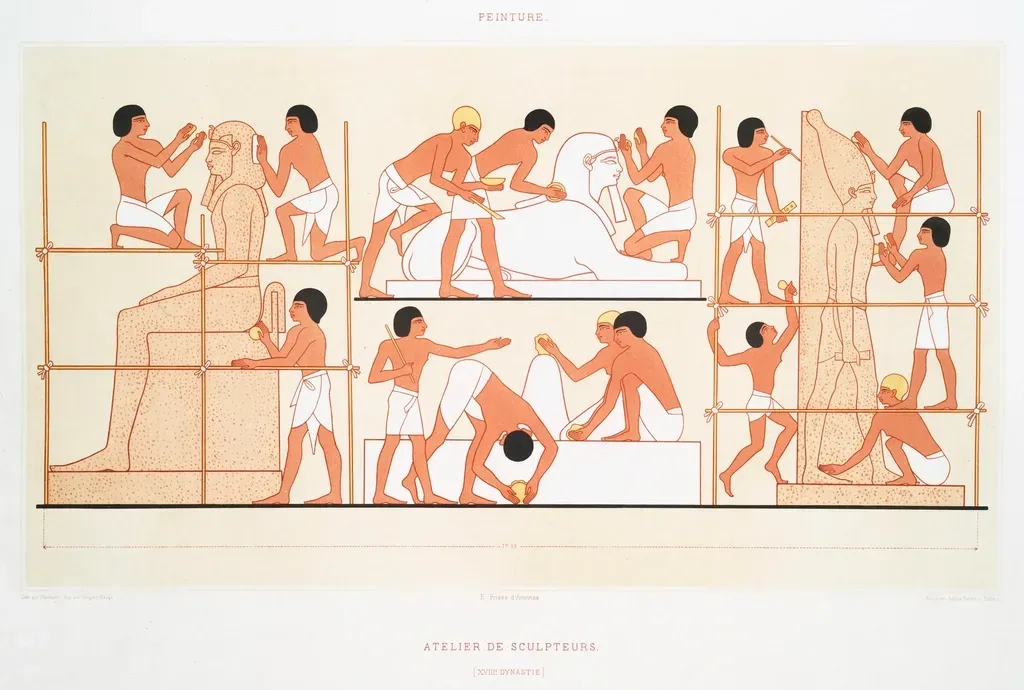
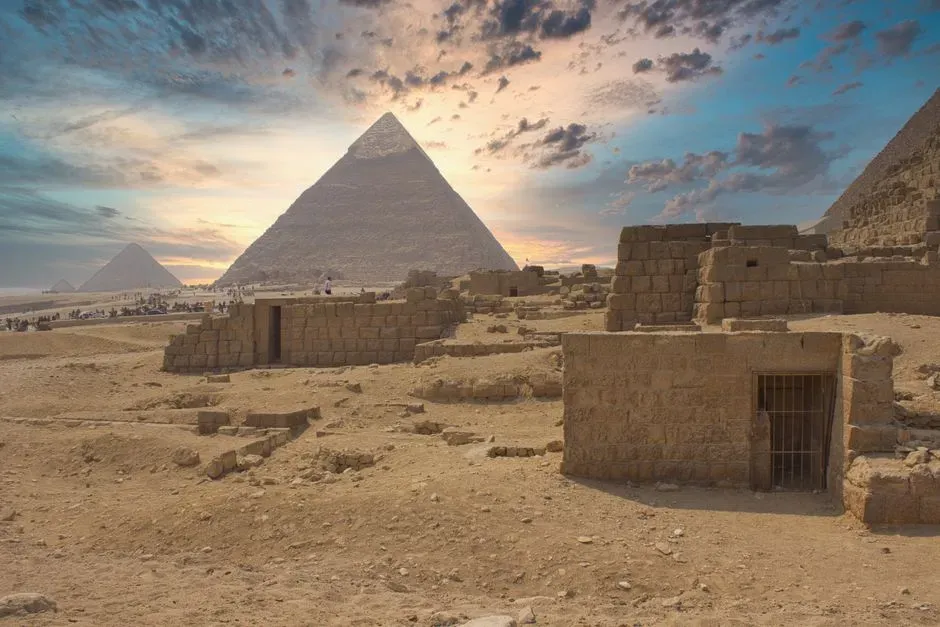
The most shocking truth for many people is that the pyramids were not built by slaves in chains but by a massive, rotating workforce of paid laborers and skilled craftsmen. Excavations near Giza have uncovered workers’ villages, bakeries, breweries, medical facilities, and orderly cemeteries for the builders, painting a picture of organized labor rather than brutal, disposable human sacrifice. These were farmers, stonecutters, boatmen, and specialists who worked in large teams, often during the annual Nile flood, when fields were underwater and regular farming was on pause.
Evidence like healed injuries, traces of medical treatment, and food remains showing diets that were decent for the time suggest that the workforce was valued, not treated as expendable. There were still hard conditions, of course – this was intense physical labor in a desert climate – but it looked closer to a large national building project than a grim death camp. You can think of it a little like a rotating civic workforce, where different communities contributed manpower for limited periods, motivated by pay, rations, social prestige, and religious duty to the pharaoh.
Quarrying the Stone: How They Got Millions of Blocks Out of the Ground
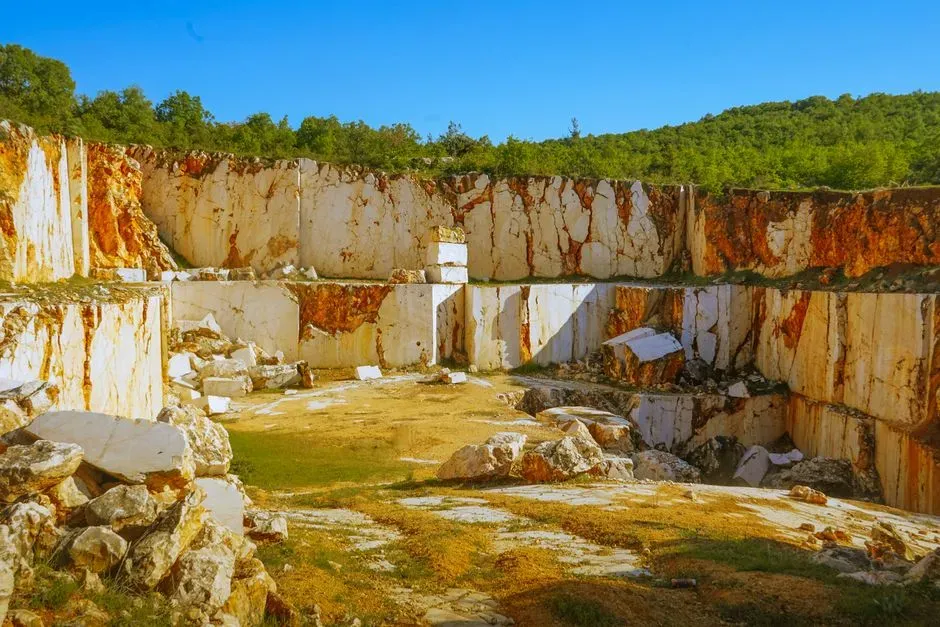
Before a single block could be dragged toward the pyramid, it had to be cut from bedrock or quarry cliffs using nothing more advanced than copper tools, stone hammers, and smart techniques. For the Great Pyramid, most of the core limestone came from quarries just southeast of the site itself, so in many cases workers were cutting stone almost in the pyramid’s shadow. Harder stones like granite, used in the internal chambers and sarcophagi, came from quarries around Aswan, hundreds of kilometers to the south, which required both technical know‑how and logistical planning to extract and ship.
Copper chisels, wooden wedges, dolerite pounding stones, and controlled cracking techniques allowed masons to separate large blocks from the bedrock. They likely used grooves, small channels, and rows of drilled or chiseled holes to guide fractures, then exploited natural bedding planes in the stone. This process was slow and laborious, but when spread across thousands of workers over years, the numbers start to make sense. The real marvel is less that they could cut stone and more that they could coordinate the continuous supply of precisely the right blocks at the right time.
Transporting Colossal Blocks: Boats, Sledges, and Muddy Physics
People often imagine hundreds of men dragging dry sledges over hot sand, but the physics of friction tells us that would have been extremely inefficient. Experiments and wall paintings suggest that ancient Egyptians used sledges over dampened sand or mud, drastically reducing friction and making it possible for a team of workers to move very heavy loads. In simple terms, wet sand packs more tightly, supporting the weight better and stopping the front of the sledge from digging in as much, which means fewer people can pull a given block.
For long‑distance transport, particularly the granite from Aswan and high‑quality limestone from farther quarries, the Nile River was their superhighway. Stones were loaded onto wooden boats or lashed onto large barges, moved with the seasonal flood, and then offloaded via canals, harbors, or artificial basins near the pyramid plateau. There is growing evidence for a network of channels and port facilities close to the Giza site, suggesting that at least part of the journey was engineered to be as water‑based as possible. It is not magic; it is clever use of the environment and timing.
Ramps, Levers, and Lifting: The Engineering of Getting Blocks Up High
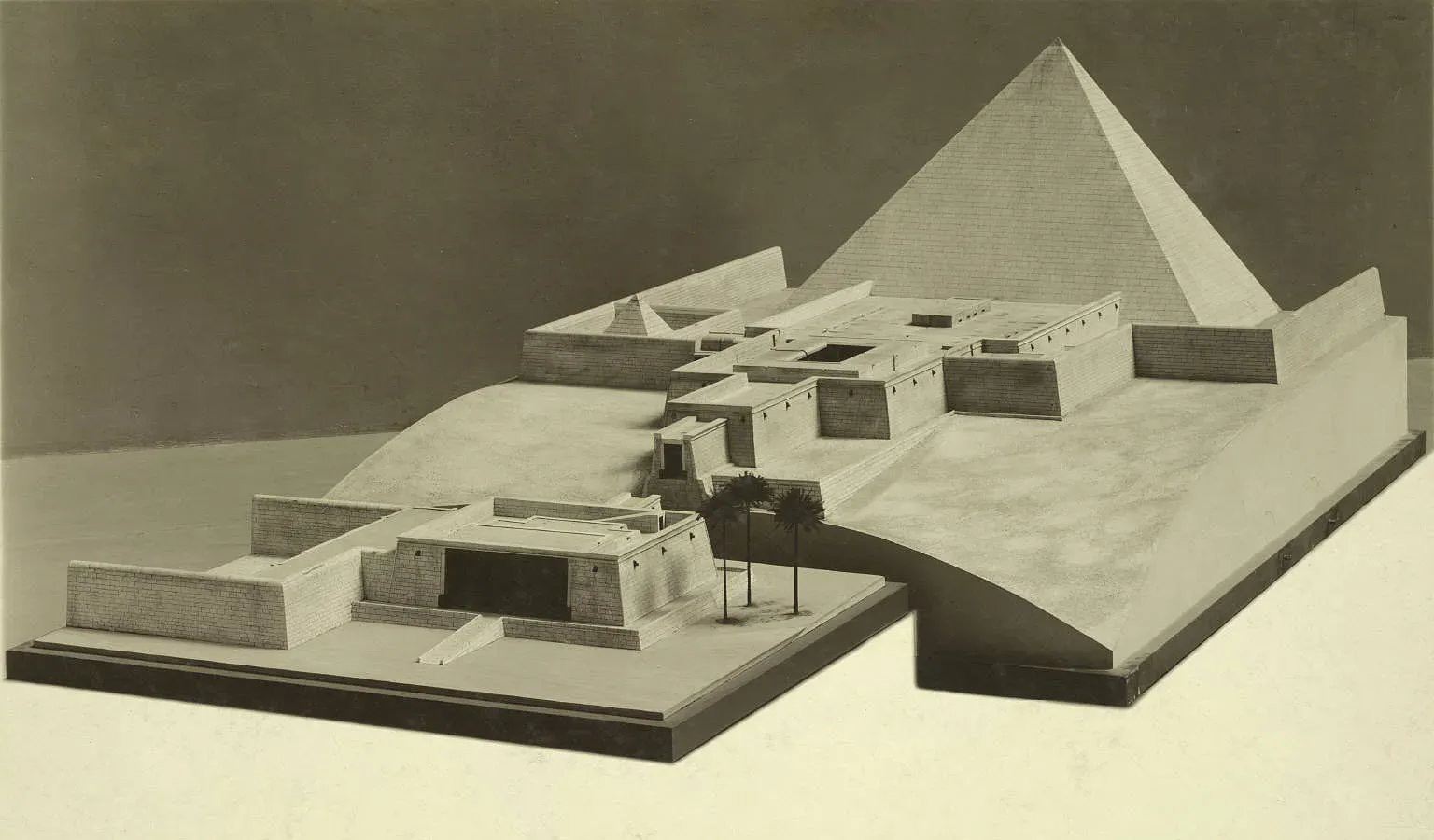
Once the stones reached the pyramid plateau, the next big question kicks in: how did they lift blocks dozens of meters into the air without cranes? The honest answer is that there is no single, unanimously accepted ramp design, but several scientifically plausible models fit the evidence. Straight, massive ramps would have required huge amounts of material; spiral or zig‑zag ramps around the pyramid’s sides would use less, though they would complicate tight turns with heavy blocks. Many researchers suspect that builders combined external ramps for the lower levels with internal ramps or step‑like systems higher up.
Levers and simple lifting devices likely played a key role too. Even a basic lever can multiply human force dramatically, letting smaller teams raise blocks in small increments onto higher courses. Experimental archaeologists have shown that organized teams using wooden sledges, levers, and modest ramps can move and lift blocks comparable to those in the actual pyramids. None of this is effortless – imagine repeatedly deadlifting a small car onto a shelf – but when the process is divided into small, repetitive steps and scaled across thousands of workers over decades, it starts to feel feasible instead of impossible.
Precision in Stone: How They Achieved Such Accurate Alignment
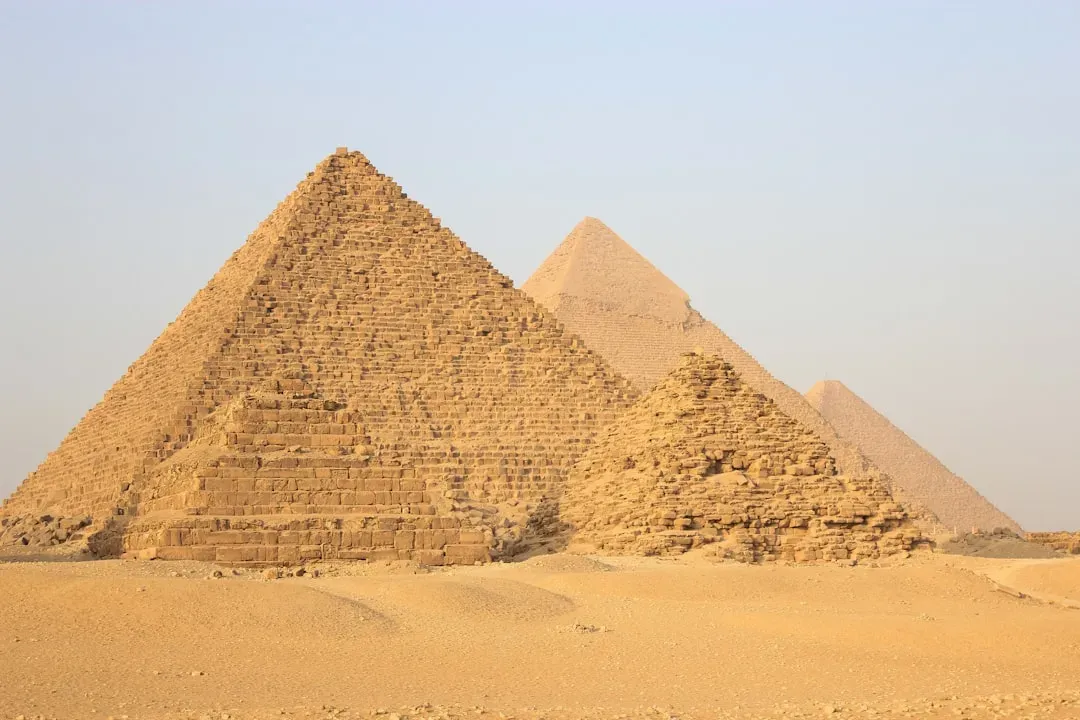
One of the most mind‑bending aspects of the Great Pyramid is its precision: nearly perfect cardinal alignment, remarkably flat base, and tightly fitted stones. Achieving this without lasers or GPS sounds almost supernatural until you remember that people have been watching the sky and measuring shadows for a very long time. Egyptian surveyors likely used tools such as sighting rods, plumb lines, leveling instruments, and careful astronomical observations to establish true north and lay out the base. Tracking certain stars or using the sun’s shadow at specific times of day can give a surprisingly accurate directional reference.
On the ground, they used cords, stakes, and measuring rods to transfer those reference lines and angles into the layout of the structure. Careful preparation of the bedrock, including leveling and cutting shallow trenches, gave them a stable, geometric foundation. Masons then dressed and placed stones so that each course tied the structure together like a giant three‑dimensional puzzle. Is it perfect by modern laser standards? Not quite. Is it astonishingly accurate for a Bronze Age civilization using simple tools and careful, repeated measurement? Absolutely.
Inside the Pyramid: Hidden Chambers, Air Shafts, and Structural Tricks
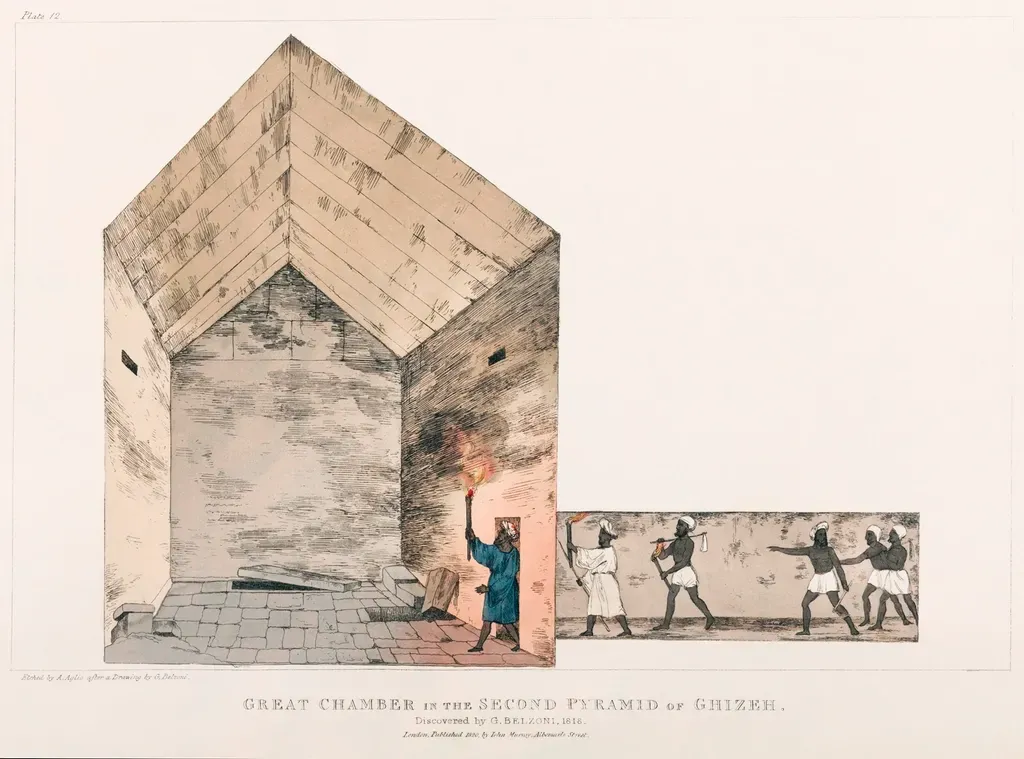
From the outside, a pyramid looks like a simple geometric shape, but inside, it is an intricate three‑dimensional engineering problem. Builders had to place burial chambers, corridors, and relieving structures without causing the whole mass of stone above to crack or collapse. In the Great Pyramid, for example, the so‑called “King’s Chamber” uses large granite beams and a stack of relieving chambers above it to redirect weight away from the flat ceiling. This is a practical solution born from understanding how stone behaves under compression and how to prevent dangerous stress concentrations.
The narrow shafts sometimes labeled as “air shafts” or symbolic passages show that the builders were comfortable cutting precise, long, narrow tunnels through masonry. Whether these served religious, symbolic, or limited practical purposes, the technical achievement is undeniable. The internal layout balances spiritual functions – guiding the deceased pharaoh’s soul – with very real physical constraints. Rather than being chaotic or improvised, the interior reflects careful planning, staged construction, and ongoing adjustments as the structure rose.
New Science, Old Stones: What Modern Research Is Still Uncovering
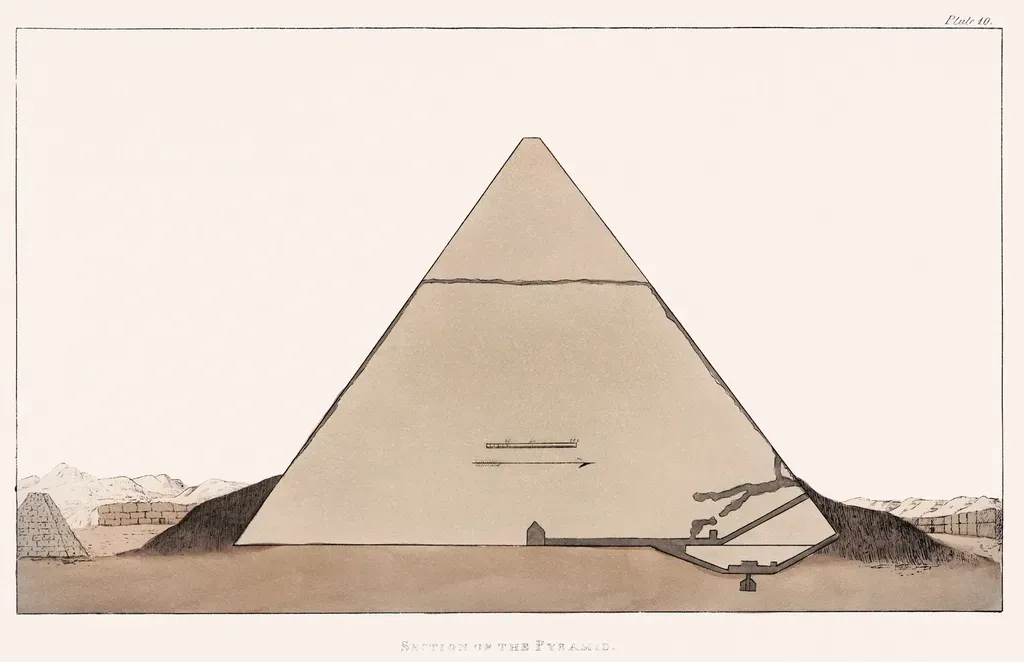
Even now, scientists are still scanning, sampling, and simulating the pyramids with new technology. Techniques like muon tomography, thermal imaging, and high‑resolution 3D mapping have revealed hidden voids and subtle structural features without having to break into the stone. Some findings hint at previously unknown chambers or construction gaps, while others confirm that there are internal cavities and differential heating patterns that align with ramp or stress‑relief theories. Instead of solving everything, each new discovery tends to refine existing models and rule out the least likely ideas.
Materials science has also joined the conversation, studying the exact composition of mortar and stone surfaces and testing whether some blocks might include reconstituted or cast stone. So far, the core picture still points toward primarily quarried natural stone, with some clever use of mortar and possibly limited use of proto‑concrete‑like mixtures in specific contexts. The overall trend is clear: as tools get better, the pyramids look more like the product of smart, stubborn human problem‑solving and less like an unsolved mystical riddle.
Conclusion: Human Ingenuity Beats Myth Every Time
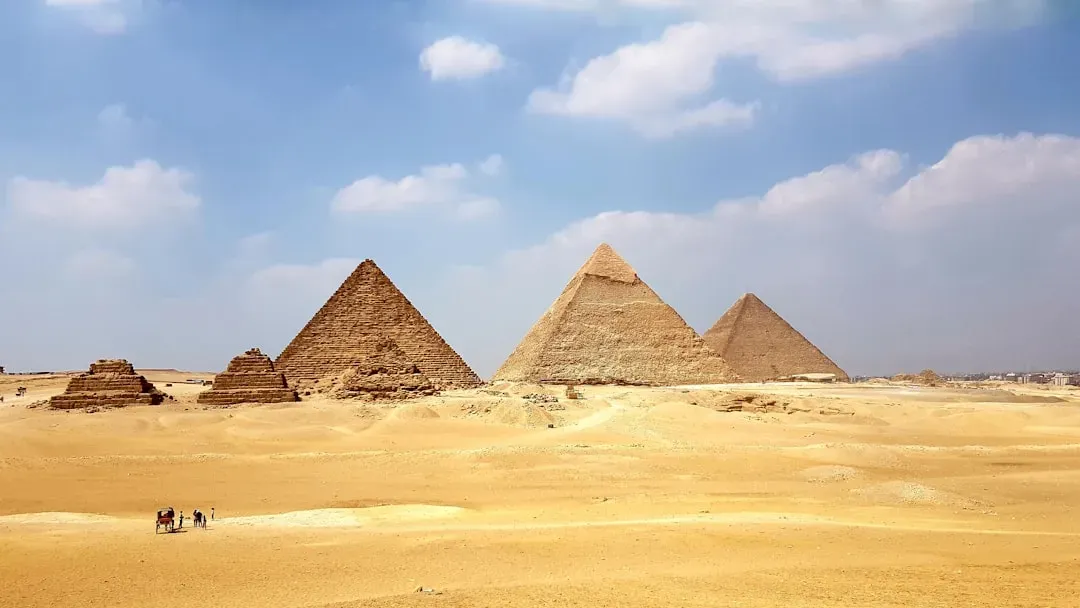
When you strip away the myths and conspiracy theories, the pyramids become more impressive, not less. They are not evidence of lost super‑technologies or secret visitors from the stars; they are evidence of what organized societies can do with simple tools, deep patience, and ruthless project management. Personally, that story feels far more powerful: tens of thousands of real people, each with sore muscles, calloused hands, and probably plenty of complaints, built something that has outlived empires and languages.
Will we one day know every detail, down to the exact shape of every ramp and the schedule for every work crew? Probably not, and that lingering uncertainty leaves a little room for wonder without needing to invent magic. What the science does show is that the pyramids sit right at the intersection of astronomy, geology, physics, logistics, and human ambition. The next time you see a photo of Giza, you might ask yourself a different question: not how they possibly built them, but what massive, audacious project our own generation will leave behind that can compete with that.