Space exploration has intrigued humanity for decades, pushing the boundaries of scientific understanding. A particularly intriguing aspect of this venture is the study of how life forms adapt to the unique environment of space. Microgravity, a condition of near-weightlessness experienced in space, presents both challenges and opportunities for researchers. By observing its effects on animal and plant growth in space stations, scientists garner insights that can have profound implications for biology, agriculture, and future space habitation.
What is Microgravity?

Microgravity, often mistakenly termed as zero gravity, is a state where gravitational forces are much weaker than on Earth. This phenomenon occurs because objects in space are in free-fall, creating an environment where they appear to be weightless. This state significantly affects physical and biological processes, prompting extensive study to understand its implications on life forms.
Animal Growth and Development in Microgravity

On Earth, gravity plays a critical role in animal development, affecting everything from cell structure to entire bodily systems. In microgravity, researchers have observed significant changes in animal physiology. For example, studies on rodents in space have demonstrated alterations in bone density, muscle mass, and even organ development due to the absence of gravitational stress.
Furthermore, animal research aboard space stations has included observations on embryonic development and reproductive processes. It’s found that some species, such as frogs and fish, exhibit normal development despite the microgravity conditions. Conversely, mammals show more pronounced difficulties, often requiring further adaptation to successfully reproduce in space.
The Impact on Plant Growth
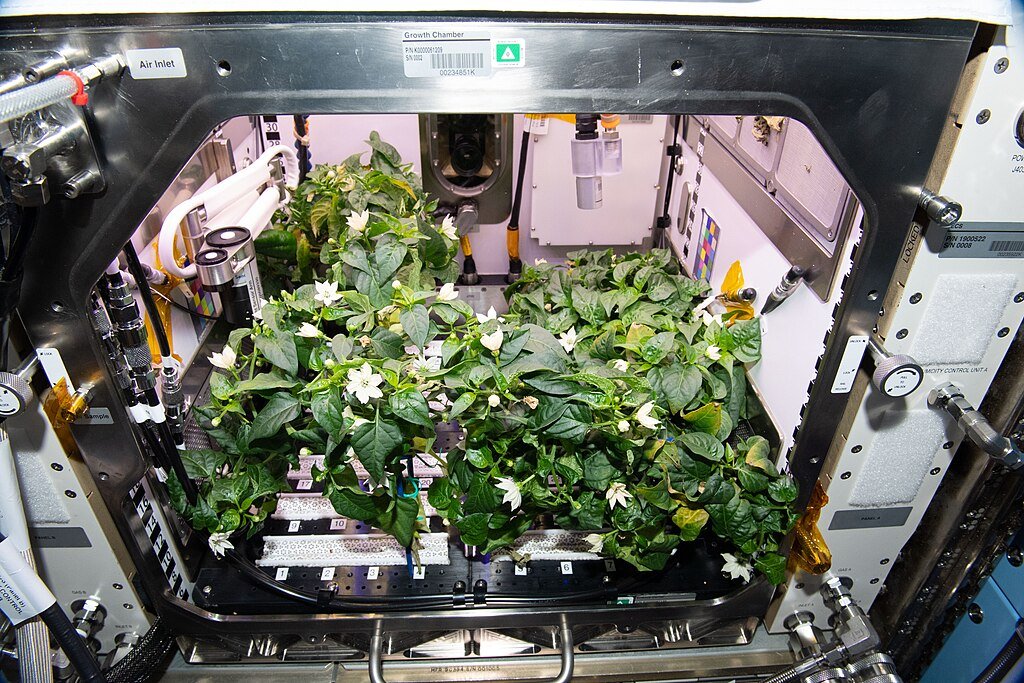
Plants are incredibly sensitive to their environment, relying on gravity for proper growth orientation—a process known as gravitropism. In the microgravity conditions of space, plants struggle to determine which way is “up” or “down,” affecting how they grow.
Despite these challenges, experiments conducted on the International Space Station (ISS) have demonstrated that plants can adapt to these unique conditions. With controlled lighting and nutrient delivery systems, plants like wheat, lettuce, and zinnias have been successfully grown. These experiments not only provide food for astronauts but also valuable data on plant biology that could benefit agricultural practices on Earth.
Adaptations and Biological Mechanisms

One of the most intriguing aspects of studying life in space is understanding the various biological adaptations organisms make to survive and thrive. In microgravity, cellular architecture is altered, with changes in gene expression, protein synthesis, and signal transduction pathways. Animals and plants utilize alternative pathways to compensate for the lack of gravity-based cues.
For instance, in the plant Arabidopsis thaliana, researchers have identified changes in gene activity related to root growth and stress responses. Similarly, animal studies reveal that muscle cells undergo transformations at the genetic level to mitigate the loss of muscle mass.
Applications and Future Prospects

Understanding how microgravity affects biological processes holds immense potential for future space missions and Earth-based applications. Insights from space station research can lead to innovations in agricultural technology, providing methods to enhance crop yield and resilience in challenging environments on Earth.
Moreover, this research is crucial for the feasibility of long-duration space missions and potential colonization of other planets. By learning how plants and animals adapt to microgravity, we can develop sustainable life support systems that ensure human survival beyond Earth.
Conclusion: A New Frontier in Biological Research
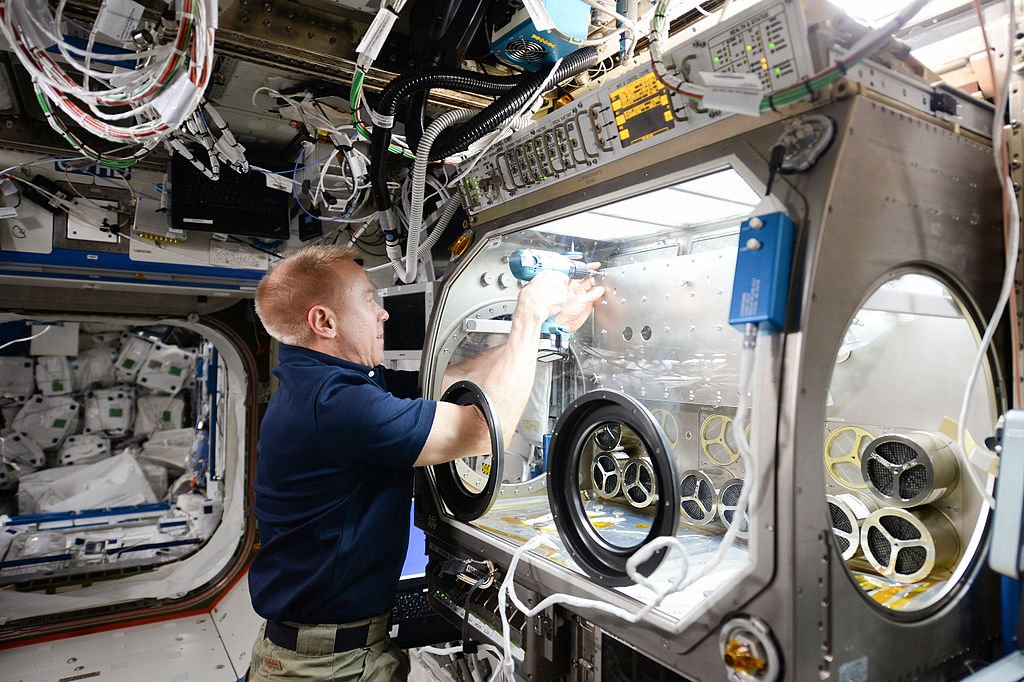
The role of microgravity in animal and plant growth is a testament to the resilience and adaptability of life. Space stations like the ISS offer a unique laboratory for exploring these phenomena, deepening our understanding of biology under extraordinary conditions. As technology and space exploration advance, the knowledge gained will not only expand the possibilities for space colonization but also enrich life on Earth through enhanced biological and agricultural practices.