The study of animal communication has long fascinated scientists and animal lovers alike. From the songs of whales in the depths of the ocean to the complex dance of honeybees, animals have developed sophisticated methods of interacting with each other. Understanding these communication systems provides insights into the cognitive abilities of animals, their social structures, and even evolutionary processes. However, the complexity and diversity of animal communications have posed significant challenges to researchers. Enter Artificial Intelligence (AI) — a revolutionary tool that is transforming our approach to deciphering these natural languages.
Breaking Down Communication Barriers with AI

AI’s role in studying animal communication primarily involves the use of machine learning and data analysis. By analyzing vast amounts of data, AI can recognize patterns in animal sounds and behaviors that might be imperceptible to human researchers. For example, AI has been used to decode the complex vocal patterns of dolphins and songbirds, identifying distinct calls and their potential meanings. This capability is crucial for overcoming the limitations of traditional research methods, allowing scientists to gain deeper insights more efficiently and accurately.
Advanced Technologies in AI for Animal Communication

Technological advancements in AI facilitate the study of animal communication through several innovative approaches:
- Acoustic Monitoring: AI systems can sift through substantial audio recordings to identify specific animal calls or sounds, which can then be tracked over time and across different environments.
- Image and Video Analysis: AI can analyze visual data to understand communication methods beyond sound, such as body language and social interactions.
- Neural Networks: Powerful algorithms modeled on the human brain can detect subtle correlations and temporal patterns in animal communication signals.
Case Studies: AI in Action
AI’s effectiveness is demonstrated in several compelling case studies:
Elephant Communication: Scientists are utilizing AI to study the low-frequency rumbles of elephants. With neural networks, researchers can analyze these sounds to understand how elephants convey information and emotions.
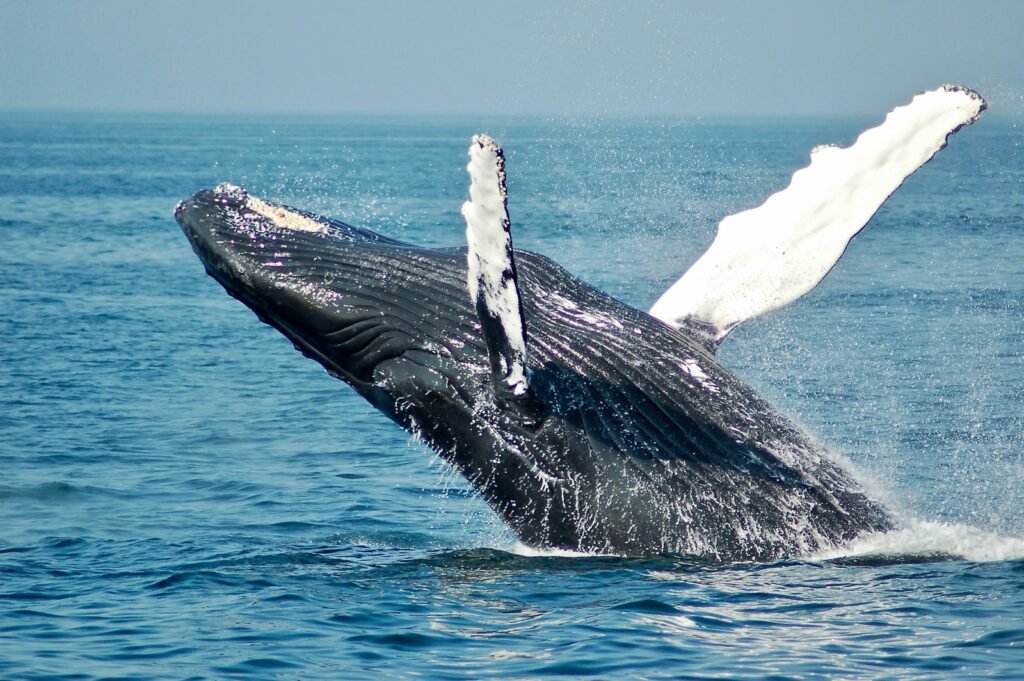
Whale Songs: Marine biologists use AI to break down the complexity of whale songs. By doing so, they aim to identify song structures and variations, providing clues about social structures and behaviors in whale pods.
Ethical Considerations and Challenges

While AI offers remarkable opportunities, it also presents ethical considerations and technical challenges:
- Data Privacy: Just as in human contexts, the use of AI to monitor animals may raise concerns about data ownership and the ethical treatment of wildlife.
- Accuracy and Bias: AI systems must be carefully trained to avoid biases that could lead to misinterpretations of data. Incorrect conclusions can hamper our understanding and conservation efforts.
- Interference: The use of AI and technologies must ensure minimal disruption to animal habitats and natural behaviors.
The Future of AI in Animal Communication Research

The future of AI in animal communication research is promising, with potential for groundbreaking discoveries. As AI technology continues to improve, we anticipate more comprehensive insights into the languages of the natural world. Additionally, collaboration across disciplines — combining AI with ethology, ecology, and more — will drive innovative approaches and solutions.
Conclusion

AI has opened new frontiers in the study of animal communication, overcoming traditional challenges and offering precise tools to dissect the complexity of animal languages. As we continue to harness the power of AI, we edge closer to understanding the rich tapestries of communication among organisms, fostering deeper connections and informed conservation efforts that respect and preserve the voices of the wild.