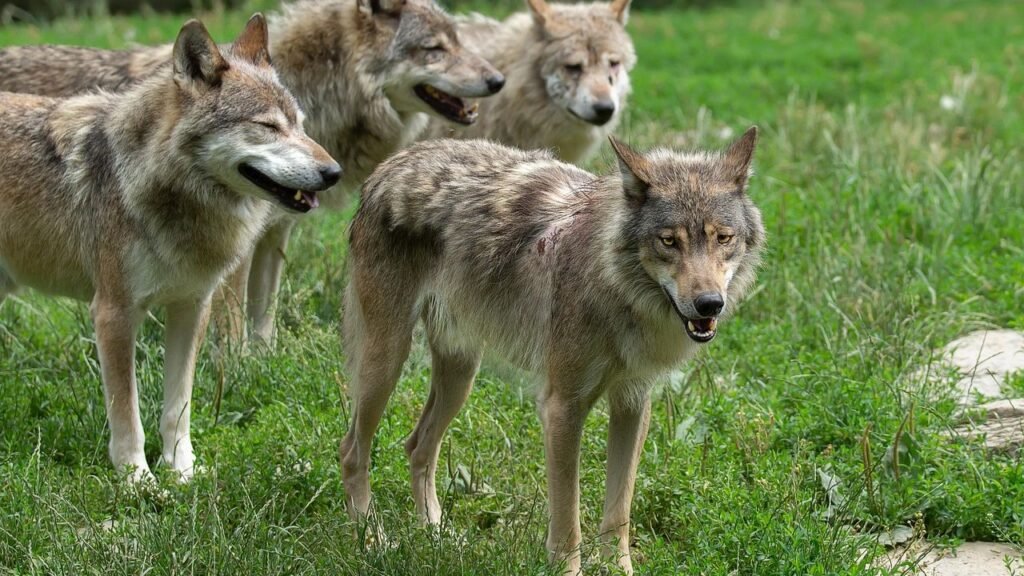

Picture this: a wolf slipping through fresh snow on a Colorado mountainside, its breath forming clouds in the crisp winter air. For the first time since the 1940s, this scene isn’t borrowed from a nature documentary or a distant memory. It’s happening right now, in real time, across the Western Slope.
Colorado has made history by becoming the first state where voters, not federal wildlife agencies, decided to bring wolves back. The journey started with a narrow ballot measure in November 2020 and turned into something much bigger than anyone expected. The return of these apex predators hasn’t been a smooth, fairy tale story of nature bouncing back. It’s messy, complicated, and absolutely fascinating. Whether you’re cheering for the wolves or worried about your cattle, there’s no denying that Colorado’s landscape is changing in ways we’re only beginning to understand.
A Vote That Changed Everything
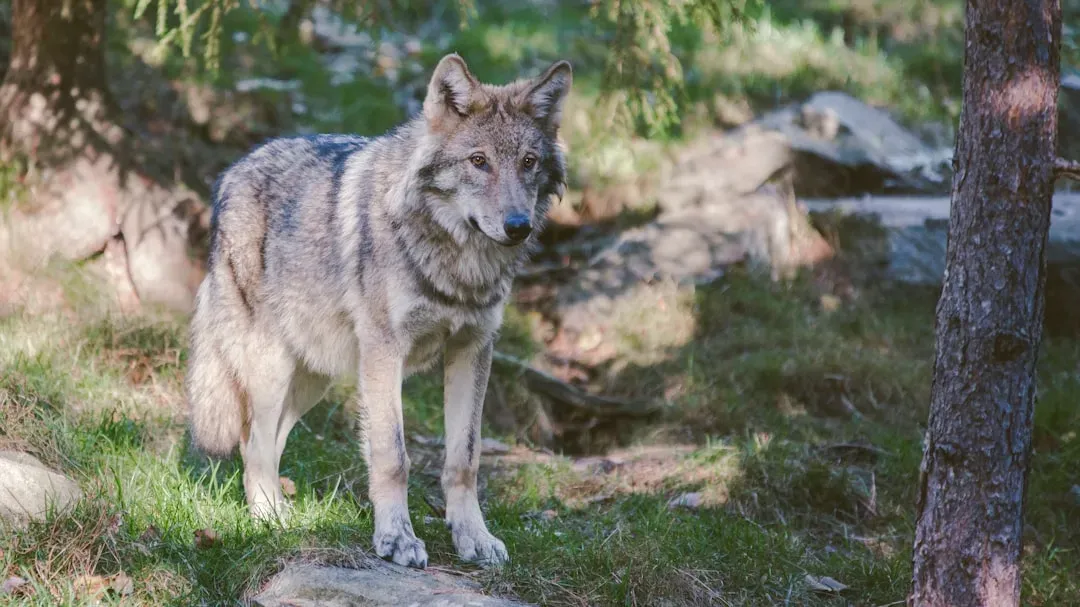
In 2020, Proposition 114 passed by a margin of just 51 percent, requiring Colorado Parks and Wildlife to create a plan to reintroduce gray wolves west of the Continental Divide by the end of 2023. The vote split the state dramatically. Urban areas overwhelmingly supported bringing wolves back, while rural communities, especially ranchers and farmers, strongly opposed it.
This marked the first time an endangered species would be managed and reintroduced by an entity other than the U.S. Fish and Wildlife Service, making it truly historical and groundbreaking as a citizen-led ballot initiative. The decision put Colorado on an unprecedented path, one that meant state wildlife officials would need to figure out everything from where to source wolves to how to compensate ranchers for livestock losses. Let’s be real, voting for something and making it work on the ground are two very different challenges.
The First Releases: Oregon Wolves Come Home
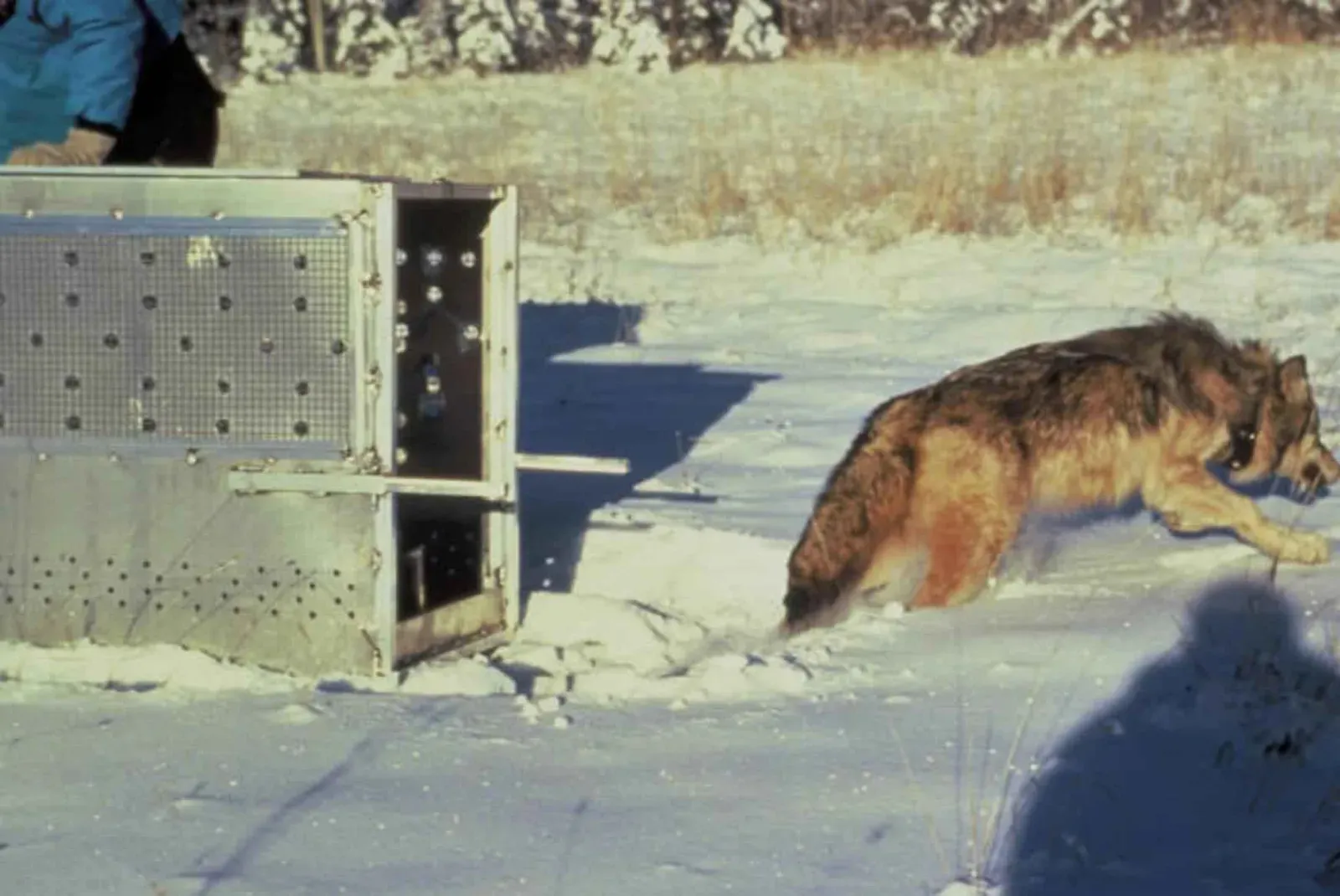
Between December 18 and 21, 2023, Colorado Parks and Wildlife experts captured 10 gray wolves in Oregon and released them onto public land in Summit and Grand counties. Those moments were powerful. Crates opened, wolves bolted into the wilderness, and for a brief second, it felt like history rewinding itself.
Some of the wolves brought from Oregon were known to have preyed on livestock, and not long after, two wolves paired up and started preying on nearly two dozen cattle and sheep on Grand County ranches. This became the Copper Creek pack, a name now infamous among ranchers and wildlife advocates alike. The pack’s repeated attacks tested every assumption about coexistence and made it clear that reintroduction wouldn’t be as simple as opening a crate and hoping for the best.
Canadian Wolves Join the Mix
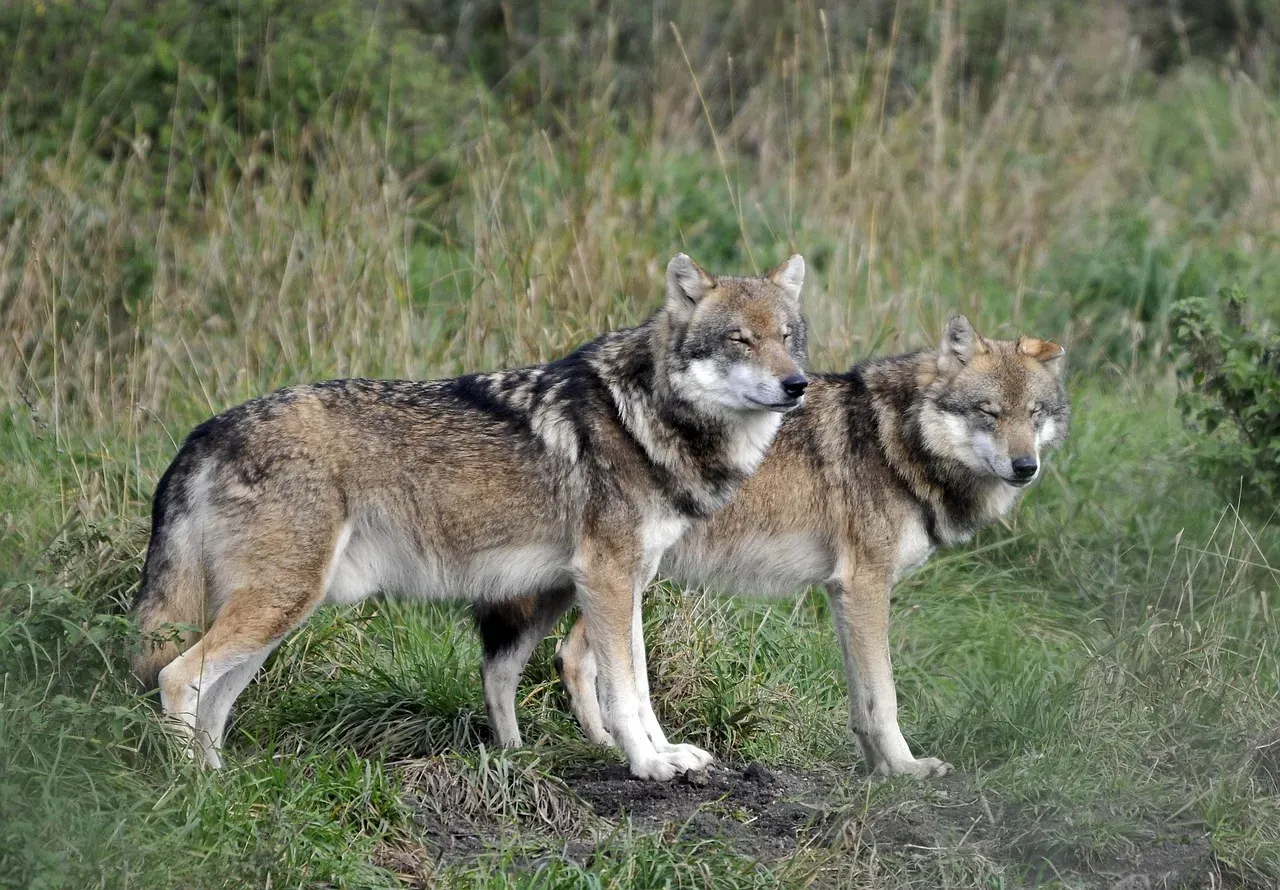
The following winter brought round two. In early 2025, Colorado Parks and Wildlife translocated 15 wolves from the central interior of British Columbia to Colorado. These Canadian wolves were released in Eagle and Pitkin counties, expanding the geographic footprint of the reintroduction effort.
The sourcing became controversial when federal officials raised concerns about importing wolves from Canada. CPW had struck a deal with Canada to capture up to 15 wolves from British Columbia, as the state had captured and released 15 wolves from the Canadian province the prior winter. Yet complications mounted. Washington state declined to provide wolves, citing its own declining wolf populations and concerns about high mortality rates in Colorado. This left wildlife managers scrambling and uncertain about where future wolves would come from.
The Mortality Problem Nobody Expected
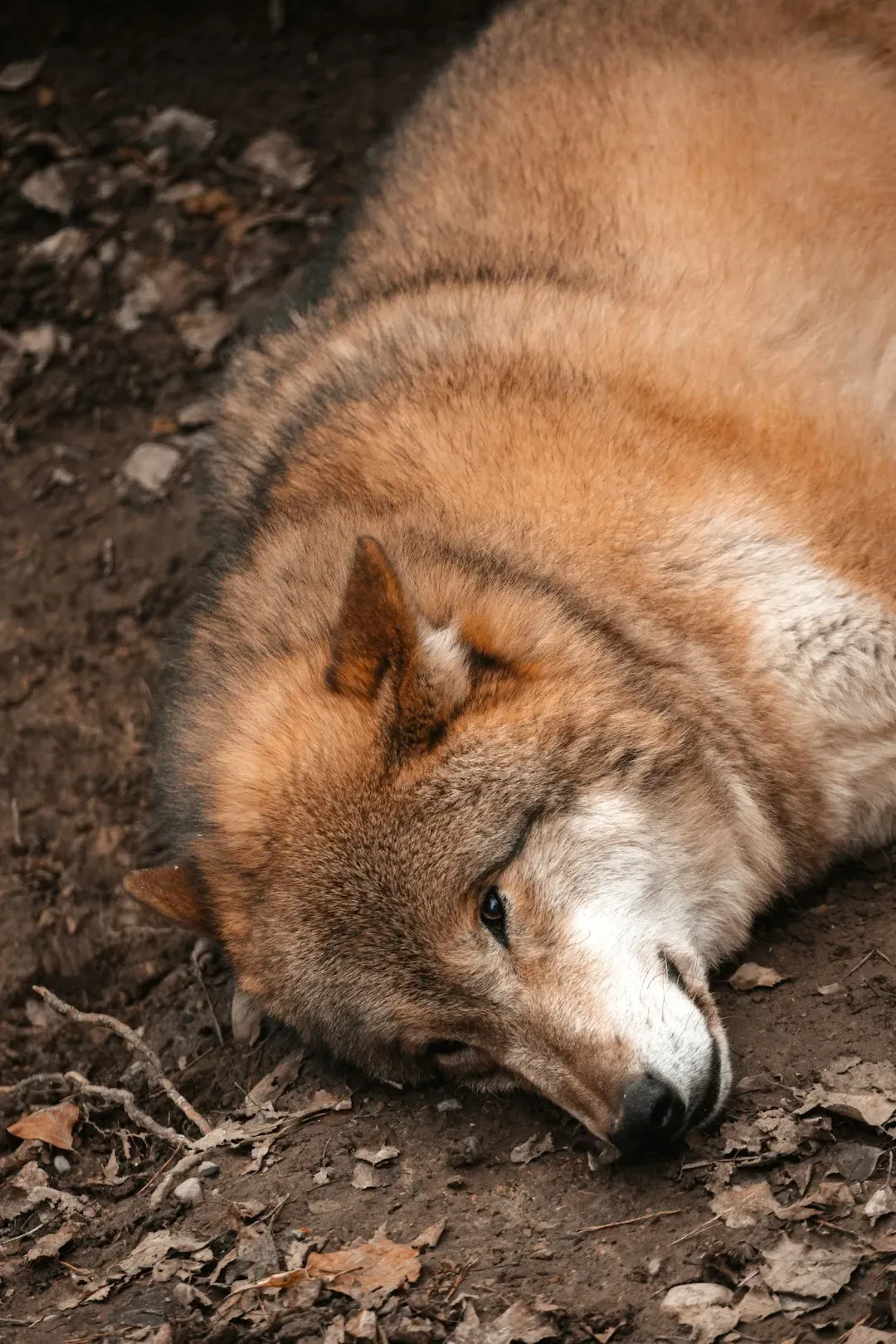
Here’s where things get grim. Eleven of the 25 wolves released as part of the reintroduction effort have since died. That’s nearly half the population gone in just over two years. Some died from mountain lion attacks, others were killed in Wyoming where wolves can be shot without restriction, and one died from injuries after being caught in a legally set snare.
CPW Wolf Program Manager Eric Odell warned that if mortality remains high, the risk of failing to achieve a self-sustaining wolf population in Colorado increases, potentially requiring additional resources to address. The deaths aren’t just numbers. Each loss matters enormously when you’re trying to establish a breeding population from scratch. Wildlife officials argue that high mortality is normal for dispersing wolves, but critics say it proves the program was rushed and poorly planned.
Ranchers Bear the Brunt
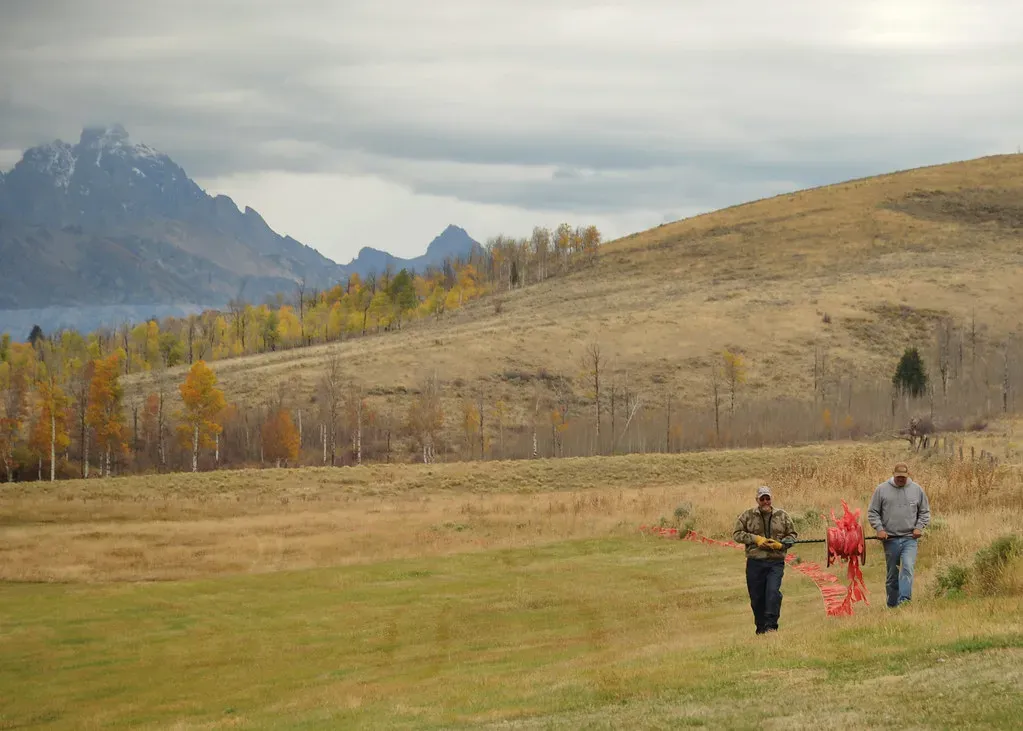
The tension between wolves and livestock has been explosive. Ranchers in Grand County hit Colorado Parks and Wildlife with a $582,000 bill for wolf kills and related impacts on cattle and sheep in the first year of reintroduction, with claims from three producers centered around attacks on livestock in 2024. These aren’t just financial claims. They represent sleepless nights, dead calves, traumatized herds, and livelihoods hanging in the balance.
In the first full fiscal year of Colorado’s wolf reintroduction, the agency paid over $608,000 to 13 producers. The state’s compensation fund was only allocated $350,000 annually, which means wildlife officials had to scramble to find additional money. Ranchers argue that compensation doesn’t come close to covering indirect losses like reduced conception rates, lower calf weights, and the emotional toll of finding your animals torn apart. One thing’s for sure: the economic impact is far bigger than anyone predicted.
The Infamous Copper Creek Pack
CPW has struggled to manage the Copper Creek Pack since it relocated the family group, with the wildlife agency reporting seven wolf attacks in Pitkin County and eight confirmed kills. This pack became a flashpoint for the entire reintroduction debate. After being removed from Grand County due to livestock attacks, the pack was relocated to Pitkin County in January 2025.
State officials killed a young male pack member on May 29, marking the first time the agency has lethally removed a wolf since it began reintroducing the predators. That decision was agonizing for wildlife managers who’d invested so much in bringing wolves back. Yet ranchers wanted the entire pack removed. The conflict highlights a brutal truth: when wolves and cattle occupy the same space, somebody loses.
Pups Bring Hope Amid Controversy
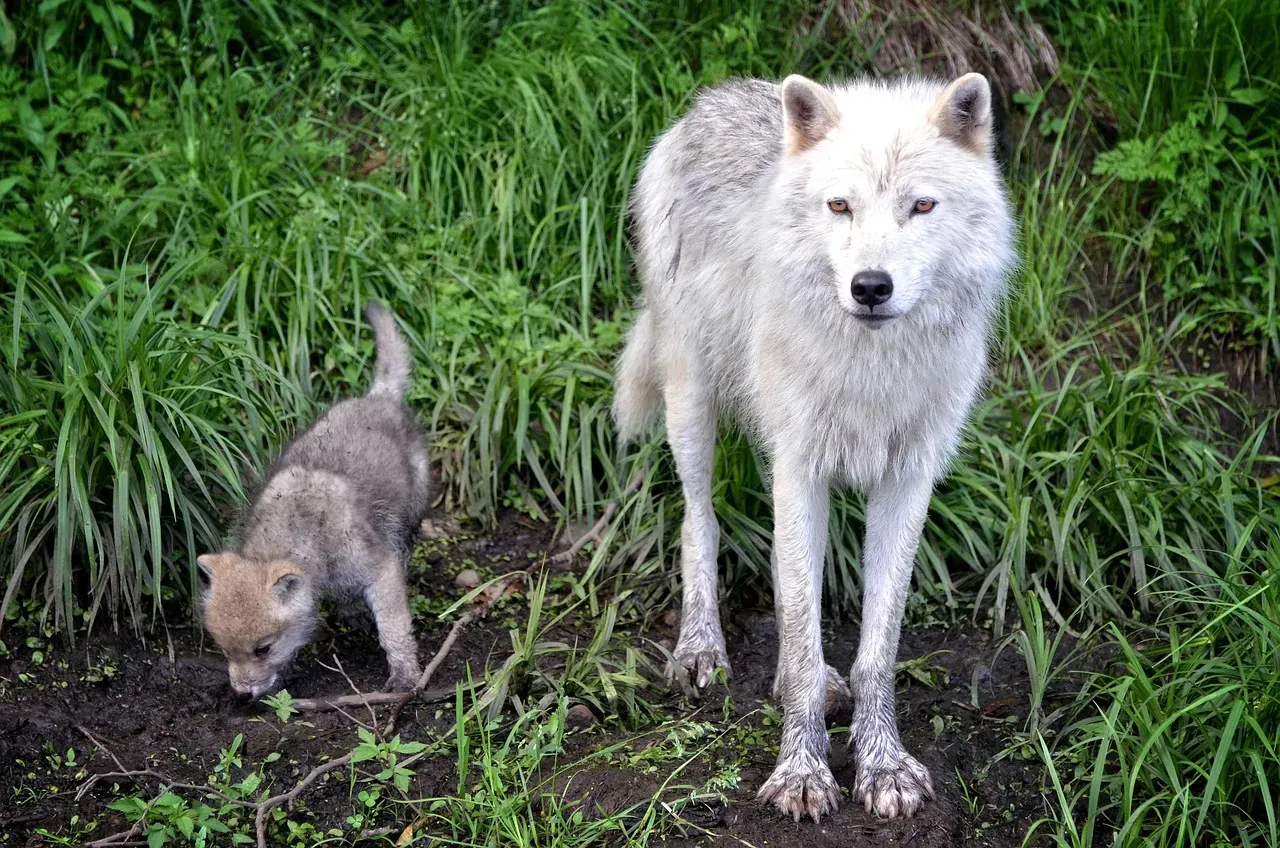
Despite all the setbacks, there’s been genuine success. CPW has confirmed successful reproduction in four packs, with staff working to determine how many pups made it through the summer and will be successfully recruited into the population. Remote cameras captured adorable footage of wolf pups grooming, tumbling, and wrestling with each other, offering a glimpse of a new generation taking root.
At least six pups were born, confirming the formation of three new wolf packs. For conservationists, these births represent exactly what the program was designed to achieve. Wolves are breeding, forming family groups, and behaving like wild wolves should. For ranchers already dealing with attacks, more wolves mean more problems ahead. It’s hard to celebrate new life when you’re worried about losing your herd.
Will Colorado See a Trophic Cascade?
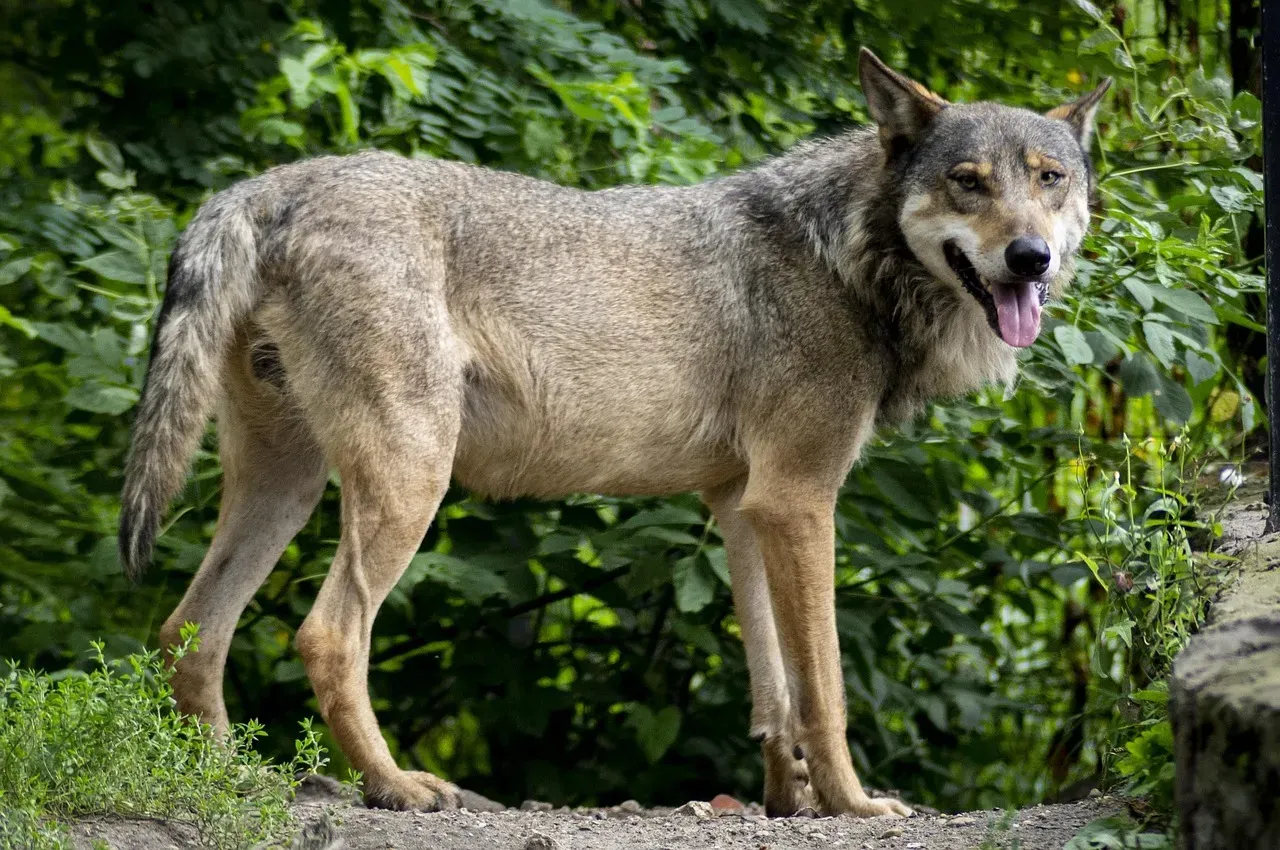
The big ecological question everyone’s asking: will wolves change Colorado’s landscape the way they supposedly changed Yellowstone? You’ve probably seen that viral video claiming wolves transformed rivers and brought back vegetation. Trophic cascades, the indirect effects of predators propagating downward through food webs, play a critical role in shaping ecosystems.
Scientists are now debating how real those Yellowstone changes actually were. Colorado Parks and Wildlife’s wolf monitoring coordinator referred to whether wolves contribute to these ecosystem changes as one of the most hotly debated topics in wolf ecology. Some researchers insist wolves triggered dramatic recovery of willows and aspens by keeping elk on the move. Others argue the evidence is weak and that other factors like hunting regulations and climate played bigger roles. Colorado has not seen negative impacts from excessive elk grazing as Yellowstone had. Translation: don’t expect Colorado’s rivers to suddenly reshape themselves because of wolves.
Federal Headwinds and Political Pressure
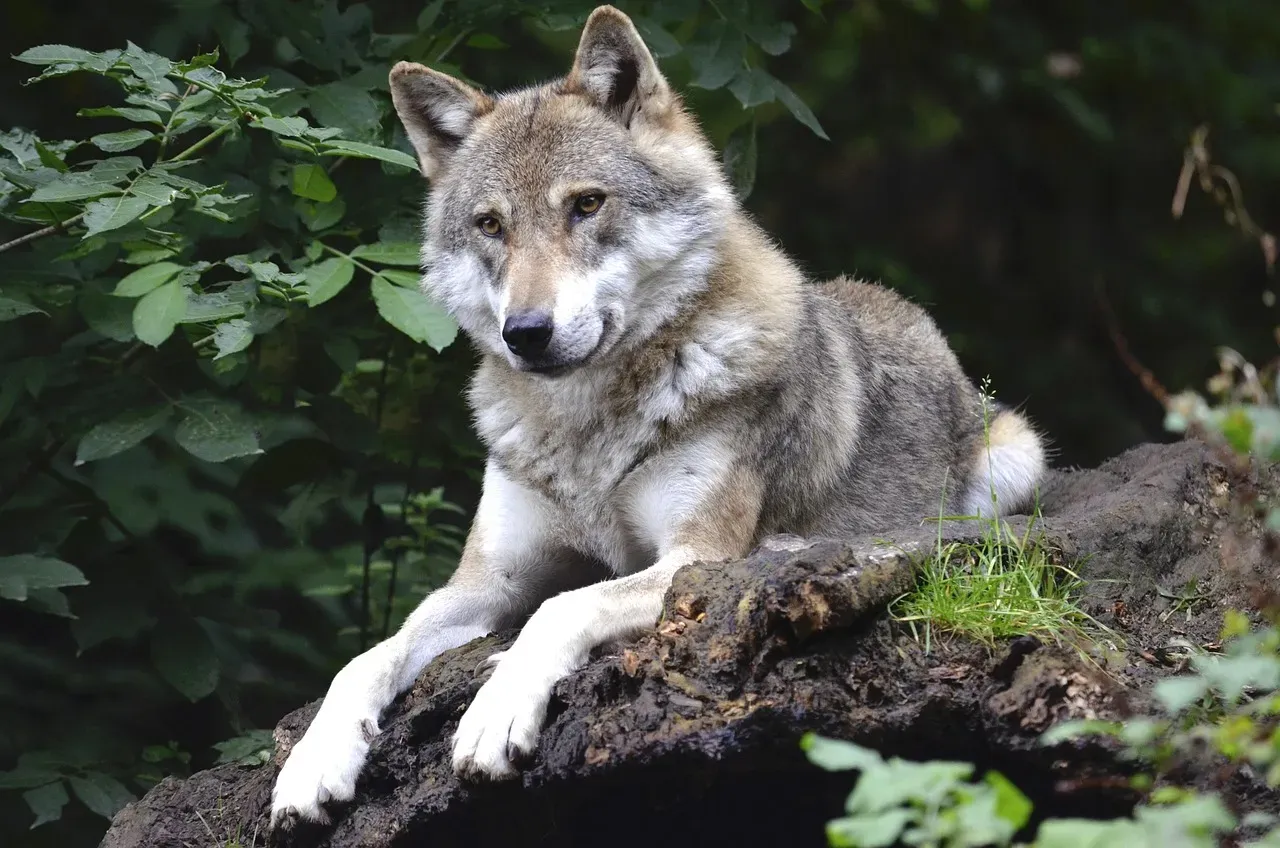
Just when you thought things couldn’t get more complicated, federal politics entered the chat. Colorado Parks and Wildlife announced it currently has no plans for translocating additional gray wolves this release season and continues to explore options for translocations in winter 2026/2027. This pause came after intense federal scrutiny.
Interior Secretary Doug Burgum alleged on social media that Colorado is prioritizing wolves over American ranchers, posting a warning that if Colorado does not get control of the wolves immediately, the federal government will. The U.S. Fish and Wildlife Service followed up with a formal letter threatening to take over Colorado’s wolf management. State officials insist they’re complying with federal demands, but the future of the program feels increasingly uncertain. Politics, it turns out, can be deadlier to wolves than mountain lions.
What Happens Next for Colorado’s Wolves
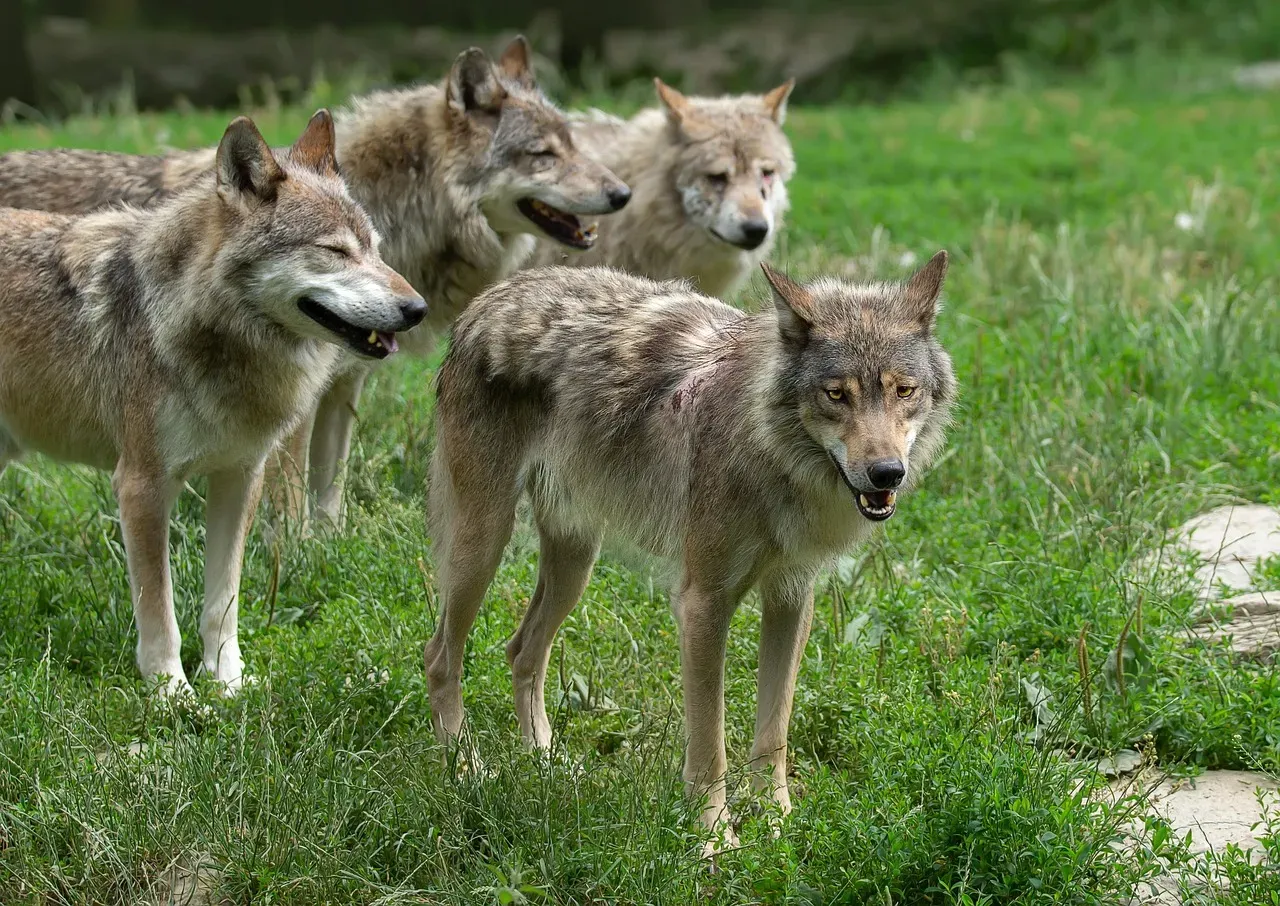
It is anticipated that wolves will expand widely over time, including to the Front Range of Colorado. That means communities that thought wolves were someone else’s problem might soon have them in their backyard. The question isn’t whether wolves will spread, it’s how Coloradans will respond when they do.
Wildlife officials are working on conflict minimization programs, including range riders who patrol cattle operations to deter wolves. The state provides numerous resources to minimize wolf-livestock conflict, like establishing a range rider program, and provides compensation for any livestock killed by wolves. Whether these measures can truly bridge the gap between conservation goals and ranching realities remains to be seen. Some ranchers are embracing coexistence tools, others refuse to cooperate, and the wolves just keep doing what wolves do: hunting, breeding, and surviving however they can.
The Bigger Picture: What Colorado’s Experiment Means
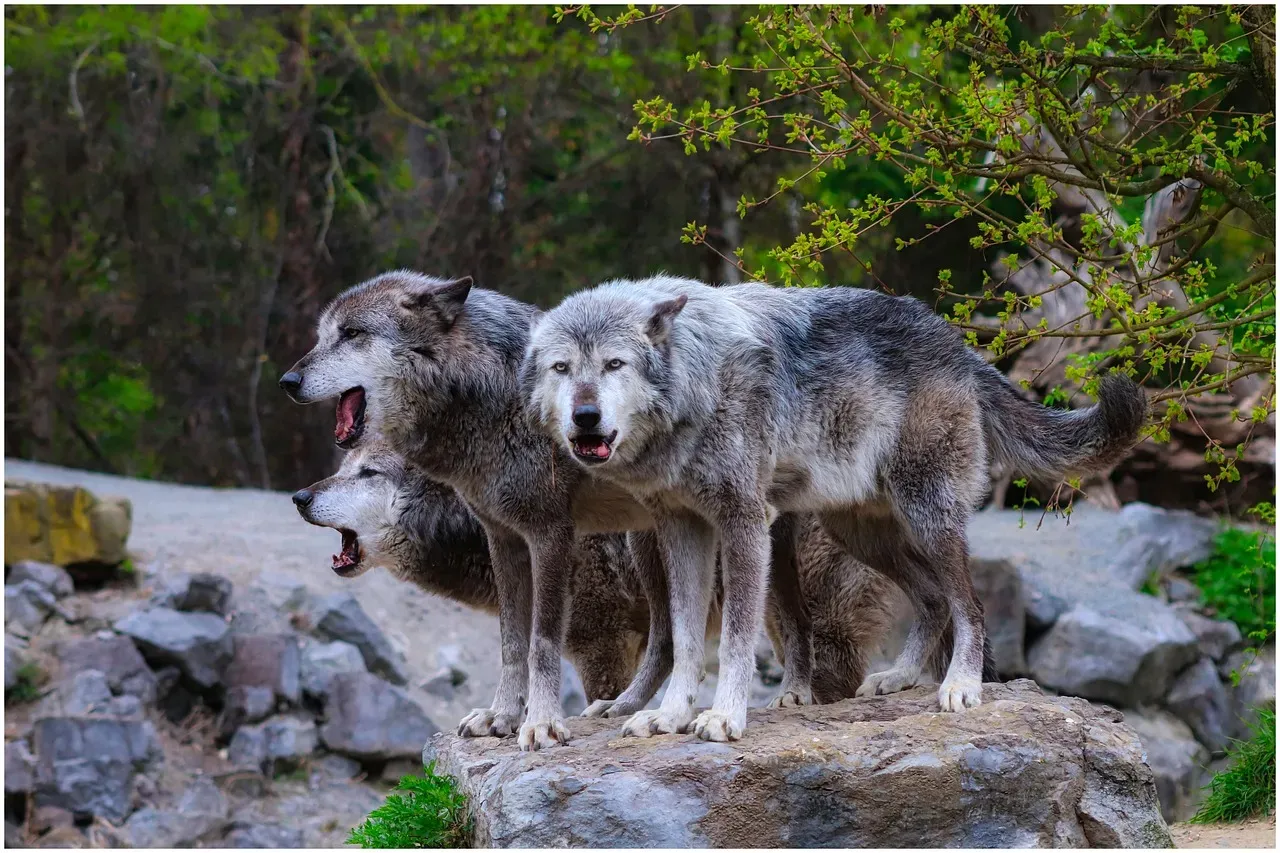
Colorado’s wolf reintroduction is more than a wildlife management project. It’s a test case for democracy meeting ecology, for urban values clashing with rural realities, and for whether humans can truly share space with predators we’ve spent centuries trying to eliminate. Conservation biologists are working to offset massive extinction, with reintroduction of important keystone species like gray wolves as one tool that can help.
The stakes are enormous. Success could pave the way for similar efforts in other states. Failure could set back predator conservation for decades. Right now, Colorado is somewhere in the messy middle, with dead wolves, traumatized ranchers, hopeful conservationists, and pups being born in the wilderness. Successful reintroduction primarily involves humans and their ability to coexist with wolves. Nature will do its part. The real question is whether people can figure out theirs.
What do you think about Colorado’s bold experiment? Can we really learn to live with wolves again, or are we setting ourselves up for failure?