If you grew up thinking of the Sun as a lone, isolated star sailing through space by itself, you are not alone. That image is simple, comforting, and very wrong for a surprisingly large portion of stars like ours. For years, astronomers have quietly built a case that the Sun may have once had a stellar companion, a long-lost twin that shaped the early Solar System and then slipped away into the galaxy.
This idea sounds like science fiction at first glance, the kind of plot twist you’d expect in a space thriller. But it sits at the intersection of serious astrophysics, painstaking sky surveys, and a growing realization: single stars like the Sun might actually be the exception, not the rule. We may be late to a party we did not even realize was happening.
The Shocking Possibility: Our Sun Wasn’t Always Alone
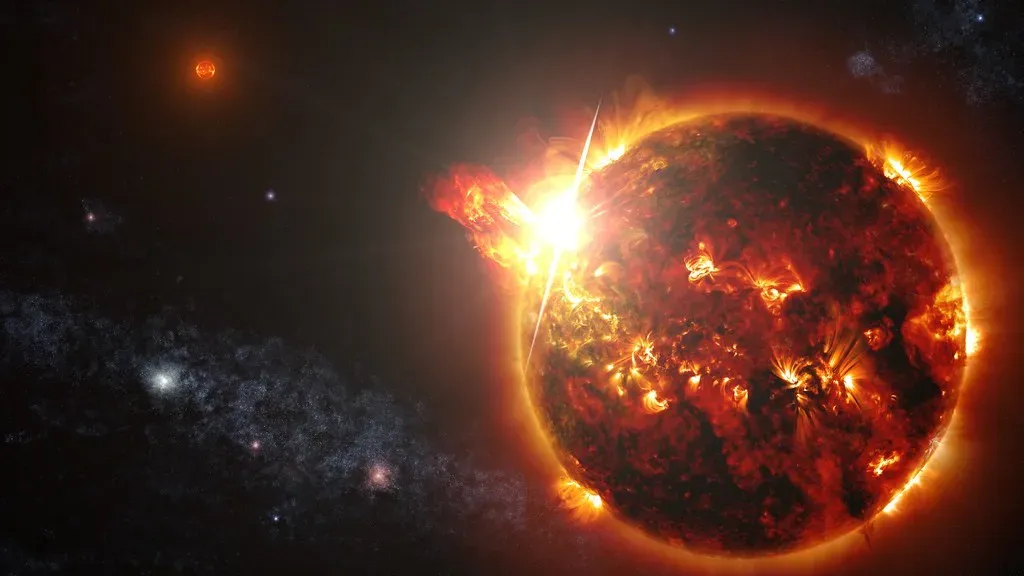
Imagine looking up at the sky four and a half billion years ago and seeing not one Sun blazing overhead, but two. That is the startling scenario some astronomers take seriously: that the Sun formed as part of a binary system, with a companion star that was later torn away. This is not just wild speculation; it emerges from patterns researchers are seeing in how stars like the Sun tend to form and evolve.
In my own mind, this idea instantly re-colors every childhood drawing I ever made of the Solar System. If our cosmic story started as a family of two stars instead of one, that changes how we think about everything from comets to planets to the odds of life itself. It moves the Sun from being a solitary hero into being part of a more complicated, slightly messy origin story.
Why Astronomers Suspect a Solar Twin in the First Place
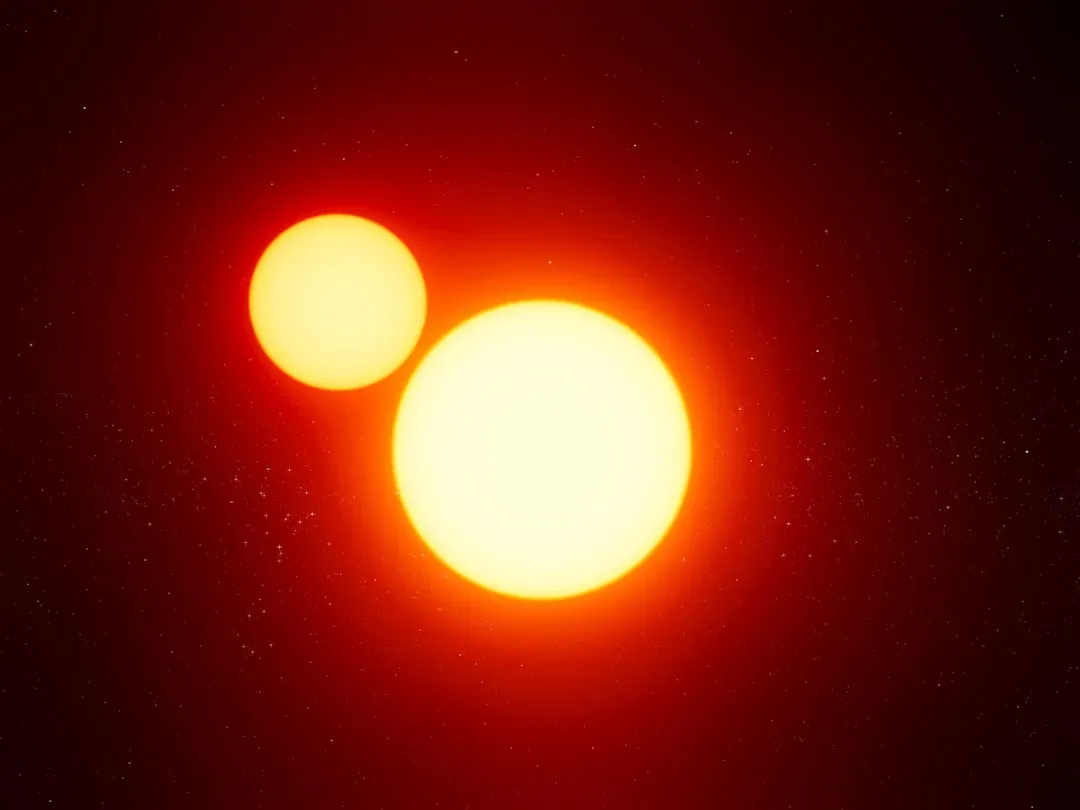
So why suspect a hidden twin at all? One big reason is statistics. When astronomers look at young stars similar to the Sun, they find that roughly about half of them are born in binary or multiple systems. In some star-forming regions, especially for Sun-like stars, having a partner seems almost more normal than being alone.
On top of that, the structure of our own Solar System raises awkward questions. The enormous Oort Cloud of comets at its outer edge, along with odd patterns in some long-period objects, hint that something may have once stirred and scattered them. A distant companion star, passing repeatedly through this early cloud, would fit that role disturbingly well, like a cosmic accomplice we forgot to include in the crime scene diagram.
Meet “Nemesis”: The Hypothetical Dark Companion
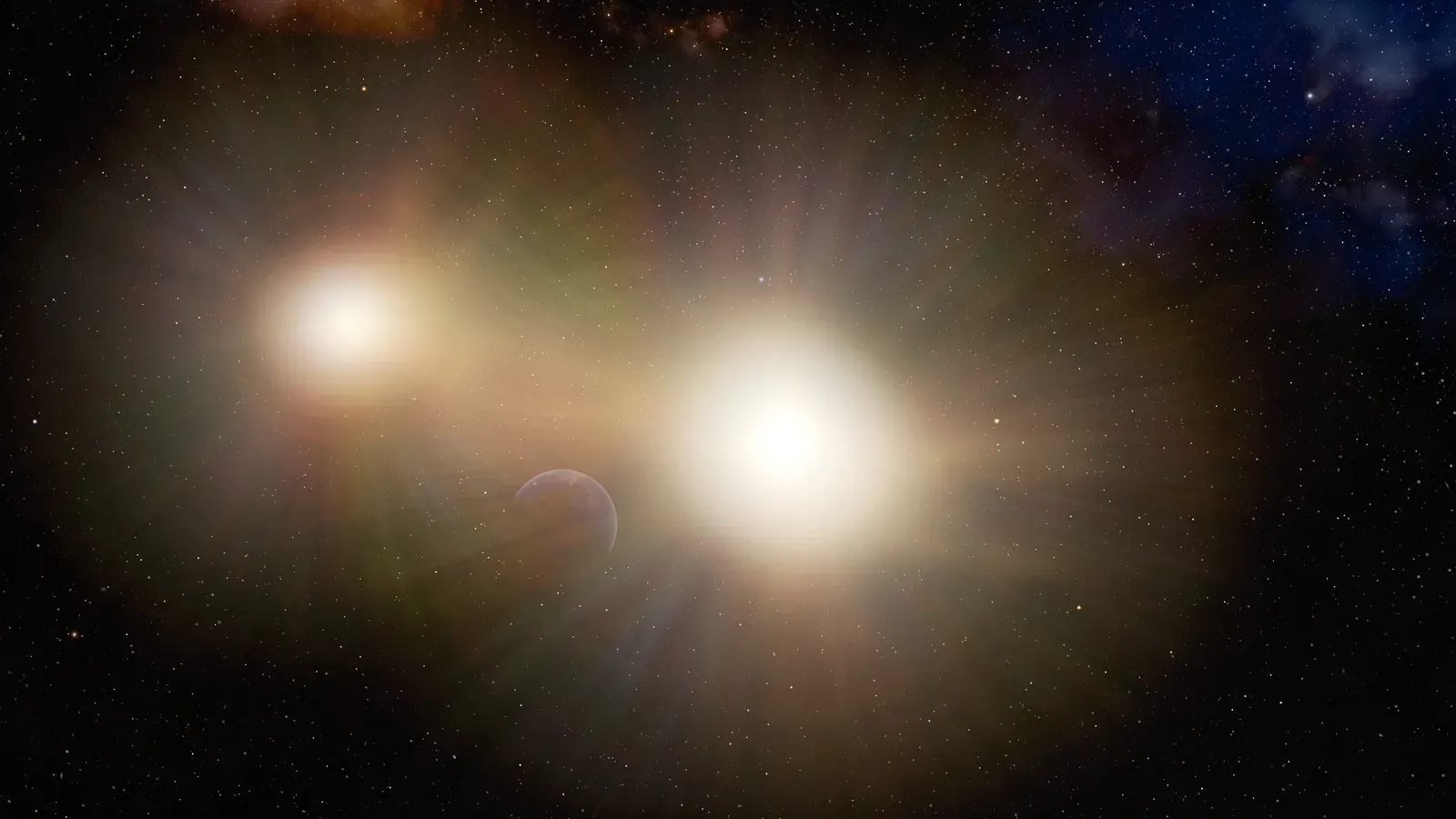
Decades ago, some scientists proposed a dramatic idea: a faint companion star nicknamed Nemesis that might periodically disturb comets and send them hurtling toward the inner Solar System. The name came from a mythological figure of retribution, and it stuck because it captured the eerie idea of a hidden star influencing Earth from afar. The theory tried to link supposed cycles in mass extinctions to this unseen, looping culprit.
Over time, detailed sky surveys hunted for such a nearby, undiscovered star and came up largely empty. That does not mean a companion never existed, just that if it did, it is no longer close enough or bright enough to match the original Nemesis concept. In a way, Nemesis became more of a gateway idea: it opened the door to thinking seriously about how a former companion star could reshape our early history, even if today it is nowhere near us.
Did a Lost Twin Sculpt the Oort Cloud and Comet Storms?
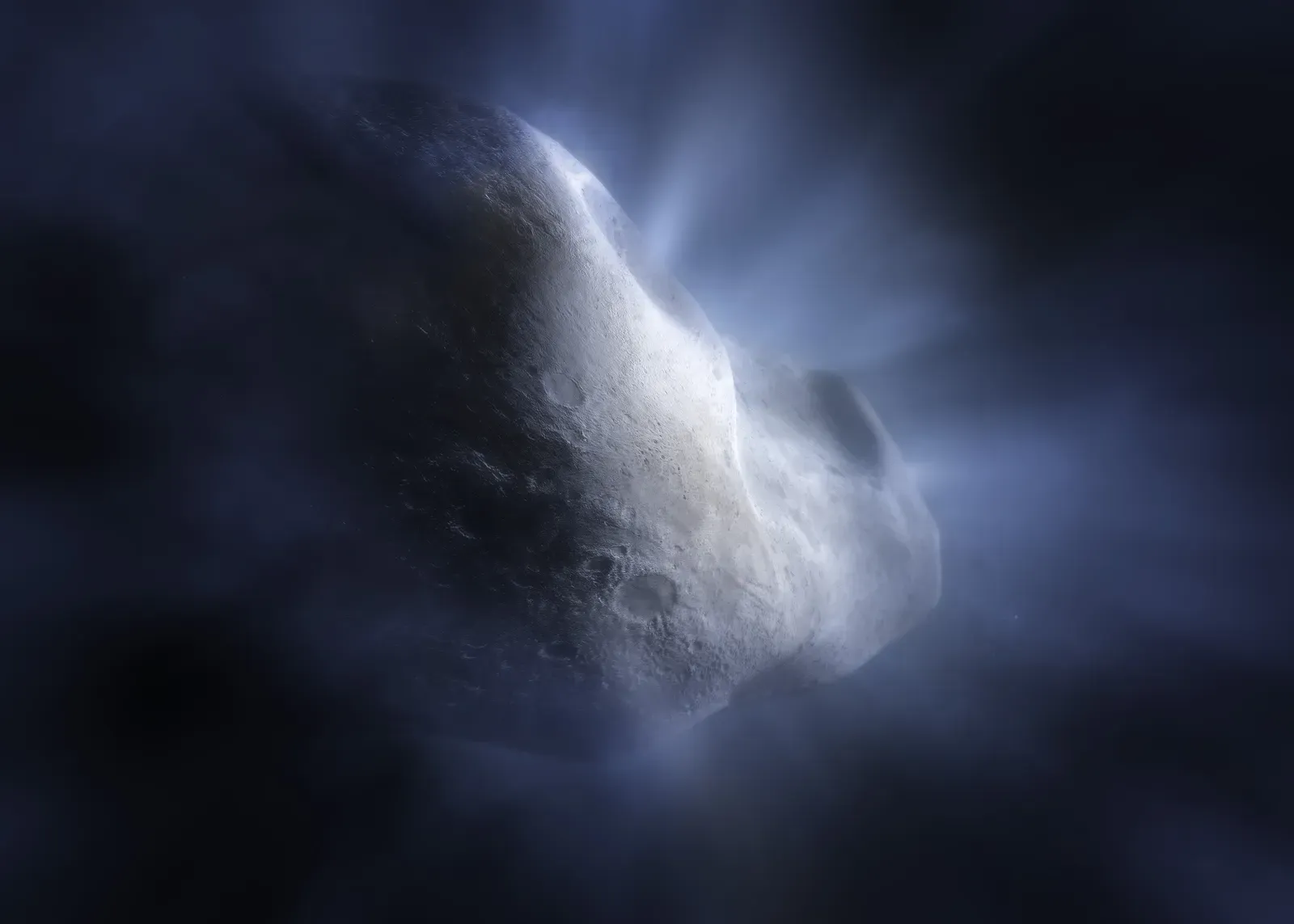
The outermost reaches of our Solar System form a vast, ghostly shell of icy bodies called the Oort Cloud. Its comets are so distant that a single orbit around the Sun can take millions of years. One mystery that has nagged astronomers is how so many objects ended up out there in the first place, scattered so far and wide from the young Sun and planets.
A stellar companion could offer a powerful answer. If the Sun once had a twin in a wide orbit, its gravity would have repeatedly nudged comets and planetesimals, flinging many of them outward and puffing up that distant cloud. Every now and then, a close pass might have sent a shower of comets inward, some harmlessly evaporating, others crashing into planets and moons. It paints a picture of a young Solar System that was much more dynamic and chaotic than the quiet clockwork we see today.
The Stellar Nursery: How Twins Are Born Together
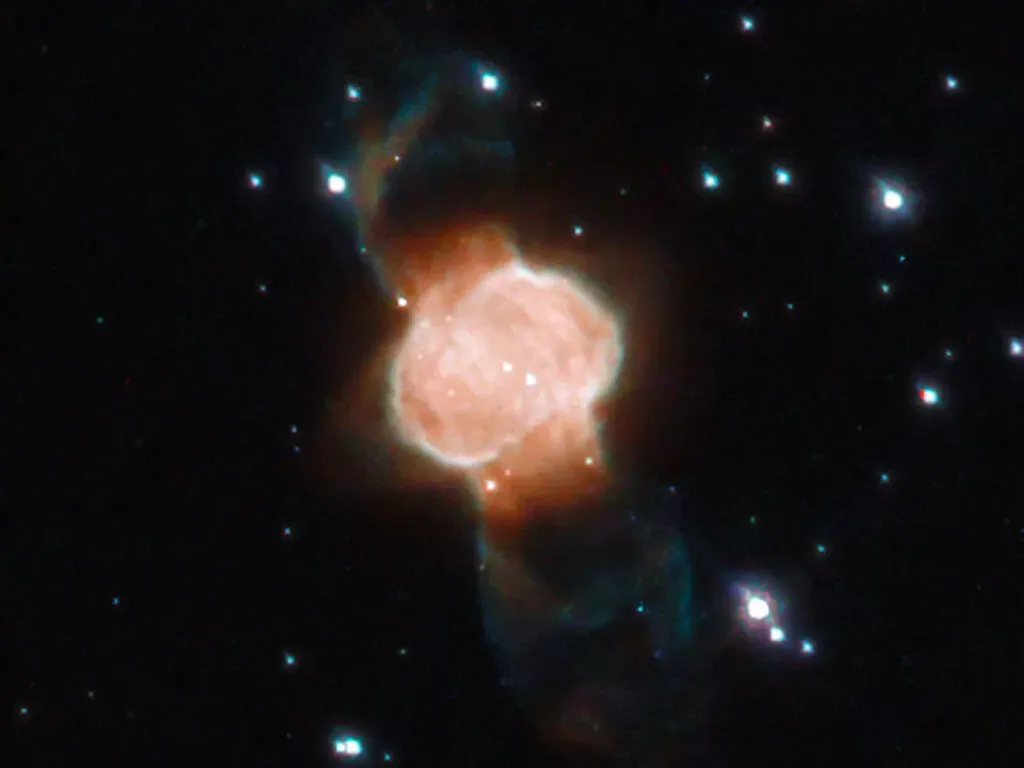
Stars like the Sun usually form from collapsing clouds of gas and dust in stellar nurseries, crowded regions where gravity, turbulence, and magnetic fields constantly wrestle. In these environments, a single collapsing blob of gas can split into two or more cores, which then grow into sibling stars orbiting each other. For Sun-like stars, that splitting is not rare; it is almost expected in many regions.
When I first learned this, it felt a bit like discovering that most people grow up in big families, and our Sun just happens to be the quiet kid who shows up alone. In reality, it is more nuanced than that, but the trend is clear: binary and multiple systems are not some exotic exception. They are a fundamental outcome of how nature likes to build stars, which makes the idea of a former solar twin much less outrageous and much more like asking, “So, where did our sibling go?”
Could We Actually Find the Sun’s Long-Lost Sibling?
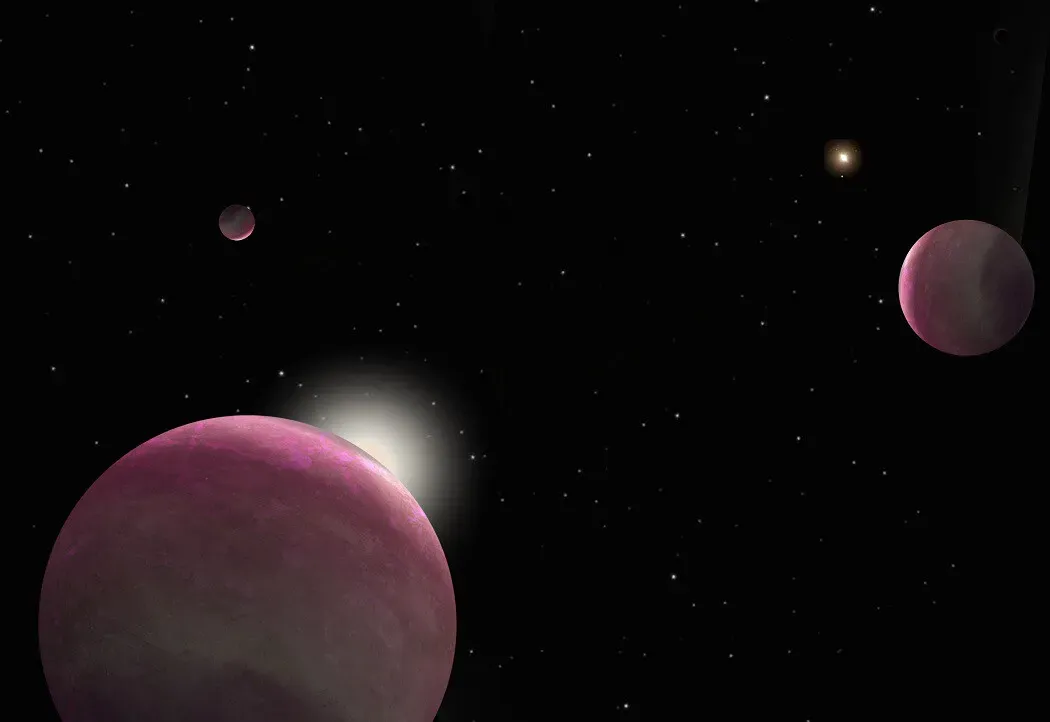
Here’s the tricky part: if the Sun ever had a twin, it probably escaped the gravitational bond billions of years ago. Over that time, each star would have orbited the center of the Milky Way many times, pulled and perturbed by the gravity of other stars and clouds. By now, the former companion could be on a vastly different path, quietly shining somewhere else in the galaxy, completely unremarkable to casual observers.
Yet astronomers are not giving up. Instead of asking, “Where is the other star right now?” they ask, “Which stars were born in the same cluster as the Sun?” That subtle shift opens up new pathways using chemistry, motion, and machine learning to trace stellar families across the galaxy. It is like a massively complicated ancestry search, but for stars instead of people.
Galactic Archaeology: Tracing the Sun’s Stellar Family
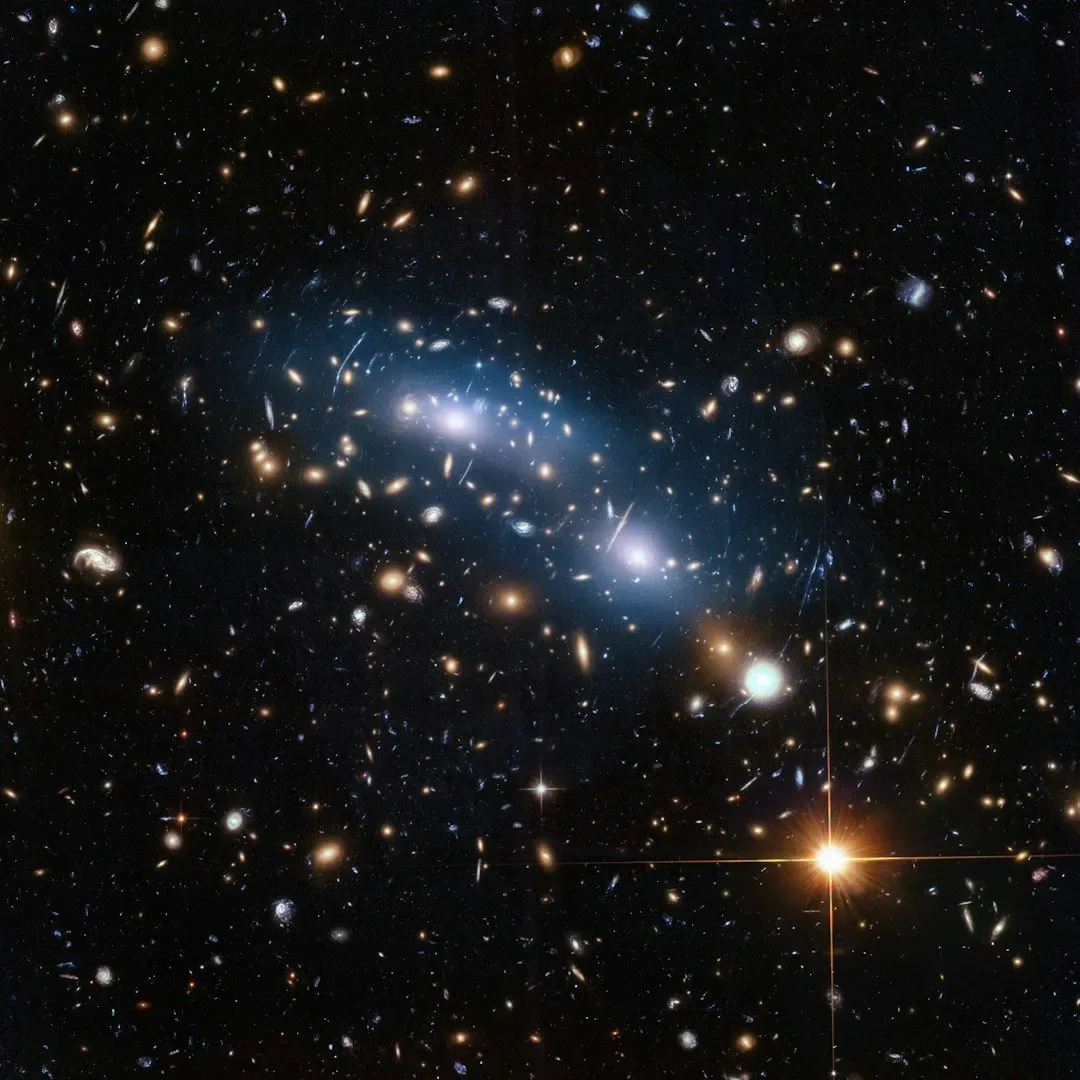
Modern surveys have turned the Milky Way into a kind of forensic scene. Telescopes and spacecraft precisely measure a star’s brightness, color, motion, and even its detailed chemical makeup. Stars born in the same cluster tend to share a kind of chemical fingerprint, a mix of elements imprinted by the gas cloud that formed them. By comparing these fingerprints and motions, astronomers can identify likely solar siblings scattered across the sky.
This field is sometimes called galactic archaeology, and the name fits perfectly. Instead of shovels and brushes, researchers use spectra and giant datasets, digging not into dirt but into patterns in phase space and chemistry. Every potential solar sibling candidate is like finding a pottery shard that might match your bowl: intriguing, sometimes promising, and always needing careful cross-checking to see if it really belongs to the same original set.
Have We Already Found Any Real Solar Siblings?
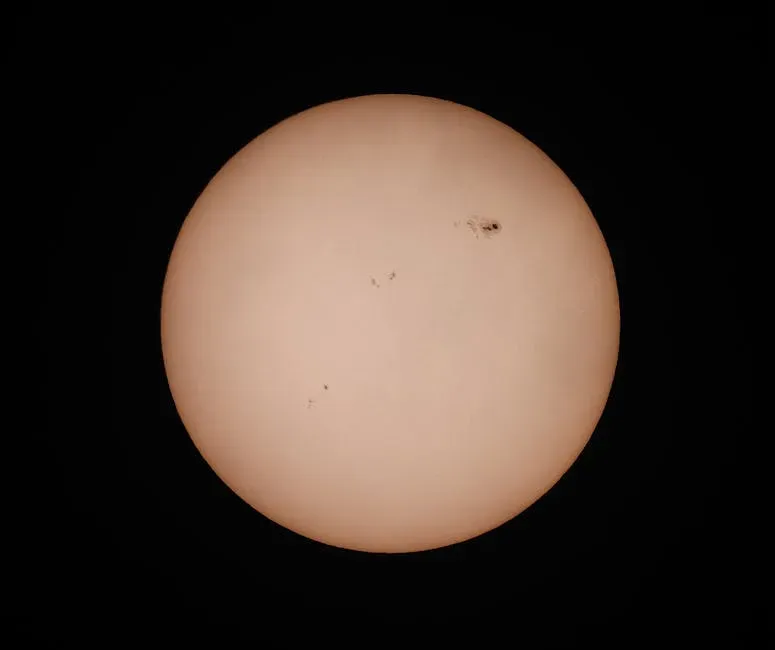
A handful of stars have been flagged over the years as possible or probable siblings of the Sun. These stars tend to have similar ages, similar chemical fingerprints, and motions that could be consistent with sharing a common birthplace. None has yet been confirmed beyond serious doubt as a true “this-is-it” sibling, but some remain compelling candidates and keep the search alive.
What is striking is not that we lack a single perfect match, but that our tools are only now becoming good enough to attempt this at all. With billions of stars in the Milky Way, the odds of tracing any one star’s precise birth partners after billions of years are tiny. The fact that we can even narrow down a short list feels like watching someone reassemble shattered stained glass by eye, and occasionally finding pieces that really do fit the same original window.
Why a Twin Star Would Matter for Life on Earth
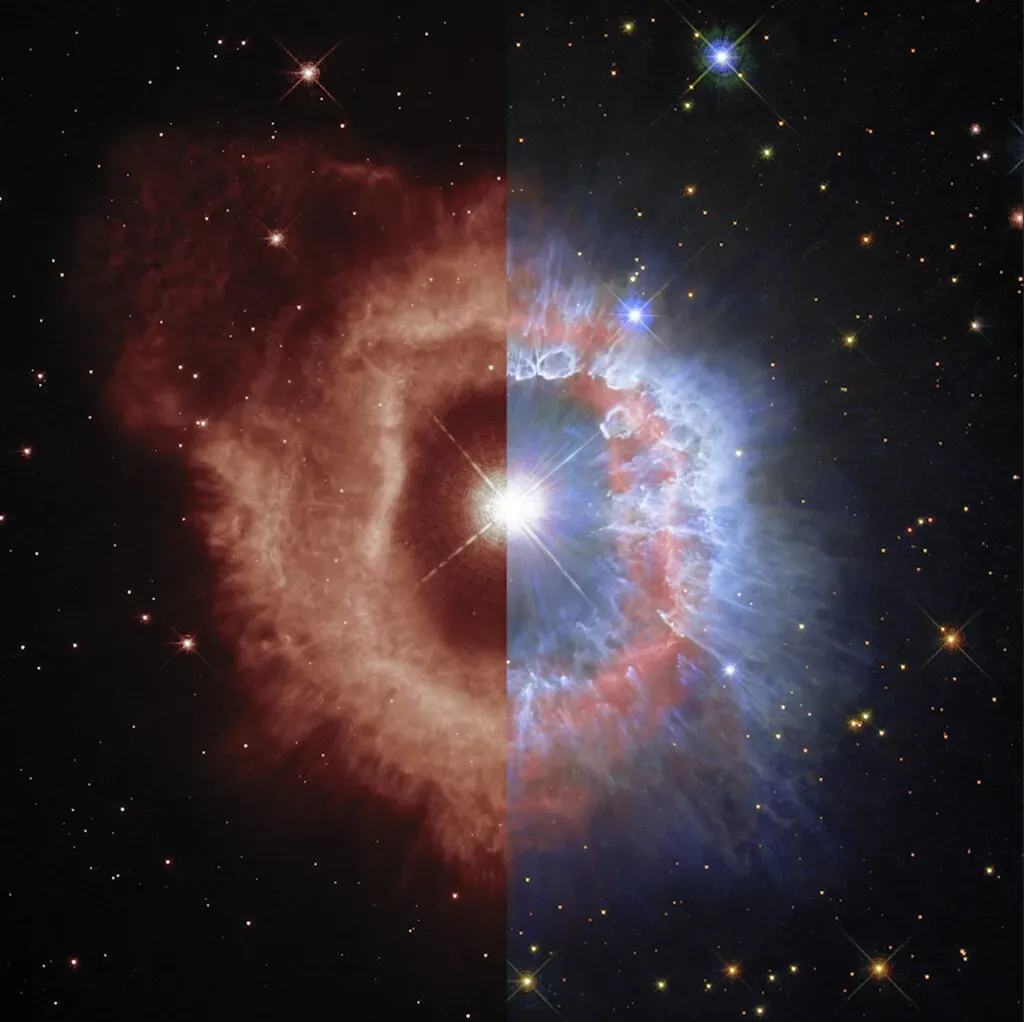
The idea of a stellar twin is not just a fun astronomical puzzle; it carries deep implications for life on Earth. A companion could have influenced how material was distributed in the early Solar System, affecting how quickly planets formed and which ingredients ended up where. The balance of water, metals, and volatile elements is crucial for making a habitable world, and an extra gravitational player in the mix might have tilted the odds in subtle ways.
There is also the more dramatic angle: if a companion star sent waves of comets into the inner system, some of those icy visitors might have brought water and organic molecules to a young Earth. Others could have caused devastating impacts and mass extinctions, periodically wiping the slate clean and giving evolution new starting points. It is a sobering thought that a star we can no longer see might have helped decide when complex life got its chances to flourish here.
What About Other Planetary Systems With Two Suns?
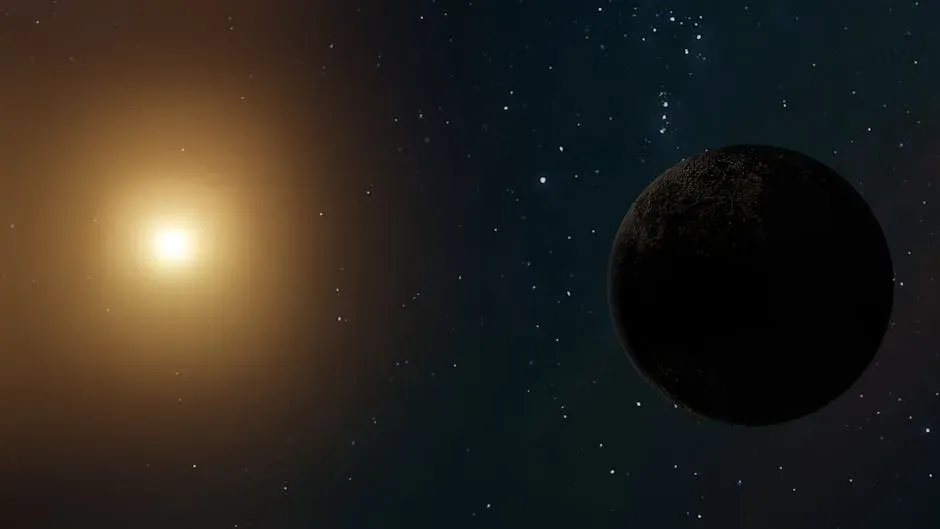
Thanks to exoplanet discoveries, we now know that planets can and do orbit binary stars. Some circle just one of the stars, while others loop around both in wider, circumbinary orbits. These systems can be surprisingly stable, but the lighting and seasons would feel utterly alien to us. In some worlds, two suns might rise and set, casting overlapping shadows and painting the sky with shifting colors.
Thinking about these systems makes our own history feel less unique and more like one possible branch in a vast tree of outcomes. If binary stars are common, then planets forming under the influence of two suns might be common too. Somewhere out there, intelligent beings could be having the opposite conversation, wondering whether a lonely single-star system like ours is strange or rare, and if a missing companion explains some of their own cosmic puzzles.
The Role of New Missions and Big Data in the Hunt
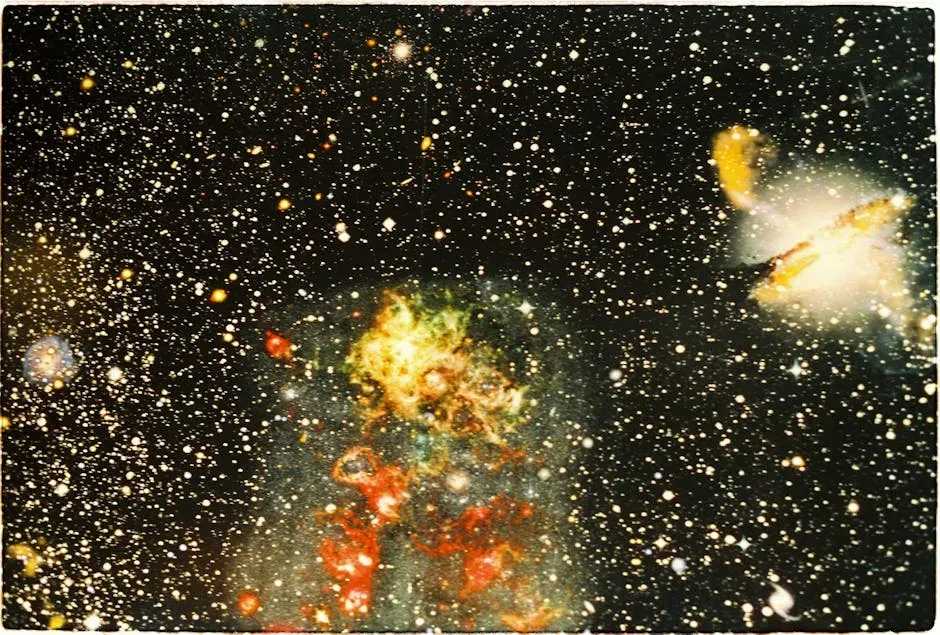
In the last decade, space missions and ground-based surveys have transformed this search from hopeful speculation into data-heavy science. Instruments now track the positions and motions of more than a billion stars with incredible precision, letting astronomers wind back the clock on stellar orbits. Combined with detailed chemical measurements, this flood of data lets researchers run sophisticated algorithms to pick out likely stellar siblings from the galactic crowd.
It reminds me a bit of digging through a massive box of old family photos, most unlabeled, trying to figure out who might be related just from facial features and small handwritten notes. The computer does not get tired, though, and patterns emerge that no human could spot by eye. As these catalogues grow and techniques improve, the probability of confidently identifying a true solar twin or close sibling steadily increases, even if the search takes years or decades.
How the Story Could Still Surprise Us
One humbling possibility is that the final answer might not fit our favorite narratives. It may turn out that the Sun had a companion only very briefly, or that its orbit was so wide and weak that its long-term impact was smaller than we imagine. Or we might learn that the Sun is genuinely unusual, one of the minority that stayed single from birth, and that our urge to give it a twin says more about us than about the universe.
On the other hand, we could discover strong evidence for a former solar companion and even find stars that are almost certainly part of the Sun’s original stellar family. That would shift textbooks, reshape models of planet formation, and give Earth’s story a new supporting character with a name, a spectrum, and coordinates in the sky. The cosmos has a long history of making us rewrite our assumptions; there is no reason to think it is done doing that yet.
Conclusion: Living With a Mystery Over Our Heads
Right now, when you step outside and feel the warmth of the Sun on your face, you are basking in the light of a star with an unresolved past. Maybe it was born with a twin that roamed away, leaving only faint signatures in the orbits of distant comets and the chemistry of scattered stars. Maybe it was always solitary, and we humans are just projecting our own longing for connections onto the sky. Either way, the question itself pushes us to develop sharper tools, better surveys, and deeper theories.
I find that strangely comforting. The Sun, which feels so familiar and ordinary, is still a source of real mystery, still capable of surprising us after billions of years. Whether its twin is out there or not, the search reminds us that even the most everyday parts of our world can hide extraordinary stories if we look closely enough. When you think of the Sun now, do you picture it as an only child, or as the one sibling we happened to keep?