
In the wild, love stories are rarely as unexpected—or as heartwarming—as the one that unfolded in a Japanese aquarium a few years ago. Imagine a lonely penguin, separated from his flock by age and circumstance, finding comfort in the most unlikely of companions: a life-sized cardboard cutout. This is not a fable or a children’s book plot, but a real tale that swept through social media and news outlets, turning a humble penguin into an international sensation. What does this peculiar romance say about animal behavior, loneliness, and the surprising ways creatures seek connection? Let’s dive into the extraordinary world behind the penguin who adored a piece of painted cardboard.
The Unlikely Star: Meet Grape-kun
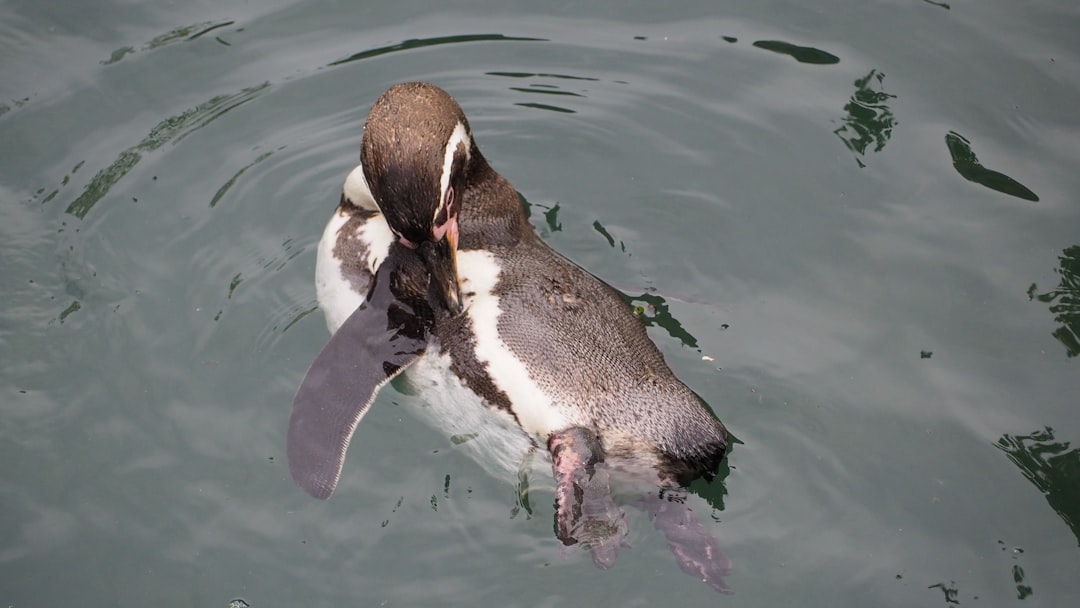
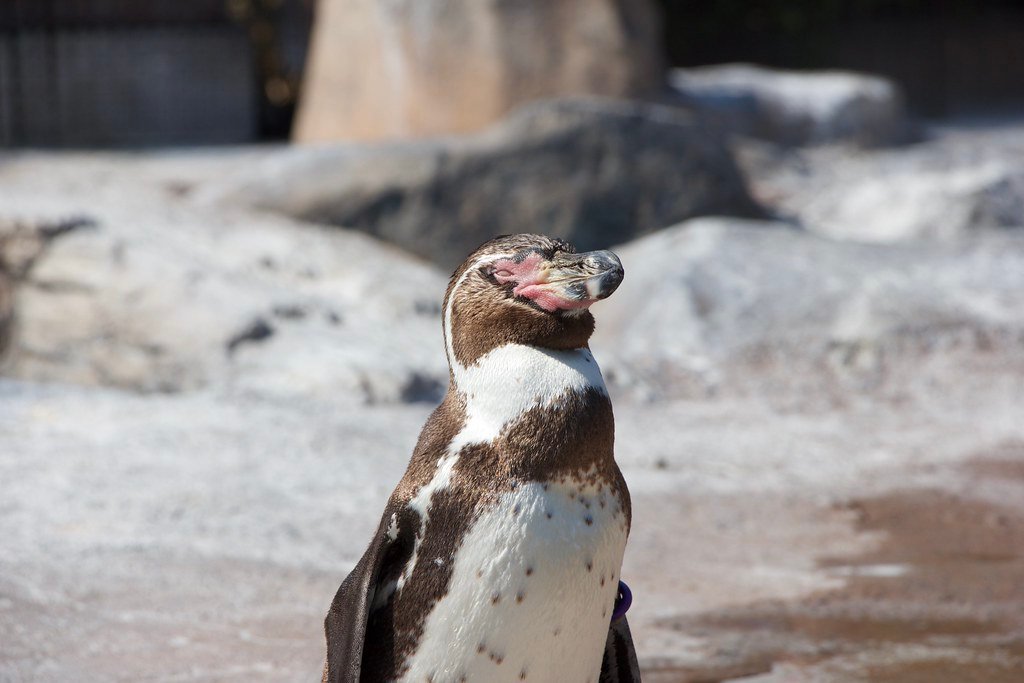
At the center of this story is Grape-kun, a Humboldt penguin who lived at the Tobu Zoo in Saitama, Japan. Unlike his flock, Grape-kun was older, slower, and often found himself on the sidelines. He had been separated from his long-time mate, a change that left him isolated and withdrawn. His keepers worried about his well-being, watching as he began to distance himself from the other penguins. Grape-kun’s story might have ended quietly, but fate had something far more intriguing in store.
A Cardboard Arrival: The Cutout That Changed Everything
In the spring of 2017, as part of a promotional event, the zoo placed several cardboard cutouts of anime characters from the show Kemono Friends throughout the penguin enclosure. Among them was a depiction of Hululu, an anthropomorphic penguin character. While the other penguins ignored the new decorations, Grape-kun was instantly captivated. He began to spend countless hours staring at, standing beside, and even calling out to the cardboard Hululu, much to the astonishment of zookeepers and visitors alike.
Love at First Sight: Observing Grape-kun’s Fascination
What made Grape-kun’s attachment so remarkable was the sheer intensity of his devotion. He would refuse to leave the cutout’s side, often staying by Hululu through harsh weather and even skipping meals. Photos of him gazing lovingly at the cardboard figure quickly went viral, turning Grape-kun into an online celebrity. His actions sparked a flurry of emotions—some people found it hilarious, others touching, and many were left pondering deeper questions about animal emotions and attachment.
The Science of Animal Attachment
Scientists have long studied the bonds animals form, both with each other and with objects. Penguins, like many birds, are known for their strong pair bonds, often mating for life. When separated from a mate or group, some birds display behaviors that suggest grief or loneliness. In Grape-kun’s case, his attachment to the cutout may have provided him with comfort and a sense of companionship. This phenomenon, known as “object attachment,” is observed in various species and can sometimes be a coping mechanism in stressful or isolating environments.
Anthropomorphism: Projecting Human Emotions?
It’s easy to look at Grape-kun’s story and see a mirror of human loneliness and longing. Scientists caution, however, against too eagerly attributing human emotions to animals—a concept called anthropomorphism. While penguins do form deep bonds and can experience distress, their perceptions and motivations can be very different from ours. Still, stories like Grape-kun’s remind us how much we have in common with other creatures, blurring the line between human and animal experience.
Social Animals in a Social World
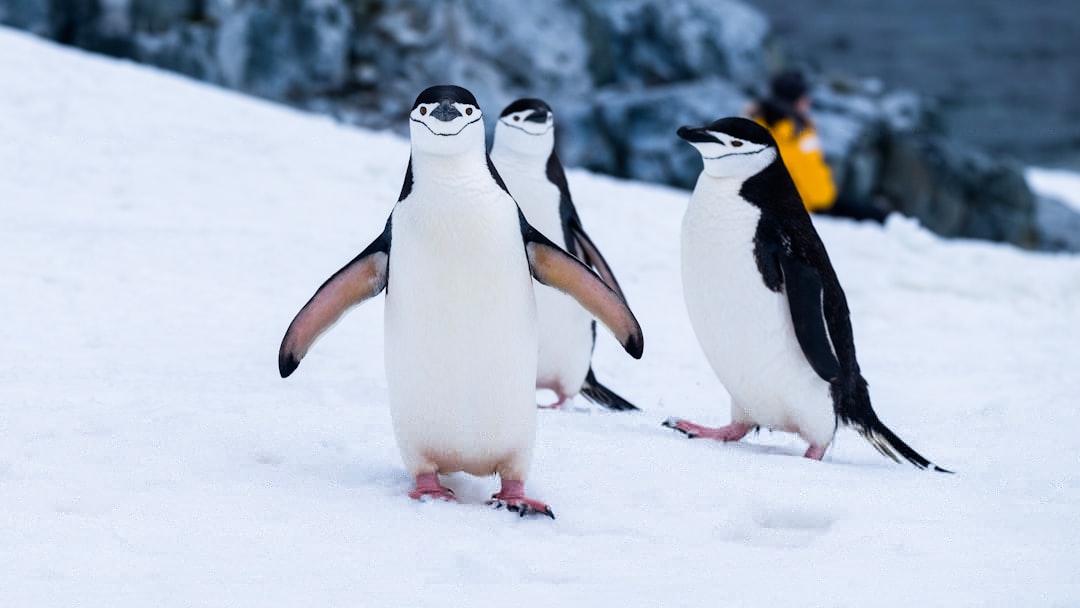
Penguins are highly social animals, and isolation can take a toll on their mental and physical health. In captivity, keepers go to great lengths to provide enrichment and social opportunities to prevent boredom and loneliness. Grape-kun’s reaction to the cardboard cutout may have been an attempt to recreate the social bonds he had lost. His story highlights the importance of companionship not only for humans but for animals as well.
The Power of Media: When Animals Go Viral
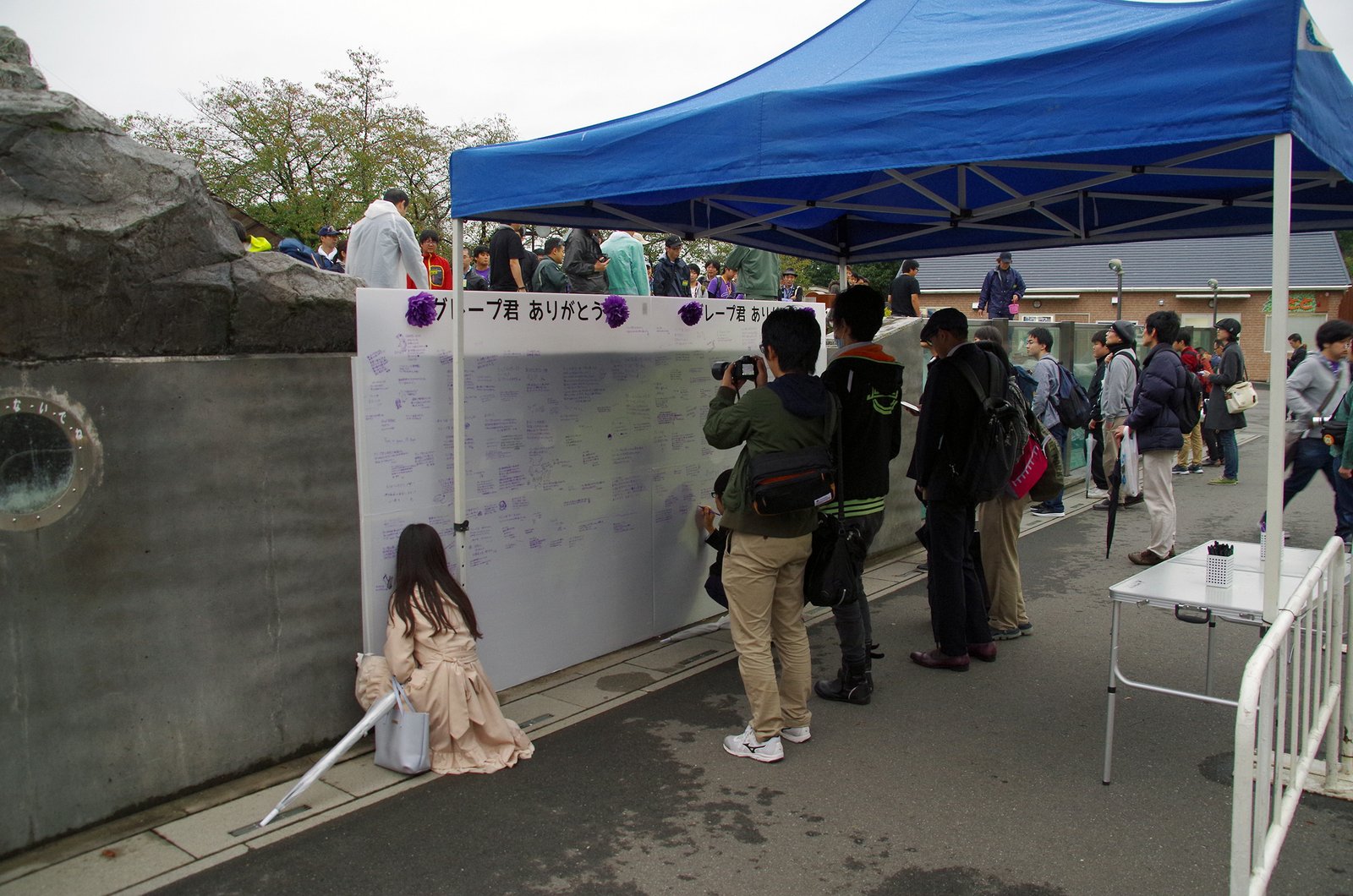
Once Grape-kun’s unusual love story hit the internet, it spread at lightning speed. Fans from around the world sent messages, artwork, and even gifts to the zoo. The phenomenon showcased how animal stories can tug at our heartstrings and unite people across cultures. The viral nature of Grape-kun’s romance also brought attention to issues of animal welfare and the emotional lives of captive creatures.
Zoo Response and Public Fascination
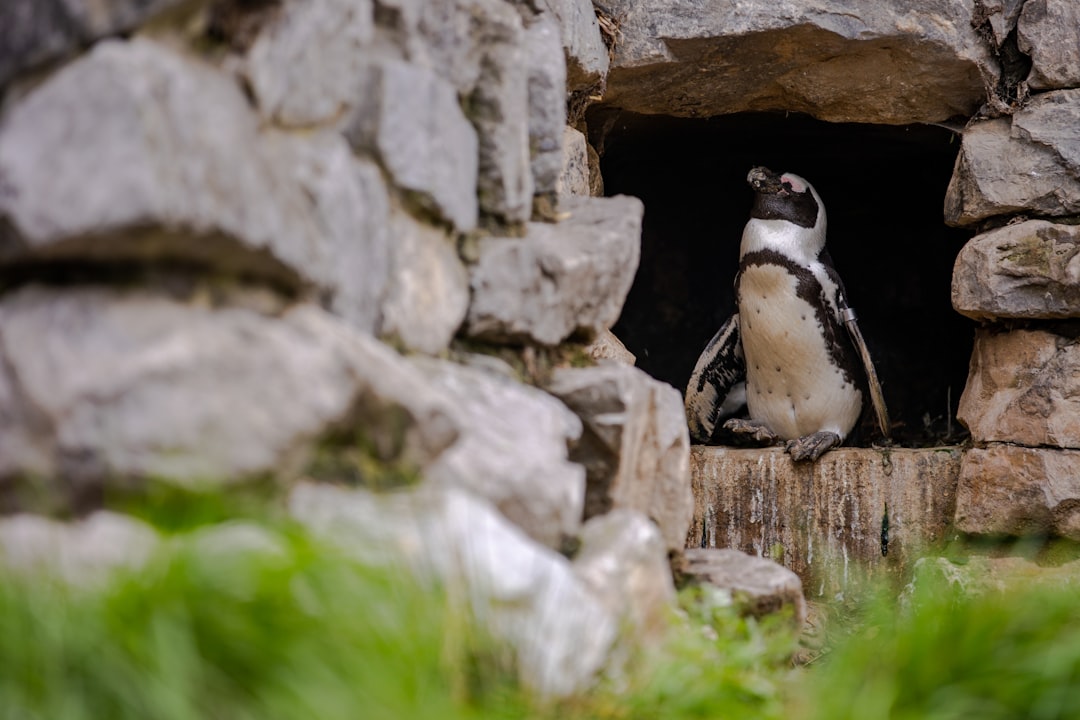
The Tobu Zoo staff were quick to recognize the public’s interest in Grape-kun. They ensured he was healthy and safe, going so far as to protect the cutout during storms and maintaining his routine. The zoo even collaborated with the creators of Kemono Friends to celebrate Grape-kun’s unique bond, eventually hosting special events in his honor. This response created a bridge between animal care, entertainment, and public education.
Understanding the Deeper Meaning
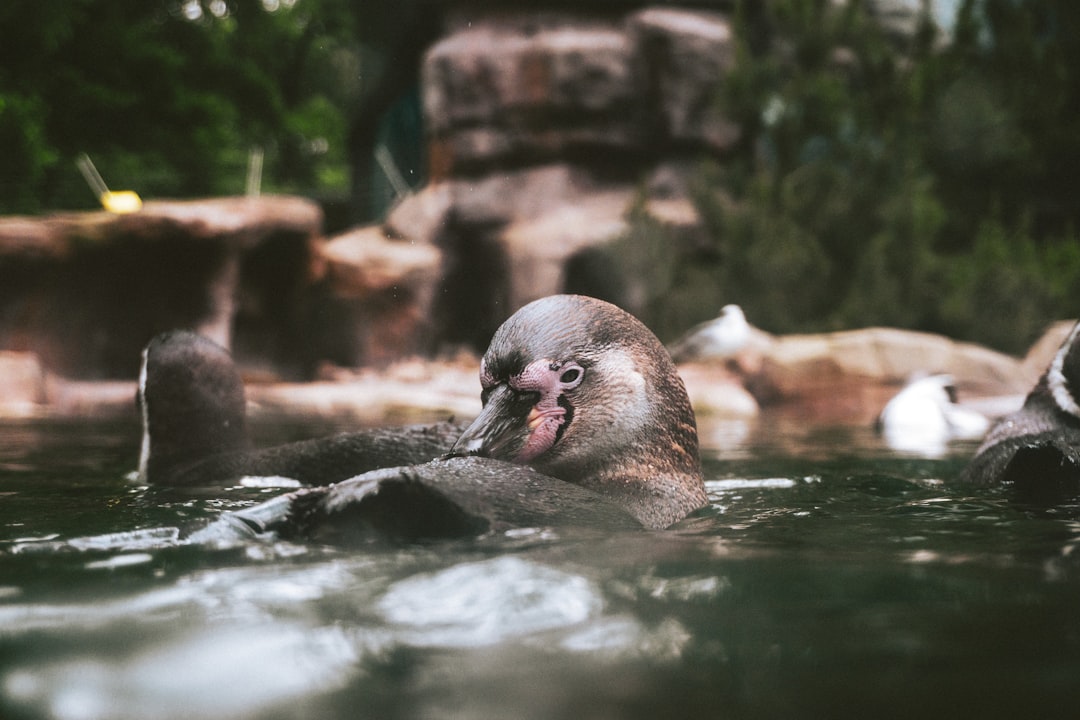
Beyond the laughs and viral memes, Grape-kun’s story raises profound questions about empathy, connection, and the ways all creatures seek comfort. His attachment to a cardboard cutout was not just a quirky behavior; it was a window into the emotional complexity of animals. For many, Grape-kun became a symbol of resilience—reminding us that love and companionship can take surprising forms.
The Legacy of Grape-kun
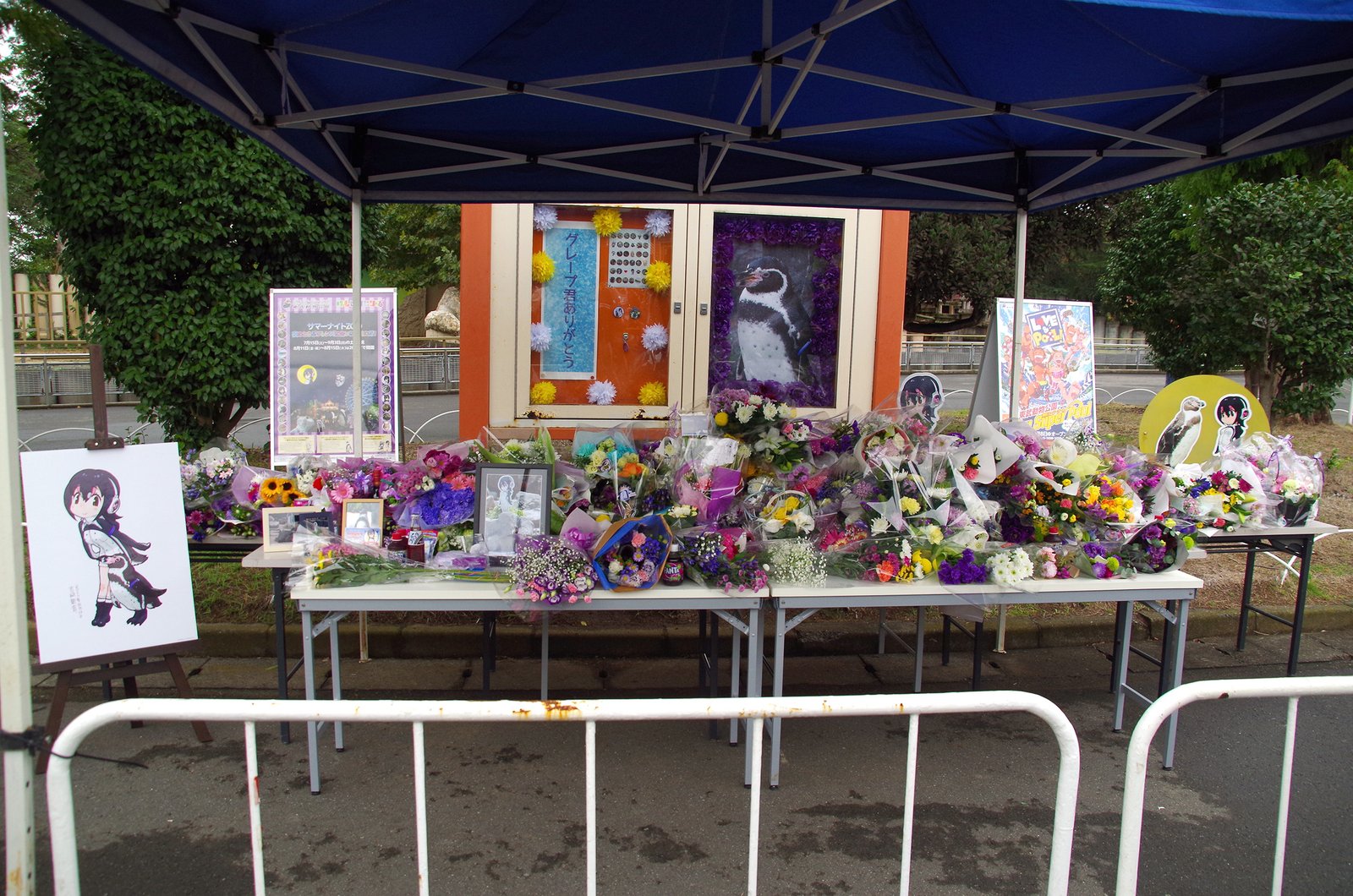
Grape-kun’s passing in late 2017 was met with an outpouring of grief from fans and animal lovers worldwide. His story endures as a testament to the mysterious and touching ways animals cope with loss, change, and loneliness. The cardboard cutout remained a memorial at the zoo, a quiet reminder of the penguin who taught the world a little more about the depths of animal emotion.
A Lasting Connection
The tale of the penguin that fell in love with a cardboard cutout is more than just a quirky news story—it’s a celebration of the unexpected connections that give life meaning. Grape-kun’s journey invites us to look beyond appearances and recognize the emotional richness of the animal world. Even in the most unlikely places, bonds can form and hearts can heal.