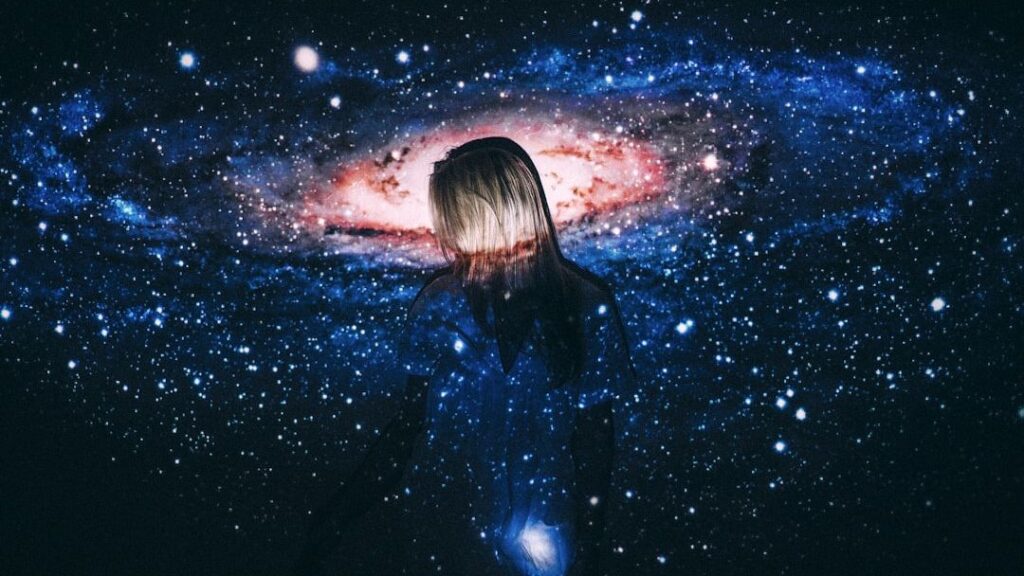
Imagine if everything you see, everything you touch, even the flow of time itself, was not the ultimate foundation of reality. Imagine instead that the most basic ingredient of the universe is not matter, not energy, not space, not time – but consciousness. That sounds wild, almost mystical, yet a growing number of serious scientists and philosophers are quietly asking whether our usual picture has it backwards.
In this emerging line of thinking, consciousness is not a late accidental by‑product of a cold, indifferent universe. It might be the other way around: space, time, and matter could be patterns that appear within a more fundamental field of mind-like reality. This idea is controversial, heavily debated, and far from settled. But it is fascinating enough that you almost cannot unsee it once you consider it. Let’s walk through what this theory actually says, why some smart people take it seriously, and where it might be going wrong.
Why Anyone Would Even Suggest Consciousness Came First
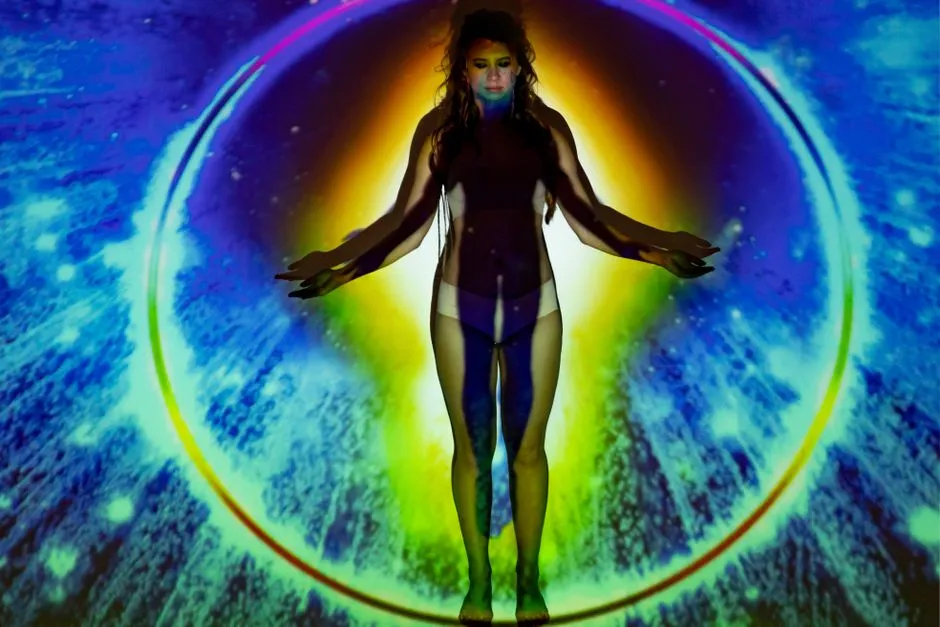
At first glance, the claim that consciousness existed before space and time sounds like something you’d hear in a late‑night dorm room debate, not a physics or philosophy seminar. Yet the motivation for this radical idea often comes from very down‑to‑earth scientific puzzles. The toughest of these is sometimes called the hard problem of consciousness: how and why subjective experience, the feeling of “what it is like” to be you, arises from brain matter that looks purely physical under a microscope.
For decades, the standard answer has been that if you understand the brain well enough, consciousness will just fall out of the equations. But despite incredible progress in neuroscience – mapping networks, measuring activity, building brain‑machine interfaces – the leap from electrical signals to lived experience still seems like a chasm. Some researchers have started to ask whether we have the direction wrong: instead of thinking consciousness pops out of matter, maybe matter looks the way it does because of more fundamental rules tied to information or experience. In other words, perhaps consciousness is not what needs explaining by physics; perhaps physics is what needs explaining by consciousness.
From Materialism To Mind‑First: A Radical Flip In Perspective

For most of modern science, the story has been pretty straightforward: first there was a universe of particles and fields, governed by impersonal laws. After an enormous amount of time, stars formed, planets cooled, chemistry happened, and eventually biological brains evolved that were complex enough to become conscious. In that materialist picture, consciousness is a latecomer – a side effect emerging only when matter is arranged in the right way, like foam forming on the surface of a wave.
The new mind‑first theories flip that script. They suggest that instead of consciousness emerging from physical stuff, physical stuff may emerge from a deeper layer of reality that is fundamentally informational or experiential. Some versions of this idea propose that the building blocks of the universe are not tiny billiard balls but abstract relations, probabilities, or bits of information – and that what we call “experience” might be tied to these in a basic way. From this angle, the Big Bang is not really the “beginning of everything” but more like a phase change in an underlying, timeless field of possibility that is already, in some sense, aware.
What Pre‑Space Consciousness Could Even Mean
Talking about consciousness “before” space and time is tricky, because words like “before” already assume time is running. If time itself is a kind of appearance, then asking what happened before the universe is like asking what is north of the North Pole. Instead of picturing a cosmic clock ticking toward the moment of the Big Bang, these theories suggest that reality at its deepest level might be timeless – more like a static landscape of possibilities than a movie playing frame by frame.
In that kind of picture, consciousness is not something that turns on at a particular moment. It might be better to think of it as a background condition: a basic feature of whatever this timeless “something” is. Space and time would then be structures that arise within experience, the way a dream unfolds within a dreaming mind. Of course, this does not mean our universe is literally someone’s dream in a cartoonish sense. It means that the framework we usually treat as fundamental – three dimensions of space plus one of time – may be an organized, law‑governed pattern that shows up inside a deeper experiential reality rather than outside it.
Scientific Clues: Information, Quantum Weirdness, And The Limits Of Space‑Time
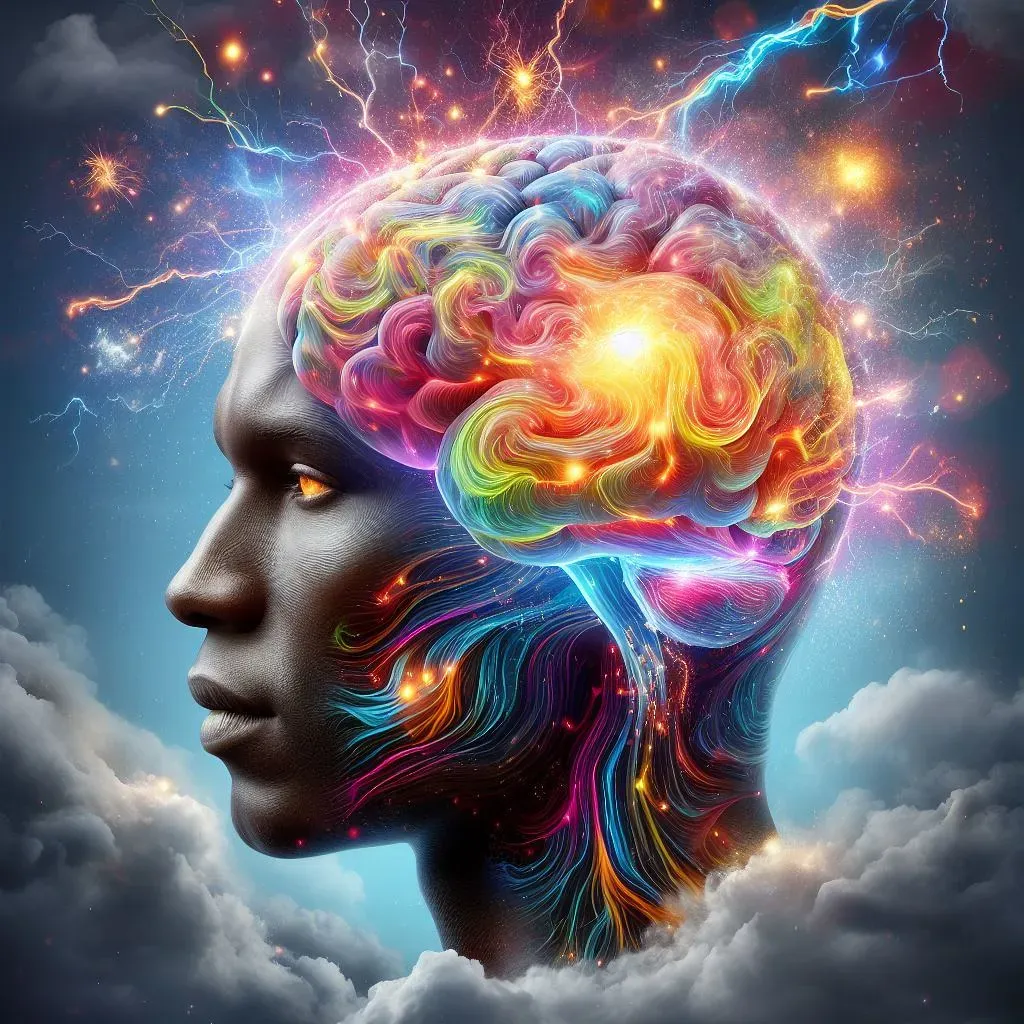
If this all sounds suspiciously mystical, it is worth noting that several modern scientific developments at least open the door to mind‑first interpretations. One important thread is the growing role of information in physics. Black hole research, quantum computing, and certain proposals in quantum gravity all suggest that information, not matter, might be the most basic currency of the universe. If information is fundamental, some thinkers argue, it is not such a stretch to ask how information relates to experience, since our inner lives are structured by patterns of information as well.
Another clue comes from quantum mechanics, with its probabilistic events, entanglement, and measurement problem. In some interpretations, the act of measurement – which looks suspiciously like an interaction tied to observation – plays a special role in turning quantum possibilities into concrete realities. While mainstream physics does not say “consciousness collapses the wave function” in any official way, this weird dependence on observation has encouraged some people to wonder whether mind is more tightly woven into the fabric of reality than classical physics would allow. At the same time, attempts to unify gravity and quantum theory often run into hints that space‑time itself breaks down at very small scales, pushing theorists to ask what lies underneath it.
Philosophical Support: Panpsychism, Idealism, And Other Mind‑Centered Views
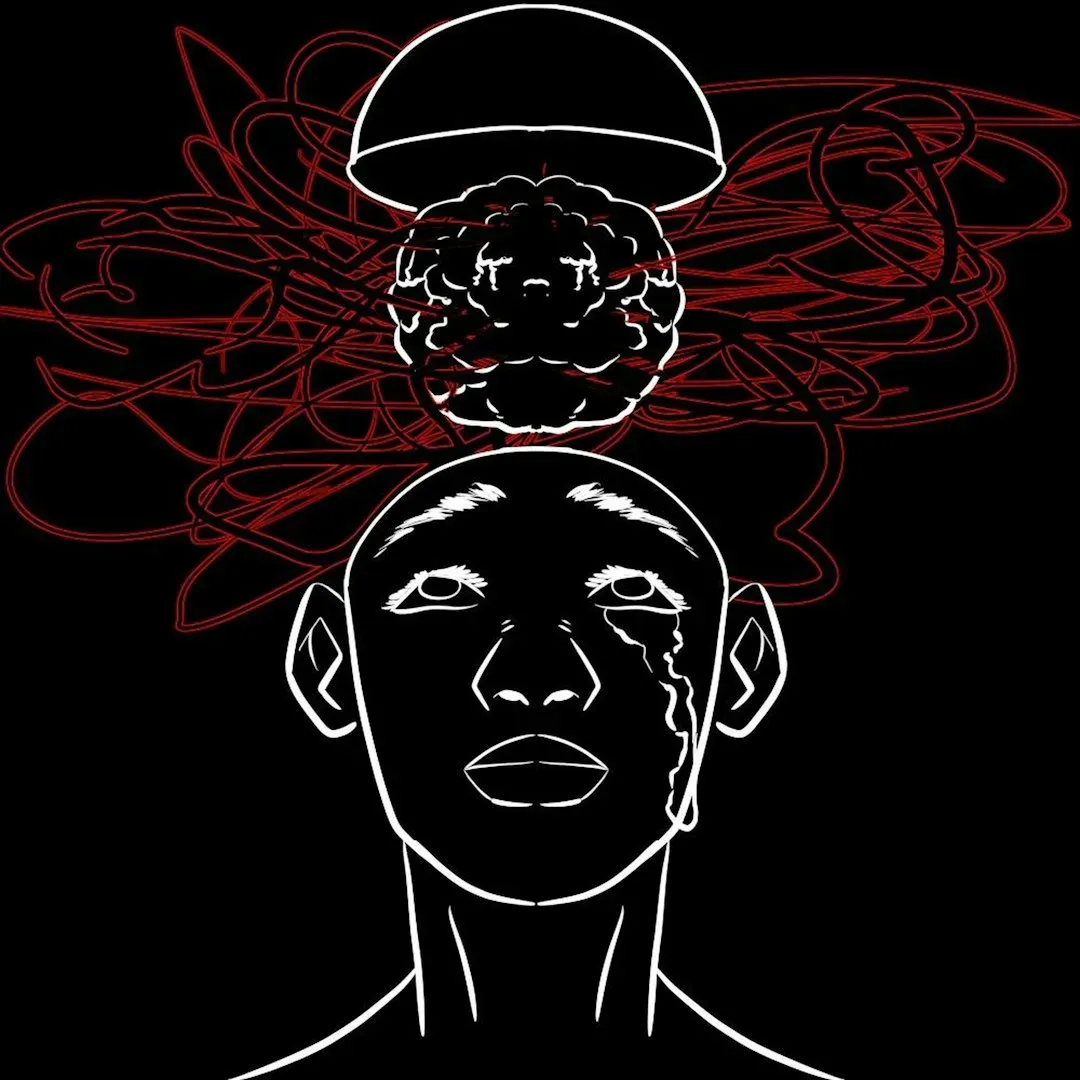
These scientific hints land in a landscape where philosophers have been debating mind‑first ideas for centuries. Idealism is one of the oldest, maintaining that mind or experience is the ultimate reality and that physical objects are patterns within it. More recently, panpsychism has re‑entered the mainstream philosophical conversation. Panpsychism suggests that consciousness, in some incredibly simple and primitive form, is spread throughout the universe, with complex consciousness (like ours) built up from simpler instances, a bit like how complex molecules are built from simpler atoms.
In this context, the proposal that consciousness may exist prior to space and time starts to sound less like a random speculation and more like a modern twist on long‑running debates. Some philosophers argue that if you take physical science seriously – including its struggles to derive subjective experience from matter – you are almost pushed toward attributing some kind of mental aspect to the basic constituents of reality. From there, it is a short leap to say that space‑time geometry, fields, and particles are the way consciousness organizes itself, rather than the stuff from which consciousness mysteriously appears.
The Big Problems: Evidence, Testability, And The Risk Of Wishful Thinking

Still, let’s be honest: the idea that consciousness came before space and time is an extraordinary claim and it faces serious challenges. The biggest issue is testability. Science advances by making predictions that can, in principle, be checked. A theory that says “consciousness is fundamental” can be elegant and emotionally satisfying, but if it does not tell you what you should see in an experiment that differs from standard physics, it risks turning into a story you cannot ever really confirm or refute.
There is also a psychological trap here. Because we care so deeply about our own minds and feel that experience is the most undeniable part of reality, it is tempting to want the universe to reflect that importance. That can quietly slide into wishful thinking: we like the idea that consciousness is cosmic, so we lean toward theories that say it is. A responsible version of the mind‑first view needs to be brutally honest about this bias. It needs to admit that right now, the experimental evidence does not clearly support consciousness existing before space‑time over more traditional materialist pictures, and that in many ways this remains a highly speculative frontier rather than a settled new paradigm.
How This Theory Could Reshape Ethics, Technology, And Everyday Life
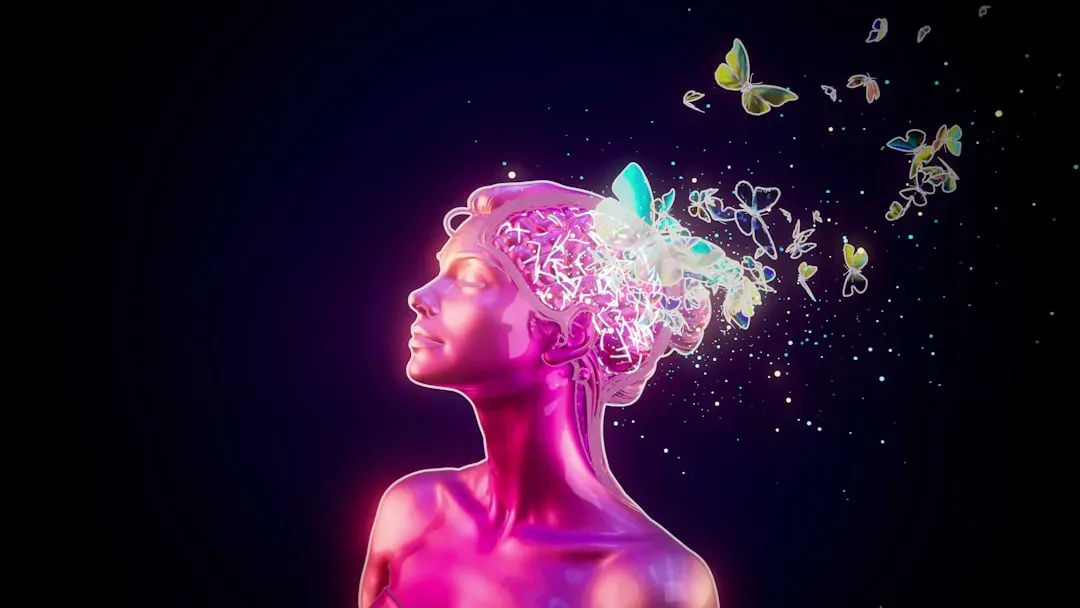
Even in its speculative state, the idea that consciousness might be more fundamental than space and time has powerful implications for how we see ourselves and each other. If experience is not a disposable side effect of matter but a basic ingredient of reality, it adds philosophical weight to questions about well‑being, suffering, and moral value. It nudges us toward taking subjective experience seriously, not just in humans but possibly in animals, artificial systems, or forms of life and intelligence we have not yet imagined.
On the technological side, mind‑first views might change how we think about artificial intelligence and brain‑computer interfaces. If consciousness is deeply connected to fundamental information patterns, then building systems that manipulate information in more brain‑like ways could have unexpected ethical stakes: we may not be able to shrug and say that machines are “just algorithms” forever. In a more personal sense, seeing reality as rooted in consciousness might shift how people relate to meditation, creativity, or even grief – not as private quirks inside a meaningless cosmos, but as direct participation in the primary substance of reality, whatever that turns out to be.
My Take: A Beautiful Maybe, But Not Yet A New Physics
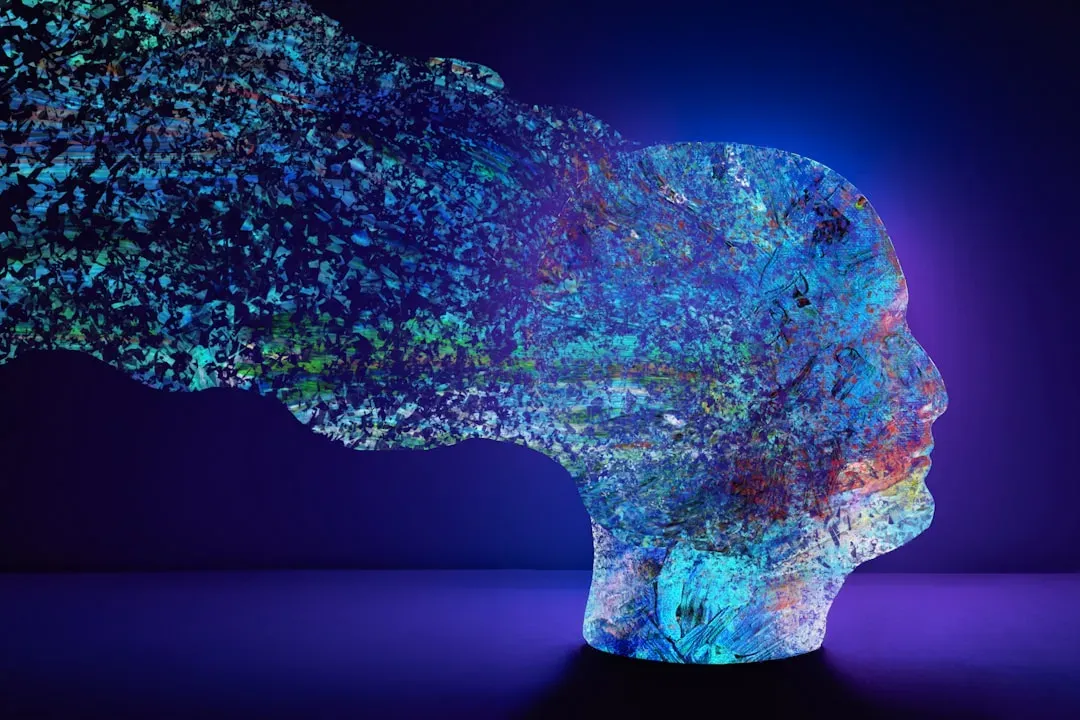
Personally, I think the theory that is one of the most beautiful “maybes” on the table right now. It respects the brute fact that experience is the one thing we cannot doubt, and it courageously challenges the assumption that matter has to come first. There is something deeply appealing about a universe where our inner lives are not late‑stage accidents but reflections of the very ground of reality. As a narrative about what we are doing here, it is far more inspiring than the picture of consciousness as a meaningless glitch in an otherwise mindless machine.
At the same time, I do not think we are anywhere close to having a solid scientific theory that puts consciousness ahead of space and time in a way that can match the hard‑won successes of modern physics. Right now, mind‑first views feel more like powerful guiding metaphors and philosophical frameworks than completed theories. I suspect the truth might be stranger than both strict materialism and simple idealism, perhaps some hybrid where our current categories of “mental” and “physical” both break down. For now, I’d say this: treat the idea that consciousness came first as an invitation to think deeper, not as a conclusion to rest on. If reality really is more like a mind than a machine, what kind of world does that ask us to build – and are we ready to live as if that might be true?