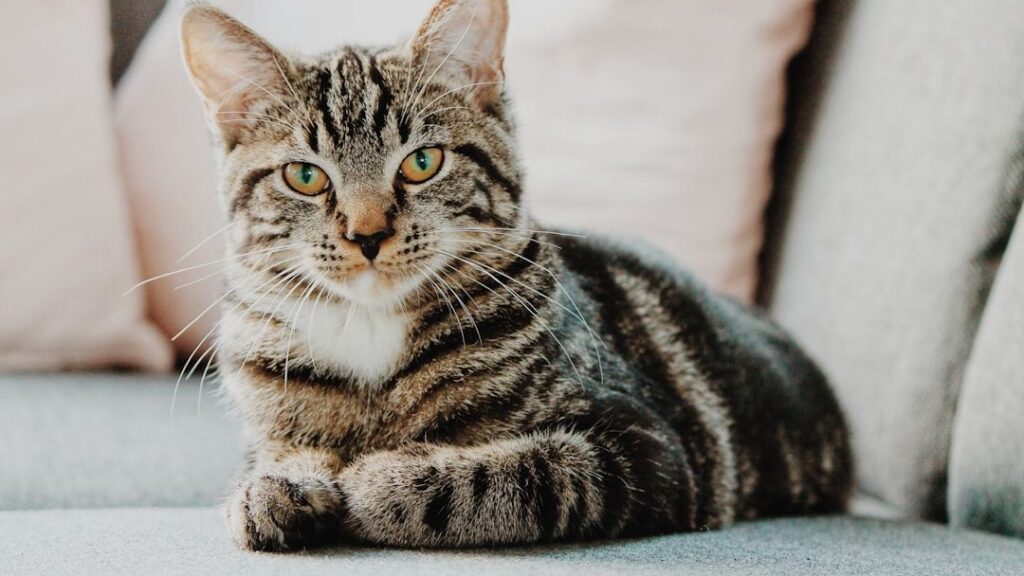
If you’ve ever felt like your cat is oddly patient with you, or weirdly bossy, or treats you like you barely know how to function, you’re not imagining it. There is a growing body of research (and an avalanche of everyday cat behavior) suggesting that cats do not see us as some majestic superior species. They act like we’re big, badly coordinated cats who constantly need help staying alive. Honestly, once you start watching them through that lens, everything they do starts making a wild amount of sense.
I still remember the first time I realized my cat didn’t see me as “the human in charge.” I had dropped a piece of chicken on the floor, and she rushed over, sniffed it, meowed at me in a very pointed way, and then proceeded to nibble the edges like she was showing me how to eat. It felt less like affection and more like a tutorial. That moment sent me down a rabbit hole of science and observation, and the pattern is hard to ignore: to your cat, you’re basically a kitten who somehow got huge and never really learned to cat properly.
They Use Kitten-to-Adult Social Rules On Us
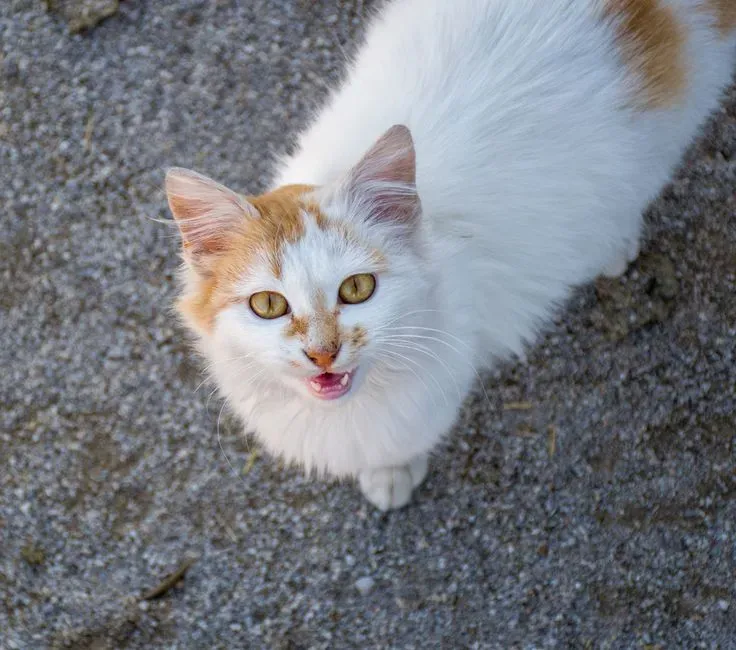
One of the strongest clues that cats see us as oversized kittens is how they apply the same social rules to us that they use with their own young. Adult cats do not usually meow constantly at each other, but they absolutely do keep up a running commentary with humans, much like feline parents vocalize with their kittens. When your cat meows at you to follow them, to feed them, or to move to another room, it mirrors how a mother cat guides her babies that are still learning the basics of survival.
They also rub their faces and bodies against our legs and hands, which is not just affection but social scent-marking, similar to how they keep track of family members. To a cat, scent is like a family name and a GPS tag rolled into one, so when they insist on rubbing all over you, they’re basically labeling you as “one of mine.” The key is that this is the way a confident, socially competent cat interacts with a dependent or junior member of their group, not a way a subordinate behaves toward a strict leader. It’s more like a big sibling energy than an obedient pet dynamic.
Grooming And Licking: You Are Clearly Not Self-Sufficient
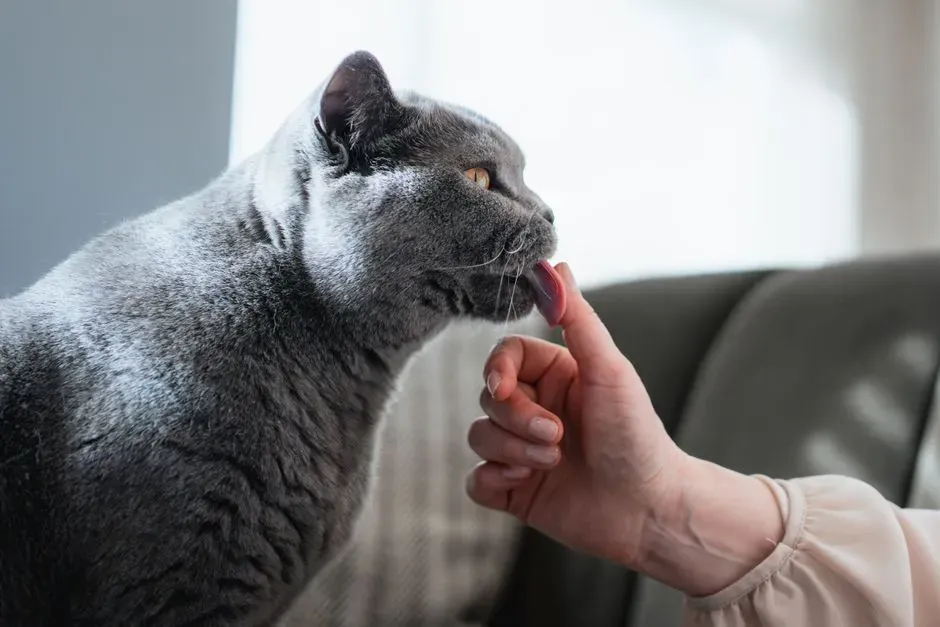
When cats lick your hair, your hands, or even your clothes, it often feels like sweet affection. It is – just not in the way we usually think. In feline social life, allogrooming (grooming another cat) is something adults do with kittens and trusted family members, especially when the other animal either cannot reach a spot or isn’t very good at grooming themselves. So when your cat insists on licking your hairline or your fingers, they may be signaling that you are part of their intimate little group, but also that you are a bit of a mess who needs assistance.
There’s also that moment when a cat will groom you, then abruptly nibble or give a tiny bite. Among cats, this is a way to correct behavior, set boundaries, or redirect overexcitement in younger cats. Seen through that lens, those random “love bites” feel a lot more like an exasperated adult saying, in cat language, that you need to calm down or stop squirming. The whole pattern looks less like your cat worships you and more like they are patiently raising you.
Bringing “Gifts” Of Dead (Or Half-Dead) Prey
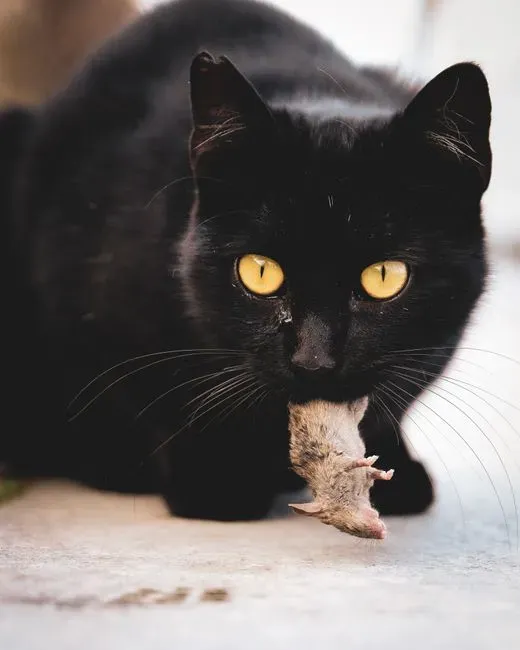
If you’ve ever woken up to a dead mouse, bird, or bug carefully placed near your bed, you’ve probably gone from horror to confusion pretty quickly. One common interpretation is that cats are giving us “gifts,” but the behavior maps more closely to how feline mothers teach inexperienced youngsters to hunt. In the wild, mother cats first bring back dead prey, then injured prey, gradually allowing their kittens to practice the skills they need. The way many house cats proudly drop prey at our feet fits that teaching pattern much better than a simple gift exchange.
What makes it funnier is how unimpressed cats often look when we react badly, scream, or immediately dispose of their offering. To them, it must look like our hunting skills are catastrophically underdeveloped, so they double down on the training plan. Some cats even meow insistently and nudge the prey toward us, as if saying that we really need to get our act together. In their minds, they are not psychopaths with a mouse – they are patient mentors dealing with a very squeamish, very slow-learning giant kitten.
They Herd And Supervise Us Around The House
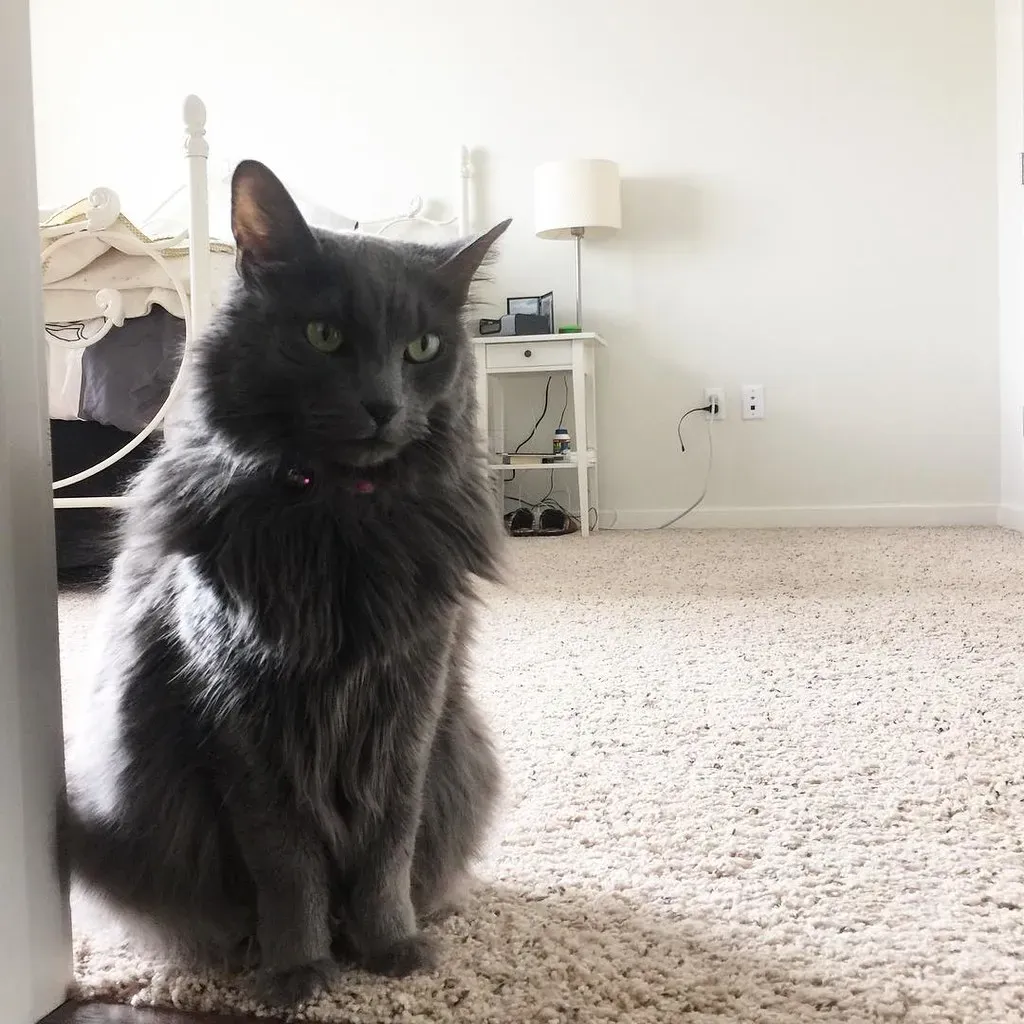
Many cat owners notice that their cat follows them from room to room, positioning themselves in doorways, on stairs, or in central spots as if they are monitoring traffic. While part of this is curiosity and territory control, a slice of it looks a lot like adult supervision. Mother cats keep a constant eye on where their kittens go, especially in unfamiliar or potentially dangerous areas. When your cat shadows you to the bathroom, the kitchen, or even the front door, they may be doing a soft version of that same watchful behavior.
Some cats go even further and actively herd their people, trotting ahead and glancing back until you follow them to the food bowl, to bed, or away from a loud window. It feels controlling because, frankly, it is. From their perspective, you lack basic instincts: you stay up too late, forget to eat on a proper schedule, and walk toward strange noises instead of away from them. So they take on the role of the experienced adult, steering their weird, oversized kitten away from trouble and toward sensible choices like snacks and naps.
Purring, Kneading, And Treating Us Like A Living Cat Bed
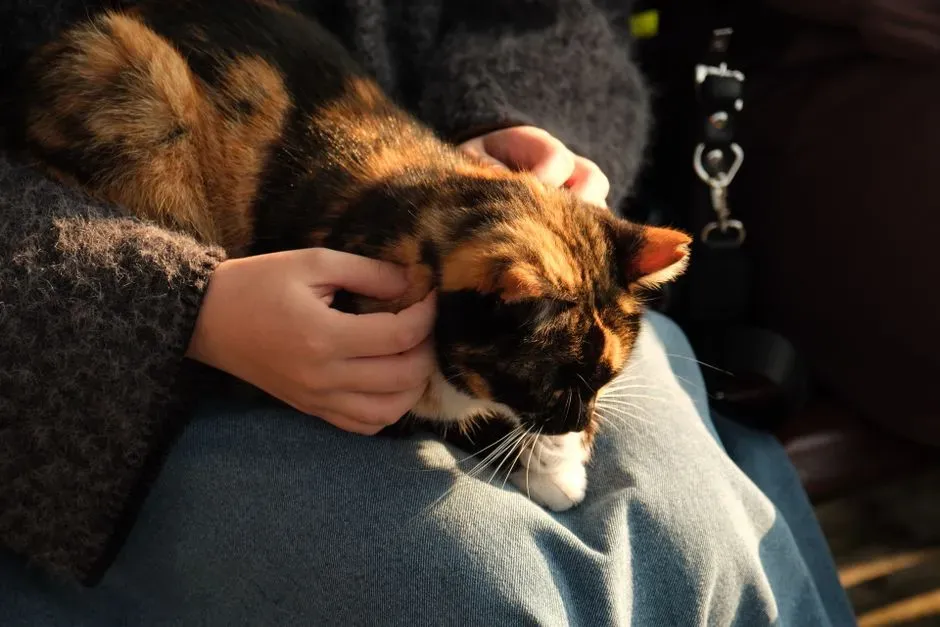
When a cat curls up on your chest, purrs loudly, and kneads with their paws, it’s undeniably adorable – and extremely revealing. Kneading is a behavior kittens use while nursing, pressing their paws into their mother’s belly to stimulate milk flow and bond with her. Adult cats often continue this ritual with humans, especially when they feel safe and comforted, which suggests they experience us in a similar emotional category as a parental figure or trusted family cat, not a different species that must be feared or revered.
At the same time, there’s a twist: they treat us as both emotional security blankets and giant pieces of furniture. They climb on us, adjust us, lie on top of laptops and books we’re using, and claim our laps as their personal territory. In multi-cat groups, more confident or senior cats often choose the best resting spots and unapologetically occupy shared resources. When your cat decides your body is simply the premium bed in the house, it hints that in their mind, you’re a fellow cat-like being they can drape themselves over without worrying about hierarchy rules.
They Never Fully Switch To A “Different Species” Mode
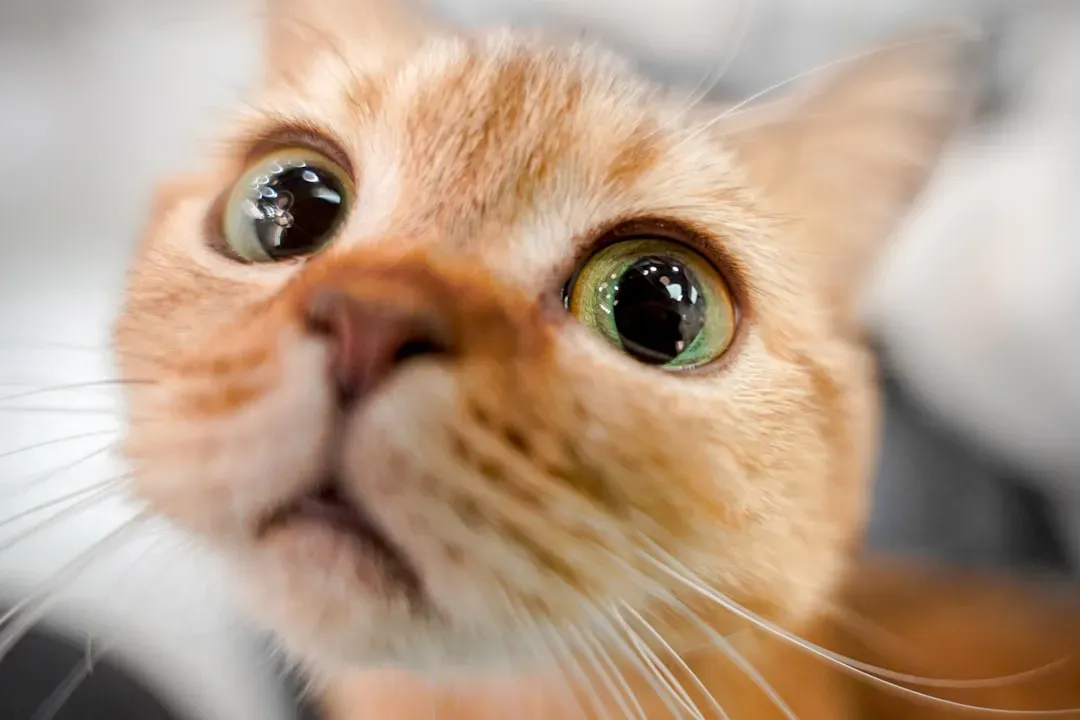
One telling thing about cats is that, unlike dogs, they do not radically change their social behavior when dealing with humans instead of their own kind. Studies observing cat-to-cat interactions and cat-to-human interactions have found that many of the same body language cues, greeting rituals, and conflict-avoidance strategies show up in both. That strongly suggests that cats file us under the same mental category as other cats, even if they realize we look and move differently. They adjust a few details, but the core social script remains the same.
This is very different from the way many animals treat humans as either predators, prey, or entirely separate beings. Cats seem to have decided that, yes, we are weird and clumsy, but emotionally and socially, we still get run through the “cat template.” That makes it much easier to understand confusing behavior: slow blinks, head bumps, and even tail positions are not random quirks, they are familiar feline social signals. If they truly saw us as alien outsiders, they would likely use a very different set of behaviors around us – or avoid us altogether.
Affection Mixed With Mild Exasperation
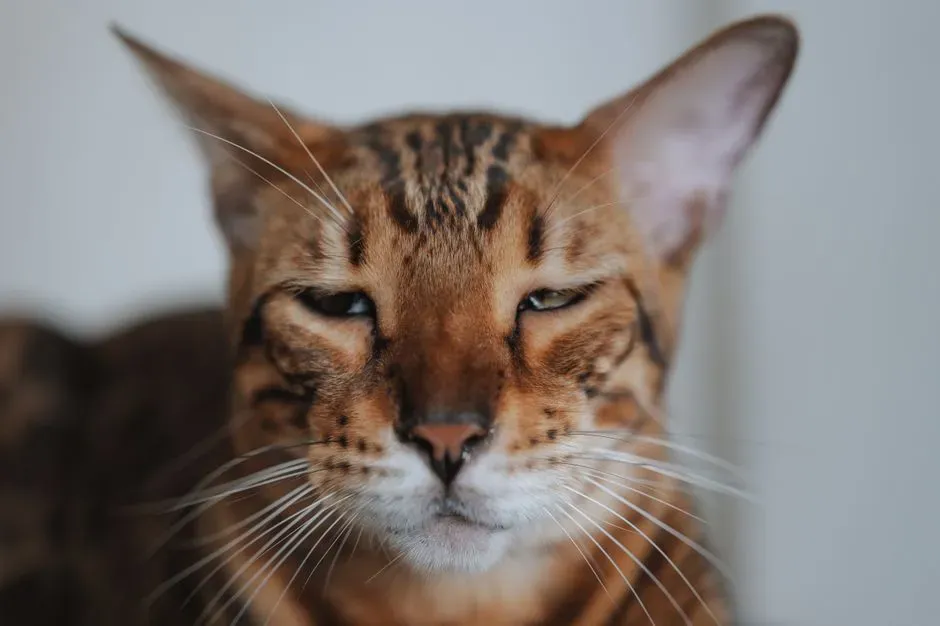
There’s a specific look cats give us that every cat person recognizes: a blend of fondness and what can only be described as deep resignation. They watch us drop things, trip over nothing, forget where we put their toys, and call them in ridiculous voices. Yet they still come back, nuzzle our hands, and curl up on our laps. That combination – tolerance, patience, and occasional side-eye – feels a lot like how experienced adults view enthusiastic but clueless youngsters they care about.
Even the infamous “slow blink,” often interpreted as a sign of trust and affection, fits this narrative. Among cats, relaxed eye contact and unhurried blinking are ways to show calm and safety, reassuring more anxious or less experienced group members. When your cat gives you that lazy blink from across the room, it is almost like they are telling you that things are fine and you do not need to panic. The affection is real, but there is a quiet implication underneath it that you might be a bit high-strung or easily confused compared to them.
They Train Us With The Same Persistence Used On Kittens
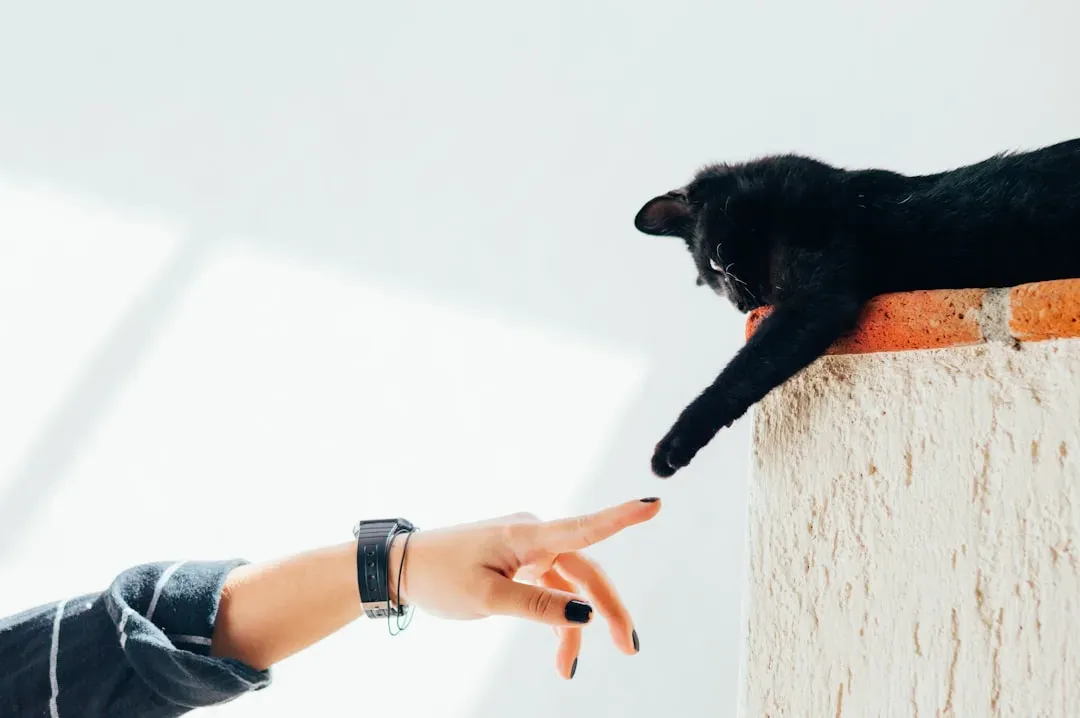
Anyone who has lived with a cat knows they are experts at behavior training – and we are the ones being trained. They repeat certain meows at specific times of day, scratch at doors, tap your face in the morning, or sit on the remote until you respond. Over time, most of us fall into line, feeding, opening, closing, or moving exactly on cue. That kind of consistent, patient shaping of behavior is very similar to how adult cats nudge, correct, and encourage the habits of younger cats in their group.
I’ve personally been trained to get up earlier than I ever wanted to because my cat decided that breakfast must happen at a precise time, non-negotiable. She started with gentle paw taps, escalated to louder meows, and ended with dramatic leaps onto my stomach until I adjusted my schedule. From her perspective, she probably believed she was fixing a serious flaw in my daily rhythm. This is not an animal that thinks you are a powerful, all-knowing leader. This is an animal who believes you are improvable and is fully committed to the job.
Why This View Makes Their Behavior Easier To Love
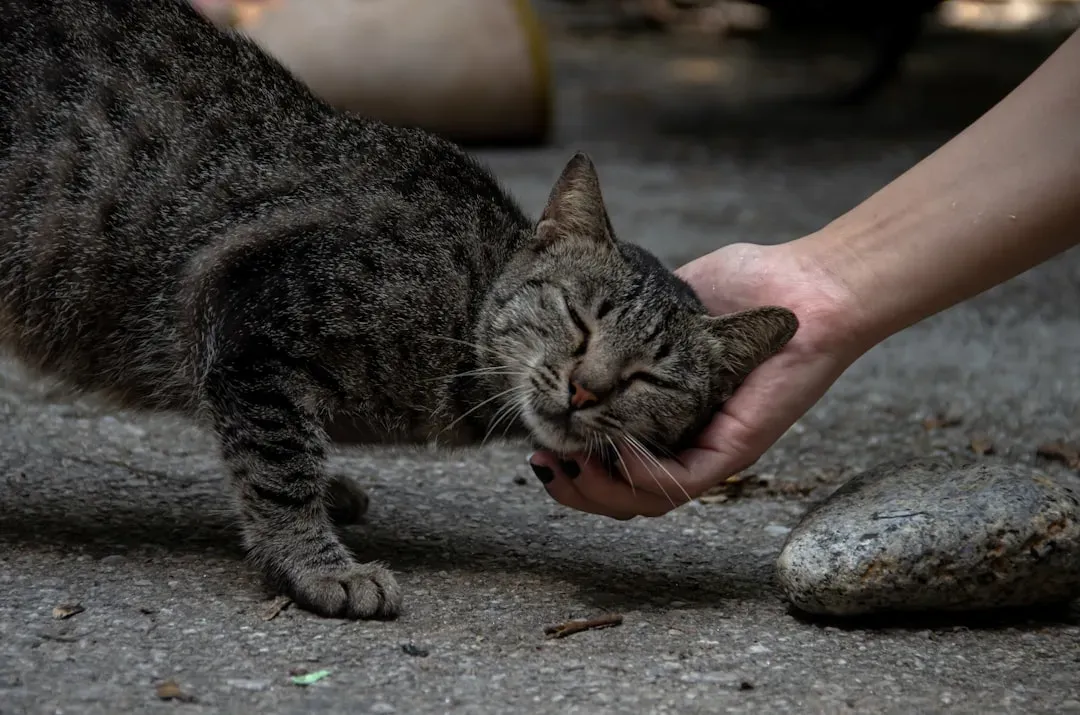
Once you accept that your cat probably sees you as a big, clumsy kitten rather than a boss, a lot of so-called “bad” or confusing behavior becomes oddly touching. The dead mouse is no longer a horror show; it is a misguided lesson plan. The hair licking stops being gross and becomes a sign that, in their world, you are family. Even their disapproving stares feel less like contempt and more like the bewildered look of someone who just watched their roommate put metal in the microwave for the third time.
Personally, I find this view way more charming than the idea that cats are cold or indifferent. They are not indifferent – they are deeply invested, just on their own terms. They are living with a creature they recognize as sort of like them, but bigger, louder, and confusingly bad at basic tasks. And instead of giving up on us, they try to guide, groom, train, and comfort us anyway. That is not just tolerable; it is a weird, sideways form of devotion.
Opinionated Conclusion: Cats Are The Adults In The Room – And We Should Own It
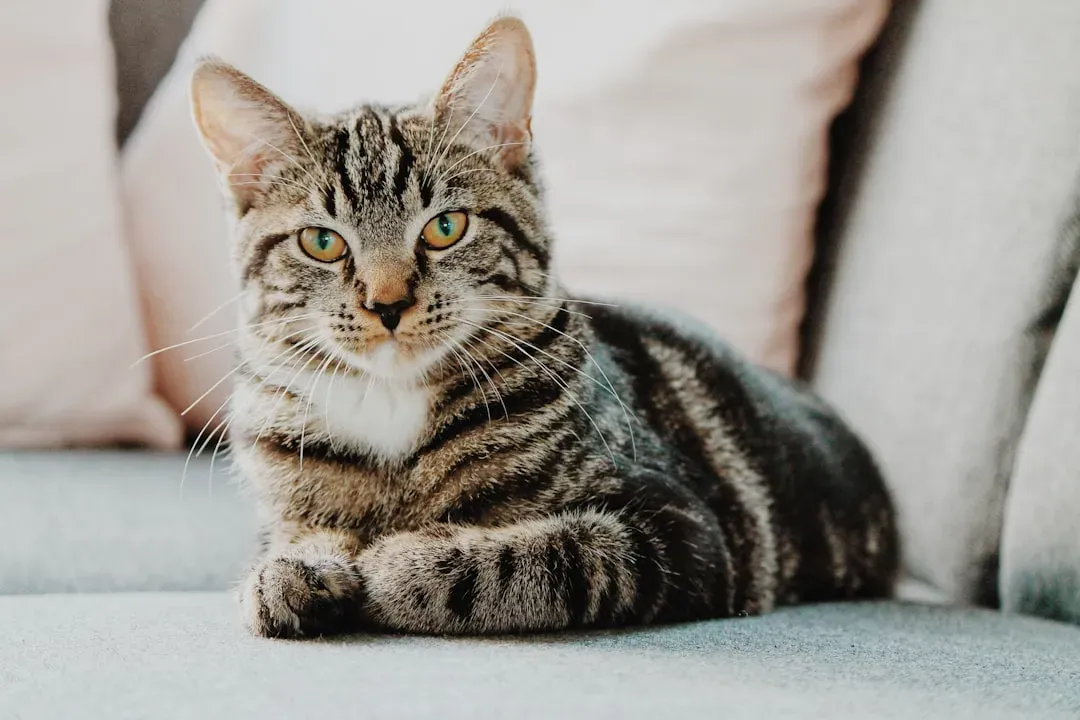
When you line up the evidence – teaching-style prey deliveries, kitten-like grooming, herding, kneading, and relentlessly training our habits – the idea that cats see us as giant, clumsy kittens is not just cute, it is genuinely plausible. I think we cling too hard to the fantasy that we are in charge, that we are the rational ones and our pets are the silly ones. In reality, many cats move through the world with a level of calm, routine, and self-possession that puts most humans to shame. They watch us doomscroll at 2 a.m., skip meals, and ignore our own need for rest, then drag us to bed and yell until we eat something.
So maybe it is time to embrace the insult and the compliment wrapped together in this idea. If your cat sees you as a lovable but incompetent overgrown kitten, that means you are not just a food dispenser – you are family they have chosen to invest energy in. Let them teach you better sleep habits, more consistent routines, and the art of unapologetically claiming a sunny spot on the floor. Maybe the real question is not whether cats think we are kittens, but whether we are smart enough to let them keep acting like the wiser adults in the house. When you look at your cat now, who do you honestly think is raising whom?