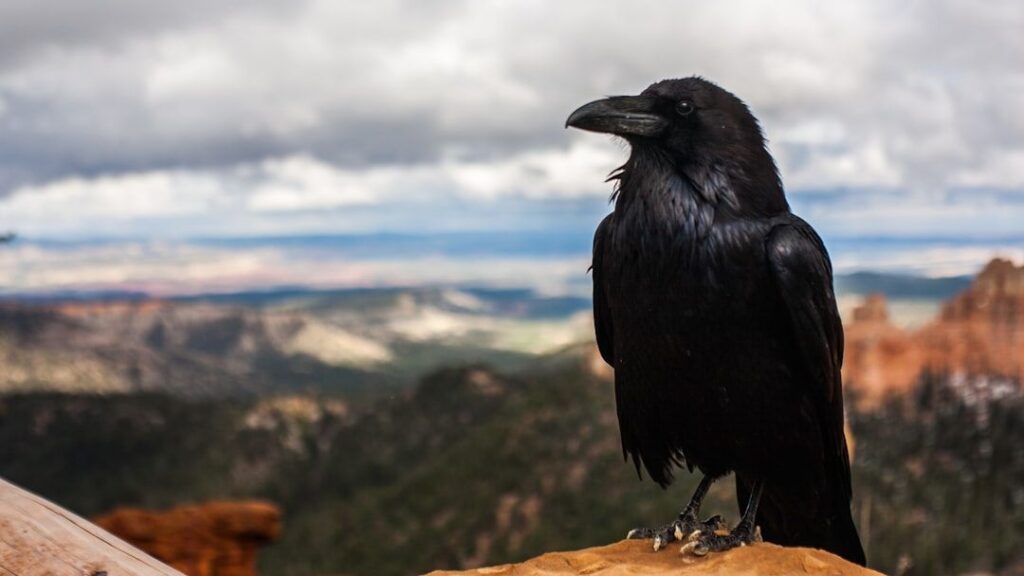
You probably do not think of yourself as a storm spotter when you are just walking to your car or looking out the kitchen window. Yet your best early warning for dangerous weather might not come from a radar image or a phone alert at all. It might come from a flock of jet‑black birds suddenly acting like the world just tilted on its axis.
Across farms, suburbs, and city parking lots, people keep noticing the same unsettling pattern: right before severe storms, crows start behaving in ways that feel almost supernatural. Scientists are now digging into those observations, and while the research is still early and cautious, it hints at something powerful: birds, including crows, may sense subtle atmospheric changes before you ever see a warning on a screen. You are not about to replace Doppler radar with a crow on a fencepost, but you can absolutely become more weather‑aware by learning what to watch for.
The Strange Crow Behavior People Notice Before Violent Storms
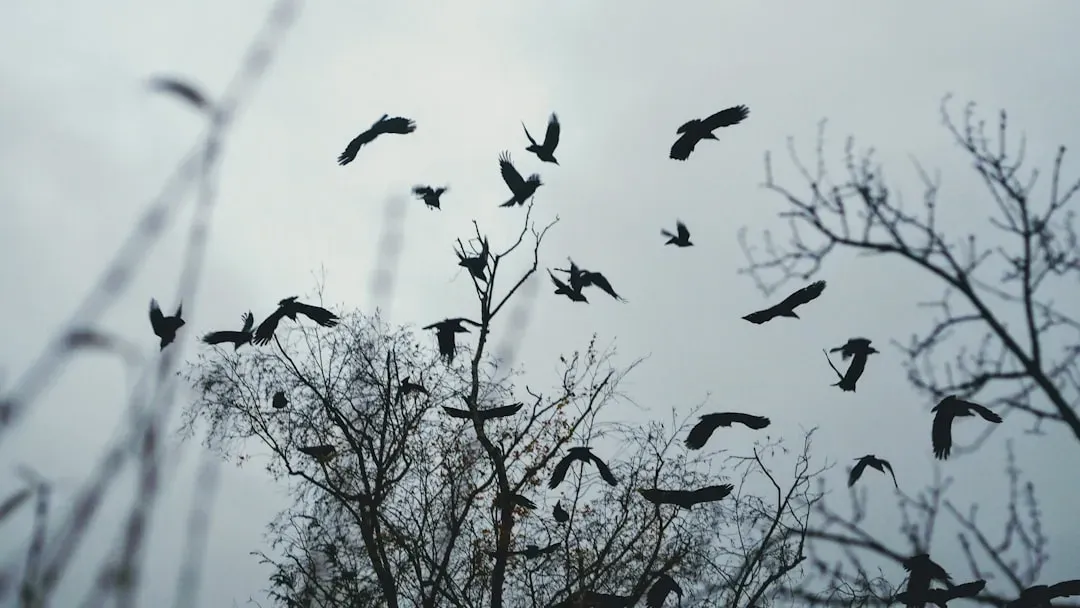
Think about the last time a really bad storm rolled in. Maybe you remember the sky going that sickly green, or the air turning weirdly still and heavy. Now imagine that, about an hour earlier, you had looked up and seen crows suddenly gathering in tight, noisy groups, abandoning their usual scattered routines. To many people, that moment feels like nature’s version of a siren.
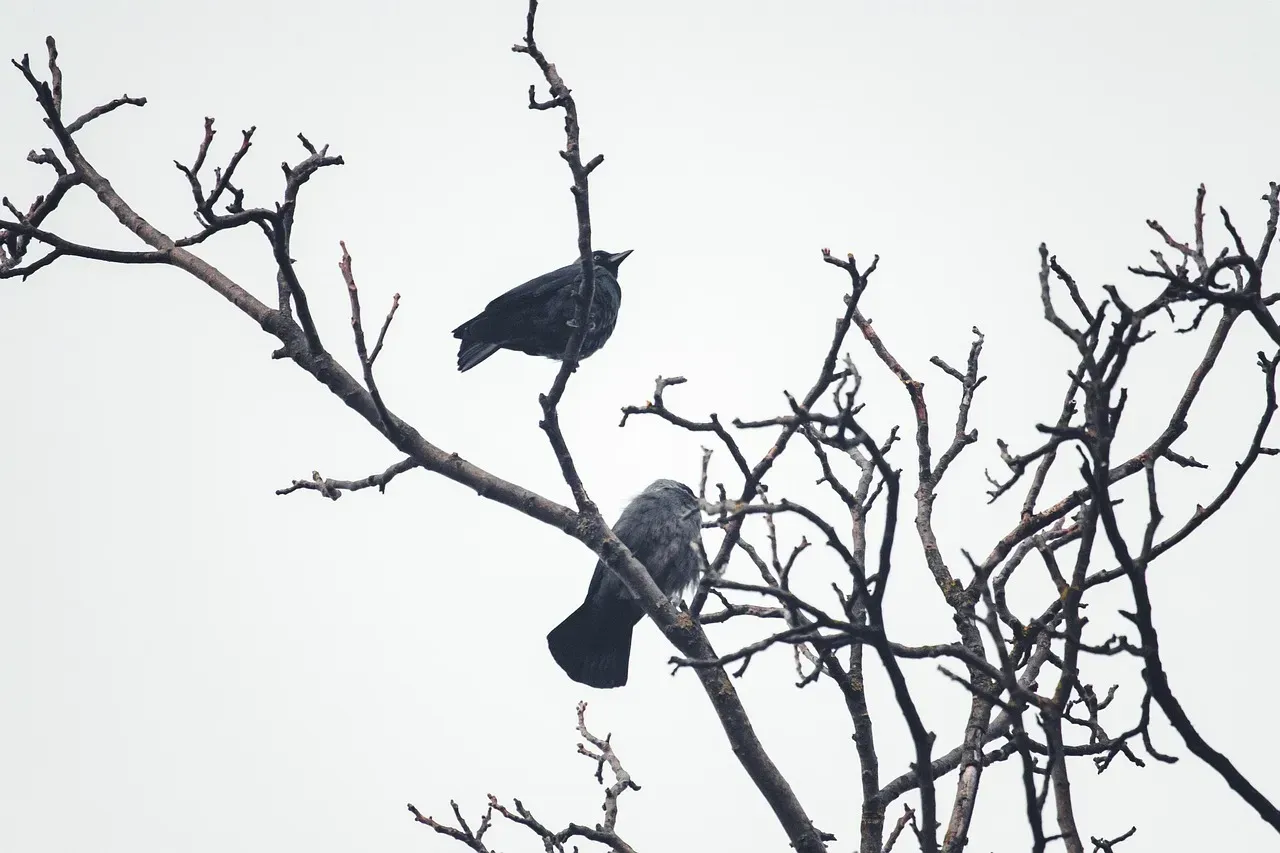
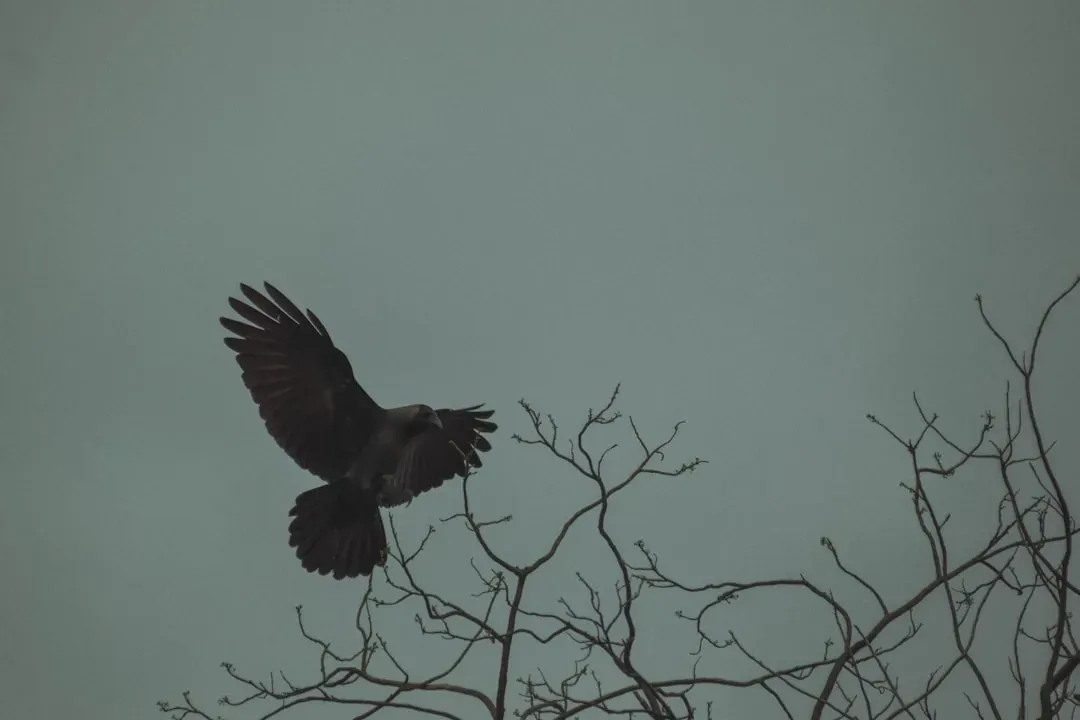
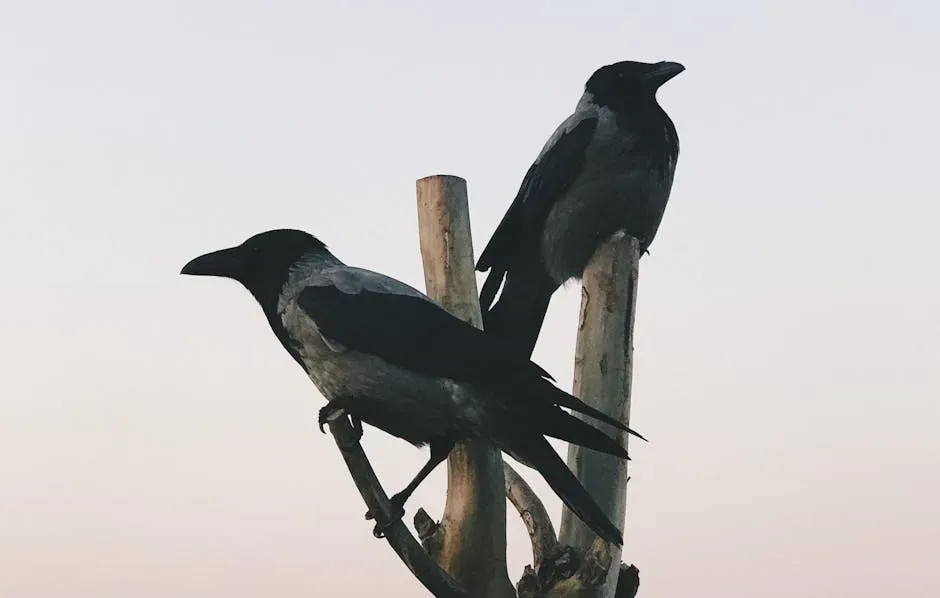
Observers often describe crows flying lower than usual, circling in concentrated areas, or shifting their roosts abruptly before a major storm. Instead of relaxed foraging, you might see frantic flights back and forth, rapid calls, and what looks almost like a hurried evacuation toward particular trees or structures. If you already know your local crow “normal,” those sudden shifts can feel jarring, as if the birds picked up on a threat you have not noticed yet.
What Science Actually Knows About Birds and Weather (And What It Doesn’t)
You should know up front: there is no solid, peer‑reviewed body of research proving that crows, specifically, give you a precise six‑hour countdown to tornado formation. Meteorologists do not secretly have a “crow index” they plug into their forecast models. That kind of claim would need decades of detailed field data and careful testing, and right now, the evidence simply is not there in that form.
What scientists do have, though, is a growing body of work showing that birds in general respond strongly to atmospheric shifts. Studies using weather radar and animal‑movement trackers have found that entire bird communities can change migration routes, feeding patterns, and flight altitudes when big storm systems approach. You can think of it like this: while forecasters lean on equations and supercomputers, birds are reacting with their bodies in real time to the same physical forces that drive those equations.
How Crows Sense a Coming Storm Before You Feel a Raindrop
If you have ever felt your joints ache before a storm or noticed a headache when the air turns heavy, you already have a hint of what birds might be picking up. Crows are likely responding to changes in barometric pressure, wind direction, humidity, and perhaps even infrasound from distant thunder or storm dynamics you cannot hear. Their sensory world is richer than yours, which means they can react to subtle environmental changes long before you register anything unusual.
When pressure drops sharply ahead of a strong storm, that can signal trouble for a crow that needs to feed, shelter, or protect young. You might see them switch from calmer, spread‑out feeding to tight, noisy gathering, as if they are rushing to secure safety or change roosting spots. Even if crows are not doing this in a way that literally calculates “tornado in six hours,” their survival instincts push them to adjust for risk, and that adjustment can look like a distinctive, storm‑linked pattern of behavior once you train yourself to notice it.
From Folk Wisdom to Modern Forecasting: Why Meteorologists Pay Attention
People have relied on animal behavior as a kind of folk forecast for centuries. Your grandparents may have told you to watch swallows flying low, cows lying down, or birds going quiet when bad weather was on the way. Meteorologists used to treat many of those sayings as superstition, but as technology improves, some patterns that people casually noticed for generations are starting to line up with measurable atmospheric changes.
In recent years, weather scientists and ecologists have used radar, satellite data, and tagging technology to track how bird movements correlate with storm systems. While no one is building an official tornado warning system on crows alone, some researchers are exploring whether large‑scale animal movement data could one day feed into early‑warning models. You can think of it not as “birds replacing radar,” but as “birds adding another layer of context,” especially in regions where ground‑based sensors are sparse or radar coverage is limited.
Reading the Sky: How You Can Use Crow Behavior as a Personal Alert
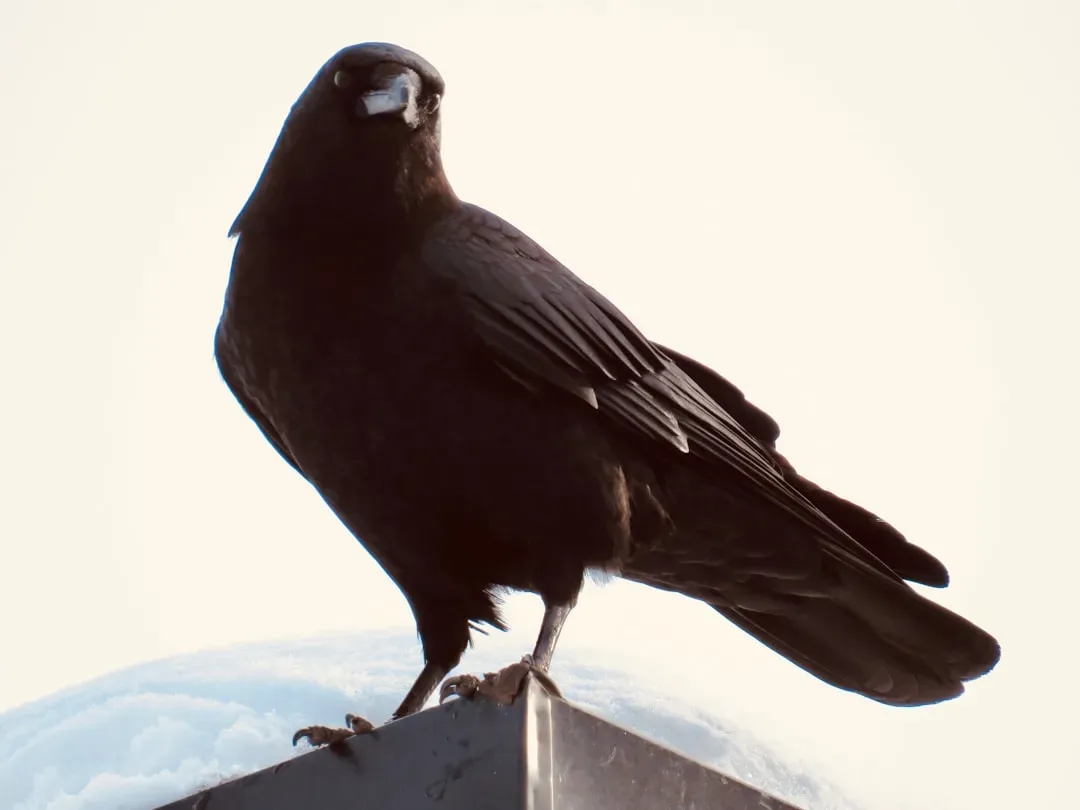
Here is where it gets practical for you: you can treat crow behavior as one more clue in your personal weather toolkit. Start by simply paying attention to what “normal” looks like where you live. When do crows usually show up? How noisy are they on an average day? Do they prefer rooftops, trees, fields, or power lines in your area? The better you know their baseline, the easier it will be to spot something off.
On days when the forecast even hints at storms, watch for sudden, coordinated shifts: large numbers of crows arriving quickly, restless flights back and forth, unusually intense calling, or mass movement toward dense shelter. If that behavior lines up with a darkening sky, rising wind, or that eerie feeling of calm, take it seriously. You do not need to panic, but you can close windows, move cars under cover, charge devices, and check official weather alerts instead of waiting to be surprised.
The Limits: Why You Should Never Rely on Crows Instead of Warnings
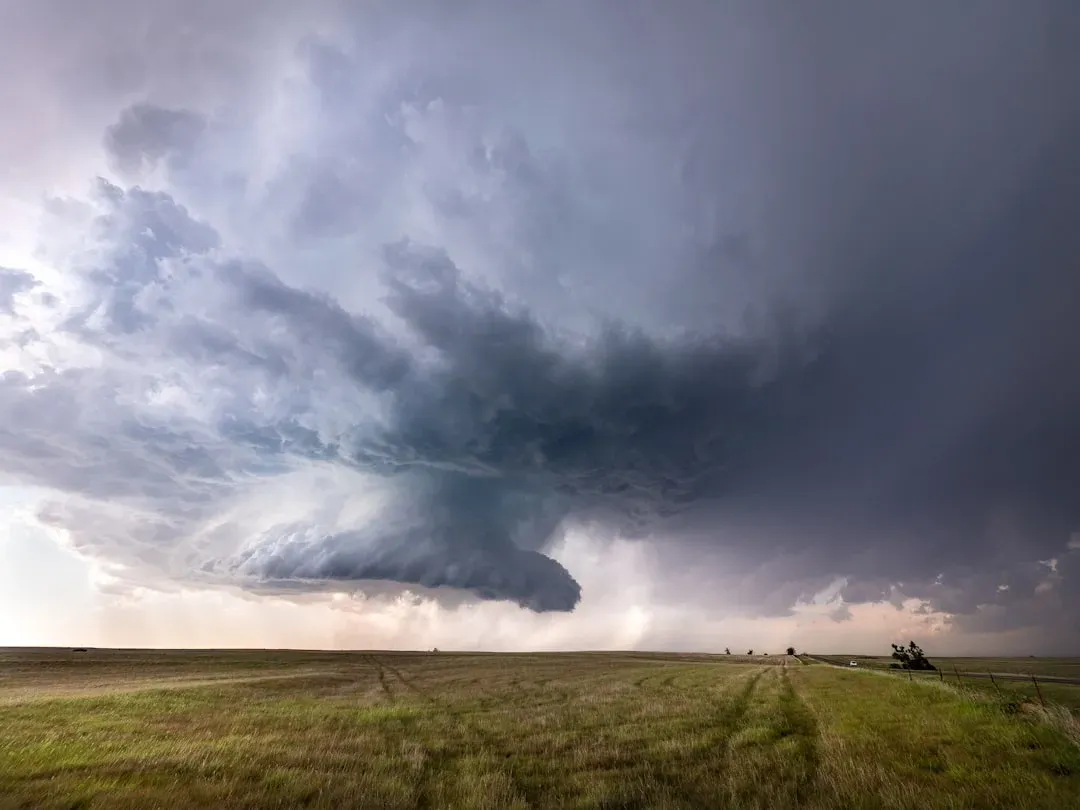
As tempting as it is to imagine that you can predict tornado formation six hours early just by glancing at a few crows, you should resist that idea. Tornadoes are complex, localized events that even the best models and radars still struggle to pinpoint. Some severe storms never produce tornadoes at all, and some tornadoes spin up with little obvious warning. There will be days when crows act restless and nothing dramatic happens, and other days when a dangerous storm hits even though the birds seemed calm.
Because of that, crow behavior should never replace official forecasts, sirens, or smartphone alerts. Instead, treat it like you would treat a friend texting that the sky looks scary in their part of town: it is useful information, but not the whole picture. If your observations of crows and other wildlife nudge you to check a radar app more often or to take a watch more seriously, that is a win. Just do not gamble your safety on a single, unproven signal, no matter how dramatic or mysterious it looks.
How This Fits into the Bigger Trend of Animal‑Based Early Warnings
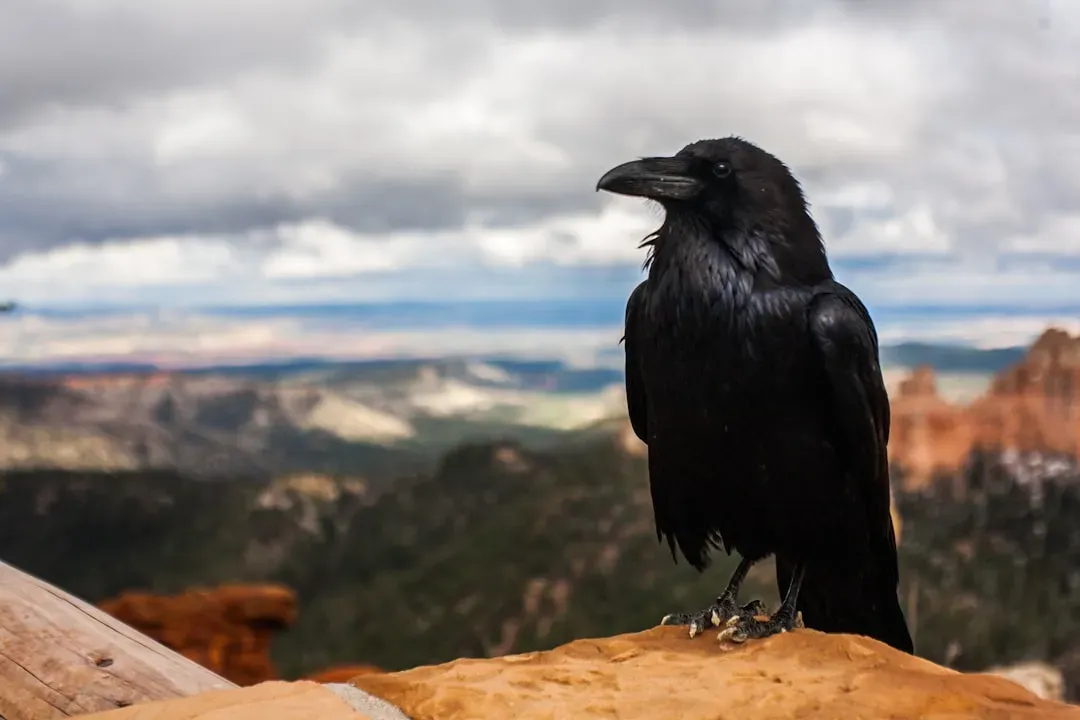
You are living in a time when scientists are quietly exploring whether animals can help improve many kinds of early‑warning systems. Researchers have studied how some animals react minutes or hours before earthquakes, volcanic eruptions, or tsunamis, though the evidence is still mixed and often anecdotal. With storms, there is growing interest in linking large‑scale movement data from birds, bats, and insects with the atmospheric measurements meteorologists already use.
In this bigger picture, crows are just one visible, familiar piece of a global, living sensor network. You can stand in your backyard and watch a flock, but scientists might one day be peering at data showing millions of birds subtly shifting altitude ahead of a major outbreak of storms. For now, that vision is more research frontier than everyday reality, yet it points to a future where the line between ecology and meteorology gets thinner. You, as a regular observer, are part of that story every time you notice something odd and take it seriously enough to ask why.
Training Your Own “Crow Radar” Without Losing Perspective
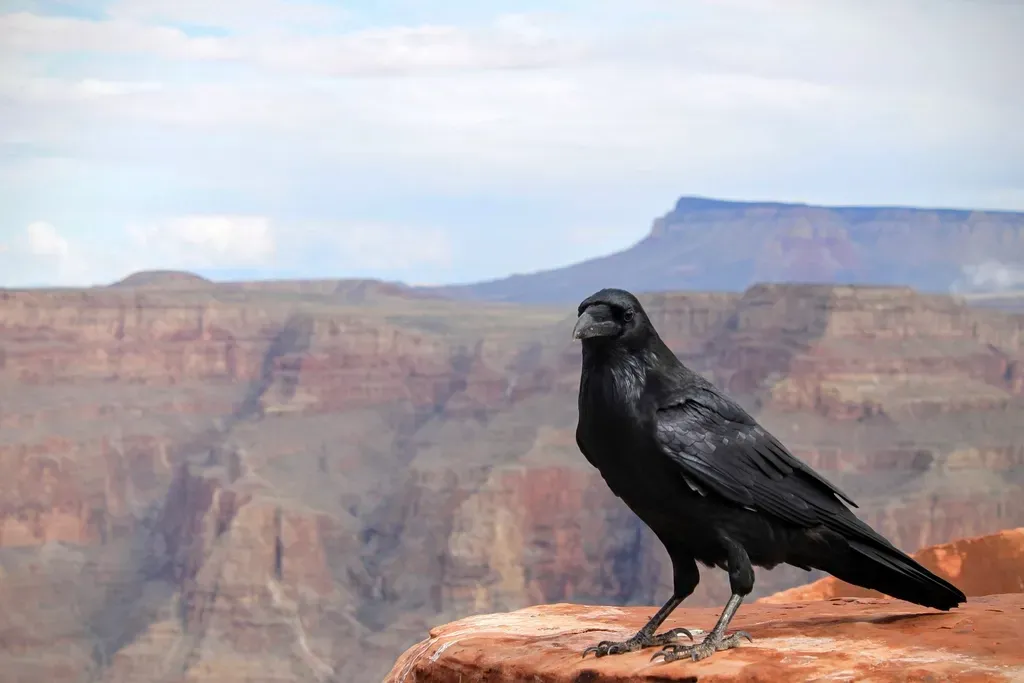
If you want to quietly build your own crow‑based sense for storms, you can treat it like a long, personal science project. Keep a simple notebook or a notes app where you jot down what you see: time of day, number of crows, how they are acting, and what the weather is doing before and after. Over time, you will start to see patterns that mean something to you, in your specific neighborhood and climate, instead of relying only on dramatic stories you hear from other people.
When you notice a possible connection between crow behavior and rough weather, compare it with local radar or storm reports later. Did a strong line of storms pass within a few hours? Did a warning go out? Or did conditions stay relatively calm? By doing this, you train yourself to distinguish between coincidence and meaningful signals. You end up with a grounded, realistic sense of how helpful the crows really are for you, rather than buying into bold claims that sound impressive but skip the nuance.
Conclusion: Let the Crows Nudge You, But Let the Radar Protect You
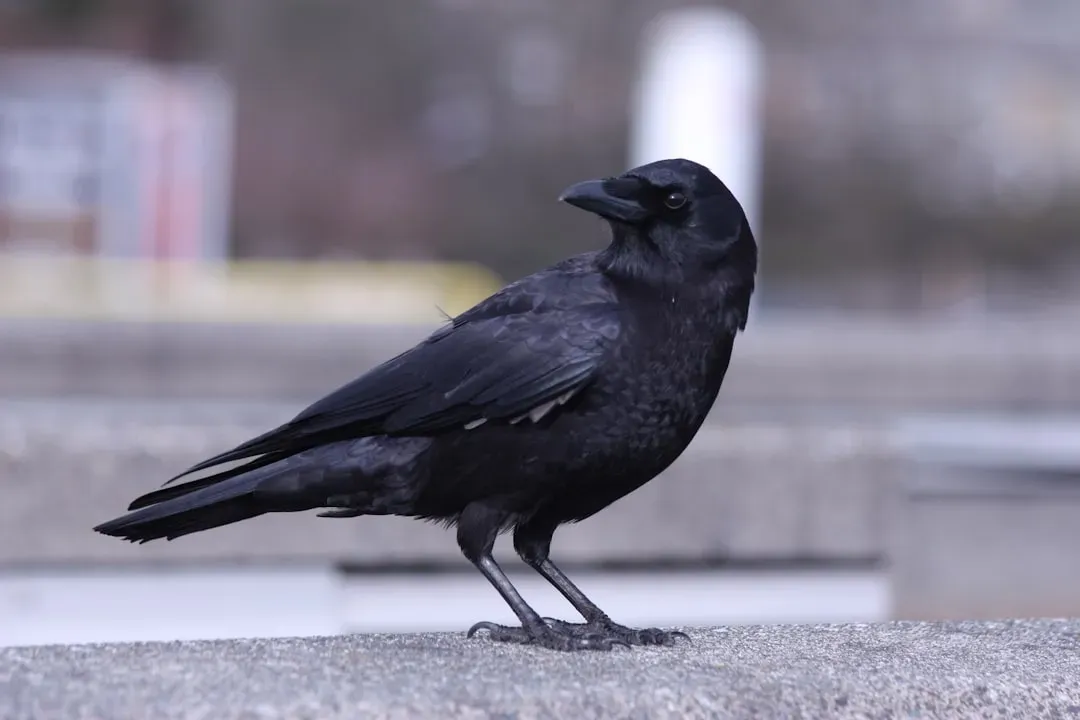
When you step outside before a storm and see crows circling low, shouting into the wind, or clustering in sudden, uneasy groups, you are watching wild instincts collide with the same forces that power your weather app. You do not need to pretend that those birds give you a guaranteed, six‑hour countdown to tornado formation to still learn something from them. By paying attention, you connect more deeply with your environment and sometimes get a useful, emotional jolt to take the forecast seriously.
In the end, the smartest move is simple: let the crows be your early nudge and the meteorologists be your shield. You use the birds to raise your curiosity, to spark a double‑check of official alerts, and to remind yourself that you are part of a living system that senses danger in many ways at once. The next time the sky feels off and the crows are telling you so with every beat of their wings, will you listen just a little more closely?