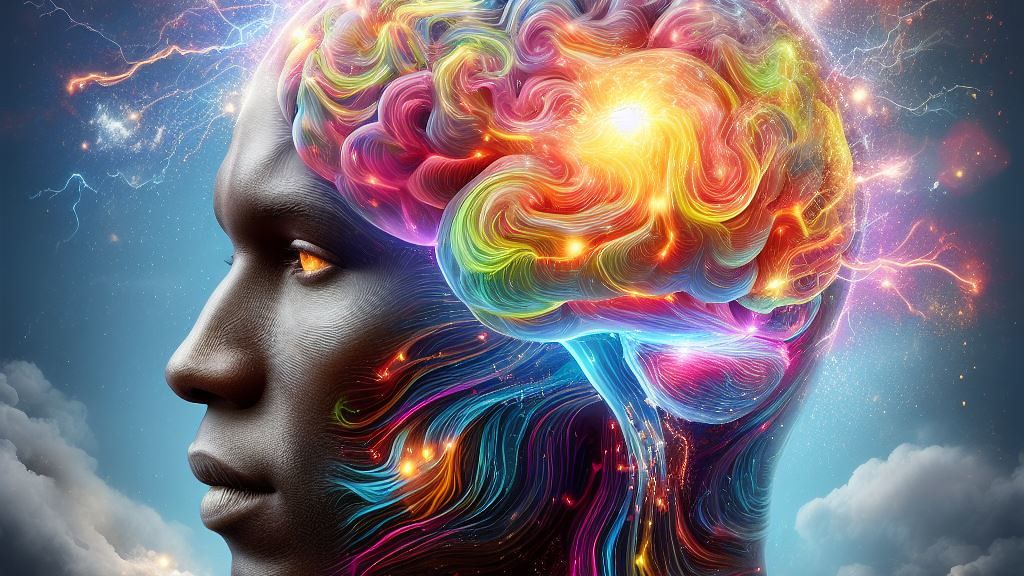
Try this for a second: notice the screen in front of you, the slight tension in your shoulders, the faint hum in the background, the quiet sense of being you. That simple feeling of awareness is so familiar that it almost disappears from view, yet it might be the strangest thing in the universe. We can point telescopes at distant galaxies and smash particles together at nearly the speed of light, but explaining why anything feels like something from the inside still leaves science uncomfortably stumped.
That is the heart of the consciousness puzzle. It is not just about brains firing or behavior patterns. It is about the raw fact that there is an inner movie playing at all. Every time you feel pain, taste coffee, or worry about the future, you are bumping into a problem that has outsmarted philosophers for centuries and now quietly haunts neuroscientists, psychologists, physicists, and AI researchers. Once you see how deep the mystery goes, it is hard to unsee it.
The Hard Problem: Why Is There Anything It Is Like To Be You?
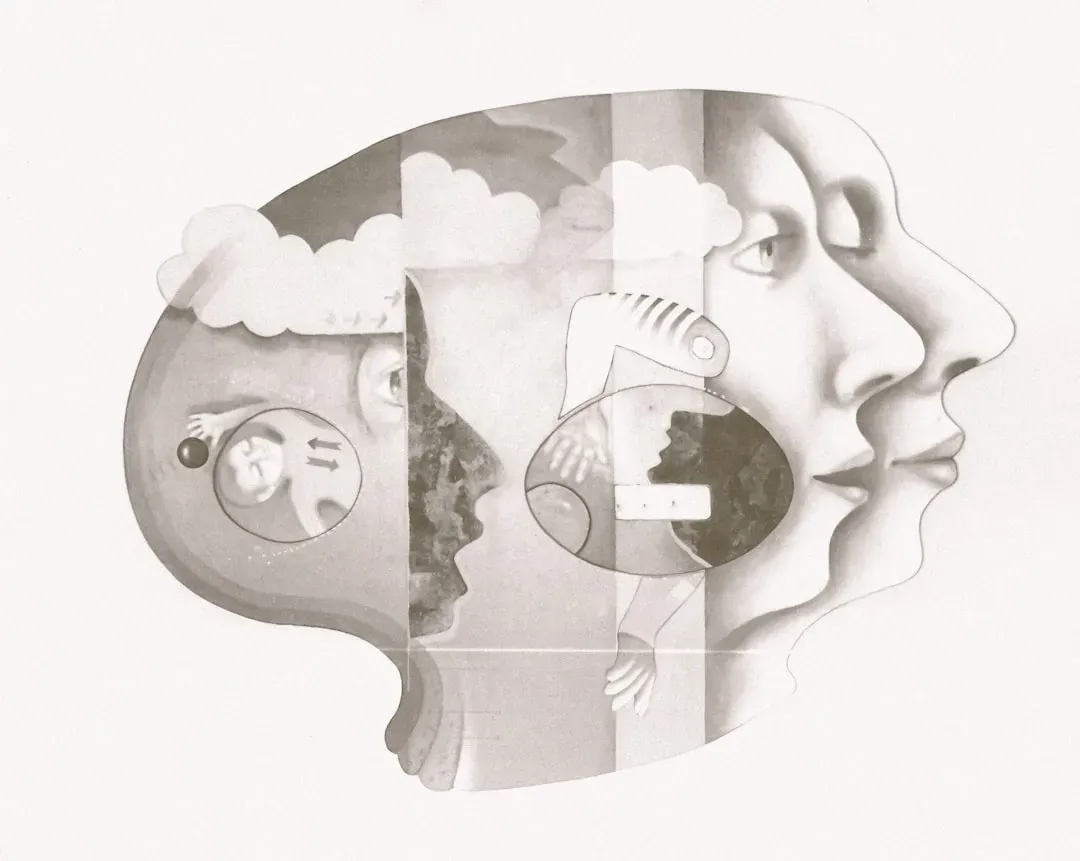
Here is the unsettling part: we can describe the brain in exquisite detail and still miss the one thing that matters most to us, the feeling of experience itself. Your brain converts light into electrical signals, processes edges and colors, and reconstructs objects in space, but none of that description tells us why seeing a sunset feels warm and beautiful instead of just being a useful computation. We can track neurons that fire when you stub your toe, yet the firing pattern alone does not logically explain why pain hurts rather than being a silent, neutral signal.
This gap is often called the “hard problem” of consciousness: how and why subjective experience arises from physical processes at all. It goes beyond the so‑called “easy problems” of explaining attention, memory, or behavior, which are difficult but at least seem solvable in ordinary scientific terms. The hard problem asks why there is a first‑person point of view rather than just clever information processing with no one home. It is like fully understanding the hardware and software of a computer yet still having no idea how those circuits could ever produce the feeling of heartbreak or joy.
Brains, Neurons, and the Limits of Mapping the Machinery
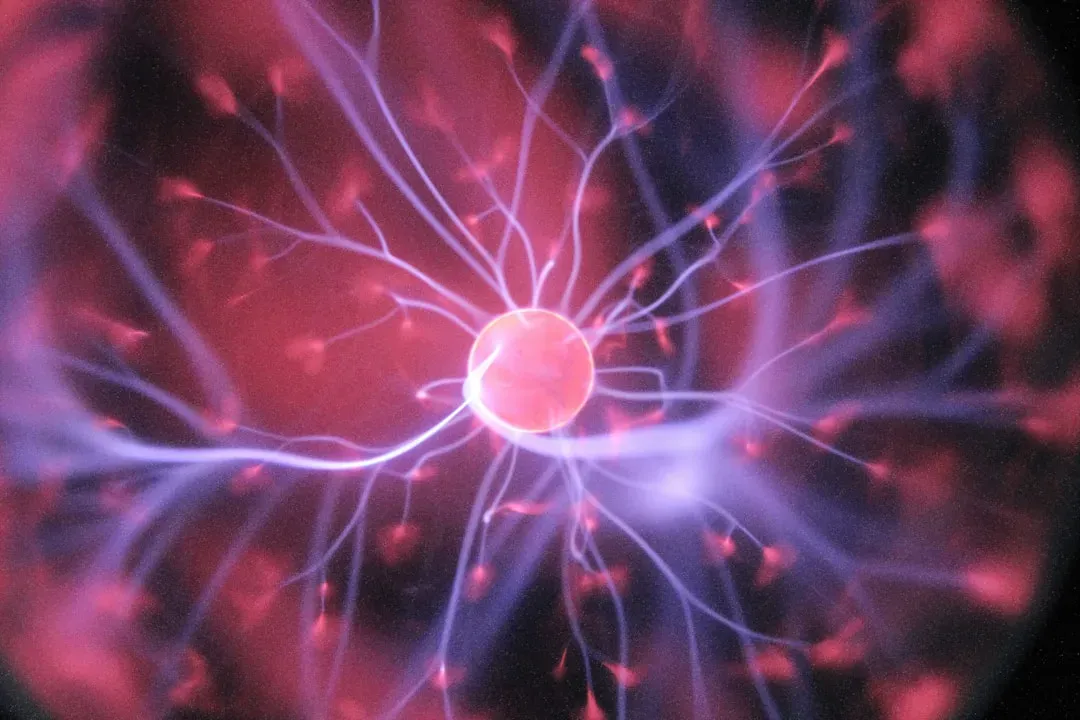
Modern neuroscience has been incredibly successful at mapping which brain regions light up when we see, hear, decide, or move. We can identify circuits tied to vision, language, fear, or reward, and even predict certain choices seconds before you consciously notice making them. That progress can make it feel as though we are on the brink of solving consciousness just by getting better scanners, better models, and bigger datasets. It is tempting to think that once we know every connection and firing pattern, the mystery will evaporate.
But there is a stubborn catch. Knowing the “where” and “how” of neural activity does not automatically yield the “what it feels like.” Imagine labeling every component in a car engine and understanding how fuel, air, and sparks create motion. You still would not have explained what it is like to feel the wind on your face while driving down an open road. In the same way, neuroscience gives us a detailed user manual for the machinery of consciousness without yet explaining why that machinery is accompanied by an inner world, rather than operating in darkness.
Philosophical Puzzles: Zombies, Inverted Colors, and the Self
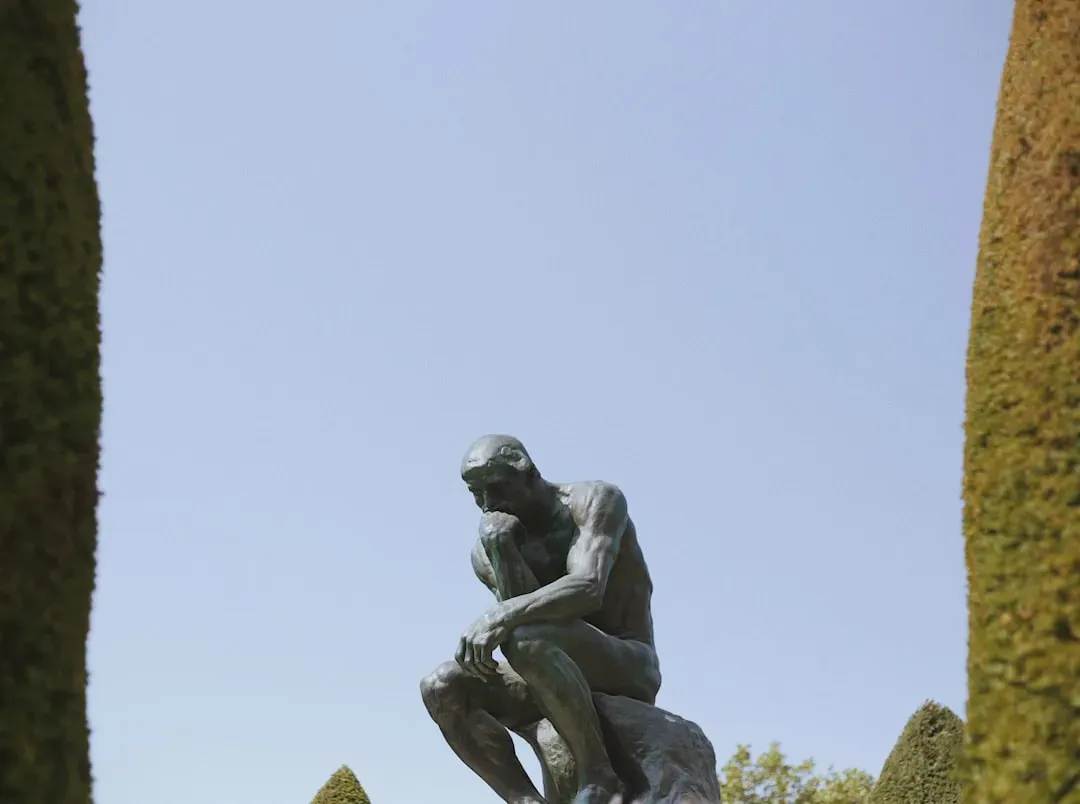
Philosophers have spent decades, even centuries, sharpening the weirdness of consciousness with thought experiments that refuse to go away. One famous example imagines a “zombie” that is physically identical to you, behaves exactly like you, and passes every scientific test, but supposedly has no inner experience. If such a creature is even logically possible, it suggests that all our physical measurements might still leave something out: the actual feeling of being alive from the inside. Another puzzle asks whether your experience of red could be like someone else’s experience of green, even though you both call stop signs “red” and coordinate your behavior perfectly.
Then there is the slippery nature of the self. When you look for the “you” inside your mind, you do not find a little control room or a central observer. Instead, you find a constantly shifting bundle of memories, emotions, stories, and habits, all woven into a narrative that feels solid but is actually fragile and constructed. These puzzles are not just intellectual games. They highlight that our current concepts might be too blunt to fully capture what consciousness really is, and they force science to confront questions that do not fit neatly into standard experimental boxes.
Can Pure Computation Ever Truly Feel Anything?
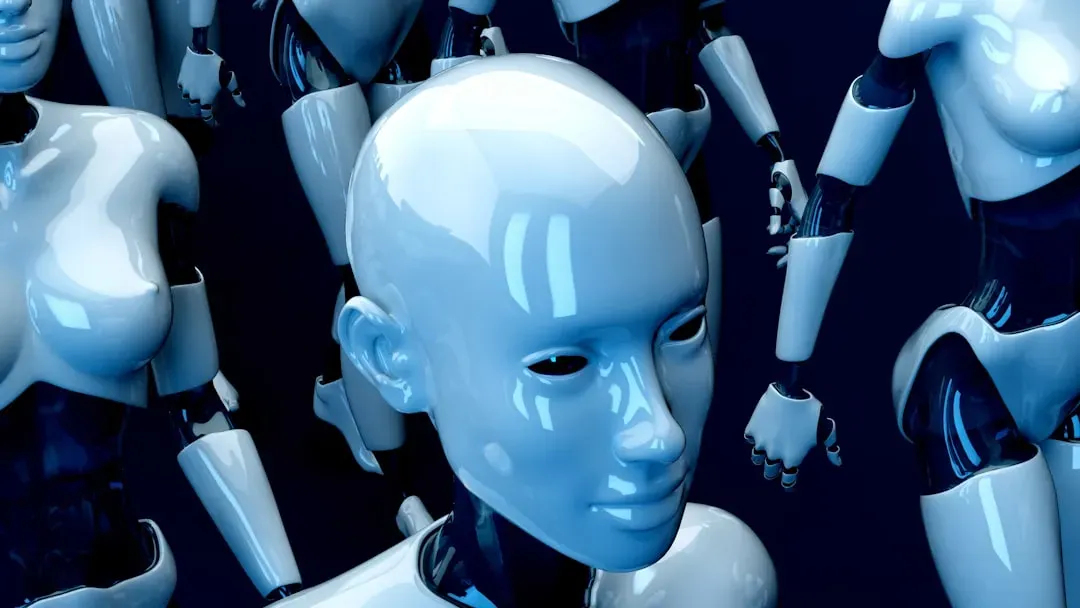
As artificial intelligence gets more sophisticated, a once‑abstract question has become uncomfortably practical: if you build a system that talks like us, plans like us, and appears to understand the world, is it actually conscious or just a brilliant imitator? Traditional views in computer science suggest that if you implement the right computations, you automatically get understanding and maybe even experience. In that picture, the physical substrate does not matter as long as the information processing structure is correct, so a brain and a silicon chip could, in principle, host the same kind of mind.
But many people, including some scientists, do not buy that this leap is guaranteed. They suspect there might be something about biological brains, maybe their chemistry or their fine‑grained dynamics, that matters in a way that raw computation cannot capture. The tension shows up in everyday conversations about chatbots and robots: if a machine says it is in pain, are we morally obligated to care, or is it just parroting human words? Until we have a better theory of what consciousness depends on, we are stuck balancing between naive anthropomorphism and cold dismissal, with real ethical stakes hanging in the balance.
Integrated Information, Global Workspaces, and Other Bold Theories

To tackle the problem head‑on, researchers have proposed ambitious theories that try to connect specific physical or computational patterns with conscious experience. Global workspace ideas, for example, picture consciousness as what happens when information becomes globally available across many specialized brain systems, like a central stage where different processes can access the same data. Integrated information approaches, on the other hand, focus on how deeply a system’s parts depend on and inform each other, suggesting that consciousness might track some measure of how unified and irreducible a system’s internal cause‑and‑effect structure is.
These theories are fascinating because they generate testable predictions: change certain patterns of connectivity or synchronization, and you should see consciousness fade or return, as in anesthesia or deep sleep. At the same time, they are controversial and incomplete, and they disagree on key points about what really matters. None has yet achieved the status of a widely accepted “standard model” the way we have in particle physics. If anything, the disagreements make the situation more dramatic: multiple camps, each claiming to sketch the deep structure of subjective experience, and none yet able to close the case.
Physics, Panpsychism, and the Temptation to Rewrite Reality
Because the usual tools feel inadequate, some thinkers have suggested we might need to revise our basic picture of reality to make room for consciousness. One radical family of views, sometimes grouped under panpsychism, entertains the idea that consciousness, in some extremely primitive form, might be a fundamental feature of the universe, a bit like mass or charge. On that picture, complex brains do not create experience from nothing; they organize and amplify a basic kind of proto‑experience that was already woven into the fabric of matter. It sounds wild, but it is at least a clear attempt to avoid the magic leap from dead particles to living minds.
Other approaches flirt with the idea that quantum mechanics, with its strange entanglement and measurement puzzles, could play a special role in consciousness. These ideas are highly speculative and often criticized, but they share a common instinct: maybe our current physical picture leaves out something that would make the existence of experience less mysterious. Personally, I think the risk is swinging too far into metaphysical speculation when we still have a lot of conventional neuroscience left to do, but I also understand why people feel driven to crack open the foundations. When the standard toolbox fails, you start wondering if you need a different workshop.
Why Consciousness Might Be Uniquely Hard Compared to Other Big Mysteries
Science has handled some towering puzzles before: the origins of the universe, the workings of DNA, the unification of electricity and magnetism. Those problems were massive, but they all had one key advantage over consciousness: we could observe them from the outside in a straightforward way. Consciousness is different because it is defined by the first‑person point of view, by what it feels like from within. We only ever access it indirectly in others, through behavior and brain activity, and directly only in ourselves, where it resists clean measurement.
That dual aspect makes it a deeply awkward object of study. If we focus only on third‑person data, we risk ignoring the very thing we are trying to explain, reducing experience to patterns and pretending the subjective side does not matter. If we lean too hard on introspection, we end up with private reports that are messy, biased, and hard to compare. Consciousness sits right at the intersection of physics, biology, psychology, philosophy, and even computer science, which is exciting but also chaotic. No other major scientific problem forces us to juggle so many different ways of knowing at once.
Why This Mystery Matters for Ethics, Identity, and the Future of AI
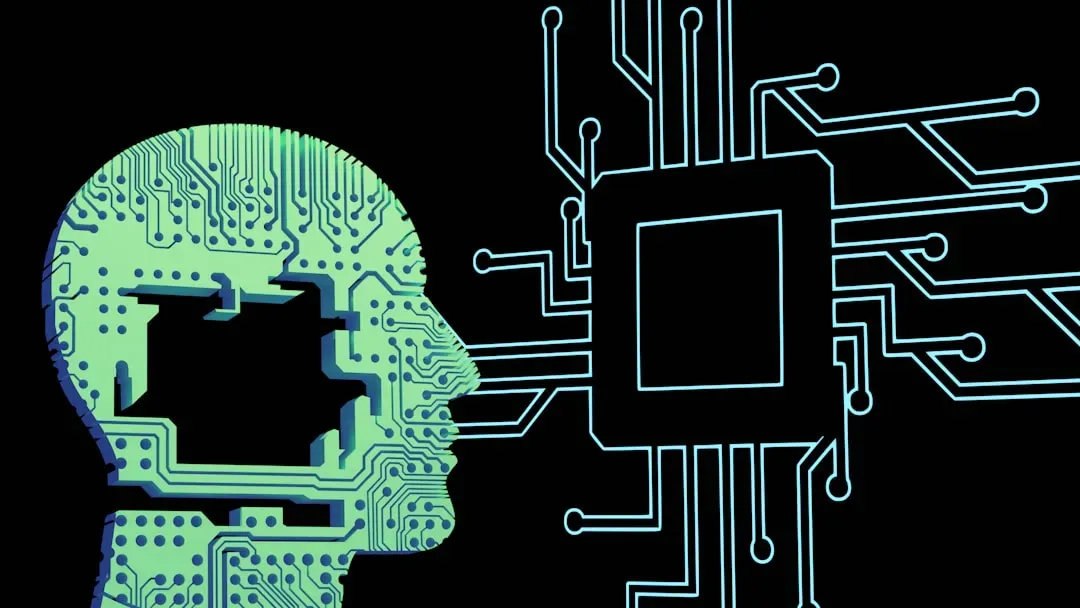
It might be tempting to treat consciousness as a kind of abstract curiosity, like an especially intricate logic puzzle for people who enjoy late‑night arguments, but it cuts much deeper than that. Our entire sense of moral value is tied, one way or another, to conscious experience: we care about pain, joy, fear, and hope precisely because they are felt from the inside. If we cannot say with confidence which beings are conscious and how, we are flying blind when it comes to questions about animal welfare, end‑of‑life care, or the rights of potentially sentient machines.
The stakes are only going to grow as technology accelerates. If we build AI systems that convincingly claim to suffer, or if we create neural organoids and brain‑computer hybrids in the lab, we will need more than gut feelings to decide how to treat them. At the same time, a deeper understanding of consciousness could reshape how we think about personal identity, mental illness, free will, and even spiritual experience. This is not just an abstract scientific frontier; it is a mirror held up to everything we think we are, and the choices we make in the coming decades may age either as moral breakthroughs or as horrifying blind spots.
Conclusion: The Beautiful, Infuriating Mystery We Cannot Walk Away From
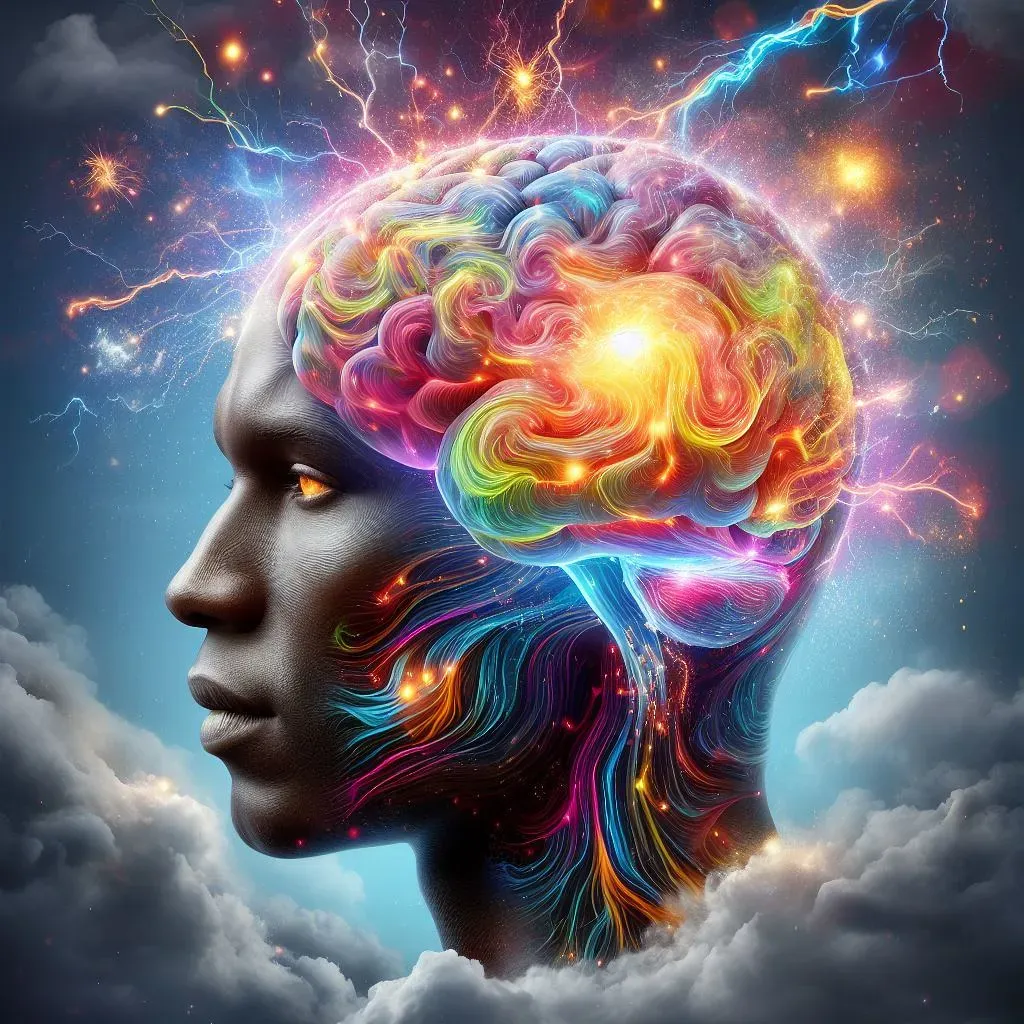
I think consciousness is the greatest unsolved problem in science because it attacks our confidence at the root. It tells us that even when we have dazzling scans, powerful theories, and breathtaking simulations, we might still be missing the one feature that gives life its meaning from the inside. Other mysteries feel like distant mountains waiting to be climbed; this one feels more like the ground under our feet suddenly turning strange. You can ignore it for a while, but every time you wake up from a dream or feel a sudden wave of nostalgia, the question quietly taps you on the shoulder again.
My honest guess is that we will eventually make progress, but not by simply scaling up what we are already doing. We will probably need new concepts, new cross‑disciplinary tools, and maybe even a slightly humbler picture of what explanation itself can achieve. Still, I find that humbling and thrilling rather than depressing. There is something oddly comforting in knowing that the everyday fact of being you is also one of the deepest riddles the universe has to offer. When you look around your own mind tonight, will you see just familiar thoughts, or will you feel the strangeness of the greatest unsolved problem staring quietly back at you?