

You know that weird feeling when your body jerks you back from a curb just as a car flies past, and only a heartbeat later you realize how close you were to disaster? It feels almost supernatural, like some hidden part of you saw the future before your conscious brain caught up. What you are actually feeling is a very real, deeply wired neural pathway that is built to keep you alive by reacting before you have time to think.
Once you understand how this pathway works, a lot of everyday experiences suddenly make sense: the instant flinch when someone swings their arm nearby, the full-body jolt during a jump scare, or that cold, shaky feeling after a near-miss. You are not overreacting or being dramatic; your nervous system is doing exactly what it was shaped over millions of years to do. Let’s walk through what is really happening inside your brain and body in those split seconds when danger shows up and you respond without even knowing why.
The Fast Track: How Your Brain Takes a Shortcut Around Conscious Thought

When your body senses danger, the information from your eyes, ears, and skin does not always take the slow, thoughtful route through your brain. Instead, it can jump onto a fast track that bypasses your conscious awareness. Signals from your senses go first to a relay hub called the thalamus, and from there they can be sent straight to your fear center, the amygdala, before your higher thinking areas have really processed what is going on.
This shortcut means you can start reacting in a fraction of a second, well before you could form a conscious thought like “That looks dangerous.” You might duck, gasp, freeze, or pull your hand away while your thinking brain is still asking, “What just happened?” Later, your cortex – the part of your brain that handles reasoning and interpretation – catches up, reviews the situation, and decides whether the reaction was appropriate or not. That is why sometimes you laugh in embarrassment after jumping at a harmless shadow: your conscious mind arrives late to a party your survival circuits have already thrown.
Your Survival Radar: The Amygdala as Your Internal Alarm System
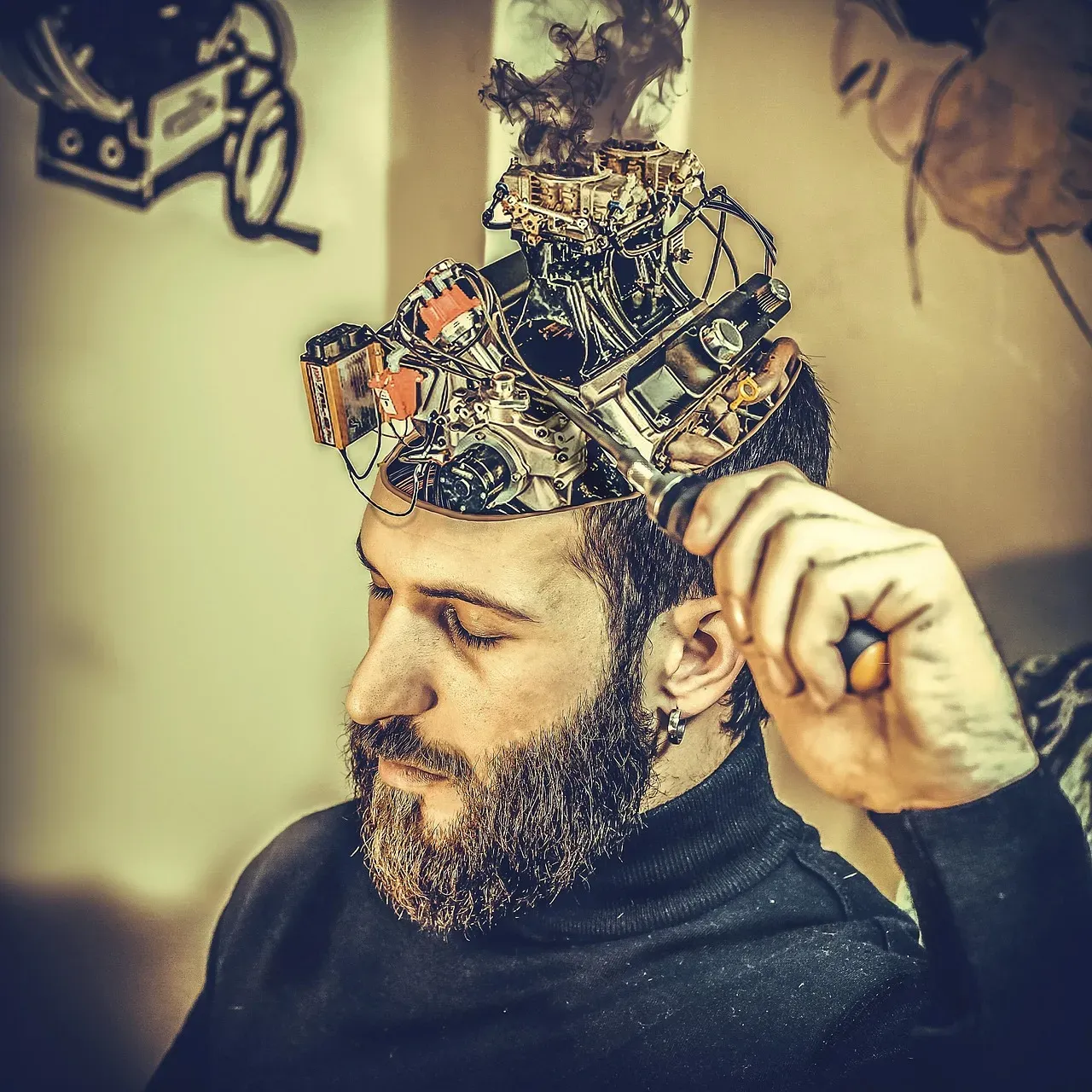
If you imagine your brain as a busy city, the amygdala is like the emergency siren tower, always scanning for hints of trouble. You do not actively tell it what to look for; it constantly compares what you are sensing with patterns it has learned from past experiences, memories, and even things you have been told are dangerous. When it detects anything that could spell threat – sharp movement, loud noise, a certain tone of voice – it slams the alarm button.
Once that alarm is hit, you feel it almost instantly in your body. Your heart rate speeds up, your muscles tense, and you may feel your stomach drop or your hands go cold. You might not have any clear idea yet of what you are reacting to, but the amygdala has already decided that it is better to be safe than sorry. It is a bit like having an overcautious friend who yanks you away from the edge of a cliff first and only then explains what they saw.
The Fear Reflex: From Senses to Startle in a Split Second

Sometimes your reaction to danger does not even wait on the amygdala to fully weigh in. You have built-in reflex circuits that run through your spinal cord and brainstem, allowing you to move before you have consciously registered why. When you touch something painfully hot and your hand snaps back, that withdrawal reflex can complete its loop without needing your conscious approval at all.
The classic full-body startle response – the sudden flinch, blink, and muscle jerk when you hear a loud bang – also leans heavily on these rapid circuits. Your ears pick up the sound, the signal races to lower brain areas, and your body is already moving before your conscious mind has a chance to label it as a slammed door or a firecracker. You might feel silly for jumping, but your nervous system is doing its job: treating every unexplained shock as potentially life-threatening until proven otherwise.
The Hormone Surge: How Your Body Flips Into Fight-or-Flight Mode
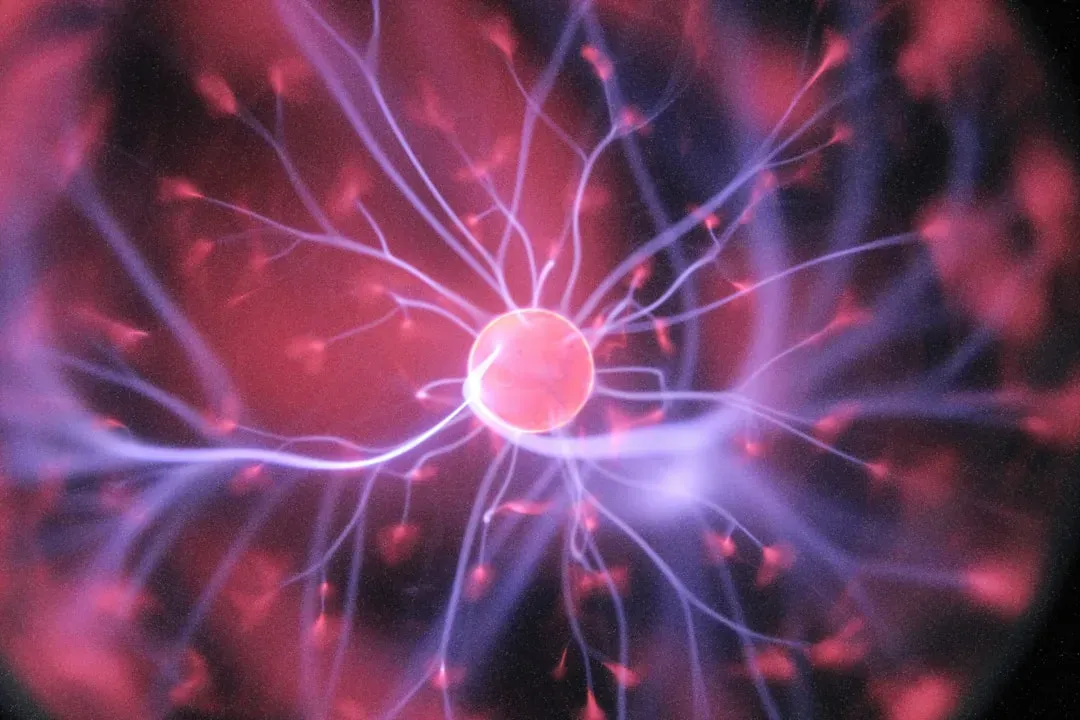
As soon as your brain’s alarm systems light up, they send a direct order to your body’s stress machinery: the hypothalamus in your brain signals your adrenal glands, which sit above your kidneys, to flood your bloodstream with adrenaline and related hormones. You feel this as a rush – your heart pounding harder, your breathing getting faster, your senses sharpening. You may not yet know what the danger is, but your body is already powering up for action.
This fight-or-flight mode is designed to give you a temporary performance boost. Blood is shunted away from digestion and toward your muscles, your pupils widen to take in more light, and your brain shifts its priorities from long-term planning to short-term survival. It is like your whole system hits an emergency override, temporarily pausing nonessential tasks so you can run, fight, or at least react faster than you normally would. Only after the surge eases do you often realize how shaky, sweaty, or drained you feel.
The Role of Memory: Why Old Scars Make You React Faster

Your danger circuits do not just respond to what is happening right now; they draw heavily on what you have already lived through. The amygdala and related structures store emotional memories, especially those tied to fear and pain. If you have ever had a bad accident on a bike, for example, you might find your body tensing every time a car passes too close, long before you calmly think, “This feels unsafe.”
Even if you cannot consciously recall all the details of a past event, your brain has saved the emotional pattern. That is why certain sounds, smells, or places can trigger a surge of fear or unease that feels out of proportion to what is in front of you. Your survival system is essentially saying, “Last time something like this happened, it hurt. Let us react early this time.” In a way, you are carrying a hidden library of past dangers that quietly shapes how quickly you respond to new ones.
When the System Misfires: Anxiety, Hypervigilance, and False Alarms

Because your danger pathway is tuned to favor safety over precision, it is naturally prone to false alarms. If you live with high levels of stress, anxiety, or past trauma, this system can become especially jumpy. You might notice yourself constantly on edge, startling at small noises, reading neutral situations as threatening, or feeling a wave of fear without any clear trigger you can point to.
In those cases, your amygdala and stress circuits may be firing too easily and too often, while your conscious, reasoning brain struggles to keep things in perspective. It is as if your internal smoke detector has become so sensitive that it blares not only for house fires, but also for burnt toast. Understanding that this is a wiring issue, not a personal failing, can actually be comforting. It means you are not weak or broken; you simply have an alarm system that needs recalibration, often through therapy, stress reduction, or targeted practices that teach your brain what is truly dangerous and what is not.
Listening to Your Gut: When Preconscious Signals Help You Stay Safe

Sometimes your danger system does not show up as an obvious startle or jolt. Instead, it feels like a quiet gut feeling: a bit of unease around a person, a subtle urge to leave a place, a sense that something is off even though you cannot explain why. In many cases, this is your brain picking up on micro-signals – tone of voice, posture, timing, context – that your conscious mind has not yet pieced together logically.
This does not mean that every gut feeling is accurate or that you should obey every twitch of discomfort without question. But it does mean that dismissing your body’s early warnings entirely can leave you more exposed than you realize. A useful approach is to treat those signals as early alerts worth checking out: slow down, look around, gather more information, and respect the possibility that your deeper wiring has noticed something real. Over time, you can get better at telling the difference between anxiety-driven noise and genuinely helpful intuition.
Conclusion: Your Hidden Guardian Working in the Background

When you step back and look at the whole picture, you realize your body is not being dramatic when it reacts to danger before you understand what is happening. A complex, finely tuned pathway – from your senses, to your thalamus, to your amygdala, brainstem, and hormones – is constantly working behind the scenes to buy you precious milliseconds. Those automatic flinches, jumps, gut feelings, and adrenaline rushes are not random; they are your nervous system doing exactly what it was built to do: keep you alive first, explain things later.
Knowing this, you can cut yourself some slack the next time you overreact to a loud noise or feel shaken by a close call. You can also start to work with this system instead of fighting it: honoring your body’s early signals, training better reflexes, and seeking help when the alarms will not quiet down. In a way, you are sharing your life with a built-in guardian that never sleeps and never stops scanning for risk. How differently might you treat your own fear responses if you saw them not as weaknesses, but as the best efforts of an ancient protector trying its hardest to keep you here?