
When you think about massive creatures roaming Earth, your mind probably jumps to whales or elephants. Those are the warm-blooded giants, sure, the ones that generate their own heat and maintain stable internal temperatures no matter the weather. However, there exists an entirely different category of titans that depend on their surroundings to regulate their body temperature. These cold-blooded behemoths might not generate their own warmth internally, but they’ve evolved impressive adaptations that allow them to thrive across oceans, rivers, and coastal environments around the globe.
Here’s the thing: size comes with its own set of challenges when you’re cold-blooded. You need external heat sources like sunlight or warm water to keep your metabolism running efficiently. Yet despite this limitation, some of these ectothermic creatures have grown to staggering proportions that rival anything with fur or feathers. Let’s explore the truly enormous cold-blooded animals that share our planet .
The Whale Shark: Ocean’s Gentle Giant Filter Feeder
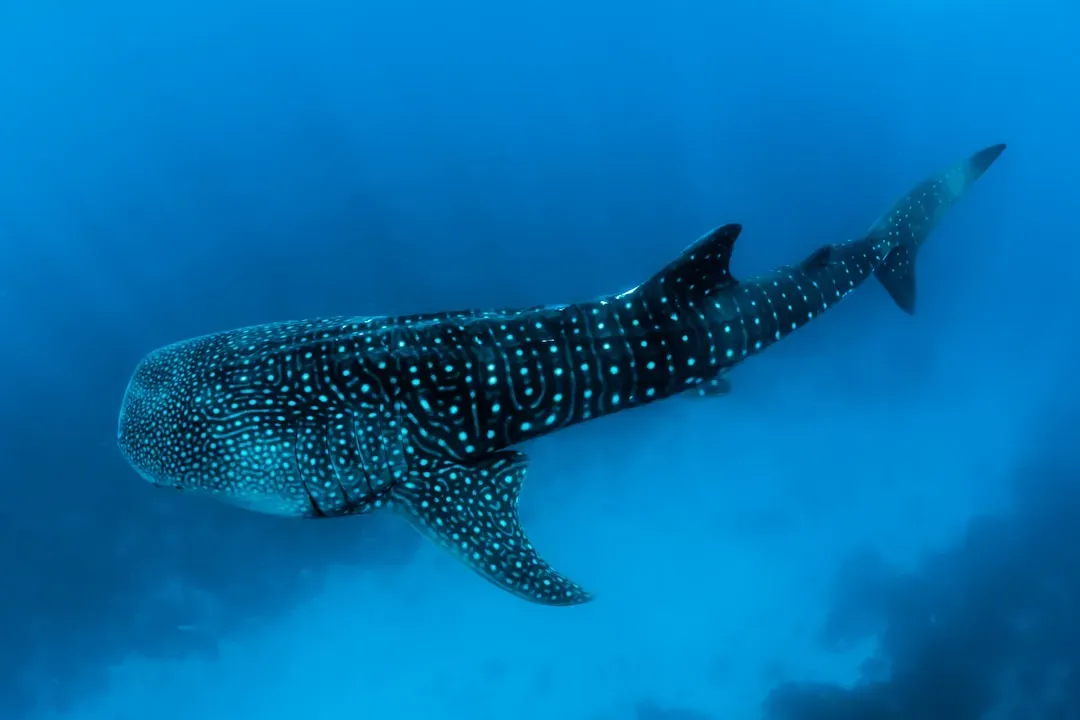
The whale shark holds the title as the largest fish species currently swimming in our oceans, with individuals reaching lengths exceeding 40 feet and the largest confirmed specimen measuring nearly 62 feet. Think about that for a moment. This is a fish longer than most city buses, yet it feeds primarily on some of the smallest creatures in the sea.
These massive filter feeders consume plankton, krill, fish eggs, and small schooling fish by processing over 6,000 liters of water per hour through their specialized gill pads. Despite their imposing size, they’re remarkably docile. Whale sharks pose no significant threat to humans, and divers actively seek them out for once-in-a-lifetime encounters.
Honestly, it’s hard to imagine such a massive creature surviving almost entirely on microscopic food particles. Whale sharks inhabit tropical ocean waters worldwide and are rarely found in water below 21 degrees Celsius, with estimated lifespans between 80 and 130 years. Their spotted pattern is unique to each individual, like fingerprints on a truly enormous scale.
The Saltwater Crocodile: Apex Predator of Coastal Waters
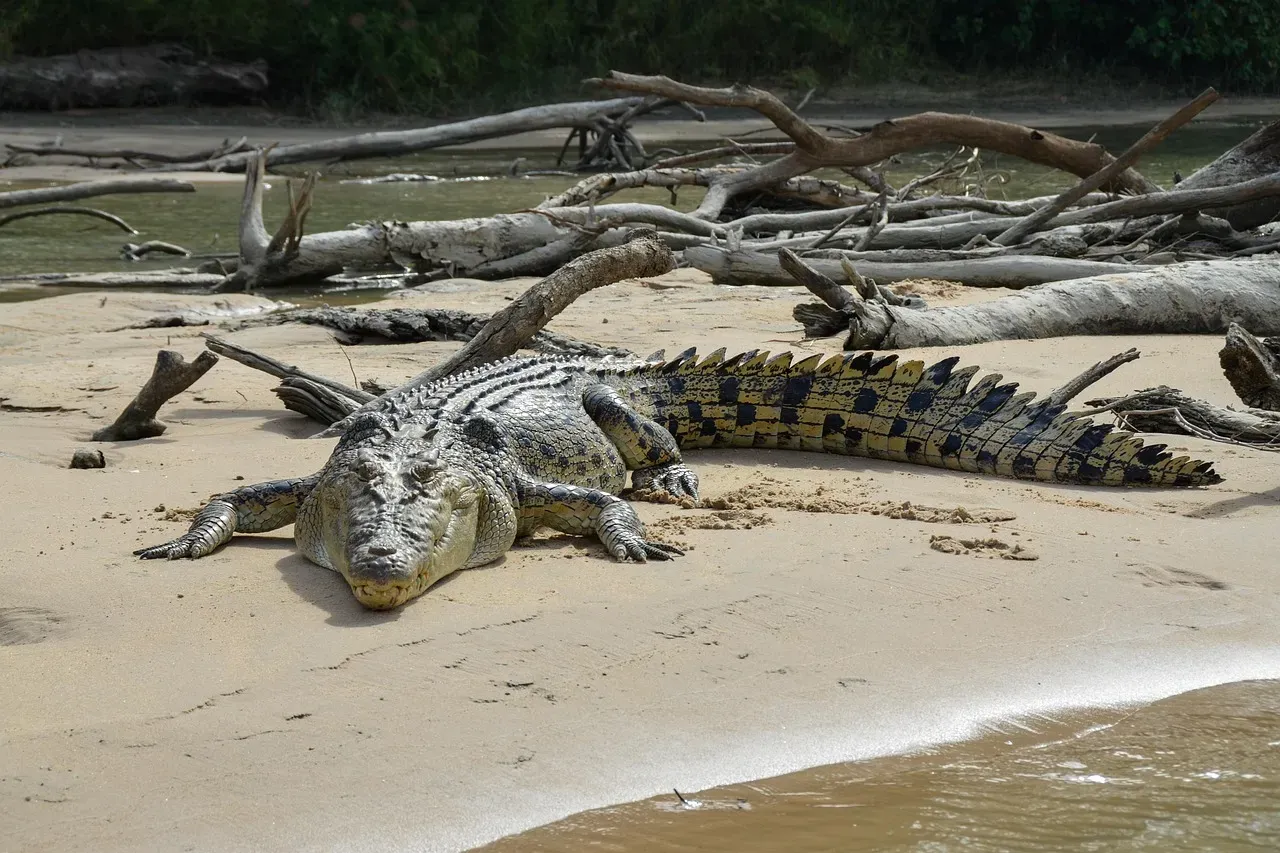
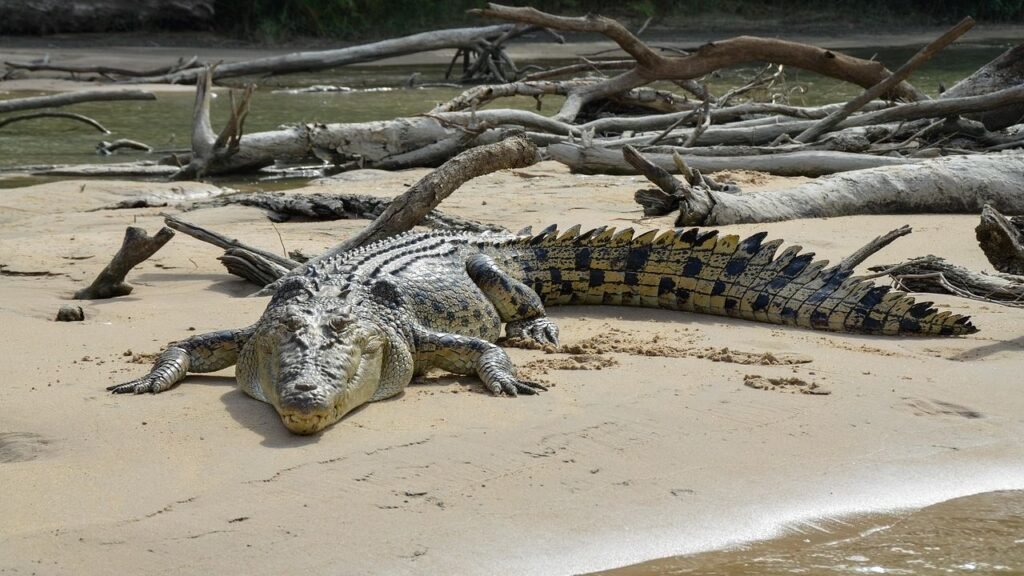
Saltwater crocodiles are the largest extant riparian predators in the world and the heaviest living reptiles, with confirmed records up to 6.17 metres long and 1,075 kilograms. Let’s be real – when you encounter one of these prehistoric-looking beasts, you’re staring at what is essentially a living dinosaur.
Average-size males reach 17 feet and 1,000 pounds, but but unconfirmed reports of specimens up to 23 feet long and weighing 2,200 pounds exist. They dominate the brackish and freshwater regions spanning from eastern India through Southeast Asia to northern Australia. These classic opportunistic predators lurk patiently beneath the surface near water’s edge, feeding on anything they can get their jaws on, including water buffalo, monkeys, wild boar, and even sharks, exploding from the water with a thrash of their powerful tails.
What’s particularly unnerving is their patience. They can remain motionless for hours, waiting for the perfect moment to strike. Saltwater crocodiles have long lifespans, with many living to more than 65 years, giving them decades to perfect their ambush techniques.
The Leatherback Sea Turtle: Deep-Diving Marine Wanderer
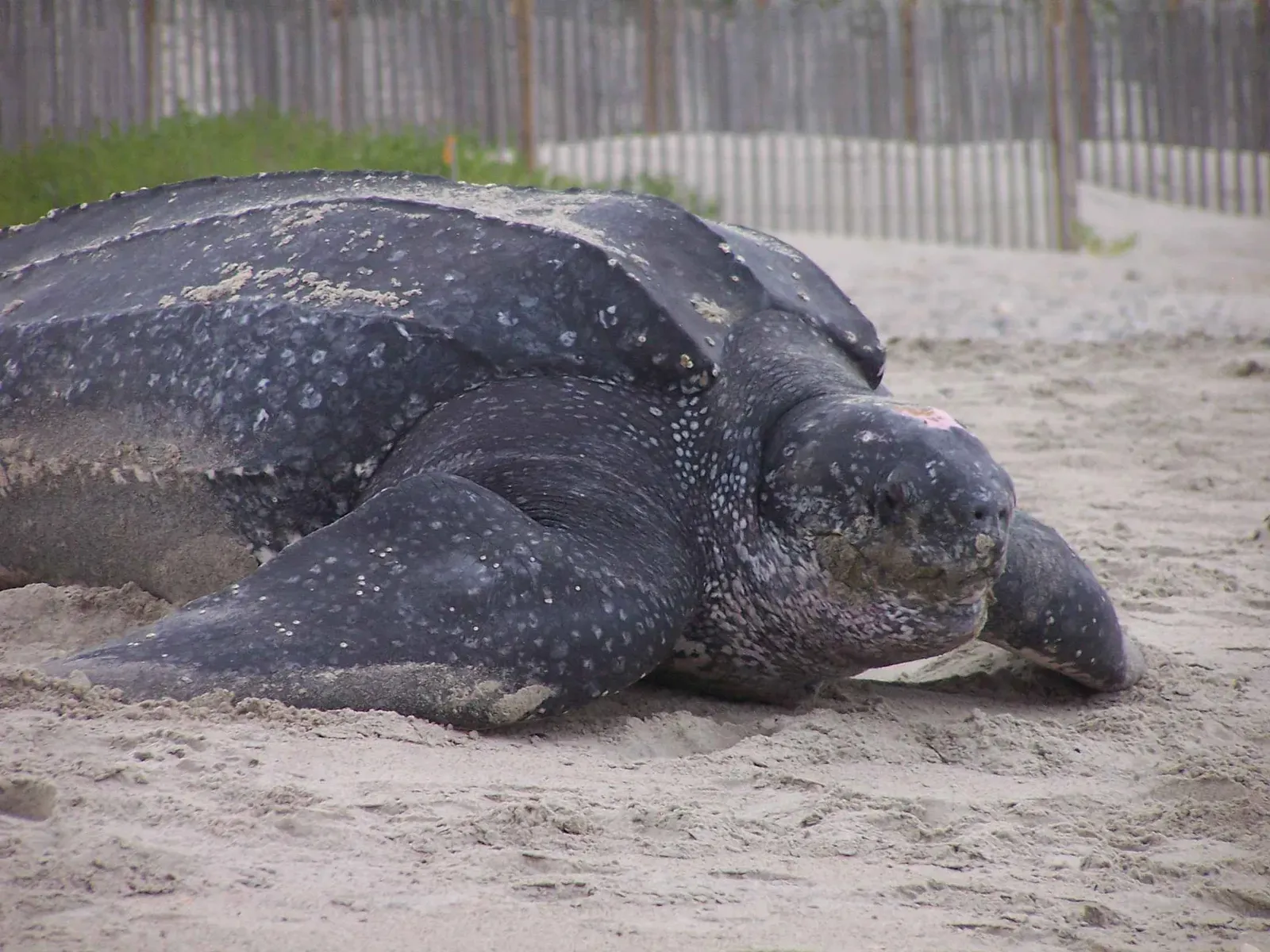
The leatherback sea turtle is the largest of all living turtles and the heaviest non-crocodilian reptile, reaching lengths of up to 2.7 metres and weights of up to 900 kilograms. What makes leatherbacks truly unique among sea turtles is their lack of a hard shell. Instead, their carapace is covered with a leathery, flexible skin that gives them their name.
These ocean marathoners are built for endurance. They are highly migratory, some swimming over 10,000 miles a year between nesting and foraging grounds. Can you imagine swimming that distance? Leatherbacks are one of the deepest-diving marine animals, with individuals recorded diving to depths as great as 1,280 meters, with typical dive durations between 3 and 8 minutes.
They are also the fastest-moving reptiles, with records listing the leatherback turtle moving at 35.28 kilometers per hour in the water. Their diet consists almost exclusively of jellyfish and other gelatinous creatures, requiring them to consume massive quantities daily to fuel their enormous bodies.
The Green Anaconda: South America’s Aquatic Constrictor
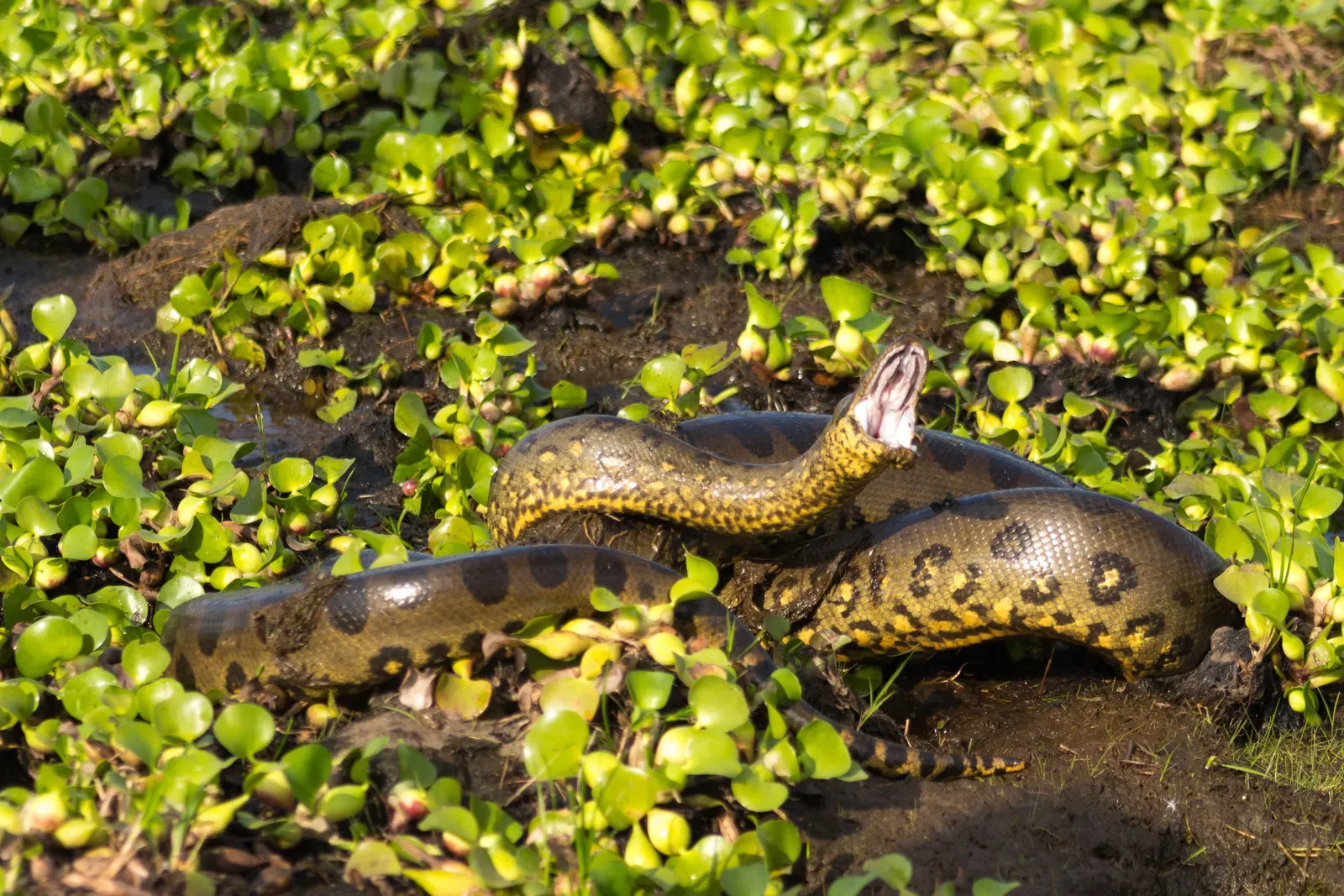
Anacondas are undoubtedly the largest living snakes, with the green anaconda likely only rarely exceeding 9 metres in length, though persistent but unsubstantiated reports exist of specimens reaching 12 metres. When it comes to sheer mass, no snake on Earth compares to a fully grown anaconda.
These massive serpents spend much of their time in the water, which helps support their incredible bulk. Their eyes and nostrils are positioned on top of their heads, allowing them to remain almost completely submerged while watching for prey. Green anacondas are ambush predators that can take down prey as large as deer, capybaras, and even caimans.
The anaconda’s hunting strategy relies on stealth and overwhelming power. Once they strike, they wrap their muscular coils around their victim and squeeze. It’s not about crushing bones – it’s about preventing the prey from breathing. Each time the animal exhales, the anaconda tightens its grip slightly more until circulation stops.
The Reticulated Python: Southeast Asia’s Longest Serpent
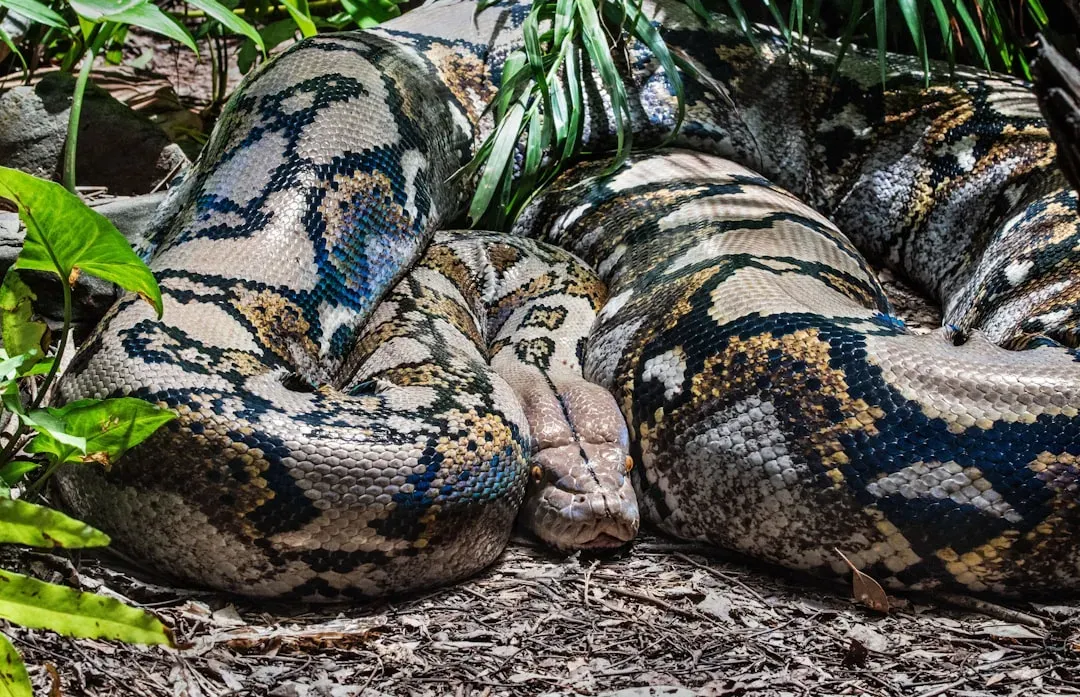
The reticulated python of Southeast Asia and the East Indies has been recorded at 10.1 metres, making it potentially the longest snake species . While anacondas may be heavier, reticulated pythons win the length competition.
These beautifully patterned constrictors inhabit rainforests, woodlands, and even areas near human settlements throughout their range. Their intricate geometric pattern serves as excellent camouflage among fallen leaves and dappled forest light. Reticulated pythons are powerful swimmers and have been known to travel between islands.
Like all pythons, they’re non-venomous constrictors that kill through suffocation rather than poison. Their diet ranges from rodents and birds to deer and pigs, with larger specimens capable of taking prey that seems impossibly large. Their jaw structure allows them to open their mouths to seemingly impossible dimensions, swallowing prey whole over the course of several hours.
The Komodo Dragon: Indonesia’s Giant Monitor Lizard
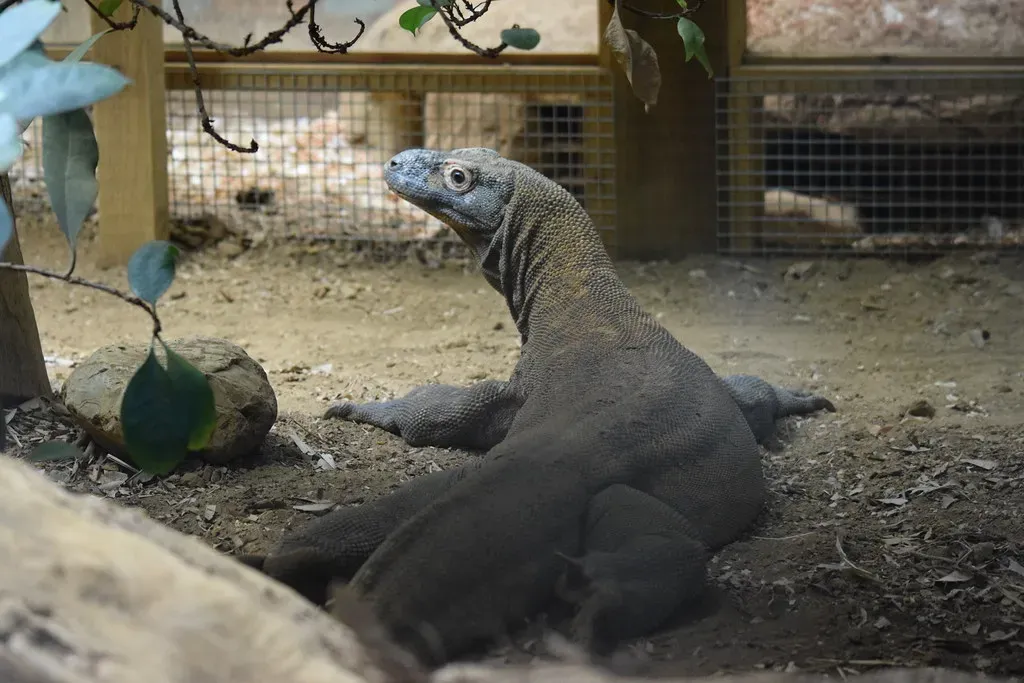
At 10 feet and 200 pounds, the Komodo dragon is the world’s biggest and most powerful lizard alive. These impressive reptiles are found only on a handful of Indonesian islands, where they reign as apex predators in their ecosystem.
Komodo dragons possess a toxic bite loaded with venom that prevents blood clotting and induces shock in their prey. For years, scientists thought bacteria in their mouths caused infections that killed prey. However, research revealed they actually produce venom glands that deliver anticoagulants and toxins through their serrated teeth.
Komodo dragons attack deer, goats, and other large prey, sometimes using a patient strategy where they bite an animal and then follow it for days as the venom takes effect. Their sense of smell is phenomenal – they can detect carrion from several miles away using their forked tongues to sample the air.
The Chinese Giant Salamander: Ancient Amphibian of Mountain Streams
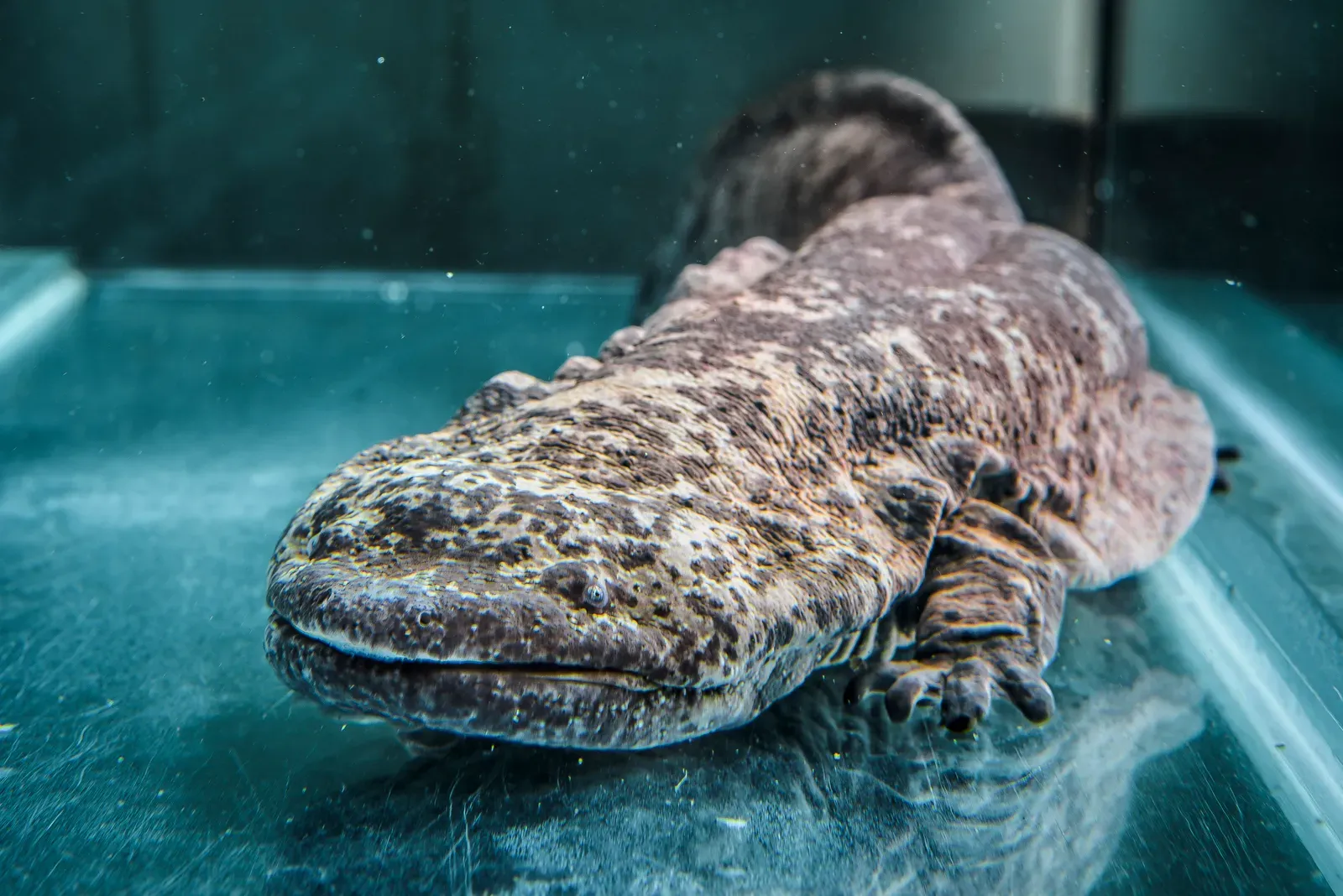
Capable of growing nearly 6 feet in length and currently the largest amphibian on the planet, the Chinese giant salamander is a “living fossil,” having seen the dinosaurs come and go. These remarkable creatures represent an evolutionary lineage that has remained relatively unchanged for millions of years.
Chinese giant salamanders are endemic to rocky, mountain rivers and large streams in China, spending their time filling the top predator niche in rushing, freshwater ecosystems, feeding on fish, frogs, worms, snails, insects, crayfish, crabs, and even smaller salamanders. Despite spending their entire lives underwater, they lack gills. They absorb oxygen through their porous skin.
Their eyesight is poor, so they rely on sensory nodes running along their bodies to detect vibrations in the water, allowing them to locate prey even in complete darkness. Tragically, these ancient creatures are critically endangered due to habitat loss and overharvesting for traditional medicine and food.
The Nile Crocodile: Africa’s Freshwater Terror
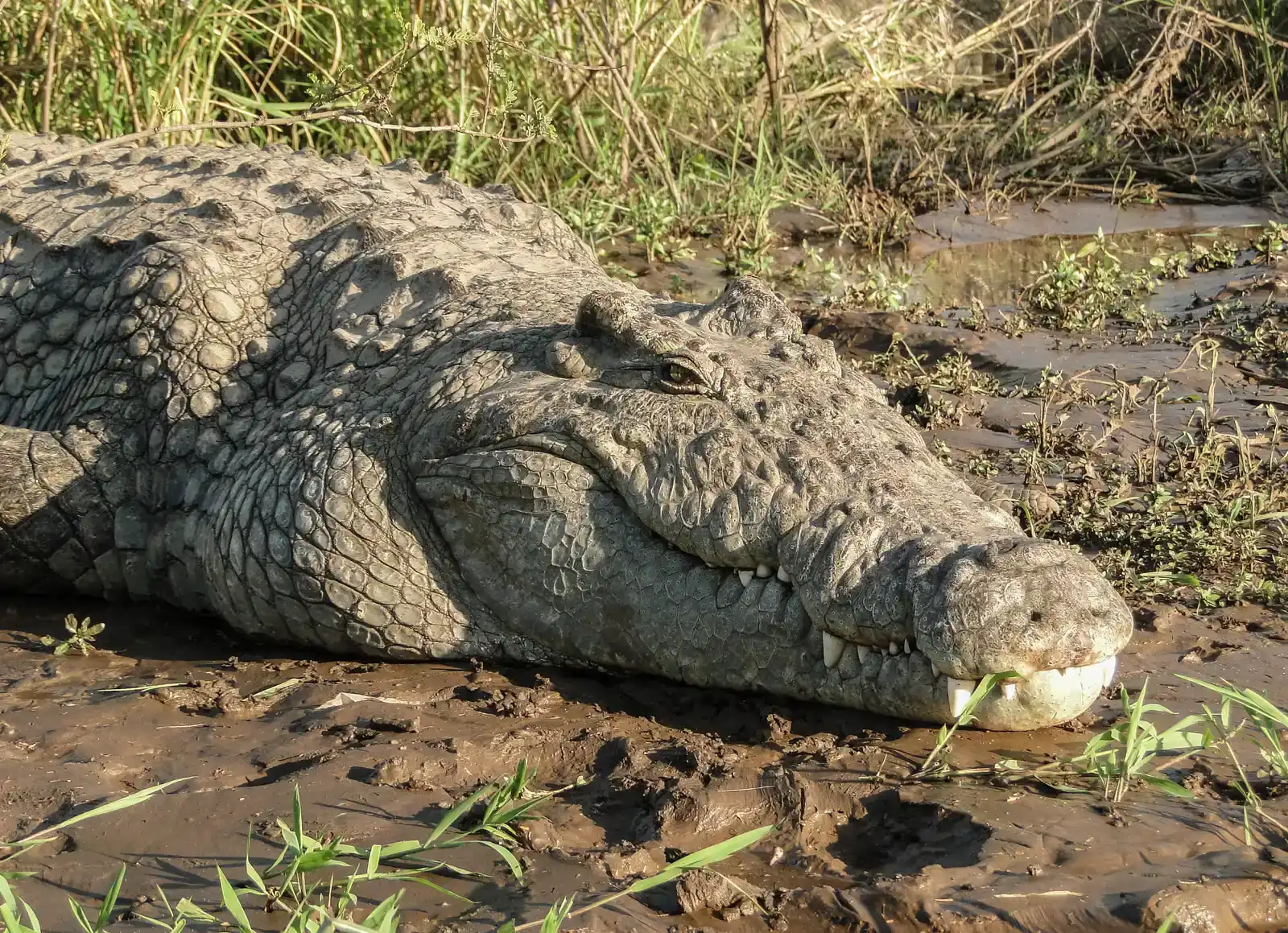
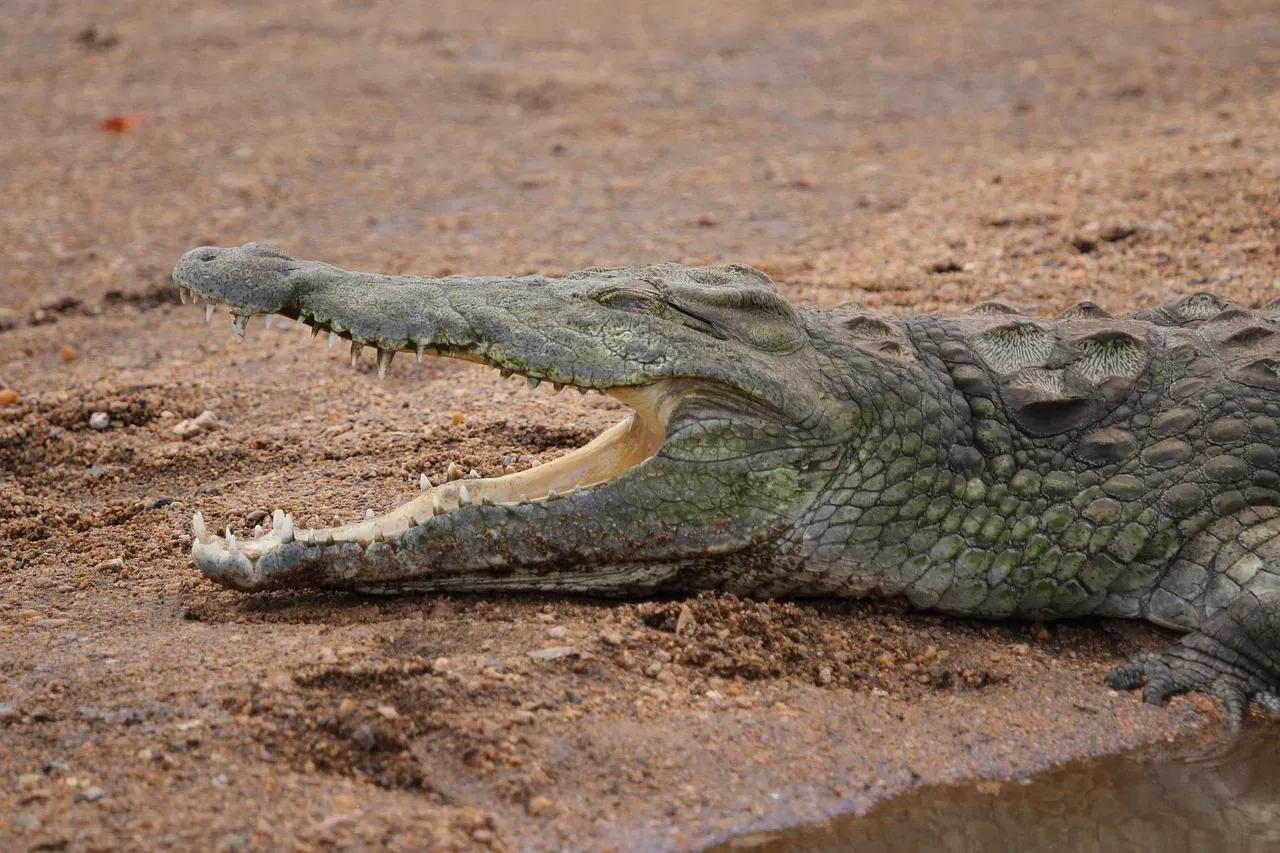
Nile crocodiles reach 6 metres in length, making them Africa’s largest freshwater predator and one of the continent’s most feared animals. These powerful reptiles inhabit rivers, lakes, and marshlands across sub-Saharan Africa.
Nile crocodiles are incredibly opportunistic feeders. While they commonly prey on fish, they’re equally content ambushing zebras, wildebeest, and other animals that come to drink at the water’s edge. Their hunting technique involves explosive power – they can launch themselves almost entirely out of the water to grab prey on the bank.
What makes them particularly dangerous is their intelligence and patience. They learn the habits of prey animals in their territory, understanding exactly when and where herds come to drink. Some crocodiles will wait for weeks at the same spot, knowing that eventually, an animal will make a fatal mistake.
The American Alligator: Southeastern Wetland Ruler
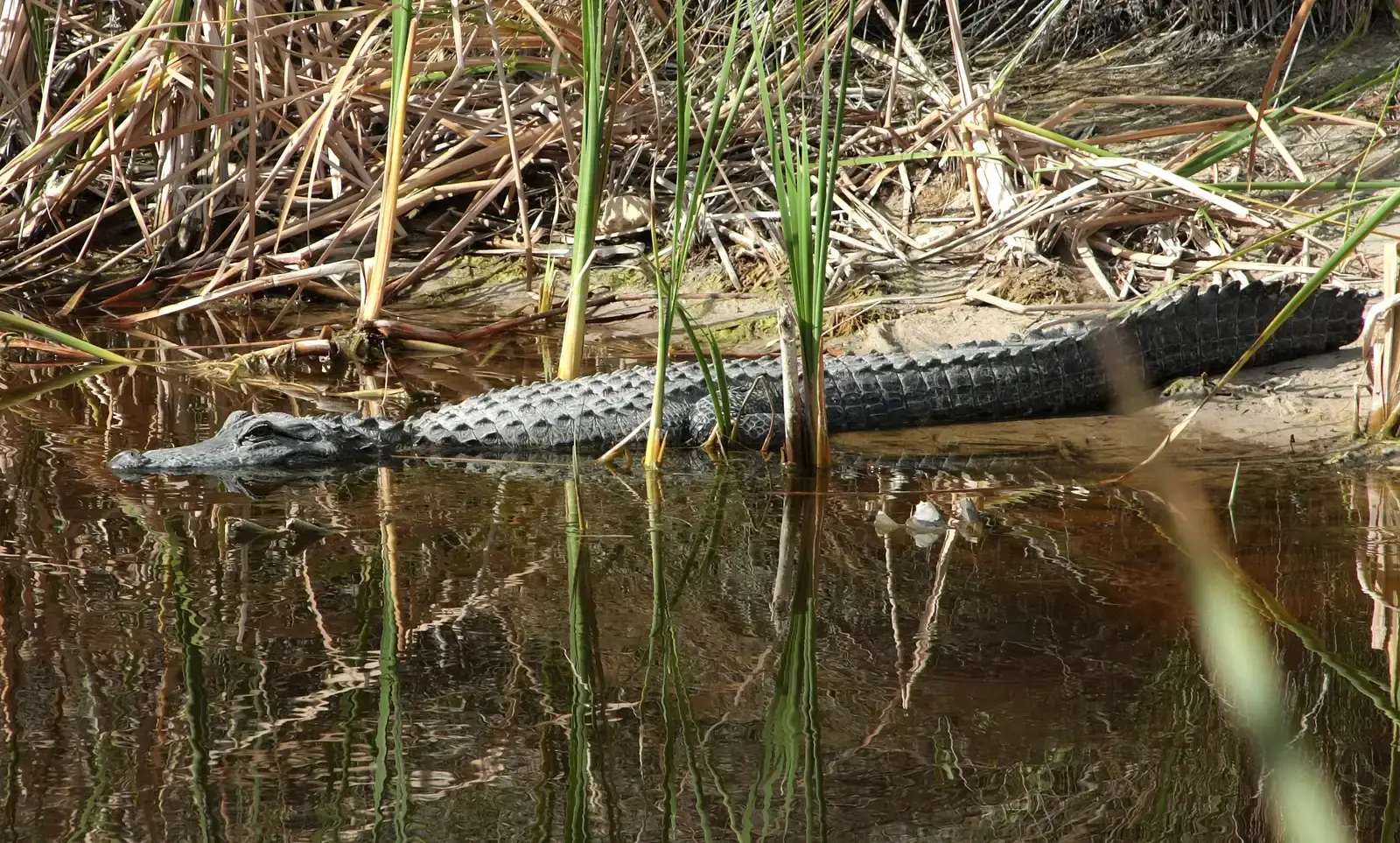
Male American alligators are between 11 and 14.5 feet long and weigh between 270 and 800 pounds, with females rarely exceeding 10 feet in length or 200 pounds. These reptiles are synonymous with the swamps and rivers of the southeastern United States, from North Carolina to Texas.
American alligators are ecosystem engineers. The gator holes they dig provide critical dry-season water sources for countless other species during droughts. These depressions fill with water year-round, creating aquatic refuges that support fish, turtles, wading birds, and aquatic invertebrates when surrounding wetlands dry up.
Their comeback story is remarkable. By the 1960s, unregulated hunting had pushed them toward extinction. However, protection under the Endangered Species Act allowed populations to rebound spectacularly. Today, they’re so numerous that controlled harvesting programs exist in several states. It’s a genuine conservation success story.
The Basking Shark: Second-Largest Fish in the Sea
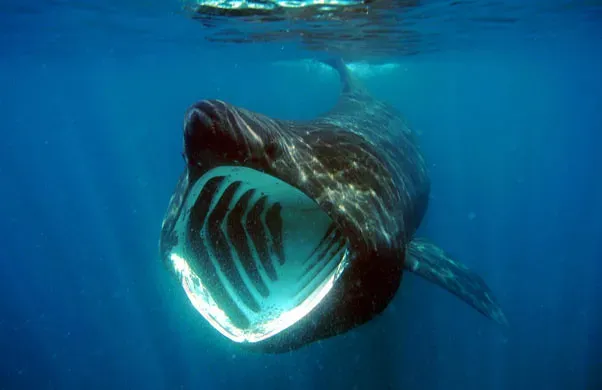
The basking shark comes in a close second to the whale shark at 12.3 metres long. Like their larger cousin, basking sharks are gentle filter feeders that pose no threat to humans despite their massive size.
These sharks earned their name from their habit of swimming slowly near the surface with their enormous mouths wide open, appearing to bask in the sun while actually filtering enormous quantities of plankton-rich water. Their gill rakers act like massive sieves, straining out tiny zooplankton as thousands of tons of water pass through.
Basking sharks undertake extensive migrations following plankton concentrations, sometimes traveling thousands of miles between feeding areas. They’re found in temperate oceans worldwide, though they tend to prefer cooler waters than whale sharks. During winter months, they’re believed to shed their gill rakers and spend time in deeper water, essentially fasting until spring plankton blooms return.
The Oarfish: Mysterious Serpent of the Deep
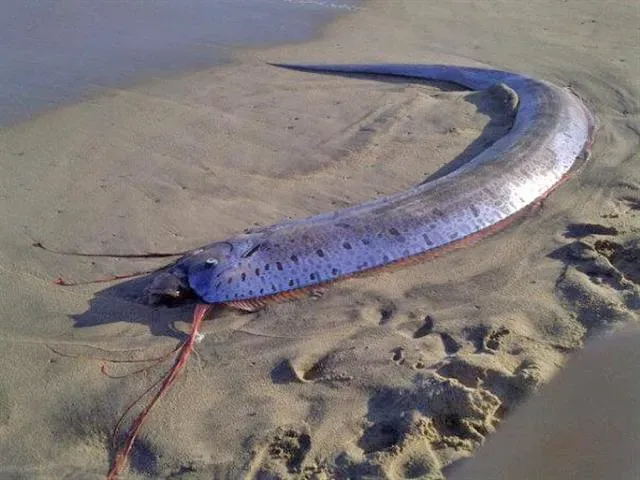
While specific size data wasn’t extensively detailed in the sources, oarfish deserve mention as among the longest bony fish in the ocean. These rarely seen deep-sea dwellers can reach lengths exceeding 30 feet, with their ribbon-like silver bodies undulating through the water column at depths between 600 and 3,000 feet.
Oarfish are the likely origin of many sea serpent legends throughout history. When one washes ashore or is spotted near the surface – usually when sick or dying – its bizarre appearance and enormous length inspire awe and sometimes fear. Their bright red dorsal fin runs the entire length of their body, giving them an otherworldly appearance.
Little is known about their behavior since they live at depths rarely visited by humans. They’re believed to feed on plankton, small fish, and jellyfish, swimming vertically through the water column with their heads pointed upward. Some cultures consider them harbingers of earthquakes, though no scientific evidence supports this belief.
Conclusion
The cold-blooded giants sharing our planet demonstrate nature’s incredible diversity and the various evolutionary paths to achieving enormous size. From the whale shark filtering plankton in tropical seas to the saltwater crocodile dominating coastal waterways, these ectothermic creatures prove that you don’t need to generate your own body heat to become a true titan.
What’s striking is how many of these species face uncertain futures. Habitat loss, climate change, illegal hunting, and accidental capture in fishing gear threaten populations worldwide. The Chinese giant salamander teeters on the brink of extinction. Whale sharks and leatherback turtles have seen dramatic population declines. Even crocodilians, which have survived relatively unchanged for millions of years, face mounting pressures from human activity.
These animals represent evolutionary lineages stretching back hundreds of millions of years. They’ve survived mass extinctions, ice ages, and countless environmental changes. It would be tragic if our generation became the one that failed to protect them. What do you think we should prioritize to ensure these magnificent cold-blooded giants continue thriving for generations to come?