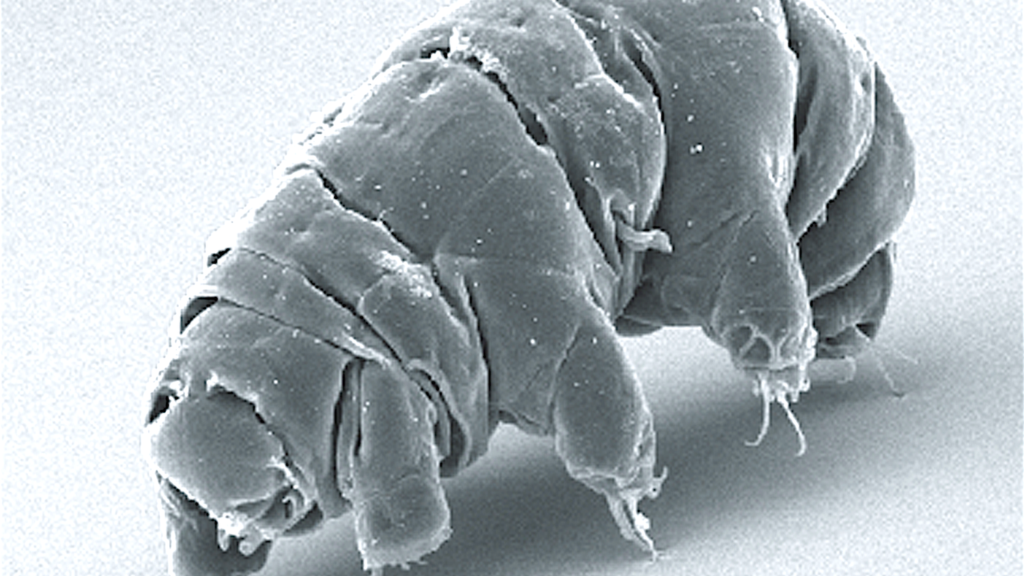

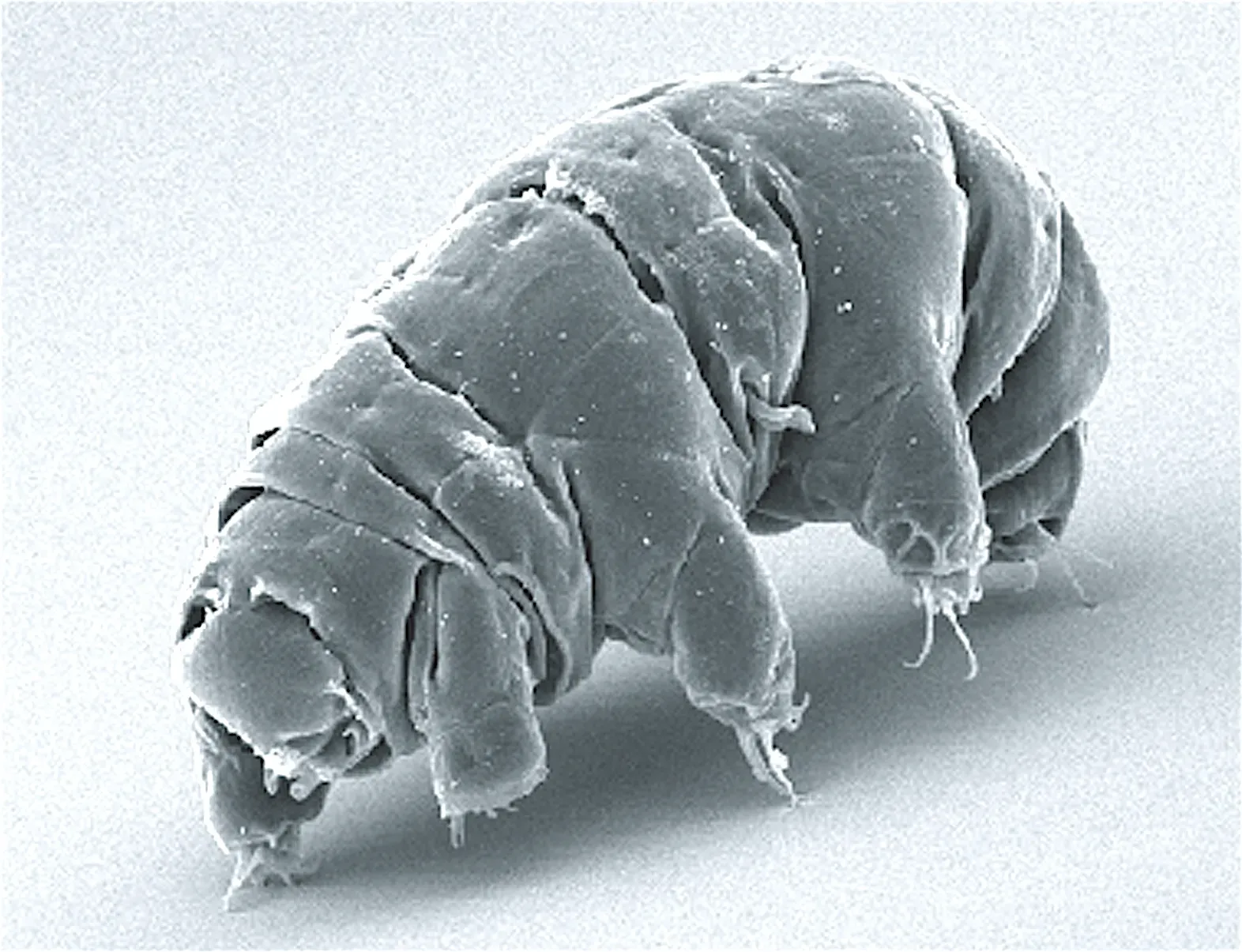
If someone told you there’s an animal smaller than a grain of sand that can shrug off the vacuum of space, boiling water, crushing pressure, and lethal radiation, you’d probably assume it belongs in a sci‑fi movie. Yet tardigrades, the chubby little “water bears” crawling around on moss and in puddles, are very real, very alive, and quietly breaking almost every rule we thought biology had. They have actually been exposed to outer space and lived to tell the tale, which feels like nature showing off.
I still remember the first time I saw a tardigrade under a microscope; it looked like a tiny eight‑legged space traveler in a sleeping bag. The idea that this microscopic creature could survive conditions that would obliterate humans in seconds completely rewired how I thought about “fragile” life. The more you learn about their adaptations, the more they seem less like animals and more like biological cheat codes written right into Earth’s operating system.
1. The Death‑Defying Tun State
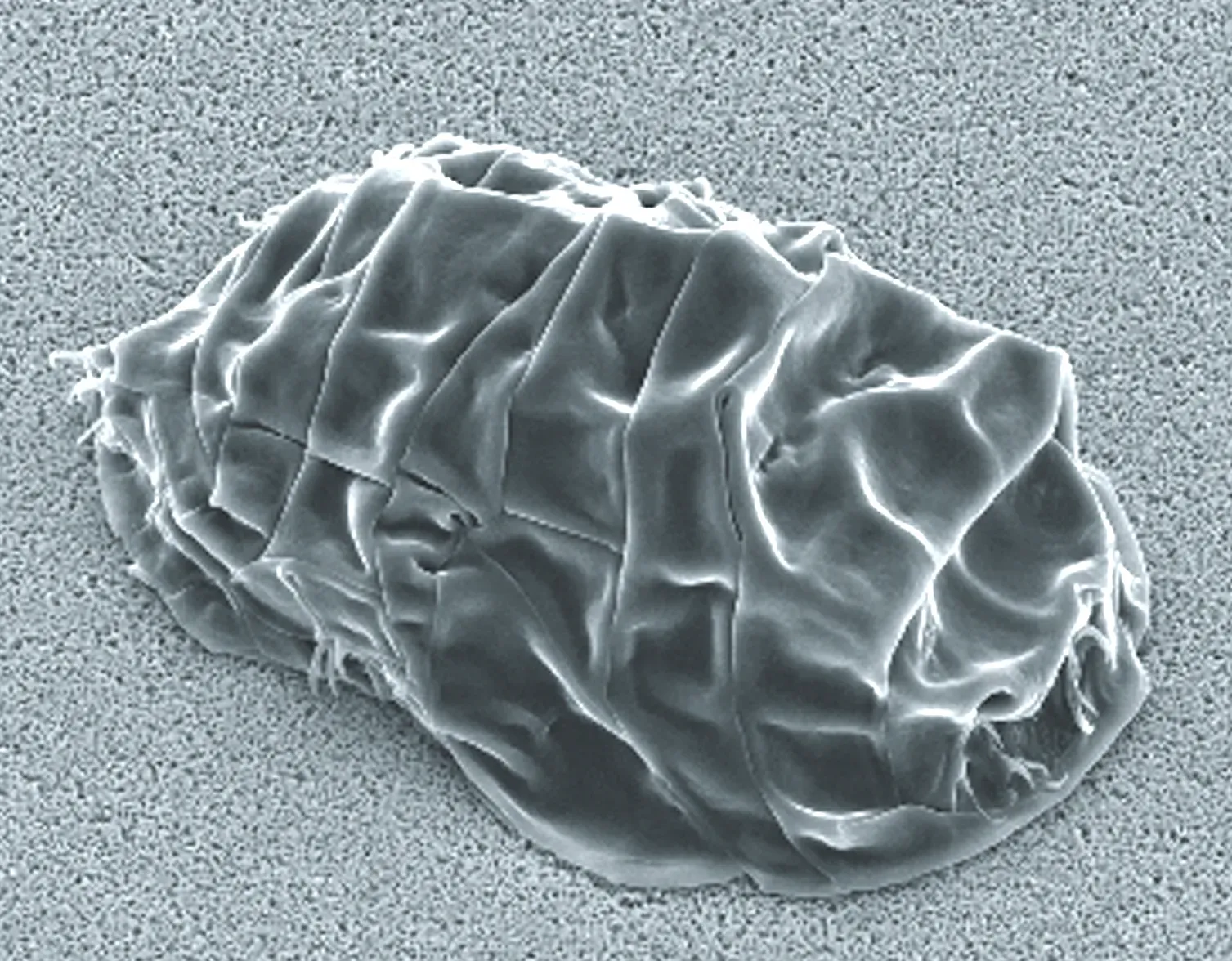
Imagine being able to hit a pause button on your entire body, dry out almost completely, and then fast‑forward back to life years later as if nothing happened. That is essentially what tardigrades do when they enter the famous “tun” state, a compact, dried‑up form where their body curls in on itself like a tiny armored seed. In this state, their metabolism drops to nearly undetectable levels, sometimes to a tiny fraction of normal activity, just enough to keep the basic machinery ready for a restart.
This tun mode is the cornerstone of their space survival trick. When scientists exposed tardigrades to the vacuum of space, many of them were in or entered this dormant form, giving them a kind of built‑in survival capsule. It is not that space suddenly becomes friendly; it is that the animal temporarily stops being fully alive in the usual sense. That eerie in‑between state, not quite alive and not truly dead, lets them ride out brutal conditions that would destroy most cells in seconds.
2. Almost Total Water Loss Without Dying
Most animals are walking bags of water, and taking that water away is usually a fast track to death. Tardigrades, however, can lose nearly all of their body water and still come back. During the transition into a tun, they slowly dry out until only a tiny fraction of their original water remains, locking their internal structures into place like a freeze‑frame. That level of drying, called extreme desiccation, would shred the cells of almost any other creature.
In space, the vacuum and radiation are not just dangerous on their own; they also rip water molecules apart and generate damaging chemical reactions. By getting rid of most of their water first, tardigrades limit how much internal chaos can be triggered by those harsh conditions. It is a bit like draining the fuel out of a car before a lightning storm: less flammable material means less to go catastrophically wrong. When water returns, they rehydrate and their body chemistry slowly boots back up, as if someone turned the power back on after a long outage.
3. Sugar Glass That Holds Their Cells Together
Drying out an animal is usually a disaster because membranes crack, proteins collapse, and delicate structures fall apart. Tardigrades dodge this problem by filling themselves with special molecules, including certain sugars, that act almost like living bubble wrap. Some of these sugars, such as trehalose, can form a glass‑like matrix around cellular components, stabilizing them in place while the rest of the water disappears. It is not glass in the everyday sense, but more like a clear, protective syrup that hardens into a safe shell.
This sugar “glass” is crucial in space because it keeps DNA, proteins, and membranes from deforming or breaking when the animal is dry and weightless. In the vacuum of space, there is no air, no pressure, and wild temperature swings, any of which could tear fragile structures apart. By being encased in this stabilizing matrix, the tardigrade’s insides are less likely to warp or tear. When water returns, the sugar shell dissolves and everything smoothly transitions back into a working, flexible cell environment, almost like defrosting a perfectly preserved meal.
4. Built‑In Radiation Shields at the Molecular Level
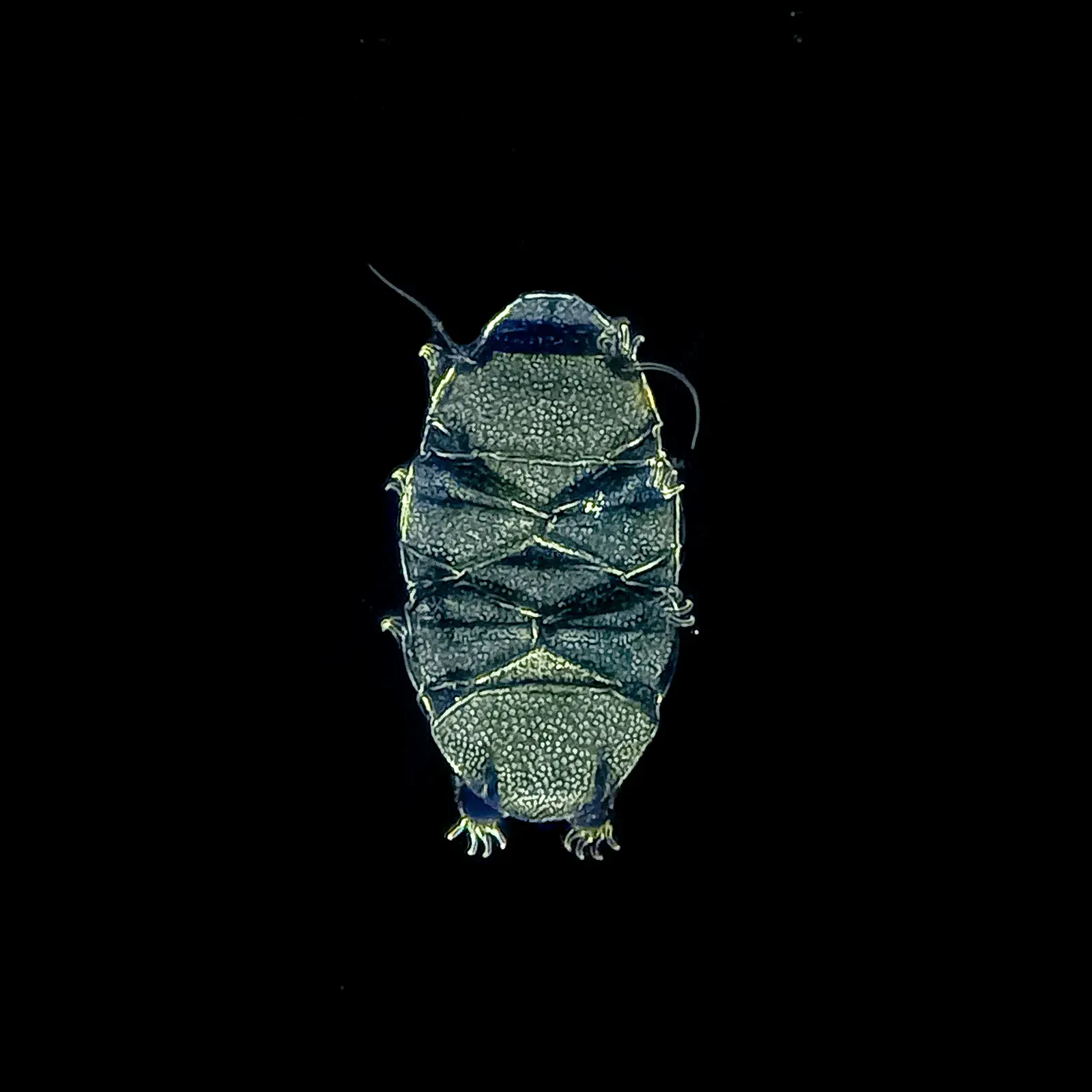
Radiation in space is brutally unforgiving, bombarding living tissue with high‑energy particles that slice through DNA and proteins. Tardigrades, however, carry a remarkable set of defenses that help them withstand doses of radiation far beyond what humans could survive. One of the most fascinating components is a tardigrade‑specific protein that seems to bind and protect DNA, forming a kind of molecular shield around genetic material. While the exact details are still being studied, the overall picture is clear: their cells are equipped with defenses that dramatically limit DNA damage.
This is not just passive resistance; tardigrades also appear to have extremely robust systems for repairing any damage that does occur. When they are exposed to radiation, their cells can patch breaks in DNA strands and fix structural problems that would be catastrophic in other animals. In the context of space, where radiation pours in from the sun and deep space, this molecular armor becomes a life‑or‑death difference. It is as if they are walking around with a built‑in, always‑on radiation suit, stitched right into their biology.
5. Slowed‑Down Time: Metabolism Near Zero
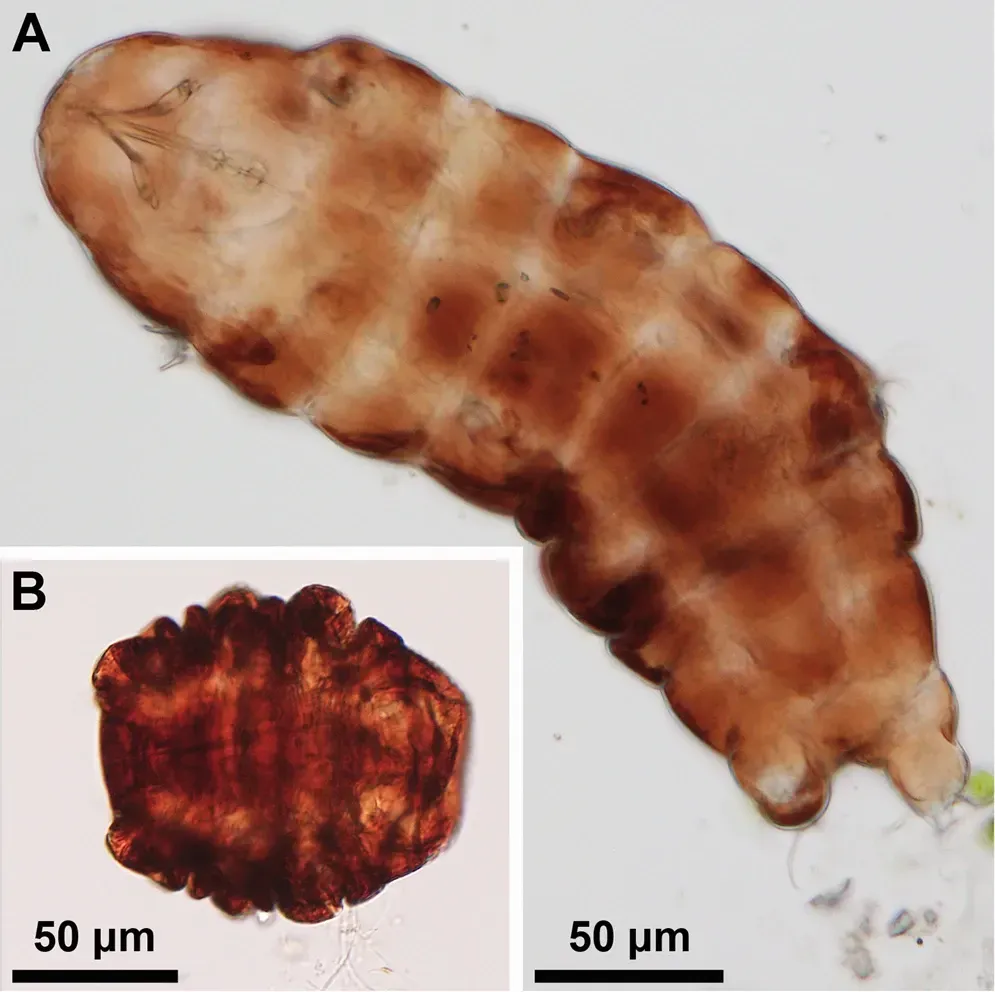
One of the silent killers in extreme environments is energy demand. You can have great defenses, but if your cells keep burning fuel at normal speed, they eventually break down under stress. When tardigrades enter the tun state, their metabolism drops to such a low level that some researchers describe it as almost suspended animation. Energy use plummets, chemical reactions crawl, and damaging processes that depend on active metabolism are dramatically reduced.
In space, where there is no oxygen to breathe, no liquid water to drink, and no food to eat, this near‑shutdown is essential. Instead of fighting to keep their systems running at full power and losing the battle, tardigrades effectively turn everything down to the lowest possible setting. It reminds me of putting your phone into a deep power‑saving mode so aggressive that the screen goes black and most functions stop, but the core system quietly survives. When conditions improve, they can slowly ramp back up, as if time itself had been stretched thin while they waited.
6. Flexible Cell Components That Can Bounce Back
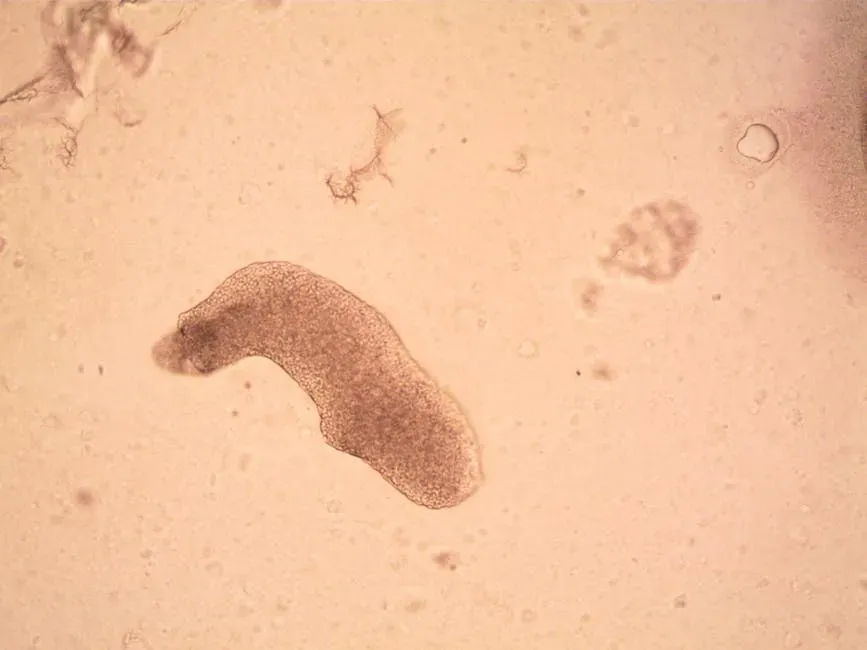
Even with sugars, special proteins, and low metabolism, surviving extreme stress still comes down to whether cells can physically bounce back. Tardigrades appear to have unusually resilient versions of key cellular building blocks, such as certain proteins that can unfold and refold without permanently losing their function. In many animals, once a protein misfolds badly due to heat, cold, or radiation, it is useless and may even become toxic. Tardigrades seem better at either preventing that kind of damage or cleaning it up before it causes trouble.
This flexibility shows up when they rehydrate after long periods in a tun. Instead of everything turning into a chaotic mess, their internal structures reassemble in a surprisingly orderly way. In space experiments, tardigrades brought back to Earth and rehydrated were able to move, feed, and even reproduce in many cases, a sign that their cell machinery bounced back rather than disintegrated. It is a bit like packing a suitcase so cleverly that even after the wildest journey, you can open it and find everything almost exactly where it should be.
7. Surviving the Vacuum and Temperature Swings of Space
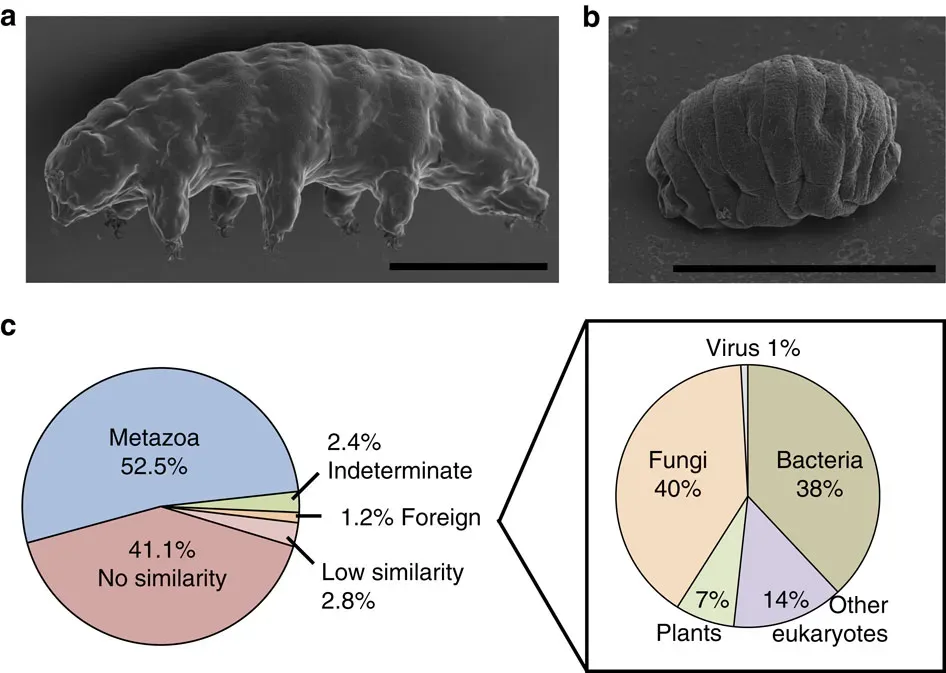
The vacuum of space is not just “nothing”; it is an active, hostile environment that rips water away, causes gases to boil off, and exposes organisms to extreme cold and sudden radiation bursts. Tardigrades that have been tested in space have endured direct exposure to this vacuum and to the harsh radiation outside Earth’s atmosphere. Many of them managed to survive and later recover normal activity, which is astonishing when you consider that most complex life would fail in seconds under similar conditions. Their combination of dryness, molecular shields, and metabolic shutdown gives them a level of protection that borders on unbelievable.
What really strikes me is that tardigrades did not evolve in space; they evolved in tiny droplets of water on Earth, on bits of moss, soil, and lichen. Yet those same adaptations that help them survive drought, freezing, and other everyday environmental shocks on our planet also happen to work in the ultimate extreme: outer space. It is like discovering that your everyday raincoat somehow doubles as a fully functional spacesuit. Their survival is a reminder that life’s solutions to one problem can accidentally unlock resilience to challenges far beyond anything the organism was “meant” to face.
Conclusion: A Tiny Creature That Redefines What Life Can Endure
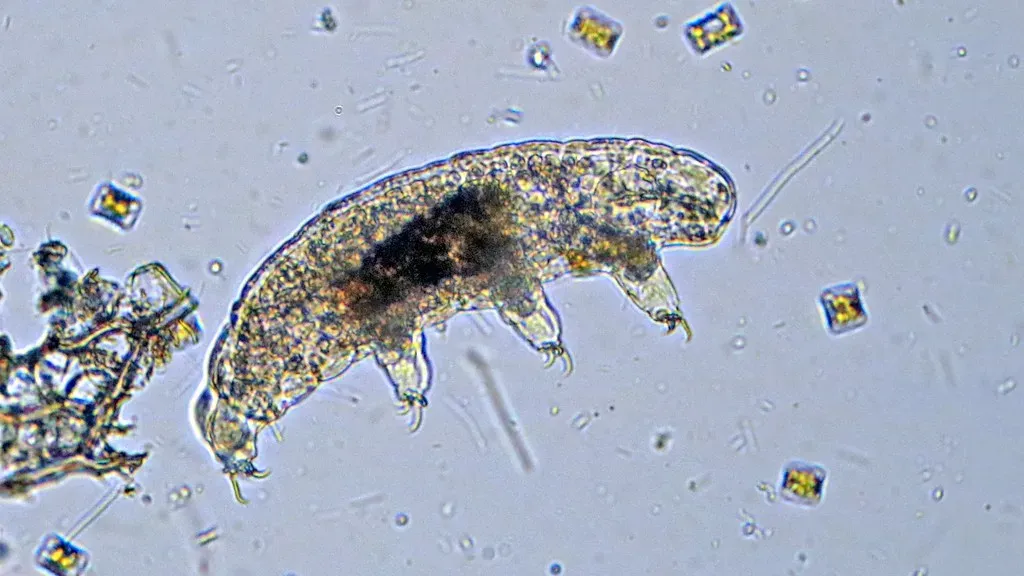
Tardigrades do not survive space because of a single magic trick; they survive because they stack multiple, overlapping adaptations into one tiny body. The tun state, extreme dehydration, sugar‑glass stabilization, radiation‑protective molecules, near‑zero metabolism, and flexible cellular parts all work together like layers of armor. Seen up close, they stop looking like cute curiosities and start looking like survival specialists that quietly push the limits of what biology can handle. The fact that they can go from driftwood in a pond to enduring open space and back again feels almost unreal.
When I think about tardigrades, I cannot help wondering what other microscopic marvels we have not yet recognized for what they can do. If a creature this small can outlast the vacuum and radiation of space, maybe our ideas about where and how life can exist are still far too narrow. These tiny water bears show that resilience can come in humble, unexpected packages. Next time you walk past a patch of moss, it might be hiding a whole colony of silent, invincible astronauts waiting for their next big test. Did you ever imagine the toughest “space survivor” on Earth would be something you could almost rinse down the drain?