Based on the search results, I can now write the comprehensive article about the conservation reserve in British Columbia where wolves and deer maintain ecological balance. The searches reveal several key locations including Strathcona Provincial Park on Vancouver Island, the Great Bear Rainforest coastal wolves, and the Haida Gwaii deer eradication project. I’ll create an engaging article that covers these conservation efforts while maintaining scientific accuracy.
Imagine stepping onto an island where nature writes its own rules, where ancient predator-prey relationships play out like a perfectly choreographed dance that has been refined over millennia. Deep in the coastal waters of British Columbia, something remarkable is happening that challenges everything we thought we knew about wildlife management. While governments spend millions culling wolves elsewhere, there exists a place where these apex predators and their prey have found their own equilibrium—a living laboratory that’s rewriting the textbook on conservation.
When Nature Becomes the Teacher

Picture this: you’re standing on the shores of Vancouver Island, watching a wolf emerge from the forest. But this isn’t your typical gray wolf from the mainland. This is a coastal sea wolf, unique for its semi-aquatic lifestyle and diet that is almost entirely marine-based. These remarkable creatures have evolved something extraordinary—they’ve learned to fish, forage for shellfish, and even hunt seals. It’s like discovering that your neighbor’s dog has secretly become a master chef, adapting its entire lifestyle to local ingredients. Along the coast, they forage for barnacles, clams, mussels, and crabs, digging into the sand with their paws and using powerful jaw muscles to break open shells, while also scavenging whatever has been left behind by the tide. The coastal wolves have literally rewritten the rules of what it means to be a wolf.
The Great Genetic Discovery

What makes these coastal wolves truly special isn’t just their unique dining habits—it’s their genetics. Wolves in the Great Bear Rainforest are genetically distinct from inland grey wolves, carrying more genetic diversity because the population has never been through a population bottleneck. Think of them as the original vintage wolves, preserving genetic treasures that have been lost elsewhere. In 2016, studies comparing DNA sequences of 42,000 single nucleotide polymorphisms found the coastal wolves to be genetically and phenotypically distinct from other wolves, forming one of six identified ecotypes separated by their different habitat types. These wolves are literally evolutionary gold—irreplaceable genetic libraries walking on four legs.
Strathcona’s Secret Wildlife Haven

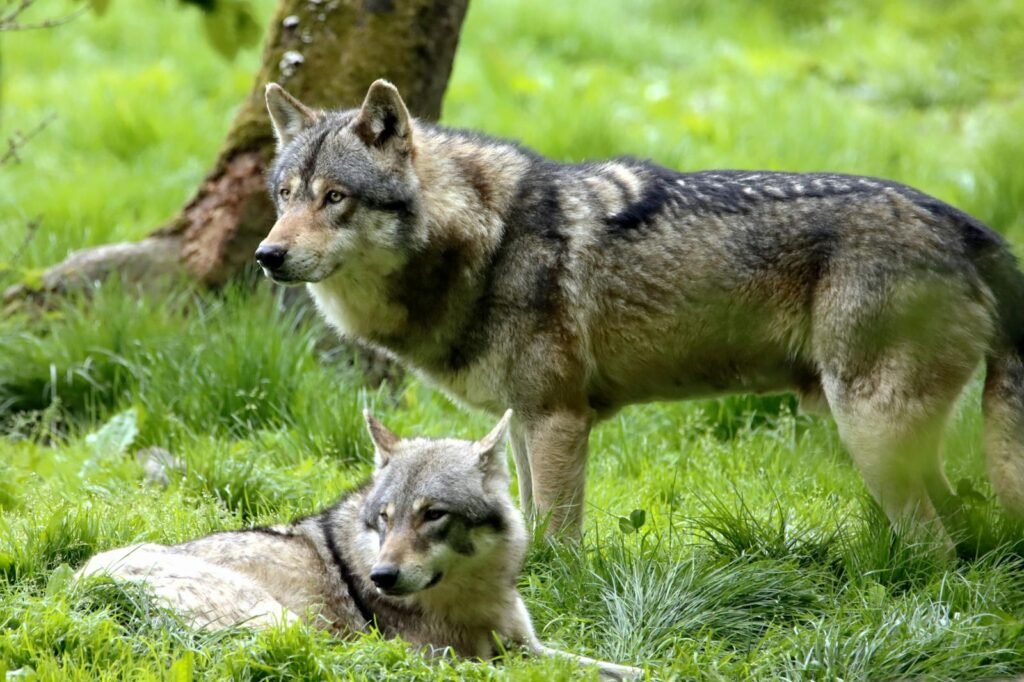
Within the rugged wilderness of Strathcona Provincial Park lies one of BC’s most fascinating examples of natural balance. This 250,000-hectare mountain wilderness dominates central Vancouver Island and, created in 1911, is the oldest provincial park in BC. Here’s where it gets interesting: while species like the wolf, Roosevelt elk, and coastal black-tail deer are different from their mainland relatives, Strathcona has a large deer and elk population with year-round viewings possible. The park serves as a natural experiment in predator-prey dynamics, where Vancouver Island wolves, black bears, cougars and coastal black-tailed deer coexist without human interference. It’s like having a front-row seat to nature’s own reality show, where every episode teaches us something new about coexistence.
The Marine Menu Revolution

These coastal wolves have developed dining habits that would make any foodie jealous. Vancouver Island wolves have a diverse diet, with between 75 and 90 percent sourced from the ocean, including salmon—though they eat only the brains, potentially to avoid bacterial infection. Imagine being so evolutionary savvy that you instinctively know which parts of your meal might make you sick! Recent studies found their diet can be up to 85 percent marine-based, with lone wolves taking down seals and otters, while packs feast on whale carcasses and surprisingly, even eat shellfish, using their paws to dig for clams and powerful jaws to crack mussel shells. These wolves have essentially become the ocean’s cleanup crew, playing a vital role in marine ecosystem health.
Swimming Between Worlds
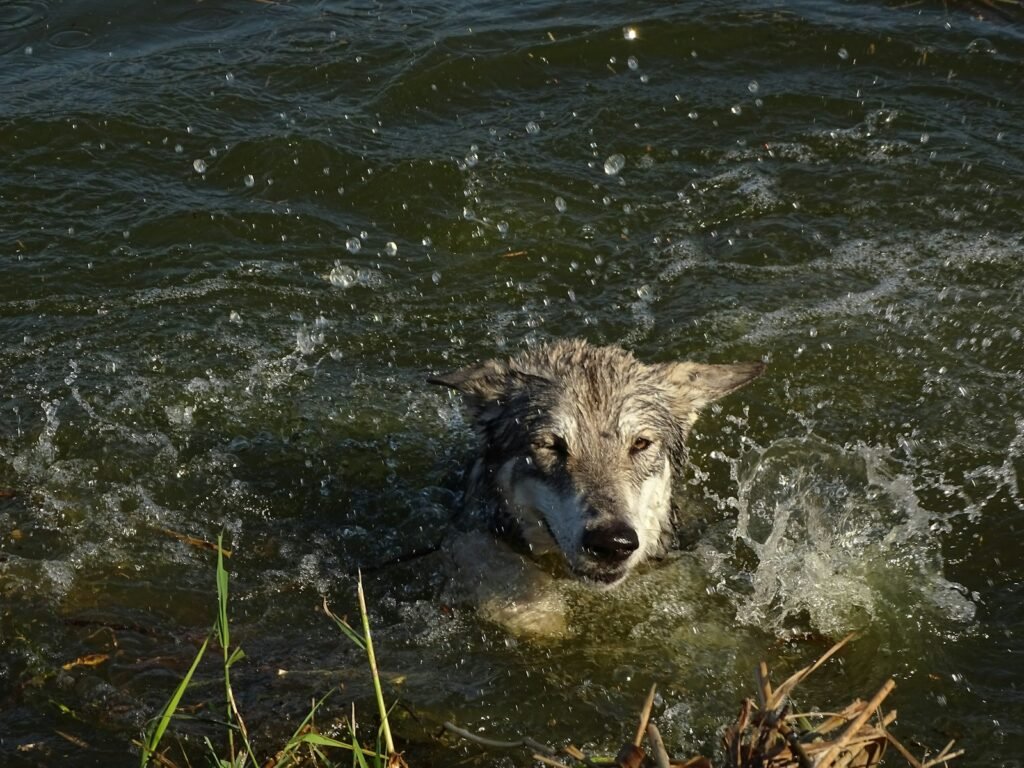
Perhaps the most mind-blowing aspect of these coastal wolves is their swimming ability. There’s at least one pack on Goose Island, 13 kilometers from the mainland, accessible only by swimming, and these wolves aren’t sedentary—they migrate through the archipelago, swimming from island to island throughout the year. Picture wolves as maritime nomads, traveling between islands like they’re hopping on public transit. These wolves often swim between various islands within their ranges, treating the ocean like their personal highway system. It’s evolution in action, creating aquatic wolves that challenge our basic assumptions about what these predators can do.
The Ecosystem Engineering Masters

But why should we care about a few swimming wolves? Because they’re ecosystem engineers on a massive scale. Wolves regulate prey populations and prevent overgrazing, allowing forests and waterways to recover and boosting biodiversity, with new science showing that reintroducing wolves can help mitigate climate change. These aren’t just predators—they’re landscape architects, sculpting entire ecosystems through their presence. As key players in healthy ecosystems, wolves help regulate prey populations and support biodiversity, with benefits that extend to humans too. When wolves do their job properly, entire forests change, rivers flow differently, and biodiversity explodes like a natural fireworks show.
Protected Sanctuary Success Story
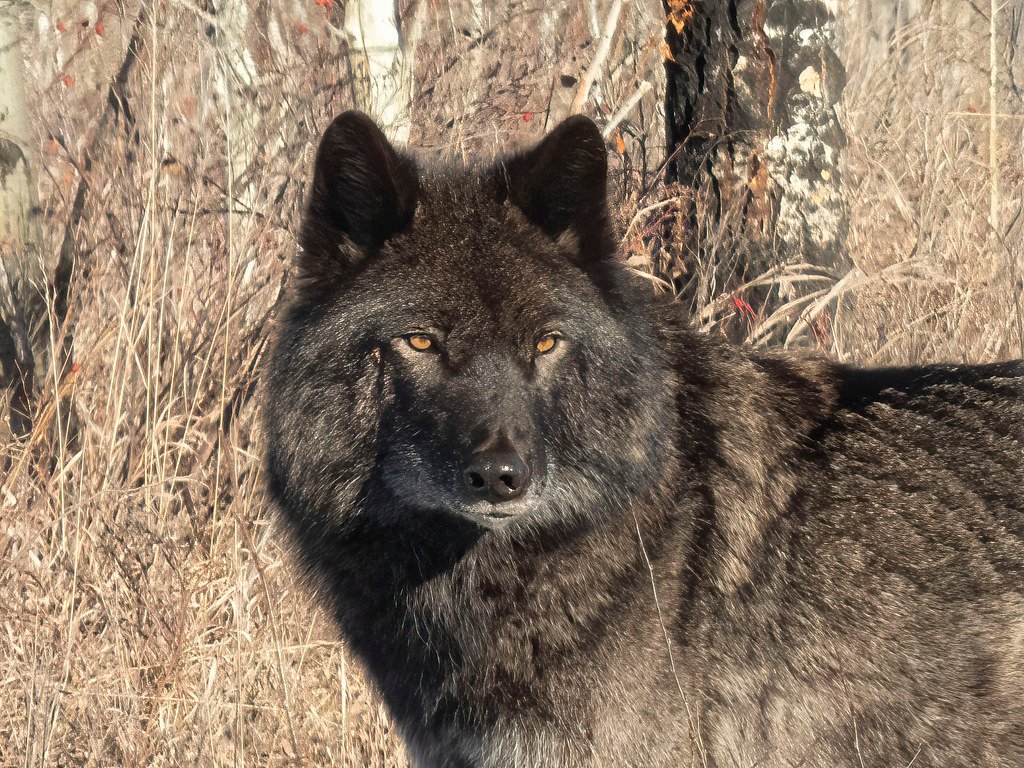
The conservation success in this region didn’t happen by accident. Wolves are largely safe from logging and hunting threats because 55 percent of Heiltsuk territory is protected, with the rest under ecosystem management, and only 11 percent open to industry. This protection extends beyond just setting boundaries on a map. Working with coastal First Nations, the Raincoast Conservation Foundation has bought out all commercial hunting licenses in the Great Bear Rainforest, bringing permanent end to commercial trophy hunting in 38,800 square kilometers. It’s like creating a massive safe zone where natural processes can unfold without human interference—and the results speak for themselves.
The Science of Natural Balance
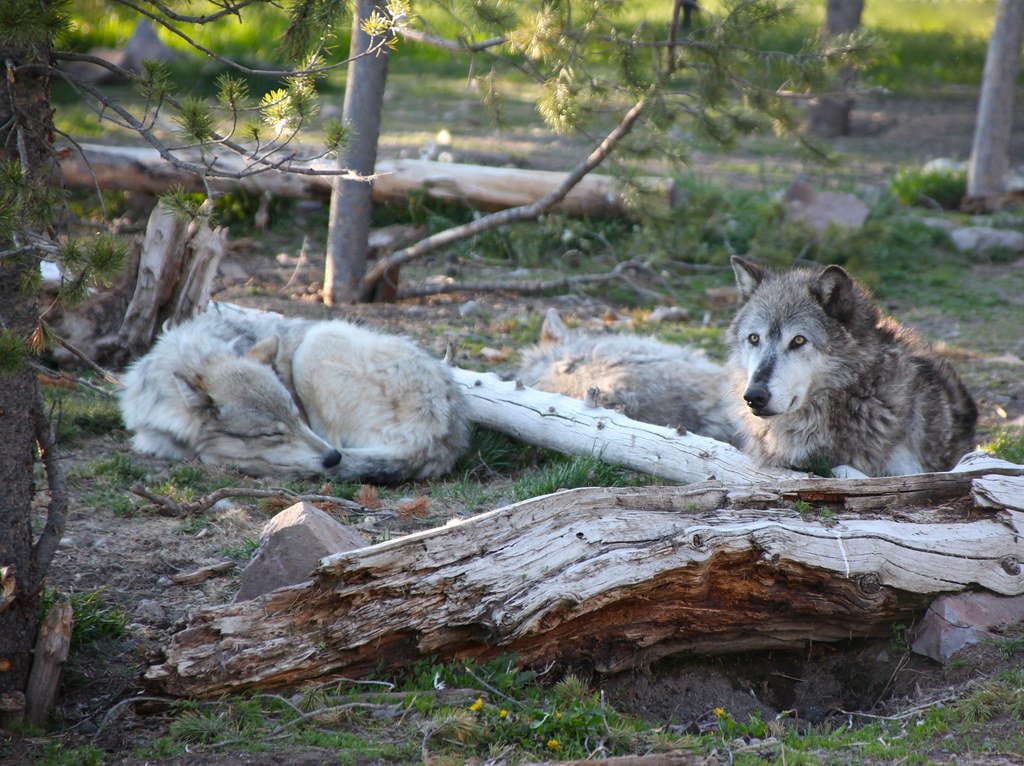
What makes this conservation approach so revolutionary is its hands-off philosophy. In regions where wolves don’t pose a threat to endangered species, populations are left to exist naturally within the ecosystem, maintaining their ecological role as predators. This isn’t passive management—it’s active trust in natural processes. UBC researchers studying wolf populations on Vancouver Island and in the Kootenays are employing groundbreaking spatial ecology monitoring techniques to help humans coexist with these crucial predators. The research is revealing that when we step back and let nature do its thing, the results often exceed our wildest management dreams.
Cultural Guardians of the Balance

The success of this conservation model isn’t just about science—it’s deeply rooted in Indigenous wisdom. The Nuu-chah-nulth Nations live by the concept ‘hishuk ish ts’awalk’—’everything is one,’ recognizing that the interconnectedness of species means a change to one can disrupt the delicate balance with many others. The wolves play important roles in the cultures and spiritual beliefs of local indigenous people, with mythical creatures like the Gonakadet and Wasgo inspiring Tsimshian, Tlingit, and Haida peoples. This isn’t just wildlife management—it’s cultural preservation in action, where protecting wolves means protecting entire worldviews and ways of life.
Monitoring Without Interference
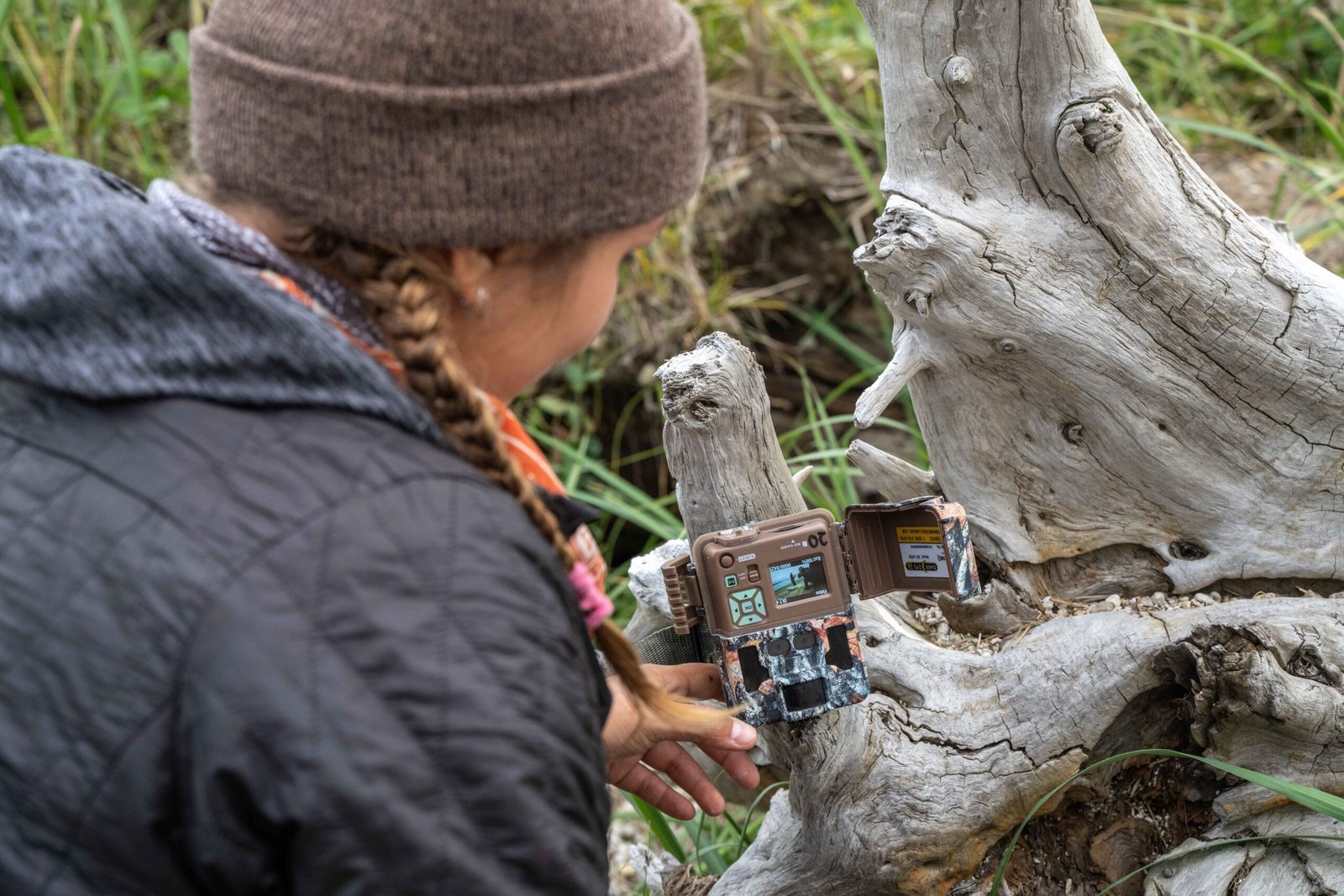
Modern conservation in these areas uses cutting-edge technology while maintaining minimal human interference. Researchers set up audio recording devices in grids across study areas, paired with camera traps to provide both audio and visual detection of wolves, with devices turning on at dusk and shutting off in the morning. It’s like having invisible researchers working 24/7, gathering data without disturbing the natural rhythms of the ecosystem. This approach allows scientists to understand wolf behavior and population dynamics without the stress and disruption that traditional tracking methods can cause.
The Genetic Time Capsule

What’s happening in these protected areas goes beyond just preserving current wildlife—it’s safeguarding evolutionary history. Studies show that coastal wolves are genetically distinct from inland grey wolves, representing the last remains of a once widespread group that has been largely extirpated, with these northern wolves having originally expanded from southern refuges after the last ice age. These coastal populations are living museums, carrying genetic information that tells the story of post-glacial North America. Losing them would be like burning libraries full of irreplaceable historical documents.
Lessons from Yellowstone’s Experiment
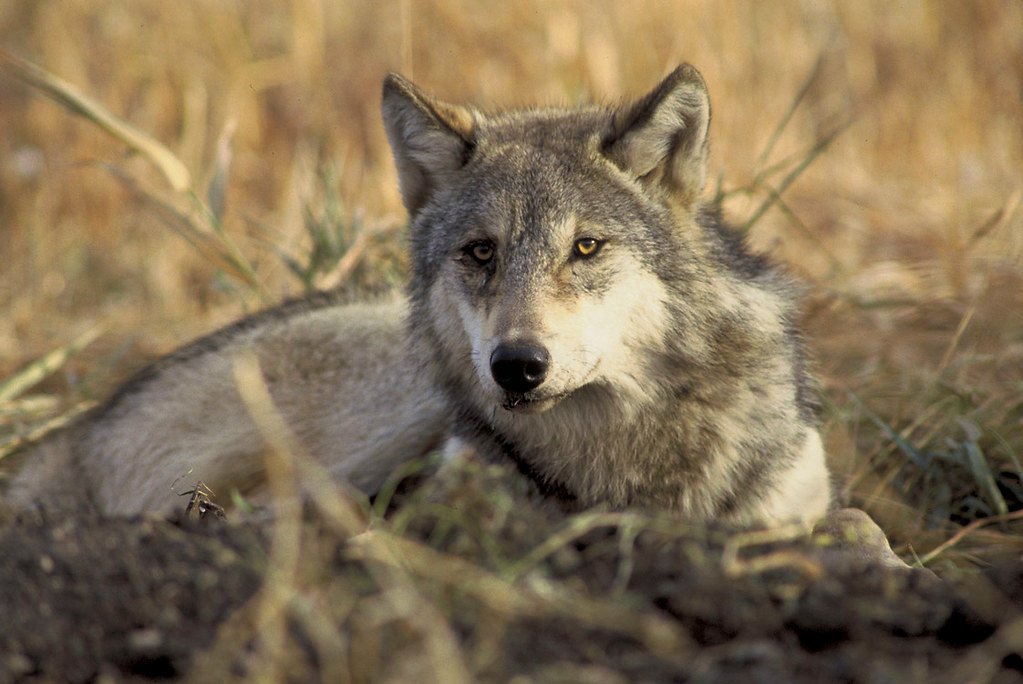
The success of BC’s hands-off approach becomes even more impressive when compared to Yellowstone’s famous wolf reintroduction. The reintroduction of wolves to Yellowstone led to regrowth of plant species, return of various organisms, and restoration of the ecosystem, with the absence of apex predators previously leading to simplified and degraded ecosystems. But BC’s coastal wolves never needed reintroduction—they maintained their roles naturally, showing us what Yellowstone might have looked like if wolves had never been removed in the first place. It’s the difference between emergency surgery and preventive medicine.
The Contrast with Government Culling

The success of natural wolf-deer balance becomes even more striking when contrasted with BC’s controversial wolf culling programs elsewhere. Recent government programs have killed 248 wolves by helicopter between December 2023 and March 2024, with over $10 million spent killing 1,944 wolves over eight years. Meanwhile, in the protected coastal areas, wolves regulate their own populations through natural processes, creating sustainable balances without the enormous costs—both financial and ethical—of government intervention. While wolves play crucial roles as apex predators maintaining healthy ecosystems, hundreds are legally killed each year with little research on ecosystem impacts, including a provincial wolf cull program costing over $1 million annually.
The Ripple Effect of Protection
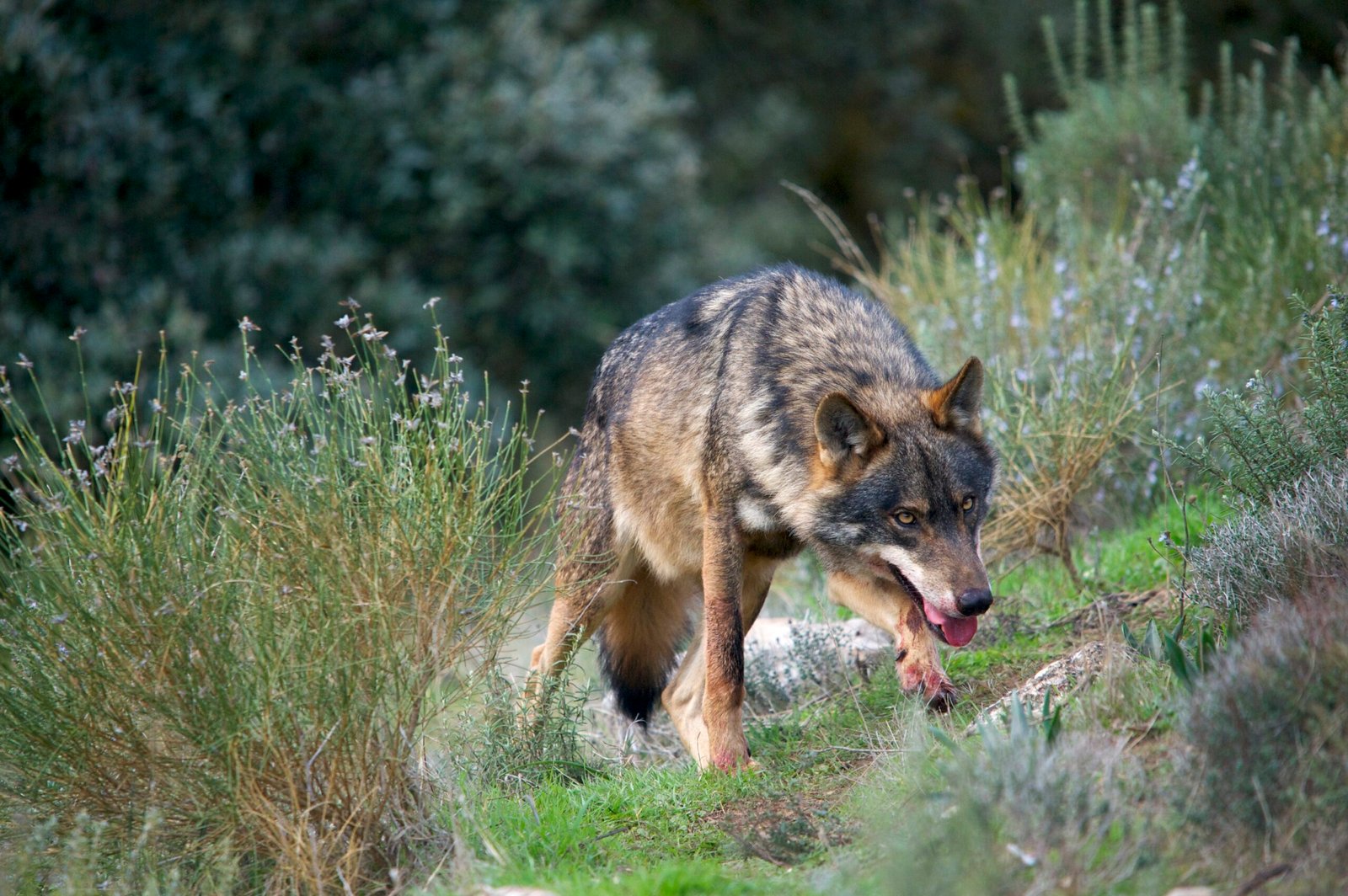
The conservation success extends far beyond wolves and deer. Protection of this ecosystem is visible on the wolves’ faces—white muzzles indicating age and maturity show there are plenty of sea wolves with white muzzles, a testament to their longevity on the coast. When ecosystems are allowed to function naturally, everything benefits. Older wolves mean stable pack structures, better teaching of hunting skills to younger generations, and more sophisticated ecosystem management. It’s like having experienced managers running a complex business—everything works more smoothly.
The Future of Hands-Off Conservation

What’s emerging from BC’s coastal conservation areas is a new model for wildlife management that trusts natural processes over human intervention. Ecological reserves are established for maintaining biological diversity, assisting in developing environmental consciousness, and serving as benchmarks against which environmental changes can be measured. These areas function as control groups in the grand experiment of human impact on nature. As many ecological processes are poorly understood, scientists cannot predict future research questions that will require unaltered ecosystems, so ecological reserves keep our options open for the future, serving as genetic data banks.
Ancient Wisdom Meets Modern Science

The most powerful aspect of this conservation success story is how it bridges ancient Indigenous knowledge with cutting-edge science. The partnership between scientists and First Nations demonstrates what can be accomplished when both groups work side by side on conservation. This isn’t just about protecting wildlife—it’s about respecting different ways of knowing and understanding the natural world. Traditional ecological knowledge, developed over thousands of years, provides insights that scientific instruments alone cannot capture. When we combine both approaches, we get conservation strategies that are both scientifically sound and culturally meaningful.
A Model for Global Conservation

As the world grapples with biodiversity loss and climate change, BC’s coastal wolf-deer conservation areas offer a compelling alternative to expensive, invasive management programs. The challenge isn’t choosing between people and predators—it’s recognizing that resilient ecosystems depend on both, with the future of wolves depending on our willingness to value their role and embrace science-based approaches. These protected areas prove that sometimes the best management is knowing when not to manage, trusting that millions of years of evolution have created systems more sophisticated than human intervention can improve.
The islands and coastal areas where wolves and deer balance themselves represent more than just successful conservation—they’re windows into what North America looked like before European colonization, genetic libraries preserving evolutionary history, and living laboratories teaching us that nature, given space and protection, remains our greatest teacher. As surrounding environments are progressively altered by human activities, ecological reserves assume ever-increasing significance for demonstrating and studying original ecosystems. In a world where we’re learning that our interventions often create more problems than they solve, these remarkable places whisper an ancient truth: sometimes the most radical action is simply stepping back and letting nature show us how it’s done.