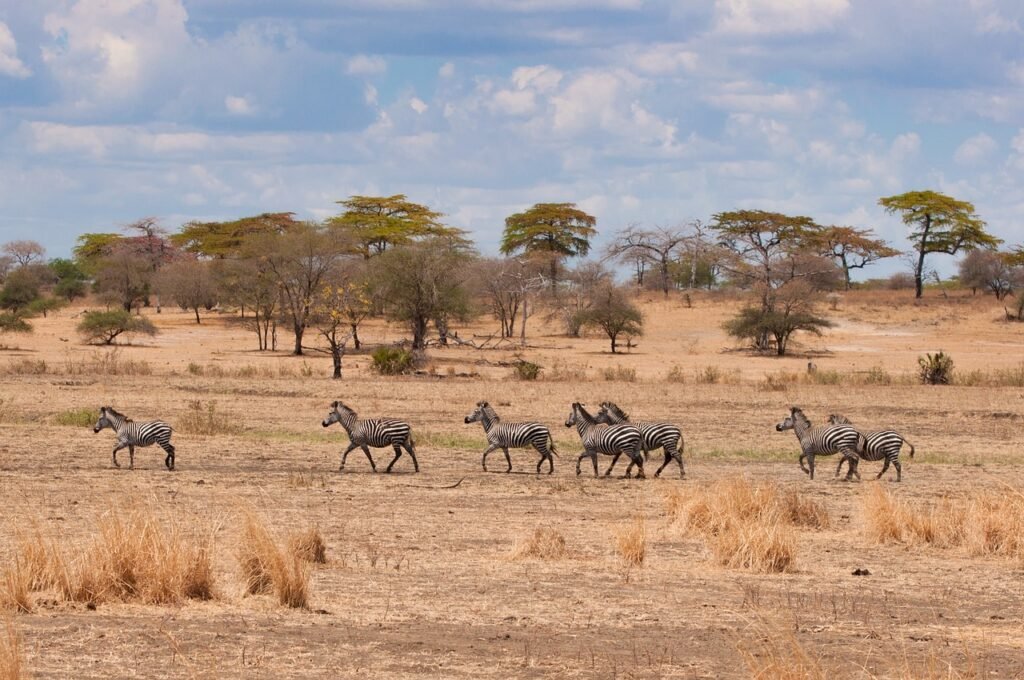

Savannas are vast, open grasslands punctuated by scattered trees, creating a strikingly diverse and dynamic environment. Found in regions such as Africa, South Asia, Australia, and South America, these ecosystems thrive under seasonal rainfall patterns. Their biodiversity and ecological importance make them crucial for sustaining plant and animal life. Exploring the significance of savannas underscores the need for conservation efforts to protect their delicate balance.
Rich Biodiversity and Habitat Variety

Savannas are celebrated for their incredible variety of life. These ecosystems are home to a wealth of species, from majestic elephants and swift cheetahs to vibrant birds and resilient insects. The coexistence of trees, shrubs, and grasses creates a mosaic of habitats that cater to a wide range of species, each with unique ecological roles.
Large herbivores, such as giraffes and zebras, thrive in the open grasslands, while smaller animals and birds find shelter and nesting opportunities in the trees. This interplay of habitats supports intricate food chains, highlighting the savanna’s role as a biodiversity treasure trove.
Adaptations to a Challenging Environment

The organisms that inhabit savannas have developed remarkable adaptations to survive in a challenging environment marked by alternating wet and dry seasons. Plants, such as the iconic baobab and acacia trees, have deep roots that reach groundwater reserves, while grasses exhibit drought resistance and the ability to regenerate quickly after being grazed or burned.
Animals have also evolved to cope with these conditions. Herbivores like antelopes migrate in search of water and fresh grazing, while predators such as lions and leopards have honed their hunting strategies to exploit the open terrain. These adaptations demonstrate the resourcefulness of life in the savanna.
The Role of Fire in Savanna Dynamics
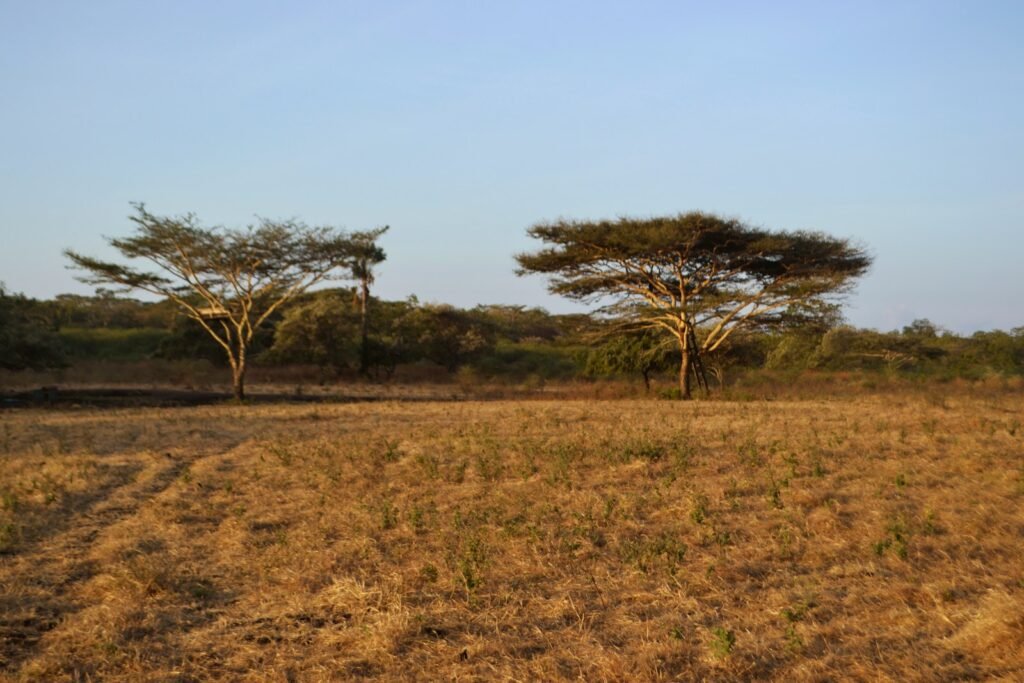
Fire is an integral part of the savanna ecosystem. Naturally occurring fires, often sparked by lightning, play a vital role in clearing old vegetation, promoting the growth of fresh grasses, and preventing the spread of woody plants. This natural cycle maintains the balance between grasslands and tree cover, preserving the ecosystem’s diversity.
Many plant species in the savanna have adapted to fire, with some even relying on it to aid in seed dispersal or germination. This relationship between fire and life underscores the savanna’s resilience and the importance of managing fire to sustain its ecological integrity.
Economic and Cultural Importance

Beyond their ecological value, savannas hold immense importance for human communities. These landscapes support agriculture and livestock grazing, providing livelihoods for countless people. The annual migrations of animals such as wildebeests and zebras are also major tourist attractions, contributing to the economies of many nations.
For indigenous communities, savannas are more than just a source of sustenance—they are a vital part of cultural heritage. Traditional knowledge of land management practices, passed down through generations, offers valuable insights into sustainable living in harmony with nature.
Challenges and Conservation Efforts

Despite their importance, savannas face significant threats that jeopardize their health and sustainability. Climate change disrupts rainfall patterns, affecting plant growth and animal migration. Expanding agriculture and urban development encroach on natural habitats, fragmenting ecosystems and reducing biodiversity. Overgrazing by livestock further depletes vegetation, while deforestation and unsustainable land use degrade the soil.
Protecting savannas requires a combination of scientific innovation, community involvement, and policy support. Promoting sustainable farming and grazing practices can help preserve soil health and biodiversity. Protecting key habitats and restoring degraded areas ensures that animal populations can thrive without human interference.
Engaging local communities is essential to conservation success. Education, eco-tourism opportunities, and economic incentives can foster a sense of shared responsibility for safeguarding these ecosystems. Advances in technology, such as satellite monitoring and drones, also enable better tracking of changes in land use and biodiversity, helping conservationists respond effectively to emerging threats.
Conclusion

Savannas are among the world’s most remarkable ecosystems, supporting an extraordinary diversity of life while providing vital resources for human communities. These landscapes exemplify the resilience of nature and the interconnectedness of all living things.
Conserving savannas is essential not only for protecting biodiversity but also for ensuring the well-being of future generations. By embracing sustainable practices and fostering a deeper understanding of these ecosystems, humanity can secure the future of savannas and the countless species that depend on them.
The future of these iconic landscapes lies in collective efforts to balance development and conservation, ensuring that the savannas remain a vibrant testament to nature’s ingenuity.