
Most of us go about our days without giving a second thought to what lies directly beneath our feet. The ground feels solid, permanent, and unremarkable. Yet the planet you walk on every day conceals some of the most extraordinary, unsettling, and genuinely alien environments ever encountered by science.
From cities carved into rock by ancient hands to cave ecosystems that operate by entirely different biological rules, Earth’s underground is anything but empty. The deeper explorers and scientists look, the more the definition of what is possible continues to shift. These are some of the most remarkable discoveries from the world below.
Derinkuyu: The Underground City Hidden Behind a Basement Wall
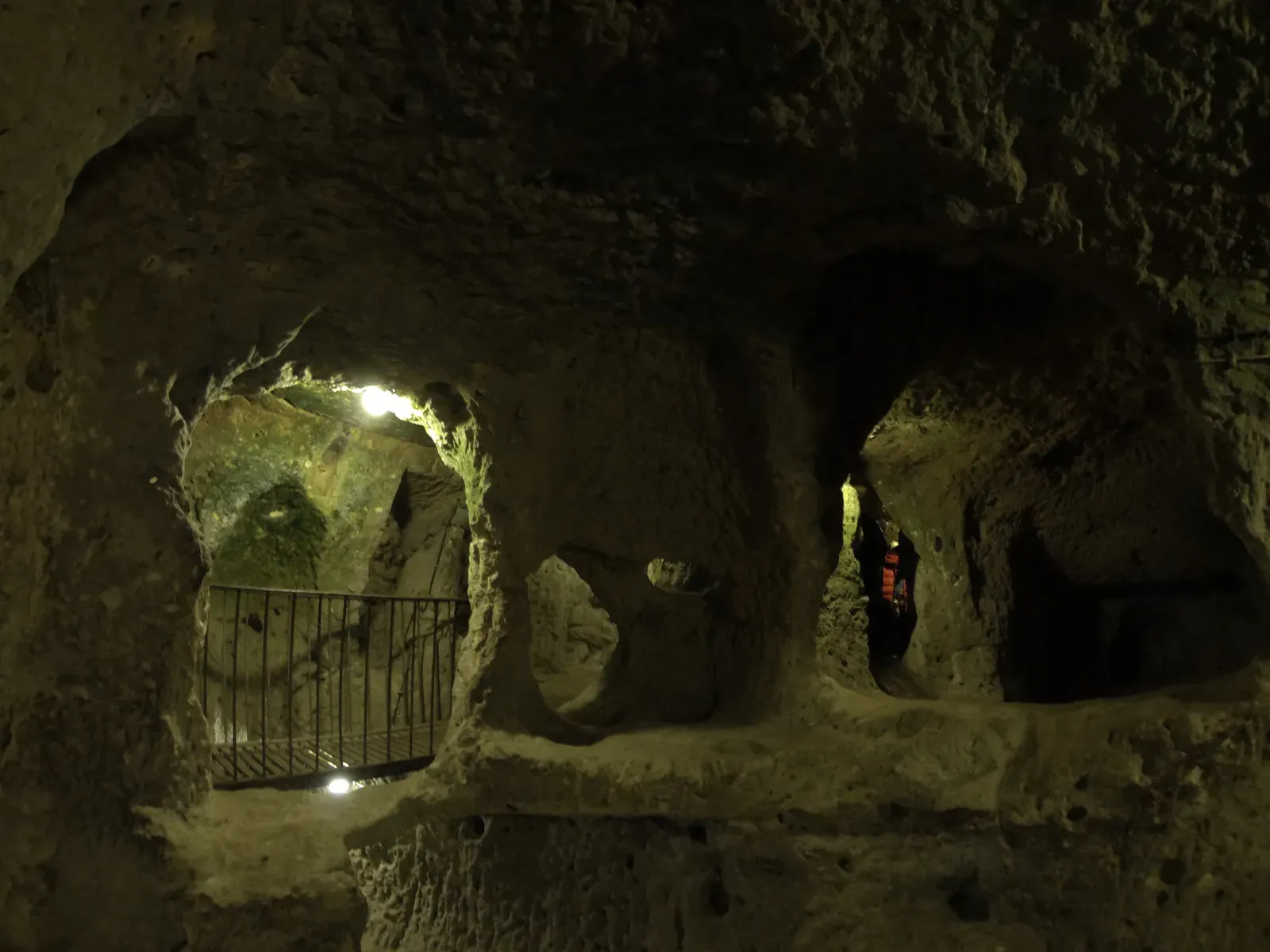
In 1963, a man in central Turkey was doing routine renovations on his home when he knocked down a wall and found a tunnel on the other side. What he uncovered behind that wall was a hidden passageway leading to an entire ancient city beneath the earth, with further exploration revealing 18 levels of interconnected tunnels, staircases, and ventilation shafts. It is one of the most improbable moments of archaeological discovery in modern history, and it happened entirely by accident.
Derinkuyu is an ancient multi-level underground city extending to a depth of approximately 85 metres, large enough to have sheltered as many as 20,000 people together with their livestock and food stores. Over 50 air shafts provided fresh air for inhabitants, while deep water wells ensured a continuous supply of fresh water. What makes this place so striking is not just its size, but the sheer practicality of its design. The underground city could be closed from the inside with large rolling stone doors, and each floor could be closed off separately.
Son Doong Cave: A Jungle Growing Underground in Vietnam
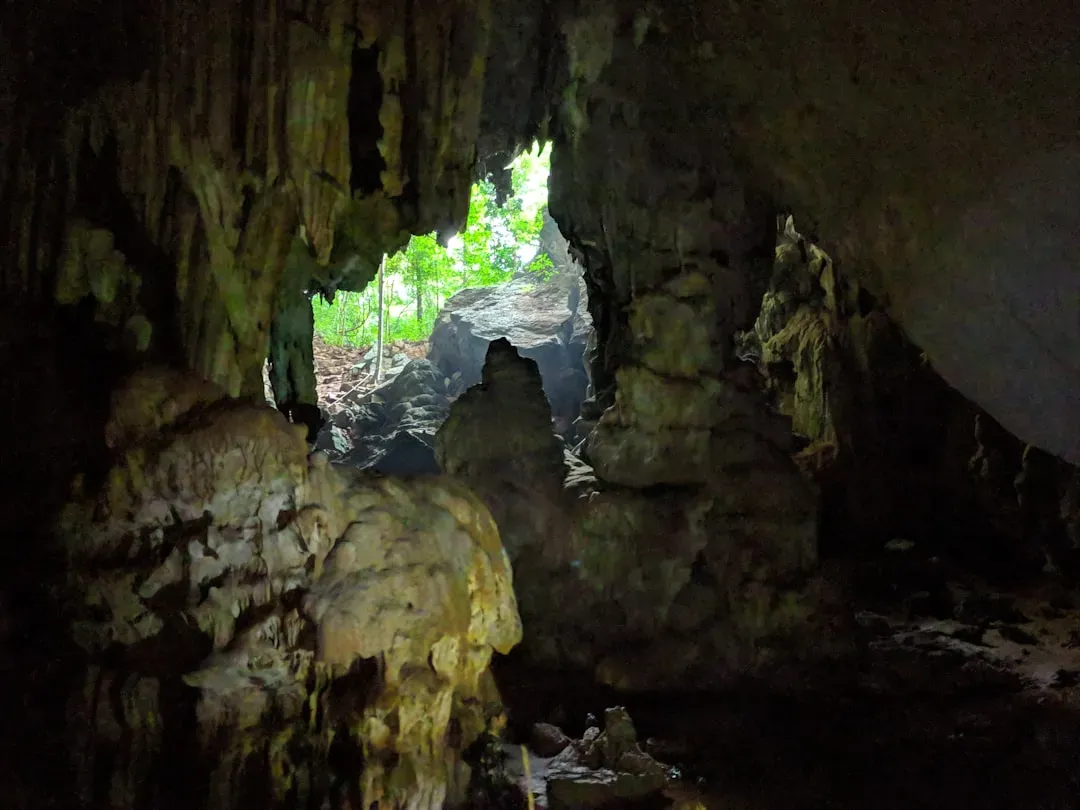
The entrance to Hang Son Doong was found on December 10, 1990 by a local man named Ho Khanh while searching for agarwood. Although he initially went to investigate further, he was discouraged by the sound of rushing water and strong wind issuing from the entrance, and by the time he returned home, he had forgotten its exact location. It would take nearly two more decades before the world would learn what he had stumbled upon.
The main Son Doong cave passage is the largest known cave passage in the world by volume, more than 5 kilometres long, 200 metres high, and 150 metres wide. Deep inside the cave sits a flourishing jungle, which grows 200 meters below ground level in an area where the cave roof has collapsed, home to an impressive ecosystem with a dangerous system of pathways. Thanks to its giant volume and dolines, Son Doong Cave has its own weather system, with temperatures maintained at a relatively stable range across seasons.
Veryovkina Cave: A Vertical Abyss With Life That Defies Explanation
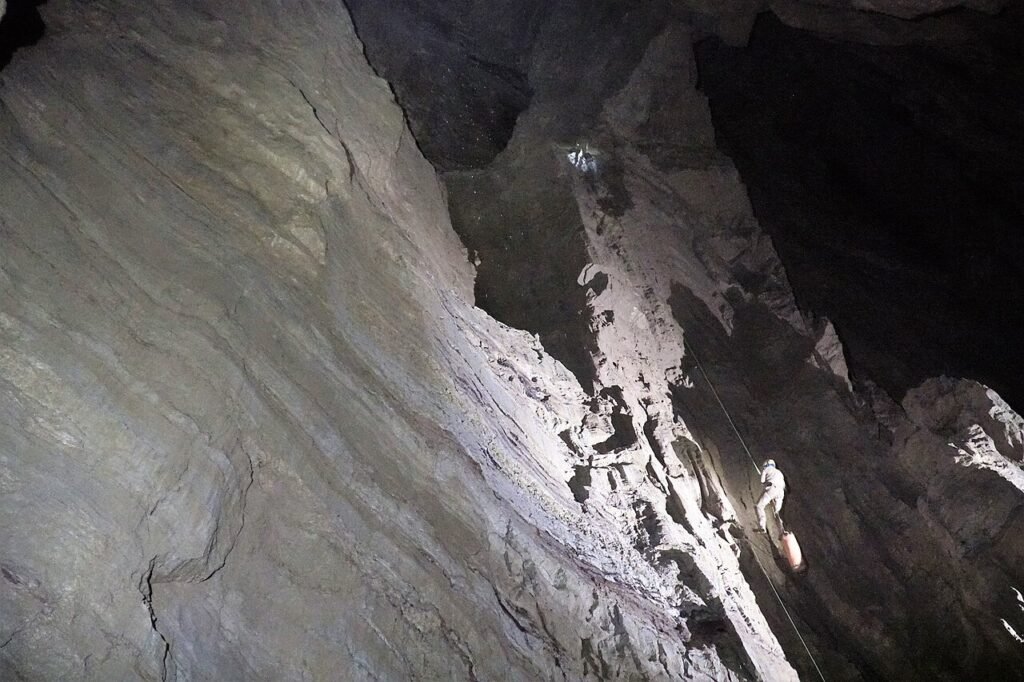
Veryovkina Cave, one of the deepest known caves on Earth, plunges over 7,200 feet into the abyss, forming a vast vertical chasm that remains untouched by sunlight and is a place of unrelenting darkness, freezing temperatures, and towering waterfalls. Only the most skilled and determined explorers have dared to navigate its treacherous depths, encountering bizarre conditions that challenge the limits of human endurance. The danger here is not merely hypothetical.
Veryovkina Cave is already dangerous, but its most unpredictable threat is flash flooding. In 2018, a team of cavers nearly didn’t make it out alive when a sudden surge of water roared through the tunnels. Scientists believe studying the extreme survivors found in this cave could offer clues about how life might exist on other planets, and if creatures can adapt to such a harsh alien environment, similar forms of life might be lurking beneath extraterrestrial ice sheets or deep in underground oceans.
The Kola Superdeep Borehole: What Happens When You Drill Straight Down

The deepest humans have travelled below the Earth’s surface is 12.262 kilometres, achieved by the Kola Superdeep Borehole in Russia, which has held the record since 1979. The Kola Superdeep Borehole was initiated by the Soviet Union in 1970 as a scientific drilling project to penetrate as deeply as possible into the Earth’s crust. The ambition behind the project was almost audacious in its simplicity: just dig, and see what you find.
Numerous unexpected geophysical discoveries were made during the drilling process, including the fact that the expected basaltic layers at 7 kilometres down were never found at any depth, with more granites appearing deeper than predicted. Innovations in drilling techniques led to scientists discovering a new kind of water created from squeezing hydrogen and oxygen out of rocks, and the team also unearthed a new species of microfossils and some unexpected gases in rocks over 2.5 billion years old. The project was eventually abandoned not due to depth but because the heat became too extreme to continue.
Earth’s Deep Biosphere: The Microscopic Underground Galapagos
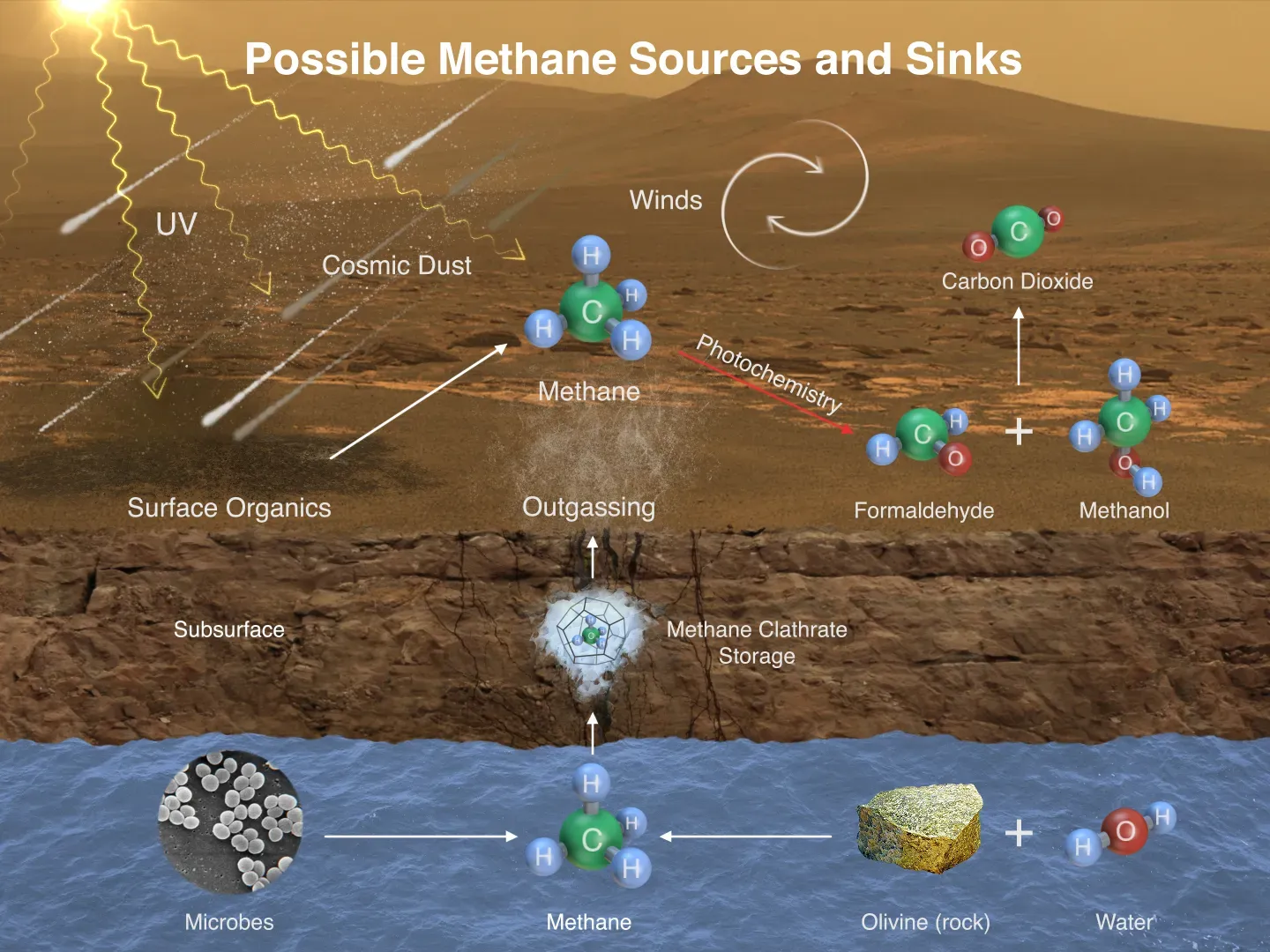
More than 1,000 scientists from 52 countries have worked to map the strange, wild life of Earth’s “deep biosphere,” the mysterious patchwork of underground ecosystems that exists between Earth’s surface and its core. Harsh conditions haven’t stopped what researchers believe are millions of undiscovered species of microbial life from evolving there since the planet’s birth. The scale of it is difficult to absorb.
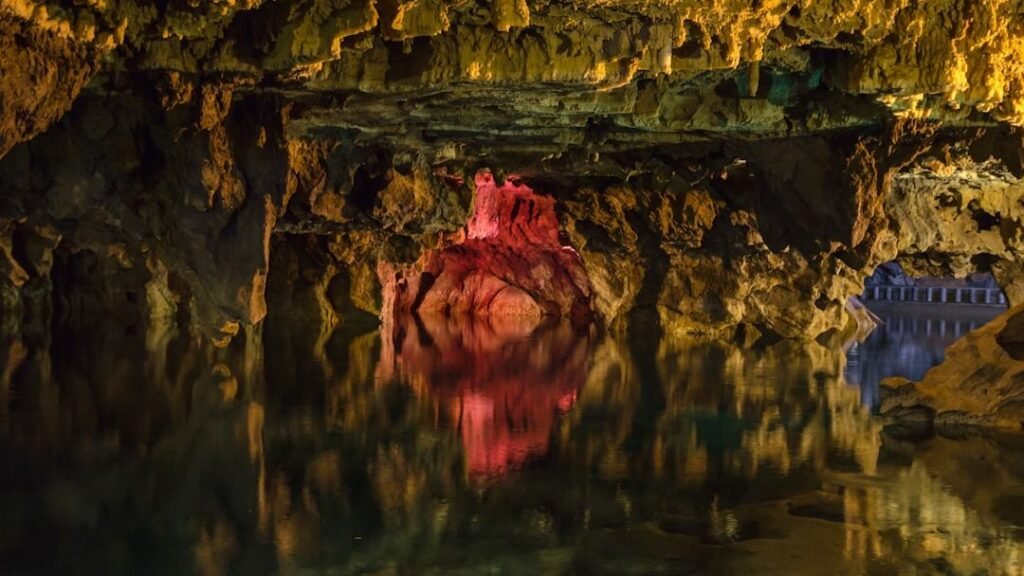
A team led by a University of Toronto geologist reported that deep, dark water in Canada’s Kidd Mine harbors a population of remarkable microbes. The single-celled organisms don’t need oxygen because they breathe sulfur compounds, and they don’t need sunlight either, living instead off chemicals in surrounding rock, particularly the glittery mineral pyrite, commonly known as fool’s gold. Scientists describe this hidden ecosystem as a “subterranean Galapagos,” with the sheer biomass of carbon-based life lurking below our feet utterly dwarfing the amount of life roaming Earth’s surface.
Ancient Underground Cities: How Entire Civilizations Went Below Ground
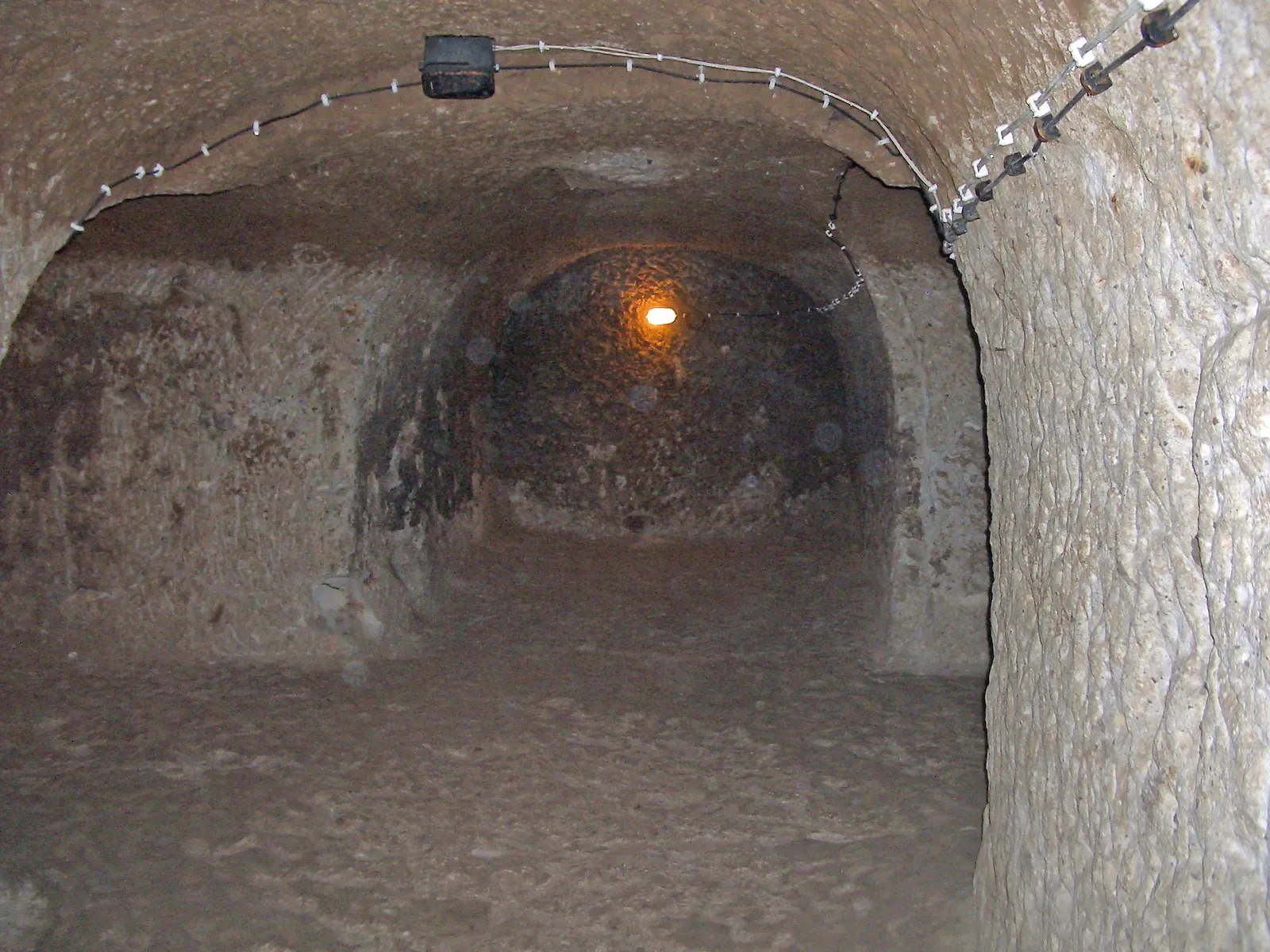
The region of Cappadocia in central Turkey is home to one of the most spectacular landscapes in the world, and within it lie deep valleys and soaring rock formations dotted with homes, chapels, tombs, and entire subterranean cities. Over 100 square miles contain more than 200 underground villages and tunnel towns complete with hidden passages, secret rooms, and ancient temples. Derinkuyu is the most famous of these, but it is far from the only one.
Located in northern France, the underground city of Naours includes two miles of tunnels and more than 300 man-made rooms, all hidden about 100 feet beneath a forested plateau. The site began life around the third century as part of a Roman quarry, but was later expanded as locals used it during the wars and invasions of the Middle Ages, eventually housing up to 3,000 inhabitants with chapels, stables, wells, and bakeries. The Italian hilltop town of Orvieto holds its own underground secrets, where generations of locals burrowed deep into the volcanic rock bluff, growing a subterranean maze that eventually included more than 1,200 interlocking tunnels, grottoes, and galleries.
Underground Laboratories: Science’s Strangest Workplaces
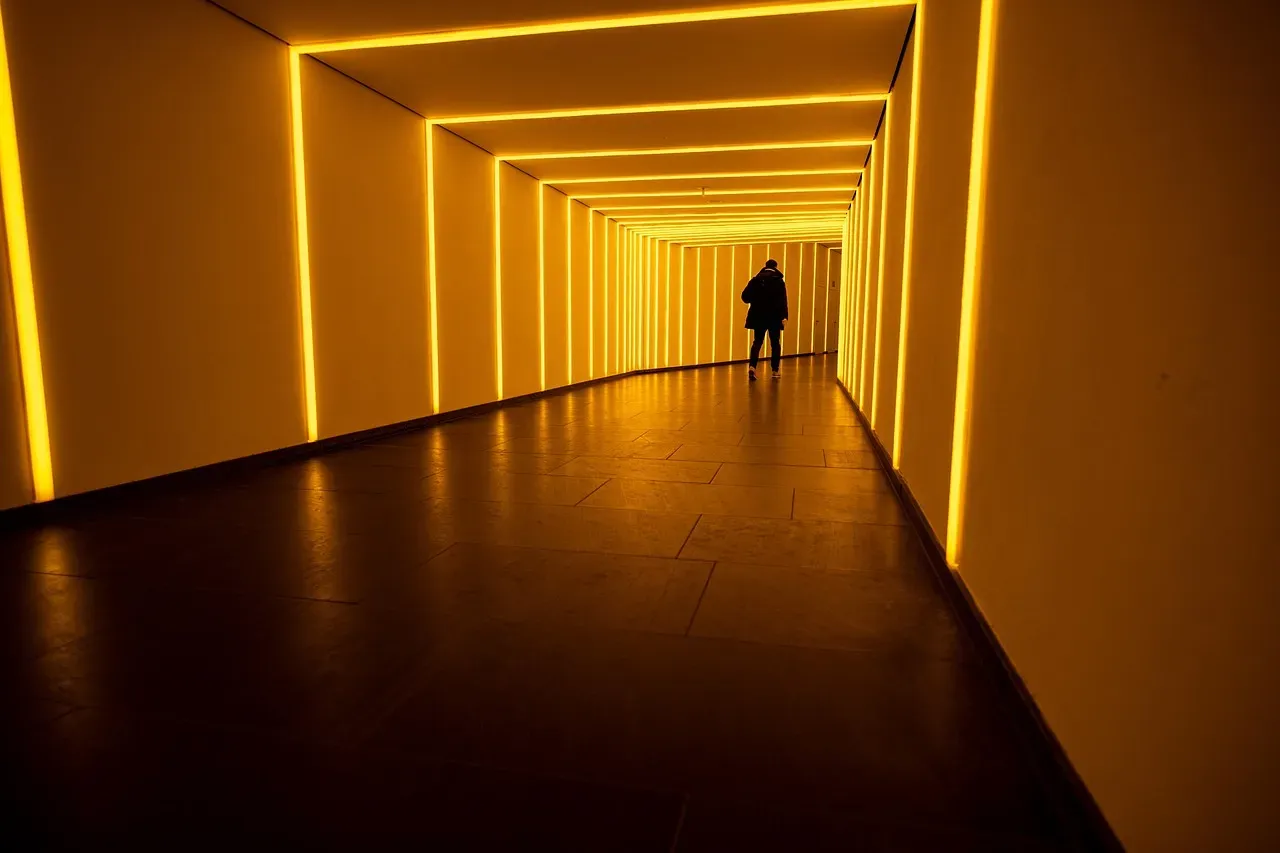
Many of today’s leading scientists work on cutting-edge projects by taking their research underground. In the subterranean worlds of underground research centers, experiments can be shielded from cosmic radiation, and when sensitive physics experiments are done a mile underground, the cosmic noise is reduced by a factor of ten million. That is a level of silence and stillness that is simply impossible to achieve on the surface.
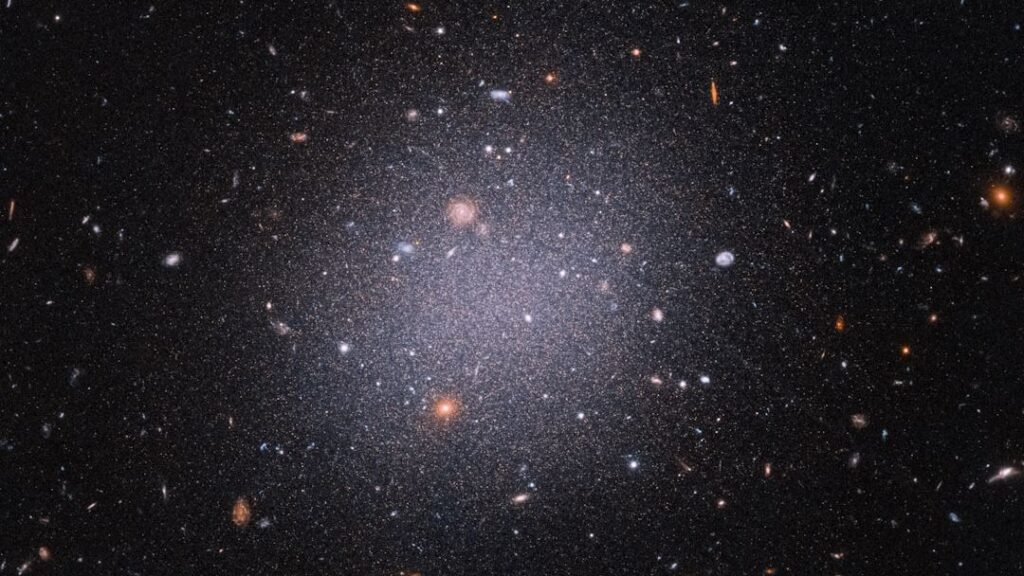
The deepest underground research center in the world is below the Jinping Mountains of Sichuan, China, at 7,900 feet deep, where researchers explore dark matter. Scientists construct or repurpose buried infrastructure in places like Minnesota, Japan, Italy, China, and Finland to peer deep into the cosmos from deep underground, seeking to learn why the universe is the way it is. There is a particular irony in the fact that to understand the largest questions about the cosmos, you have to go as far underground as possible.
New Cave Discoveries: The Underground Map Is Still Being Written
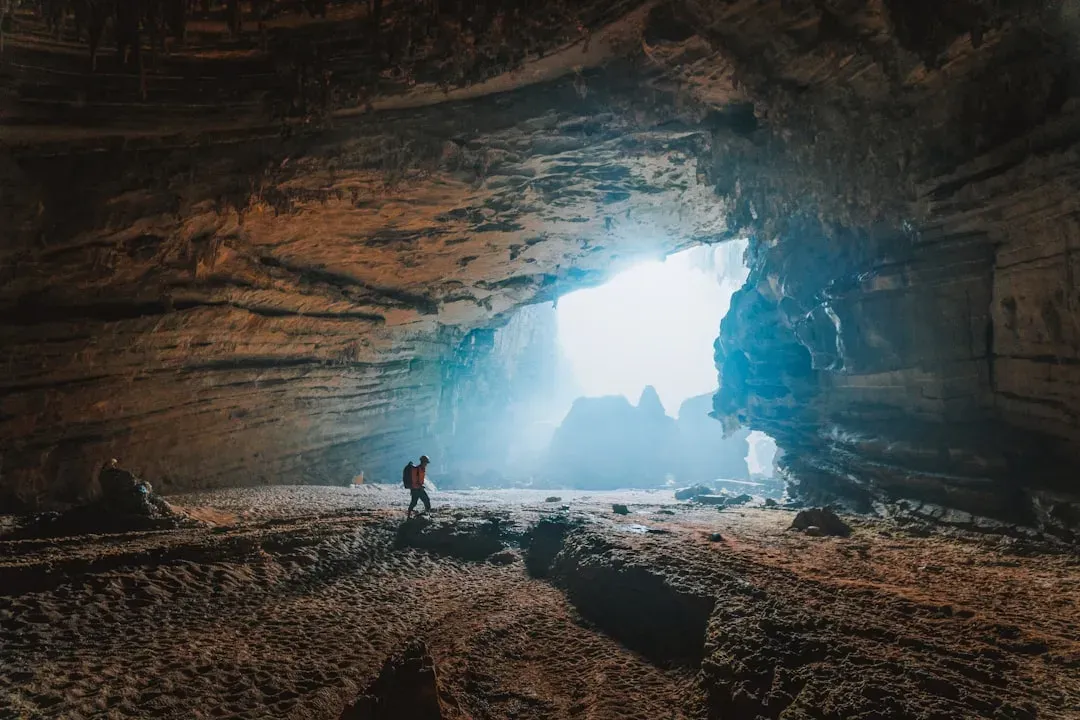
In 2024 alone, scientists discovered the world’s oldest known cave art, new caves in Vietnam, a new stretch of an underground river, and even a cave on the Moon. The popular assumption that everything has already been found simply does not hold up against the evidence. The British-Vietnam Caving Expedition Team uncovered seven new caves in Phong Nha-Ke Bang National Park and its surroundings with a combined length of 1,377 metres, and found another 10 in Lam Hoa, Tuyen Hoa.
The Sistema Huautla cave system in Mexico, known as the deepest cave in the Western Hemisphere, has been found to be even larger than scientists previously believed, with recent explorations expanding the mapped length of this underground labyrinth. The cave system, located in the Sierra Mazateca mountains of Oaxaca, dates back up to 15 million years, offering a rare glimpse into geological and biological processes that have unfolded over vast spans of time. Every new expedition rewrites the map a little further, and the map is still very much a work in progress.
Conclusion
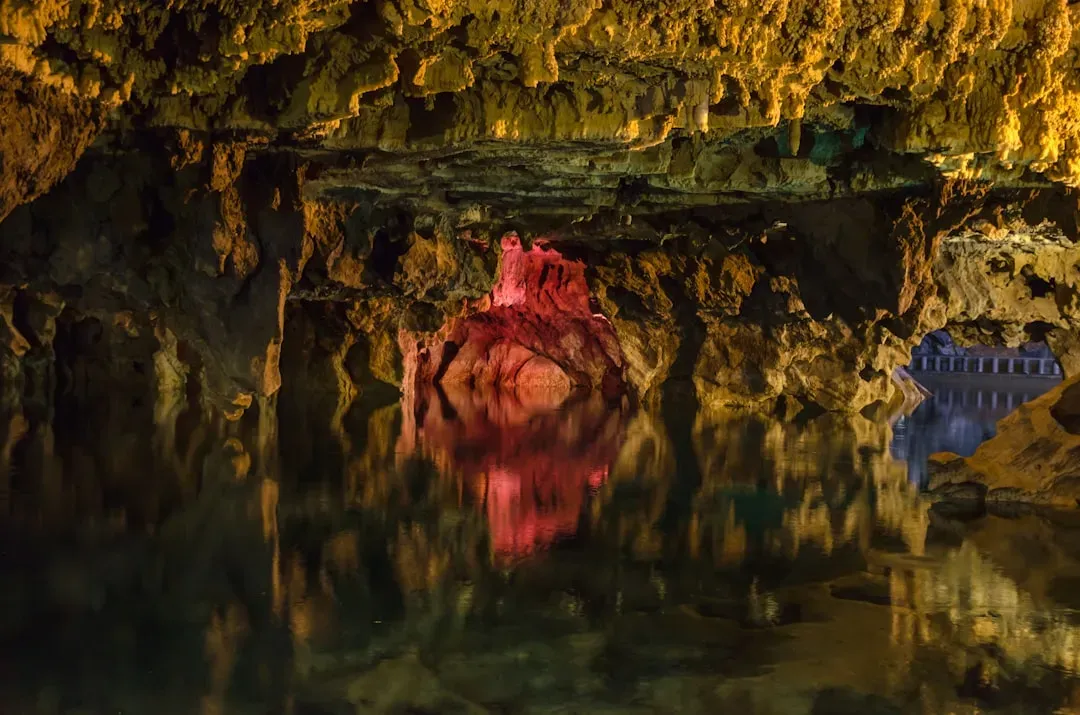
What strikes you most, when looking at all of this together, is how consistently the underground has surprised the people looking into it. Layers of rock that were supposed to be basalt turn out to be granite. Caves that seemed fully mapped open into new chambers. Ancient cities turn up behind basement walls. Creatures survive in water that has been sealed from the surface for hundreds of millions of years.
The underground does not reveal itself easily or on demand. It requires patience, the right technology, and often a large element of chance. Recent discoveries remind us that our planet still hides entire worlds beneath its surface, places untouched by modern civilization and filled with secrets waiting to be revealed, and every cave system is a gateway into the unknown, challenging what we think we know about life, geology, and even time itself. The most honest conclusion may simply be this: we have barely begun to look down.