

When death suddenly steps out of the shadows and into your life, the world rarely goes back to the way it was. Ordinary routines can feel strangely hollow, old priorities lose their grip, and questions you once pushed aside start pounding on the door of your mind. You might find yourself wondering why you are here, what truly matters, and how much time you really have to live the life you keep postponing.
You are not alone in that shift. Across cultures and throughout history, people have reported that getting close to death – whether through illness, accident, grief, or global crises – cracks something open inside them. It can be terrifying, but it can also be strangely clarifying, like a harsh light that suddenly reveals what was always there. When you look at your life through that lens, searching for meaning stops being a philosophical hobby and becomes something urgent, raw, and deeply personal.
When You Realize Life Has an Expiration Date

Most of the time, you live as if life stretches out indefinitely, even though you logically know it does not. You plan “someday” trips, “later” dreams, and “when things calm down” decisions, as if time will always bend to your schedule. A close brush with death – your own or someone else’s – tears away that illusion and forces you to see that there is an invisible countdown running in the background.
That realization can hit you like a physical shock. Suddenly, every year, every birthday, every lost afternoon scrolling a screen feels different. You start asking whether the way you spend your days actually matches what you say you care about. The search for meaning becomes less about abstract ideas and more about a simple, pressing question: If your time is limited, what is worth giving your life to?
The Shattering of Auto-Pilot and Comfortable Numbness
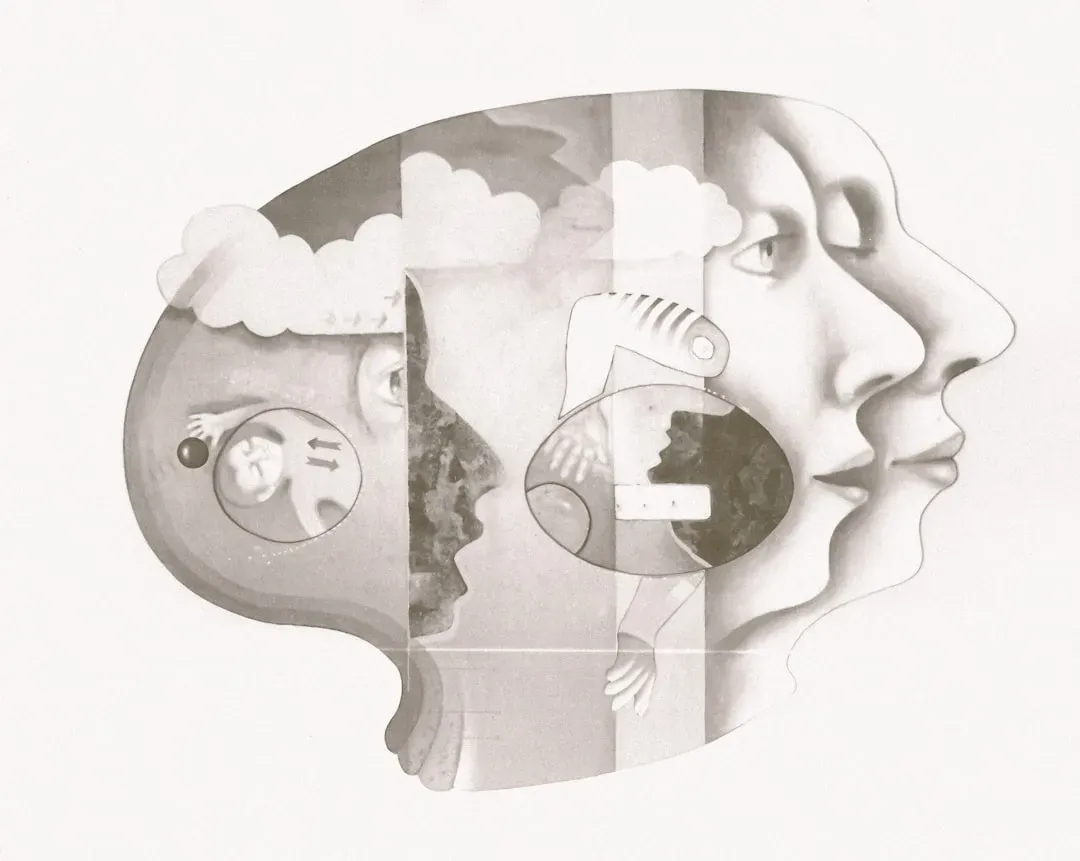
Before death comes close, you might move through life on a kind of psychological auto-pilot. You follow the script your culture hands you: get through school, find work, build a family, keep busy, avoid too much discomfort. You may feel restless now and then, but it is easy to drown that out with distraction and routine. The system works well enough – until something breaks it.
Facing death rips a hole in that comfortable numbness. Suddenly, small talk feels pointless, shallow goals feel flimsy, and the habits you once leaned on for comfort stop working. You may feel disoriented, even angry, that the story you were following never mentioned how fragile it all is. Out of that shattering, your deeper search begins: you are not just looking for ways to feel good again; you are trying to find a life that still makes sense in a world where everything can be taken away.
Death as a Ruthless Filter for What Actually Matters
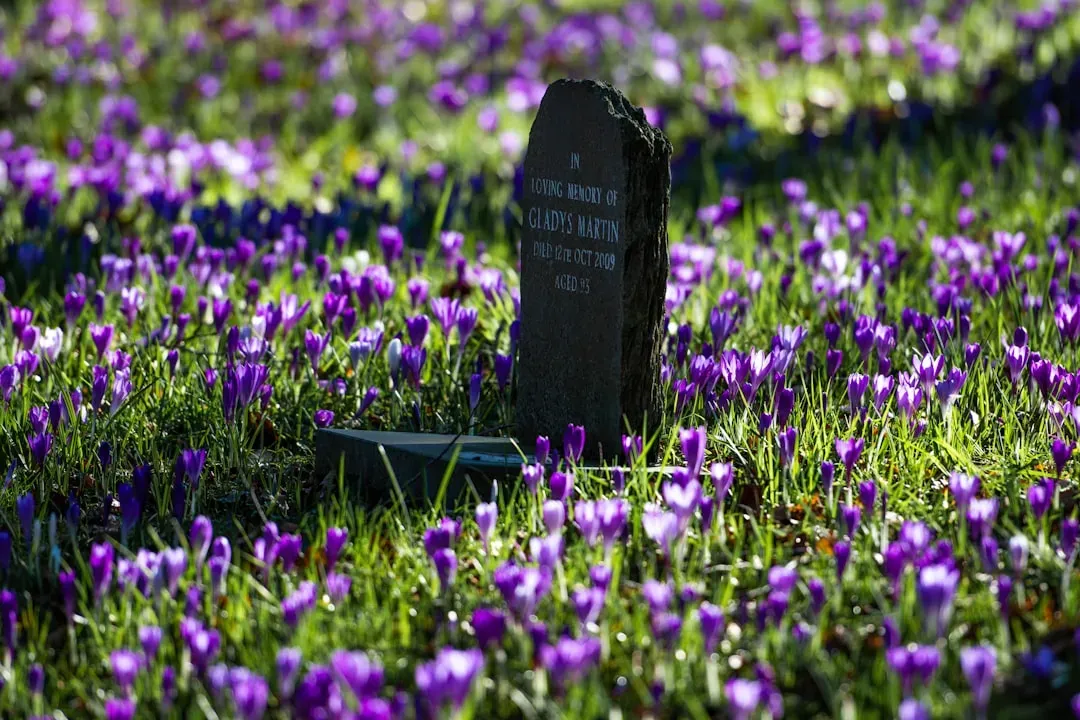
When mortality becomes real to you, it acts like a ruthless filter on your priorities. Conflicts that once consumed you start to look trivial when you measure them against the fact that no one gets infinite time. You may notice yourself caring less about status, appearances, or winning every argument, and more about presence, connection, and integrity. It is as if your inner compass gets recalibrated by the simple awareness that you will not be here forever.
This is often why you feel a pull toward meaning after confronting death. Meaning tends to live where your values, relationships, and actions line up. You begin asking: Whom do you want to love better while you still can? What kind of person do you want to be remembered as? What work feels worth your energy, even when no one is watching? Death does not answer these questions for you, but it makes it much harder to ignore them.
The Need to Make Sense of Pain and Randomness
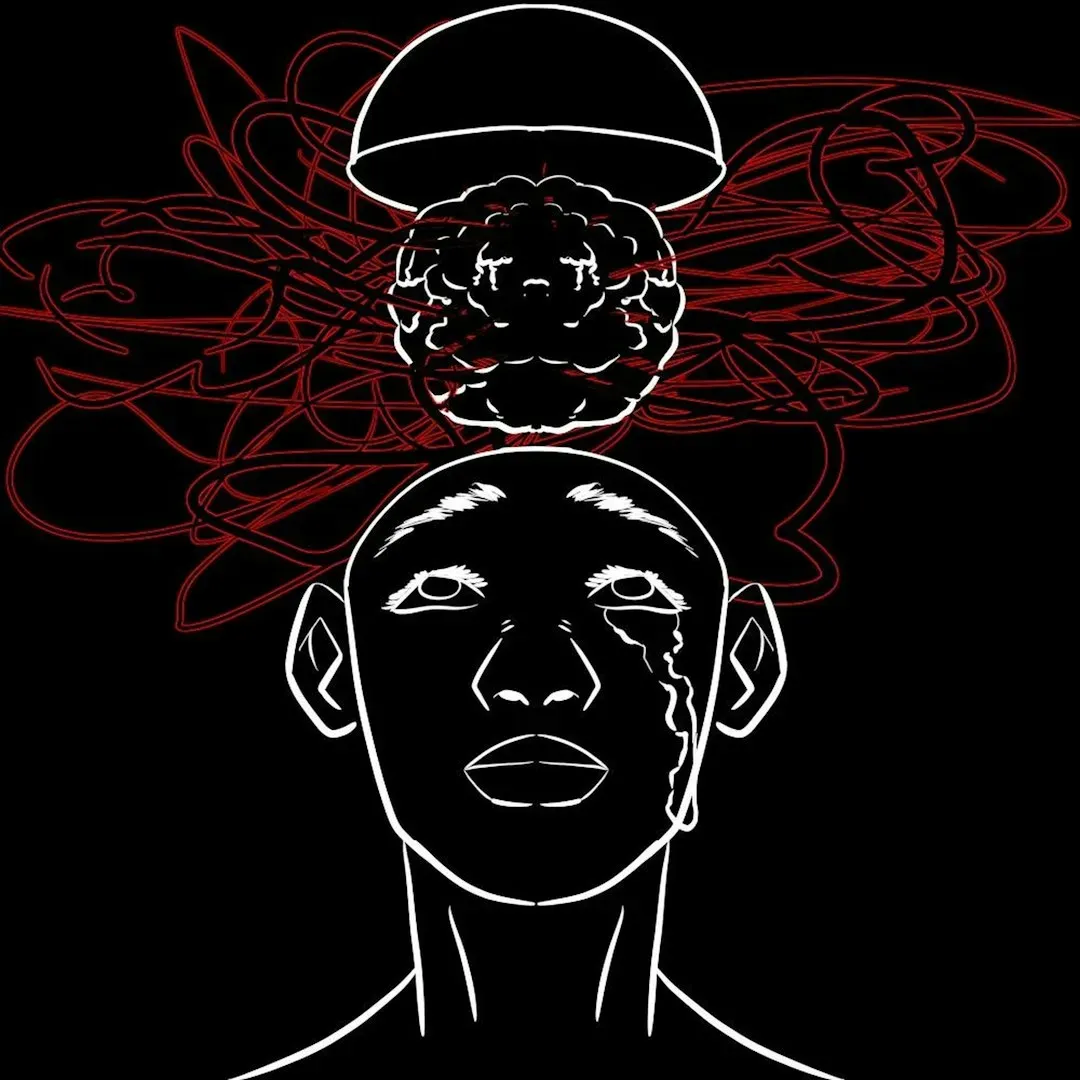
When loss or near-death crashes into your life, it rarely feels neat or logical. A healthy person gets sick out of nowhere, an accident changes everything in seconds, a goodbye happens with no warning. Your mind naturally tries to make sense of that chaos. You may catch yourself asking why it happened, whether there is any lesson in it, and how you are supposed to live with something that will never fully feel fair.
This is one of the strongest drivers of your deeper search for meaning. You are not just trying to understand the event; you are trying to understand your place in a world where such things can happen at all. Some people lean on religion or spirituality, others on philosophy or psychology, others on personal values like kindness or creativity. Whatever path you take, the need underneath is similar: you are trying to turn raw, senseless pain into a story that allows you to keep living with your eyes open.
How Close Calls Can Rewrite Your Identity

A confrontation with death does not just change what you think; it can change who you feel you are. If you survive an illness, a serious accident, or a dangerous situation, you may feel like you are living a kind of second life. Things that once defined you – your job title, your social role, your achievements – can suddenly feel thinner than they used to, like costumes that no longer quite fit.
In that space, you get a strange and sometimes frightening gift: the chance to rewrite your identity on purpose. You might start to see yourself less as a collection of roles and more as someone with particular values, strengths, and longings. You might feel a new urge to live more honestly, even if that means disappointing others. The deeper search for meaning becomes an identity project: Who are you now, after everything you have seen and survived?
The Pull Toward Connection and Legacy
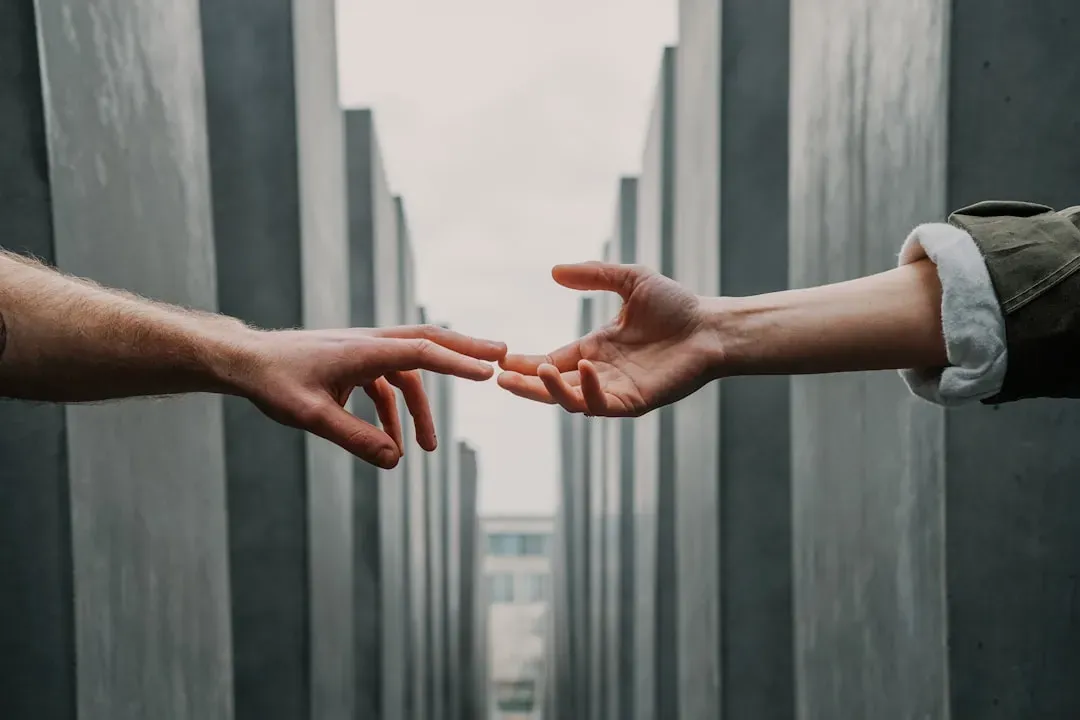
Death has a way of reminding you that you are not an island. When you face loss, you often realize how deeply your life is woven into the lives of others – family, friends, colleagues, even strangers who cross your path. In grief, you might remember tiny acts of kindness or shared jokes more vividly than big achievements. That is not an accident: your brain and heart are wired to find meaning in connection.
As a result, you may feel pulled to repair relationships, say what you have been holding back, or show more love while you still have the chance. You might also think more about legacy, not in some grand, dramatic way, but in simple, human terms: What traces of you will remain in the people you have touched? What values will you pass on through your daily choices? The more you feel the reality of death, the more important it often becomes to leave behind something that feels gentle, good, and true.
Choosing Growth Instead of Numbness

After facing death, you stand at a quiet crossroads that most people around you may not even notice. On one path, you can try to go back to how things were, shutting down your feelings, burying the questions, distracting yourself until the sharp edges fade. On the other path, you allow the experience to change you, even if that means walking through discomfort, confusion, and vulnerability.
Choosing growth over numbness is not about being positive all the time or pretending to be grateful for tragedy. It is about letting your encounter with mortality deepen your honesty and compassion – for yourself and for others. You might become more patient with people’s flaws, more willing to say no to what drains you, and more ready to say yes to what truly matters. The search for meaning becomes a daily practice: small, imperfect steps toward a life that feels more awake and less wasted.
Conclusion: Letting Mortality Wake You Up, Not Shut You Down
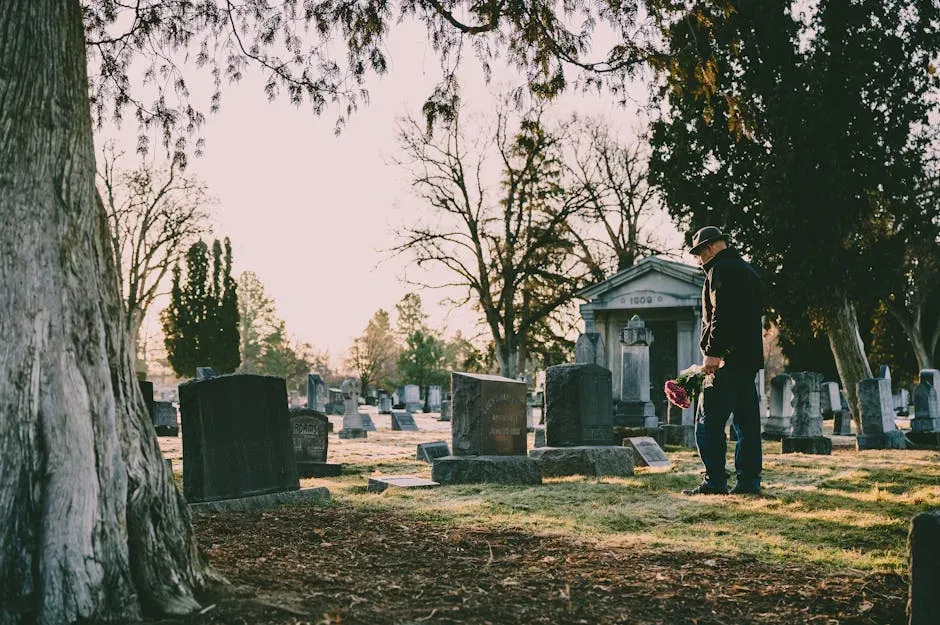
When death comes close, it can feel like someone has yanked the floor out from under you. But in the emptiness that follows, there is also room for something new: a life that is more intentional, more honest, and more aligned with what you truly value. Your deeper search for meaning is not a sign that you are broken; it is a sign that you are fully awake to the reality that nothing lasts forever, and that makes every moment more precious, not less.
You will not always get it right. You will still drift into autopilot, still waste time, still avoid hard conversations, still forget what you learned and have to remember it again. But if you let your encounters with death keep nudging you back to what matters, your life can become a quiet, ongoing answer to the questions that shook you. In the end, maybe the real mystery is not why death changes you, but why it takes getting so close to the end to finally live like your days are worth something – what will you do with that awareness now?