

You probably think you know what sleep is: you lie down, close your eyes, drift off, then wake up and get on with your day. Simple, right? But the deeper you look, the stranger it gets. The more science learns about sleep, the more it starts to feel like a black box that quietly runs your life from behind the scenes. Sleep shapes your memory, mood, weight, immune system, even how long you live, yet you still cannot fully answer the most basic question: why do you sleep at all? You can describe what happens, you can track brain waves and hormones, but the core “why” remains hazy. As you go through these fifteen facts, you’ll see how sleep is both familiar and deeply mysterious – and how much of your nightly shutdown you’ve been taking for granted.
1. You Physically Cannot Live Without Sleep, But No One Knows Exactly Why

If you go without food, you weaken and eventually starve. If you go without water, your organs fail. With sleep, the pattern is similar: when you are completely sleep deprived, your body and mind break down frighteningly fast. Yet scientists still do not have one neat answer to explain why you must sleep; instead, they have a long list of overlapping theories that only cover parts of the story. You can think of sleep like a software update that also happens to rebuild the hardware while your consciousness is offline. Your brain seems to use it to clear waste, reset circuits, stabilize emotions, and file memories, while the rest of your body repairs tissue, tunes your immune system, and recalibrates hormones. You clearly cannot survive without this nightly maintenance, but the fact that evolution forces you to lie helpless for hours every day remains oddly risky and unexplained.
2. Your Brain Is Shockingly Active While You Sleep

You might imagine your brain powering down at night, humming quietly in the background like a computer on standby. In reality, when you sleep, your brain lights up with structured waves of activity that sometimes look as intense as when you are awake. Different stages of sleep are marked by distinct electrical patterns, and your brain cycles through them repeatedly. During rapid eye movement (REM) sleep, which you usually associate with vivid dreams, your brain can be as electrically active as it is when you are fully awake, even though your body is effectively paralyzed. During deeper non-REM stages, waves of brain activity sweep across your cortex like slow ocean swells, helping with restoration and memory processing. So when you say you are “knocked out” at night, your brain would probably disagree.
3. You Don’t Just Sleep Once; You Cycle Through Multiple Types Of Sleep

You often think of sleep as one solid block, but what actually happens is more like a repeating playlist. You move through light sleep, deep sleep, and REM sleep in roughly ninety-minute cycles, looping several times through the night. Each of these stages does different jobs, from body repair to emotional processing. Early in the night, your body tends to prioritize deeper non-REM sleep, which is linked to physical recovery, immune strength, and slow, synchronized brain waves. As morning gets closer, you spend more time in REM sleep, where your brain seems to experiment with memories, emotions, and creativity. So when you cut your night short, you are not just sleeping less; you are chopping off specific stages that your body was counting on.
4. Your Brain Literally Washes Itself While You Sleep
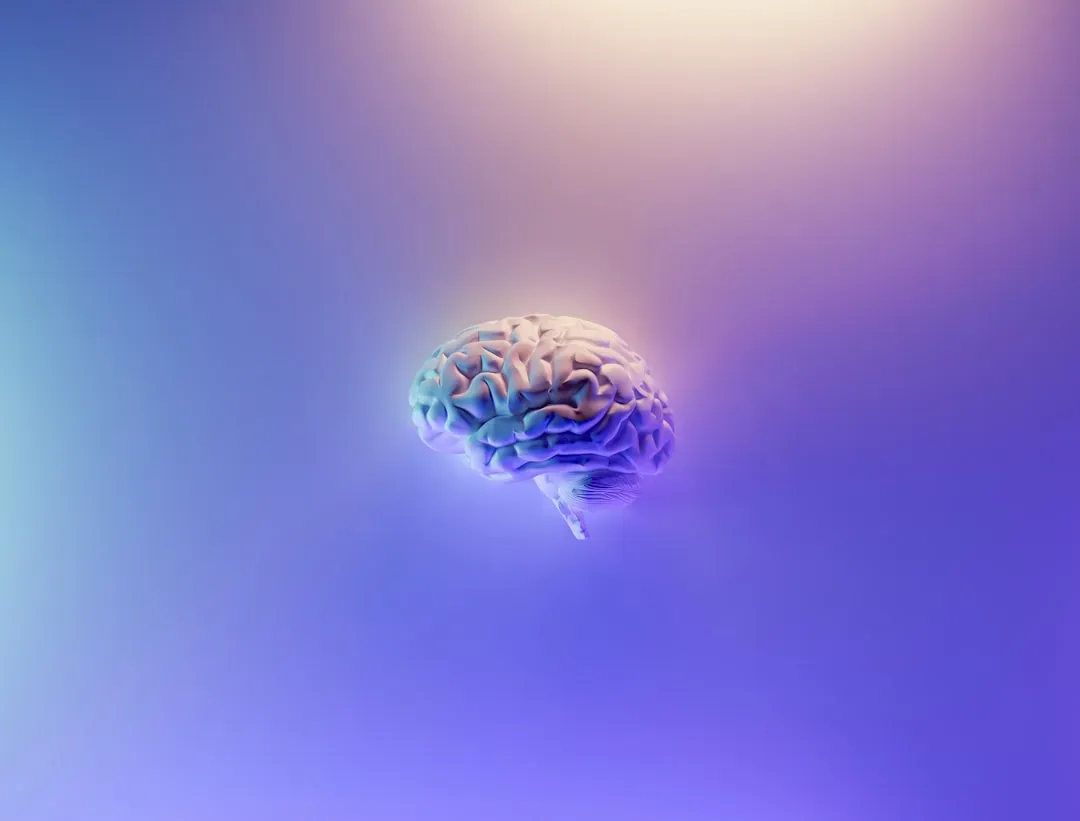
When you sleep, your brain does housekeeping that it cannot easily do while you are awake. Fluid flows through specialized channels around your brain cells, clearing out metabolic waste products that build up during the day. Some of these waste products include proteins that are linked to neurodegenerative diseases when they accumulate over time. You can picture it like a nighttime rinse cycle for your brain. While you are awake, your brain is busy processing information, so it keeps everything tightly packed and active. When you fall asleep, cells shrink slightly, fluid moves more freely, and the system flushes out toxins. You do not feel this “brain washing,” but if you regularly shortchange your sleep, you may be quietly skipping some of that cleanup.
5. Sleep Deprivation Warps Your Brain Like Being Mildly Drunk

When you push through a night with too little sleep, you probably tell yourself you are “fine, just tired.” Your brain, however, behaves more like it does under the influence of alcohol. Reaction times slow, attention wobbles, judgment gets worse, and you overestimate your abilities. The scary part is that you usually do not notice how impaired you are. Even missing just a couple of hours of your usual sleep over several nights can pile up into a sleep debt that drags down your mental performance. If you have ever snapped at someone over something tiny or stared blankly at a screen because you “just can’t think,” you have felt this effect. You may think you are adapting to less sleep, but your brain is actually just adjusting to a new, lower level of functioning.
6. Your Dreams Are Emotional Experiments You Don’t Control

You might laugh off your dreams as weird mental movies, but they seem to play a serious role in how you handle emotions. During REM sleep, your brain reactivates emotional memory networks while dialing down some of the stress chemicals that make painful experiences feel overwhelming when you are awake. It is as if your brain is replaying charged events in a safer mode. The strange, surreal nature of dreams might be part of how your brain loosens your grip on rigid thought patterns. You mash together unrelated memories, faces, places, and fears in ways you would never choose consciously. You often wake up not fully understanding what you dreamed, yet your emotional load feels a little lighter, like you have quietly worked through something without talking about it.
7. You Underestimate How Much Sleep Loss Affects Your Mood

When you are short on sleep, you might first notice foggy thinking, but your emotions are often hit even harder. Regions of your brain that process threats and negative information become more reactive, while areas responsible for reasoning and emotional control weaken. That imbalance makes you more irritable, anxious, and sensitive to stress. You may interpret ordinary challenges as personal attacks or catastrophes, simply because your tired brain keeps amplifying the negatives. Everyday frustrations – traffic, emails, kids’ noise – can suddenly feel unbearable. The cruel twist is that when your mood is low, you often sleep even worse, locking you into a loop that feels emotional but actually has a powerful biological driver: chronic tiredness.
8. Your Immune System Treats Sleep Like A Non‑Negotiable Requirement

Your immune system depends on sleep in ways you probably do not fully appreciate. When you sleep well, your body produces and releases various immune cells and signaling molecules that help you fight off infections and respond to vaccines effectively. When you skimp on sleep, those processes become less efficient, leaving you more vulnerable to illness. If you have ever noticed that you catch colds more easily after long, exhausting weeks, you have felt this connection firsthand. Your body seems to treat sleep as a scheduled maintenance window to scan for problems, repair damage, and reinforce defenses. You cannot see these shifts happening in your blood and tissues, but your long‑term health quietly reflects how you have been sleeping.
9. Your Weight And Appetite Are Quietly Linked To Your Sleep
Sleep is not just about feeling rested; it also nudges your metabolism and hunger in subtle ways. When you do not sleep enough, hormones that regulate appetite change: hunger signals rise, and the hormones that help you feel satisfied after eating drop. You then crave more food, especially calorie‑dense snacks, even if your actual energy needs have not increased. At the same time, your body becomes less efficient at using insulin and managing blood sugar, which can slowly nudge you toward weight gain and metabolic issues if poor sleep becomes a habit. You might blame your lack of willpower for late‑night snacking or mid‑afternoon sugar cravings, but your tired brain and body are quietly pushing you in that direction.
10. Your Sleep Timing Is Built Into Your Biology, Not Just Your Willpower

You may think you are a “night owl” or “early bird” purely by habit or choice, but your internal clock has a strong say. Deep inside your brain, a cluster of cells acts like a master timer, responding to light and darkness and coordinating daily rhythms in hormones, body temperature, and alertness. On top of that, your genes influence whether your natural preference tilts earlier or later. When your daily schedule fights this internal timing – for example, staying up late but waking up early for work – you force your body into a kind of mini jet lag, even if you never change time zones. You can push your clock a bit with consistent routines and morning light, but there are limits. Blaming yourself for not being “disciplined” enough to fall asleep on command ignores how deeply biological your sleep timing actually is.
11. Your Brain Strengthens Or Weakens Memories While You Sleep

You have probably experienced moments where something you studied the night before suddenly felt clearer the next day. That is your sleeping brain at work. During certain sleep stages, your brain replays and reorganizes memories, deciding what to keep and what to let fade. Some connections are strengthened, others pruned away. Interestingly, sleep does not just solidify facts; it also helps link new information to what you already know, making insights and understanding more likely. If you routinely stay up late cramming and then sleep poorly, you might be doing the mental equivalent of shoving papers into a drawer without ever filing them. Letting your brain sleep is how you actually put those “papers” in order.
12. You Never “Get Used To” Chronic Sleep Deprivation

You may feel like you have adapted to living on too little sleep, especially if you have busy work, kids, or endless responsibilities. Over time, you stop feeling overwhelmingly sleepy during the day, so you assume your body has learned to cope. The trouble is that your internal performance baseline has quietly shifted downward without you realizing it. When researchers test people who say they are used to sleeping less, those people almost always perform worse on tasks that measure attention, reaction time, and decision‑making, even though they insist they feel fine. You are a poor judge of your own impairment. What feels “normal” to you might actually be a tired version of yourself that you have accidentally accepted as the default.
13. Your Sleep Needs Are Individual, But Not Infinitely Flexible

You often hear that everyone needs a certain fixed number of hours of sleep, but the truth is a bit more nuanced. Most adults fall within a fairly narrow range of nightly sleep that keeps them healthy and functioning, but there is some natural variation. You might feel best with slightly more or slightly less than your partner or friends, and that is normal. However, your flexibility is not limitless. You cannot train yourself to thrive on dramatically less sleep than your body truly needs just by forcing the habit. There are rare individuals with genetic differences who genuinely do well on less sleep, but chances are you are not one of them. If you always feel tired, irritable, or foggy, your body is probably telling you that your personal minimum is not being met.
14. Technology Has Outpaced Our Understanding Of Its Impact On Your Sleep

You now carry bright, stimulating screens in your pocket, on your wrist, and by your bed, and they can quietly disrupt your sleep more than you realize. Light in the blue spectrum, which many devices emit, tells your brain that it is daytime, suppressing the hormone that helps you feel sleepy and delaying your internal clock. Late‑night scrolling is not just a harmless habit; it sends confusing signals to your biology. At the same time, your sleep trackers and apps give you detailed data about your night – stages, scores, graphs – without always explaining what it really means or how accurate it is. You might wake up feeling okay but worry because your app gave you a low score, creating a new kind of anxiety around sleep. For all the gadgets you have, your fundamental understanding of how to use them wisely is still catching up.
15. Even Sleep Scientists Still Disagree On The Full Story

You might assume that experts have a settled, unified theory of sleep by now, but they do not. Different research fields emphasize different roles: some focus on energy conservation, others on memory, others on immune function or emotional regulation. Each angle explains part of the picture, yet no single explanation feels complete enough to cover all that sleep does. When you step back, you are left with a humbling reality: you spend roughly about one third of your life in a state that science still cannot fully explain. Every year brings new insights – new brain circuits mapped, new molecules discovered – but sleep remains one of biology’s biggest open puzzles. The more you learn, the more you realize how much remains hidden behind closed eyelids.
Conclusion: You Know Sleep Is Vital – You Just Don’t Fully Know Why

When you add up all these facts, a strange pattern emerges: you know that sleep touches almost everything that matters in your life – health, mood, memory, creativity, relationships – but your understanding of it is still surprisingly primitive. You can track it, measure it, and manipulate it a little, yet the core reasons your brain and body insist on this nightly ritual are still unfolding. Maybe the most honest approach you can take right now is to treat sleep with a kind of respectful curiosity. You might not grasp every mechanism, but you can sense, in your own body, how different life feels when you protect your nights instead of sacrificing them. As you lie down tonight, will you see your sleep as wasted time, or as a mysterious, essential process that might be doing more for you than you can yet imagine?