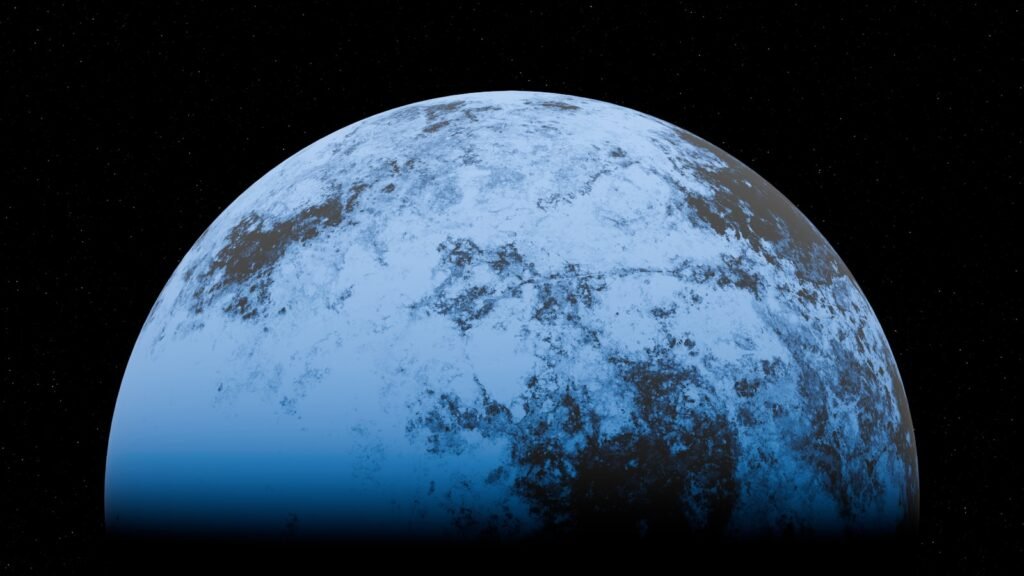

Imagine waves rolling across a planet that never sees a true sunrise, its sea lit instead by the cold glow of a distant red star. For years, ocean worlds belonged to science fiction or to the secret interiors of icy moons in our own backyard. Now, with new telescopes peeling back the darkness, astronomers are tracking the fingerprints of seas on planets hundreds of light-years away. The mystery is gripping: Are these worlds swaddled in vapor and haze, or do they hide blue surfaces and storm tracks like ours? The search is messy, technical, and sometimes frustrating – but it’s finally starting to feel real.
The Hidden Clues
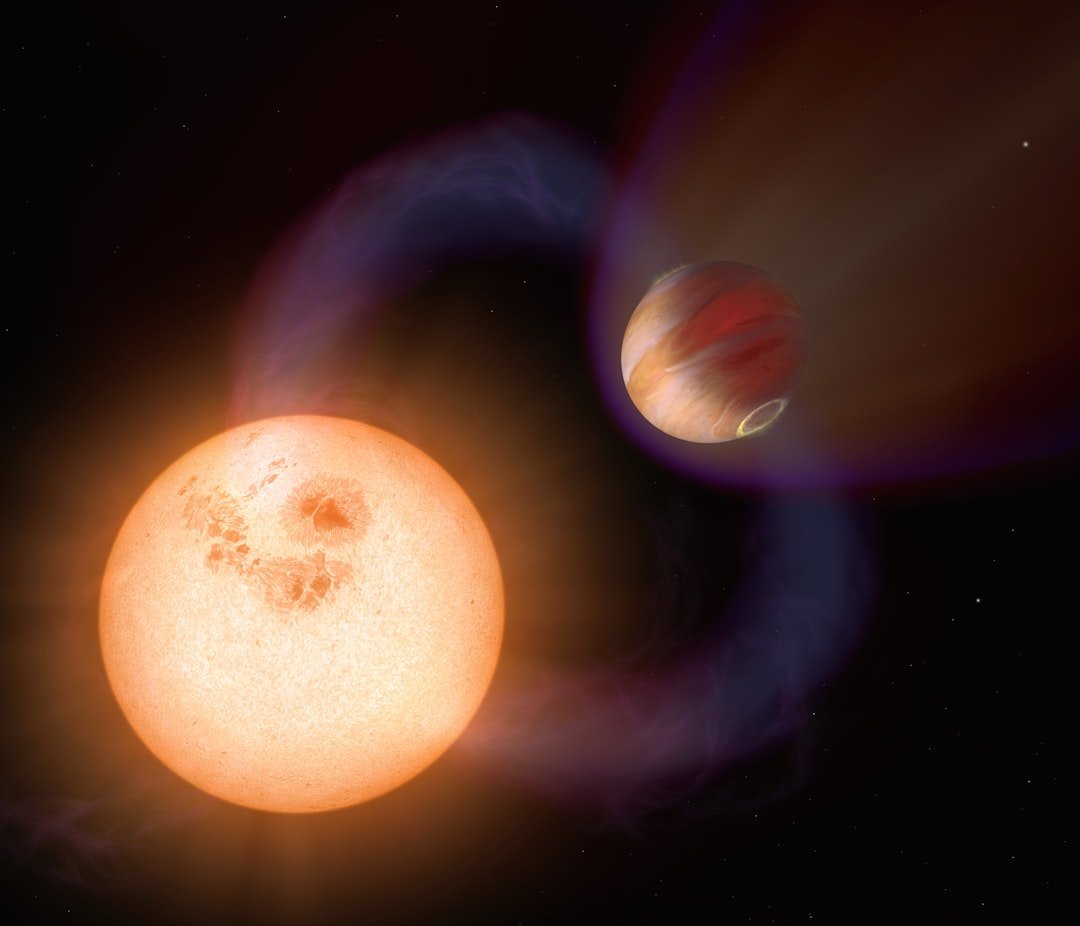
When a planet slips in front of its star, a whisper of starlight filters through the planet’s air, carrying chemical hints like a message in a bottle. That filtered light lets researchers estimate gases such as water vapor, methane, and carbon dioxide, the cocktail you might expect above a warm ocean. Pair those spectra with mass and radius, and you get density, the quick-and-dirty test for whether a world is rock-heavy, gas-puffy, or suspiciously water-rich.
If the numbers land between typical rock and gas, scientists start thinking about large reservoirs of volatiles, including deep global seas. It’s not proof, just a nudge – like finding wet footprints and wondering where the swimmer went. Add planet temperature, starlight, and internal heating, and a sketch emerges of where liquid water could plausibly exist.
From Ancient Tools to Modern Science
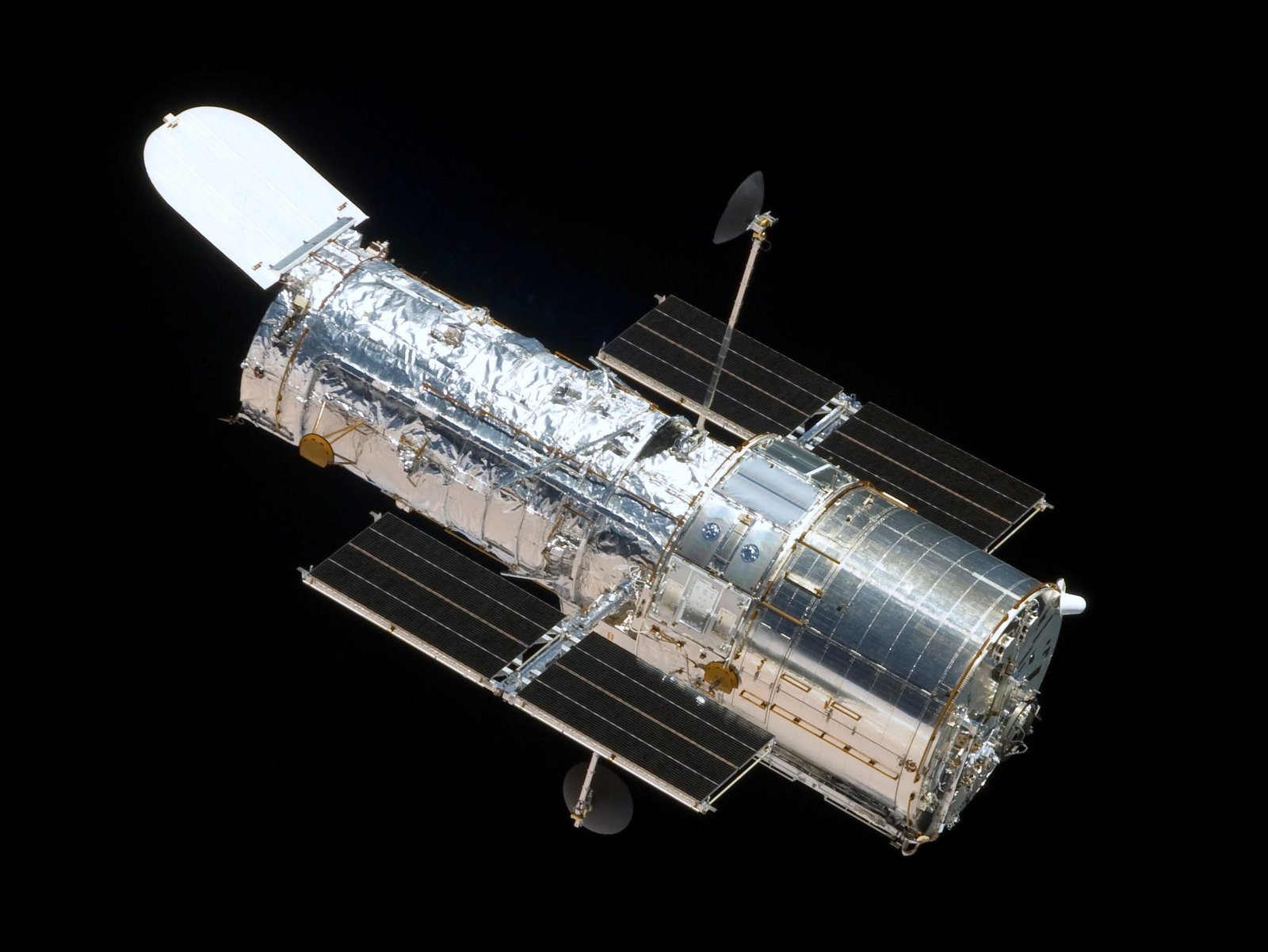
The road to these alien oceans started with simple starlight measurements and the steady patience of planet hunters. Kepler mapped the sky and gave us thousands of worlds; TESS kept the watch going closer to home; and now the James Webb Space Telescope brings the chemistry into focus. Researchers propose “hycean” planets – small, warm worlds with hydrogen-rich air that might cap a global ocean, a category that would have sounded wild a decade ago.
The idea grew from decades of work on how atmospheres trap heat, how water cycles, and how starlight sculpts climate. I still remember staring at my first TESS light curve and realizing how much life hides in those tiny dips. Today, that quiet data stream feeds models that test whether a planet could support liquid seas under alien skies.
Suspects in the Catalog
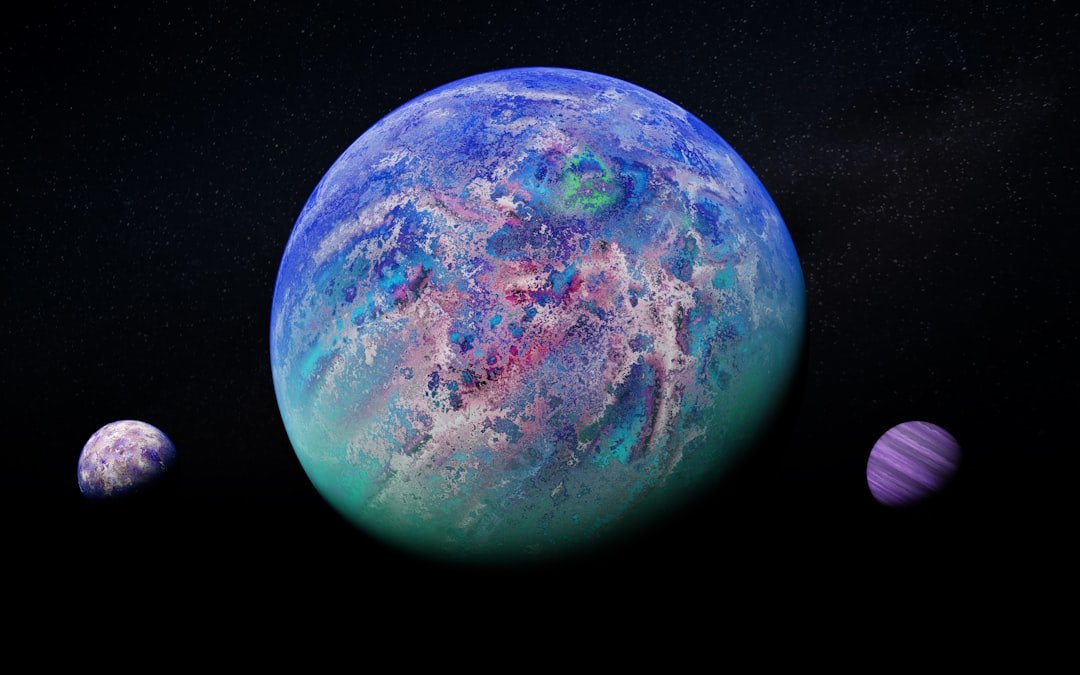
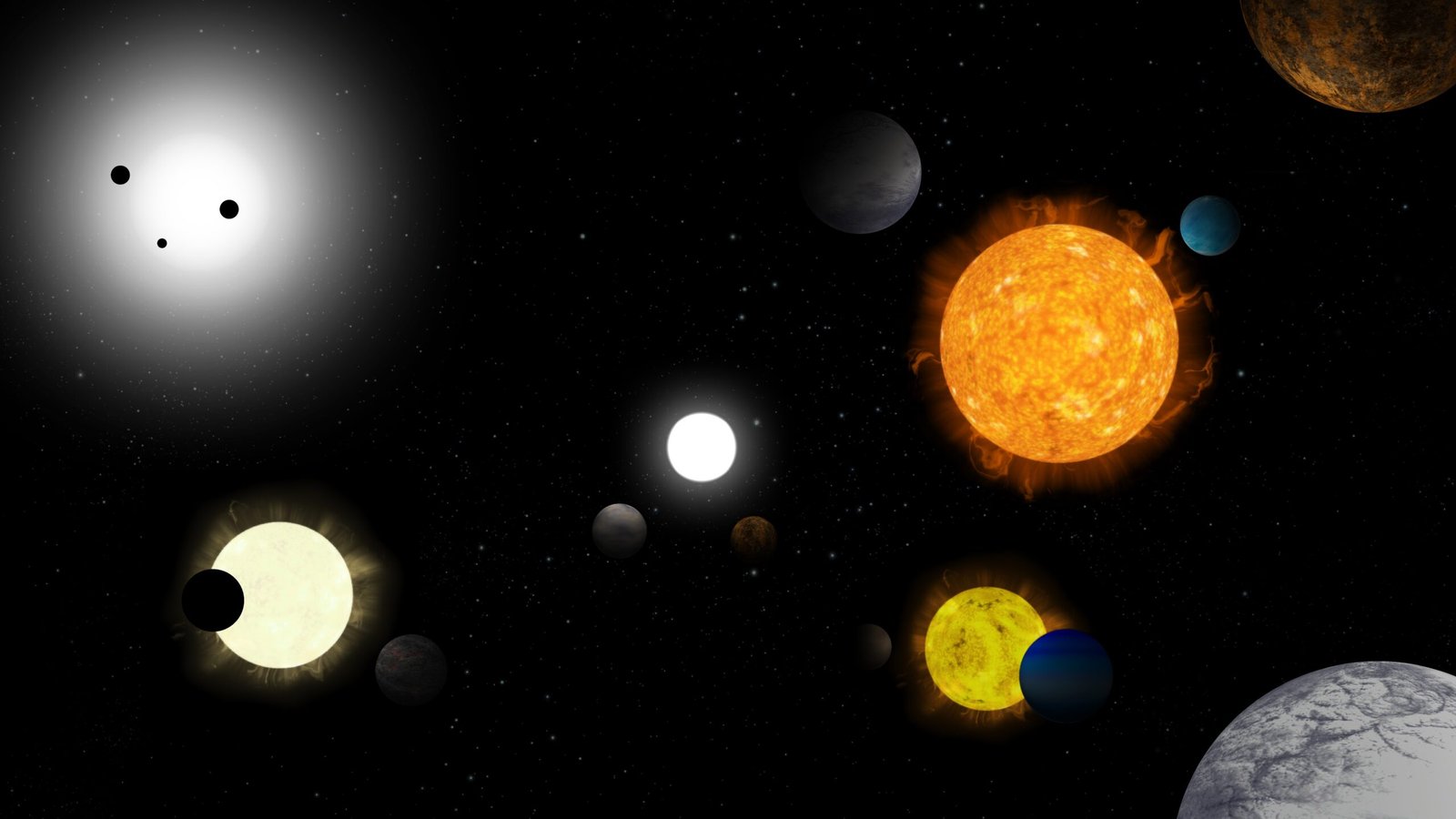
Several exoplanets sit in the intriguing middle ground where oceans are plausible rather than fantasy. K2-18b, a sub-Neptune in the habitable zone of a red dwarf, shows methane and carbon dioxide in its atmosphere along with hints of clouds, consistent with a water-rich environment under a light blanket of gas. LHS 1140 b, a nearby super-Earth, has been reanalyzed as potentially compatible with a dense, temperate environment and even a deep ocean scenario, though the verdict remains cautious. TOI-1452 b’s size and mass suggest a significant fraction of volatiles, pointing to a possible water world orbiting a cool star in Draco.
Kepler-138’s middle planets were flagged as likely water-rich in one study, a reminder that not every rocky-looking world is dry land. None of these are confirmed ocean planets yet, but together they make a pattern that’s hard to ignore.
How We Read an Alien Sea
Even if a telescope can’t photograph waves directly, oceans announce themselves in clever ways. A planet wrapped in haze gives a flat, muted spectrum; one with patchy clouds and moisture can show water features that vary with temperature and altitude. Thermal phase curves – minute changes in infrared brightness as the planet orbits – reveal how efficiently heat moves from day to night, a hint at atmospheres thick enough to cradle surface water.
Polarization and forward scattering may one day betray the glint of starlight bouncing off a smooth liquid surface. Chemically, the balance of methane and carbon dioxide in a temperate environment can fit better with ocean-surface chemistry than with dry rock alone. Each clue is subtle, but stack them, and a world starts to look less like a riddle and more like a place.
Oceans Without Sunlight

Not every sea needs a blue sky or a warm beach; some may hide beneath ice, fed by internal heat and the kneading tug of a nearby star or giant planet. In our own system, Europa and Enceladus taught us that tidal energy can keep oceans liquid for eons, even far from the Sun. Exoplanets and their possible moons could follow the same playbook, building subsurface seas that never appear in a spectrum but still churn with chemistry.
These hidden reservoirs rewrite the habitability map, expanding it far beyond the narrow ring where surface water is stable. A world might look cold and quiet from space while its interior hosts a restless, salty ocean. It’s a humbling thought: the most life-friendly water could be the kind we can’t see directly.
Why It Matters
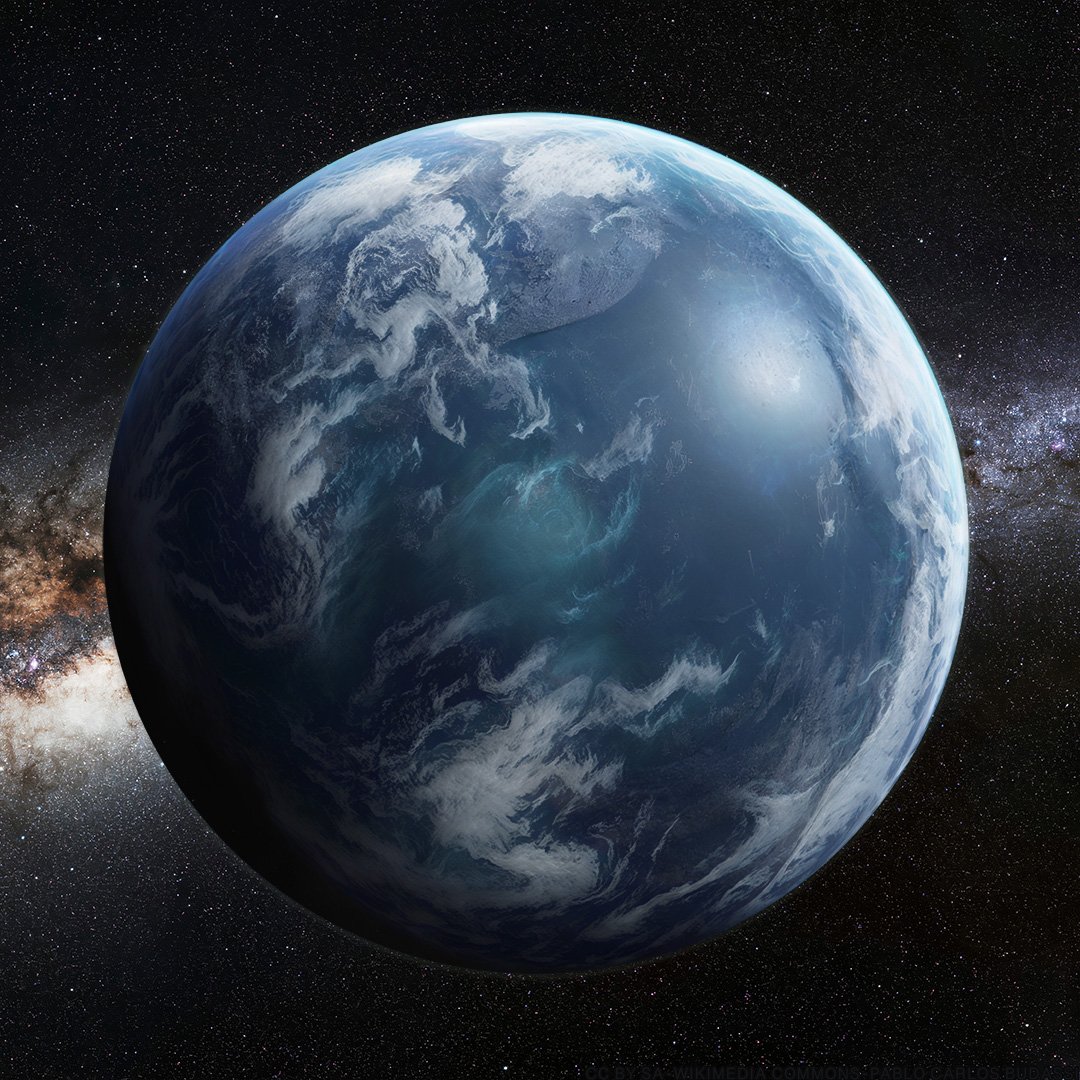
If ocean worlds are common, then the universe’s default recipe for habitability may be wetter and weirder than the Earth-centric picture we grew up with. Traditional searches focused on Earth twins – thin atmospheres, continents, blue skies – but that might be a rare endgame rather than the starting point. Sub-Neptunes and super-Earths make up a huge slice of the exoplanet census, and many sit where liquid water could persist in some form. Oceans offer stable chemistry, pressure, and temperature over vast areas, a kind of planetary incubator that’s resilient against short-term climate shocks.
This reframes biosignatures too: instead of a single magic molecule, scientists look for patterns of gases that fit an ocean-bearing world in balance. The payoff is big because it broadens the odds that somewhere, something has learned to swim before it learned to walk.
The Future Landscape
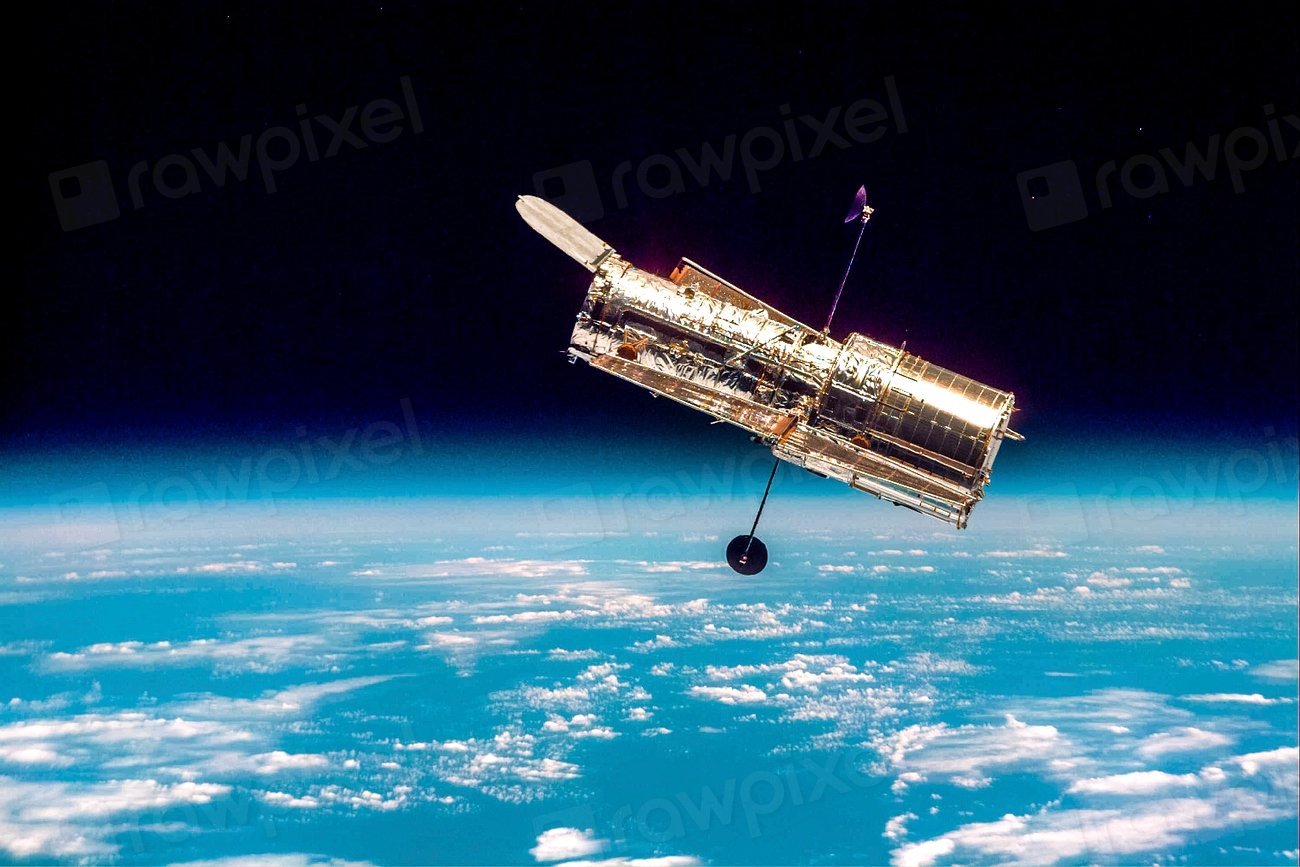
The near-term push is all about sharper spectra and larger samples, because one world can mislead but a hundred tell the truth. Webb’s instruments will keep revisiting the best targets, while high-resolution spectrographs on big ground-based telescopes pick out faint atmospheric lines through the noise of Earth’s air. The European Space Agency’s Ariel mission is planned to survey thousands of exoplanet atmospheres later this decade, building a comparative atlas of worlds from hot giants to temperate minis. The Nancy Grace Roman Space Telescope will test advanced coronagraphy, a step toward directly imaging small, reflective planets where ocean signatures could emerge.
Giant observatories like the Extremely Large Telescope and the Giant Magellan Telescope will add the sensitivity to parse tricky targets around faint stars. Farther out, concepts for a dedicated Habitable Worlds Observatory aim to capture unambiguous signs of oceans and weather systems, transforming suspicion into certainty.
Conclusion
Big telescopes get headlines, but everyone can help push this frontier forward. Citizen scientists working with light-curve projects can flag odd signals that algorithms miss, and some of the most interesting candidates have surfaced that way. Local support for dark-sky initiatives keeps observatories productive by trimming the glow that wastes photons and data. Teachers and students can adopt a star from public archives, track its flickers over months, and learn how planets whisper their presence.
If you’re moved by the hunt for other seas, consider backing organizations that fund instrumentation, fellowships, and open data so the next discovery lands in the public domain. The more eyes and minds on the problem, the sooner those hidden oceans step from rumor into the record.
Suhail Ahmed is a passionate digital professional and nature enthusiast with over 8 years of experience in content strategy, SEO, web development, and digital operations. Alongside his freelance journey, Suhail actively contributes to nature and wildlife platforms like Discover Wildlife, where he channels his curiosity for the planet into engaging, educational storytelling.
With a strong background in managing digital ecosystems — from ecommerce stores and WordPress websites to social media and automation — Suhail merges technical precision with creative insight. His content reflects a rare balance: SEO-friendly yet deeply human, data-informed yet emotionally resonant.
Driven by a love for discovery and storytelling, Suhail believes in using digital platforms to amplify causes that matter — especially those protecting Earth’s biodiversity and inspiring sustainable living. Whether he’s managing online projects or crafting wildlife content, his goal remains the same: to inform, inspire, and leave a positive digital footprint.