The Amazon rainforest—often called the “lungs of the planet”—is vanishing at an alarming pace, and the reason goes far beyond the swinging axes of illegal loggers. Imagine this: a juicy steak sizzling on a grill in New York, a carton of soy milk in Paris, or a fast-food burger in Tokyo. What connects them all? Hidden deep in their supply chains is a direct link to the dense green heart of South America. The story of Amazon destruction is not just about local deforestation—it’s a global tale of demand, trade, and choices that ripple from supermarkets to the world’s largest rainforest. This isn’t just about trees. It’s about people, wildlife, climate, and a complex web of commerce that ties us all together. Once you see these connections, it’s impossible to unsee them.
The Amazon: A Global Treasure Under Siege
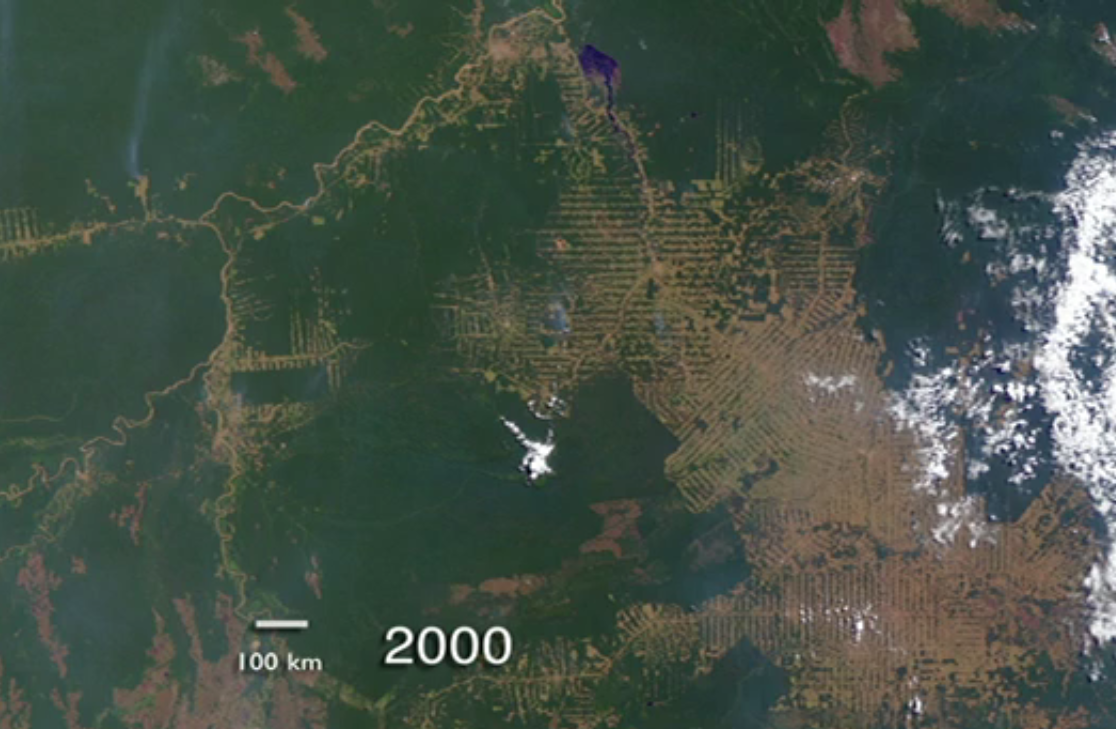
The Amazon isn’t just a forest; it’s a living engine of the Earth’s climate and biodiversity. Stretching across nine countries, it harbors more species than any other terrestrial ecosystem on the planet. Despite its vastness, the Amazon is shockingly fragile. Every minute, more trees are lost, and with them, thousands of interconnected species and traditions. The scale of destruction is almost surreal—imagine an area the size of a football field disappearing every few seconds. The forest doesn’t just store carbon; it regulates rainfall across continents and shapes the weather for millions. When the chainsaws roar and fires rage, the impact is felt far beyond South America’s borders.
How Global Demand Fuels Local Deforestation
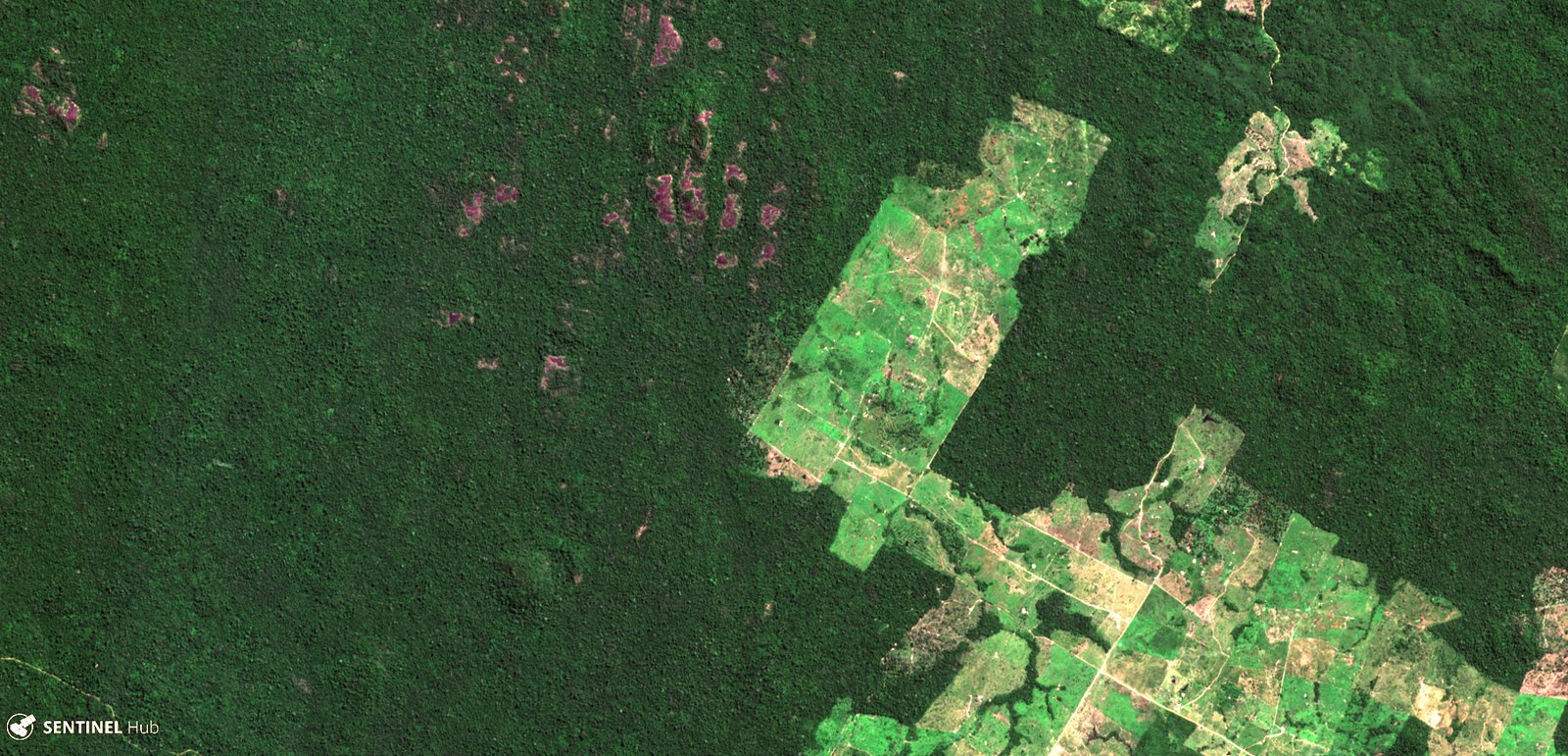
What happens in the Amazon rarely stays in the Amazon. International markets crave products like beef and soybeans, driving expansion into pristine rainforest. This demand creates a powerful incentive for landowners to clear trees and make way for agriculture. It’s not just local consumption but a worldwide appetite—fast-food burgers, livestock feed, and even cosmetics can trace their roots back to Amazonian fields. Each purchase, however small, can contribute to a chain reaction starting with bulldozers plowing through ancient trees. This invisible thread between consumer choices and distant forests is often overlooked, but it is at the core of the Amazon’s plight.
Soybeans: The Silent Giant of Amazon Destruction
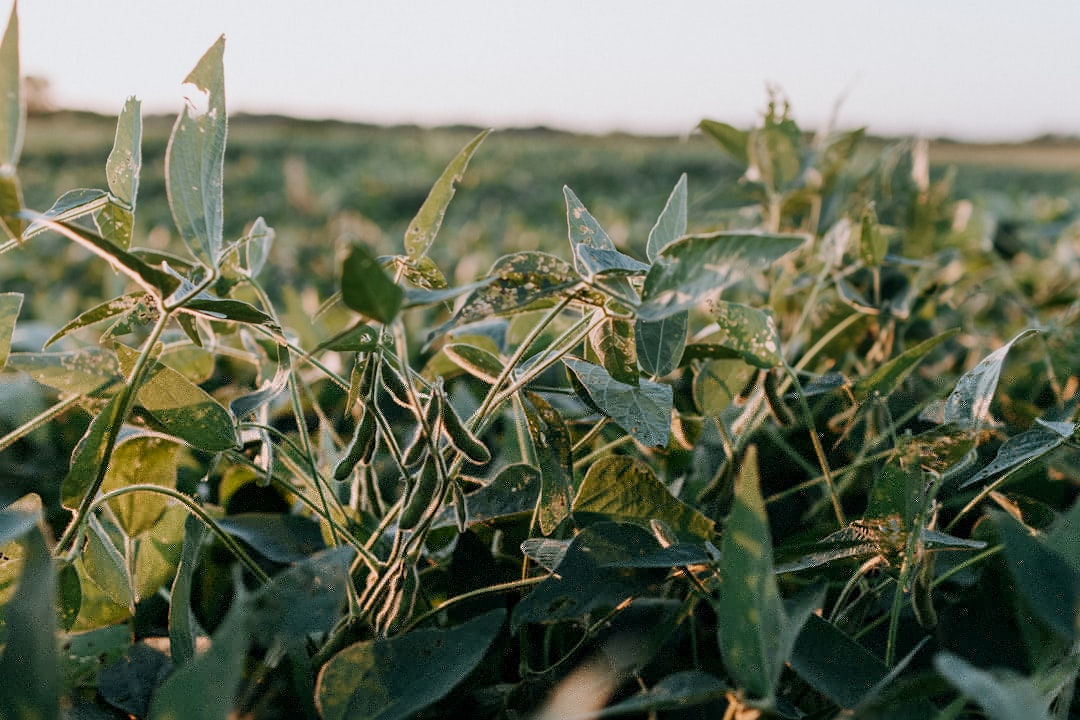
If you thought the Amazon was only being destroyed for wood or cattle, think again. Soybean farming has exploded across Brazil, becoming a silent giant in the region’s transformation. These aren’t just soybeans for tofu or salad dressings; most of them are crushed into animal feed, shipped to feed pigs in China or chickens in Europe. The fields stretch endlessly, replacing what was once towering rainforest with monotonous green rows. The expansion of soy farming often follows roads cut through the jungle, making remote areas accessible to other industries and illegal activities. It’s a domino effect—soy leads the way, and others follow.
Beef Production: From Pasture to Plate
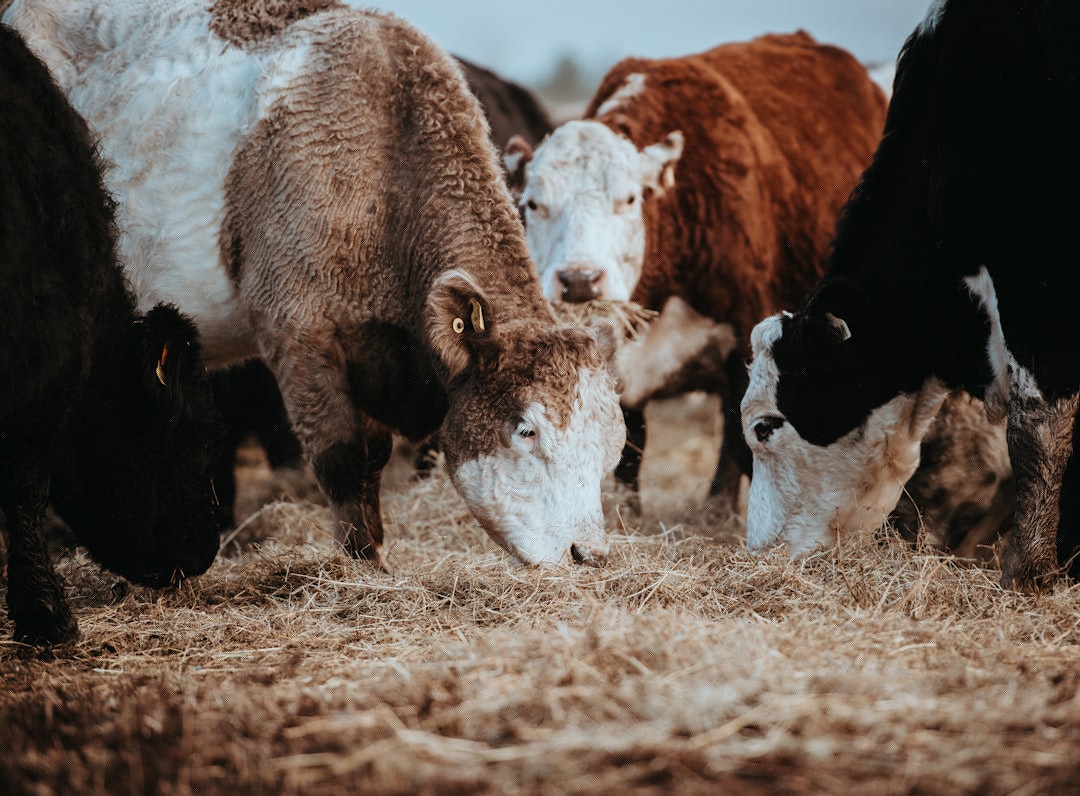
A staggering percentage of Amazon deforestation is linked to cattle ranching. Brazil is now the world’s largest exporter of beef, and much of it starts on cleared jungle land. Ranchers set fires to convert forests into pastures, often illegally, and the smoke can be seen from space. Once cattle are raised, the meat travels through a complex supply chain, ending up in supermarkets and restaurants thousands of miles away. The next time you see a steak, it might as well have come with a passport stamped “Amazon.” The cycle is relentless: more beef means more pasture, more pasture means less rainforest.
Europe’s Appetite for Amazon Commodities
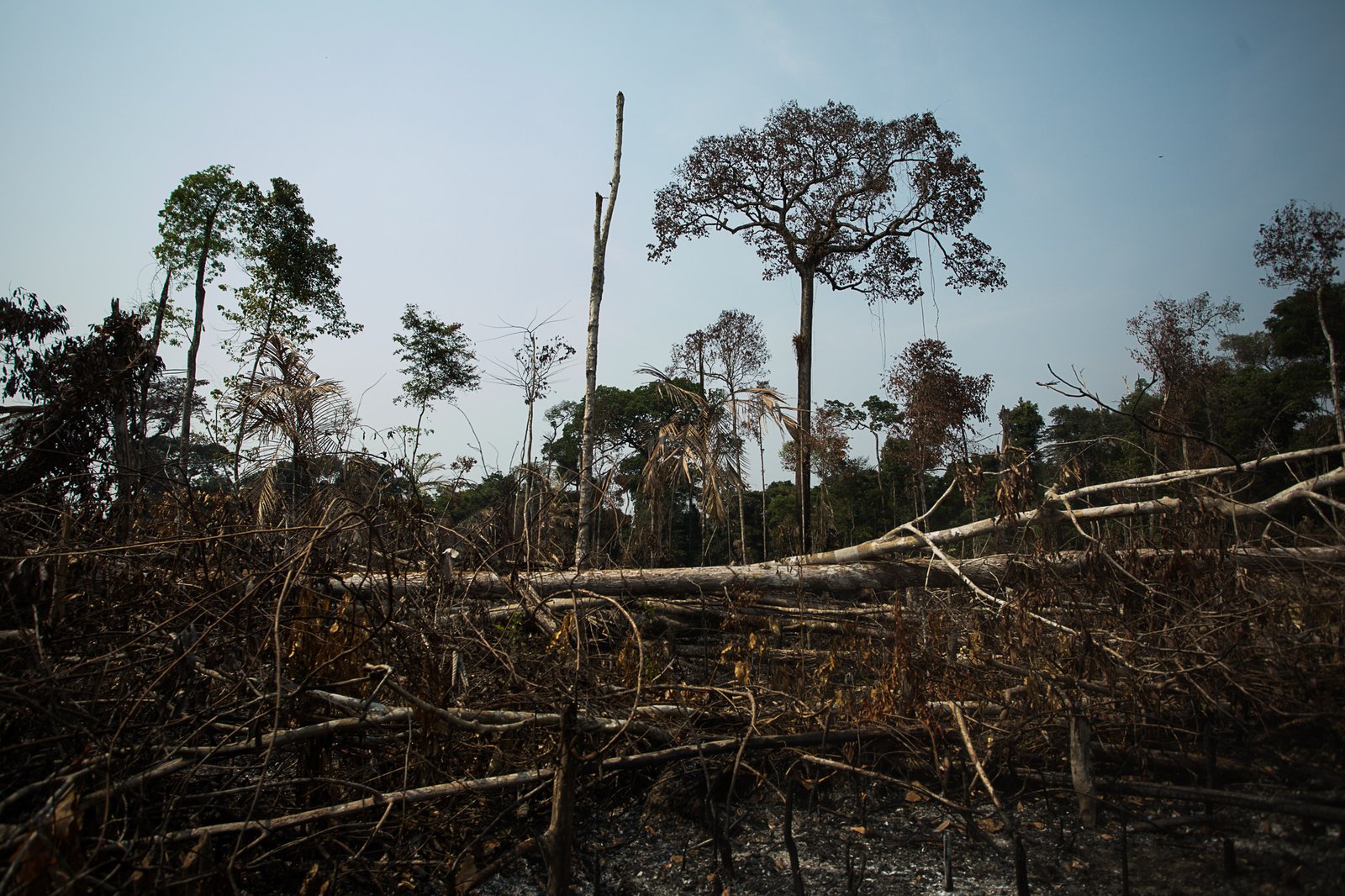
European countries import vast amounts of soy and beef, often unaware of their environmental cost. The European Union is responsible for a significant share of “embedded deforestation”—the hidden land clearance in the products it buys. Despite growing awareness, many supply chains remain opaque, making it hard for consumers to know if their groceries are linked to Amazon destruction. Supermarkets and manufacturers are slowly responding to public pressure, but loopholes and lax enforcement allow destructive practices to persist. The reality is that Europe’s dinner tables are deeply connected to South America’s shrinking forests.
China’s Role as a Soybean Superpower
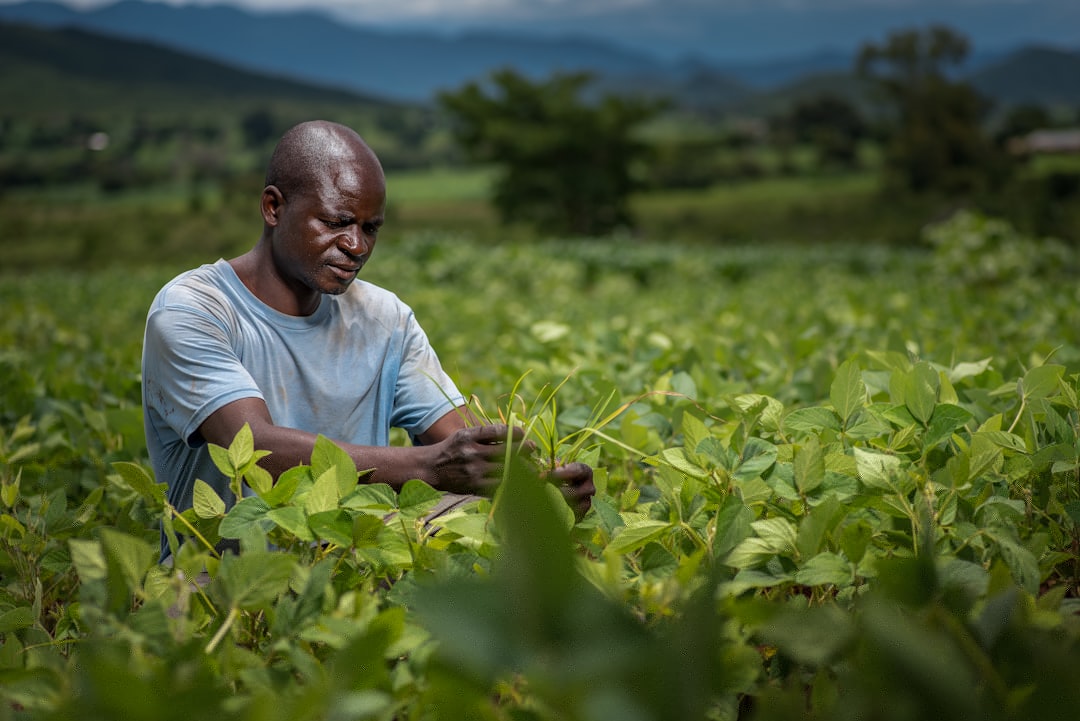
Few countries influence Amazon deforestation like China. As the world’s largest consumer of soy, China’s hunger for animal protein has driven massive imports of Brazilian soybeans. These soybeans feed the country’s booming livestock and poultry industries, powering the rise of middle-class diets rich in pork and chicken. The scale is staggering—millions of tons shipped across oceans, all rooted in fields that were once rainforest. Chinese demand has transformed local economies and landscapes, binding distant farmers and consumers in a global web of trade that is difficult to untangle.
Hidden Deforestation in Everyday Products
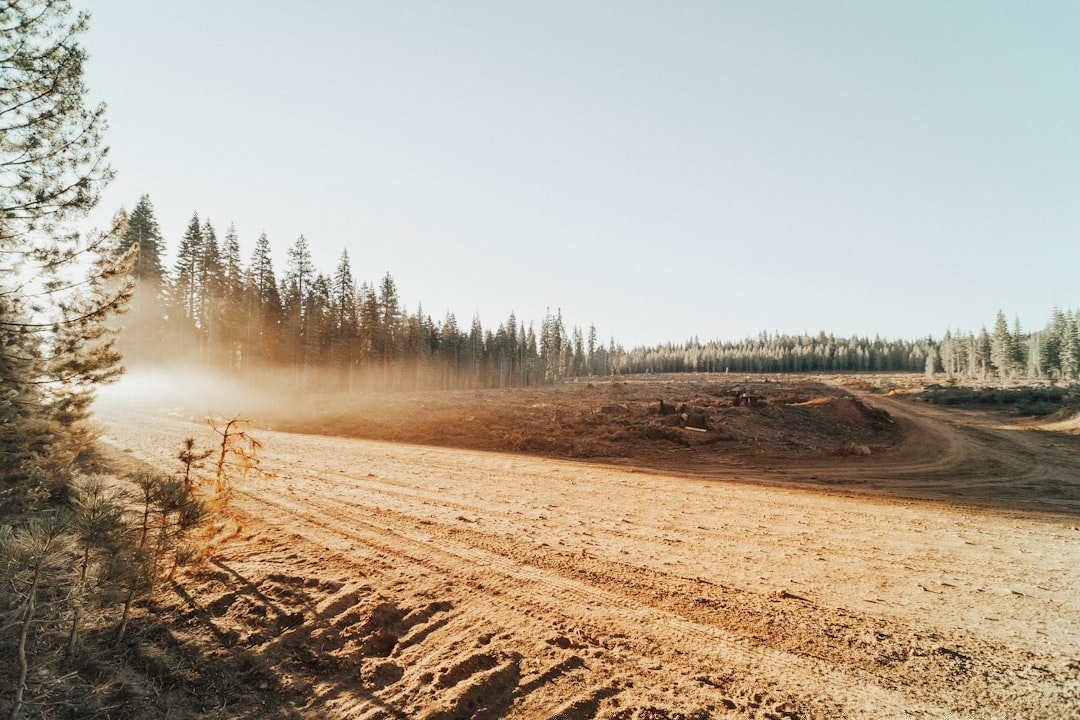
It’s not just steaks and animal feed. The Amazon lurks in unexpected places—cosmetics, chocolates, leather goods, and even pet food. Ingredients like soy oil, cocoa, and leather are often sourced from regions linked to deforestation. Supply chains are long and winding, making it nearly impossible for the average shopper to trace the origins of their purchases. Some companies have begun adopting “zero-deforestation” pledges, but enforcement is patchy. The hidden presence of the Amazon in so many products makes it a global issue, not just a South American crisis.
Indigenous Communities: Guardians Under Threat
Indigenous peoples have stewarded the Amazon for centuries, living in harmony with its rhythms and respecting its limits. Today, they face mounting pressures from expanding agriculture and land grabs. Many communities are displaced or threatened with violence when they resist encroachment. Their traditional knowledge is invaluable for conservation, yet modern policies often ignore or undermine their rights. The fate of the Amazon is deeply intertwined with the fate of its original caretakers. Losing them would mean losing not just biodiversity but also ancient wisdom about how to live sustainably with nature.
Wildlife on the Brink

The Amazon is home to jaguars, sloths, pink river dolphins, and countless other creatures found nowhere else. As forests fall, so do the habitats that support these animals. The loss isn’t gradual—it’s a cascade of extinction, as fragmented landscapes make survival impossible for many species. Once-abundant populations are now dwindling, with some animals pushed to the edge of survival. The destruction of the Amazon isn’t just a statistic; it’s a tragedy unfolding for millions of living beings whose homes are disappearing. Each tree felled can mean another species lost forever.
Fire and Smoke: The Scorched Earth Strategy
Every dry season, satellite images reveal plumes of smoke rising from the Amazon. Fires—often set intentionally to clear land—rage out of control, turning green forests into blackened wastelands. The smoke chokes cities hundreds of miles away, and the carbon released accelerates global warming. Fire is a tool, but it’s also a weapon, destroying not just trees but entire ecosystems. The cycle is heartbreaking: clear, burn, graze, and repeat. It’s a recipe for short-term gain and long-term disaster.
The Carbon Crisis: Amazon’s Role in Climate Change
The Amazon acts as a massive carbon sink, absorbing greenhouse gases and helping balance Earth’s climate. As forests are destroyed, this vital function is reversed. Instead of soaking up carbon, the Amazon becomes a source of emissions, accelerating the pace of climate change. Scientists warn that continued deforestation could push the rainforest past a “tipping point,” after which recovery may be impossible. The stakes are enormous—not just for Brazil or South America, but for the entire planet. The Amazon’s fate is everyone’s fate.
Global Trade Agreements: Double-Edged Swords
Trade deals can boost economies, but they can also encourage unsustainable expansion into forests. Agreements between countries often prioritize commodity exports like beef and soy, overlooking environmental impacts. This creates a race to the bottom, where countries compete by loosening regulations and enforcement. While some treaties now include environmental safeguards, loopholes and uneven implementation remain widespread. The challenge is to find a balance where trade supports prosperity without sacrificing irreplaceable ecosystems.
Traceability and Transparency: The Path Forward?
Knowing where products come from is the first step toward responsible consumption. New technologies like blockchain and satellite monitoring promise to make supply chains more transparent. Companies can now track the journey of soybeans or beef from farm to fork, revealing whether they’re linked to deforestation. But transparency alone isn’t enough—there must be accountability and enforcement. Consumers, too, can demand better labeling and clearer information. It’s a complicated puzzle, but the pieces are slowly falling into place.
The Power of Consumer Choices

Every purchase sends a message. When shoppers choose responsibly sourced products or plant-based alternatives, they help shift the market away from destructive practices. Small changes—like eating less red meat, looking for certifications, or supporting eco-friendly brands—can add up. The movement is growing, as more people realize their choices carry weight far beyond their own homes. It’s not about guilt, but about power—the power to make a difference, one meal or shopping trip at a time.
Corporate Responsibility: Promises and Pitfalls

Many major companies have pledged to eliminate deforestation from their supply chains. Some have made real progress, investing in sustainable sourcing and supporting forest-friendly practices. Others, however, use greenwashing to appear responsible while continuing business as usual. The gap between promises and reality is sometimes wide, and watchdog groups are essential to keep pressure on corporations. True responsibility means more than glossy ads—it requires real change on the ground.
The Hope in Solutions: Science, Policy, and People
There’s reason for hope, even amid the gloom. Scientists are developing ways to restore degraded lands, using drones to plant trees and monitor regrowth. Governments are passing stricter laws and creating protected areas, while indigenous groups fight—and sometimes win—legal battles for land rights. International pressure has forced companies and politicians to act. The fight to save the Amazon is fierce, but not hopeless. Progress is possible when science, policy, and public will come together.
The Ripple Effects: Why This Matters to Everyone
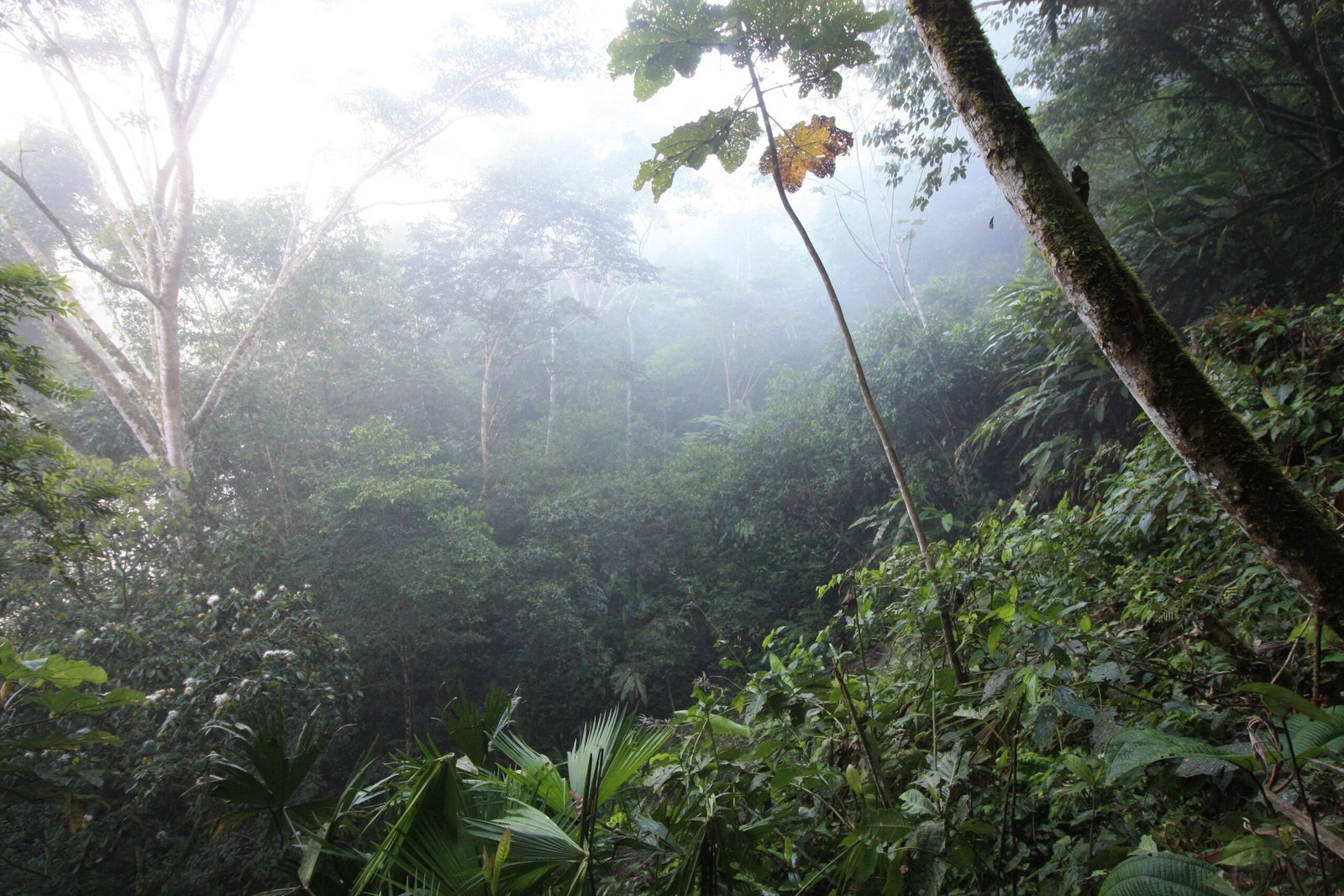
The Amazon’s fate isn’t just a local tragedy—it’s a global emergency. Its rainfall patterns support agriculture far beyond South America, and its carbon storage helps stabilize the world’s climate. Every lost acre sends shockwaves through food systems, weather, and economies across continents. When we talk about the Amazon, we’re talking about the future of our planet. The choices we make, from the grocery store to the ballot box, are woven into this vast, living tapestry. The question is: will we act in time to protect it?