Forest ecosystems have always captured the imagination of explorers, scientists, and nature enthusiasts alike. However, while rainforests and boreal forests often dominate the spotlight, several enigmatic forest ecosystems remain shrouded in mystery. These “forgotten forests” boast unique biodiversity and intricate ecological processes that defy easy explanation. This article delves deeper into these little-known corners of the world, providing insights into their mystique and their indispensable role in global biodiversity.
The Cloud Forests: Veiled in Mist
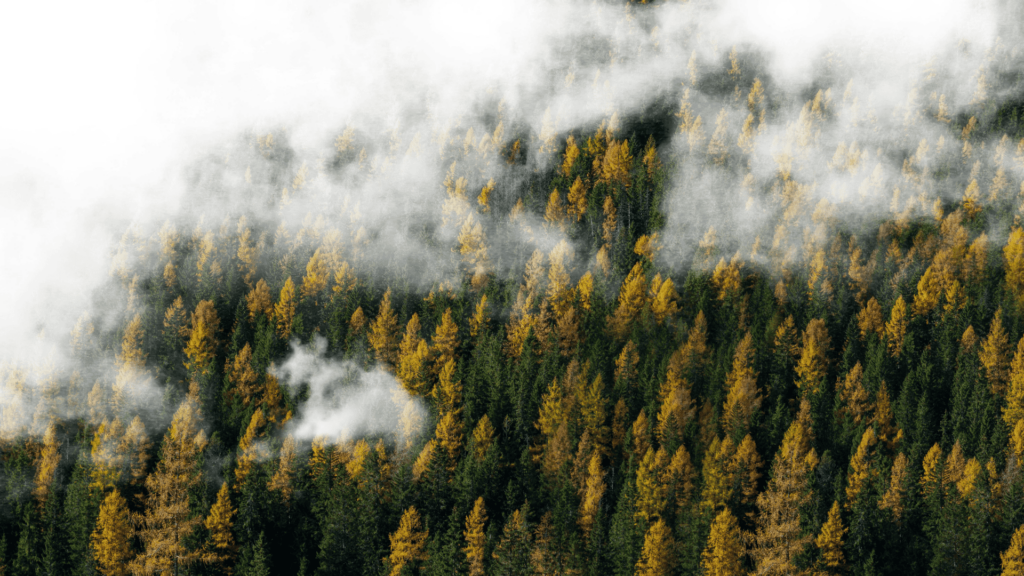
Cloud forests are unique tropical and subtropical evergreen montane moist forests characterized by persistent cloud cover at the canopy level. These high-altitude forests, often perched on mountain slopes, create a dreamlike atmosphere, providing a haven for rare flora and fauna. These ecosystems are vital for their rich biodiversity, home to numerous endemic species such as orchids, ferns, and the resplendent quetzal bird. Cloud forests play a crucial role in local hydrology, contributing to water regulation and storage by capturing moisture from the air.
The Elfin Forests: Nature’s Miniatures

Elfin forests, also known as pygmy forests, are coastal or montane ecosystems characterized by a dense growth of small, stunted trees and shrubs. Despite their low stature, these forests are teeming with life, hosting a unique assemblage of plants and animals. The harsh conditions of elfin forests, such as poor soil nutrition and high winds, limit the growth of vegetation, but they also give rise to highly specialized species adapted to this challenging environment. Examples include the pit dwarf elm and the crooked pine, each with unique adaptations for survival.
The Karst Forests: Limestone Landscapes

Karst forests develop on limestone substrates, creating an extraordinary landscape marked by sinkholes, caves, and underground rivers. These fascinating ecosystems occur in regions like Southeast Asia, the Balkans, and parts of North America. Despite their rugged terrain, karst forests are biodiversity hotspots. They support a wide range of species, many of which are adapted to the nutrient-poor soils by forming intricate relationships with fungi. The flora and fauna of karst forests include cave-dwelling species and highly specialized plants that thrive in rocky crevices.
The Mangrove Forests: Guardians of the Coast

Mangrove forests, situated at the interface between land and sea, boast remarkably complex ecosystems that defy traditional forest definitions. These coastal woodlands are crucial for coastal protection, sediment stabilization, and as nurseries for marine life. Mangrove trees have adapted to the challenging saline conditions and tidal fluctuations through specialized root systems, allowing them to thrive in an otherwise inhospitable environment. Biodiversity in these ecosystems is remarkable, with species such as the saltwater crocodile, mudskipper fish, and mangrove monitor lizards finding refuge among the tangled roots.
The Peat Swamp Forests: Carbon Keepers
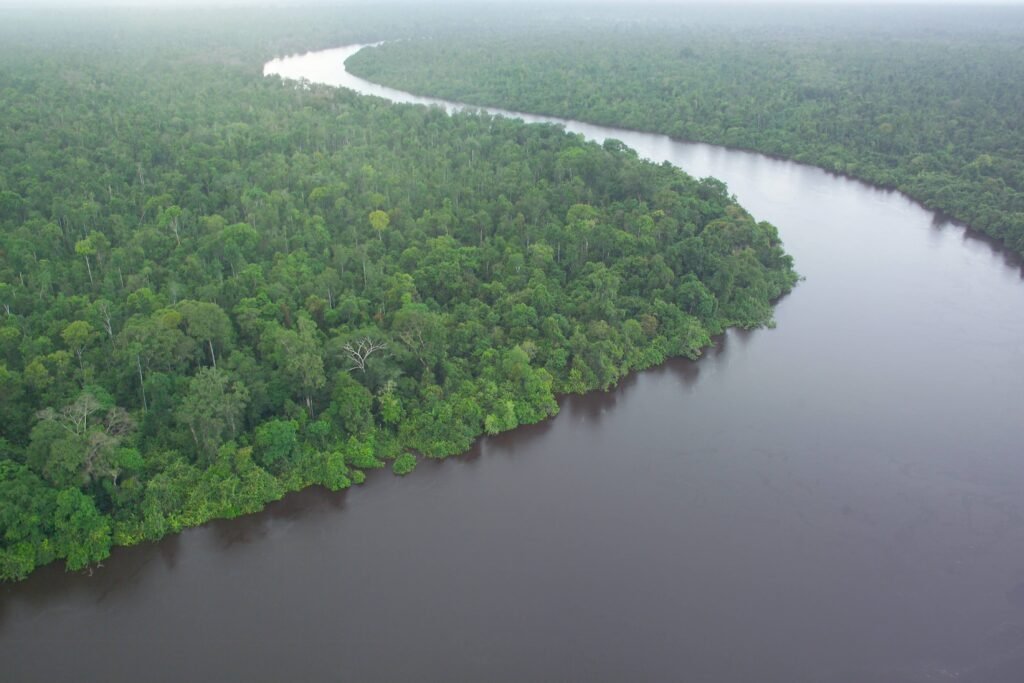
Peat swamp forests are a critical component of tropical and boreal regions, contributing to global carbon sequestration. These waterlogged forests, rich in organic matter, form over millennia by the slow accumulation of decomposing plant material in acidic conditions. Peat swamps support unique biodiversity, with creatures like the elusive Sumatran tiger and rare pitcher plants residing in their dense underbrush. By retaining vast amounts of carbon, peat swamp forests play a vital role in mitigating climate change, making their preservation increasingly urgent.
Conclusion

Though often overshadowed by their more famous counterparts, the world’s forgotten forests are invaluable treasure troves of biodiversity and ecological function. From the misty veils of cloud forests to the coastal fortresses of mangroves, these mysterious ecosystems harbor unique life forms and dynamic processes. The study and conservation of these forests are essential not only to understand the complexity of life on Earth but also to preserve it for future generations. It is imperative that as global stewards, we work towards protecting these enigmatic forests from the growing threats of deforestation, climate change, and human encroachment.