

You live in a universe that seems almost absurdly generous. There are hundreds of billions of stars in your galaxy alone and likely trillions of galaxies beyond that, each packed with worlds that could, in principle, host life. On paper, the cosmos should be buzzing with neighbors. Yet when you look up, listen with your radio telescopes, or dig through oceans of data, you find only silence. That haunting mismatch between how crowded the universe could be and how empty it feels to you is what people call the Fermi Paradox.
This question is not just a fun late-night thought experiment; it quietly rewrites how you see yourself, your future, and your place in reality. If you are surrounded by invisible civilizations, that suggests one kind of story for humanity. If you are genuinely alone in a vast and indifferent universe, that suggests a very different one. As you walk through the leading ideas behind the Fermi Paradox, you’ll see that every possible answer – busy universe or empty one – forces you to rethink what it means to be human, and why your choices right now might matter far more than they seem.
Why the Fermi Paradox Is So Deeply Unsettling
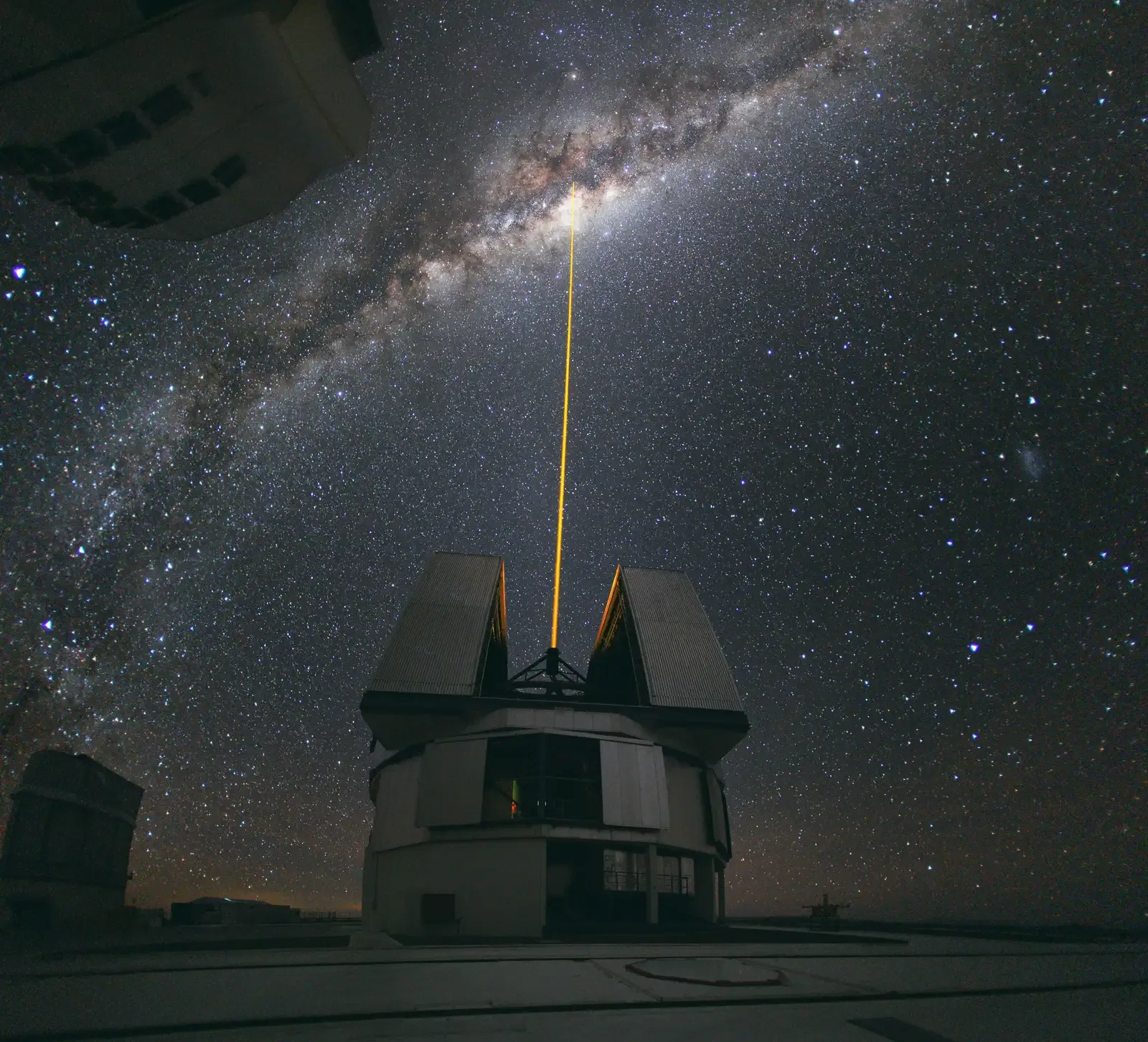
This tag does not indicate the copyright status of the attached work. A normal copyright tag is still required. See Commons:Licensing., CC BY 4.0)
At first glance, the Fermi Paradox feels almost obvious: if intelligent life can arise, and if the universe is old and large, then other civilizations should have had plenty of time to appear, spread, and leave traces. You are not talking about a few stars; you are dealing with hundreds of billions just in the Milky Way, many of them older than the Sun, with planets that have had billions of years more head start. Even if only a tiny fraction of those worlds produce life, and only a tiny fraction of those evolve intelligence, you might still expect your galaxy to be teeming with advanced societies by now.
The unsettling part is that your evidence stubbornly refuses to match those expectations. You see no megastructures eclipsing stars, no clear engineered signals in your radio telescopes, and no unambiguous artifacts in your own solar system. The more your technology improves, the more clearly you confirm the silence. You end up trapped between two uncomfortable thoughts: either intelligent life is incredibly rare, and you might be one of the first; or it is common, and something out there is stopping civilizations from talking, traveling, or surviving for very long. Neither option is exactly comforting.
Maybe You Are Early: The Rare Earth and Great Filter Ideas
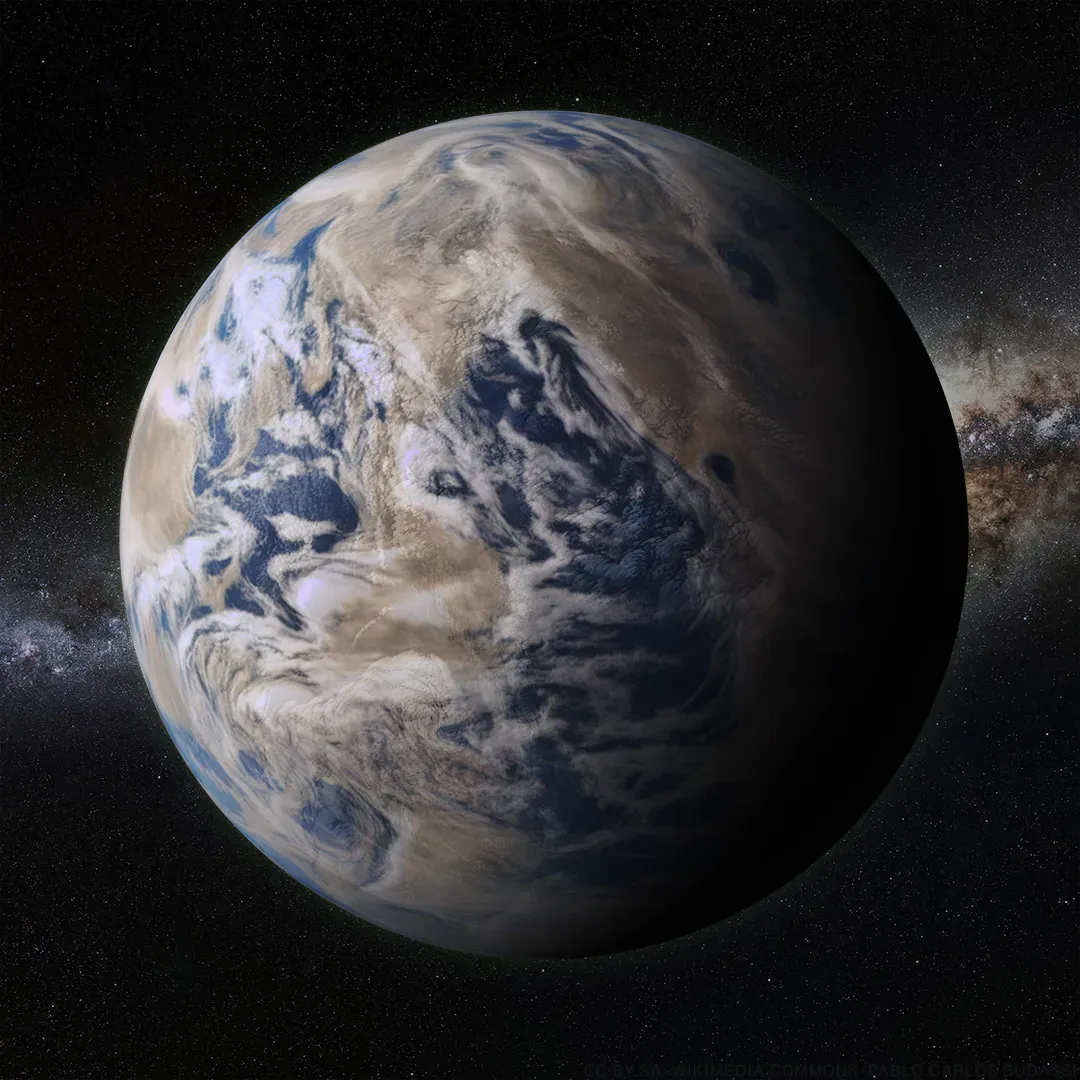
One way to ease the tension is to accept that your existence might be a cosmic fluke. According to so-called Rare Earth style thinking, the chain of events that produced you – stable star, protective magnetic field, plate tectonics, large moon, long periods of climate stability, and just the right kind of chemical soup – could be extremely unusual. When you stack enough unlikely steps on top of each other, you might end up with a galaxy where intelligent life is not just uncommon but almost vanishingly rare. In that picture, your planet is not average at all; it is freakishly fortunate.
Closely related is the idea of a Great Filter: a very hard step, or a set of steps, that almost all life fails to pass. The filter could be behind you – maybe getting from simple cells to complex multicellular organisms is nearly impossible – or it could be ahead of you, in the form of self-destruction, runaway climate change, or technologies you are not wise enough to manage. If the Great Filter lies mostly in your past, you are unimaginably lucky. If it lies in your future, your species might be living in a brief, fragile window before something almost all civilizations eventually hit.
Maybe You Are Noisy, but the Cosmos Is Quiet
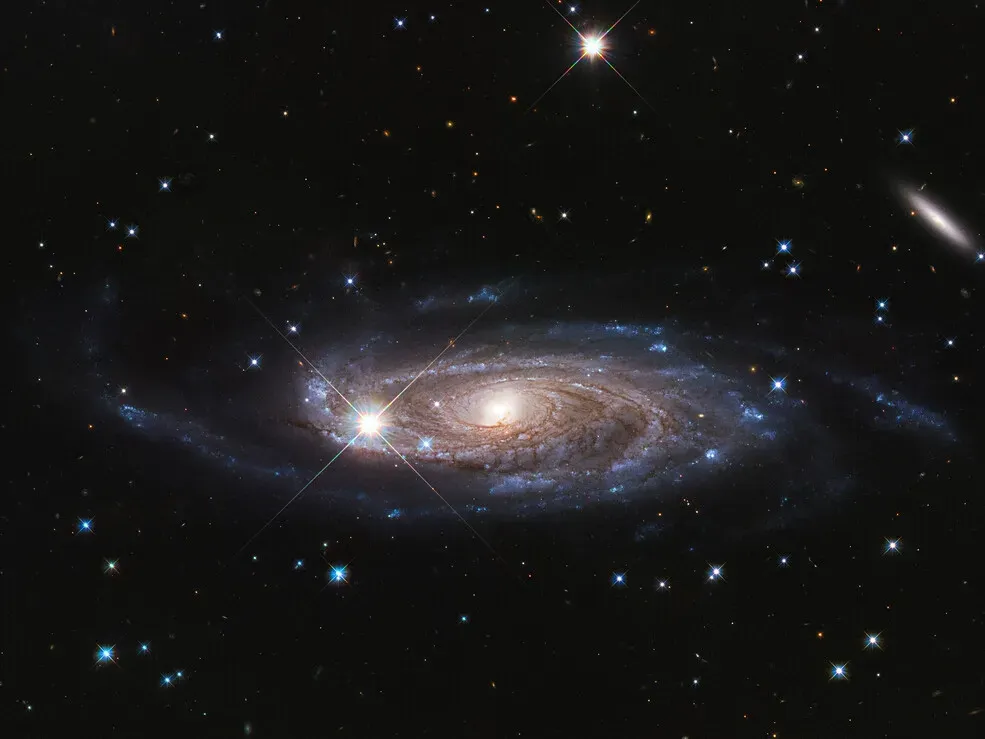
There is another possibility that is less dramatic but very plausible: life might be fairly common, but intelligent, technological life like yours is rare or short-lived. You know on your own planet how many species have thrived for millions of years without building radios, telescopes, or rocket engines. Dinosaurs dominated Earth for an enormous stretch of time and never once tried to send a signal into space. Intelligence as you define it – symbolic language, abstract reasoning, complex tools – might be a quirky evolutionary accident rather than an inevitable outcome.
Even when intelligence does arise, it might not stick around long enough to become visible on a galactic scale. A civilization could burn through its resources, tear apart its environment, collapse into conflict, or simply lose interest in cosmic projects before building anything you would notice. When you think about how precarious your own global systems sometimes feel, it is not hard to imagine that most technological species flicker for a while and then vanish, leaving almost no trace for someone billions of years later to find. In that scenario, you might be loudly broadcasting into a mostly quiet and indifferent galaxy.
Maybe Everyone Is Hiding, or Just Not Talking to You
It is also possible that silence is not the same as absence. You might be like someone standing in a forest at night, expecting birdsong, while all the creatures silently watch you from the dark. One idea is that advanced civilizations intentionally stay quiet for safety reasons, avoiding the attention of potentially hostile neighbors. If you have ever locked your doors in a sketchy neighborhood, you already understand the logic: broadcasting your exact location in a universe of unknown intentions might not be the smartest move.
Another angle is that you might simply not be an interesting contact yet. Imagine a mature, spacefaring culture capable of crossing interstellar distances or engineering stars. From that perspective, your planet may look like a barely emerging society that has only just figured out radio and rocketry. They might have rules about non-interference, or they might consider it unethical or pointless to reveal themselves before you reach a certain level of stability and wisdom. In that case, you are not being ignored because you are alone; you are being watched because you are not ready.
Maybe Your Tools and Assumptions Are Completely Wrong

When you search for other civilizations, you are mostly looking for things you know how to build: radio waves, lasers, big structures that reflect or block starlight, and chemical signatures you recognize from your own industry. That approach makes sense, but it is also narrow. An advanced civilization might use communication channels you have not discovered yet, or technologies so efficient they leave barely any waste heat. If your instruments are tuned to the wrong part of reality, you could be surrounded by activity and still see nothing.
There is also the possibility that your mental model of alien life is too human. You tend to imagine beings with bodies, societies, and expansionist drives vaguely like yours. What if a truly advanced intelligence quickly moves into purely digital substrates, shrinks itself, and lives in simulated worlds that barely interact with normal space? What if its main priority is not expansion but introspection? In that case, your expectation of star-spanning empires might say more about your culture than about how minds in the universe usually behave.
Personally, when you step back from this, it feels a bit like trying to find whales by listening only for barking. You keep expecting the universe to sound like you, and when it does not, you assume it is empty. That might be comforting, but it could just be a blind spot in how you are looking.
What the Fermi Paradox Means for Your Future
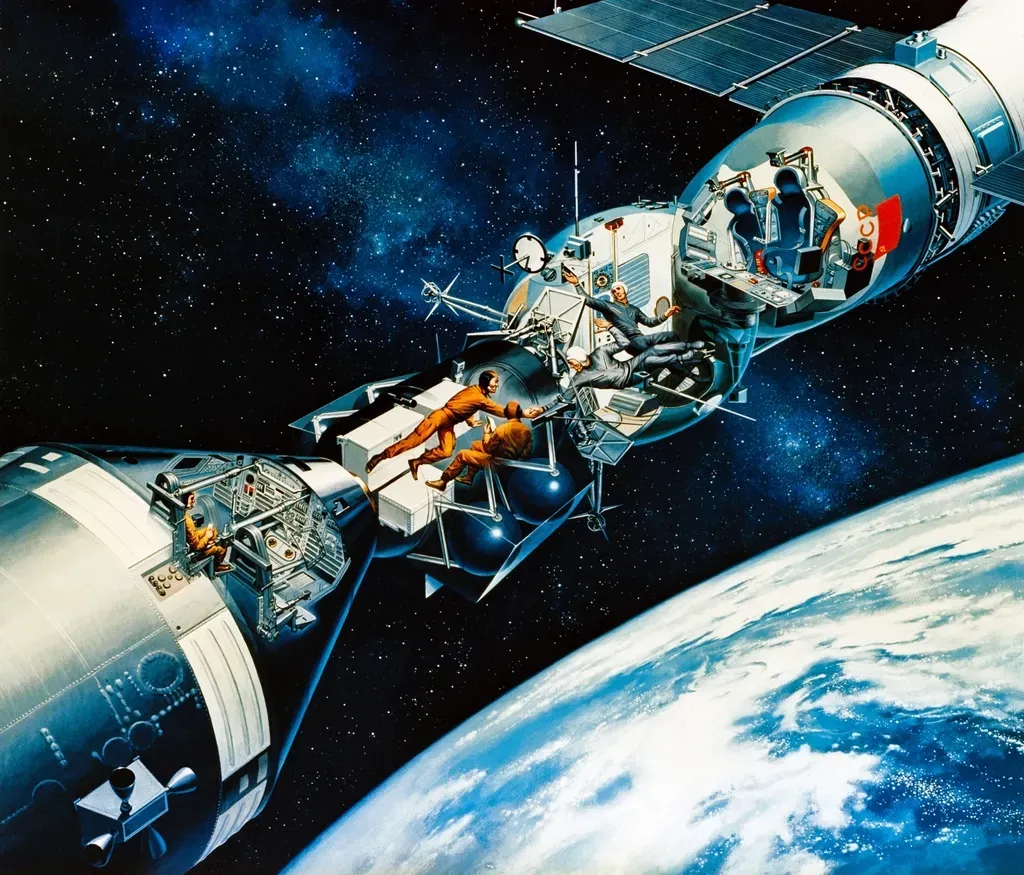
Regardless of which explanation you lean toward, the Fermi Paradox quietly hands you a moral and practical challenge. If intelligent life is extremely rare, then you are sitting on something priceless: a world where matter has become capable of understanding itself. That makes your species not just another animal but a custodian of a unique spark in a universe that might otherwise remain unconscious and dark. In that frame, your choices about war, environment, technology, and cooperation suddenly take on cosmic weight.
On the other hand, if the real answer involves some grim pattern – civilizations that routinely destroy themselves or stall out – then recognizing that possibility early might be your only chance to avoid joining them. You can study your own vulnerabilities: nuclear weapons, ecological damage, engineered pandemics, unaligned advanced AI, and more subtle social fractures that erode trust and stability. The paradox then becomes a warning sign nailed to the road ahead, suggesting that if you want a long future among the stars, you need to treat risk, wisdom, and humility as serious technological projects in their own right.
How You Live with an Unanswered Cosmic Question
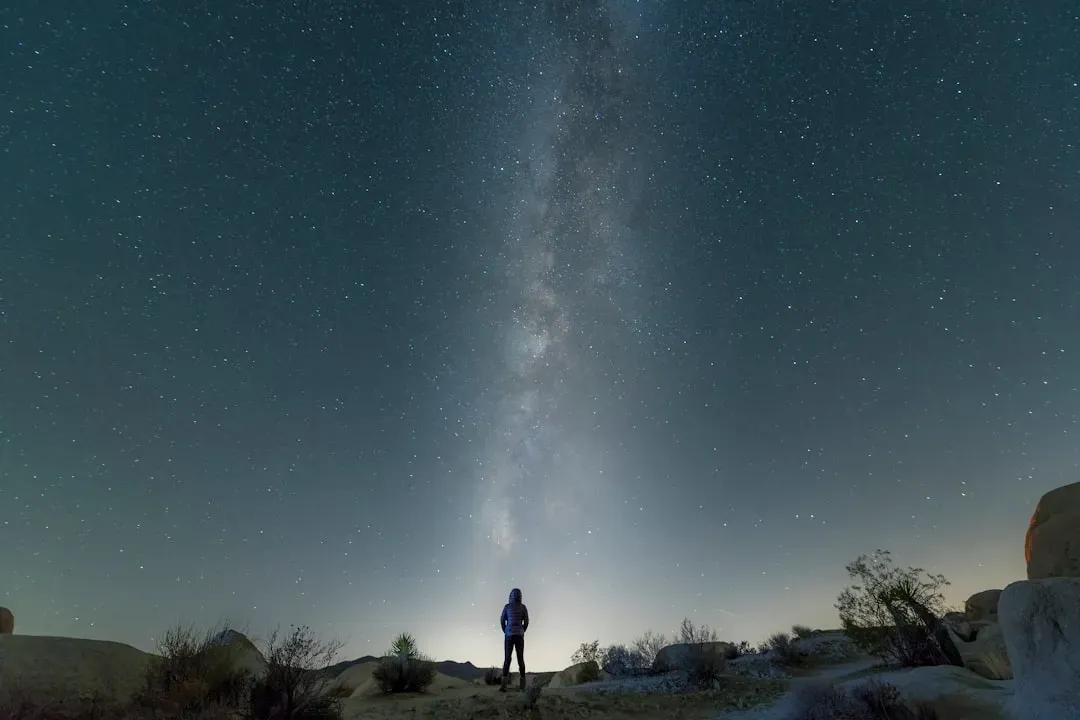
You may never get a clean, satisfying solution to the Fermi Paradox in your lifetime. The universe moves slowly, and your tools, while impressive, are still primitive compared to the sheer scale of what you are trying to explore. But that does not mean you are helpless. You can keep listening with more sensitive telescopes, keep scanning exoplanet atmospheres for hints of biology or industry, and keep building better models of how life emerges and evolves. Each small piece of data, from a weird exoplanet to an odd radio spike, nudges your understanding forward.
At the same time, you have to decide how to live with the uncertainty. Do you act as though you are alone and therefore uniquely responsible for making the universe a little more conscious and kind? Or do you act as though you are part of a wider, invisible community that you have not met yet, and behave in ways you would not be ashamed to show them? In a way, the paradox invites you to choose a stance: quiet despair at the silence, or active curiosity and care in spite of it. That choice, unlike the ultimate answer to whether you are alone, is entirely in your hands.
In the end, the Fermi Paradox is less about aliens and more about you. It forces you to ask what kind of species you want to be in a universe that may or may not ever answer back. The cosmos is vast, ancient, and largely indifferent, but you have this strange, fleeting chance to turn a tiny corner of it into something thoughtful and alive. Whether you are surrounded by hidden civilizations or truly the first light in an endless dark, the real question is the same: what will you do with that responsibility, and how will you choose to fill the silence?