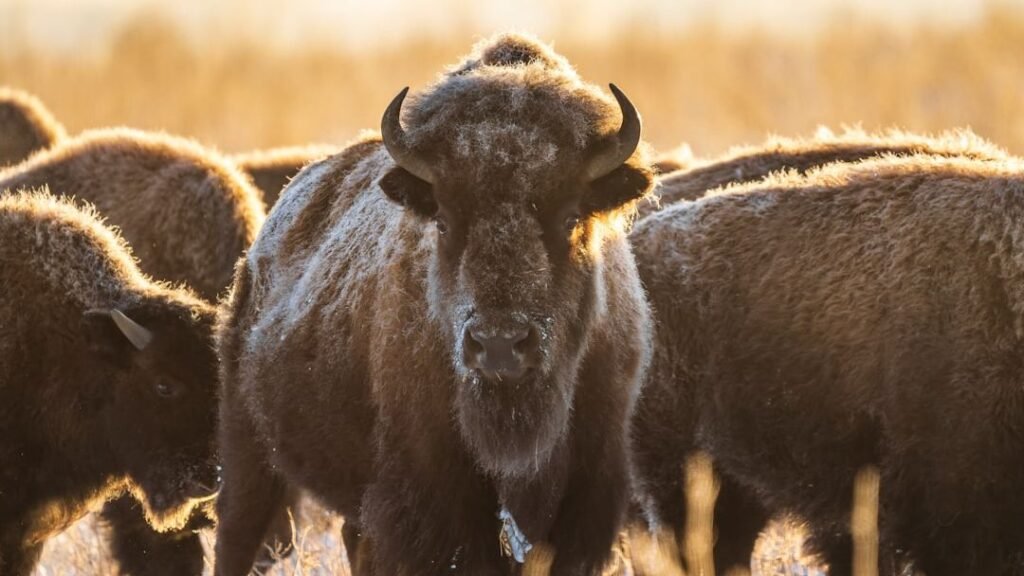
You live in a time when one of the greatest wildlife comebacks on Earth is quietly happening right under your nose. Not with pandas or whales, but with a shaggy, hump-backed giant that once shook the ground across an entire continent: the North American bison. A little over a century ago, you could have counted the last wild bison in the United States by the hundreds. Today, you can stand on prairie hills and watch thousands graze, raise calves, and reclaim parts of a home they almost lost forever.
Yet the real story is much bigger than a simple “extinction avoided” headline. When you look closer, you see a drama that mixes brutal history, stubborn hope, Indigenous leadership, cutting-edge genetics, and deep questions about how wild you’re willing to let the world be. As you walk through these eight facts, you’re not just learning about a big animal with big horns. You’re stepping into a living test of whether people and wildness can truly share a continent again.
1. You’re Living After One of the Fastest Mass Slaughters in Wildlife History
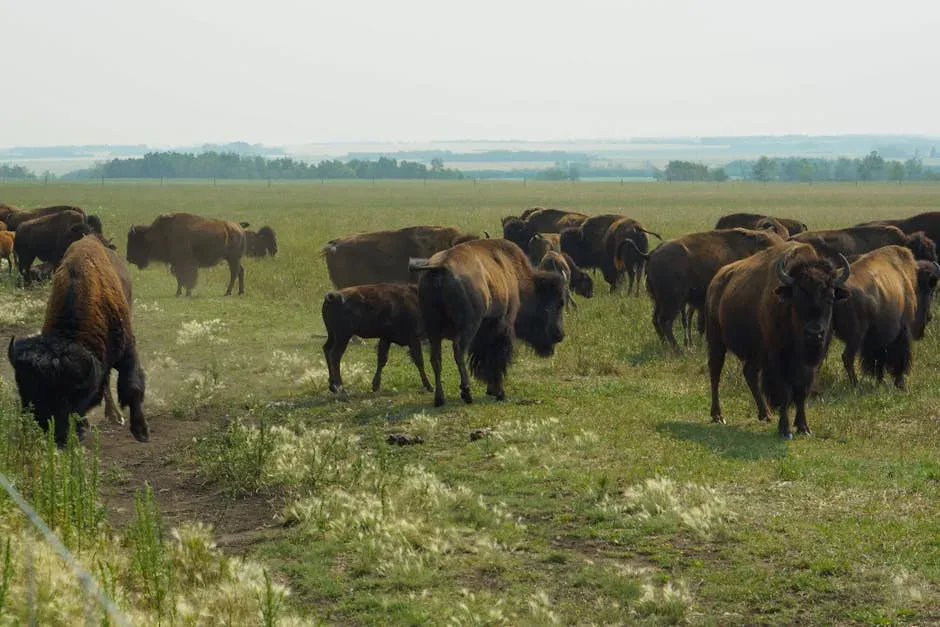
If you could rewind the clock a few hundred years, you’d see bison everywhere. Scientists estimate that somewhere between roughly sixty million and eighty million bison once roamed North America, from the deserts of northern Mexico all the way up toward interior Alaska. Then, in just a few decades during the late eighteen hundreds, that living ocean of brown fur collapsed to maybe a thousand animals left on the entire continent, mostly in a few scattered, hidden pockets. You’re talking about a loss so extreme that, in human terms, it would be like a modern city waking up to find nearly every car, bus, and truck suddenly gone.
This wasn’t an accident of nature; it was a deliberate campaign. Commercial hide hunters, railroad expansion, military strategy aimed at starving Plains tribes, and government policies all converged into one of the most devastating wildlife crashes you can imagine. By the time the dust settled, wild bison were considered basically finished. When you stand in front of a living herd today, you’re looking at animals that almost never made it past a single disastrous chapter of human decision-making – something you’re now partially responsible for rewriting in a better direction.
2. You Helped Turn a Dozen “Remnant” Bison into Tens of Thousands
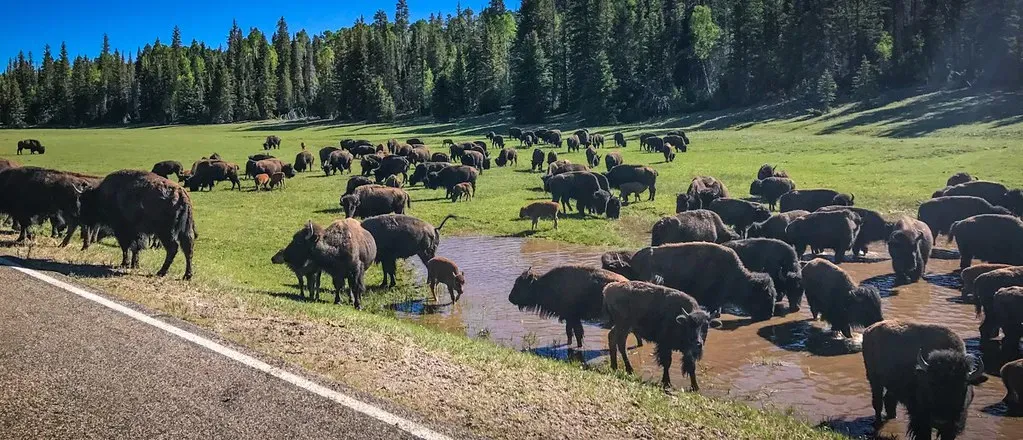
The bison you see today are not a random group that somehow dodged bullets and trains by luck. Their comeback started with tiny remnant herds – some in places like Yellowstone National Park, others on private ranches – protected by people who refused to let the species disappear. At one point, Yellowstone’s wild bison herd dipped to fewer than thirty animals; that’s the kind of number where a bad winter or a disease outbreak could finish the story for good. Instead, those survivors became founding ancestors of many of the conservation herds you hear about today.
Through a century of protected areas, translocations, and careful breeding, conservationists and Indigenous nations together have built those few hundred survivors into tens of thousands of plains and wood bison now managed specifically as wildlife across North America. You’ll sometimes see figures noting roughly about twenty thousand plains bison and more than ten thousand wood bison in conservation-focused herds, alongside many more in commercial operations. When you watch a calf buck and run in a national park, you’re seeing living proof that a handful of animals, given time and protection, really can repopulate a continent in miniature.
3. You’re Not Just Saving a Species – You’re Rebuilding an Entire Grassland Engine
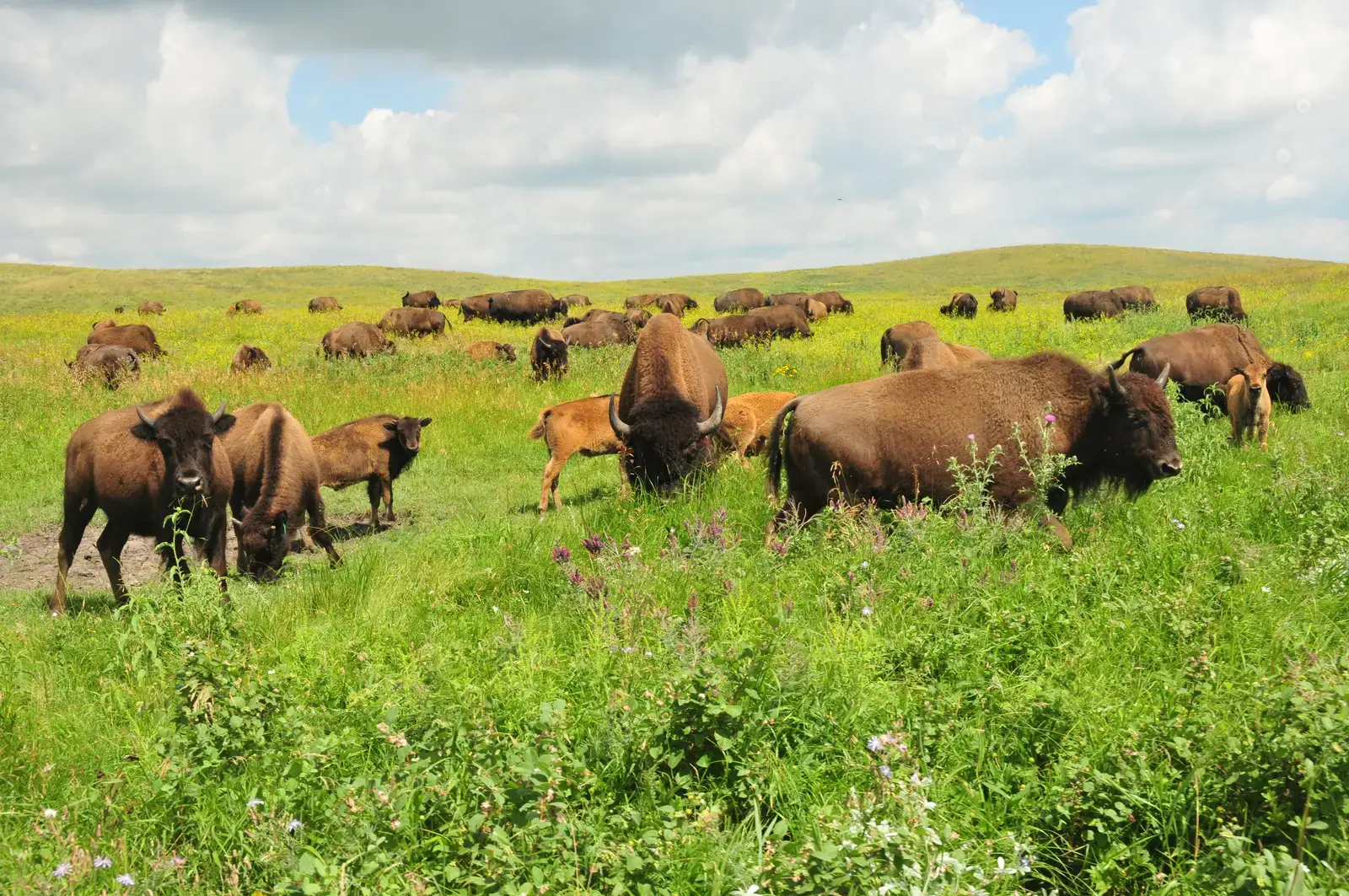
When you bring bison back, you’re not just putting a big animal on the landscape for tourists and photographers. You’re reinstalling a kind of ecological engine that North American grasslands evolved with for thousands of years. Bison graze in an intense, patchy way, churning up soil with their hooves, wallowing in dust baths, and moving across huge areas when left unfenced. That messy behavior creates a mosaic of short grass, tall grass, bare patches, and trampled ground that countless birds, insects, and plants depend on. Without it, prairies tend to flatten out into something more uniform and less alive.
Conservation programs and Indigenous-led projects that reintroduce bison are already seeing native grasses rebound, wildflowers return, and birds that rely on short-cropped or heavily grazed patches show up again. You can almost think of bison as giant, slow-motion paintbrushes, dragging new textures and colors across the prairie each season. When you support bison restoration, you’re indirectly giving a lifeline to everything from ground-nesting birds to rare wildflowers that thrive only under the kind of disturbance a roaming herd delivers.
4. You’re Watching Indigenous Nations Lead One of the Most Powerful Restoration Movements
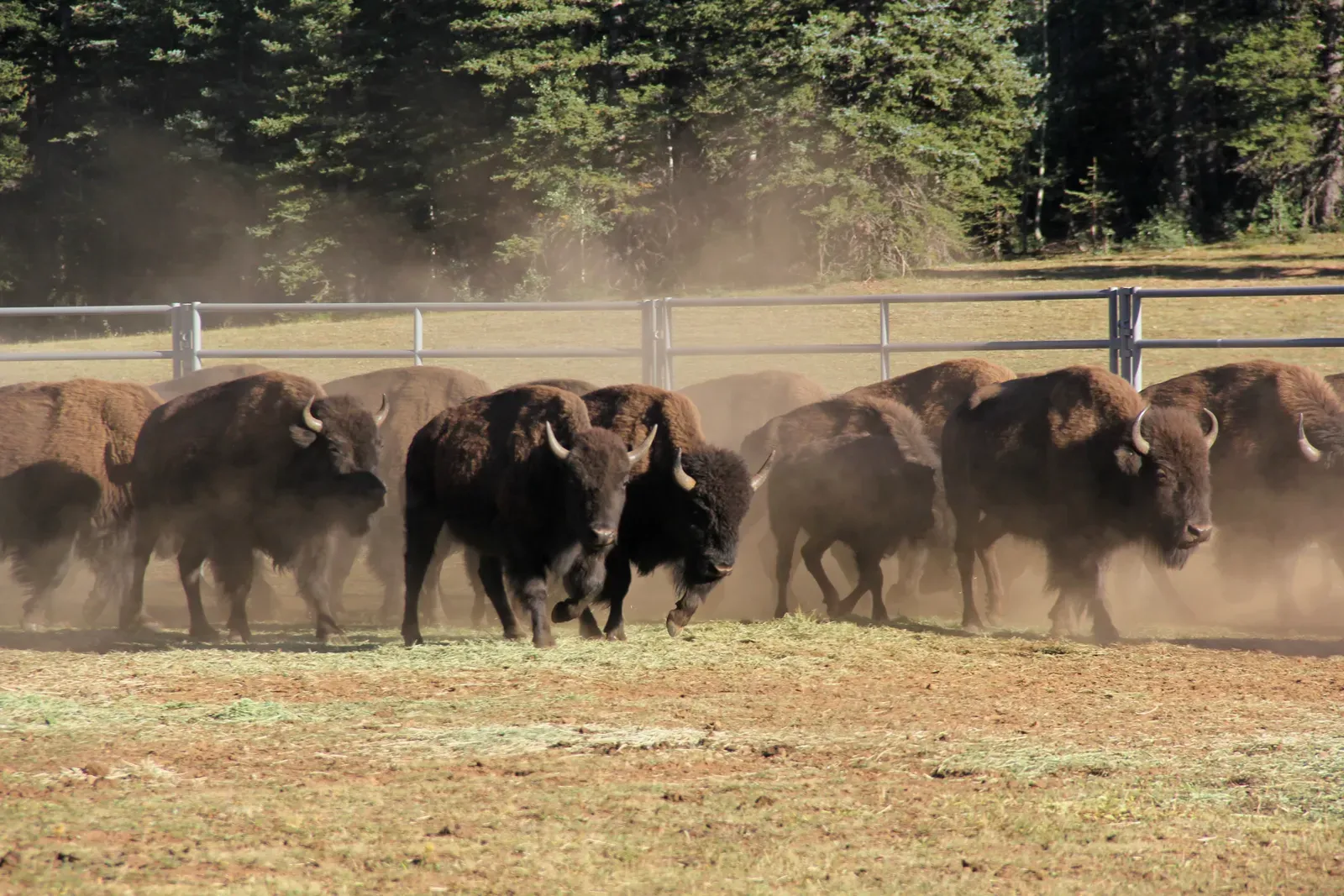
For many Native Nations, bison are not just wildlife; they’re family, food, ceremony, and history all wrapped into one powerful presence. The near-erasure of bison was tied directly to the attempted erasure of Indigenous cultures on the Great Plains. That’s why today’s bison comeback, if you look closely, is being driven by Indigenous leadership in ways you might not see on a postcard or park brochure. Tribal bison herds are growing, and large-scale transfers from places like national parks and conservation herds are helping Native Nations rebuild relationships that were violently cut off.
Organizations such as the InterTribal Buffalo Council and numerous Tribal wildlife programs are bringing bison back to reservations not just for ecological reasons, but for food sovereignty, cultural revitalization, and community health. When bison walk onto Tribal lands after more than a century away, you’re seeing restoration that goes far beyond biology – it is emotional, spiritual, and political. By supporting Indigenous-led conservation, you’re helping ensure that the bison’s comeback repairs human communities at the same time it heals grasslands.
5. You’re Benefiting from Some of the Most Sophisticated Wildlife Genetics Work on the Planet
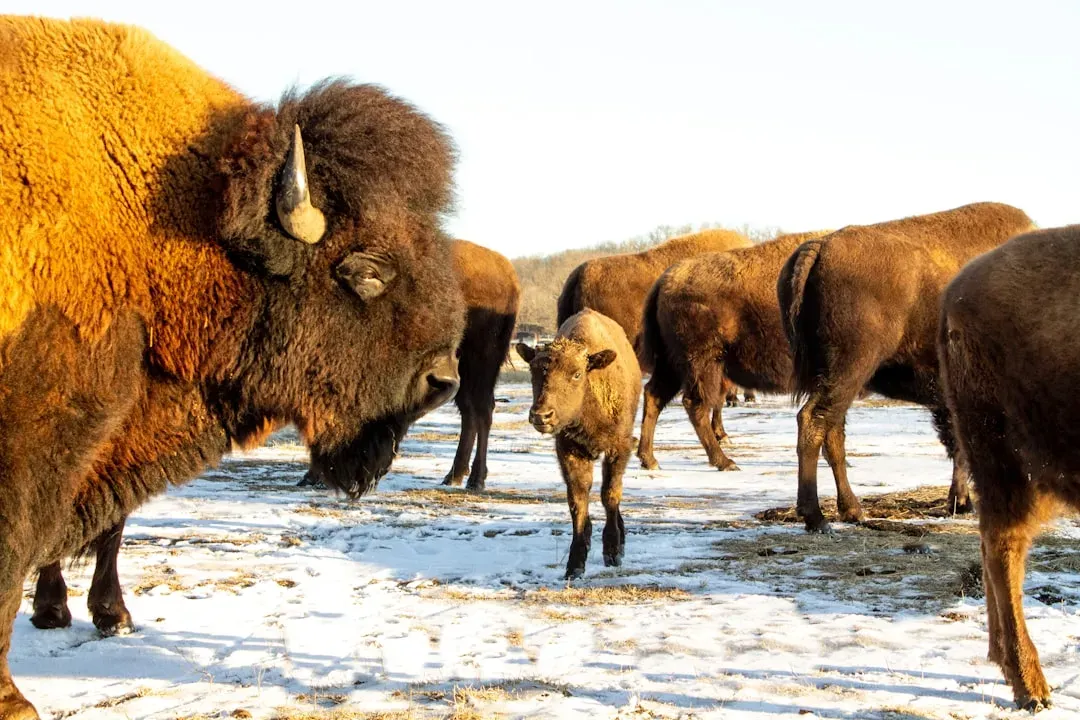
From the outside, a bison herd might just look like a sea of similar brown bodies, but behind the scenes you’re looking at one of the most closely studied conservation genetics stories anywhere. Because the original population crash was so extreme, modern bison carry the scars of a genetic bottleneck: many are descended from a very small number of ancestors. On top of that, some early rescue efforts mixed bison with domestic cattle, leaving traces of cattle DNA that today’s managers are trying to track and minimize in conservation herds. You’re dealing with a species that needs not only numbers, but also genetic depth and diversity to thrive long term.
To respond, agencies and scientists are treating North America’s bison herds as pieces of a larger “metapopulation,” shuffling animals among herds to maintain gene flow and carefully testing for disease and cattle introgression. Databases track individual animals, bloodlines, and herd histories so managers can avoid inbreeding and keep the animals as genetically wild as possible. When you hear about bison being moved from one park or refuge to another, you’re seeing more than simple relocation – you’re watching the equivalent of a continent-scale family tree being tended so that future calves inherit a healthy, resilient mix of genes.
6. You Still Live in a World Where Bison Are Functionally Missing from Most of Their Homeland
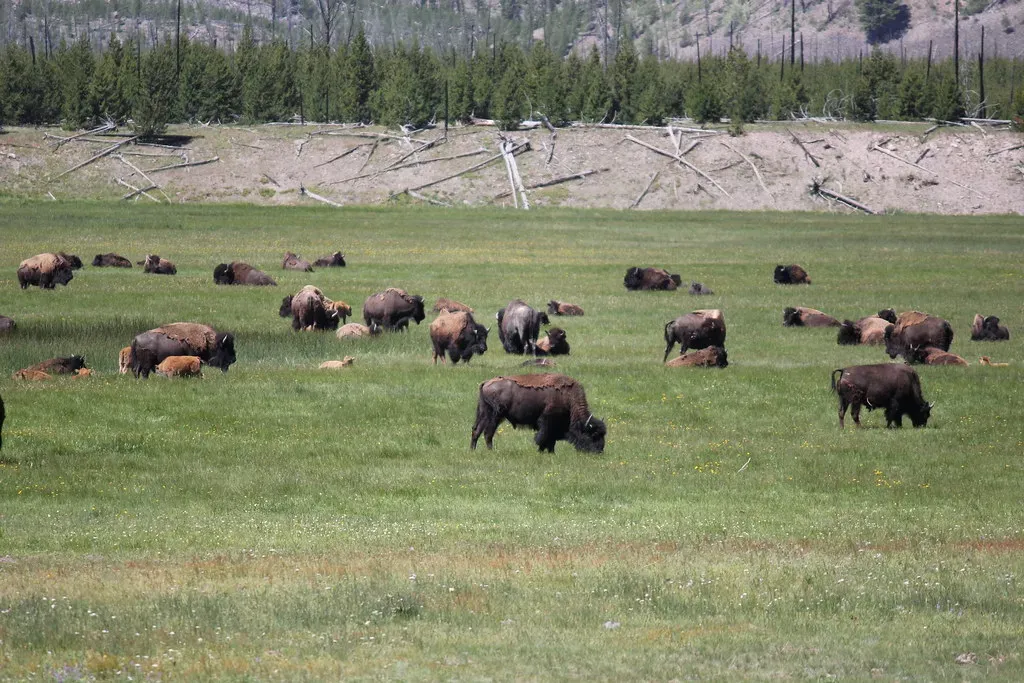
Here’s the part of the story that might shock you most: even with all this progress, bison still occupy only a tiny fraction of the range they once commanded. Conservation estimates suggest that today’s wild and conservation-managed bison number in the tens of thousands at best, which is just a sliver compared to the tens of millions that once roamed. In practical terms, that means you can drive across vast swaths of former bison country – states and provinces where the sky still feels endless – and never see a single hump on the horizon.
Most existing herds are fenced, relatively small, and isolated from one another, with many numbering in the low hundreds rather than the thousands needed for full ecological impact and long-term genetic security. Scientists sometimes describe bison as “functionally extinct” in much of their historic range, not because the species is gone, but because it no longer drives ecosystems the way it once did. So while you can celebrate the comeback, you also have to recognize that the bison story is only halfway written. The hard questions now are about space, coexistence with ranching and development, and how many truly wild bison you’re willing to share the land with.
7. You’re Part of a New Vision: A “Second Recovery” Focused on Letting Bison Be Wild Again
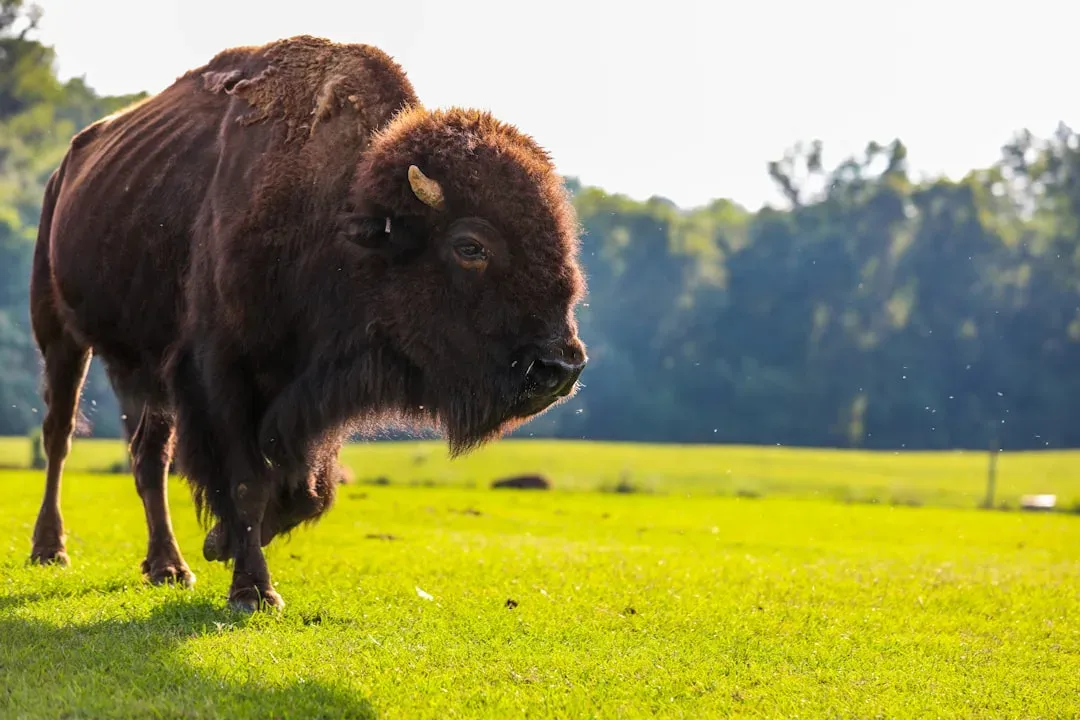
The first wave of bison rescue did something vital: it kept the species from disappearing altogether. But the second wave you’re living through now is more ambitious. It asks whether bison can be fully restored as free-ranging wildlife on large landscapes, not just kept in island-like parks or behind ranch fences. Agencies, scientists, Tribal governments, and conservation groups are exploring ways to connect herds, remove or realign fences, and treat some bison more like elk or deer – wild animals that move across mixed ownerships – rather than livestock contained in tight boundaries.
Plans coming out of national parks, wildlife refuges, and Tribal partnerships focus on two big ideas: ecological restoration and cultural restoration. Bison are being reintroduced to prairies, national preserves, and Tribal lands where they can shape vegetation, support predators and scavengers, and renew traditional practices like treaty hunting and communal harvest. When you support these efforts, whether through policy, donations, or simply choosing to visit and respect these places, you become part of a long-term experiment in bringing back not just a species, but a way of relating to land that recognizes bison as true, untamed neighbors.
8. You Can Actually Visit – and Help Shape – the Next Chapter of This Comeback
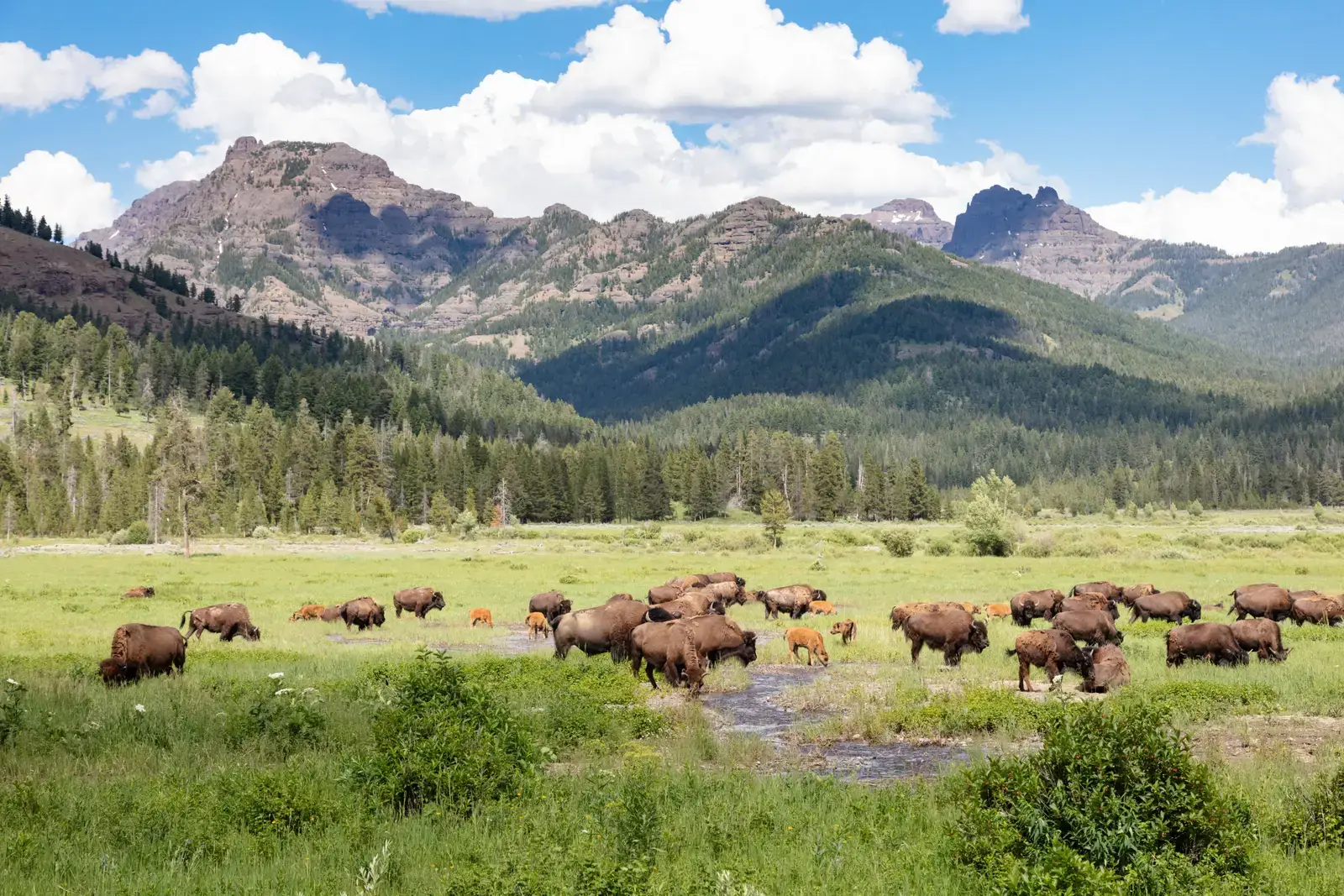
The bison’s epic comeback isn’t something distant and abstract; you can step into it with your own boots. From Yellowstone and Badlands to Tallgrass Prairie preserves and Tribal herds across the Great Plains, you can stand where the wind smells like sage and watch bison graze, spar, and nurse their calves. Those visits do more than fill up your camera roll. They send a message to parks, governments, and local communities that living, breathing bison are worth more to you than any mount on a wall or logo on a sports jersey.
You also have real choices that ripple outward: you can support Indigenous-led buffalo restoration projects, back policies that protect grasslands, and learn the deeper history of how this animal was nearly erased. Even simple acts – sharing accurate information, teaching kids why bison matter, choosing food and products that don’t chew up remaining prairie – push the story in the right direction. When future generations look back and ask how bison finally moved from “barely saved” to “fully restored,” your decisions right now will be part of the answer.
Conclusion: You Stand at the Edge of a Different Kind of Great Plains
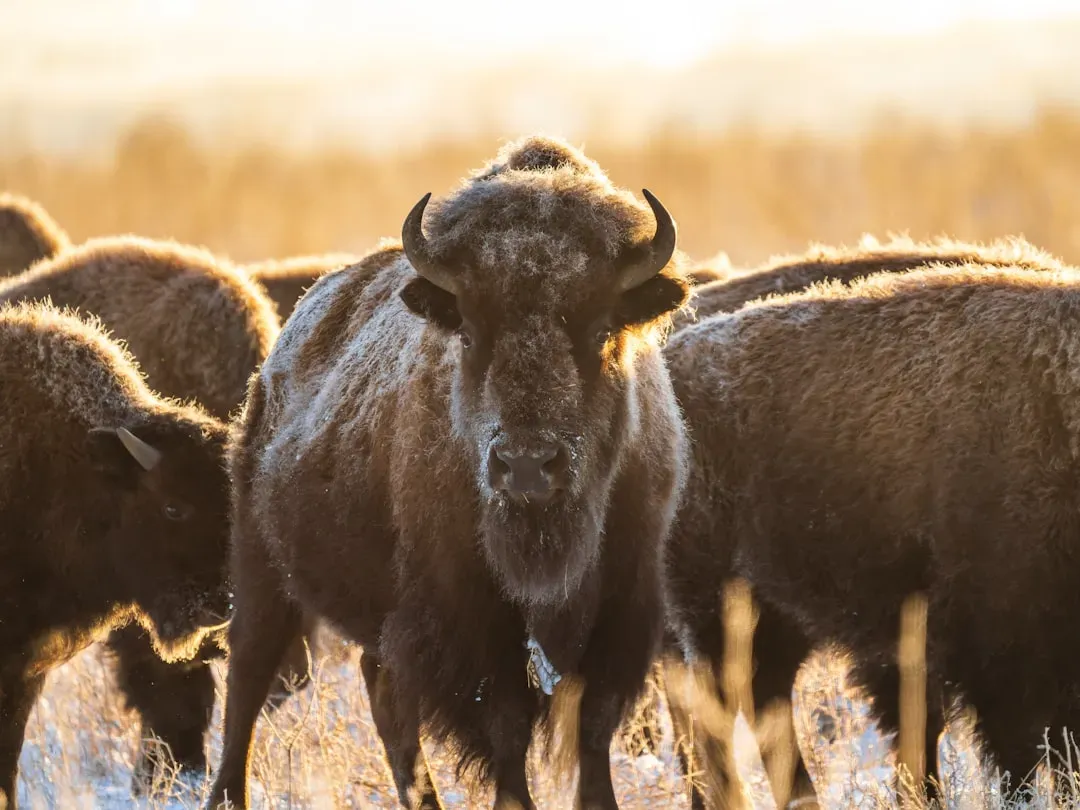
When you put all these pieces together, the bison’s comeback stops being a simple feel-good wildlife tale and turns into a mirror you have to look into. You see how quickly a species can be hammered to the brink, how stubbornly life fights its way back when given a chance, and how deeply culture and ecology are tangled together. You’re watching a continent wrestle with whether it wants its grasslands to be tidy and tamed or thundering and alive, whether Indigenous leadership will sit at the center of that decision, and whether you personally are comfortable sharing space with something that big, stubborn, and wild.
The North American bison’s story is still being written in hoofprints across prairies, in policy debates, in Tribal council meetings, and in the quiet moments when a calf takes its first wobbly steps. You get to choose whether you’re just a spectator or a character in that story. So the next time you see a bison on a coin, a flag, or a roadside sign, ask yourself: are you satisfied with a symbol, or do you want to live in a world where the real animal once again shapes the land beneath your feet – and what role are you willing to play in making that world real?