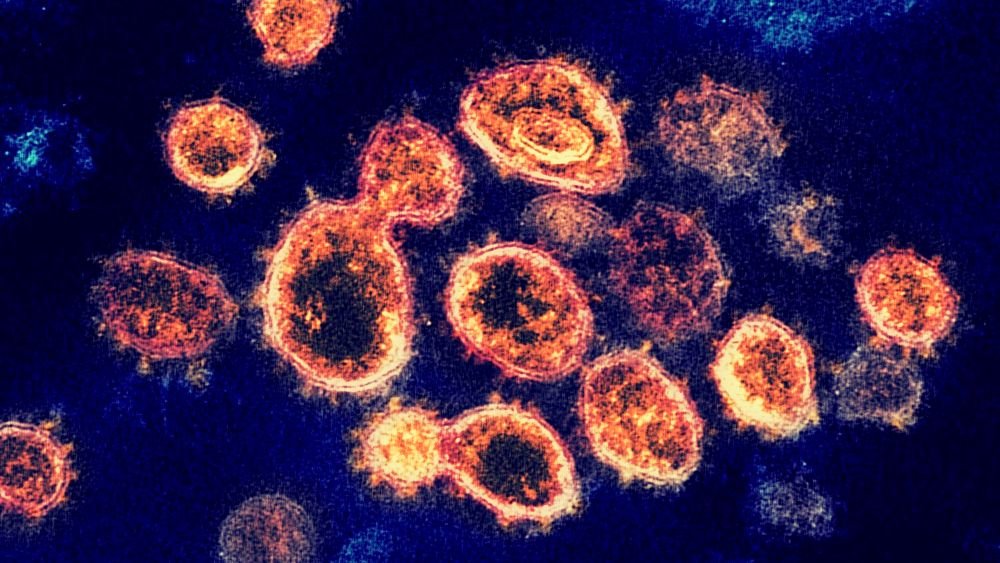

If you could zoom in on your own body right now, you’d see a battlefield you never knew existed. Tiny invaders are constantly trying to get in, and an invisible army is pushing them back, learning, adapting, and sometimes sacrificing itself so you can go about your day like nothing’s happening.
Most of this drama never reaches your awareness. You don’t feel your skin blocking viruses, or your stomach acid melting dangerous bacteria, or your cells quietly committing controlled self-destruction to stop an infection from spreading. But underneath the surface, there’s a defense system so complex and relentless that modern science is still struggling to fully map it. Let’s pull back the curtain and look at how your body fights off what you can’t even see.
The First Wall: Skin And Mucus As Physical Barriers

Look at the back of your hand for a second: that ordinary skin is one of the most underrated security systems on Earth. Your skin is made of tightly packed cells, layered and sealed with natural fats and proteins that make it incredibly hard for microbes to slip through. On top of that, it’s slightly acidic and coated with oils, sweat, and beneficial bacteria that make life difficult for harmful germs trying to colonize it.
Where your body opens to the outside world – your nose, mouth, eyes, lungs, and gut – plain skin wouldn’t be flexible enough, so mucus takes over. This sticky, constantly renewed layer works like flypaper, trapping dust, viruses, and bacteria before they can reach vulnerable cells. Tiny hair-like structures in your airways, called cilia, then sweep that mucus upward so you can swallow it and let your stomach acid finish the job. It’s not glamorous, but it’s brutally effective.
Chemical Warfare: Acids, Enzymes, And Antimicrobial Molecules
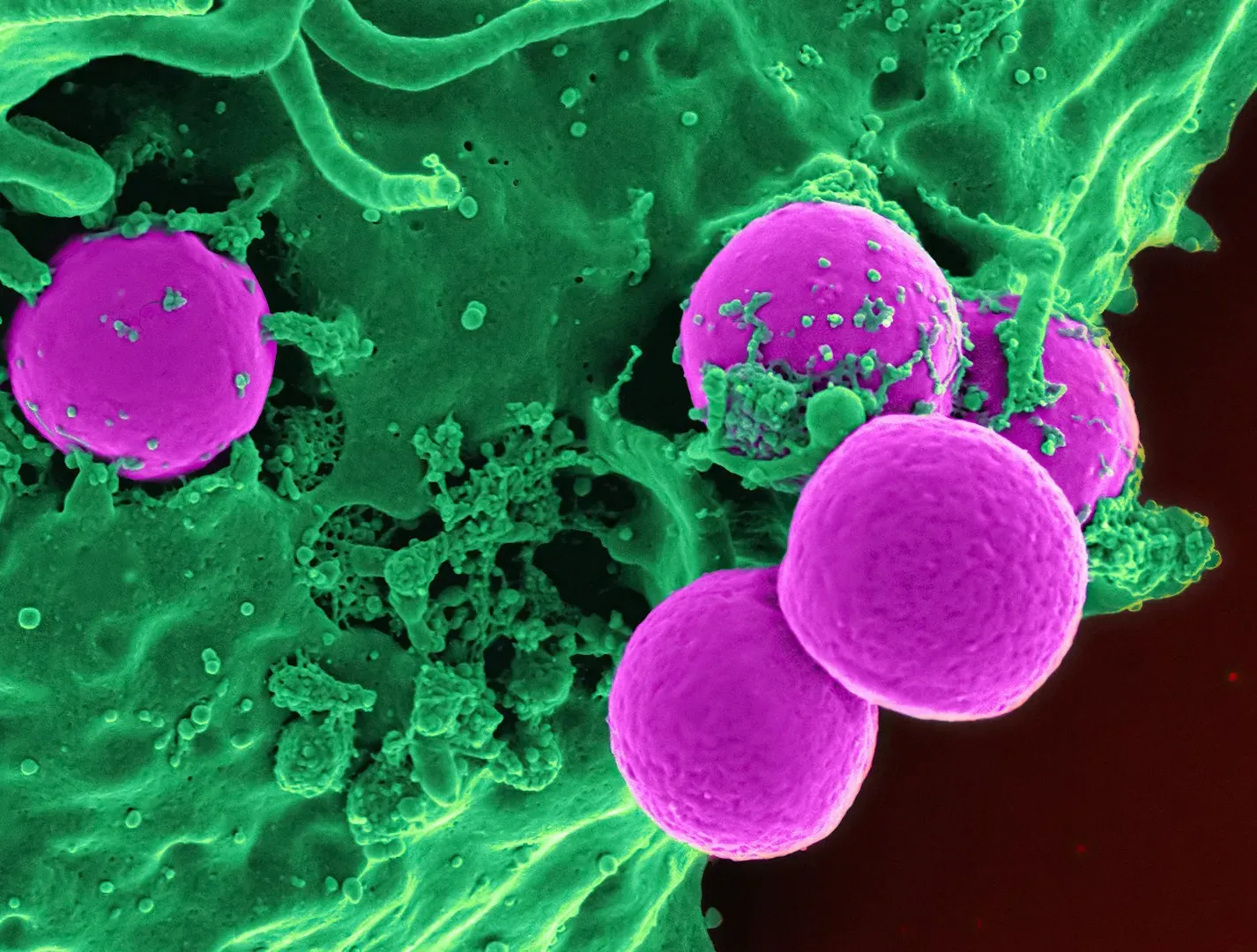
Even if something makes it past your skin or mucus, it immediately faces a chemical assault. Your stomach is one of the harshest environments in your body, loaded with acid strong enough to break down both food and many microbes that ride in with it. Saliva and tears are laced with enzymes that slice open bacterial cell walls, while sweat carries antimicrobial peptides that punch holes in invading cells like microscopic bullets.
Your body also quietly releases signaling molecules called cytokines and interferons that ramp up defenses the moment a threat is detected. Interferons, for example, warn nearby cells when a virus has invaded, pushing them into a heightened state that makes it harder for the virus to replicate. It’s like a neighborhood text alert system, where one house under attack suddenly warns every other house on the street to lock their doors and turn on the alarms.
Cellular Assassins: Natural Killer Cells And Phagocytes
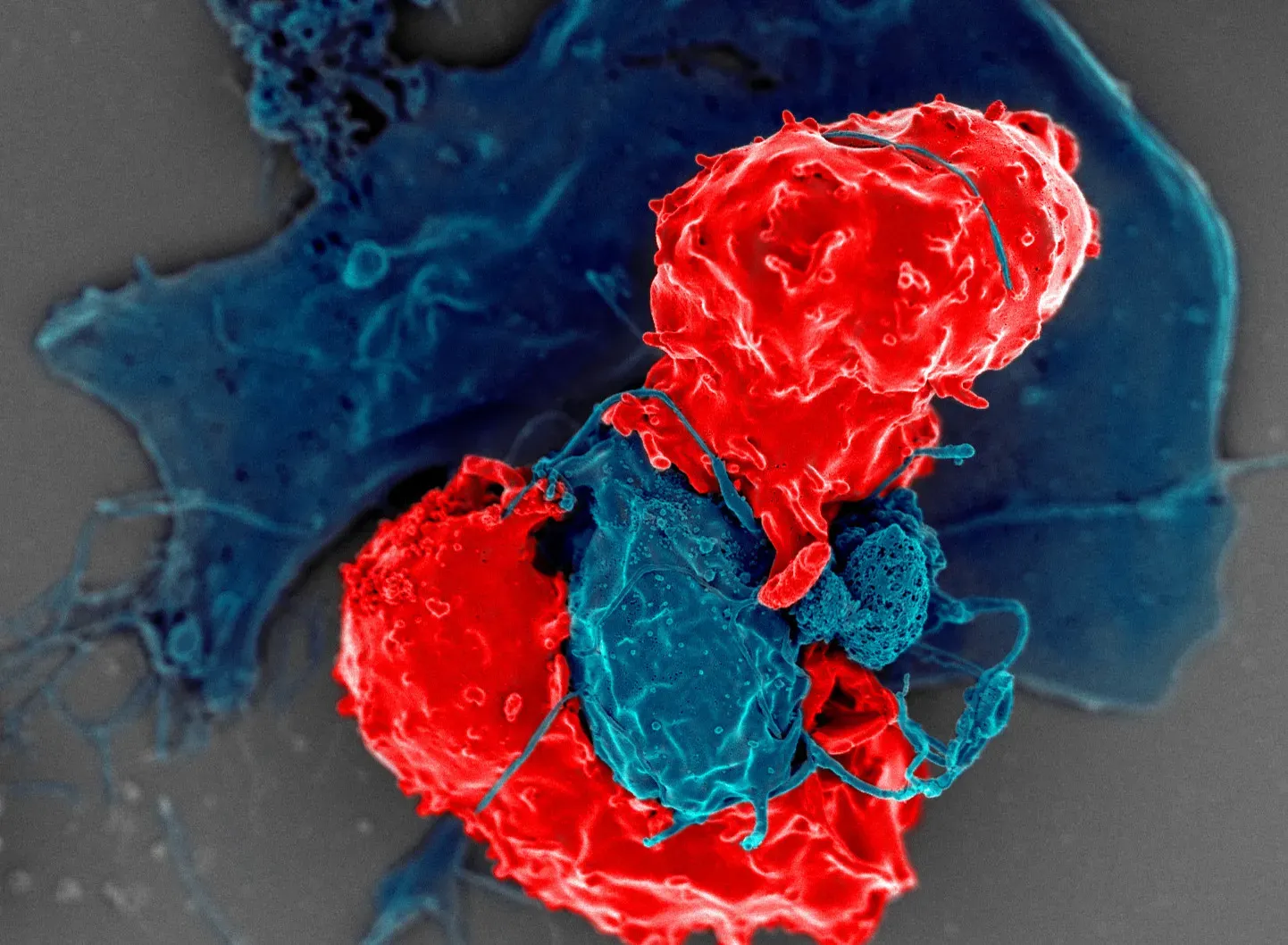
Some immune cells are basically professional hit squads. Natural killer cells patrol your body looking for cells that are acting strangely – like those infected with viruses or starting to turn cancerous – and they quietly trigger those cells to self-destruct. They don’t need a full backstory or detailed proof; they’re trained to spot suspicious behavior, such as missing or altered “ID badges” on the cell surface, and act fast to contain the threat.
Phagocytes like macrophages and neutrophils are more like cleanup crews with sharp teeth. They engulf bacteria, dead cells, and debris, then digest them, preventing dangerous buildup and further infection. Some macrophages even hang around in specific tissues for years, acting almost like local guardians: in the lungs, the liver, the brain, each group learns the neighborhood and watches for trouble. It’s an ongoing, tireless patrol you never have to think about.
The Smart System: Adaptive Immunity Learns And Remembers
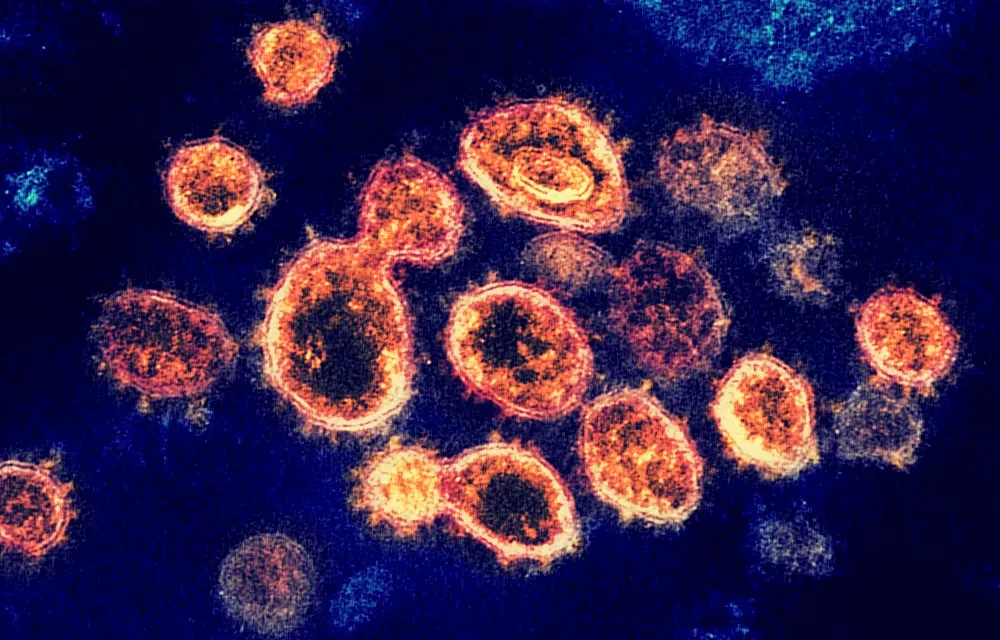
While the innate system is fast, it’s not very picky. The adaptive immune system is slower at first, but it’s precise and long-lasting. Specialized cells called B cells and T cells learn to recognize very specific pieces of pathogens, like unique molecular fingerprints, and then mount targeted attacks. The first time your body meets a new virus or bacterium, it may take days to gear up, which is why you feel sick while the system is essentially “studying” the enemy.
Once that learning happens, though, the adaptive immune system keeps a memory. Memory B cells and T cells can stick around for years, sometimes for life, ready to respond much faster if the same invader shows up again. This is why people usually only get certain infections once, or have milder symptoms the second time around. It’s like your body keeps a personalized “most wanted” list and upgrades its security system every time it faces a new criminal.
Antibodies: Precision-Guided Micro Weapons
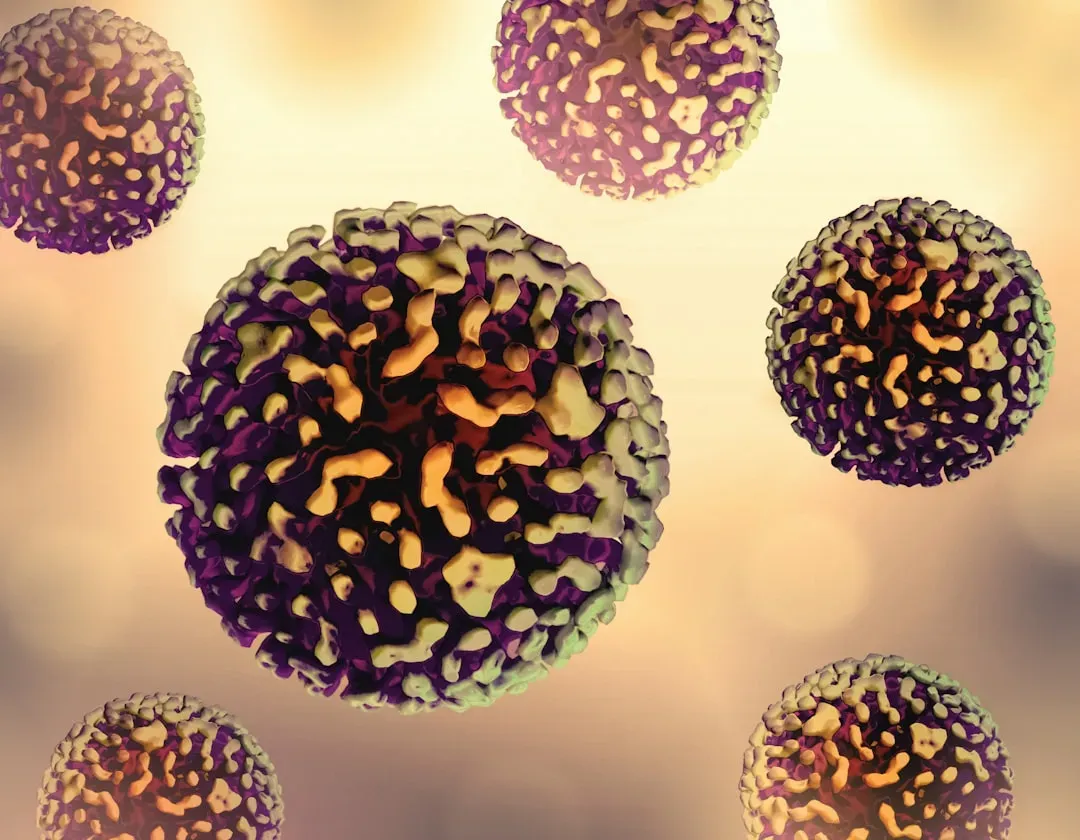
Antibodies are one of the most remarkable tools your body has ever invented. These Y-shaped molecules are produced by B cells and designed to recognize a very specific target, such as a particular shape on a virus’s surface. Once they latch on, they can block the virus from entering cells, mark it for destruction, or clump multiple invaders together so other immune cells can clear them out more easily.
Over time, your body can fine-tune these antibodies, making them bind more tightly and work more effectively, a bit like upgrading from a blurry key copy to a perfectly cut one. Vaccines make clever use of this system by safely exposing the immune system to parts of a pathogen, training it to produce and refine antibodies without causing full-blown disease. The result is a faster, stronger response the moment the real threat arrives, often stopping it before you even realize you’ve been exposed.
Hidden Allies: The Microbiome As A Living Shield
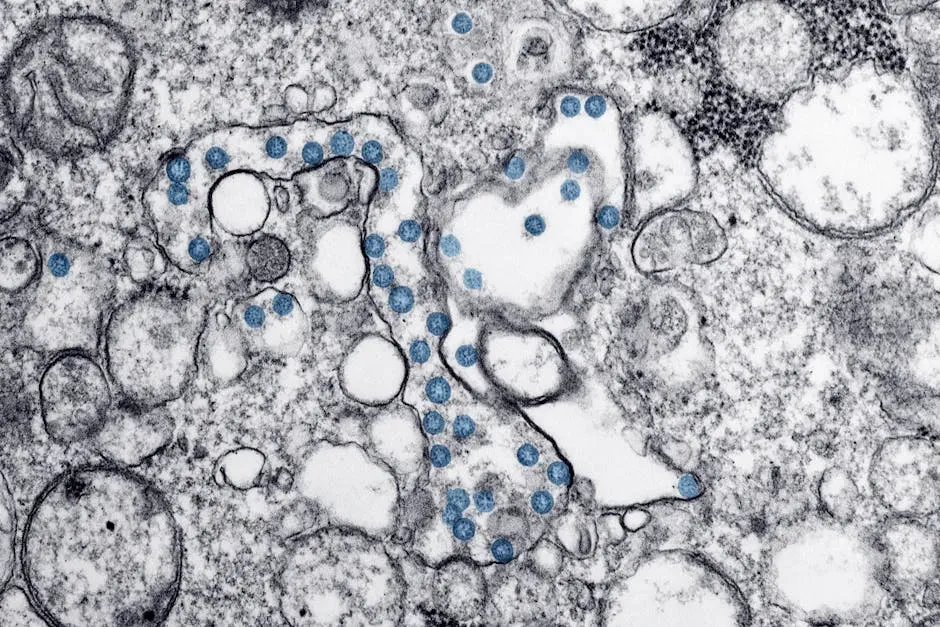
One of the strangest discoveries of the last couple of decades is that you’re not just you – you’re also trillions of microbes living on and inside you. The vast majority are harmless or helpful, especially in your gut, where they help break down food, produce vitamins, and train your immune system to distinguish friend from foe. This community, known as the microbiome, acts like a living shield by occupying space and gobbling up resources that harmful microbes would otherwise use.
When the microbiome is healthy and diverse, it can help dampen excessive inflammation and support a balanced immune response. But when it’s disrupted – by illness, long courses of antibiotics, or poor diet – it can leave you more vulnerable to infections and may even contribute to chronic conditions linked to immune imbalance. It’s a bit like having a thriving, stable neighborhood where people look out for each other versus an empty block where trouble can move in overnight.
The Brain–Immune Connection: Stress, Sleep, And Defense
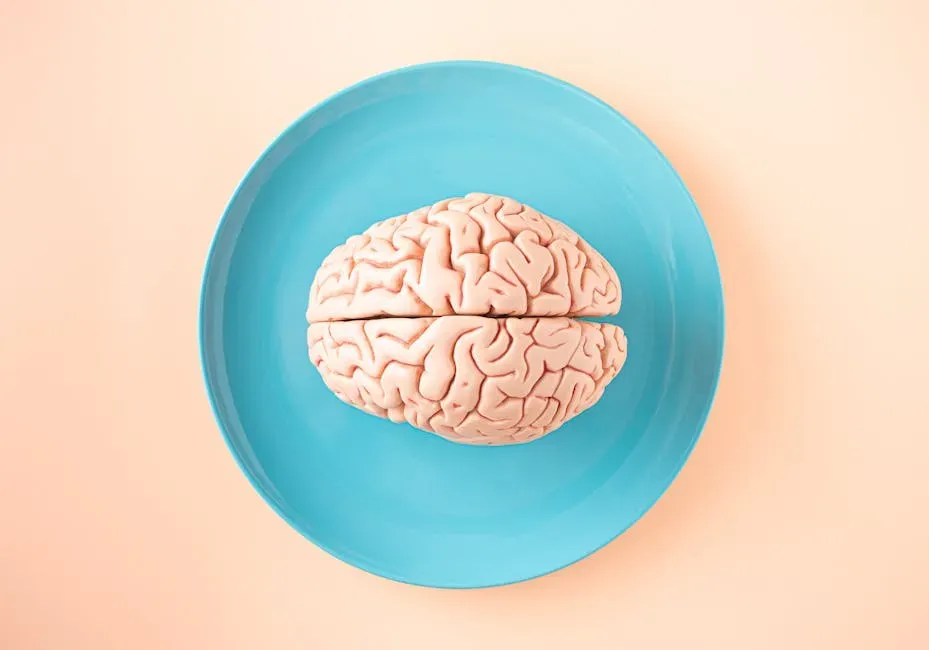
Your immune system doesn’t work in isolation; it’s tightly connected to your brain and hormones. When you’re under prolonged stress, your body releases hormones like cortisol that, in small bursts, can be helpful, but in chronic amounts tend to weaken certain immune functions. That’s one big reason people often get sick right after a long period of overwork, emotional strain, or too little rest: the guards have been running on fumes, and the gate is a little looser than usual.
Sleep is another powerful but underrated immune booster. During deep sleep, your body ramps up the production of certain immune cells and reorganizes memory, including immune memory. People who consistently don’t get enough sleep are more likely to catch common infections and take longer to recover. It’s not just about feeling rested; it’s literally about giving your body the time it needs to repair, recalibrate, and set its defenses for the next day.
When Defenses Misfire: Allergies, Autoimmunity, And Overreactions
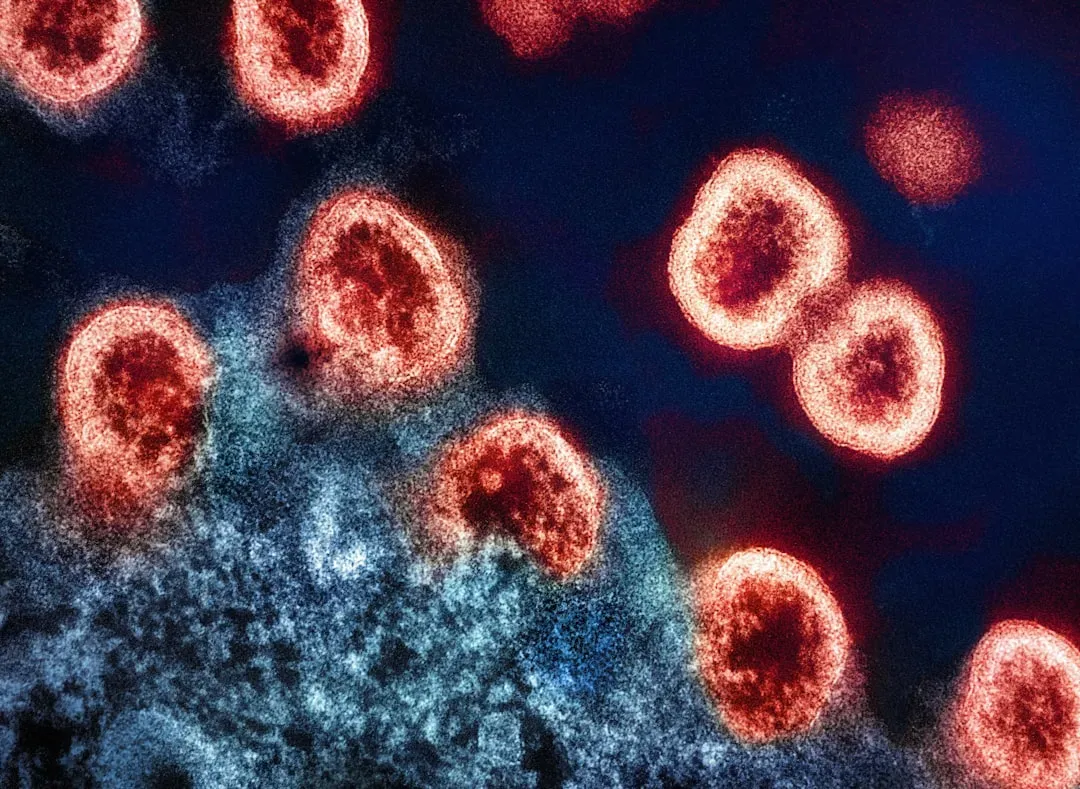
For all its brilliance, the immune system isn’t perfect. Sometimes it gets jumpy and starts attacking harmless things, like pollen, pet dander, or certain foods, triggering allergies. In those cases, the body launches a full-scale defense – histamine release, mucus production, swelling – against something that isn’t truly dangerous. It’s like setting off a fire alarm every time someone lights a candle at home: the response is real, but the threat is not.
In other situations, the immune system mistakenly turns on the body’s own tissues, leading to autoimmune diseases such as type 1 diabetes, rheumatoid arthritis, or multiple sclerosis. These are complex conditions where the immune system’s ability to recognize “self” versus “non-self” partly breaks down. Scientists have learned a lot about these disorders, but there’s still much that remains unclear, including why some people are more susceptible than others. It’s a reminder that the same power that keeps you alive can, in rare and tragic cases, cause harm when it goes off target.
Supporting Your Hidden Defenses: Everyday Choices That Matter

While you can’t control every germ you meet, you do have surprisingly strong influence over how well your defenses work. Regular movement, a varied diet rich in whole foods, and enough sleep might sound like boring advice, but they’re exactly what your immune cells need to function smoothly. These habits support healthy circulation, stable blood sugar, and a robust microbiome, all of which shape how effectively your body can respond to threats.
Simple behaviors, like washing your hands, staying up to date on recommended vaccines, managing stress, and not smoking, reduce the total load your immune system has to manage. Think of it as lowering the background noise so your body can clearly hear and respond to real alarms when they go off. You don’t need to chase miracle supplements or extreme routines; the basics, done consistently, are what quietly keep your invisible army well supplied and ready.
Conclusion: The Silent Hero Working Around The Clock
Every hour you stay alive without noticing the microscopic world around you is proof that your hidden defenses are doing their job. From the skin you barely think about to the antibodies refining themselves after each new encounter, your body is constantly running a sophisticated security operation with no days off. It learns, adapts, and remembers in ways that rival any technology we’ve ever built, and most of the time, you don’t feel a thing.
Personally, the more I learn about this system, the more ordinary things – like recovering from a cold or healing a small cut – feel almost miraculous. Your immune system isn’t perfect, and it sometimes stumbles or overreacts, but without it, even everyday life would be impossible. Knowing that, it’s hard not to look at a good night’s sleep, a balanced meal, or a moment of calm as an act of quiet support for this invisible guardian. Next time you bounce back from feeling run-down, will you see it differently, knowing how much your hidden defenses just did for you?