
Imagine swallowing a sugar pill and watching your pain melt away, even though there’s not a single active drug in it. It sounds like a magic trick or a scam, but it’s one of the most studied and repeatable phenomena in modern medicine: the placebo effect. What makes it so fascinating is that it reveals something very uncomfortable and very hopeful at the same time – our minds have more power over our bodies than most of us have been taught to believe.
The placebo effect isn’t about pretending to feel better or being gullible. In many cases, it produces real, measurable changes in the brain, hormones, and immune system. It doesn’t replace surgery, antibiotics, or chemotherapy, and it can’t cure everything. But in a world drowning in quick-fix promises, understanding when and how the mind can help the body heal is one of the most empowering, quietly revolutionary ideas we have.
What Exactly Is the Placebo Effect?
The placebo effect happens when a person experiences a real improvement in symptoms after receiving a treatment that has no specific active ingredient for their condition. That “treatment” might be a sugar pill, a saline injection, a fake cream, or even a sham procedure that looks medical but doesn’t actually do anything specific to fix the issue. The key is that the person believes they’re getting something that should help, and that belief triggers changes in how they feel.
Importantly, placebo responses have been documented in pain, depression, anxiety, irritable bowel symptoms, Parkinson’s disease, and even some aspects of immune function. Scientists can see differences in brain scans and blood markers when a placebo is working, which means it’s not “all in your head” in the dismissive sense. It’s in your head in the literal sense: your brain is actively participating in shaping how your body feels and responds. That makes the placebo effect less of a weird side note and more of a window into how tightly the mind and body are linked.
How Expectation Shapes Your Biology

If there’s one psychological force driving the placebo effect, it’s expectation. When you expect a pill to ease your pain, your brain doesn’t just sit there and wait; it starts adjusting systems ahead of time, like a host preparing the house for guests before they walk through the door. This expectation can trigger the release of neurotransmitters and hormones that actually change your experience of pain, mood, or physical discomfort.
Researchers have found, for example, that when people think they’re receiving a strong painkiller, their brains activate pain-control regions and dial down pain-processing areas, even if the drug is fake. In a strange twist, the opposite can also happen: if you expect side effects or worsening symptoms, you can experience them from an inactive treatment, a phenomenon known as the nocebo effect. In other words, your beliefs are not just background noise; they are active ingredients in your physiological responses.
The Brain Chemicals Behind “Fake” Relief
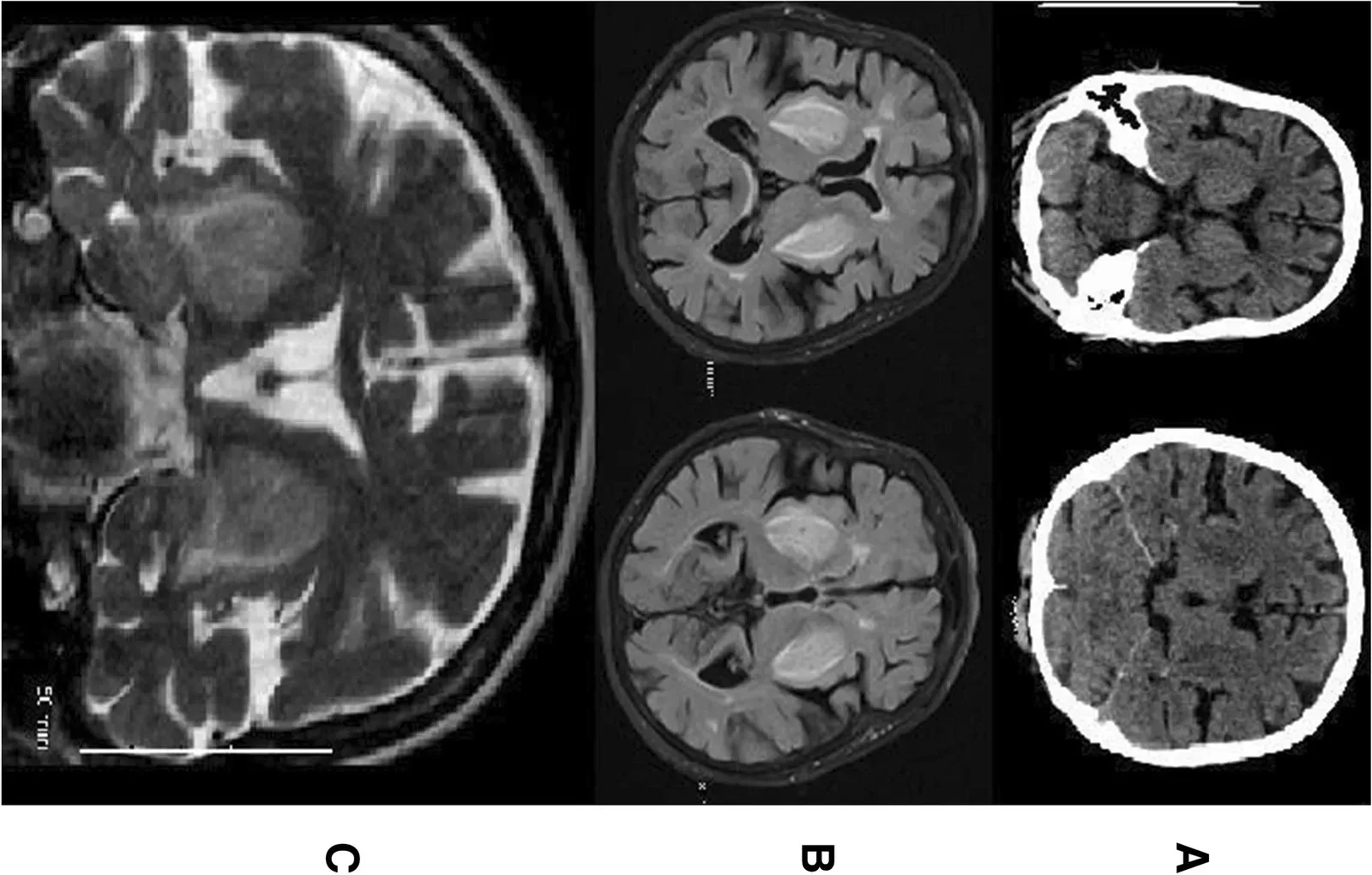
One of the reasons scientists take the placebo effect seriously now is that they can track it on a chemical level. In pain placebo studies, people who think they are getting real painkillers often show increased release of endorphins, the body’s natural opioids, in specific regions of the brain. This is the same family of molecules real opioid medications act on, which helps explain why a fake pill can sometimes create very real relief.
Other brain chemicals are involved too. Dopamine, which plays a big role in motivation and reward, has been linked to placebo responses in conditions like Parkinson’s disease, where it’s already a central player. When someone with Parkinson’s believes they’re getting medication, the expectation can lead to a surge of dopamine in key brain regions, temporarily improving movement symptoms. These changes don’t mean a placebo cures the underlying disease, but they do show that belief can recruit powerful internal pharmacy systems most of us never realize we have.
Pain, Mood, and Symptoms: Where Placebos Work Best

Placebo responses tend to be strongest in conditions where subjective experience plays a huge role, like pain levels, mood, nausea, anxiety, fatigue, and similar symptoms. That makes sense if you think about it: pain and mood are not simple on–off switches, but complex interpretations by the brain of what’s happening in the body and environment. If you tweak the brain’s interpretation, you can shift how severe those symptoms feel, even if the underlying trigger is still there.
For example, in clinical trials of pain medications, it’s common for a surprisingly high proportion of people in the placebo group to report meaningful pain relief. Similar patterns appear in trials for depression and anxiety, where simply starting “treatment” and being cared for in a structured way can produce noticeable improvements for many. That doesn’t mean the placebo effect is enough for everyone or that all drugs are unnecessary, but it does mean our symptoms are more negotiable than we often assume.
What Placebos Cannot Do (And Why Limits Matter)
As intriguing as it is to imagine thinking ourselves healthy, the placebo effect has clear boundaries. There’s no credible evidence that a placebo can shrink a large malignant tumor, reverse advanced organ failure, or cure infectious diseases on its own. It can influence symptom perception, stress levels, and sometimes certain biological markers, but it does not function like a hidden miracle drug that can replace effective, evidence-based treatments.
Understanding these limits is crucial, because overstating the power of the mind can slide into victim-blaming. If someone’s cancer progresses, it’s not because they “didn’t believe hard enough” or failed to harness their placebo response. The ethical way to view the placebo effect is as a supportive bonus layer to real medical care, not a magical alternative. When used with proper caution and honesty, it can help reduce suffering without encouraging denial of serious disease or responsible treatment.
The Role of Trust, Ritual, and the Doctor–Patient Relationship

The placebo effect isn’t just about what’s in the pill; it’s also about everything surrounding it. The way a treatment is presented, the confidence of the doctor, the warmth of the nurse, the look and feel of the clinic, even the color and size of the tablets all subtly signal to your brain how powerful and legitimate the intervention seems. Together, these create a kind of medical ritual, and rituals are deeply tied to expectation and meaning.
When a healthcare professional listens carefully, explains clearly, and expresses genuine care, patients often experience stronger placebo responses to whatever treatment they receive, real or not. That doesn’t mean doctors are tricking anyone; it shows that communication and empathy themselves have biological consequences. In a sense, bedside manner is not just “nice to have” – it’s a clinically relevant part of how the brain interprets the healing process. The relationship is one of the most potent, underestimated pieces of the puzzle.
Ethical Placebos: Can Honesty Still Heal?
For a long time, people assumed that placebos only work if patients are deceived. Surprisingly, research on what are called “open-label placebos” has challenged that assumption. In these studies, participants are explicitly told they’re receiving a placebo, with no active drug, and yet some still report meaningful improvements in symptoms like pain, irritable bowel discomfort, or fatigue. It’s as if simply engaging the idea of treatment and harnessing mind–body mechanisms is enough to shift their experience.
This raises a hopeful possibility: maybe we don’t have to lie to benefit from placebo effects. By being transparent about what a placebo is and explaining that the brain has its own capacity for modulation, people can consciously lean into those mechanisms without feeling tricked. There’s still debate and ongoing research about how strong these open-label effects are and in which conditions they’re reliable. But they point toward a future where we might ethically use the placebo effect as an add-on to standard care, instead of treating it as some awkward illusion we hope to cancel out.
Everyday Placebos: From Supplements to Wellness Trends
You don’t need a lab coat or a clinical trial to encounter the placebo effect; it’s likely woven through your daily life. When someone feels better after an expensive supplement with vague claims, at least part of the benefit may be a placebo response powered by expectation, advertising, and hope. The same can happen with certain wellness treatments that have weak or inconsistent evidence behind them but still leave people convinced they feel different afterward.
This doesn’t mean everyone is imagining things or that every alternative therapy is useless. It means that some of what’s being felt may come from the mind’s powerful response to belief, ritual, and attention, rather than from the specific ingredients or methods. Recognizing the placebo component can actually protect you: it encourages you to ask whether you’re paying for something with proven specific benefit, or mostly for a polished story and a comforting routine. And if you decide to keep a harmless ritual because it helps you feel calmer, at least you’re doing it with your eyes open.
Using Mind–Body Effects Without Fooling Yourself

There are ways to tap into the same mind–body pathways that fuel the placebo effect without pretending you’re swallowing a magic pill. Practices like meditation, relaxation techniques, cognitive behavioral therapy, and even structured breathing exercises intentionally work with attention, expectation, and interpretation. They can reduce stress, ease perceived pain, and improve coping, all while being fully honest about what they are and how they work.
On a smaller scale, simply reframing how you think about your treatment and your body can have real consequences. Viewing medication as an ally instead of a threat, focusing on progress rather than only on setbacks, and noticing small improvements can all reinforce helpful expectations. None of this replaces robust medicine or negates the seriousness of disease, but it adds an extra dimension of agency. Instead of being a passive recipient of care, you become an active participant in how your brain and body respond.
What the Placebo Effect Really Tells Us About Healing
For me, the most striking thing about the placebo effect is not that “fake” treatments sometimes work. It’s that the entire idea of a placebo is built into how we test real medications, almost as if we’ve quietly admitted that belief itself is a competitor that every drug has to beat. That should make us a little more humble about how we talk about healing, and a little more curious about what is actually happening inside us when we start to feel better.
In the end, the placebo effect doesn’t say that illness is all in your mind or that you can think your way out of every diagnosis. It says that your mind is always part of the story, whether you notice it or not. The challenge – and the opportunity – is to respect both sides: the hard, physical realities of the body and the soft, invisible forces of expectation, trust, and meaning. Maybe the real question is not whether , but how much more you could heal if you learned to let them work together. Did you expect that?