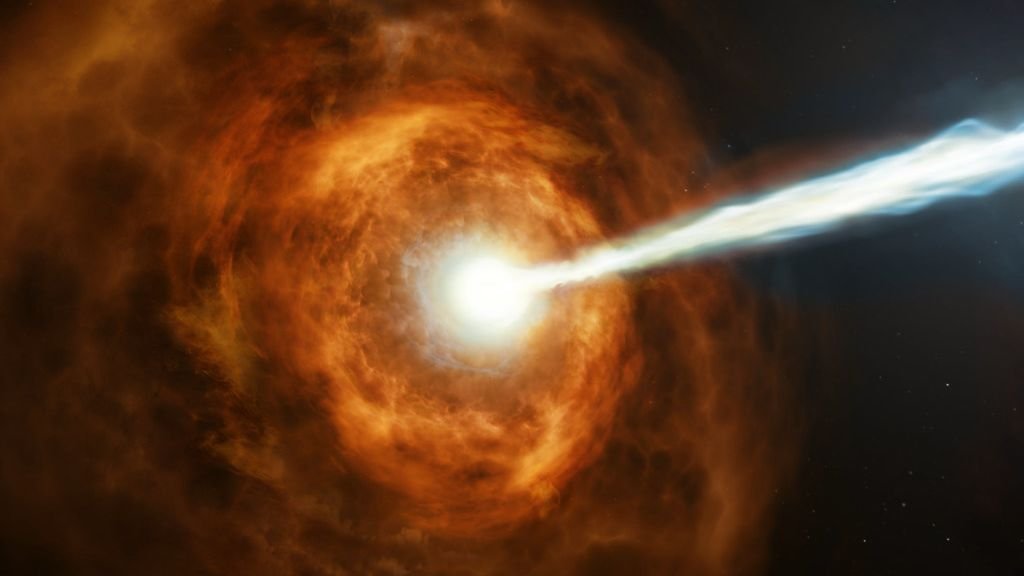

Right now, as you sit and read this, tiny high‑energy particles are slamming into your body, your screen, your ceiling, and everything around you. You can’t see them, you can’t feel them, and you can’t hide from them – yet they’ve helped shape Earth’s atmosphere, threatened astronauts, and even quietly corrupted computer data on the ground. These are cosmic rays, the invisible rain that never stops.
When I first learned that a single particle from space can carry as much energy as a well‑struck tennis ball, my brain needed a moment to catch up. How can something smaller than an atom hit with that kind of punch and still be totally invisible? The story of cosmic rays is a story of extremes – extreme energy, extreme distances, and extreme mystery – and it’s still unfolding as new detectors and telescopes reveal more about this ghostly storm from the universe.
1. What Cosmic Rays Actually Are (Spoiler: They’re Mostly Not Rays)
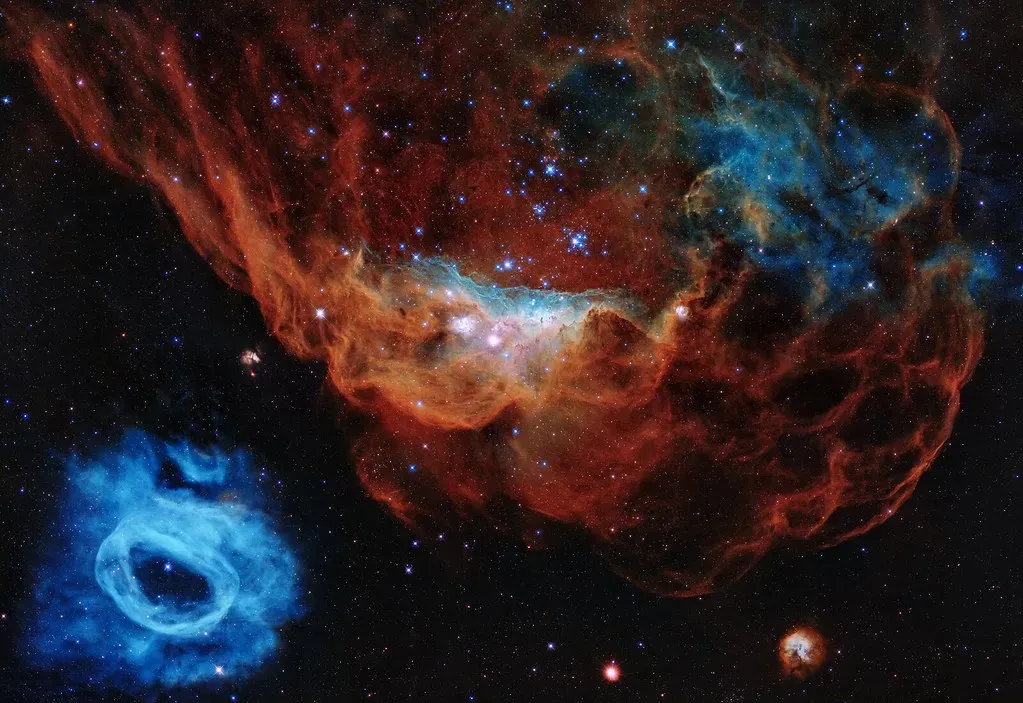
“Cosmic rays” sounds like beams of light from outer space, but that name is a historical accident that stuck. In reality, most cosmic rays are high‑energy particles – mainly protons, along with heavier atomic nuclei and a small fraction of electrons – hurtling through space at close to the speed of light. When scientists first detected their effects in the early twentieth century, they thought they were dealing with a new kind of radiation similar to X‑rays or gamma rays, and the word “rays” never got corrected.
By the time these particles reach Earth’s neighborhood, they’ve traveled across the galaxy and sometimes from beyond it. They’re guided and scrambled by magnetic fields, so their original paths get twisted beyond recognition. Imagine trying to trace a single raindrop back to where it first evaporated from the ocean – that’s how hard it is to figure out where many cosmic rays really came from. Yet by studying their composition and energy, scientists can still tease out clues about the violent events that launched them.
2. Where They Come From: Supernovas, the Sun, and Beyond
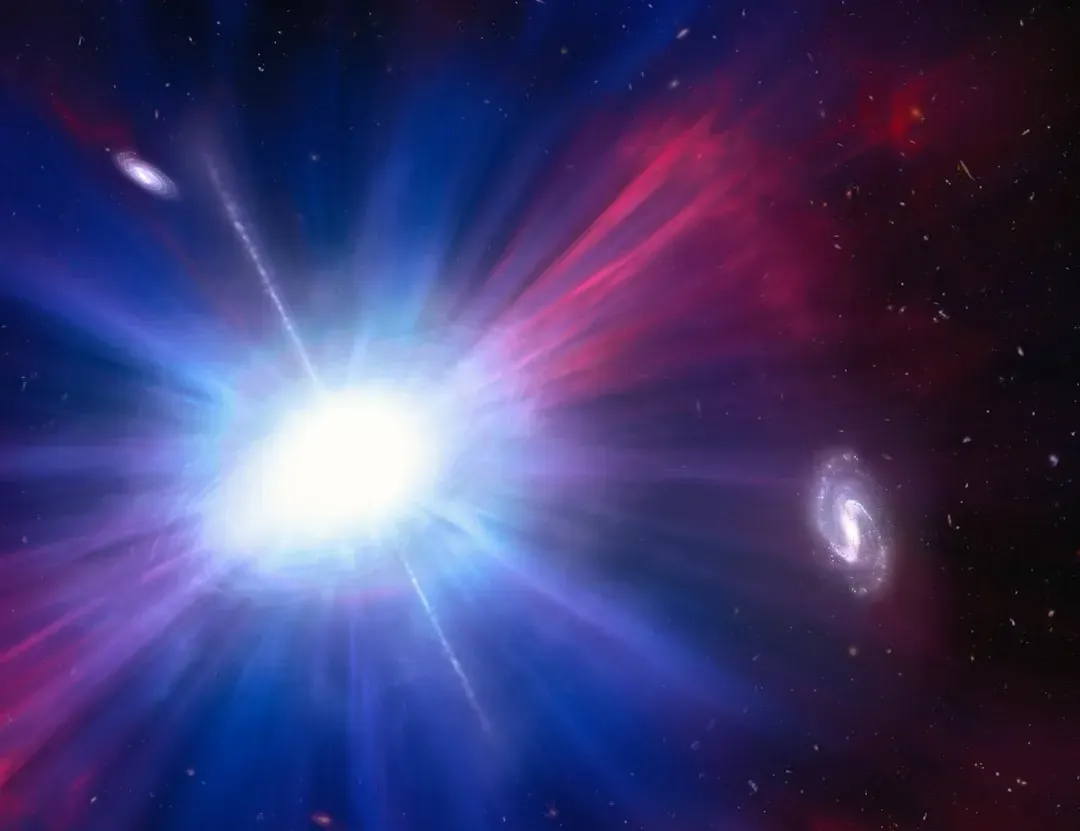
A big chunk of the cosmic rays that hit Earth are born in our own galaxy, mainly in violent events like supernova explosions. When a massive star dies and blows itself apart, shock waves rip through surrounding gas and magnetic fields, acting like enormous natural particle accelerators. Over thousands of years, these shocks can kick charged particles up to staggering energies, turning the aftermath of stellar death into a cosmic slingshot.
The Sun is also a key source, especially during solar flares and coronal mass ejections, when it hurls charged particles outward at high speed. These solar energetic particles are usually less energetic than the most extreme galactic ones, but they arrive in intense bursts that can pose serious risks to satellites and astronauts. On top of that, there’s a faint population of ultra‑high‑energy cosmic rays that seem to come from far beyond our galaxy, possibly from active galactic nuclei or other exotic objects. Those are still among the biggest puzzles in astrophysics.
3. The Constant Shower: How Many Hit Us and How Often
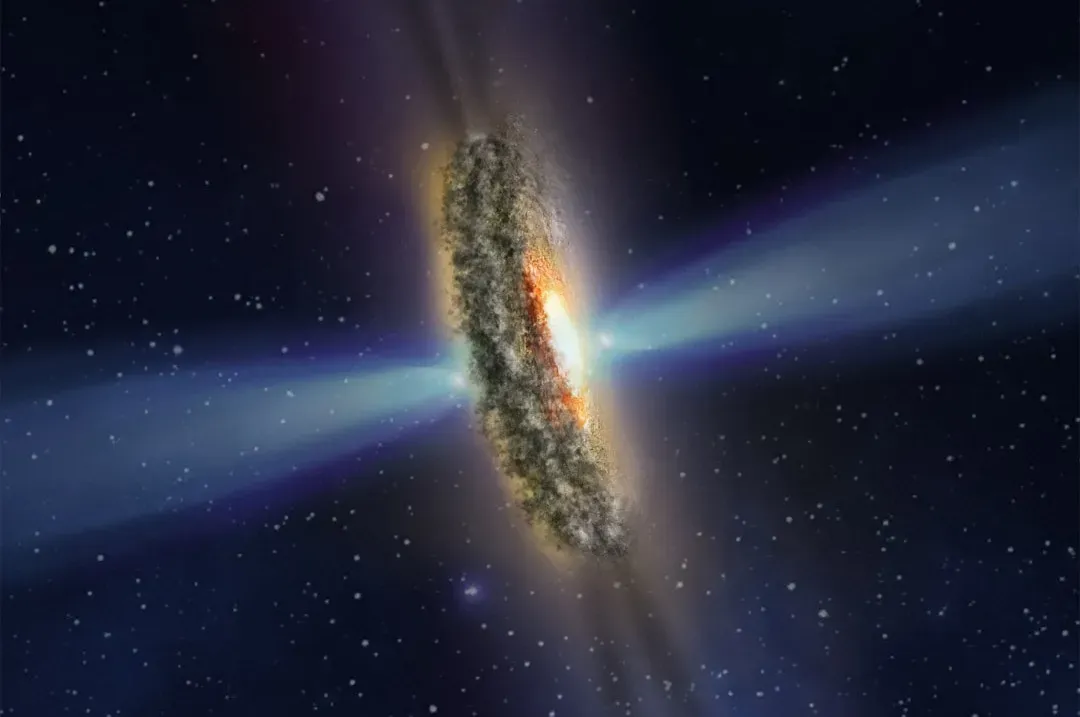
Cosmic rays might sound rare and exotic, but they’re surprisingly common by human standards. Near Earth’s surface, roughly a few particles per square centimeter per second are constantly passing through the atmosphere, which adds up to a huge number over the whole planet. At higher altitudes, especially above most of the air, the rate is noticeably higher, which is why commercial airline crews receive more radiation per year than most people on the ground.
When a single high‑energy cosmic ray hits the upper atmosphere, it can trigger a whole cascade of secondary particles – a kind of invisible particle shower spreading over many square meters or even larger areas. Detectors on the ground often pick up these by‑products instead of the original cosmic ray itself. It’s a bit like learning about a meteor from the crater it leaves, except here the “crater” is a storm of short‑lived subatomic particles that exist for just fractions of a second.
4. Earth’s Magnetic Field and Atmosphere: Our Invisible Shield
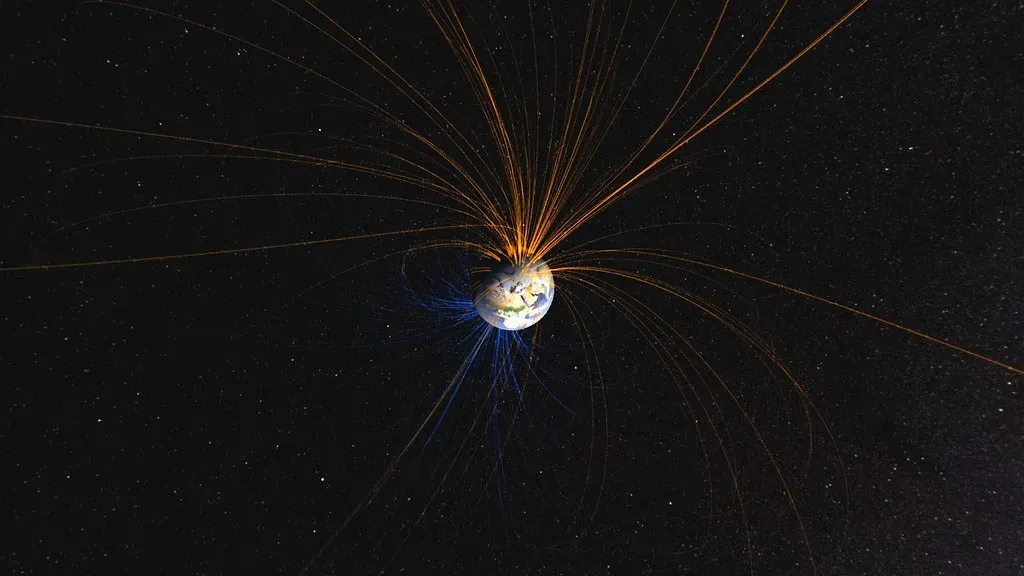
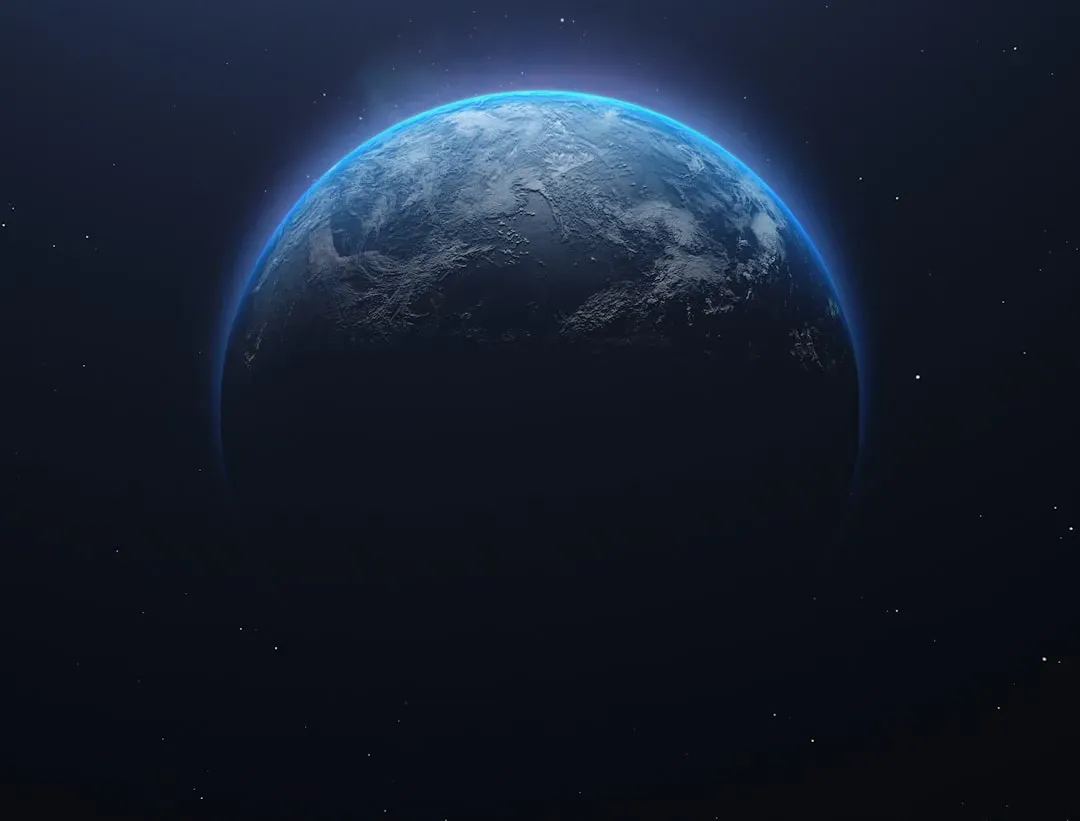
If cosmic rays can be so energetic, why don’t they fry everything on Earth? The short answer is: because we live deep inside a double protective shell. The first shield is Earth’s magnetic field, which deflects many charged particles away from the planet, especially those with lower energies. This protection is weaker near the poles, which is one reason auroras cluster in high‑latitude regions – some of the particles spiral along magnetic field lines and collide with the upper atmosphere there.
The second shield is the atmosphere itself. By the time cosmic rays plow into dense layers of air, they lose energy in collisions, creating secondary particles that mostly decay or get absorbed before reaching the ground in dangerous amounts. It’s not perfect – some particles, like muons, can reach the surface and even penetrate deep underground – but the combined shielding effect means that for everyday life at sea level, the radiation dose from cosmic rays is relatively modest. Without this protection, Earth’s surface would be a far harsher place for life as we know it.
5. Health and Technology: Silent Risks from Invisible Projectiles
For most of us, cosmic rays contribute a small but steady fraction of our natural background radiation. It’s there, but usually not something to stress about, especially compared with medical imaging or lifestyle factors. The story changes when you leave the comfort of sea level or step into an airplane: at cruising altitude, exposure to cosmic radiation rises noticeably, especially on polar routes where the magnetic shielding is weaker. Pilots, cabin crew, and frequent flyers accumulate more dose than the average passenger, though still usually within regulated limits.
On the technology side, cosmic rays can be real troublemakers. When a high‑energy particle slams into a microchip, it can flip a bit from a zero to a one, causing what engineers call a soft error. Most times, these are harmless blips that go unseen, but there have been documented cases where a single cosmic ray likely altered the outcome of a computer calculation or even glitched a voting machine. It’s a reminder that in our ultra‑digital world, something as tiny and ancient as a cosmic particle can still nudge our carefully built systems off course.
6. Cosmic Rays in Space Travel: The Elephant in the Room
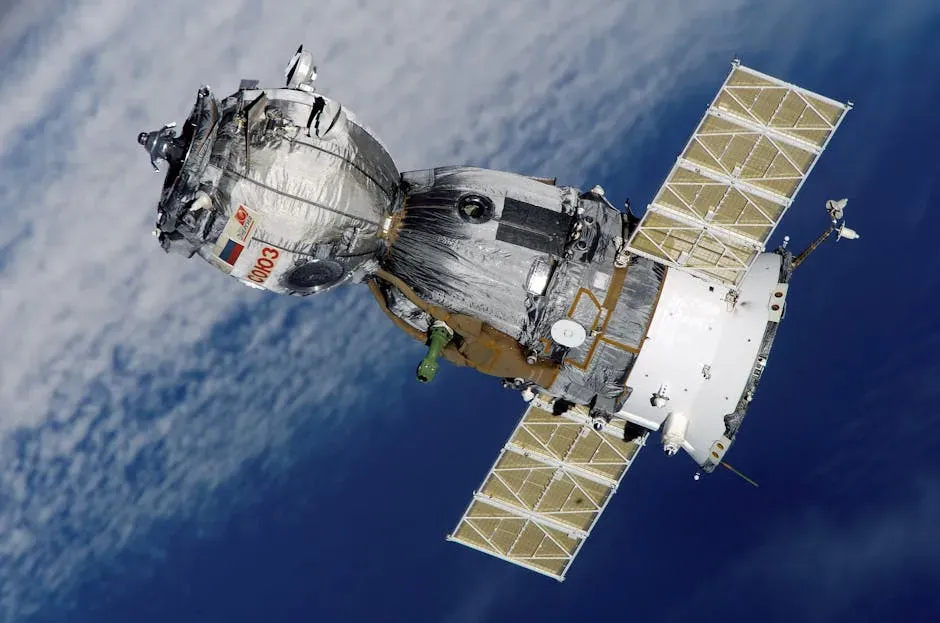
Once you leave Earth’s magnetic cocoon, cosmic rays stop being a background curiosity and start looking like a major engineering and medical challenge. Astronauts on the International Space Station are still partly shielded by Earth’s magnetosphere, but they already receive several times more radiation than someone on the ground. A long‑duration mission to Mars would expose crews to galactic cosmic rays and solar energetic particles for months at a time, with no thick atmosphere overhead to soften the blows.
This constant bombardment can damage DNA, increase cancer risks, and potentially affect the brain in ways scientists are still mapping out. Space agencies and private companies are experimenting with various shielding strategies, from clever spacecraft design and hydrogen‑rich materials to using the spacecraft’s own fuel and water as protective walls. The uncomfortable truth is that we don’t yet have a perfect solution. Any serious plan for deep‑space exploration has to reckon with this invisible storm.
7. From Cloud Chambers to Giant Arrays: How We Detect Them
Because we can’t see cosmic rays with our eyes, scientists have had to get creative to track them down. One classic approach uses cloud chambers or bubble chambers, where charged particles leave visible trails as they ionize a super‑saturated gas or liquid. These ghostly streaks were some of the earliest direct signs that space was sending us a steady stream of energetic visitors, and they helped launch modern particle physics.
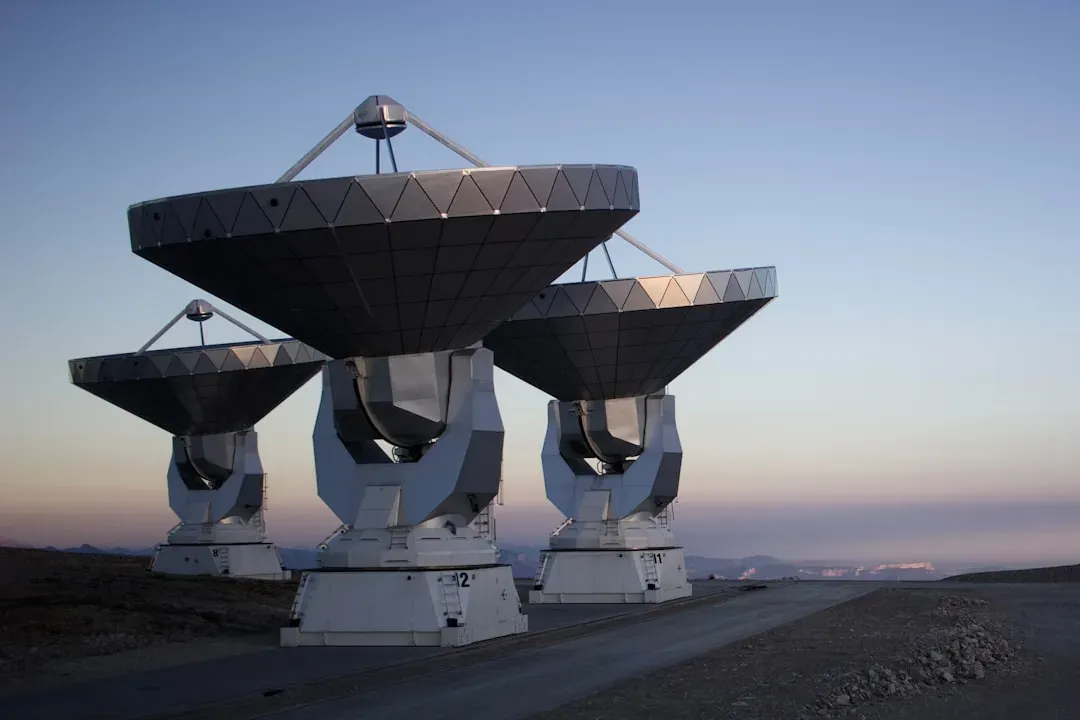
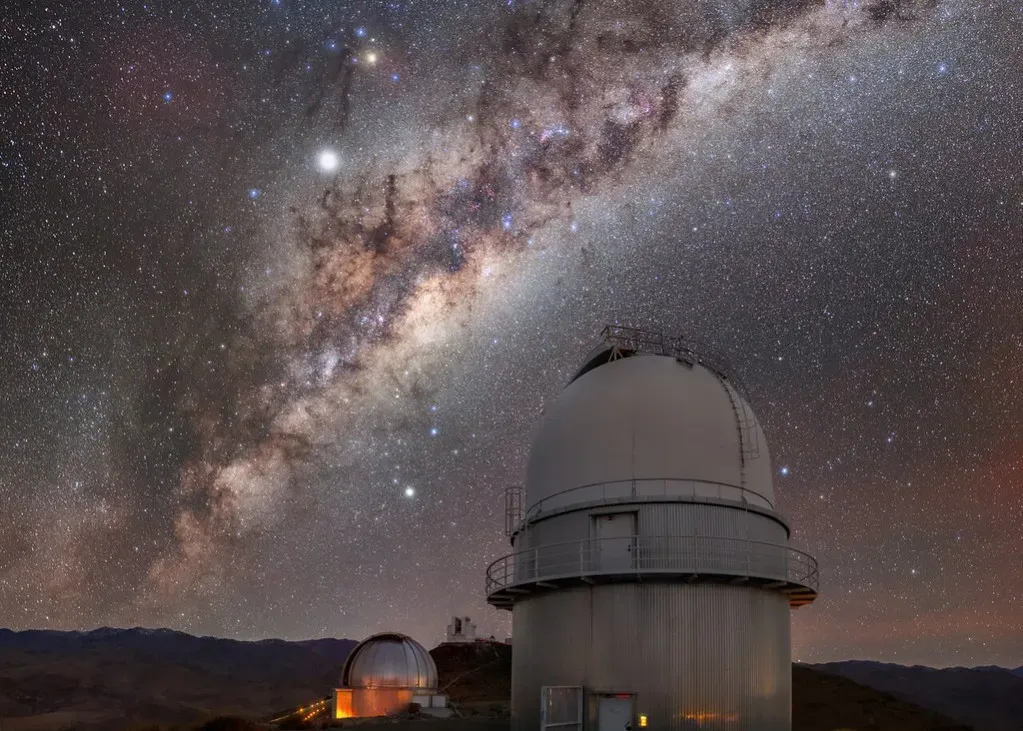
Today, detection has gone big – really big. Observatories like the Pierre Auger Observatory in Argentina and the Telescope Array in Utah spread out over many square kilometers, using networks of detectors to catch the cascades from extremely high‑energy cosmic rays. There are also instruments on satellites and the International Space Station that measure particles above the atmosphere. It’s a bit like upgrading from a single raindrop sensor to a continent‑wide weather radar; suddenly, the full shape of the storm starts to emerge.
8. Extreme Energies: The Most Powerful Particles Ever Seen
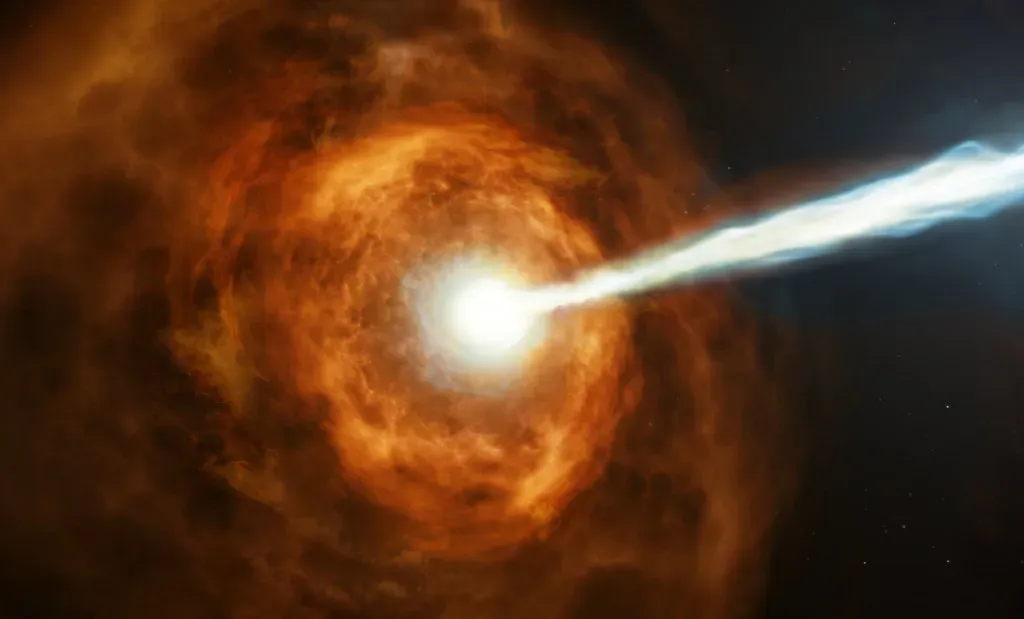
A small subset of cosmic rays reach energies so enormous that they make human‑built accelerators look modest. The Large Hadron Collider is one of the most powerful machines on Earth, but nature routinely sends particles with energies far beyond what it can produce. The most extreme events observed carry as much kinetic energy as a thrown ball, all compressed into a single atomic nucleus moving at nearly light speed. It’s hard to wrap your head around that until you picture a grain of sand hitting your windshield with the impact of a brick.
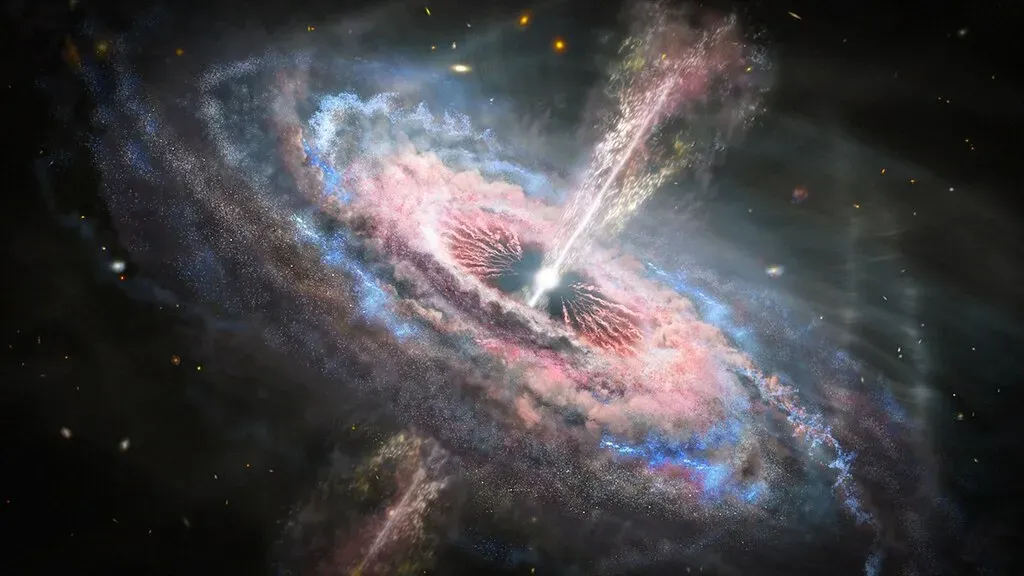
Where do these ultra‑high‑energy cosmic rays come from? That’s still one of the great unsolved questions. Leading ideas involve the environments around supermassive black holes, jets from active galaxies, or other cataclysmic cosmic engines that can accelerate particles over vast distances. Because magnetic fields scramble their paths, tracing them back to a specific source is incredibly difficult. Each new detection is like a cryptic postcard from an unknown corner of the universe, written in a language we’re still learning to read.
9. Cosmic Rays and Climate, Clouds, and Life on Earth

The idea that cosmic rays might influence Earth’s climate has fascinated scientists and sparked plenty of debate. Since these particles can ionize the atmosphere, some researchers have wondered whether they might play a role in cloud formation, which in turn affects how much sunlight gets reflected back into space. A few experiments and observational studies have suggested possible links, but the overall picture is complicated, and many climate scientists see any effect as likely small compared with greenhouse gases and other dominant factors.
There’s also a long‑term, almost poetic angle: over geological timescales, changes in cosmic ray intensity might have nudged evolution and the history of life by slightly altering mutation rates or background radiation levels. This is hard to prove in a clean, cause‑and‑effect way, but the notion that distant stellar explosions might have left faint fingerprints in the DNA of life on Earth is hard not to find compelling. Even if the influence is subtle, it underscores how deeply connected our planet is to the broader cosmos.
10. Why Cosmic Rays Still Matter: The Future of an Invisible Science
You might wonder why scientists keep chasing particles that humans can’t see and mostly don’t feel. Cosmic rays are more than passing curiosities; they’re direct messengers from some of the most extreme environments in the universe. By studying their energies, directions, and composition, researchers can test theories about supernovas, black holes, dark matter, and the structure of our galaxy. In a way, cosmic rays are like tiny probes sent by nature, sampling distant astrophysical laboratories and delivering the results straight to our doorstep.
On a more practical level, understanding cosmic rays helps us design better electronics, safer aircraft operations, and more robust plans for human spaceflight. As detectors improve and new multi‑messenger observatories combine data from particles, light, and gravitational waves, cosmic rays are likely to keep playing a quiet but crucial role in how we understand the universe. It’s humbling to realize that long before we built telescopes or rockets, the cosmos was already touching us, one invisible particle at a time. Knowing that, doesn’t the night sky feel just a little closer?
Conclusion: Living Under an Invisible Storm
Cosmic rays turn out to be far more than a bit of obscure physics trivia. They’re a constant, silent rain of high‑energy particles that link us to exploding stars, restless black holes, and storms on the Sun. They shape the radiation environment for pilots and astronauts, occasionally corrupt our computers, and challenge engineers planning the next generation of space missions. At the same time, they serve as one of our most direct connections to the wildest corners of the universe, delivering evidence that no telescope alone could provide.
When you think about it, it’s almost comforting: even on a quiet, cloudy day with no stars in sight, the universe is still reaching down and tapping us on the shoulder, particle by particle. We tend to imagine space as distant and separate, but cosmic rays prove that there’s no clean border between “out there” and “down here.” So the next time your phone glitches or you watch an airplane trace a line across the sky, will you wonder how many unseen particles passed through both of you in that exact moment?