
You spend your whole life trying to avoid wrinkles, illnesses, and the final curtain call of death, yet biology seems stubbornly committed to making them happen. It feels almost cruel: if natural selection favors survival, why on earth would your body be designed to fall apart? The surprising twist is that aging and death are not just random glitches in nature’s code; they are deeply woven into how life evolves, competes, and adapts over time. When you look at aging through an evolutionary lens, your perspective shifts from “Why is this happening to me?” to “How did this ever become the norm in the first place?” You start to see your own lifespan as part of a much bigger story – one in which genes, environments, trade–offs, and population dynamics all collide. In that story, your aging body is not a mistake but the result of countless generations of subtle compromises that helped your ancestors pass on their genes, even if it meant you wouldn’t last forever.
Why Evolution Tolerates a Body That Breaks Down

If evolution rewards survival and reproduction, you might assume that the “best” body would stay strong and healthy indefinitely. But natural selection does not optimize for eternal life; it optimizes for reproductive success in a particular environment. Once you have passed the main window where you are likely to reproduce and help your offspring survive, the evolutionary pressure to keep your body in perfect condition drops dramatically. Think of your body like a company with a tight budget. Most of the “funding” goes toward getting you to reproductive age and helping you successfully raise offspring, not toward guaranteeing you flawless performance at eighty or ninety. Damaging mutations that only show up later in life can quietly accumulate because evolution is not strongly “watching” that stage. You experience this as aging: a slow breakdown that was never a priority to prevent in the first place.
The Trade-Off: Live Fast, Die Early vs. Live Slow, Die Late
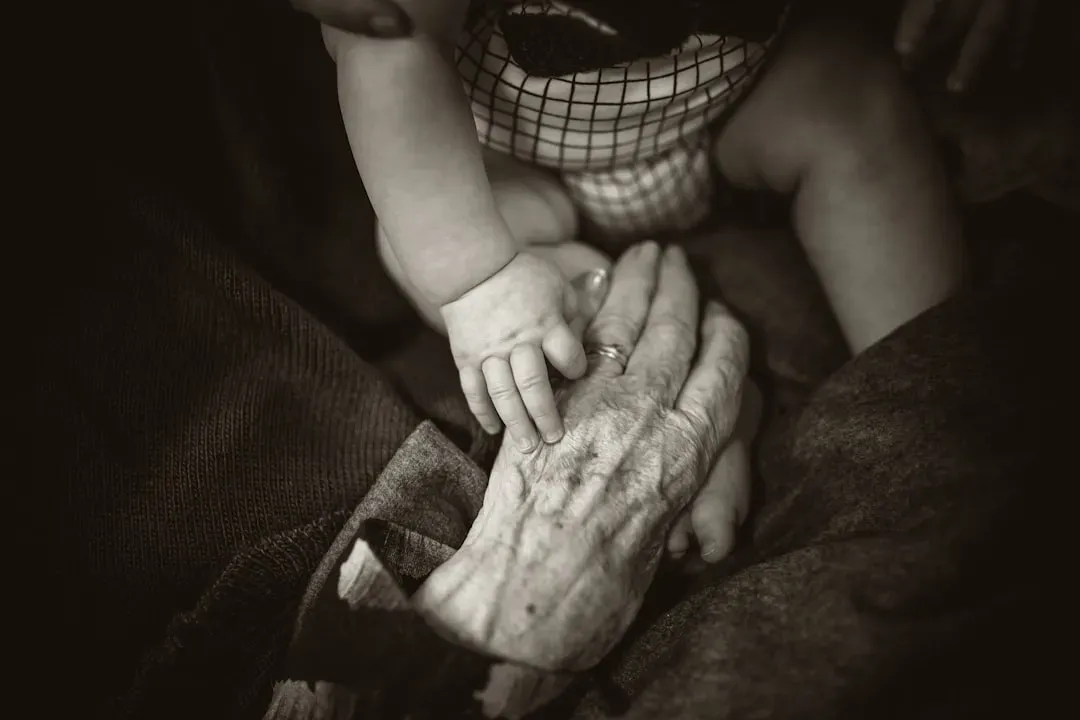
You can think of your lifespan as part of a trade–off: resources you invest in growth and early reproduction are resources you cannot invest in long–term maintenance. Many species follow a “live fast, die young” strategy – growing quickly, reproducing early, and then declining fast. Others, like you, follow a slower, more conservative path: grow gradually, reproduce over a longer window, and maintain your body better… but still not forever. This idea is sometimes called the disposable soma theory: your body (the soma) is “disposable” compared with your genes, which are what evolution really preserves. You invest just enough in keeping the soma going long enough to reproduce and maybe care for your offspring. After that, it becomes less “worth it,” in evolutionary terms, to pay the high biological cost of perfect long–term repair systems. You feel that decision as gray hair, aching joints, and age–related disease.
How Aging Helps Populations Adapt and Change
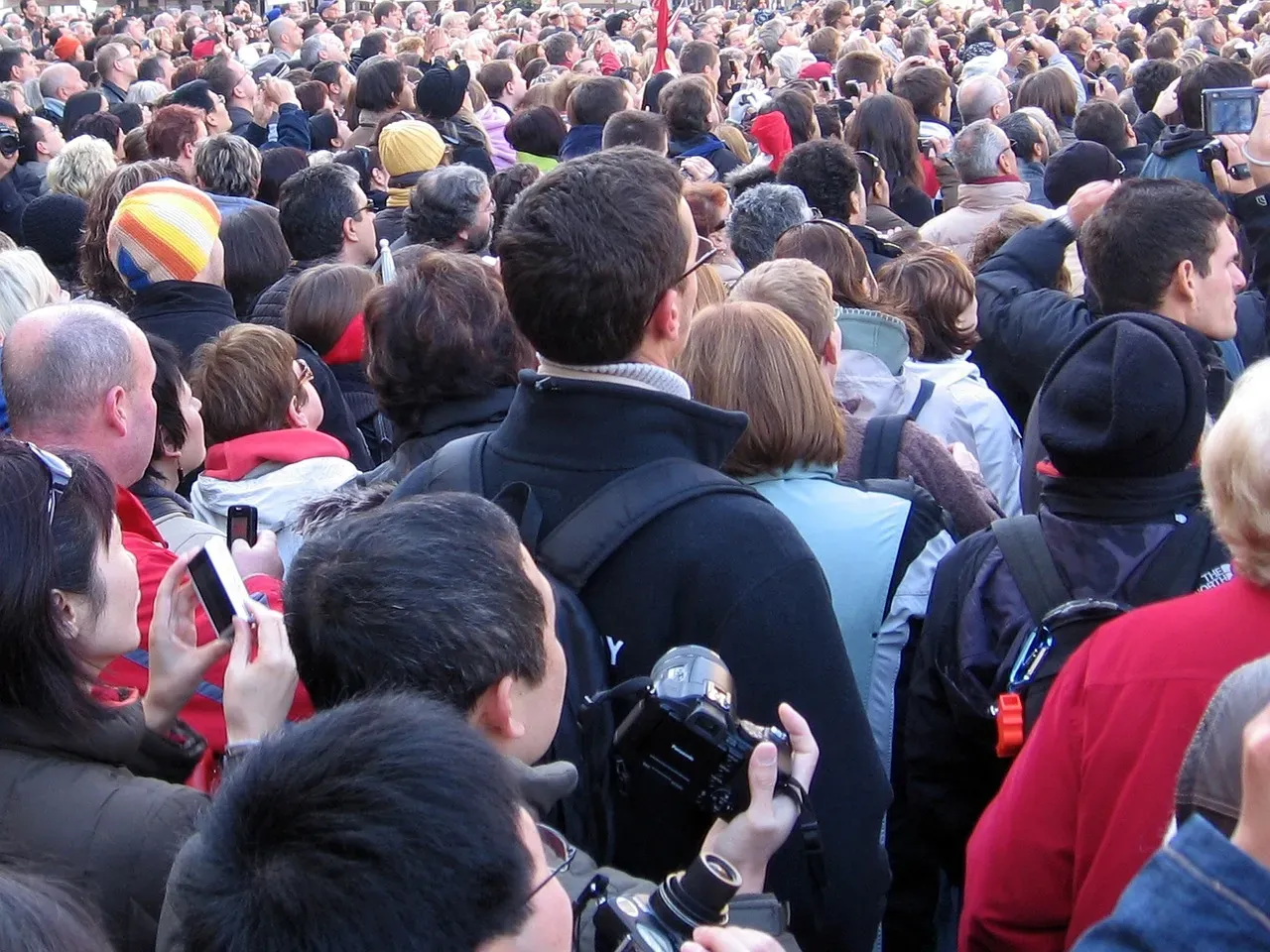
On an individual level, aging feels like pure loss. But if you zoom out to the level of populations, death and generational turnover have a surprising benefit: they allow faster adaptation. Every time a generation passes, new combinations of genes show up in offspring, giving your species fresh chances to cope with changing environments, emerging diseases, or shifting food sources. If every individual in a population lived indefinitely and kept reproducing at the same rate, older genetic setups might clog the system and slow down adaptation. By ensuring that individuals eventually die, evolution clears space for new genetic experiments. You may not like that your body wears out, but that very process helps your species stay flexible and responsive in a world that never stops changing.
The Power of Reproductive Timing: Why Early Wins

From an evolutionary perspective, reproducing earlier tends to matter more than reproducing later. If you successfully have offspring when you are young, those offspring also have a chance to reproduce sooner, amplifying your genes more quickly through the population. Traits that help you reproduce early – like rapid growth or risky behavior that gets you mates – can be favored, even if they carry a hidden cost later in life. You experience this as a kind of front–loading of biological effort. Your body is heavily optimized to get you to puberty, make you attractive enough to a partner, and, in many species including humans, help raise young. Past that point, repair programs slow down, and accumulated damage starts to catch up. Aging, in this sense, is the shadow cast by traits that helped your ancestors succeed early in life.
Species That Bend the Rules: Long-Lived Outliers
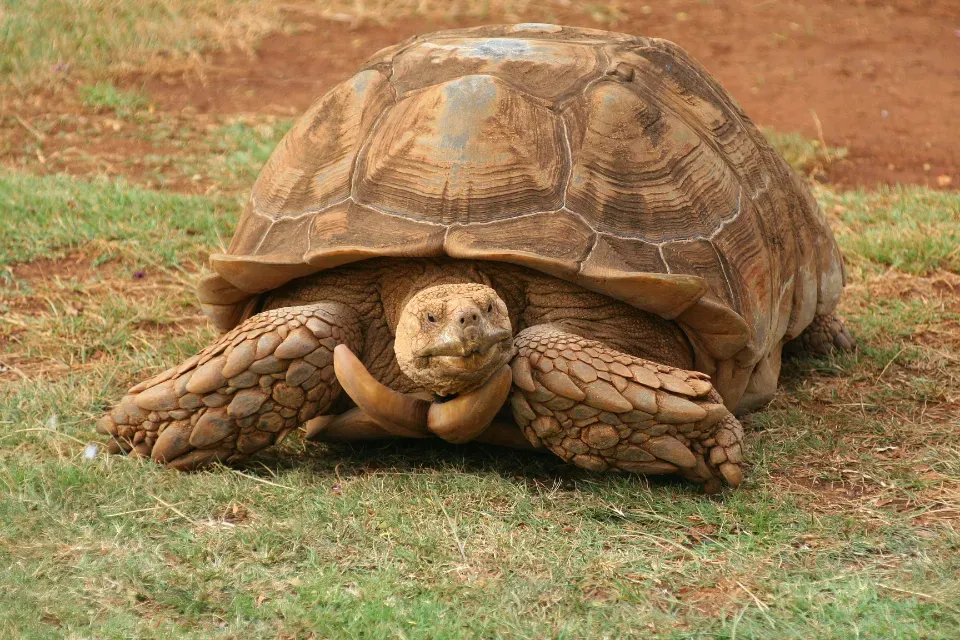
Not every species ages in the same way you do. Some turtles, whales, and certain deep–sea creatures show what scientists call negligible senescence: they seem to age very slowly, with low rates of age–related decline and surprisingly long lifespans. In these species, the balance between reproduction and maintenance leans more toward long–term survival, partly because they face fewer external threats like predators. You can also look at animals like naked mole–rats, which show unusual resistance to cancer and other age–related diseases. Their lives challenge the idea that rapid aging is inevitable and remind you that evolution can, in some environments, favor bodies that invest far more in repair. When you compare yourself to these outliers, you see that aging is not a fixed law of nature; it is a negotiated outcome shaped by the unique pressures your lineage has faced.
How Your Environment Shapes How Fast You Age

Your rate of aging is not only written in your genes; it is also molded by the environment. In harsh conditions where threats like predators, accidents, or starvation frequently kill individuals young, evolution tends to favor strategies that prioritize early reproduction over long–term maintenance. Why invest heavily in a body that might rarely live long enough to benefit from that investment? On the flip side, when external dangers are low and survival into older age is more likely, natural selection can start to “see” and act on later–life traits. That opens the door for longer lifespans and slower aging. You can see this in how human life expectancy has shifted with improvements in food, medicine, and safety: your biology still ages, but the environment has allowed you to stretch out the years far beyond what many of your ancestors experienced.
Cellular Damage, Repair Systems, and Built-In Limits
On the microscopic level, aging is driven by damage: to DNA, to proteins, to cell membranes, and to the tiny powerhouses inside your cells. Your body does have impressive repair systems, from DNA–fixing enzymes to cellular cleanup crews. But those systems are not perfect, and over time, damage outpaces repair. Evolution has set the dial to “good enough” rather than “flawless,” because flawless would be too costly. You can see this trade–off in things like telomeres, the protective caps at the ends of your chromosomes. With each cell division, telomeres shorten, and eventually cells lose their ability to divide. This creates a built–in limit that protects you from runaway cell growth, like cancer, but it also contributes to aging tissues. Once again, you pay for safety in youth with gradual decline in old age.
Why Death Itself Can Be an Evolutionary Advantage
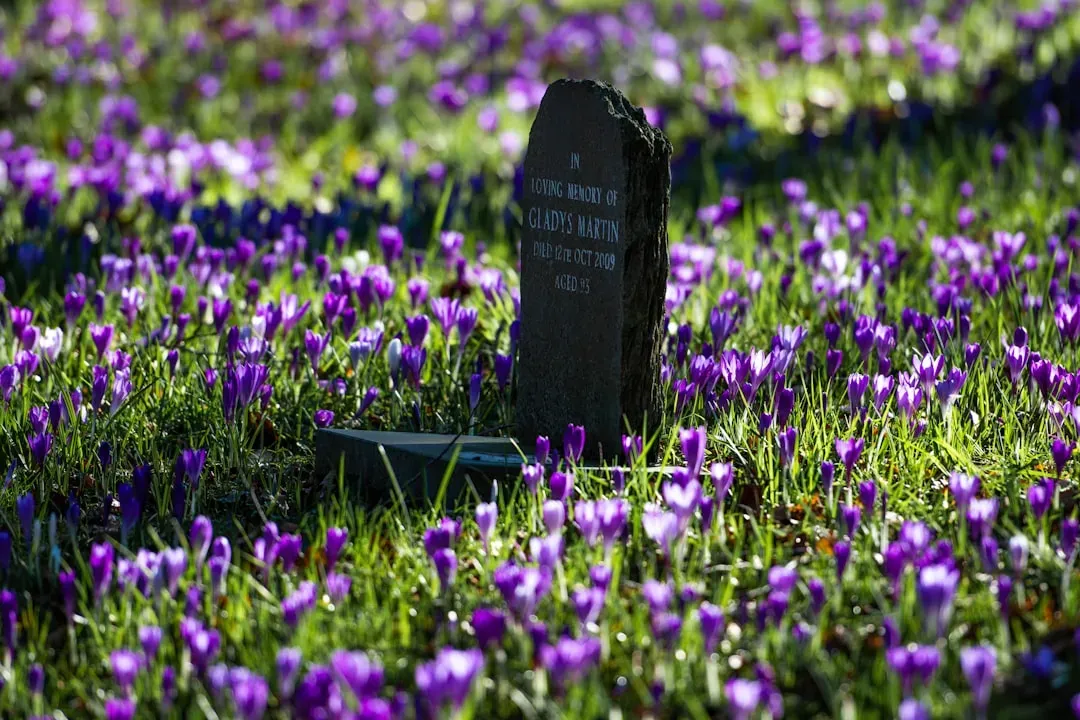
Death feels like the ultimate enemy, but in evolutionary terms it can serve several functions. When older individuals die, they free up resources – food, territory, social positions – for younger generations. In some social species, older individuals still contribute through knowledge or care; but in many cases, especially outside humans and a few other animals, the evolutionary push is toward making room for new breeders. Even in humans, you can see a pattern where biological reproduction stops well before life does, especially in women. Some researchers argue that this extended post–reproductive period allows you to invest in descendants – grandchildren and beyond – in ways that boost their survival. In that view, death comes after a long tail of useful contributions, but the endpoint still matters: it guarantees that, sooner or later, every generation hands over the reins.
What This Means for You: Fighting Aging Without Denying Its Roots
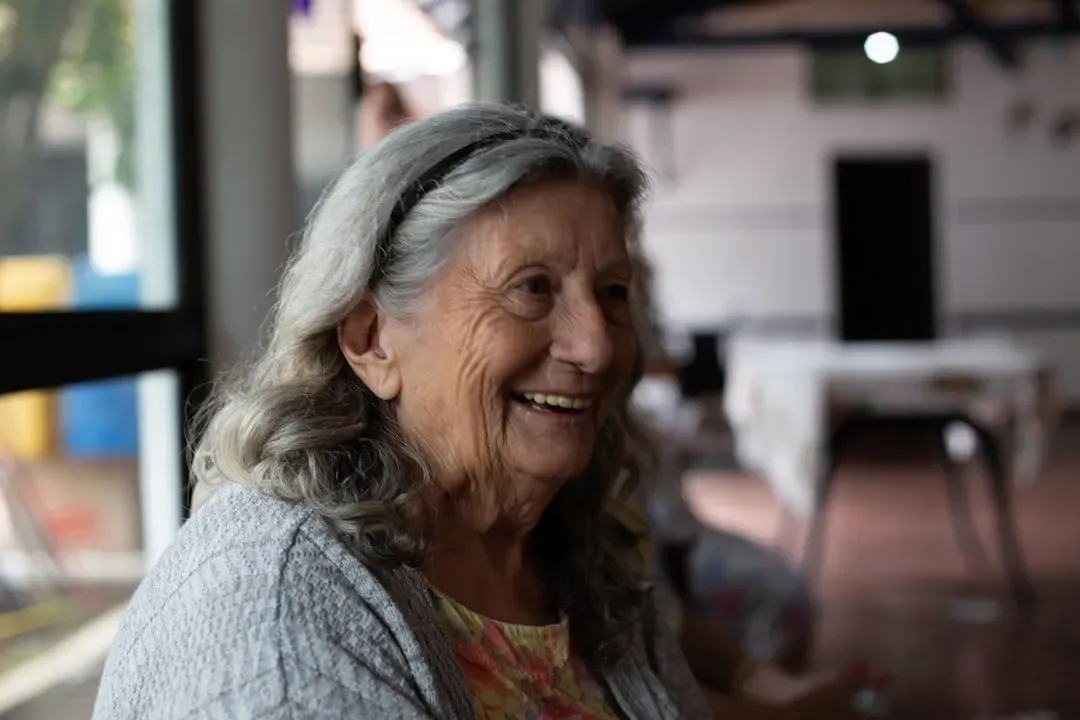
Understanding the evolutionary purpose of aging does not mean you have to accept decline passively. You now live in a world where medicine, lifestyle changes, and technology can push back against some of the limits your ancestors had. You can support your repair systems with sleep, nutrition, movement, and stress management, even if you cannot completely rewrite the underlying trade–offs nature has made. At the same time, this perspective can soften some of the fear and anger around getting older. When you see your own aging as part of an ancient, shared pattern that helped your lineage survive, your wrinkles and scars become evidence that you are carrying a very long story forward. You are not failing when you age; you are doing what living things have always done – making room, in the end, for what comes next.
Conclusion: Finding Meaning in a Finite Life
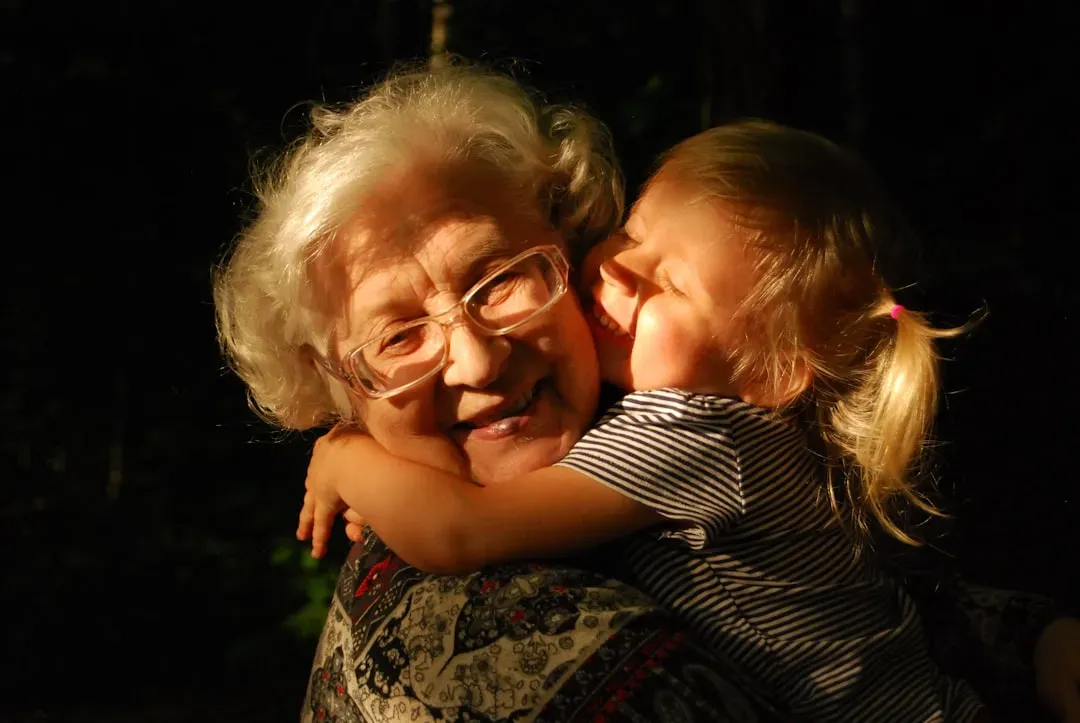
When you look at aging and death through an evolutionary lens, they stop being pure enemies and become features of how life adapts, persists, and renews itself. Your body was never engineered for endless perfection; it was sculpted to get your genes into the future as effectively as possible, balancing early success with just enough maintenance to carry you through. The cost of that brilliant strategy is the slow fade you feel in later years. But in that finiteness, you gain something evolution never directly selected for: the chance to find meaning in a limited span of time. Knowing you will not last forever can sharpen your priorities, deepen your relationships, and make ordinary days feel strangely precious. If aging and death are the price of life’s creativity, how do you want to spend the one version of it you actually get?