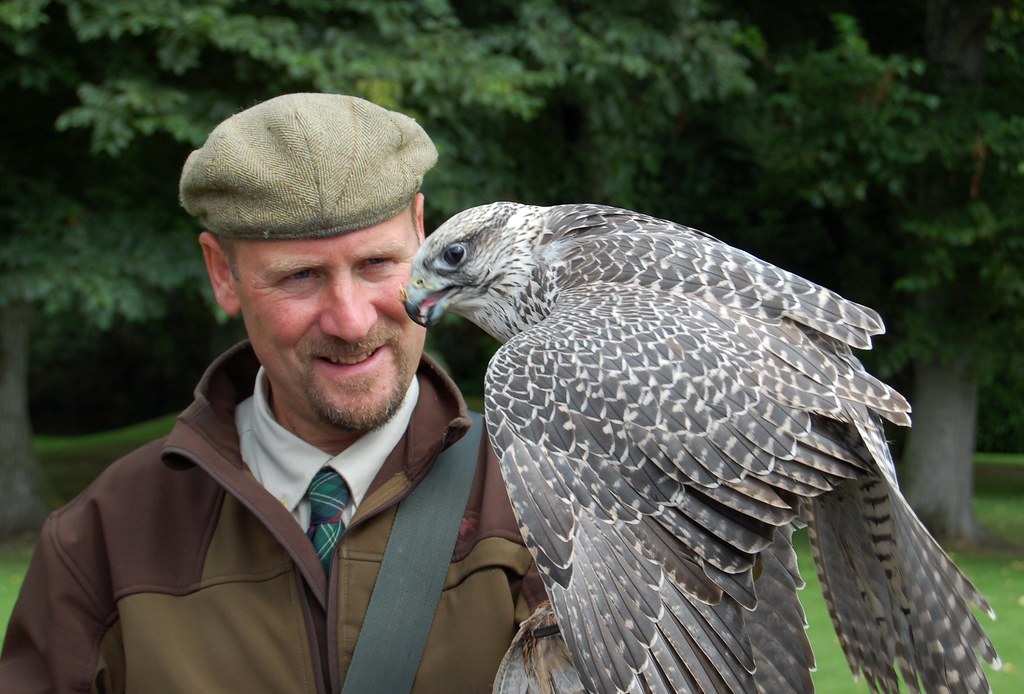

If you spend enough time around raptor people – falconers, birders, wildlife rehabbers – you start to hear the same strange thing: they talk about hawks and eagles the way some people talk about star signs. You hear stories of red‑tails that keep circling over certain birthdays, owls that always seem to show up for one particular volunteer, and golden eagles that seem almost eerily drawn to specific personalities.
When you look closer, you find something important: there is no hard scientific proof that birds of prey care about your zodiac sign. But there is a long, living memory of patterns, hunches, and repeated experiences that falconers and keen observers keep noticing over decades. If you treat it as a lens rather than a law – a way to think about your temperament and how it meshes with predator birds – you can actually learn a lot about yourself, and about them.
Why Falconers Even Talk About Zodiac Patterns At All
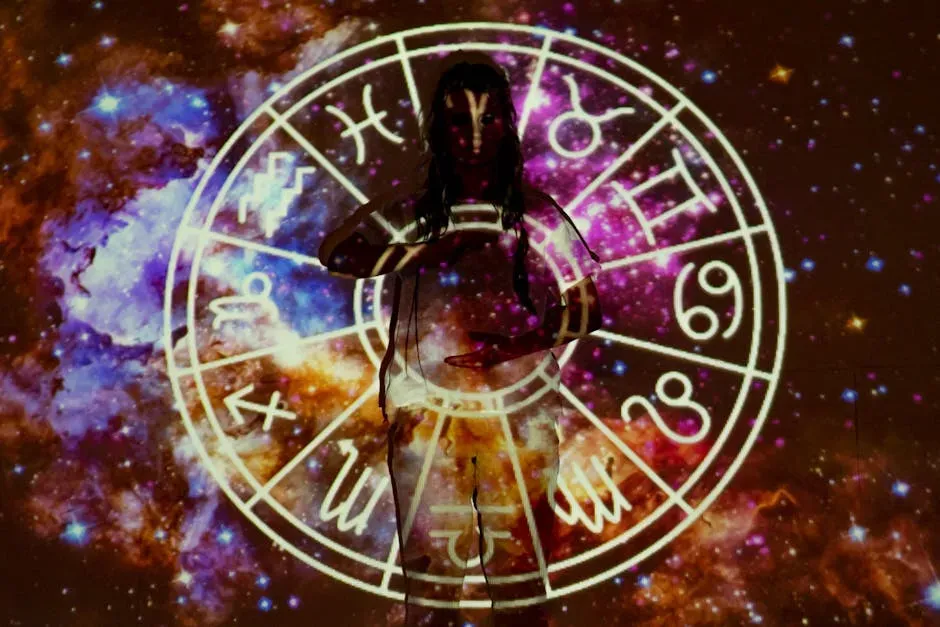
You might assume that falconers, with all their weighing scales, hood sizes, and training logs, would roll their eyes at astrology. Many of them actually do, at least when it is used as a prediction machine. But talk to enough seasoned handlers and you notice that they are also intensely tuned in to personality, timing, and subtle pattern. Some keep notebooks that go back thirty or forty years, and in those pages you find the same comments again and again: certain people just “click” with certain birds.
Over time, a few falconers started framing these fits and misfits in the language of zodiac signs, not as proof but as shorthand. Saying that a person feels “very Scorpio” to a goshawk is just a colorful way to point out intensity, directness, and a zero‑nonsense vibe. The value to you is not that Mars is doing something special that day; it is that you can use this language to ask, honestly, how you show up around powerful, sensitive animals that spot fear and bluff from a hundred meters away.
Fire Signs: Aries, Leo, Sagittarius – The Hunters Who Move Too Fast
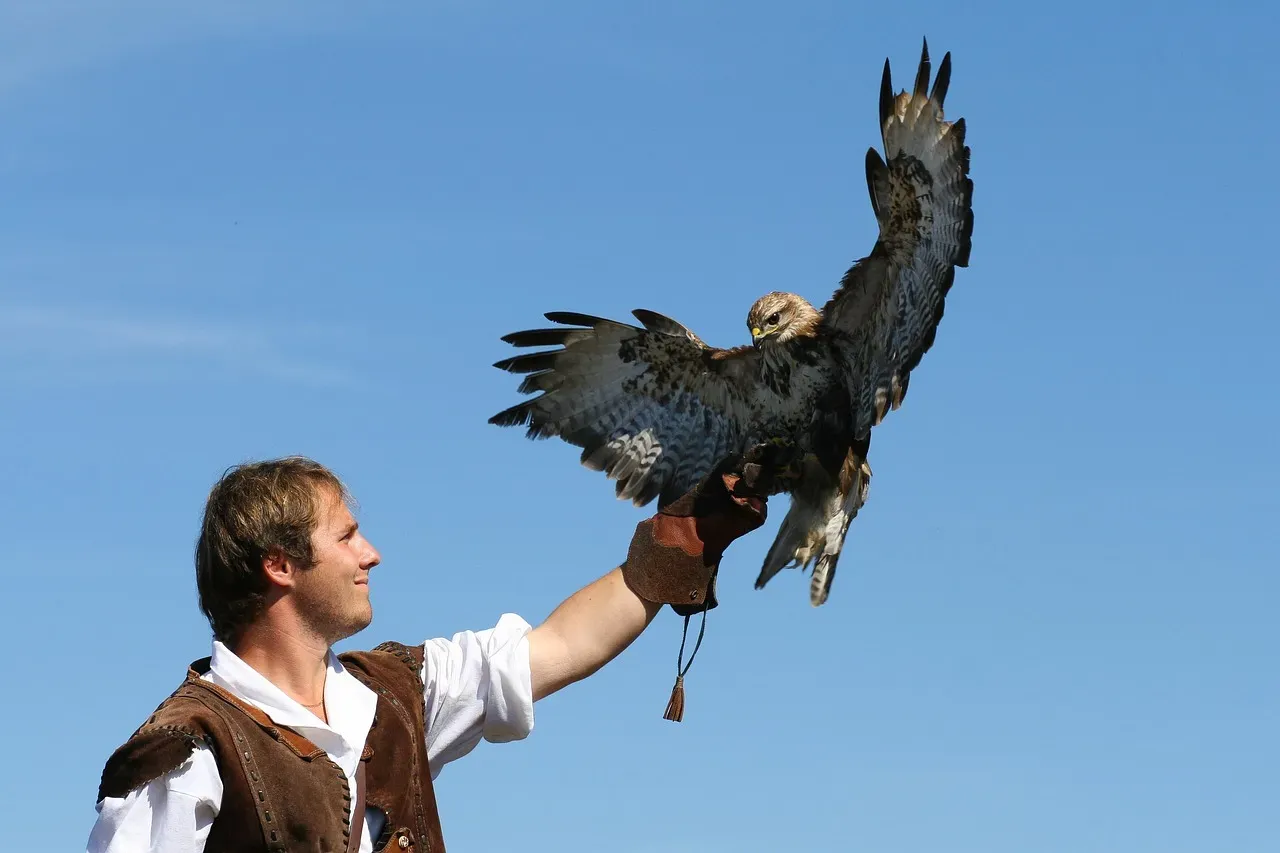
If you are a fire sign, you are probably happiest when something is happening. Falconers often describe people like you as naturally drawn to birds that explode into motion: peregrines hitting a stoop, merlins chasing swallows, fit red‑tails coming off the fist like a released spring. You might feel an instant affinity with that raw hunting drive, because in your own life you tend to launch into things first and refine later.
Over the decades, handlers have also noticed the downside of that shared heat. When you are with a bird of prey, your impatience can feel like static in the air. Raptors read tiny changes in body language; if you rush, over‑handle, or push a session because you are eager for “results,” the bird often gets jumpy, grabs, or simply leaves. Falconers quietly learn that, for fiery personalities, the best medicine is ritual: same time, same perch, same slow breathing. When you master that, your natural boldness stops scaring the bird and starts inspiring it.
Earth Signs: Taurus, Virgo, Capricorn – The Steadiest Hands On The Glove
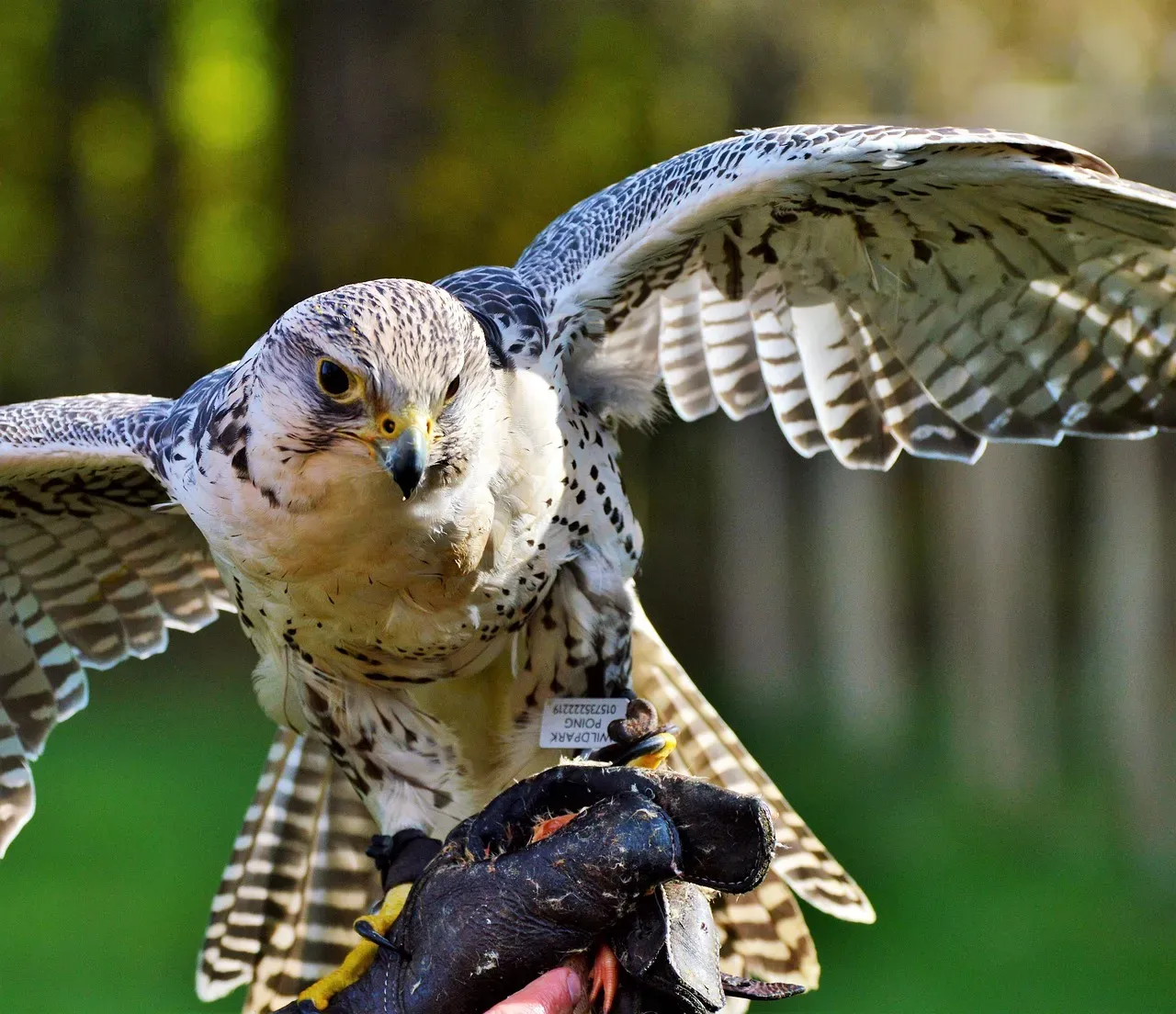
If you are an earth sign, you probably shine at what birds of prey actually need most: consistency. Falconers often say the best hawk person is not the loudest athlete but the one who shows up at dawn, in bad weather, on the days when nothing flies and the mud cakes your boots. That loyal, stubborn, practical energy is very much your territory, and birds seem to settle faster when they are handled by someone who feels like a solid rock instead of a weather report.
Over many seasons, falconers have noticed that people with strong earth energy tend to do well with more temperamental species that demand careful structure: goshawks, sharp‑shins, or high‑drive falcons that can crash if you mismanage their weight or schedule. Your challenge is not reliability; it is flexibility. If you are too rigid with your routines, you can miss what the bird is actually telling you that day. When you learn to tweak your meticulous plans based on the hawk in front of you, not just the one on paper, you become the kind of stable partner that many raptors quietly thrive with.
Air Signs: Gemini, Libra, Aquarius – The Observers Birds Quietly Test
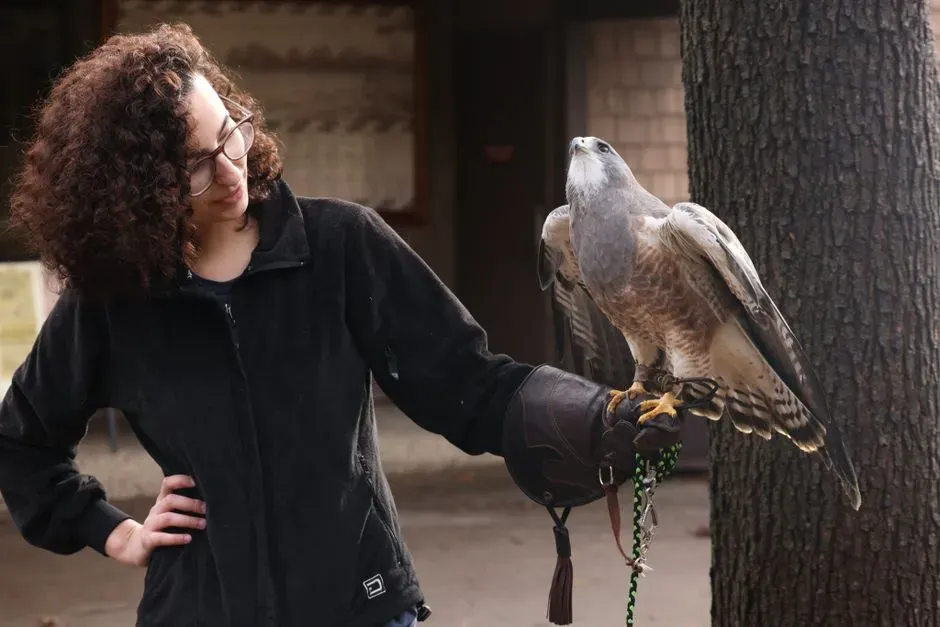
If you are an air sign, your mind probably never stops. Falconers will often recognize you instantly: you ask a lot of questions, notice details about feather wear and flight lines, and enjoy talking through every training step. That curiosity can be a gift, because raptors reward people who pay attention. A hawk’s shifting posture, the angle of the head, a sudden tail flick – you tend to catch those early, and that helps you respond before a small worry becomes a big setback.
Across decades, though, falconers have seen a recurring pattern with airy personalities: you can get stuck in your head while the hawk is living in its body. If you are mentally replaying last week’s session while you stand in the field, you might miss the wind shift, the approaching dog, or the bird’s small sign that it has had enough. Falconers who share your temperament often learn to treat their own thoughts the way they treat a noisy radio in the car: useful in the background, but not allowed to drown out the immediate signals coming from a very real, very sharp predator on their fist.
Water Signs: Cancer, Scorpio, Pisces – The Empaths Raptors Notice First
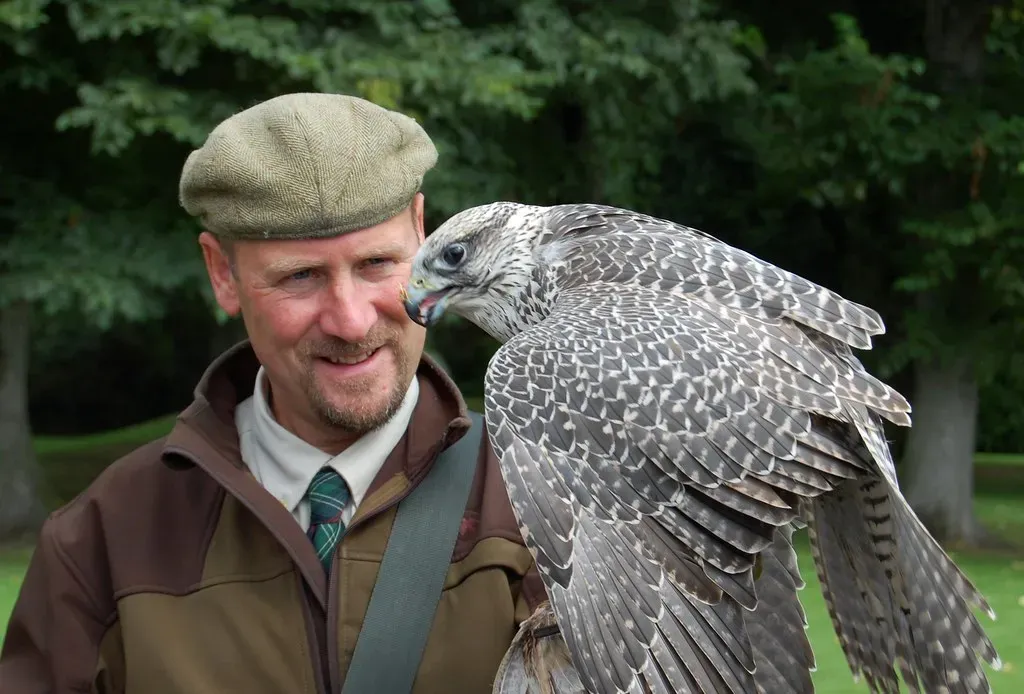
If you are a water sign, you probably have a finely tuned emotional radar, and birds of prey seem to pick up on that more quickly than you might expect. Falconers often talk about how some people can walk into a mews and instantly sense which bird is edgy, which one is sulking, and which one is quietly content. You might be that person. You feel the tension in your chest when a hawk is about to bate, even before it moves, and because of that you are often the first to adjust, back off, or soothe with slower handling.
Over years of handling raptors, people with this emotional depth tend to form unusually strong bonds with particular birds. The catch is that you can also take every bad day personally. A nervous grab, a rough molt, or a flight where the hawk disappears over the horizon can hit you like a breakup. Falconers with your temperament learn that boundaries are not cold; they are kindness. When you protect your own emotional energy, you stop needing the bird to validate you, and that is exactly when shy, sensitive raptors begin to trust you more deeply.
Why So Many Stories Cluster Around Scorpio, Sagittarius, And Capricorn
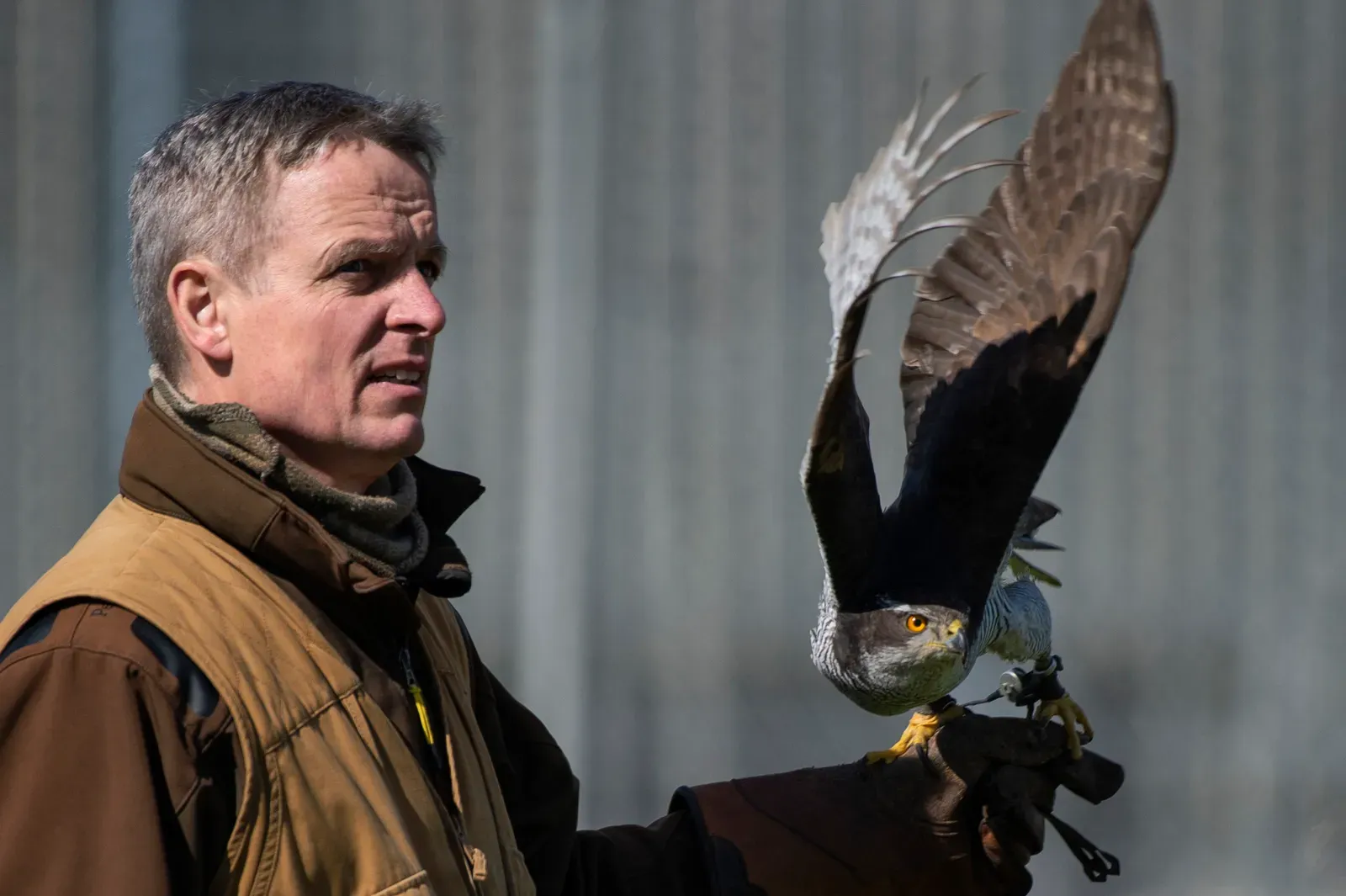
When falconers swap stories in the truck after a long day, certain signs tend to come up more often, especially Scorpio, Sagittarius, and Capricorn. If you fall under one of these, you probably recognize the mix of intensity, restlessness, and grit. Many long‑time handlers notice that their most driven apprentices, and some of the most relentless hawks they have flown, seem to fall under these late‑year birthdays. It does not prove anything cosmic, but it does highlight a blend of traits that predators naturally resonate with: focus, endurance, and willingness to stay with something hard.
For you, this means you may feel both magnetized and tested around raptors. You might be the one who happily hikes the extra mile to flush game for a hawk that is sky‑high, or the one who insists on working through a tough training plateau instead of settling for “good enough.” Over decades, falconers have seen the upside: you bring serious commitment. They have also seen the trap: you can push too hard, in yourself and the bird. The art, if you are in this trio, is learning when to stop for the day – not because you are weak, but because quitting while you are ahead is one of the few human skills that truly impresses a wild‑hearted animal.
What Falconers Actually Track: Weather, Landscape, And Human Energy
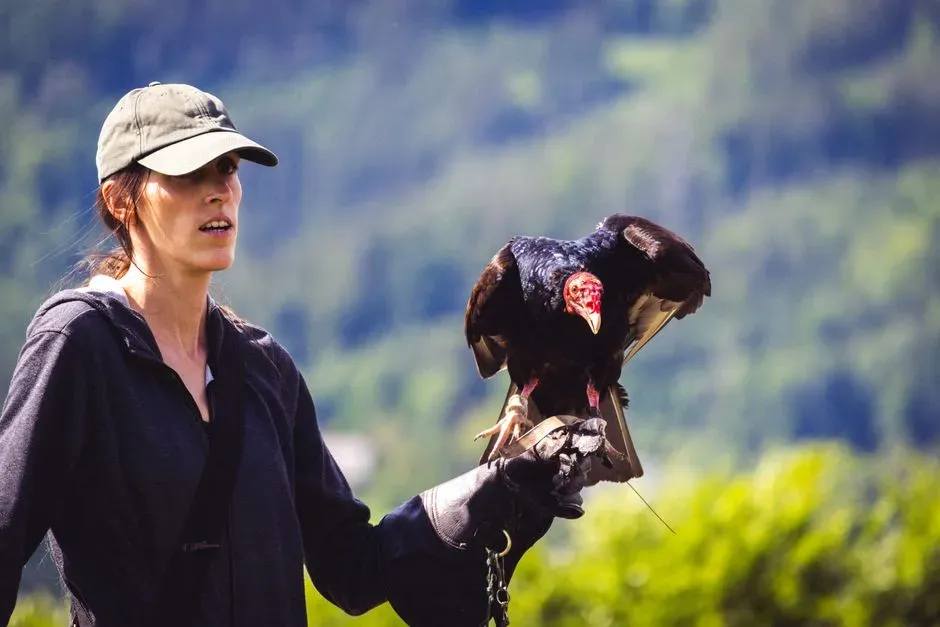
When you ask falconers what really shapes where and when birds of prey appear, their answers are surprisingly down‑to‑earth. They talk about thermals, migration corridors, open fields, ridge lines, and rodent populations long before they mention any horoscope. If you pay attention to hawks near you, you quickly notice that they cluster around food, wind, and safe perches, not because of a date on the calendar. That is why you see red‑tails along highways, ospreys near lakes, and vultures circling over warm, rising air.
Still, there is another factor they quietly admit matters: your own energy in those landscapes. If you stomp through cover, stare too hard, or radiate nervousness, birds either watch from far away or leave altogether. When you move like part of the place – aware, calm, and observant – raptors often stay closer, linger on telephone poles, and circle within eyesight a little longer. Whether or not you care about zodiac labels, you can shape this part directly: by slowing your walk, softening your gaze, and treating every field like a living room where you are a guest, not the owner.
What It Really Means For You – And How To Meet Raptors With Respect
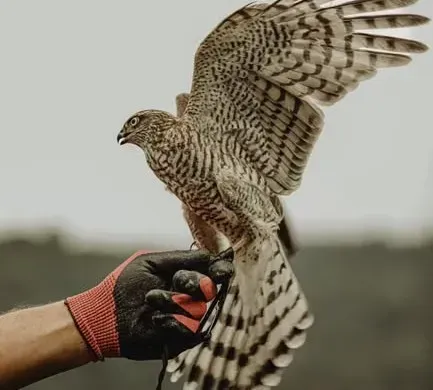
If you are hoping to find “your” raptor based on your sign, the honest answer is that birds do not care what is written on your birth chart. They care whether you are predictable, fair, and attentive. Still, using your zodiac sign as a mirror can be useful. If you are fiery, you can ask where you need more patience. If you are earthy, you can look for places to be more adaptable. If you are airy, you can practice being more present in your body. If you are watery, you can build healthier emotional distance so you do not drown in every setback.
Falconers who have spent decades with these birds will tell you the same thing in a dozen different ways: raptors respond to who you are when you think no one is watching. If you use the language of the zodiac to become more honest about your strengths and blind spots, it becomes less about prediction and more about self‑awareness. That, in turn, makes you the kind of person a wild animal can share space with, even if only for a few unforgettable seconds over a field.
Conclusion: Your Sign Is A Story – The Hawk In The Sky Is Real
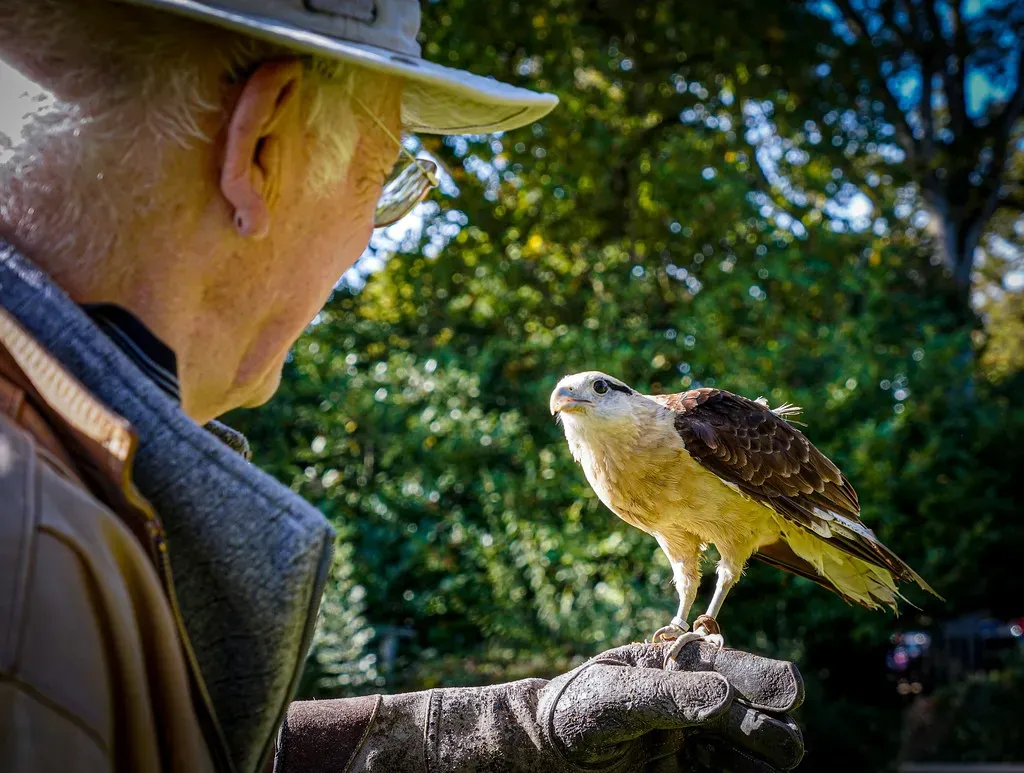
When you stand under a circling hawk or lock eyes with an owl at dusk, you are not having an astrological event; you are having a real encounter with a predator that survives by reading the world better than you do. Your zodiac sign is a story you tell yourself about who you are, and like any story, it can help or hurt. If you use it as an excuse – fire means you get to be impatient, or water means you must be fragile – you make yourself harder for sensitive animals to trust. If you use it as a tool for self‑reflection, you give yourself a language for growth.
Falconers have noticed patterns over decades because they watch closely, remember well, and care deeply about both people and birds. You can borrow that habit. Instead of asking which sign hawks prefer, ask how you can become more steady, more observant, more honest, and more respectful in the places raptors live. In the end, the most important alignment is not between planets and constellations, but between your behavior and the wild lives watching you from the power line – and how will you choose to show up the next time a shadow with wide wings passes over you?