
When you picture the biggest predator this planet has ever seen, you probably imagine a towering Tyrannosaurus rex roaring on some Jurassic plain. But the truth is stranger, heavier, and wetter than that. To find the true heavyweight champion, you have to step into the world of gigantic marine reptiles and a planet on the brink of catastrophe.
You are about to follow the story of a super-predator that ruled the oceans with a skull longer than you are tall, and teeth built to crush bone like dry twigs. Then, in one unimaginably violent moment, everything changed. One event, one day in deep time, wiped it and most of its world away – and you can still see the scar from space.
You’re Not Thinking Big Enough: Meet Mosasaurus and Its Even Larger Rivals
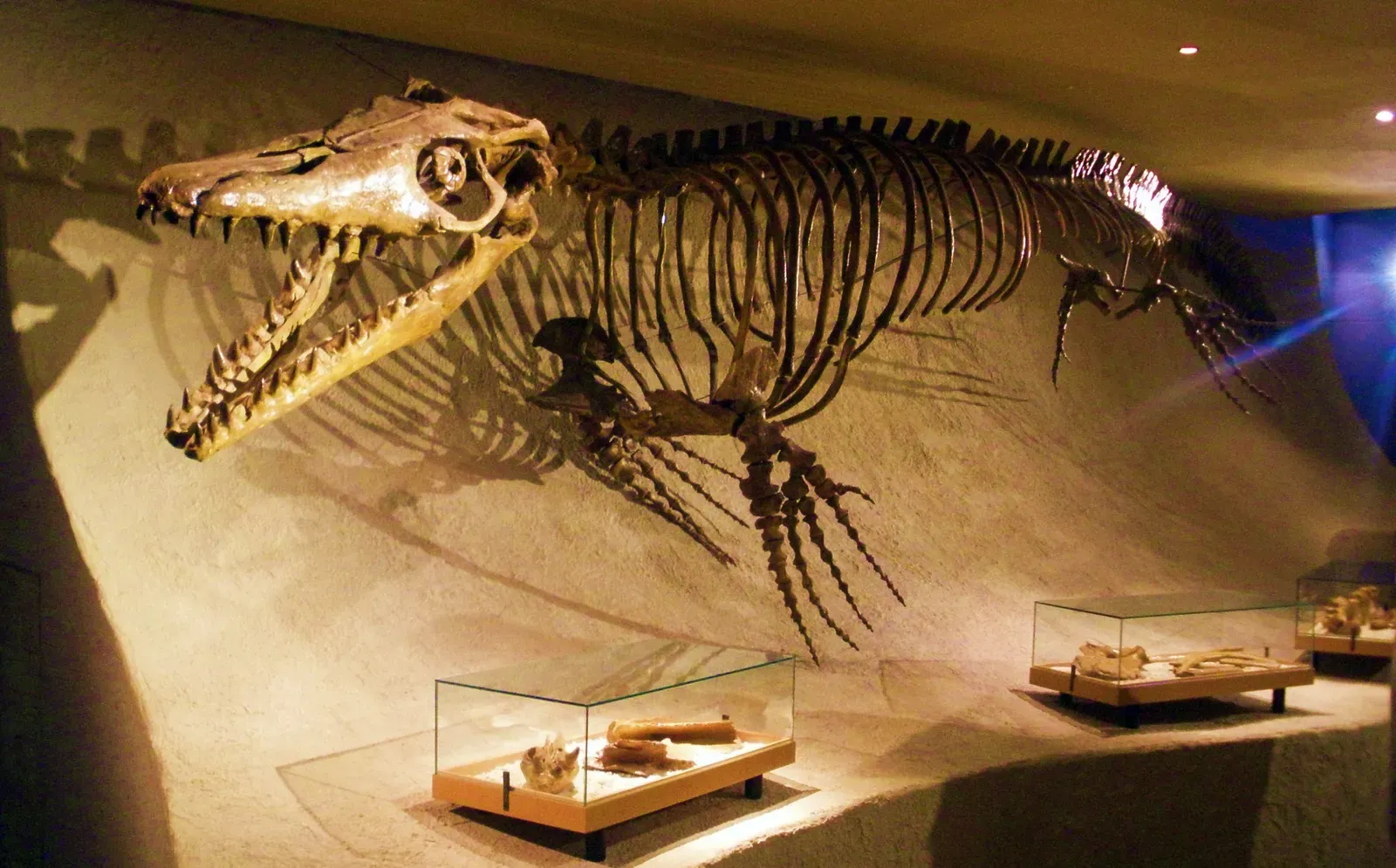
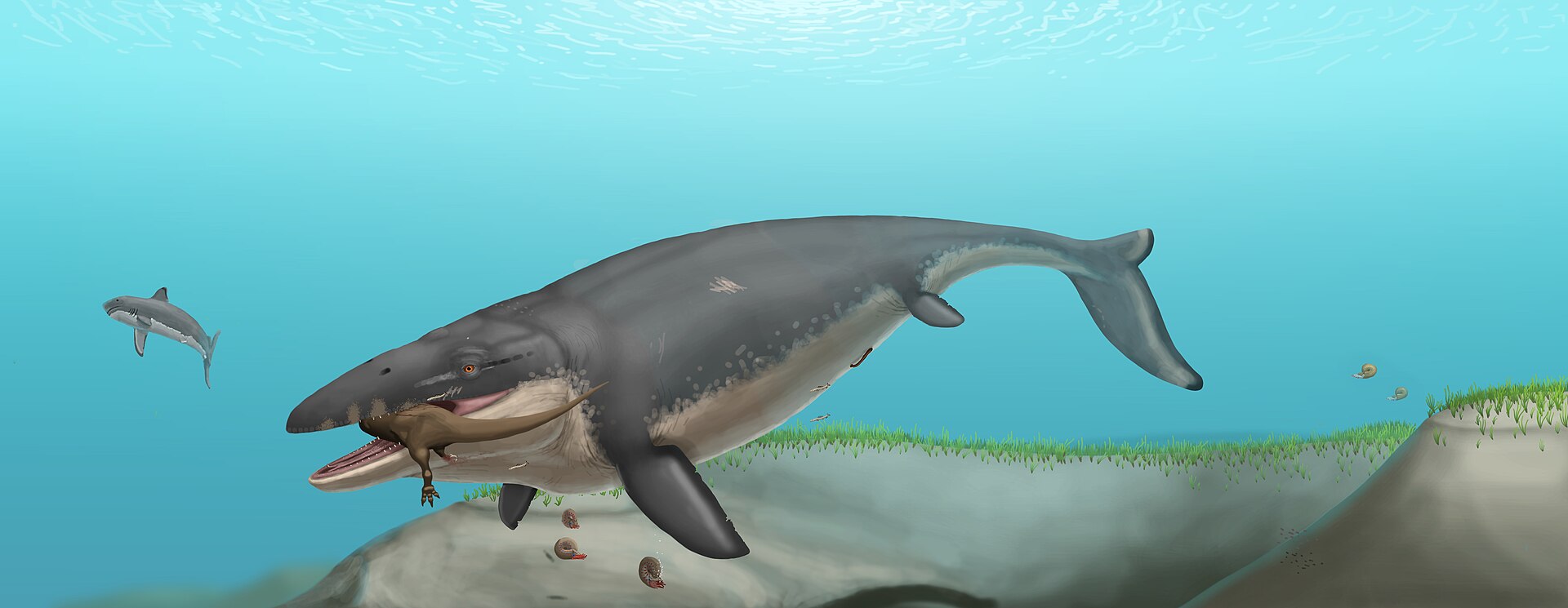
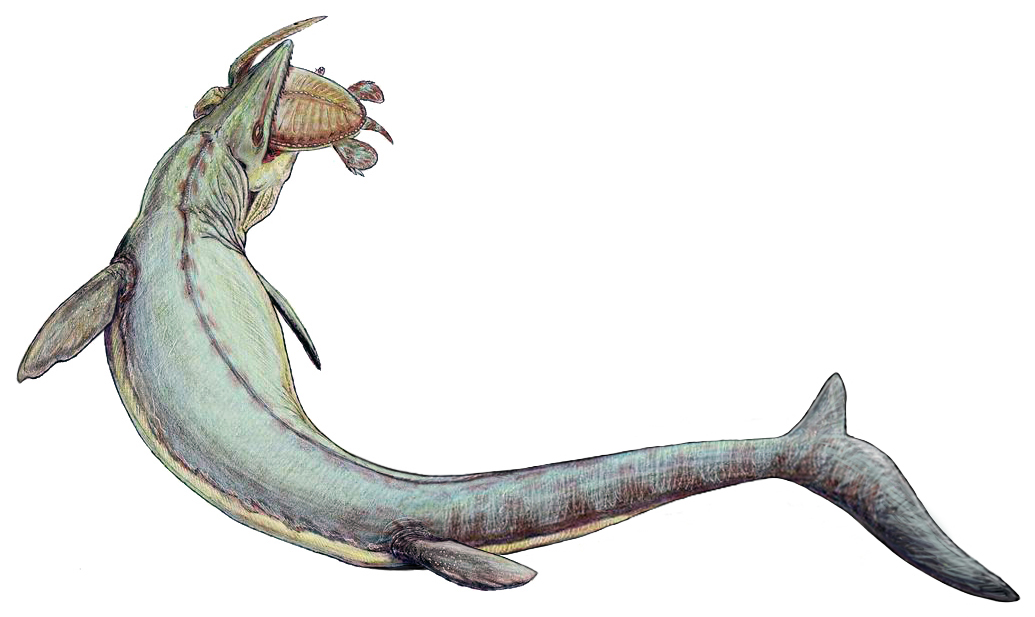
If you really want to talk about the largest predator ever to walk (or cruise) this planet, you have to leave the land behind and look at Mosasaurus. You are dealing with a marine reptile that could stretch close to the length of a city bus, with some species reaching more than fifty feet, heavily muscled and armed with conical teeth made for gripping and tearing struggling prey. When you picture it, imagine a crocodile fused with a monitor lizard, then supercharged and streamlined like a torpedo.
But even Mosasaurus was not necessarily the absolute largest marine predator ever. If you look back to the Jurassic oceans, you run into pliosaurs like Pliosaurus and Kronosaurus, with enormous heads and crushing jaws, and then further back in time, you meet monstrous ichthyosaurs such as Shonisaurus and Shastasaurus, some of which grew over twenty meters long. You also share the planet right now with the largest predator of all time, the blue whale, which is a gentle filter-feeding giant rather than an apex hunter, but its sheer size reminds you how far life can push the limits of biology.
Why the True Giants Ruled the Water, Not the Land
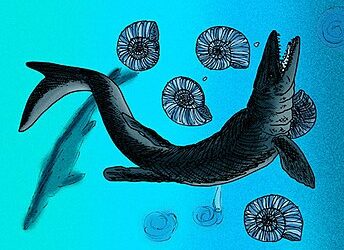
If you have ever wondered why the biggest predators show up in the oceans instead of stomping around on land, the answer comes down to physics and support. In water, a massive body is partly supported by buoyancy, which takes the strain off bones and joints, letting animals grow larger without collapsing under their own weight. You can think of it like moving a heavy box on a dolly instead of carrying it in your arms – the medium does some of the work for you.
On land, everything has to be supported by legs and a spine, which places a hard limit on how massive a running predator can be and still move efficiently. That is why even enormous land hunters like Tyrannosaurus rex tap out around the size of a large truck, while the oceans quietly produce creatures so large that your brain struggles to scale them. When you look at the fossil record, you see this pattern again and again: truly colossal sizes, especially for predators, show up where water can shoulder part of the load.
Inside the Life of a Cretaceous Super-Predator
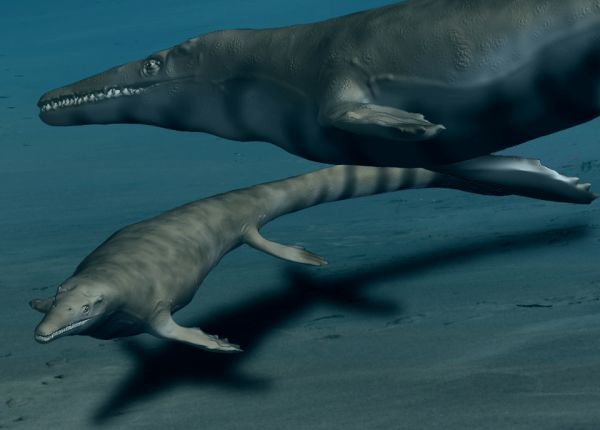
To understand this animal, imagine yourself dropped into the late Cretaceous seas, around the last few million years before the age of dinosaurs ended. You would see Mosasaurus and its kin owning the top of the food chain, hunting fish, sharks, other marine reptiles, and probably anything else unfortunate enough to cross their path. With paddle-like limbs and a powerful tail, a mosasaur could lunge with terrifying speed, turning calm water into a violent whirl of teeth and foam in seconds.
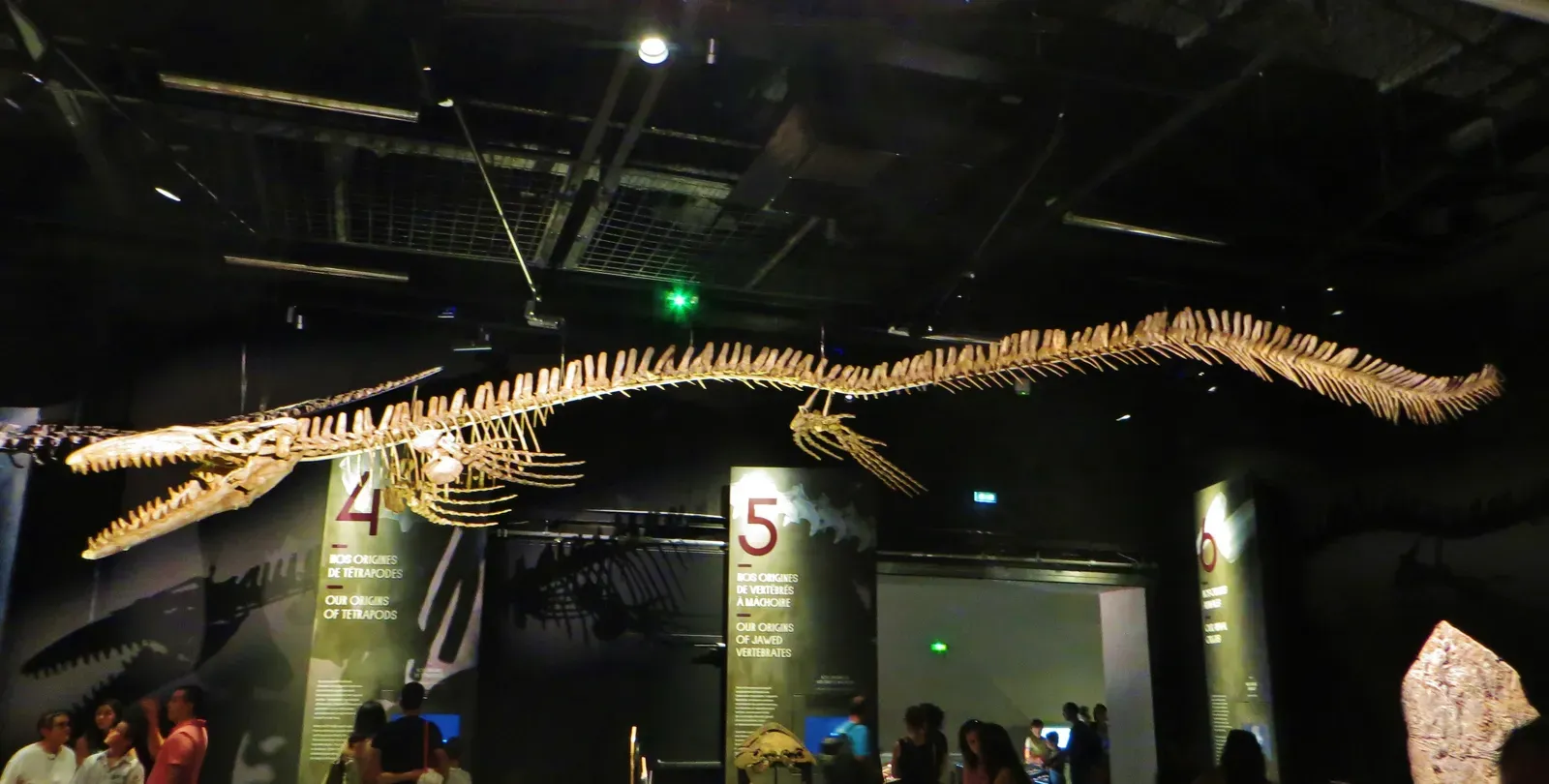
If you looked closely at its skull, you would notice something chilling: a second row of teeth on the roof of its mouth, helping grip slippery prey and pull it backward. You are not looking at a picky eater here; you are looking at a generalist super-predator, tuned to dominate a rich, warm, shallow sea full of life. These oceans covered huge portions of what is now North America and Europe, turning areas that are dry land today into teeming hunting grounds for creatures like Mosasaurus.
The Single Day That Changed Everything: The Chicxulub Impact
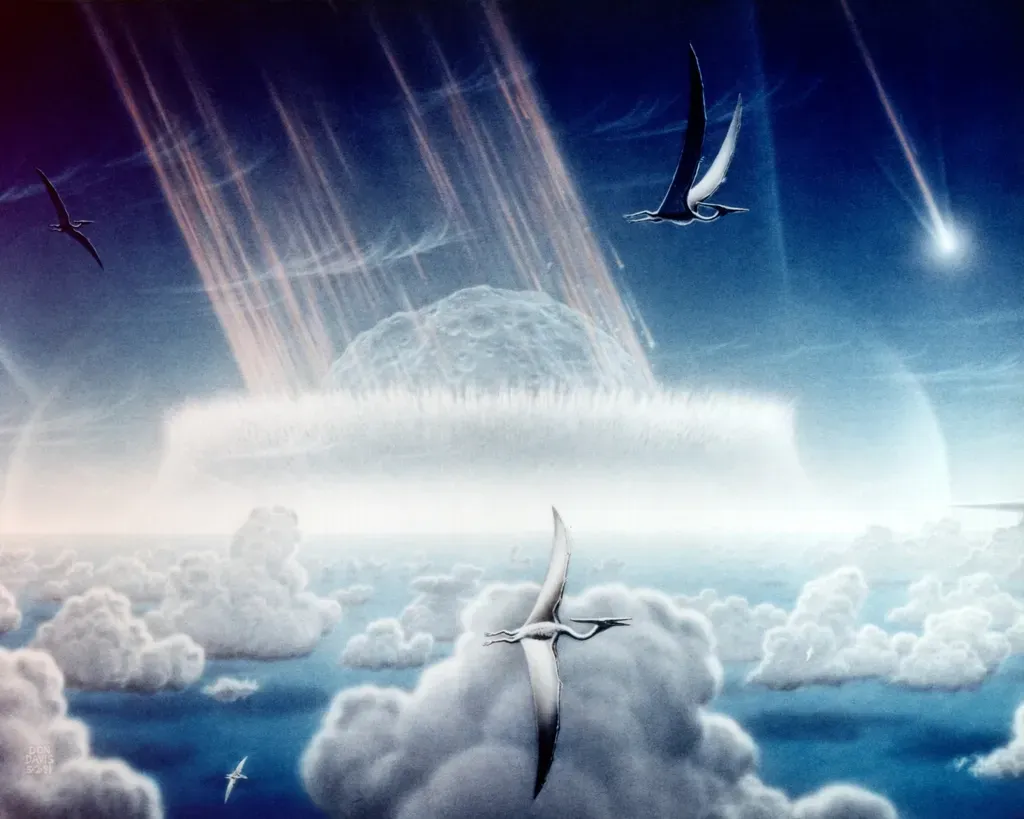
The single event that ended these giant predators is one you already know by reputation, even if you do not know its name: the impact that carved out the Chicxulub crater. About sixty-six million years ago, an asteroid or comet, roughly the size of a city, slammed into what is now the Yucatán Peninsula in Mexico. If you had been anywhere on Earth that day, you would have witnessed an explosion more powerful than billions of nuclear bombs going off at once.
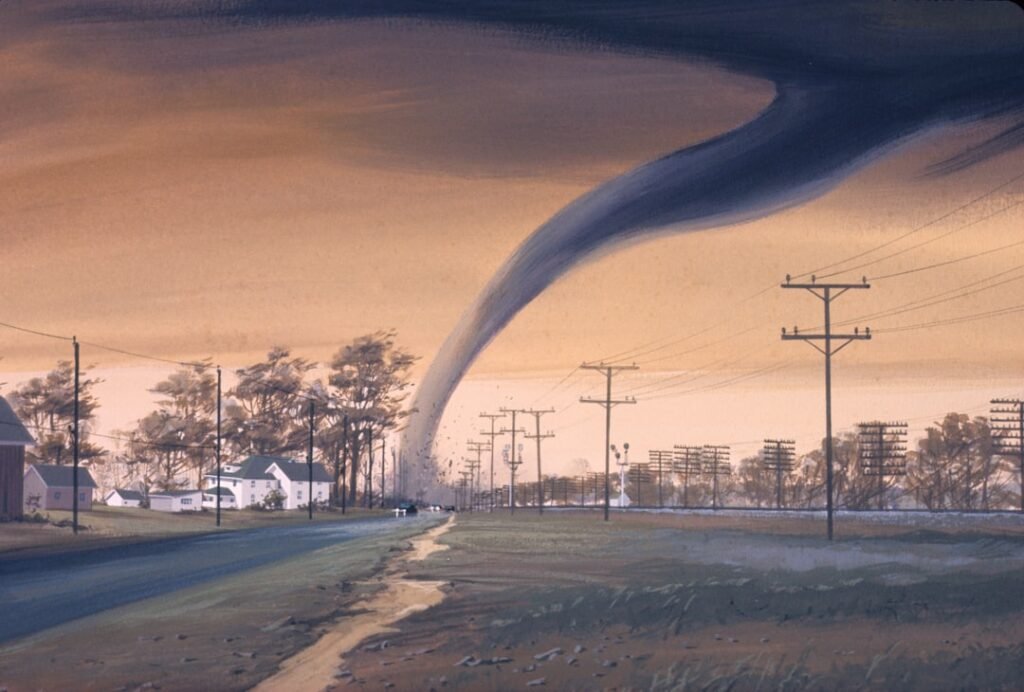
For you, the unimaginable becomes real when you zoom in on the consequences: instant vaporization of rock and water, mega-tsunamis racing across the oceans, forests igniting far from the impact site, and molten debris raining back through the atmosphere. Within hours, then days, the comfortable world of Mosasaurus and its prey was gone, replaced by a planet plunged into chaos and darkness. It was not just a bad day for one species; it was the end of an entire era.
A World Plunged into Darkness: How the Impact Killed the Food Web
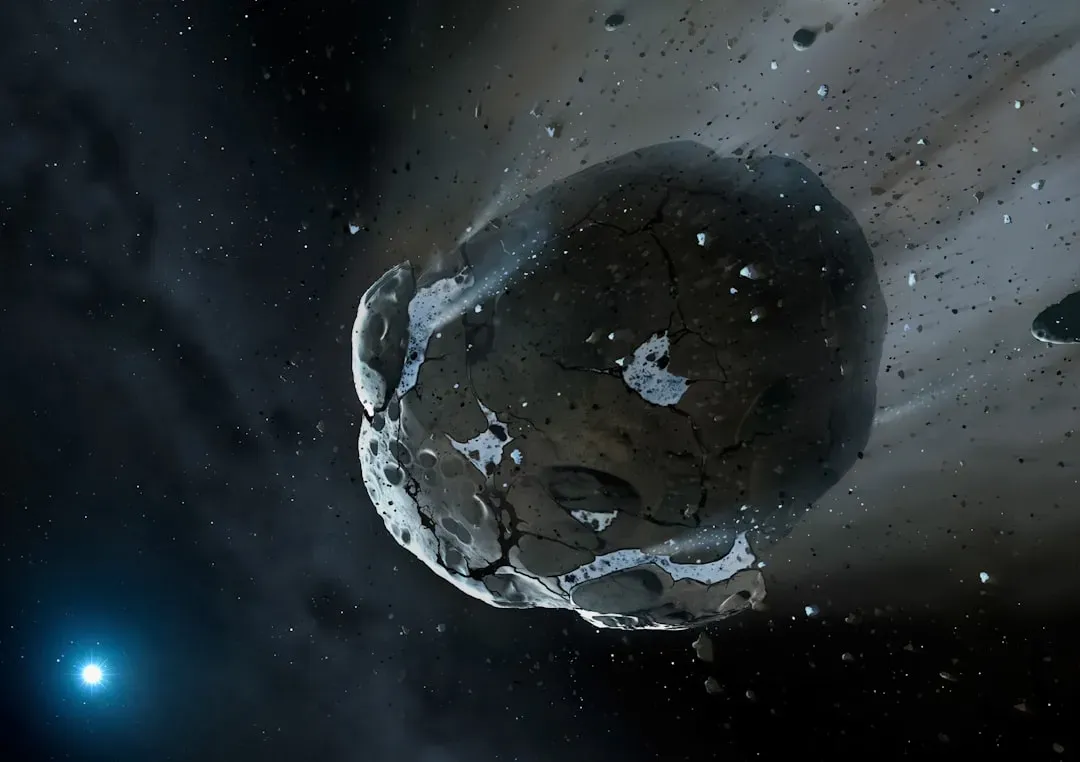
If you zoom out from the initial blast, you see how the real killer was not just the impact itself, but what happened to the climate afterward. Dust, ash, and tiny particles of rock were blasted high into the atmosphere, spreading around the globe and blocking sunlight. If you had stood on the surface, you would have watched daylight dim into a long, eerie twilight that did not lift for months or even years.
Without sunlight, the base of the food web collapsed first: microscopic photosynthetic organisms in the ocean and plants on land could no longer produce energy efficiently. As these primary producers faltered, the effects rippled upward to herbivores, then to the top predators like Mosasaurus. You can think of it like turning off the power to a skyscraper; the lights go out at the bottom, but eventually every floor goes dark, and the top stories fall hardest.
In the oceans, acidification from massive releases of carbon dioxide and other gases likely added another layer of stress. If you were a large marine predator, suddenly your world would be a place with fewer prey, colder water in some regions, and rapidly changing chemistry. For a creature evolved to thrive in a stable, warm, well-stocked sea, that combination was a slow-motion catastrophe.
Why a Giant Apex Predator Had Almost No Chance
When you think of a huge apex predator, you might assume size is always an advantage. But in a global crisis, being big and specialized can turn into a deadly liability. Large predators need a lot of food, stable ecosystems, and relatively predictable conditions; all of those evaporated in the aftermath of the impact. If you imagine trying to run a large, high-performance car on a shattered fuel network, you get an idea of what that felt like on an ecological level.
Smaller animals, especially those that could eat a wide variety of food, hide, or go dormant, had better odds of riding out the chaos. You see the survivors in the fossil record: small mammals, some birds, crocodilians, and certain fish and invertebrates. If you had somehow been able to advise the creatures of that time, you would have told them that being flexible, small, and not at the top of the food chain was suddenly the safer bet. For giants like Mosasaurus, the rules changed too fast and too violently to adapt.
How You Still See the Ghost of the Impact Today
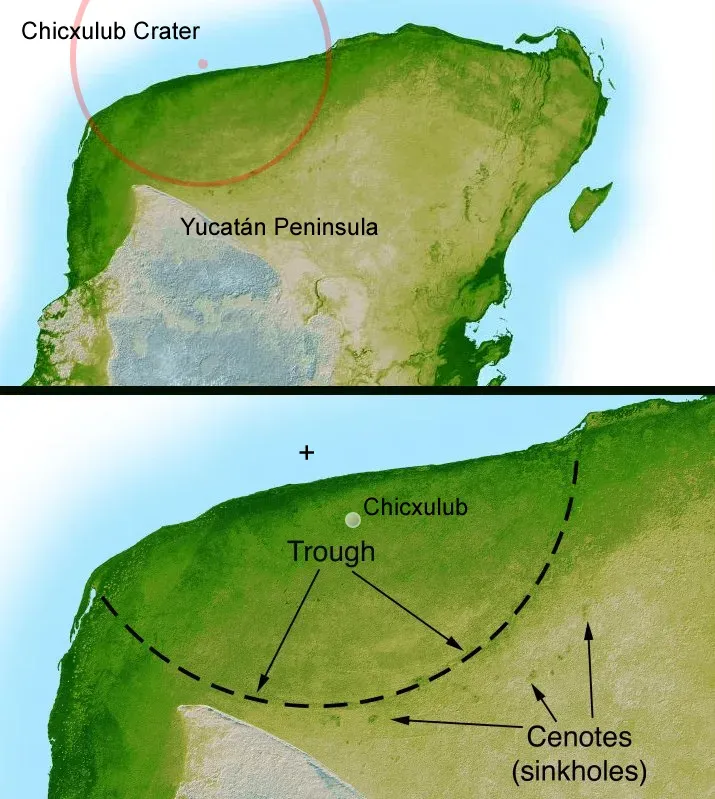
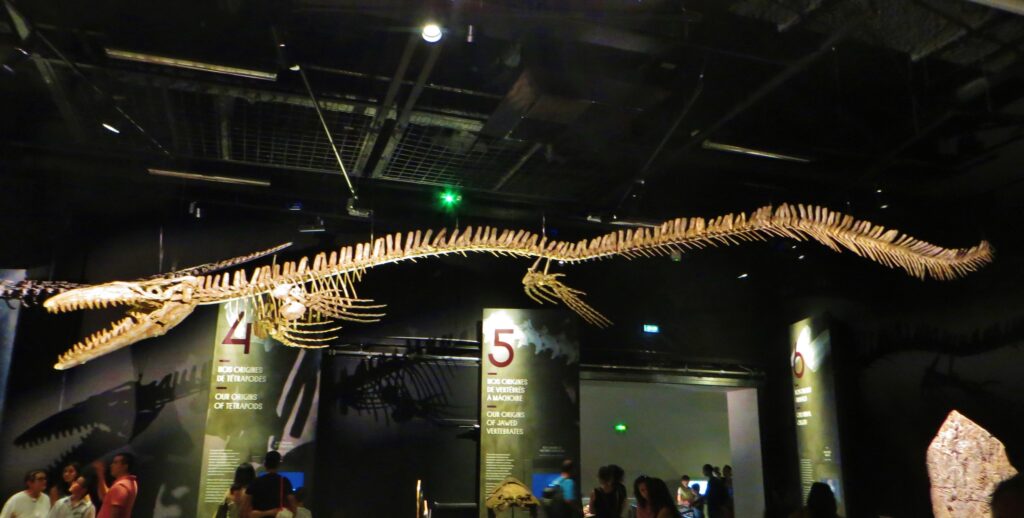
Even though these massive predators vanished tens of millions of years ago, you can still trace their story in the world around you. If you look at maps of gravity anomalies and geological structures, you can see the buried outline of the Chicxulub crater under the Yucatán. When you walk into a natural history museum and stand beneath a reconstructed mosasaur skeleton, you are literally staring at one of the last rulers of that lost ocean world.
In the rocks themselves, there is a thin layer of sediment enriched in elements like iridium, rare in Earth’s crust but common in asteroids. If you hold a piece of that layer in your hand, you are touching the fallout from the day Mosasaurus, Tyrannosaurus, and roughly about three quarters of all species on Earth were cut down. For you, it is a physical reminder that one day and one impact can reset the entire history of life.
From Extinction to Opportunity: How the End of Giants Made Room for You
When you look at that extinction event through a personal lens, the story becomes even more unsettling: without the asteroid, you likely would not be here at all. The downfall of giant predators like Mosasaurus and the extinction of non-avian dinosaurs cleared ecological space for mammals to diversify and take over niches once dominated by reptiles. Tiny, mostly nocturnal creatures that looked nothing like you eventually branched out into primates, and much, much later, into humans.
In a way, your own existence is tied to the single event that ended the reign of the largest predators the planet has known. You are living in the long aftershock of that ancient disaster, in a world rebuilt on the wreckage of theirs. When you consider that, your everyday life becomes part of a story that started with a blazing object in the sky and an ocean full of giants that never saw it coming.
Conclusion: The Biggest Killer You Never Met
When you put all the pieces together, you see that the largest predators ever to roam Earth’s surface and seas were not brought down by competition, disease, or gradual decline, but by a single violent strike from space. Creatures like Mosasaurus ruled their world completely, only to be blindsided by forces far beyond anything evolution had prepared them for. In their extinction, the stage was cleared for a new cast of characters, eventually leading to you reading this now.
If you walk away with anything, let it be this: size, power, and dominance are not guarantees of survival when the rules of the game change overnight. The same planet that nurtures life also resets it, sometimes in an instant, and you happen to live in the chapter that came after the giants fell. When you look up at the night sky now, can you really see it the same way, knowing that one rock once ended a world and, indirectly, made room for yours?