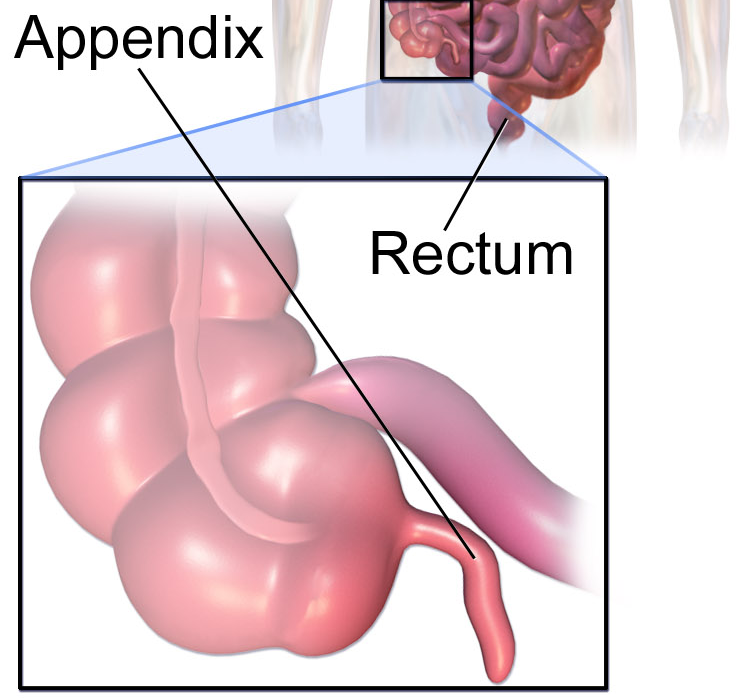

If you grew up thinking your appendix was a useless leftover from evolution, you’re not alone. For decades, you were basically told that this tiny pouch in your lower right abdomen was just waiting to cause trouble, then get cut out and tossed away without consequence. But modern research into the gut microbiome and immune system has started to flip that old story on its head, and it changes how you might think about your own body.
More and more evidence suggests that your appendix is less of a ticking time bomb and more of a quiet backup system, especially when your gut is under attack from infections or antibiotics. Instead of being a pointless remnant, it may act like a protected safe house for beneficial bacteria, helping to reboot your intestinal ecosystem after chaos. When you look at it that way, the appendix suddenly feels less like a mistake and more like one of evolution’s clever contingency plans.
Why You Were Told the Appendix Was Useless
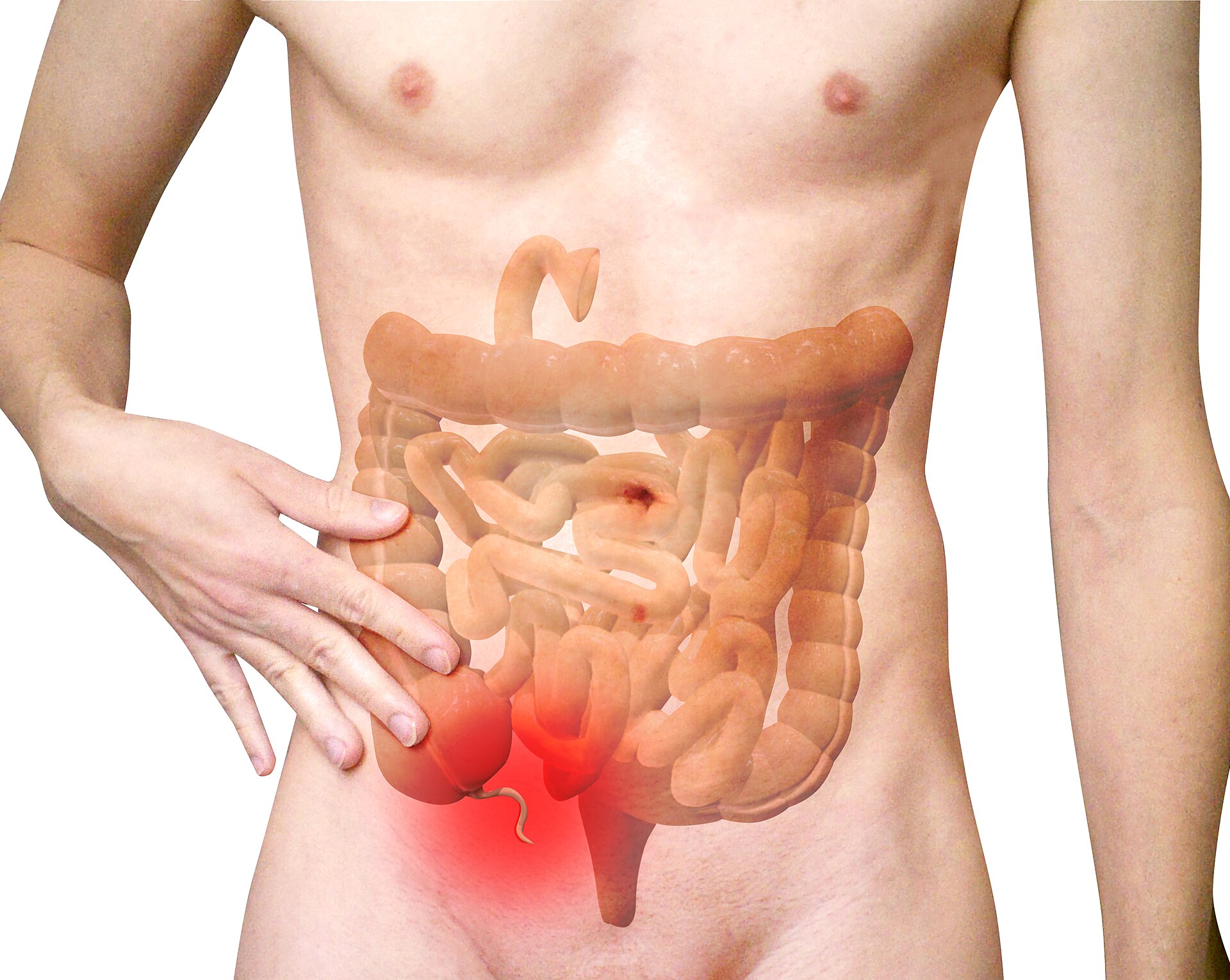
You were probably taught that the appendix is vestigial because, for a long time, doctors and scientists could not see an obvious function for it in modern humans. People had appendicitis, surgeons removed the organ, and most patients went on living without clear day-to-day problems, which made it easy to assume it never really did much in the first place. In a world focused on dramatic, visible functions, a small blind-ending tube tucked off your large intestine just did not look very impressive.
The classic idea was that your distant herbivorous ancestors used the appendix and surrounding cecum to help digest tough plant material, but as your diet and lifestyle changed, the organ supposedly stopped mattering. That story is neat, simple, and wrong in its oversimplification. Evolution does not usually waste energy maintaining totally useless tissue for millions of years, and once researchers started looking more closely at gut bacteria and immune structures, the old “worthless appendix” narrative began to crack.
The Appendix as a Microbiome Safe House
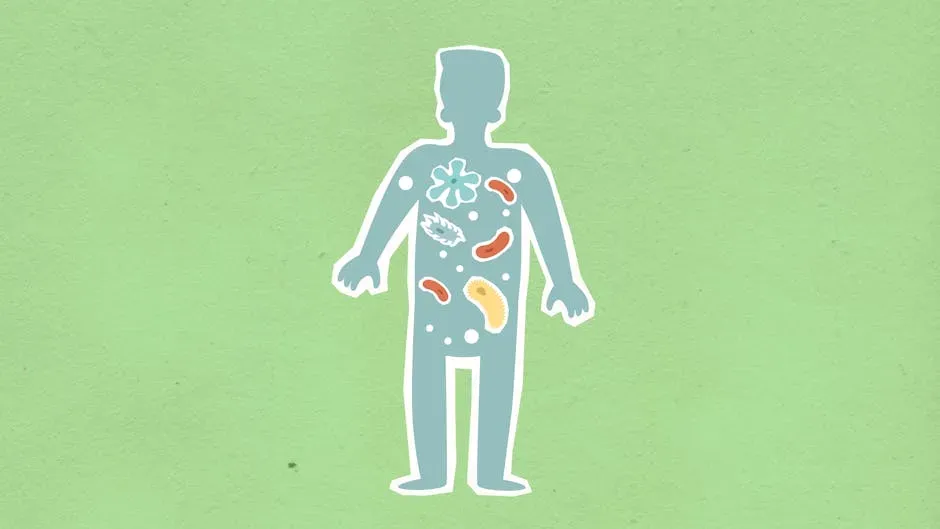
When you think of your gut, you might picture food moving through, but the real star is the community of microbes living there. Your intestines are home to trillions of bacteria that help you digest food, make vitamins, train your immune system, and even influence your mood. The problem is that intense diarrhea, severe infections, or broad-spectrum antibiotics can flush or wipe out huge portions of these helpful microbes, leaving your system vulnerable and off-balance.
This is where the appendix appears to shine. The inner lining of your appendix helps support dense, sticky biofilms of beneficial bacteria that are sheltered from the worst of what happens in the main gut tube. When an illness or heavy medication sweep clears out much of your intestinal bacteria, the organisms hiding out in your appendix can slowly move back into your colon, helping repopulate and reboot your microbiome. In other words, your appendix may function like an emergency backup drive for your gut’s software.
Immune System Training Ground in Your Gut
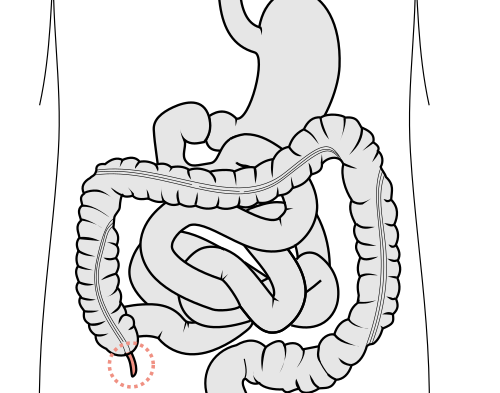
Your appendix is not just a parking lot for bacteria; it is also loaded with immune tissue. In fact, when you are younger, this organ is rich in lymphoid follicles, which are like tiny training centers where immune cells learn how to respond to what you eat and what lives in your gut. Instead of treating every microbe as an enemy, your immune system has to learn which ones to tolerate and which ones to fight, and the appendix seems to play a quiet role in that education process.
If you imagine your immune system as a border control agency, then the appendix acts a bit like a small, specialized outpost. It samples what is flowing through your intestines and helps your defenses calibrate their responses. That might sound abstract, but it can influence how prone you are to inflammation, allergies, or autoimmune reactions over a lifetime. You may never feel this training happening, but it is part of why your gut can usually host huge numbers of microbes without constant war breaking out.
What Happens When Your Appendix Is Removed?
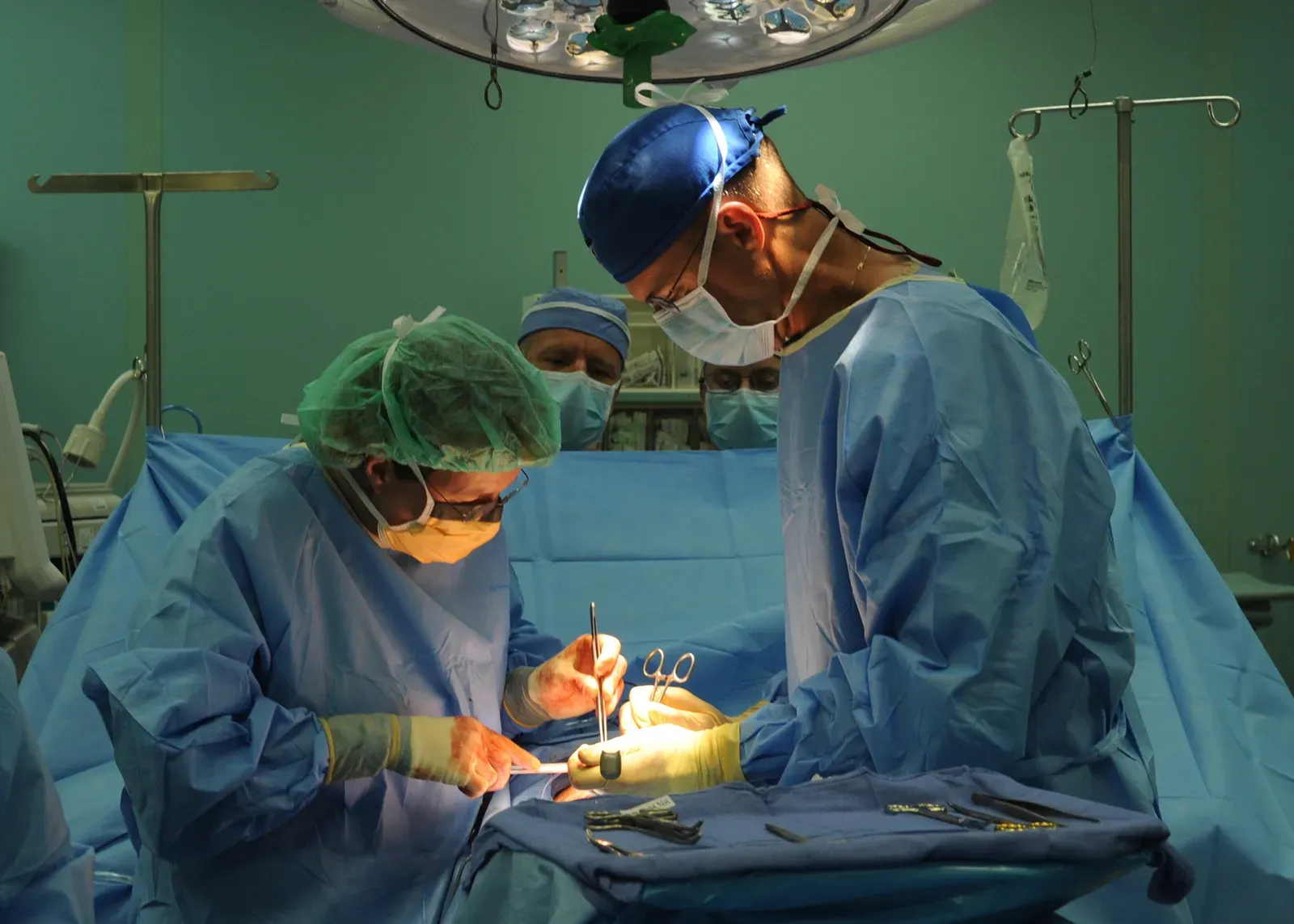
If you’ve had your appendix removed, you might be wondering if you lost something crucial. The reassuring news is that your body is remarkably adaptable, and most people without an appendix live completely normal, healthy lives. Your gut microbiome can still recover after illness, and other parts of your intestines and immune system can take over some of the work that the appendix might have done. Evolution tends to build in redundancy, and you benefit from that backup design.
That said, some research suggests there may be subtle differences when the appendix is gone. You may have a slightly different risk profile for certain gut infections or inflammatory bowel conditions, and your microbiome might bounce back in a somewhat different way after severe disruption. This does not mean you are doomed or fragile; it simply means that the appendix was likely contributing to resilience in ways that only become obvious when you look across large groups of people and many years of data.
Appendicitis: When a Helpful Organ Turns Dangerous
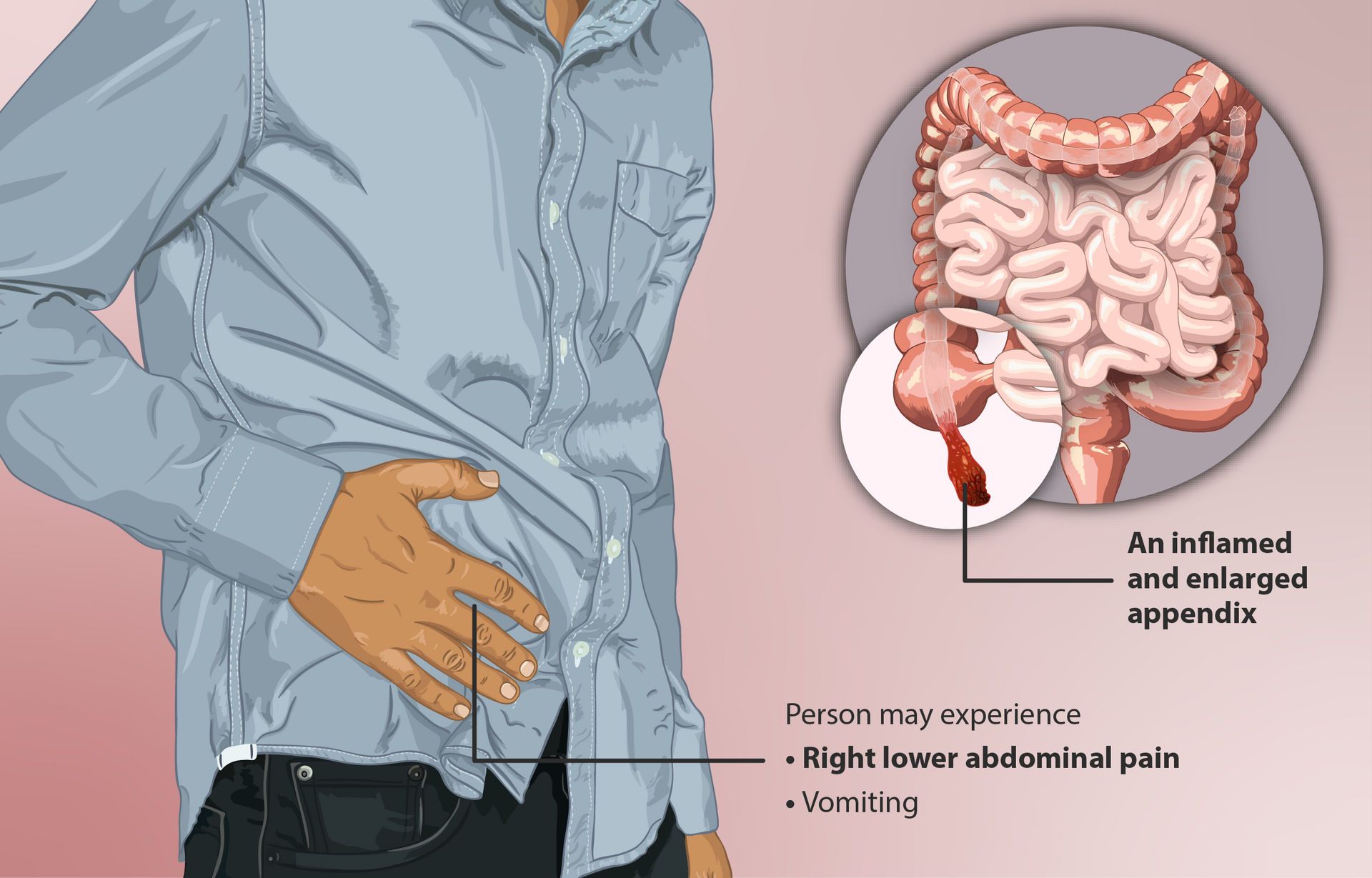
The frustrating twist is that an organ that probably exists to protect your gut can also become a medical emergency when it gets blocked and inflamed. Appendicitis usually happens when something obstructs the narrow opening of the appendix, causing trapped mucus, bacterial overgrowth, and swelling. If that swelling cuts off blood flow, the tissue can die and eventually rupture, spilling infectious material into your abdomen, which is why surgery has saved so many lives over the last century.
You might wonder why evolution kept such a risky structure around if it can explode with so much drama. The likely answer is that, across most of human history, the benefits of improved gut resilience and immune training outweighed the relatively lower risk of appendicitis, especially in environments where repeated gut infections were the norm. In modern settings with better hygiene, antibiotics, and surgery, the tradeoff looks different, but evolution is not optimizing for the world of hospitals and clean water; it is optimizing for survival over millions of years.
The Appendix Across Different Species
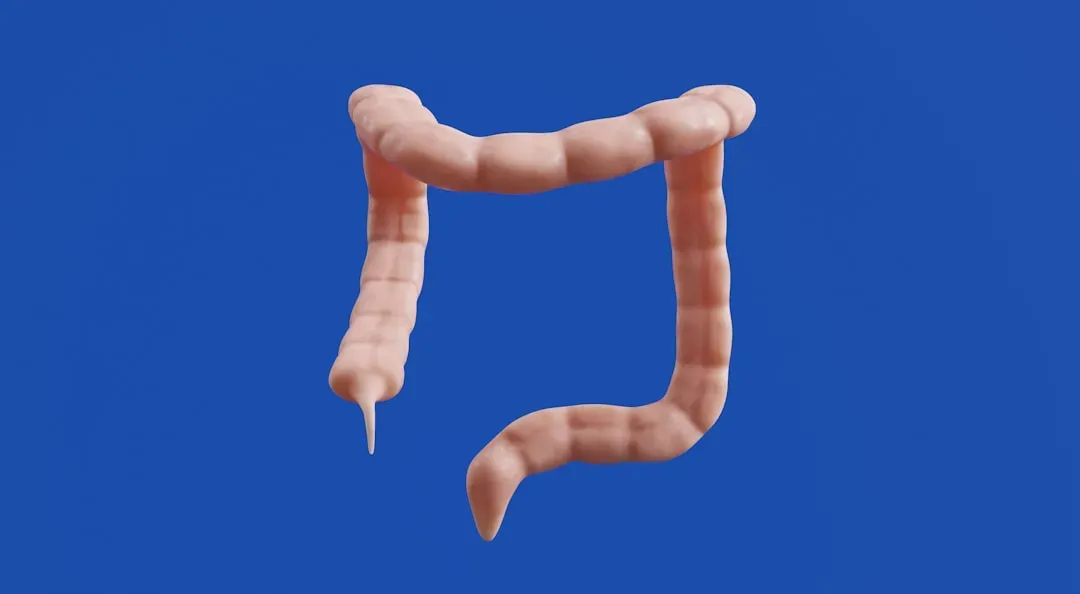
You are not the only one with an appendix-like structure; many mammals carry a similar organ, and that alone should make you pause before calling it useless. When researchers mapped which animals have appendices and compared that with their diets and lifestyles, they noticed that the organ evolved multiple times and tends to stick around in lineages where it appears. That kind of pattern usually suggests a survival advantage, not a random leftover that evolution forgot to delete.
Interestingly, animals with appendices often show features that support the idea of a microbial reservoir and immune function, such as rich lymphoid tissue and a protected location off the main digestive flow. When you see similar solutions evolve independently in different branches of the mammal family tree, it is like nature underlining a design choice in thick ink. You may not feel your appendix doing anything day to day, but from a long-term evolutionary perspective, it looks more like a favored tool than a discarded part.
What This Means for How You Care for Your Gut
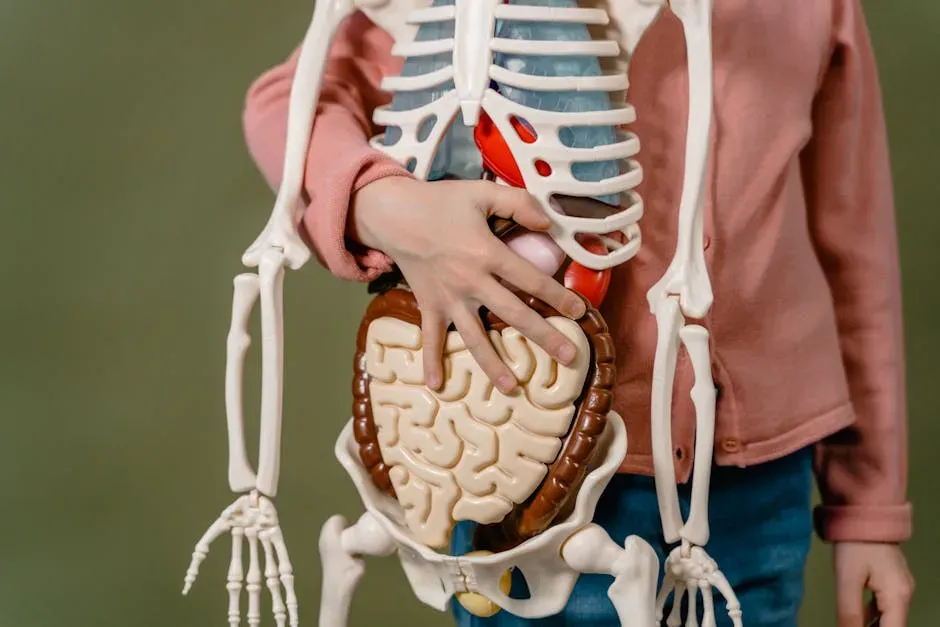
Knowing that your appendix is likely part of a bigger gut resilience system nudges you to think differently about your microbiome in general. Instead of viewing your intestines as a simple food pipe, you can see them as a dynamic, living ecosystem where balance matters more than brute force. When you take antibiotics, make big dietary changes, or go through a nasty stomach bug, you are not just inconvenienced; you are reshaping the bacterial community that your appendix may help support and restore.
This perspective pushes you toward habits that respect that ecosystem: eating a variety of fiber-rich plant foods, being careful with unnecessary antibiotic use, and giving your body time to recover after digestive illnesses. Your appendix may help reboot your gut after a crash, but it cannot protect you from every assault you throw at it. Treating your microbiome like something worth preserving makes your appendix less of a mysterious organ and more of a quiet partner in your long-term health strategy.
Conclusion: Rethinking a Tiny Organ With a Big Story
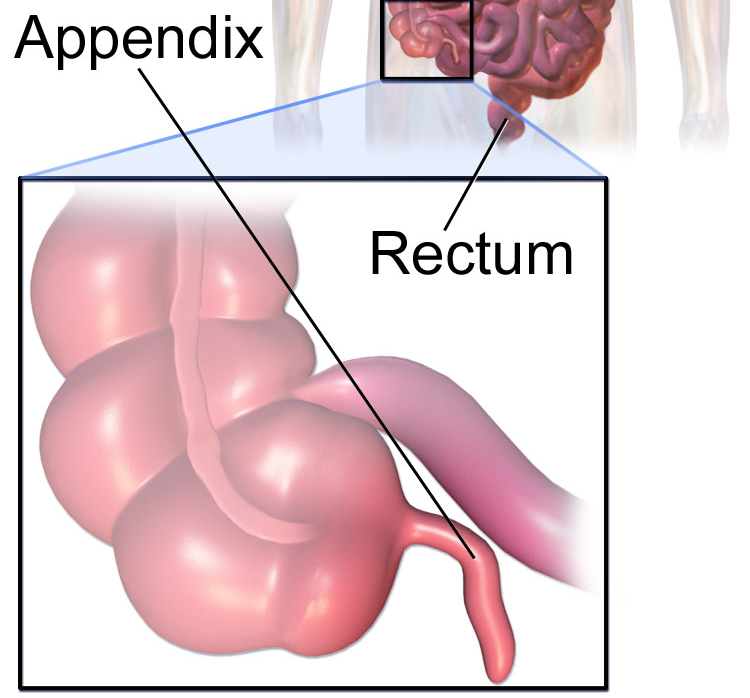
Once you stop viewing your appendix as a useless time bomb and start seeing it as a microbial safe house and immune outpost, your relationship with your own body shifts. You realize that evolution rarely leaves true junk lying around for millions of years and that what once looked pointless can reveal a subtle, important role when you have the tools to study it properly. Your appendix might not be flashy, but it seems to be part of a deeper system that helps your gut bounce back from chaos.
At the same time, you can hold two truths at once: the appendix is likely useful, and it can still become dangerously inflamed and need removal. That tension is part of being a human animal living with an evolutionary design, not a custom-built machine. Next time you think about that small organ in your lower right abdomen, you might picture it less as a flaw and more as a backup vault for your inner ecosystem. Knowing that, how differently do you see that little pocket of tissue you used to ignore?